The adventure of the brands
The Robot story
- Founded in 1934Germany
- No longer makes cameras
A watchmaker’s camera that Kodak and Agfa turned down, a spring motor that wound the film by itself, a camera in the tail of dive bombers, spies on both sides of the Iron Curtain and speed cameras on the roads: the Robot story, told through its inventions and its anecdotes.
1930–1937
A camera that winds itself
In the museum
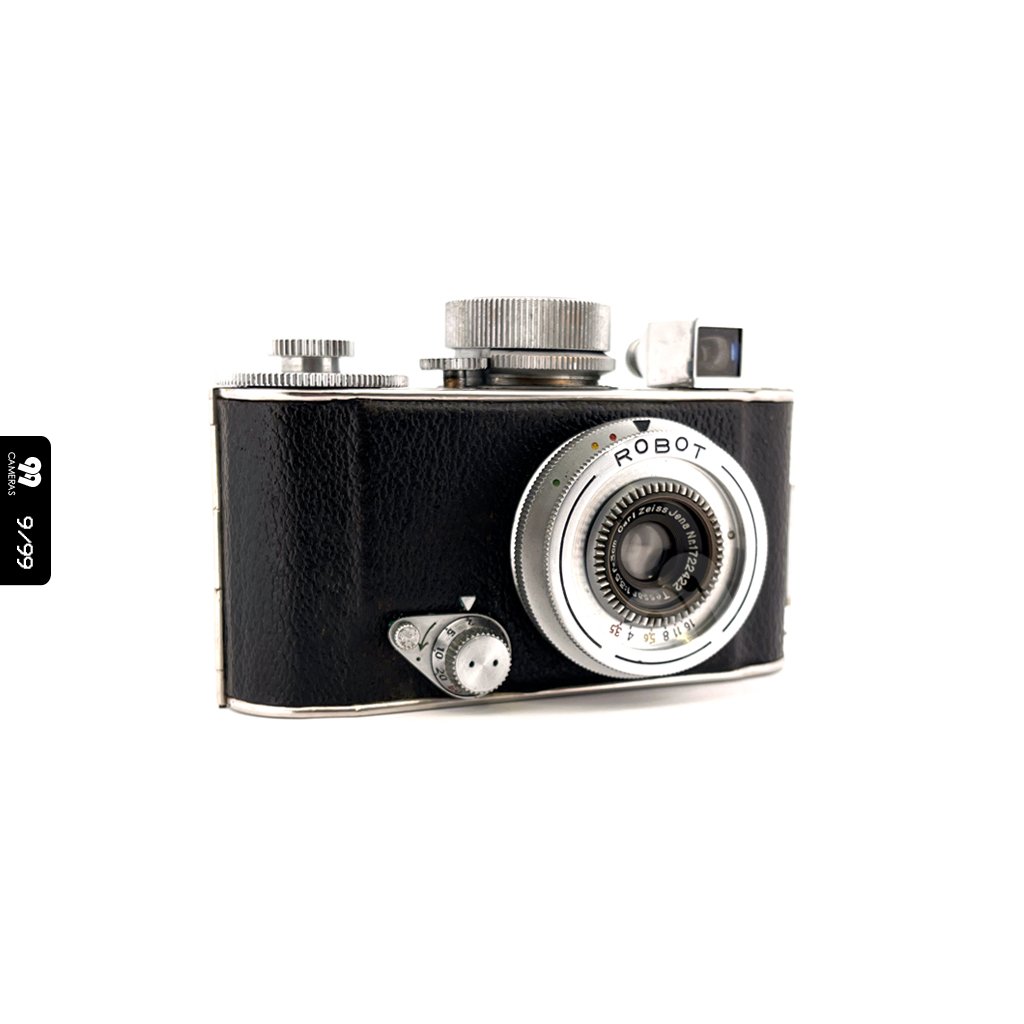
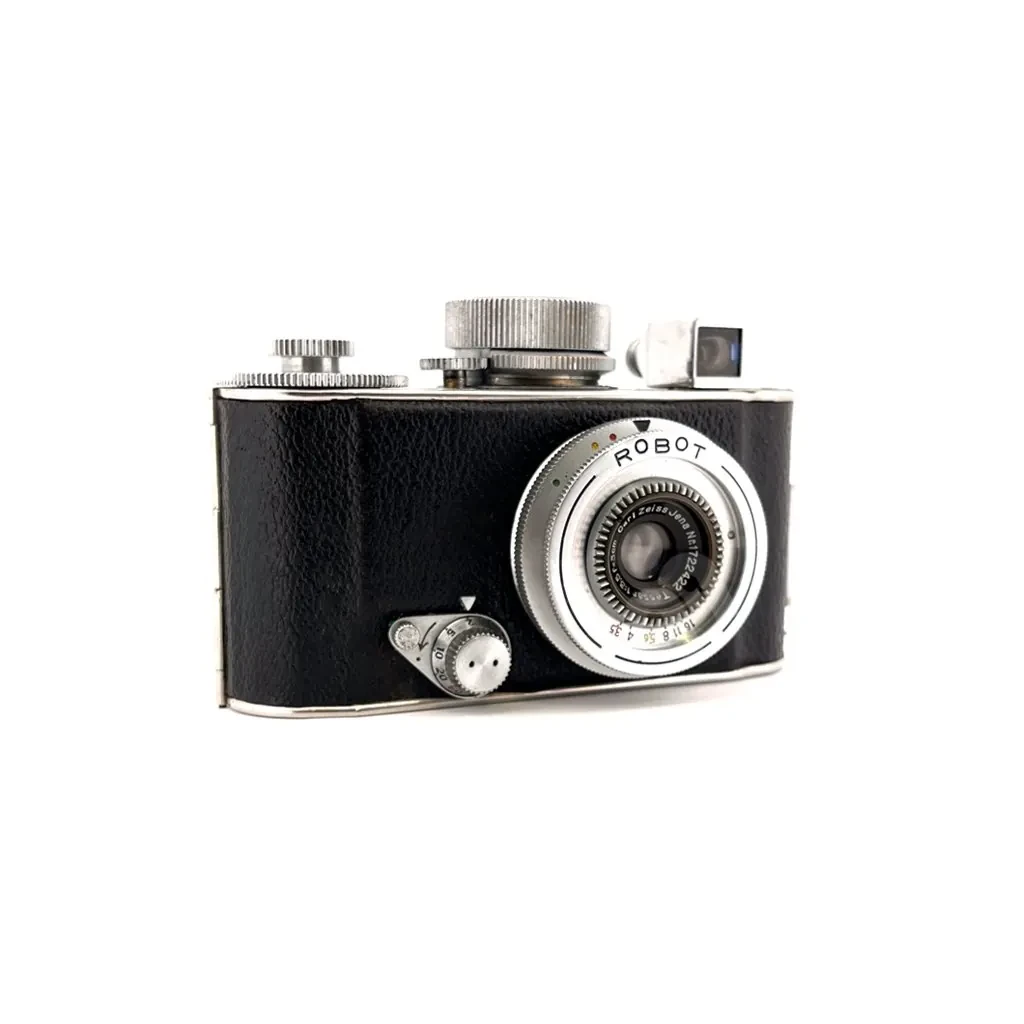
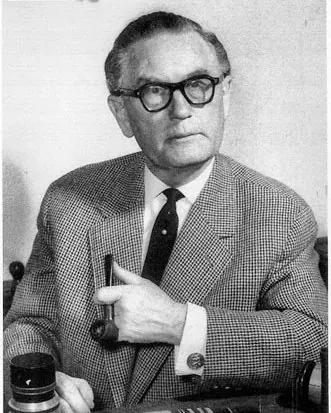
Around 1930 Heinz Kilfitt, a German watchmaker and designer, imagined a small 35 mm camera with a clockwork motor: after each picture, a spring wound the film and cocked the shutter by itself. Kodak and Agfa turned the design down. It was bought by Hans Berning, who founded the firm Otto Berning & Co in Düsseldorf to make it.
In 1934 the Robot I appeared: a stainless steel camera taking square 24 × 24 mm pictures, at up to about four pictures a second, with a shutter up to 1/500. It was the first successful motorised 35 mm still camera. A Robot I is in the museum.
1938–1945
A camera for the Luftwaffe
In the museum
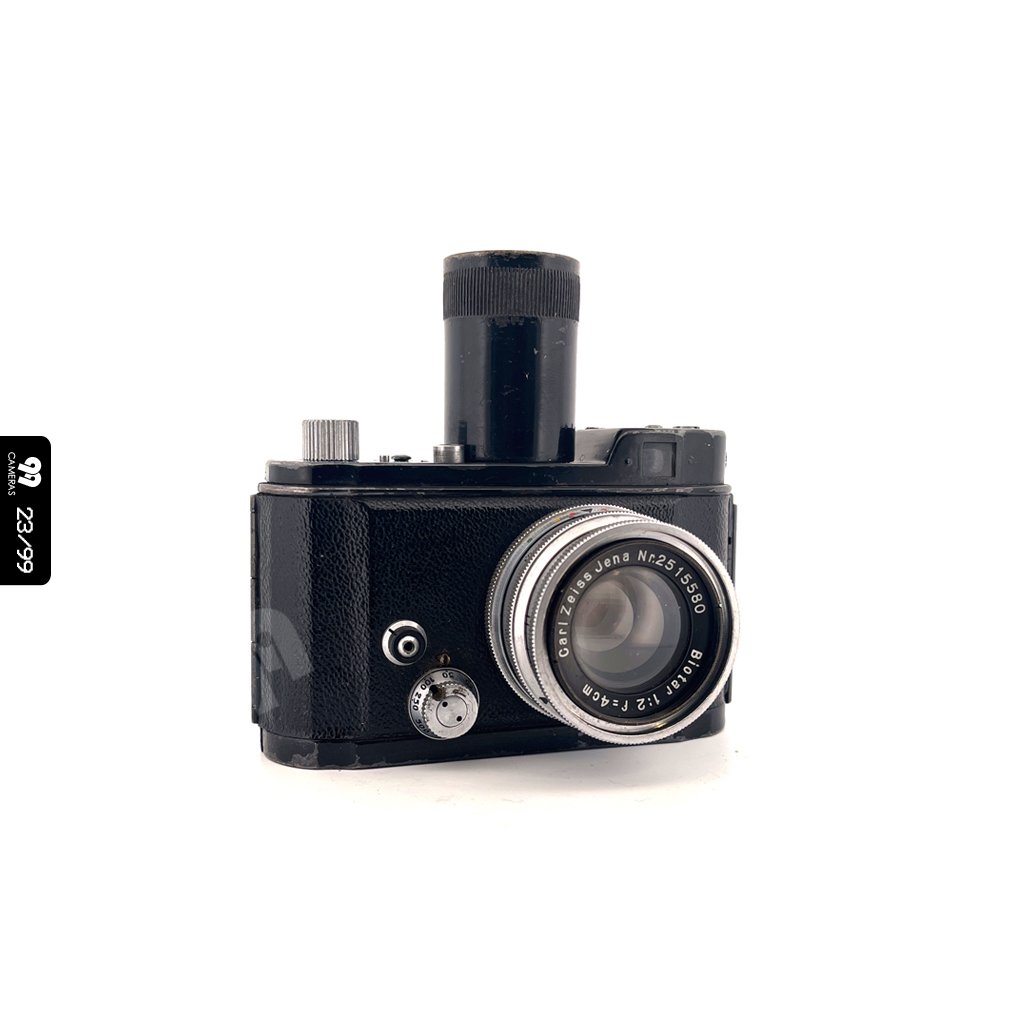
In 1938 came the Robot II, slightly larger and improved. During the war civilian production stopped, and the Robot went to the military. A special version with two viewfinders, one at the back and one on the side, allowed hidden use, even inside a suitcase.
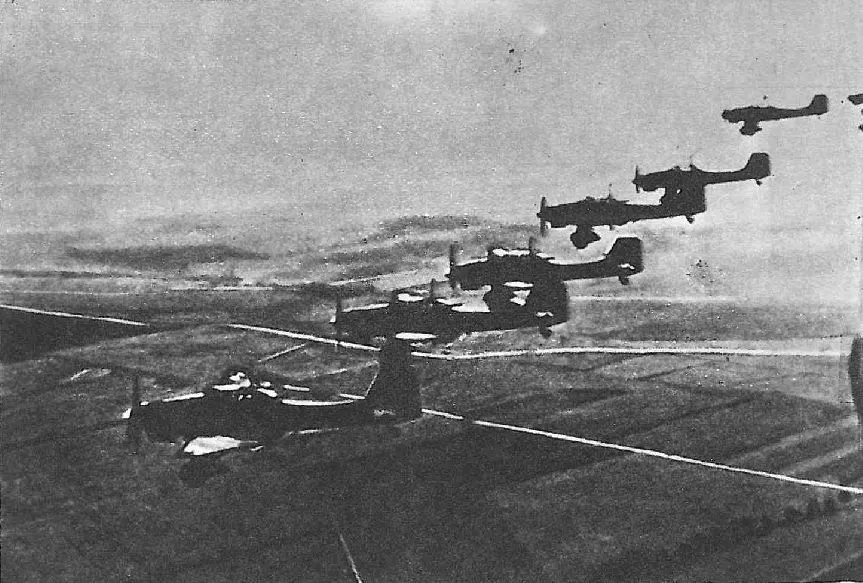
An electric version was mounted in the tail of the Junkers Ju 87 “Stuka” dive bombers, to photograph the results of their attacks. A Robot II made for the Luftwaffe is in the museum.
1945–1996
Spies on both sides
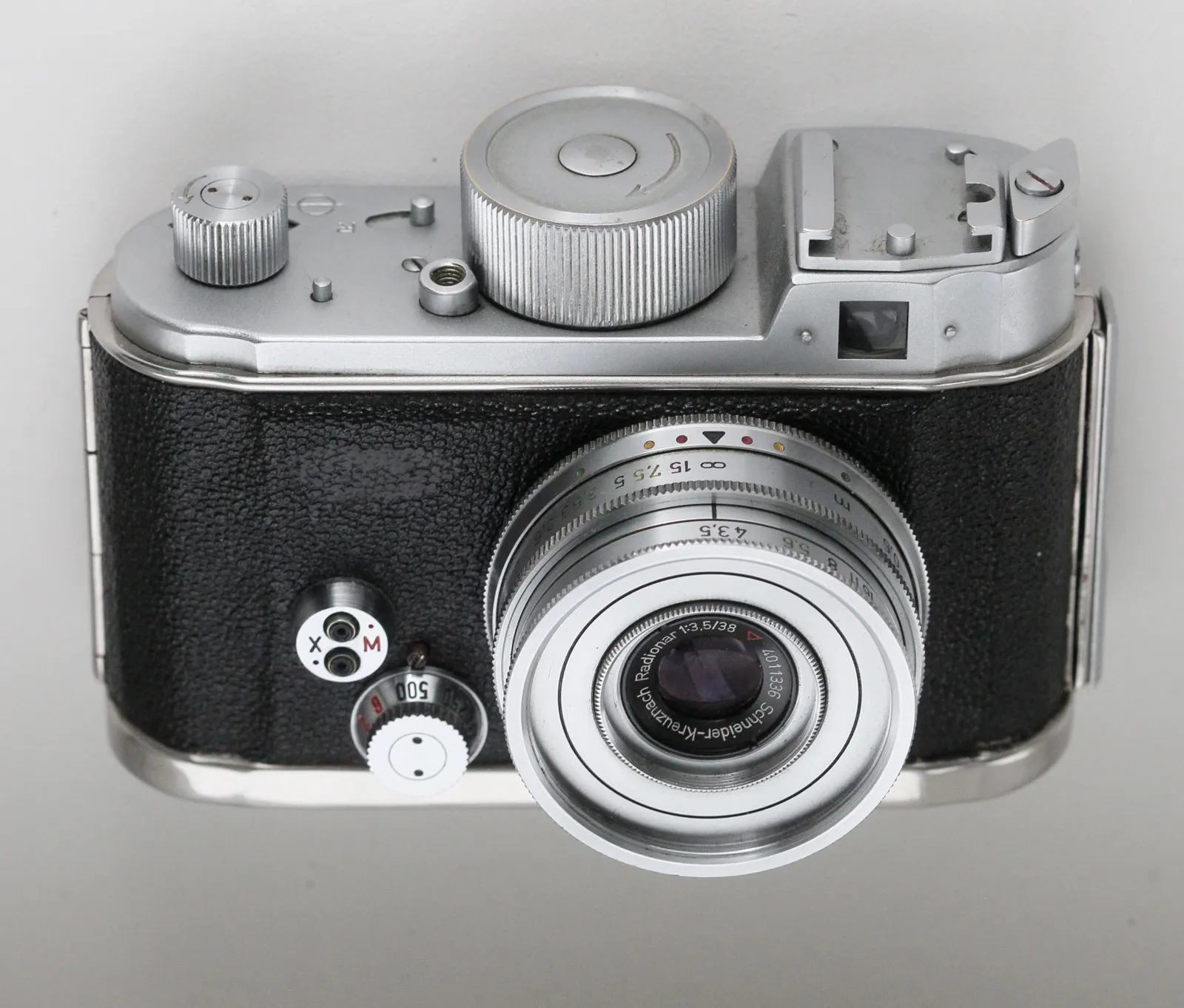
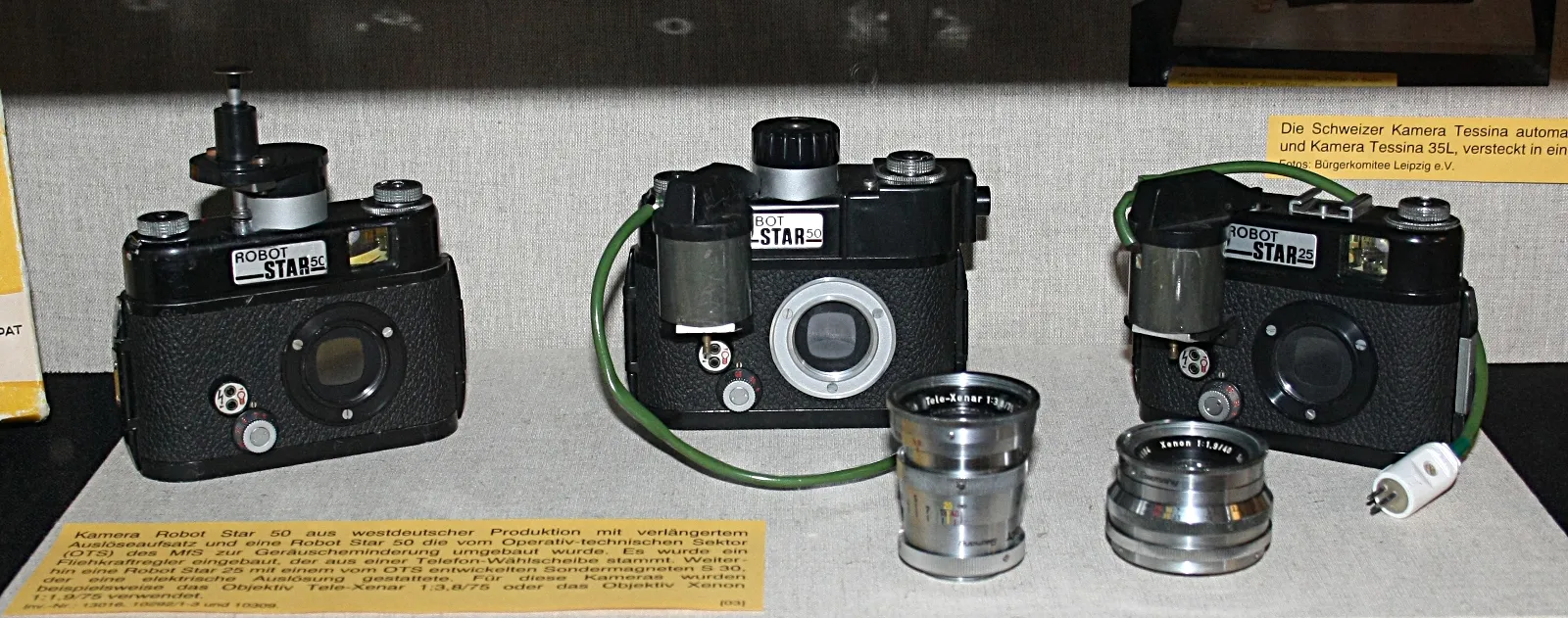
After the war Robot made the Robot Star, the Junior and the Royal, a larger model with a rangefinder that could take about six pictures a second. With their quiet clockwork motors, Robots became favourite cameras of the secret services, hidden in briefcases or handbags and fired with a cable.
The clockwork Robots were made until 1996, when a limited “Star Classic” edition closed the line.

1960s–today
Smile for the speed camera
In the museum

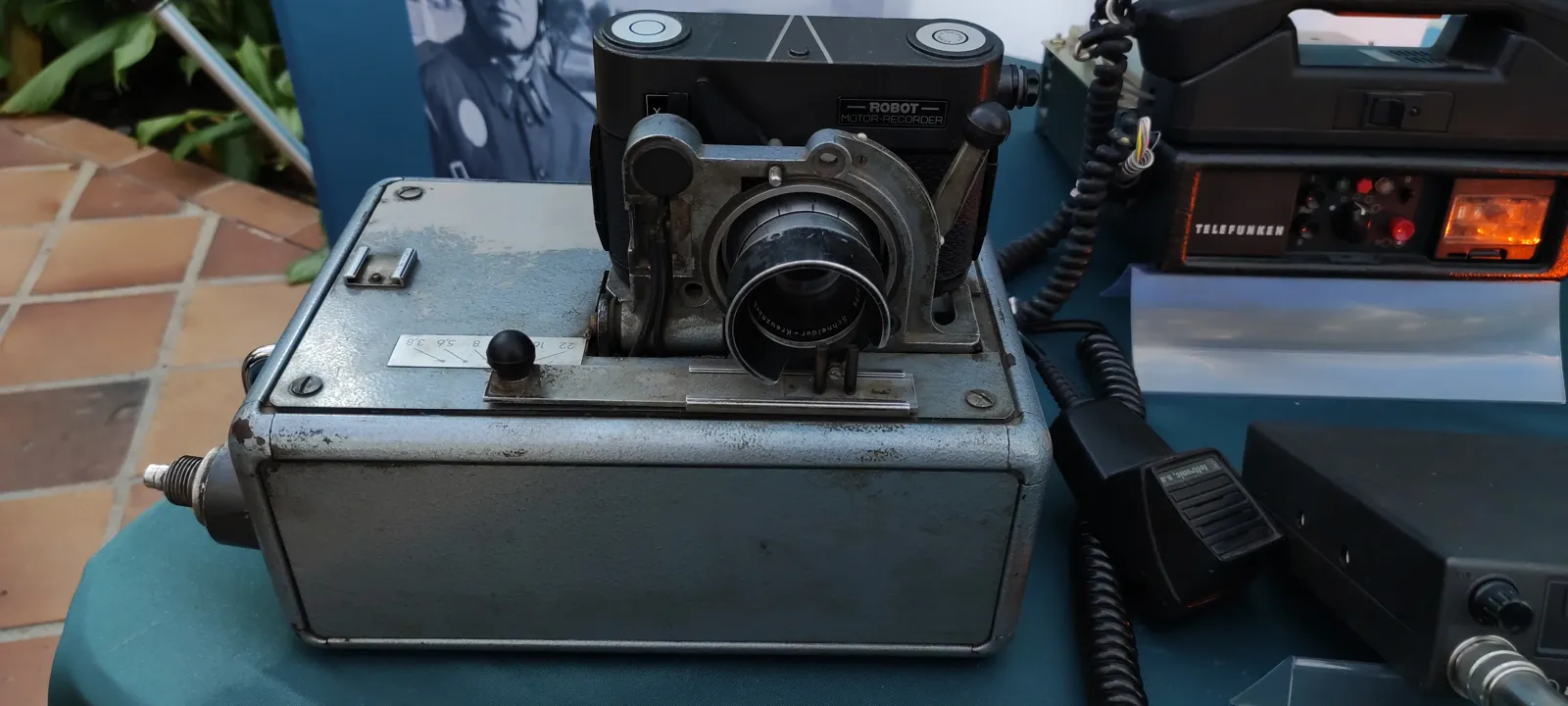
A version of the Robot for scientific and industrial recording became the heart of new activities: document copying, bank security and above all traffic control. Robot cameras were used in Traffipax speed cameras, which photographed speeding cars on the roads. In 1999 the company joined the Jenoptik group.
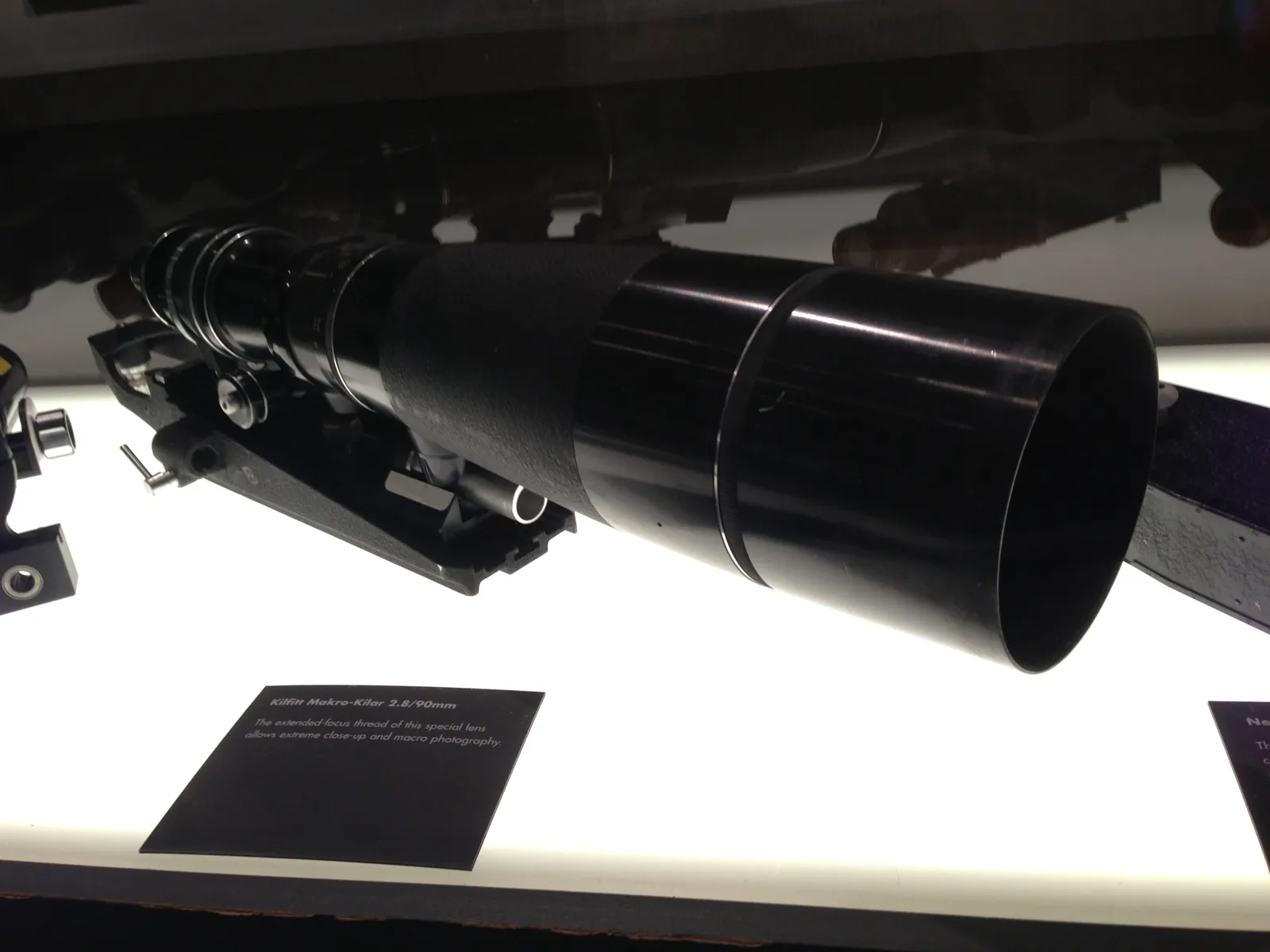
Heinz Kilfitt, for his part, went on inventing: he designed the Mecaflex, made in Monaco, and founded a lens company whose Makro-Kilar was one of the first macro lenses for 35 mm cameras.
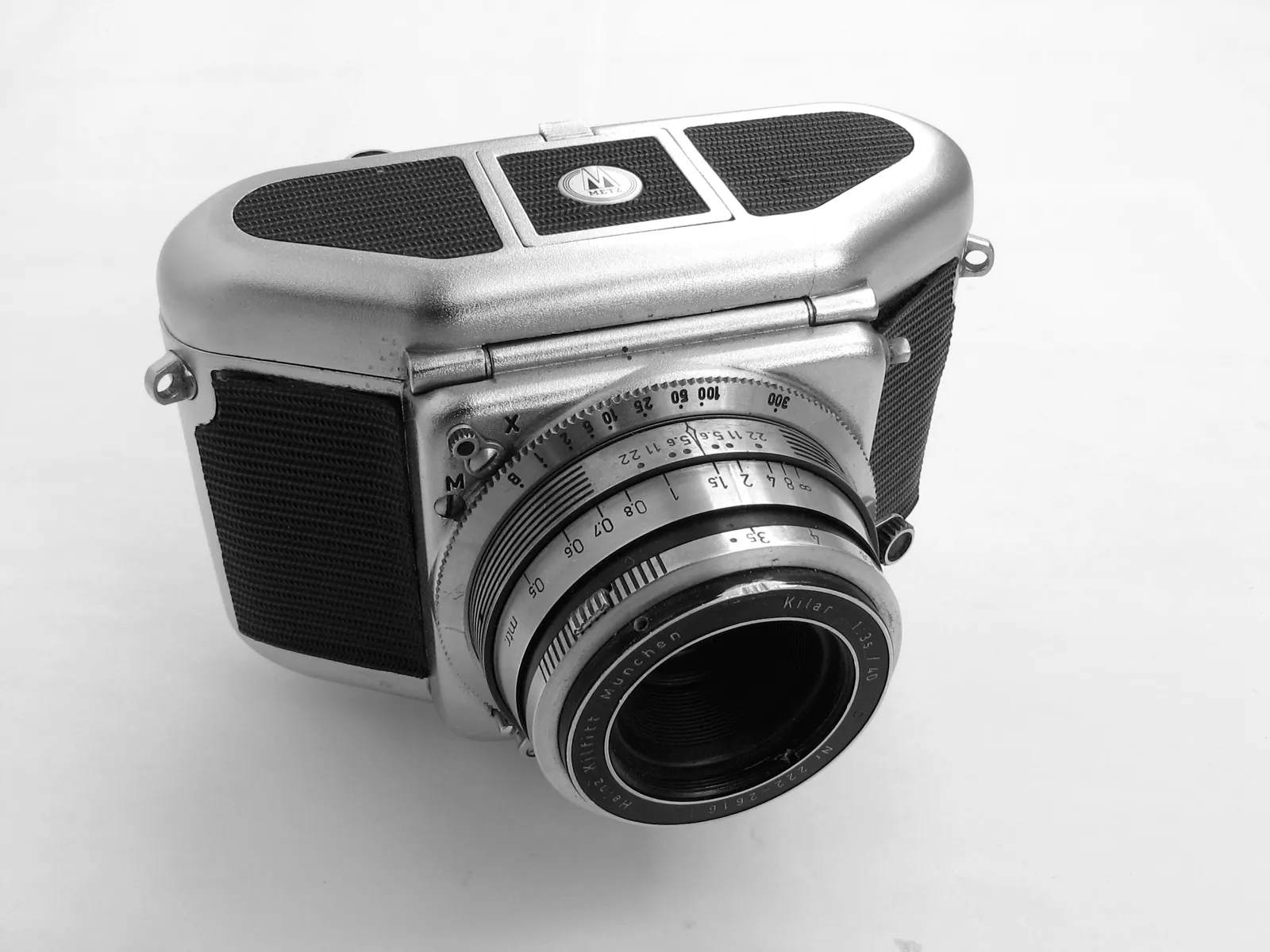
Robot at the 99 Cameras Museum
The Robot I of 1934 and a Robot II made for the Luftwaffe are in the showcases of the museum in Paris. You can see them, and the other cameras of this story, in our online collection.
See the Robot cameras of the collection
Sources. Wikipedia article on the Robot camera, Stasi Museum collection, Camera-wiki. Some anecdotes come from oral tradition and are told as such.
Plan your visit
Visit is free and open to all
- Opening hoursMonday – Saturday : 10 – 17:30
- AddressStudio Harcourt, 6 Rue de Lota, 75116 Paris
- Exceptional closuresThursday, 26 November 2026