The adventure of the brands
The Olympus story
- Founded in 1919Japan
- No longer makes cameras
A company of microscopes named after the mountain of the gods, a camera that doctors sent into the stomach, a young engineer asked to make a camera for 6,000 yen, a reflex so small it changed the market and a return to its roots: the Olympus story, told through its inventions and its anecdotes.
1919–1958
From the mountain of the gods

In 1919 Takeshi Yamashita founded Takachiho Seisakusho in Tokyo to make microscopes and thermometers. In 1921 the company registered the trademark Olympus. In 1936 it launched its first camera, the Semi-Olympus, with its first Zuiko lens, followed after the war by folding cameras and the Olympus 35.
Olympus remained above all a maker of optical instruments for science and medicine. In 1950 it developed, with doctors of the University of Tokyo, one of the first practical gastrocameras: a tiny camera that could be swallowed to photograph the inside of the stomach.
1959–1971
A camera for 6,000 yen

In the museum
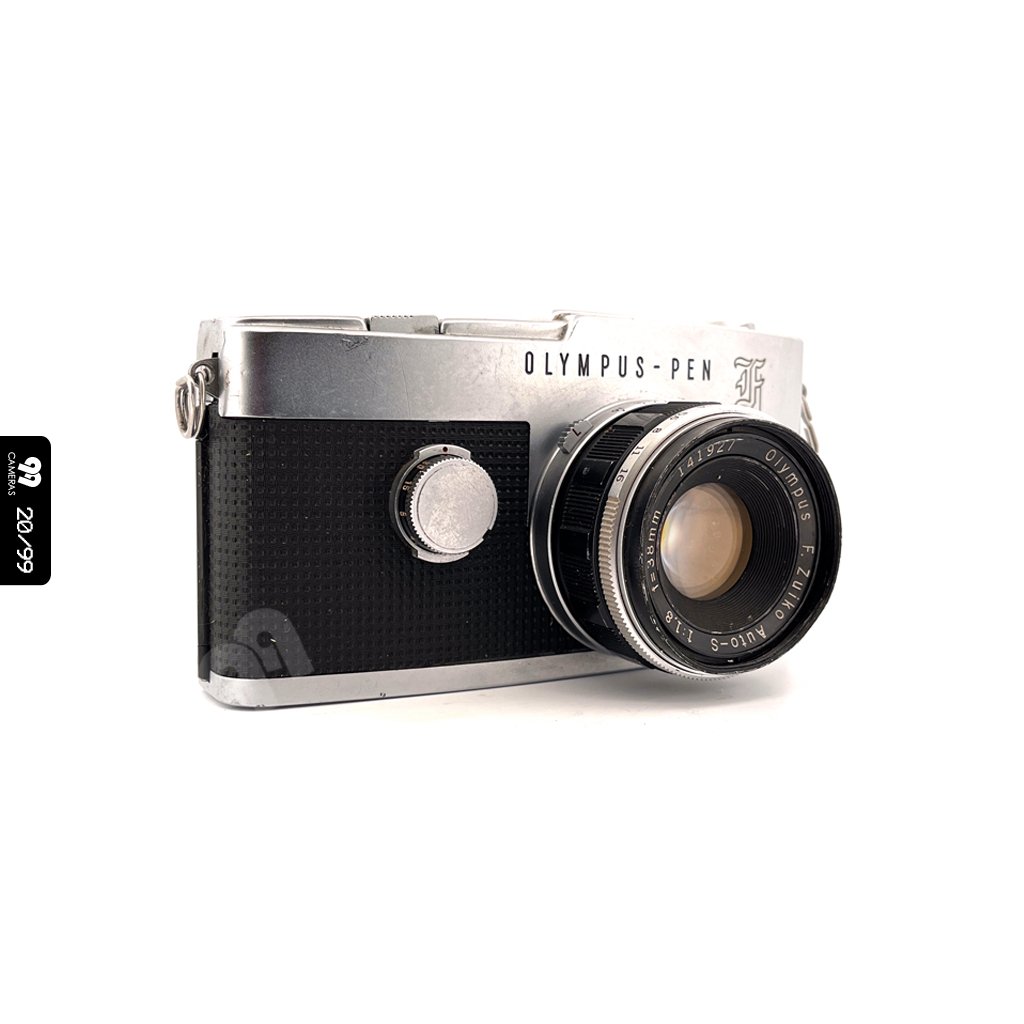
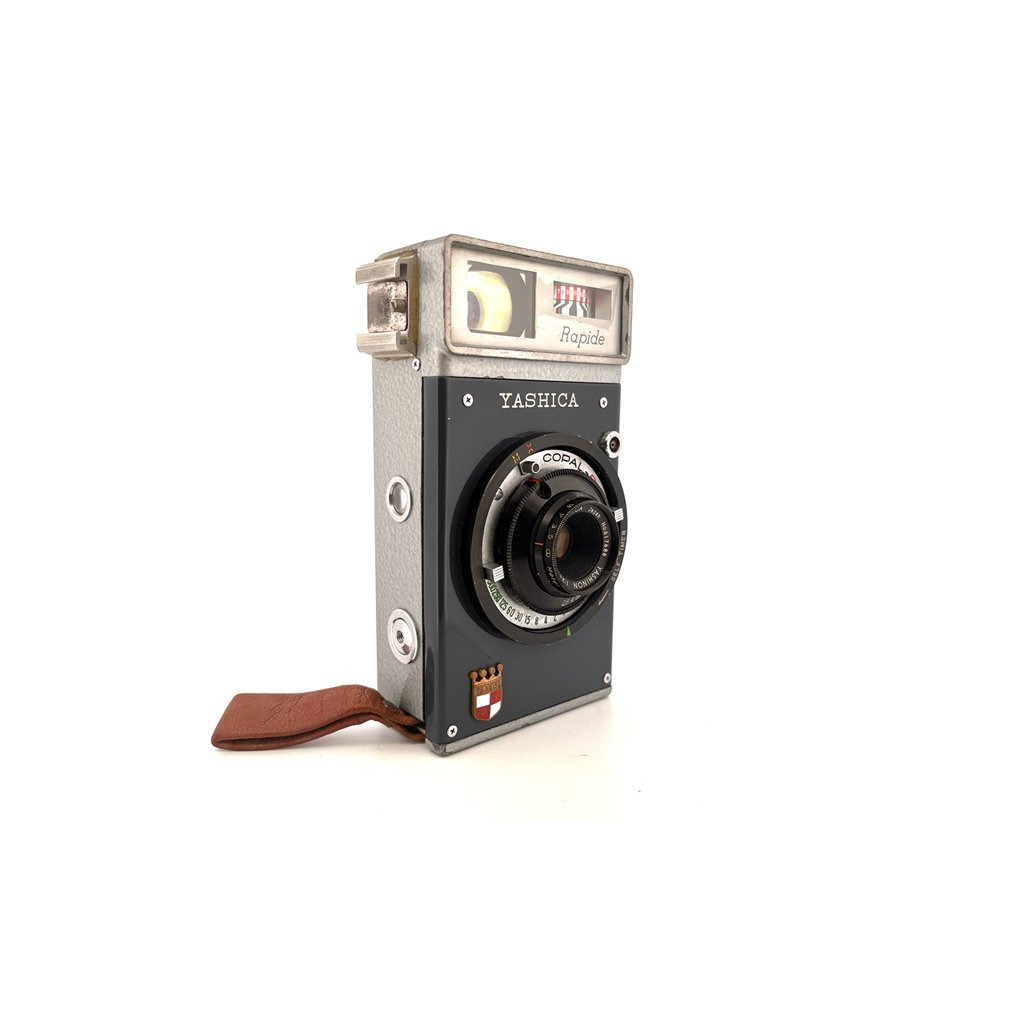
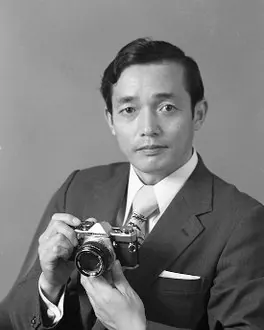
In 1959 Olympus asked a young engineer, Yoshihisa Maitani, to design a camera that could be sold for less than 6,000 yen, when its cheapest cameras cost about 23,000. His answer was the Pen, a small half-frame camera that took 72 pictures on a roll of 36. It was a huge success and started a half-frame boom in Japan.
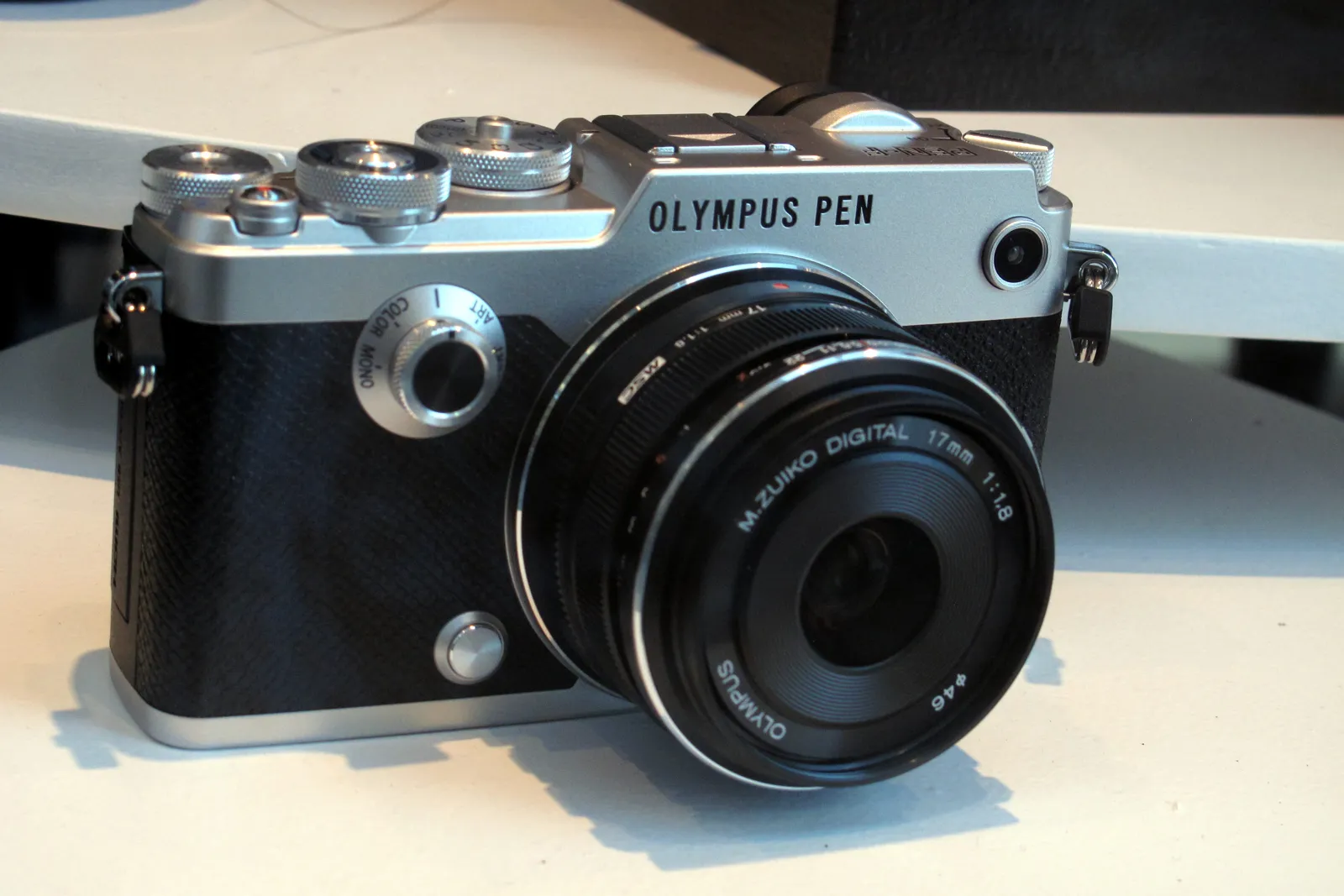
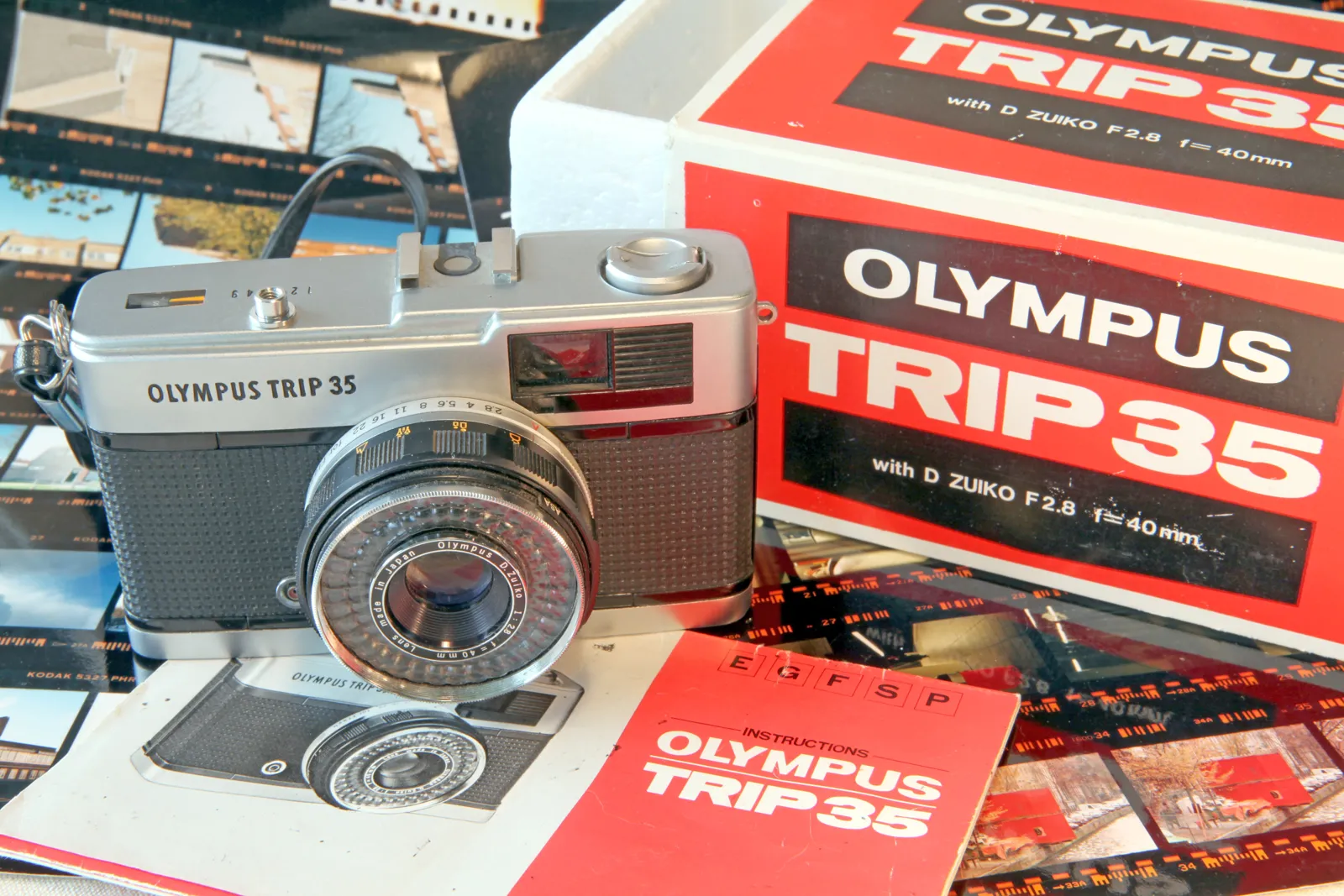
In 1963 Maitani went further with the Pen F, a true single-lens reflex for half-frame pictures, with no prism hump on the top. In 1967 came the Trip 35, a simple, automatic camera that sold for decades. The Pen F is in the museum.
1972–1999
Small and light
In the museum
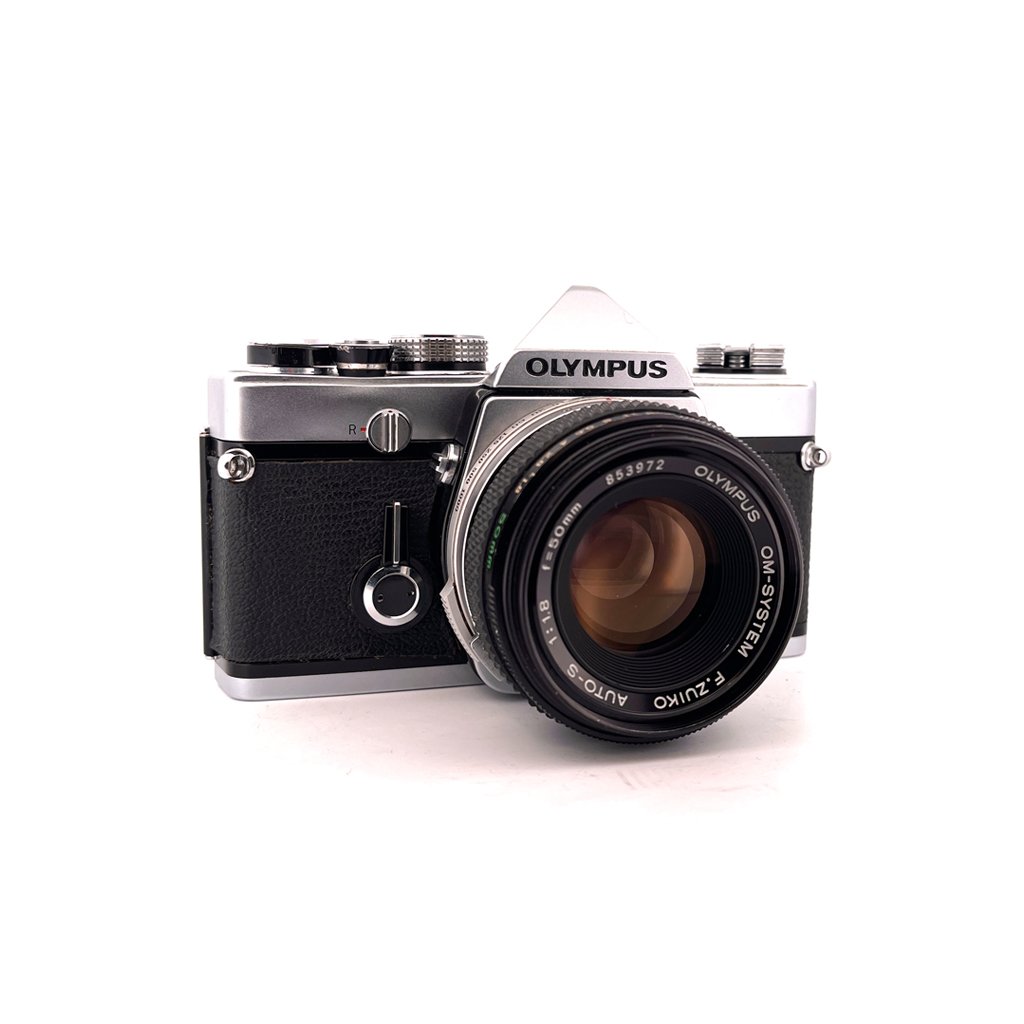
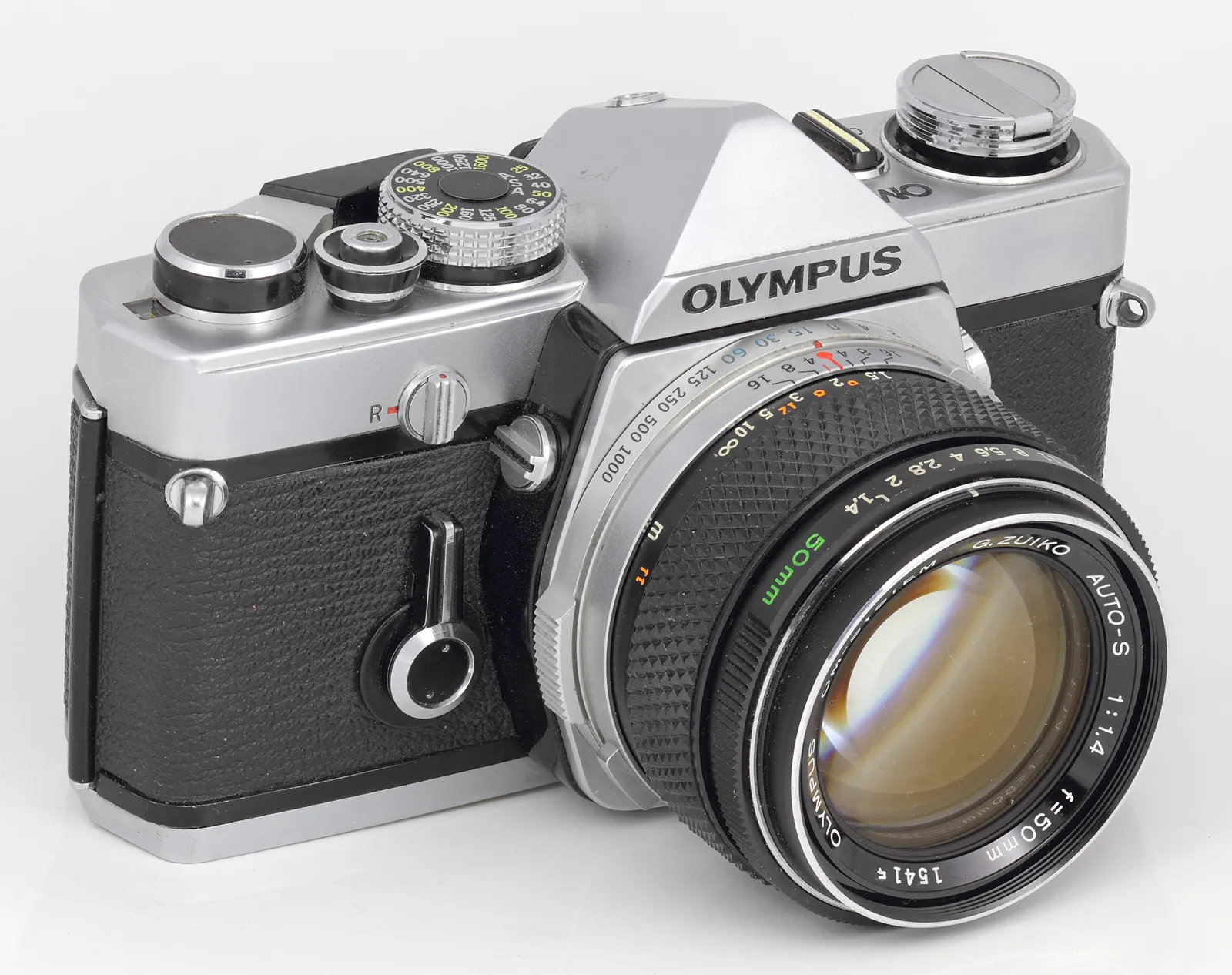
In 1972 Maitani created the OM-1, a 35 mm reflex much smaller and lighter than its competitors, with a huge system of lenses and accessories. It made heavy professional reflexes look old-fashioned, and many photographers adopted it. An OM-1 is in the museum.
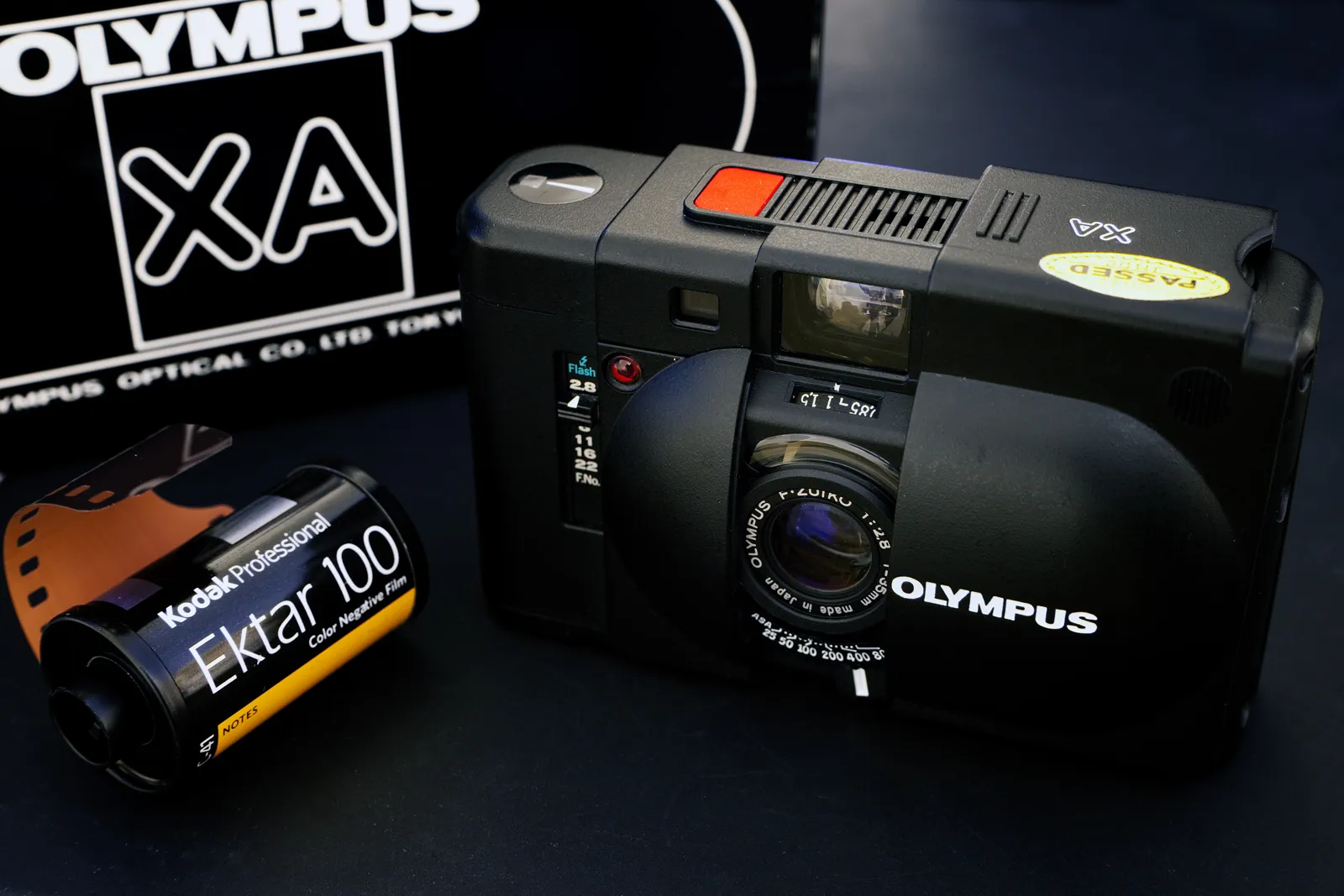
In 1979 Maitani designed the XA, a tiny rangefinder with a sliding cover instead of a lens cap, which could slip into a shirt pocket. Olympus became known for small, clever cameras.
2000–today
Back to the OM
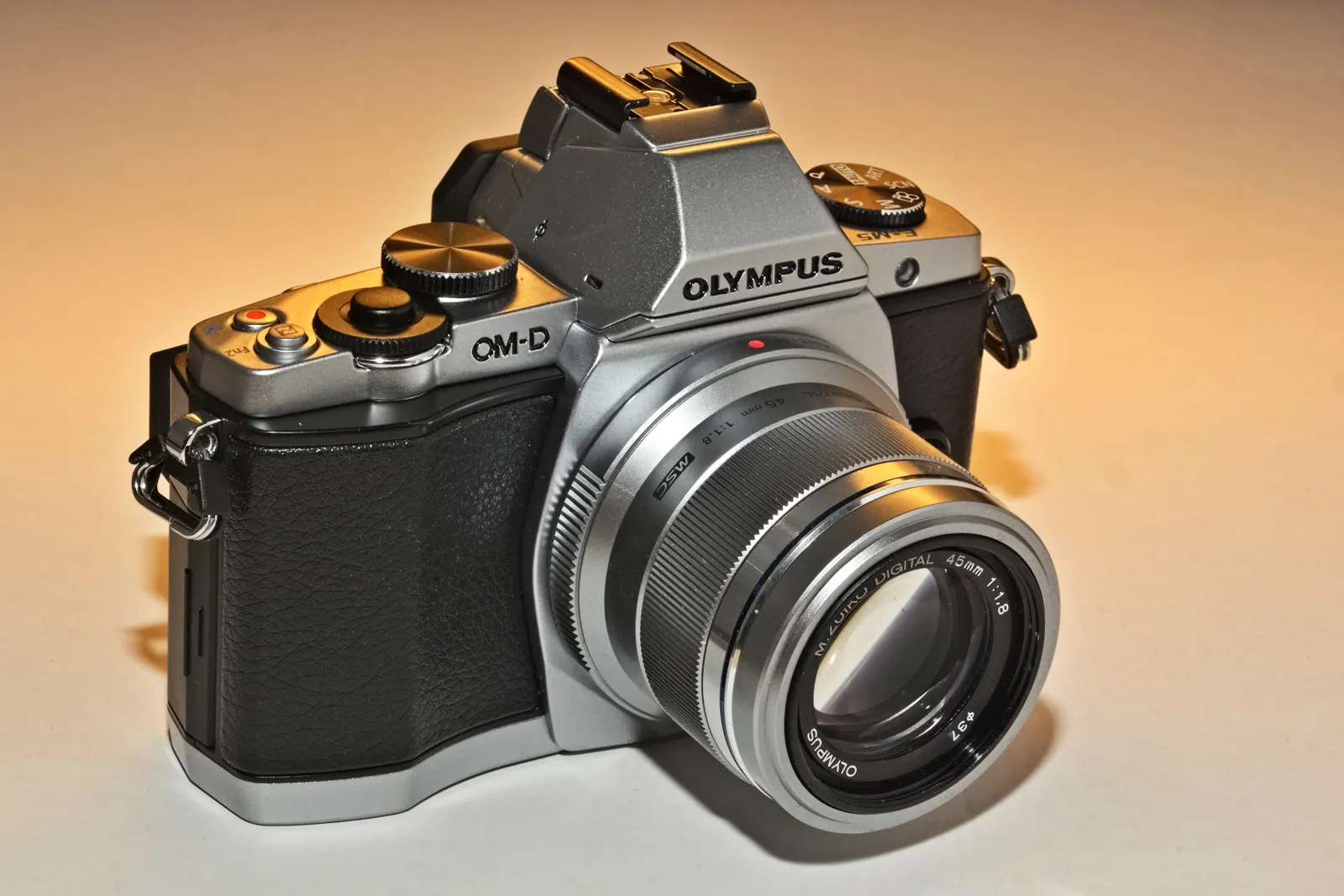
Olympus moved early into digital, and with Panasonic created the Micro Four Thirds system in 2008. In 2012 the OM-D E-M5 brought back the look of the OM-1, and its success showed how much photographers still loved Maitani’s design.
In 2011 a major accounting scandal shook the company after its British chief executive revealed irregularities. In 2021 Olympus sold its camera business, which became OM Digital Solutions, and kept its medical activity: today it is a world leader in endoscopes, the descendants of the gastrocamera of 1950.
Olympus at the 99 Cameras Museum
The Olympus Pen F of 1963 and the OM-1 of 1972, two cameras by Yoshihisa Maitani, are in the showcases of the museum in Paris. You can see them, and the other cameras of this story, in our online collection.
See the Olympus cameras of the collection
Sources. Olympus corporate history, Wikipedia articles on Olympus, the Pen, the OM-1 and Yoshihisa Maitani. Some anecdotes come from oral tradition and are told as such.
Plan your visit
Visit is free and open to all
- Opening hoursMonday – Saturday : 10 – 17:30
- AddressStudio Harcourt, 6 Rue de Lota, 75116 Paris
- Exceptional closuresThursday, 26 November 2026