The adventure of the brands
The Foca story
- Founded in 1919France
- No longer makes cameras
A duke and physicist who was a friend of Marcel Proust, a factory of military optics in Levallois, a French 35 mm camera delayed by the war, a “French Leica” that was not one and a reflex with mirrors instead of a prism: the Foca story, told through its inventions and its anecdotes.
1879–1938
A duke in the laboratory
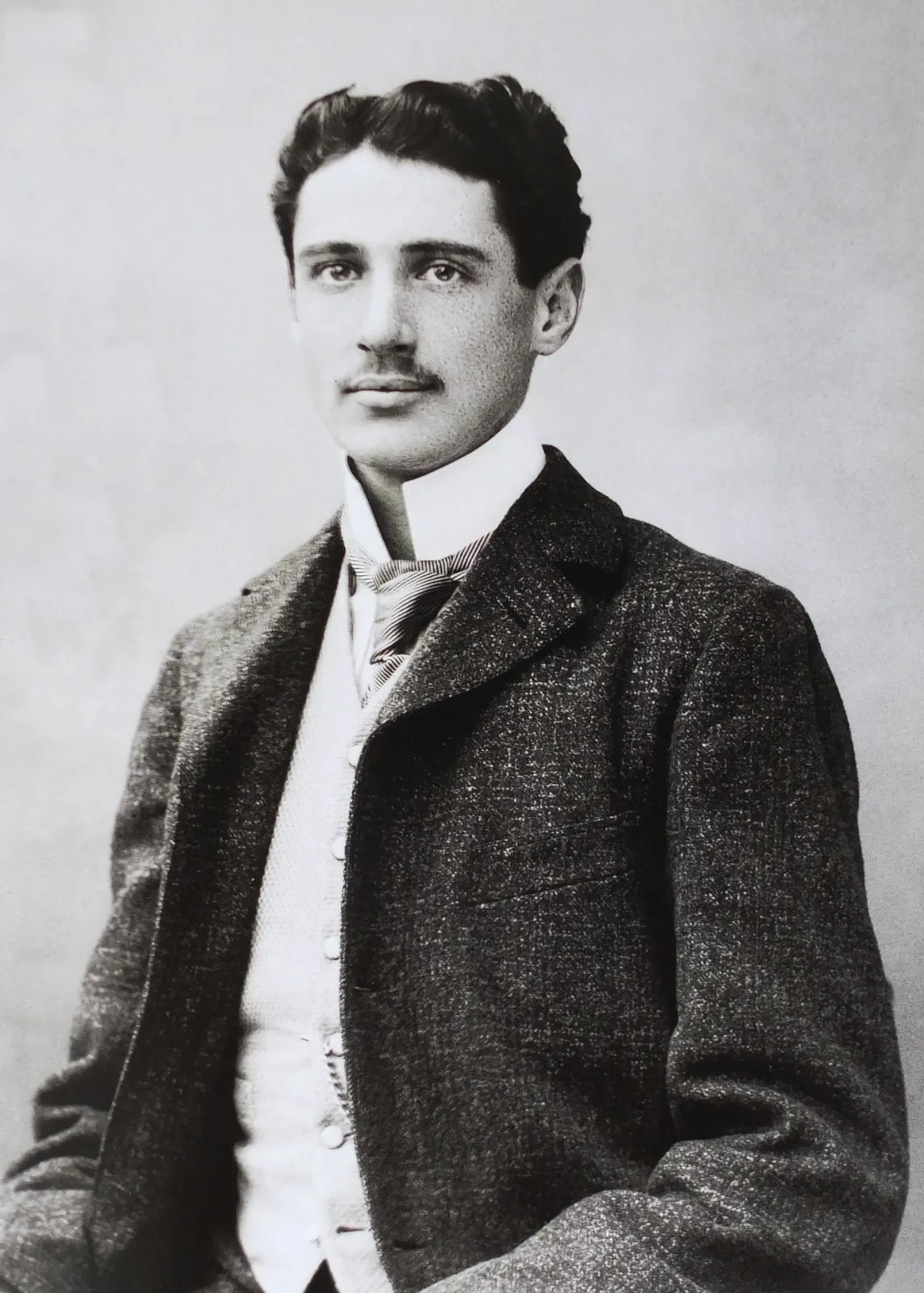
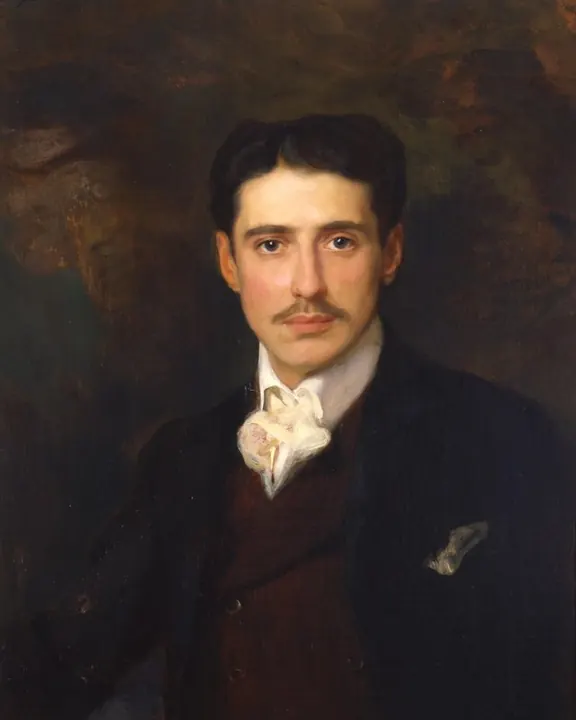
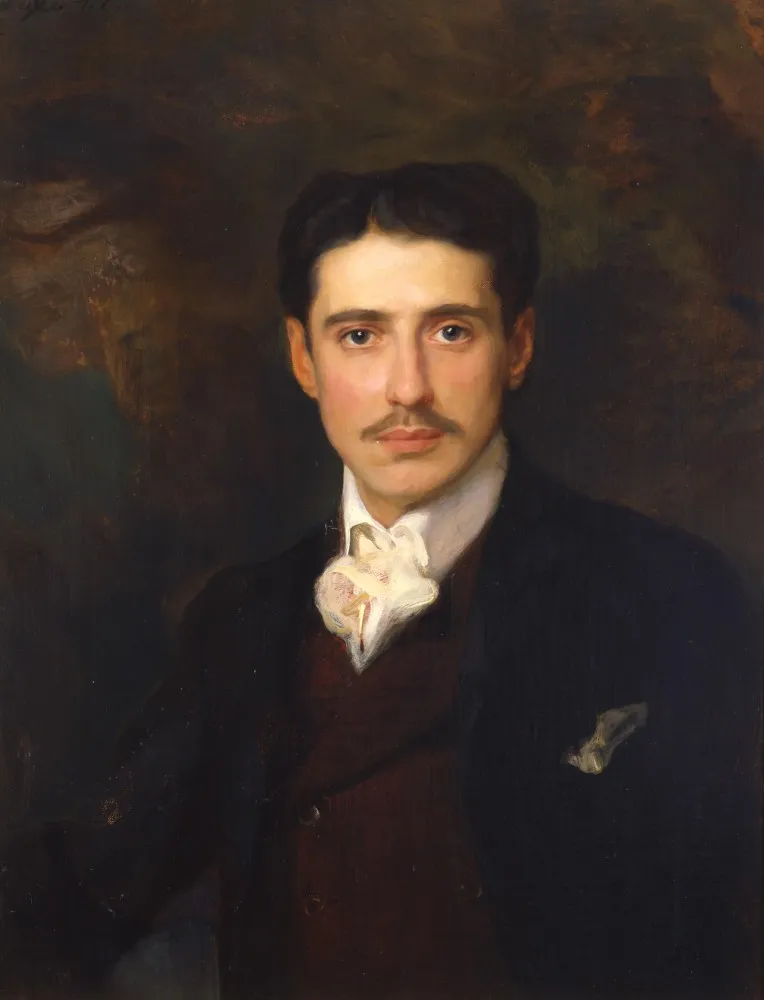
Armand de Gramont, born in 1879, was the heir of one of the great aristocratic families of France: he became Duke of Gramont. But instead of a life of leisure, he chose science. He studied physics, became a specialist in optics and aerodynamics, and helped found the Institut d’optique in Paris.
In 1919 he founded OPL, Optique et Précision de Levallois, in Levallois-Perret near Paris. It made rangefinders, telescopic sights and other precision optics, mainly for the French armed forces.
The people
1938–1952
A French camera, at last
In the museum
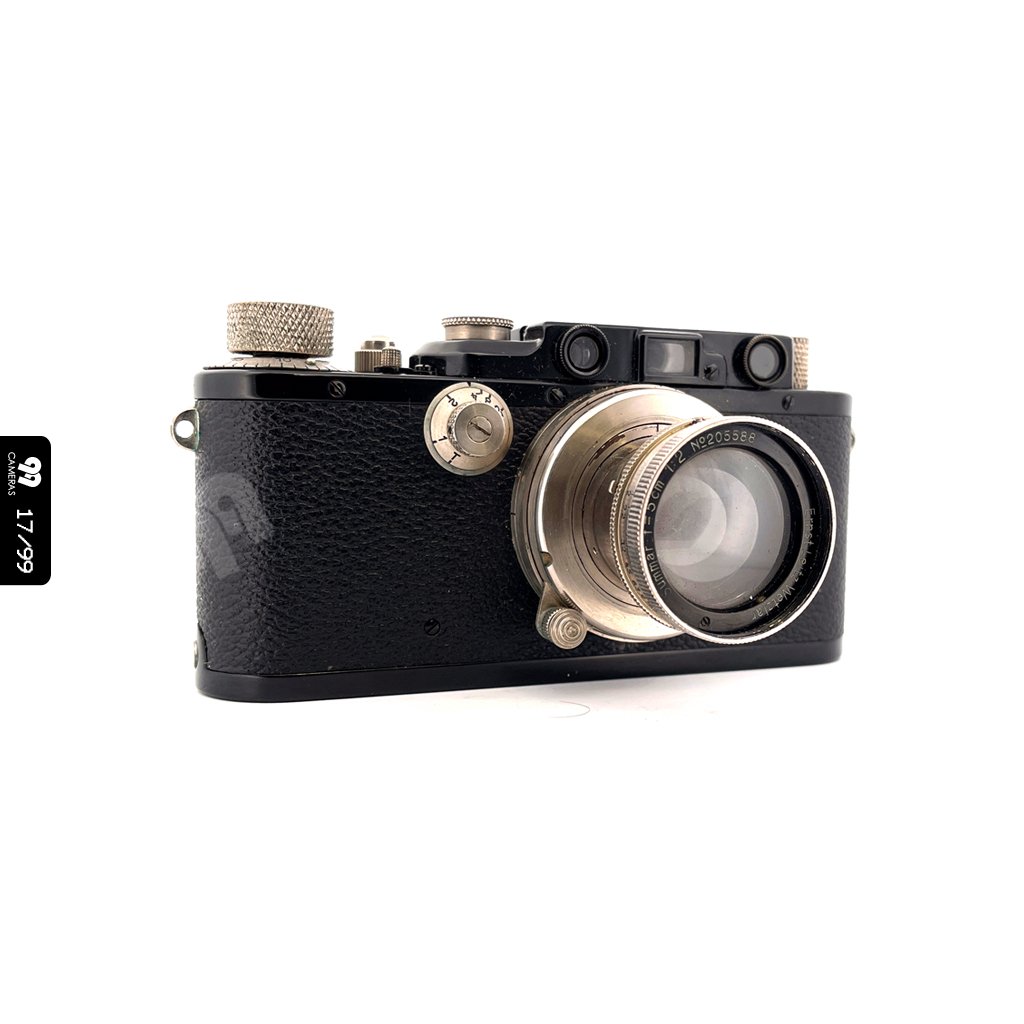
In 1938 Gramont decided to make a French 35 mm camera, to compete with the German Leica and Contax, which were very expensive in France. A new factory was built in Châteaudun, south-west of Paris. Then the war came, and the project had to wait.
The first Foca cameras appeared after the Liberation, around 1945–1946: the PF2 with a rangefinder, then the simpler PF1 and the PF3. Small, well made and with good Oplar lenses, they were soon nicknamed the “French Leica”.
The people
1950–1964
The Universel
In the museum
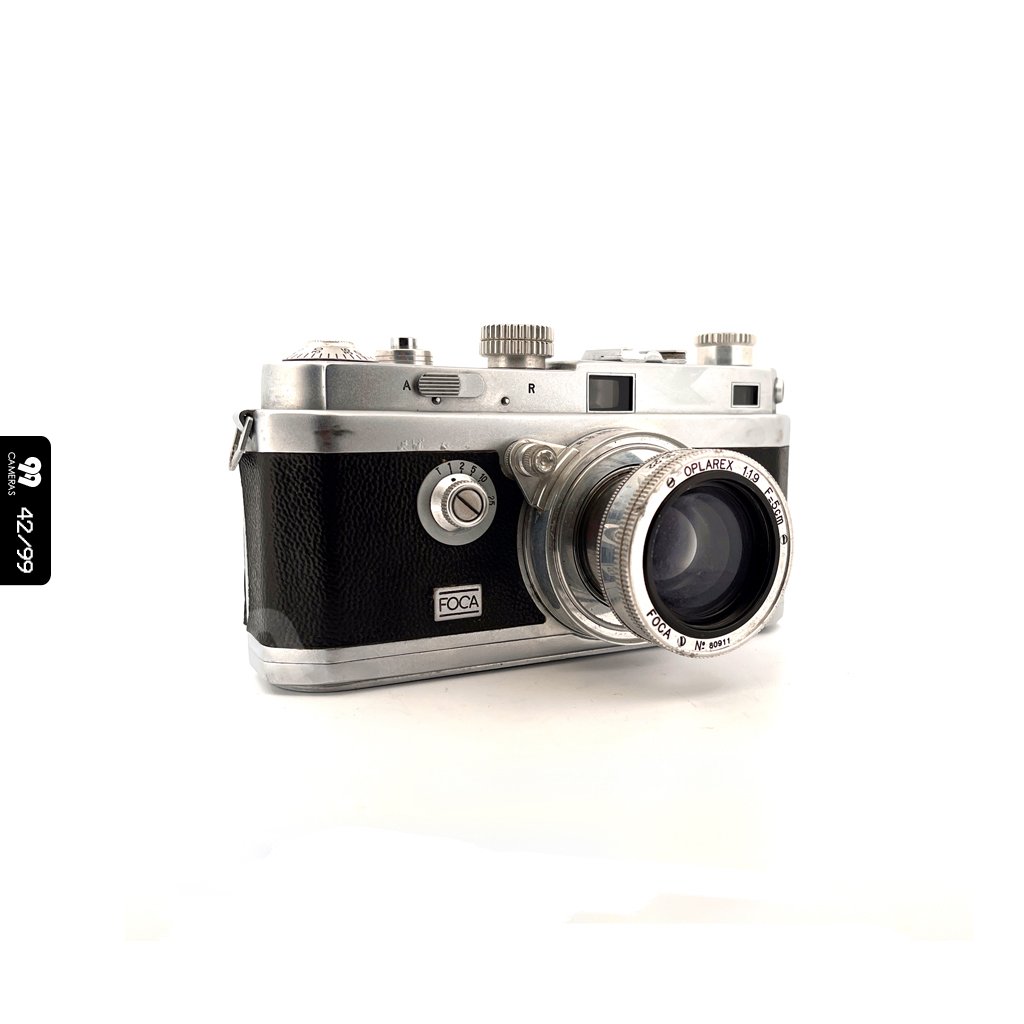
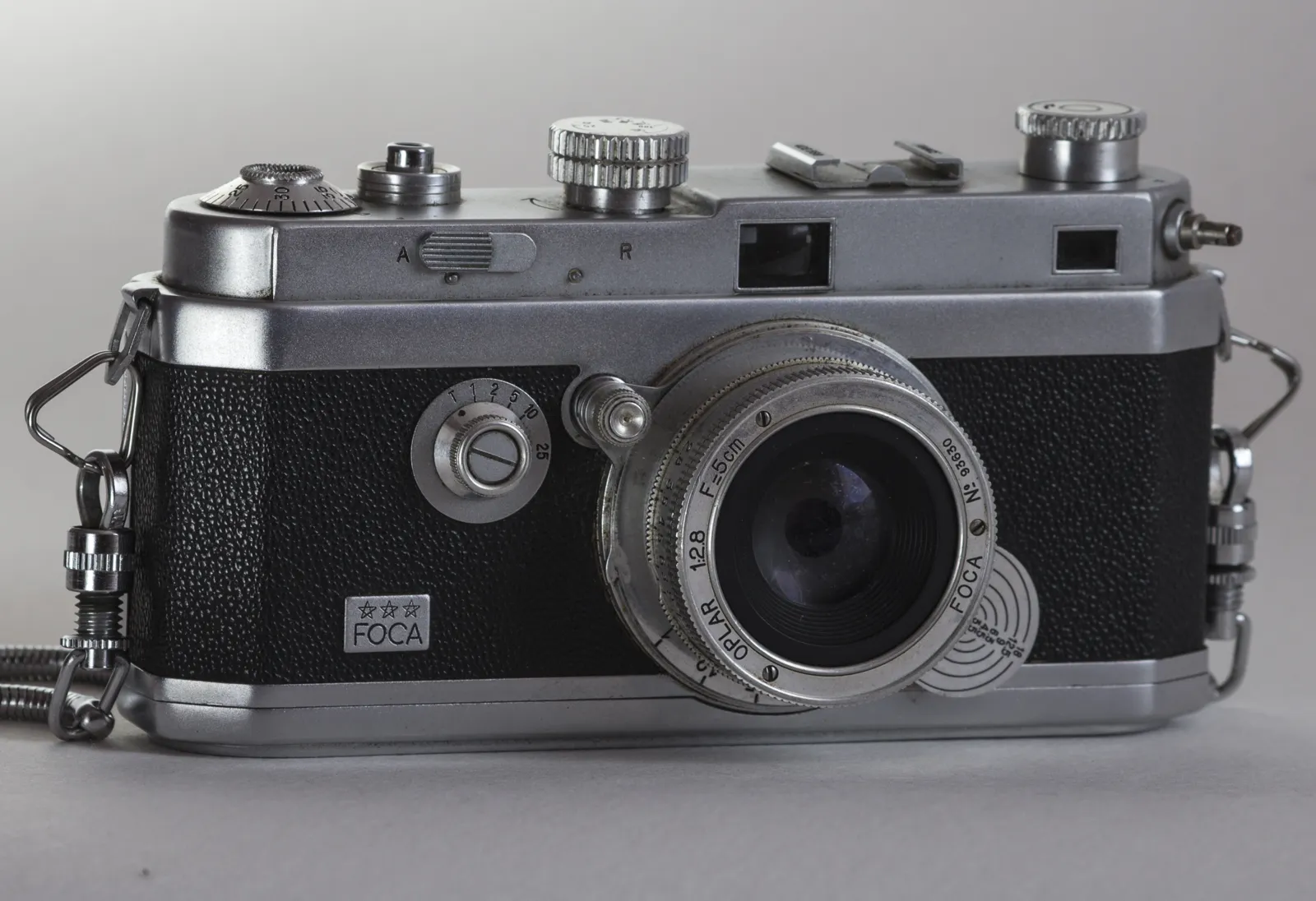
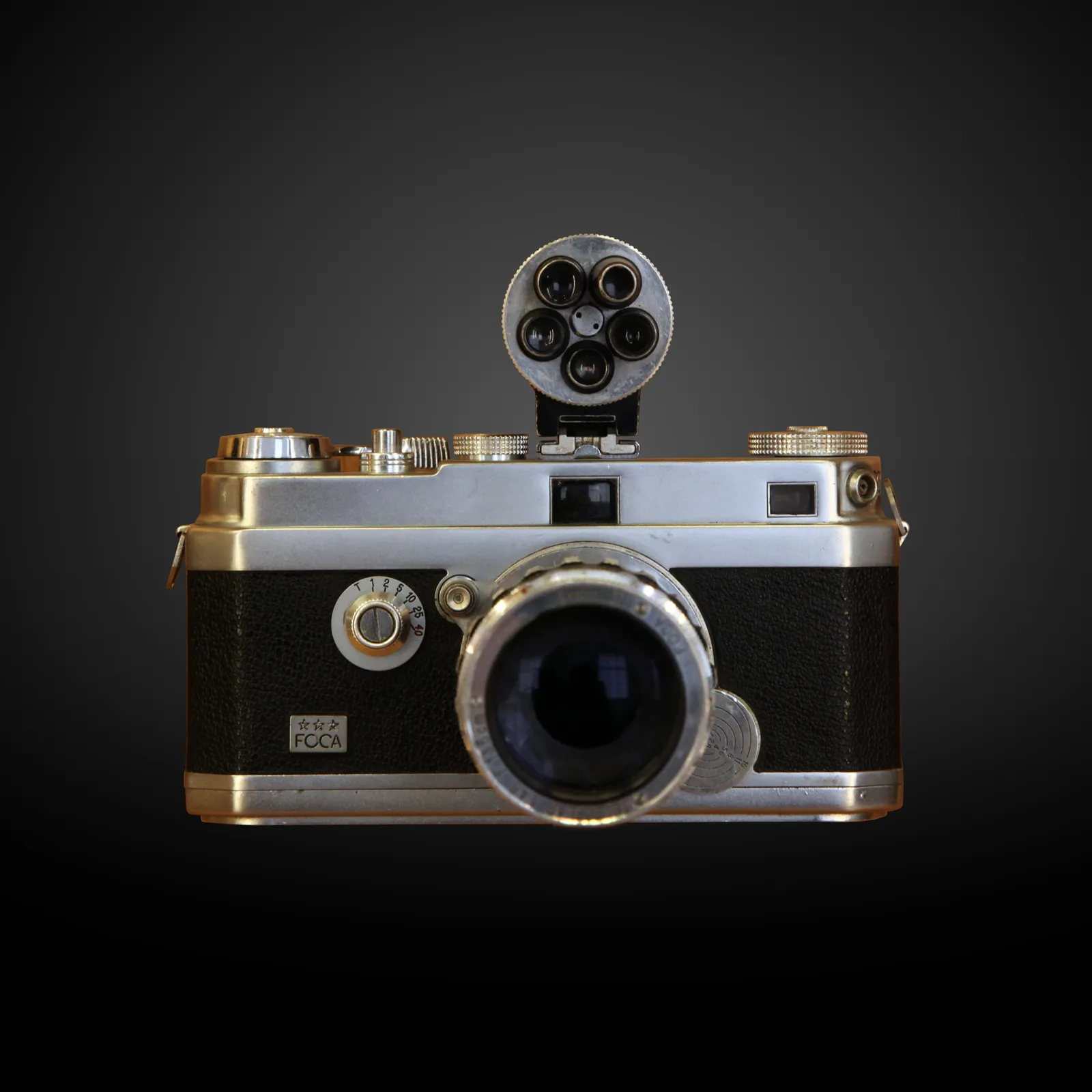
In 1950 OPL launched the Foca Universel, with a bayonet mount and a range of lenses from 28 to 135 mm, all coupled to the rangefinder. The Universel R of 1955 added a film advance lever and a self-timer, and the RC of 1962, the last and rarest, was made in only about 2,000 examples.
Fewer than 40,000 Universels were made in all. It was a camera for demanding photographers, and it is often said to have been used by French institutions, including the navy. A Foca Universel is in the museum.
1955–1967
The last Focas
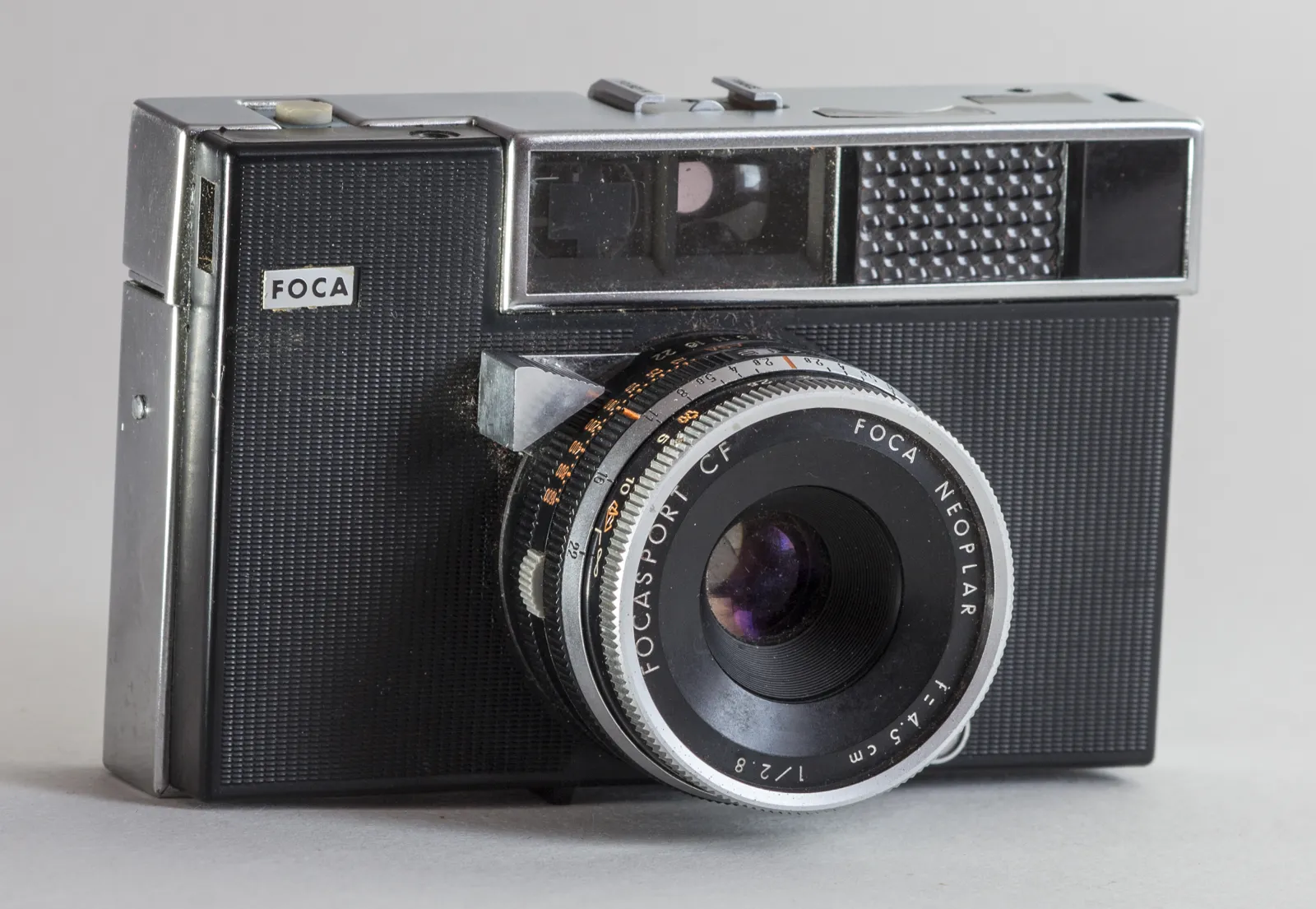
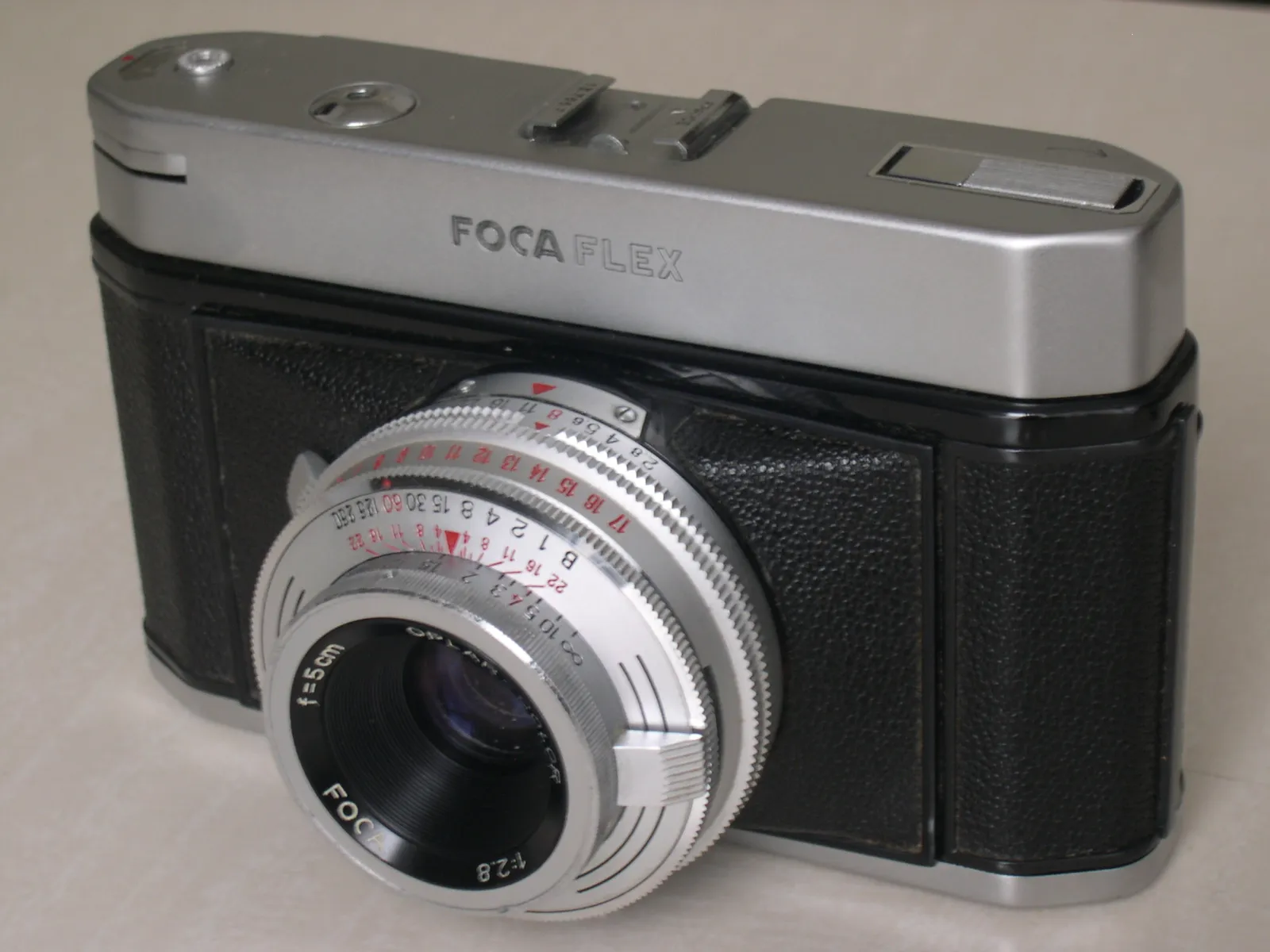
OPL also made simpler cameras, such as the Focasport of 1955, and in 1960 a reflex camera, the Focaflex, which used mirrors instead of a glass pentaprism above the lens. Armand de Gramont died in 1962.
In 1964 OPL merged with SOM-Berthiot, another French optical company, and the camera business wound down. The last Foca, the Marly of 1967, was a simple plastic camera for Instamatic cartridges.
Foca at the 99 Cameras Museum
The Foca Universel, the French answer to the Leica, is in the showcases of the museum in Paris. You can see it, and the other cameras of this story, in our online collection.
See the Foca cameras of the collection
Sources. Wikipedia articles on Foca and on Armand de Gramont, Mike Eckman’s articles on the Foca PF3 and Universel R, Camera-wiki, Collection Appareils. Some anecdotes come from oral tradition and are told as such.
Plan your visit
Visit is free and open to all
- Opening hoursMonday – Saturday : 10 – 17:30
- AddressStudio Harcourt, 6 Rue de Lota, 75116 Paris
- Exceptional closuresThursday, 26 November 2026