The adventure of the brands
The Ihagee story
- Founded in 1912Germany
- No longer makes cameras
A Dutchman in Dresden, a name made from three initials, a camera with everything on the left, the first 35 mm reflex made in series, an engineer lost in the war, a camera in a Hitchcock film and one name for two companies: the Ihagee story, told through its inventions and its anecdotes.
1912–1932
A Dutchman in Dresden
In the museum
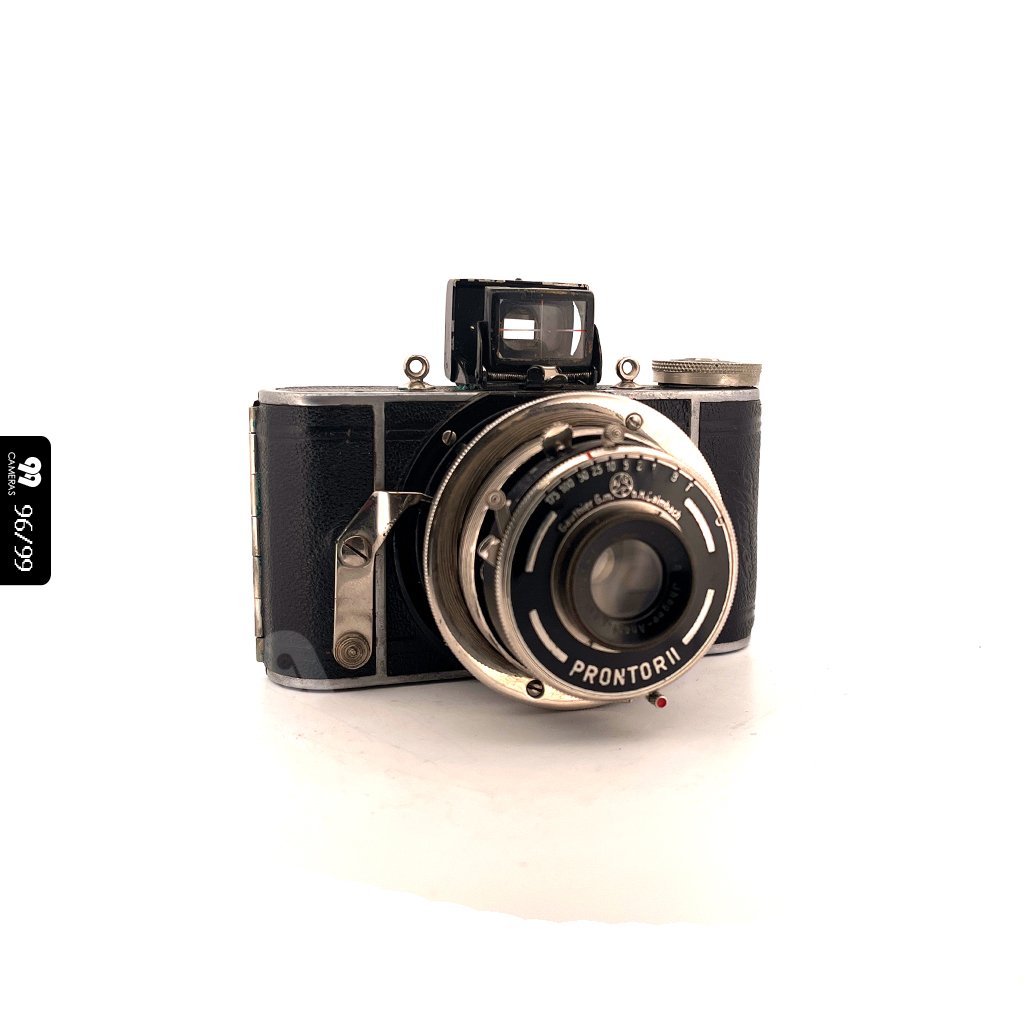
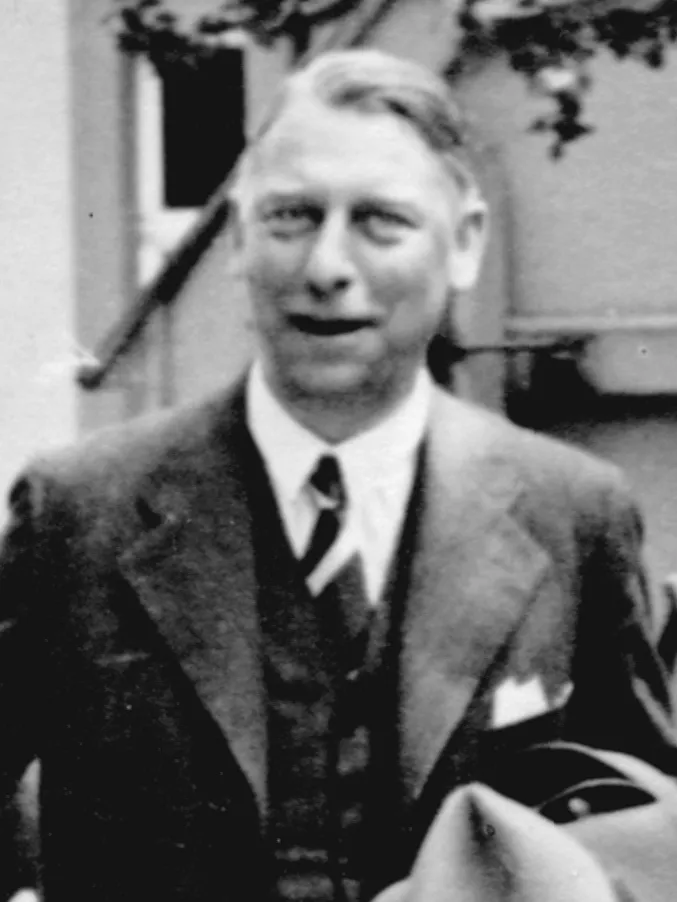
In 1912 a young Dutchman, Johan Steenbergen, founded a company in Dresden, then the capital of the German camera industry: the Industrie- und Handelsgesellschaft, the “Industry and Trading Company”. After merging with a small workshop in 1918, it became Ihagee Kamerawerk Steenbergen & Co.
Ihagee made folding cameras for plates and roll film, often with original ideas. The Parvola of 1931, in the museum, opened with two threaded barrels that screwed out of the body to bring the lens forward.
The people
1933–1939
The first 35 mm reflex
In the museum
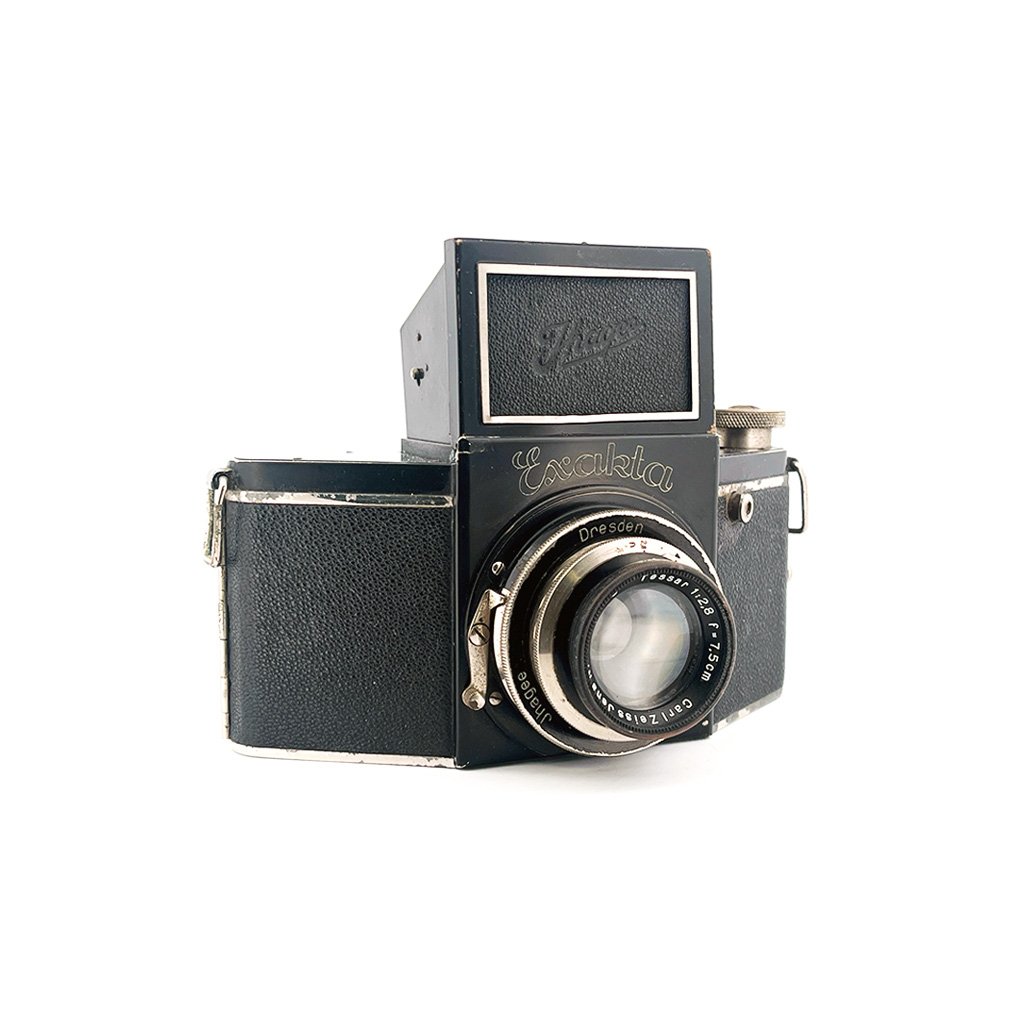
In 1933 Ihagee launched the Exakta, designed by its engineer Karl Nüchterlein: a single-lens reflex for 127 roll film, with an unmistakable trapezoid shape. An Exakta of 1933, among the very first, is in the museum.
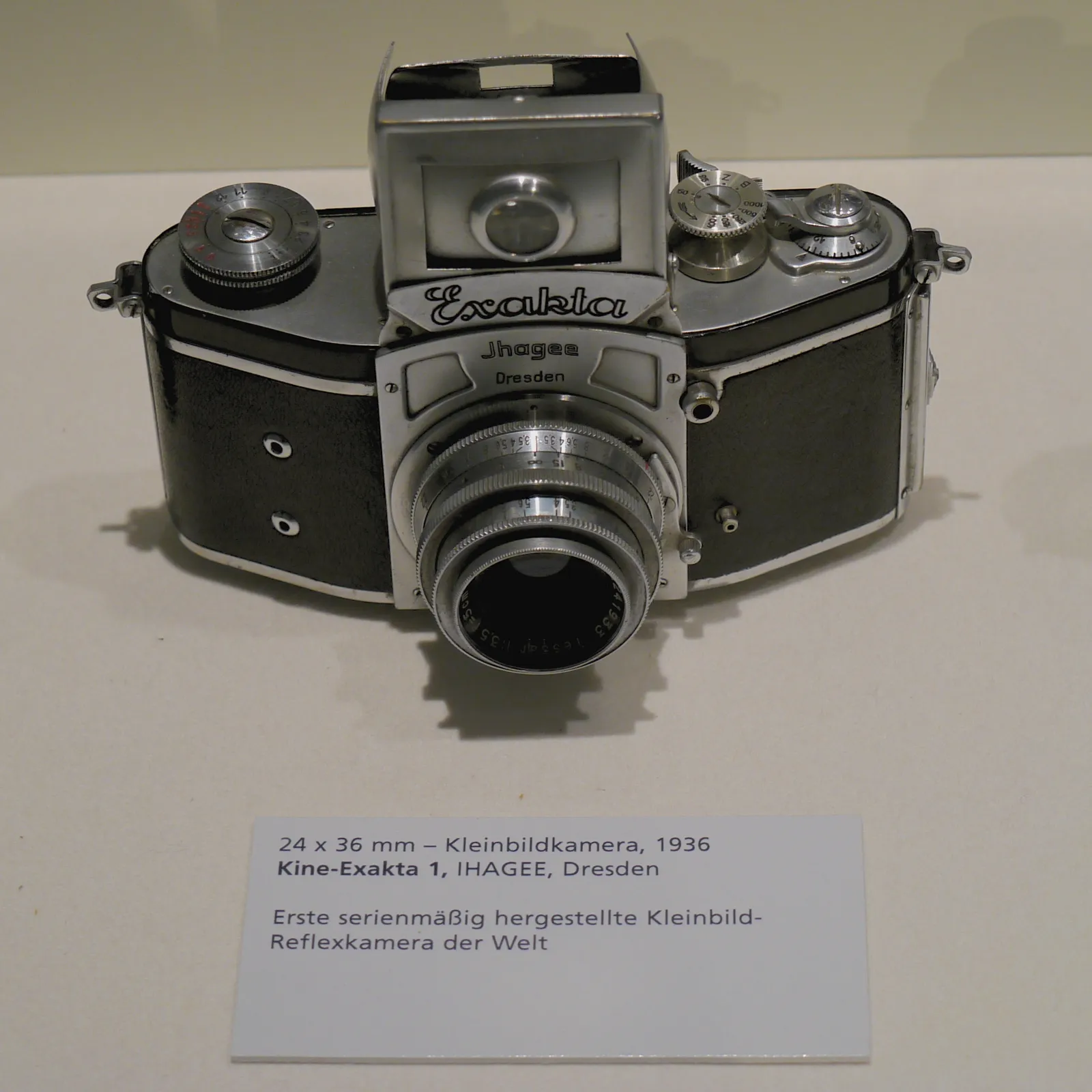
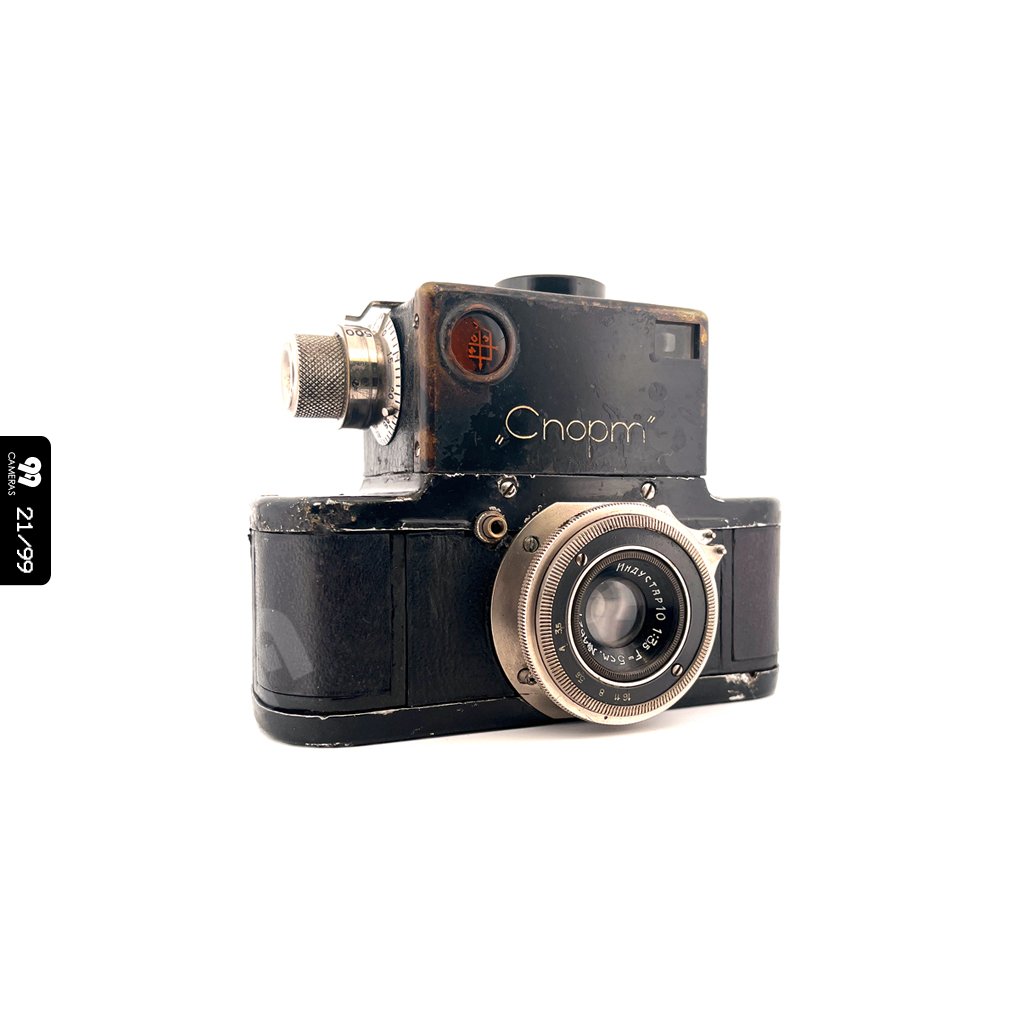
In 1936 came the Kine Exakta, for 35 mm cine film: the first 35 mm single-lens reflex made in series, just ahead of the Soviet Sport. It was the ancestor of the cameras most photographers would use for the rest of the century.
The people

1939–1945
Lost in the war
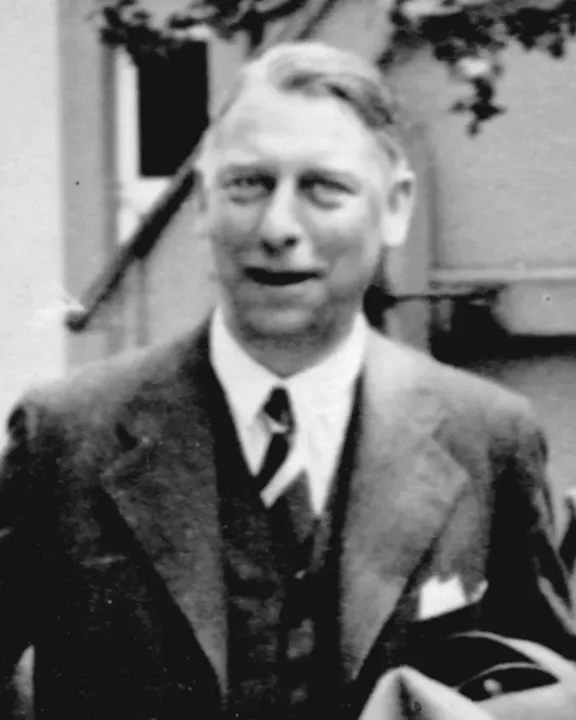
In 1942 Johan Steenbergen left Dresden for the United States with his American wife, who was Jewish, and never came back. The company continued without him during the war.
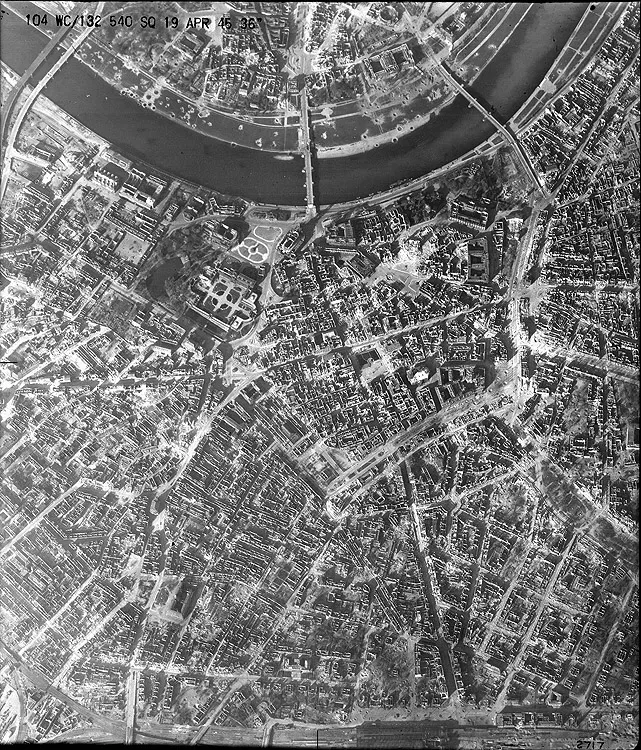
In February 1945 the Allied bombing of Dresden destroyed most of the city, and the Ihagee factory with it. Karl Nüchterlein, the designer of the Exakta, went missing at the end of the war.
1945–1959
A camera in a Hitchcock film
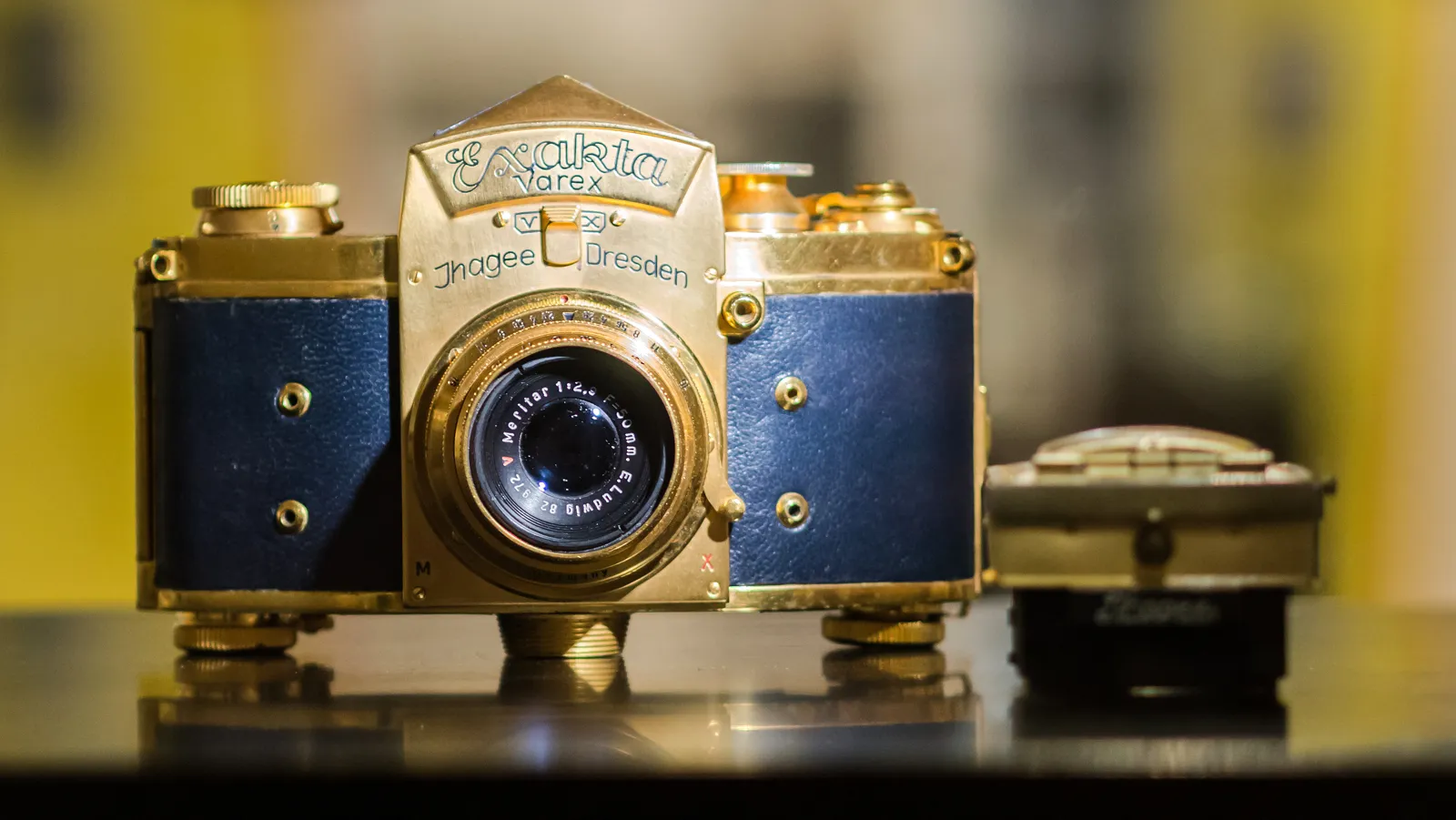
Dresden was in the Soviet zone. With surviving parts and machines, production started again, and Ihagee became an East German company. In 1950 it launched the Exakta Varex, sold as the VX in the United States, with an interchangeable viewfinder and a huge range of lenses.
The Exakta became the reflex camera of scientists, doctors and serious amateurs in the 1950s, before the Japanese reflexes arrived. A simpler model, the Exa, was sold for a wider public.

1959–1976
Two Ihagees
In 1959 Johan Steenbergen founded Ihagee West in Frankfurt and sold cameras under the Exakta name, some made in Japan. For years two companies, one in the East and one in the West, used the same name. Steenbergen died in 1967.
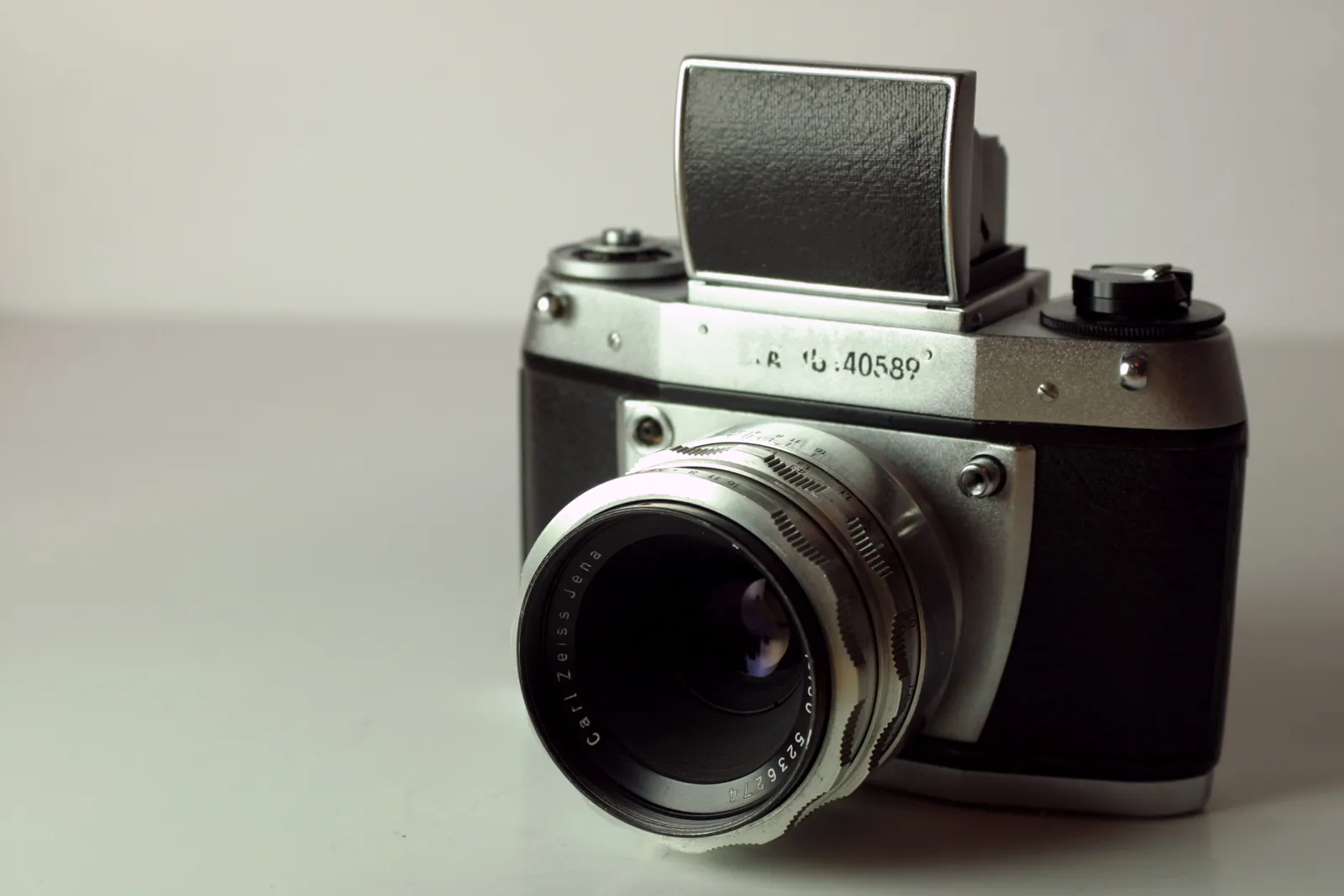
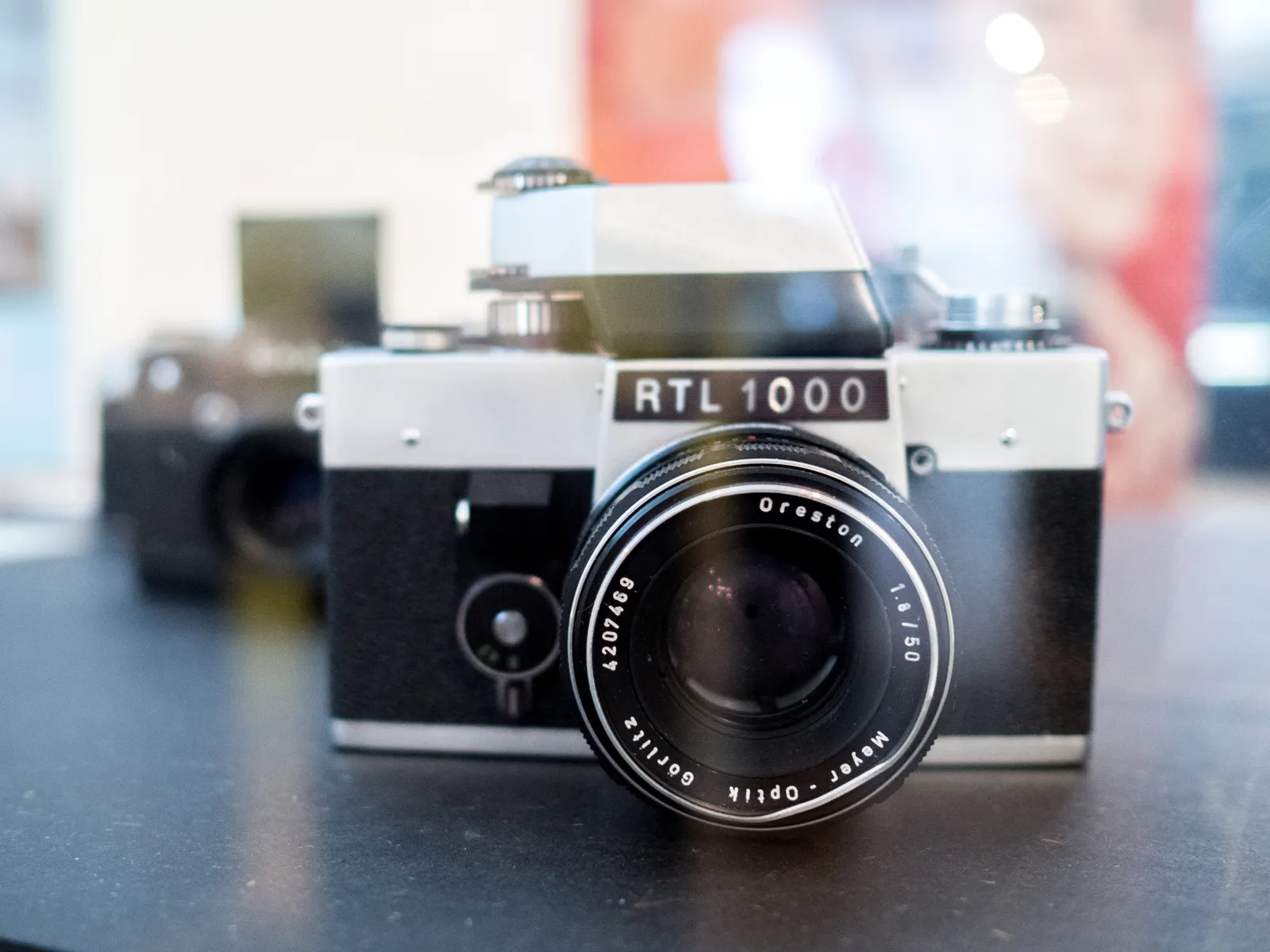
In 1970 the Dresden Ihagee was absorbed into the East German combine Pentacon, and the company was dissolved in 1976. The last Exakta of Dresden, the RTL 1000, was a joint work with Pentacon. In 1997 a foundation in The Hague created a grant in Steenbergen’s name.
Ihagee at the 99 Cameras Museum
An Exakta of 1933, one of the very first, and the Parvola folding camera are in the showcases of the museum in Paris. You can see them, and the other cameras of this story, in our online collection.
See the Ihagee cameras of the collection
Sources. Wikipedia articles on Ihagee and the Exakta, Exakta Circle, Jewish Places, museum-digital Saxony, Science Museum Group, Digital Camera World. Some anecdotes come from oral tradition and are told as such.
Plan your visit
Visit is free and open to all
- Opening hoursMonday – Saturday : 10 – 17:30
- AddressStudio Harcourt, 6 Rue de Lota, 75116 Paris
- Exceptional closuresThursday, 26 November 2026