The adventure of the brands
The Ducati story
- Founded in 1926Italy
- No longer makes cameras
Three brothers who made radio parts in Bologna, an optical department planned before the war, technicians from Florence, a tiny camera called the Dream, a little engine for bicycles and motorcycles that made the name famous: the Ducati story, told through its inventions and its anecdotes.
1926–1938
Radio parts in Bologna
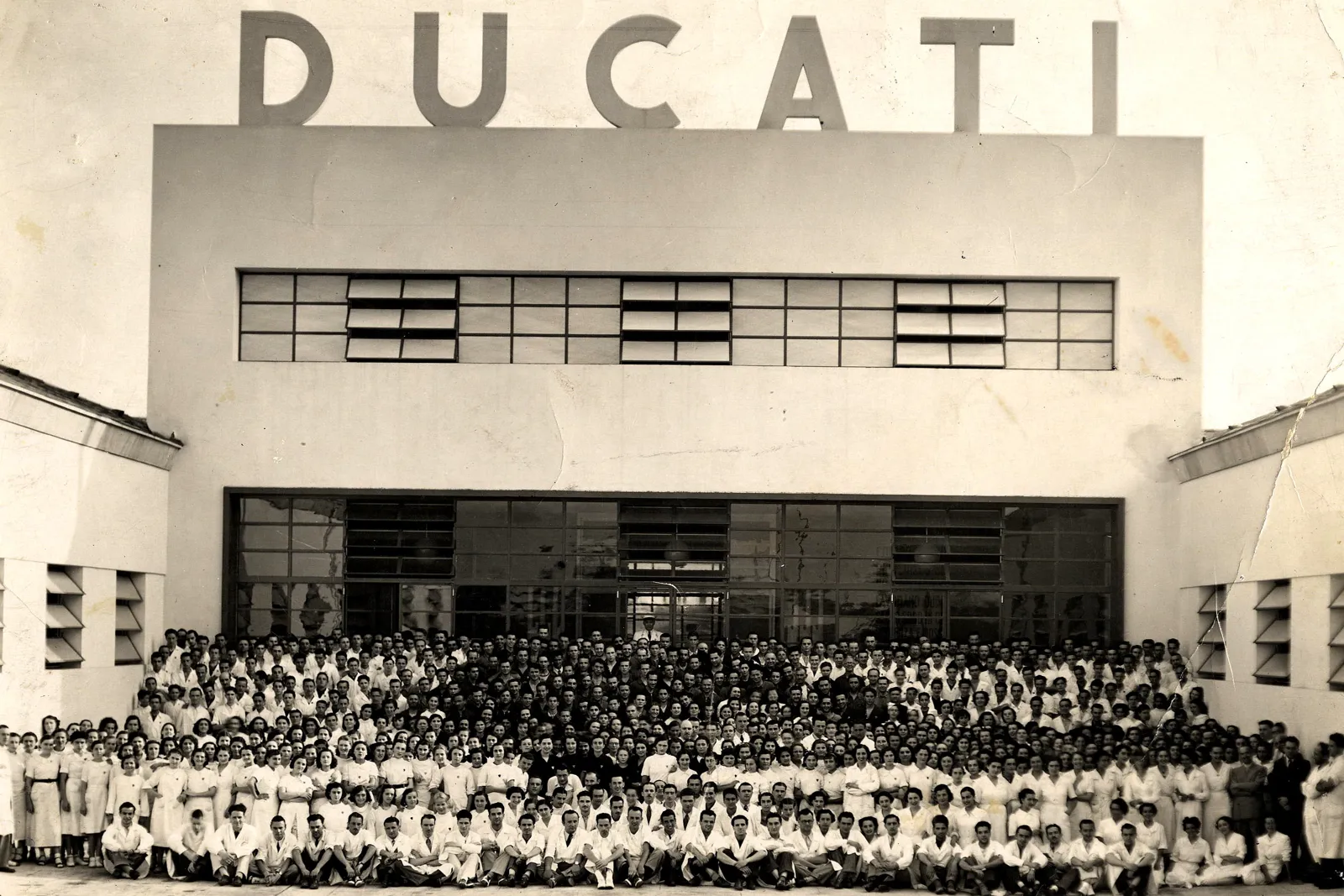
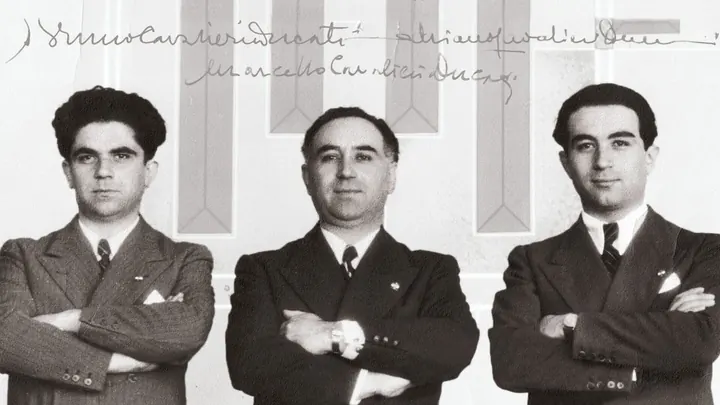
On 4 July 1926 the Ducati family founded a company in Bologna: Antonio Cavalieri Ducati and his sons Adriano, Bruno and Marcello. It made components for radios, in particular capacitors, at a time when radio was the new marvel in every home.
The company grew fast. By the late 1930s it had built a large modern factory in Borgo Panigale, on the edge of Bologna, with a large workforce.
The people
1938–1946
A camera called the Dream
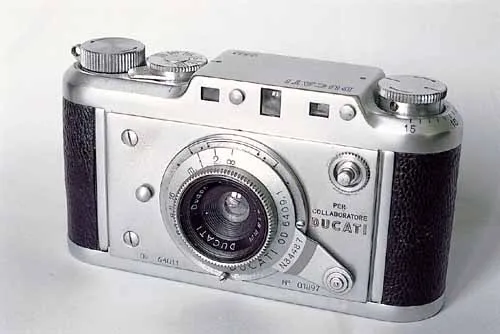
In the museum
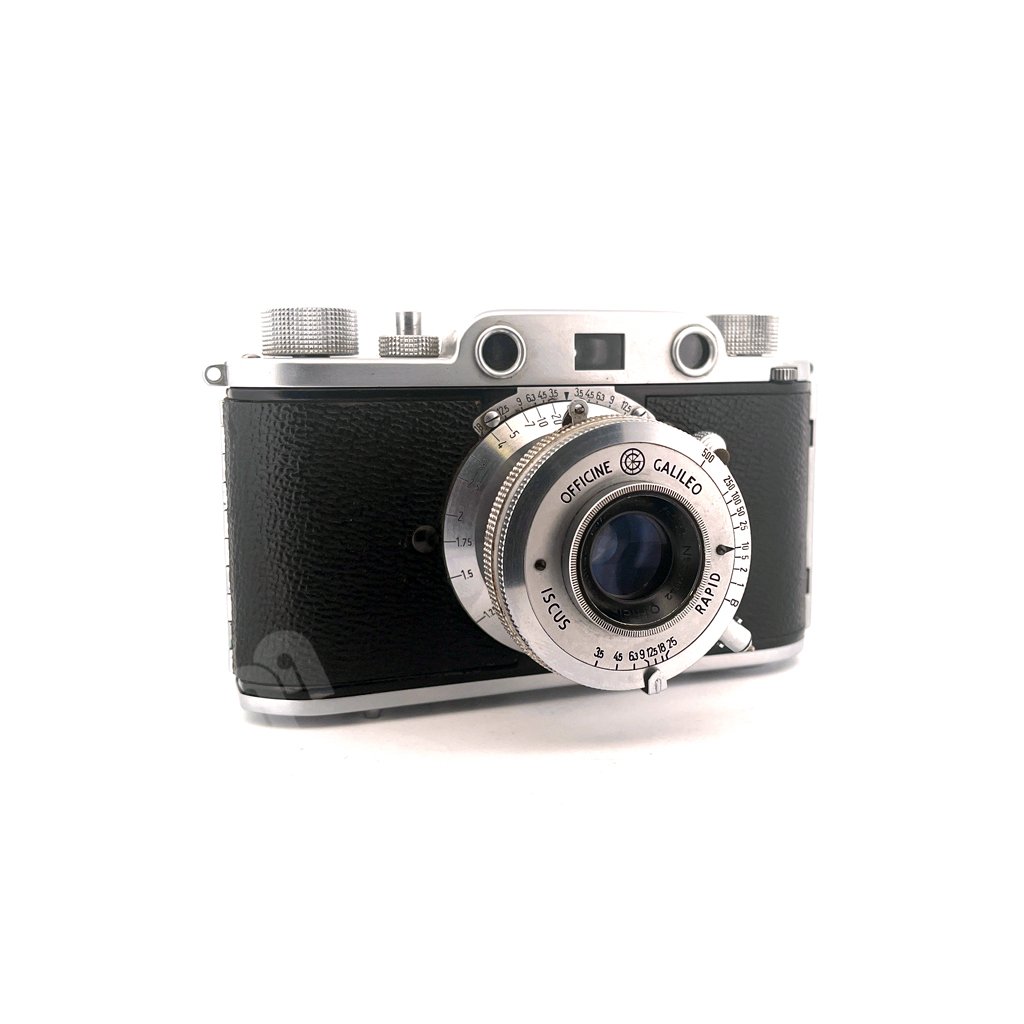
From 1938 Ducati diversified into precision mechanics and optics, and opened an optical department. It planned a very small, high-quality camera, but the war delayed everything. In the autumn of 1944 Ducati executives went to Florence to recruit the best technicians of Galileo and San Giorgio, two great Italian optics makers.
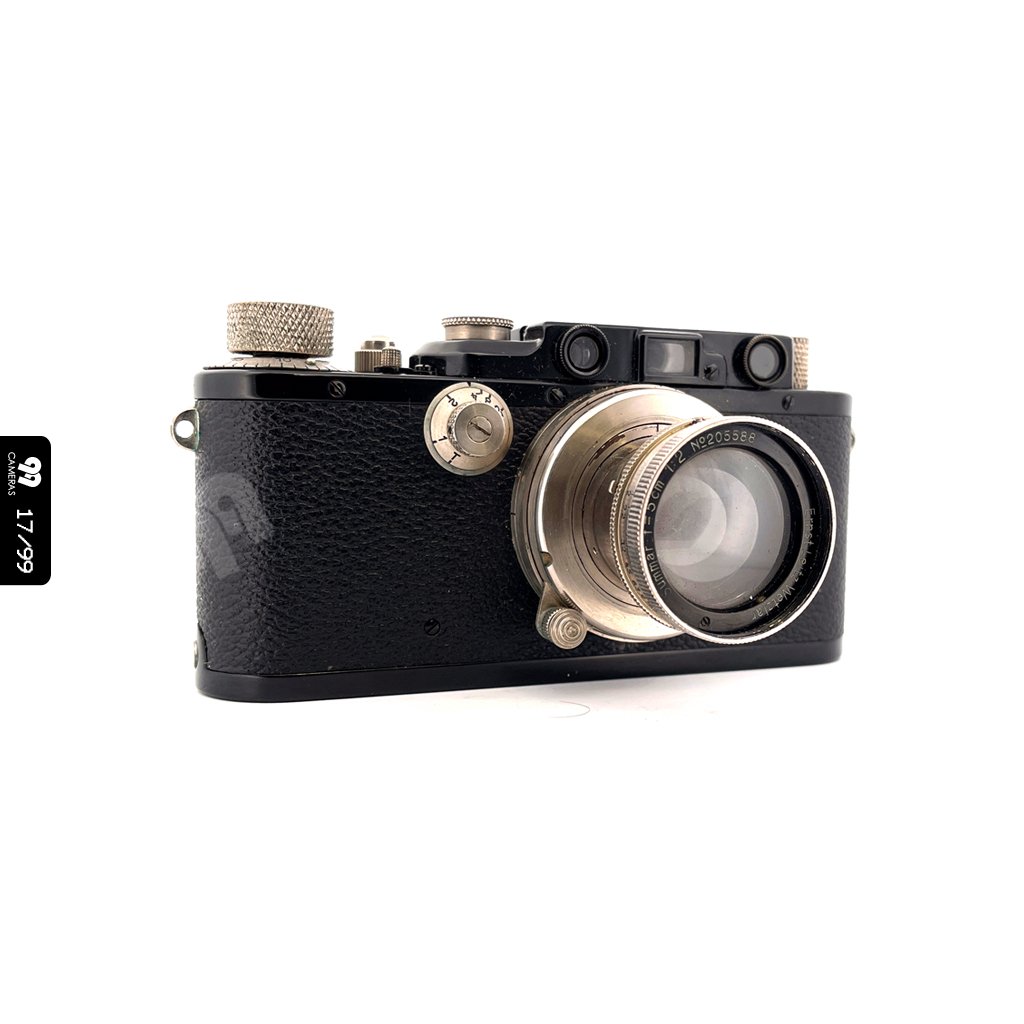
At the first post-war Milan Fair, in 1946, Ducati presented its Sogno, a tiny half-frame camera for 35 mm film with a rangefinder and interchangeable lenses, soon nicknamed the “miniature Leica”.
The people
1950–1952
The Simplex
In the museum
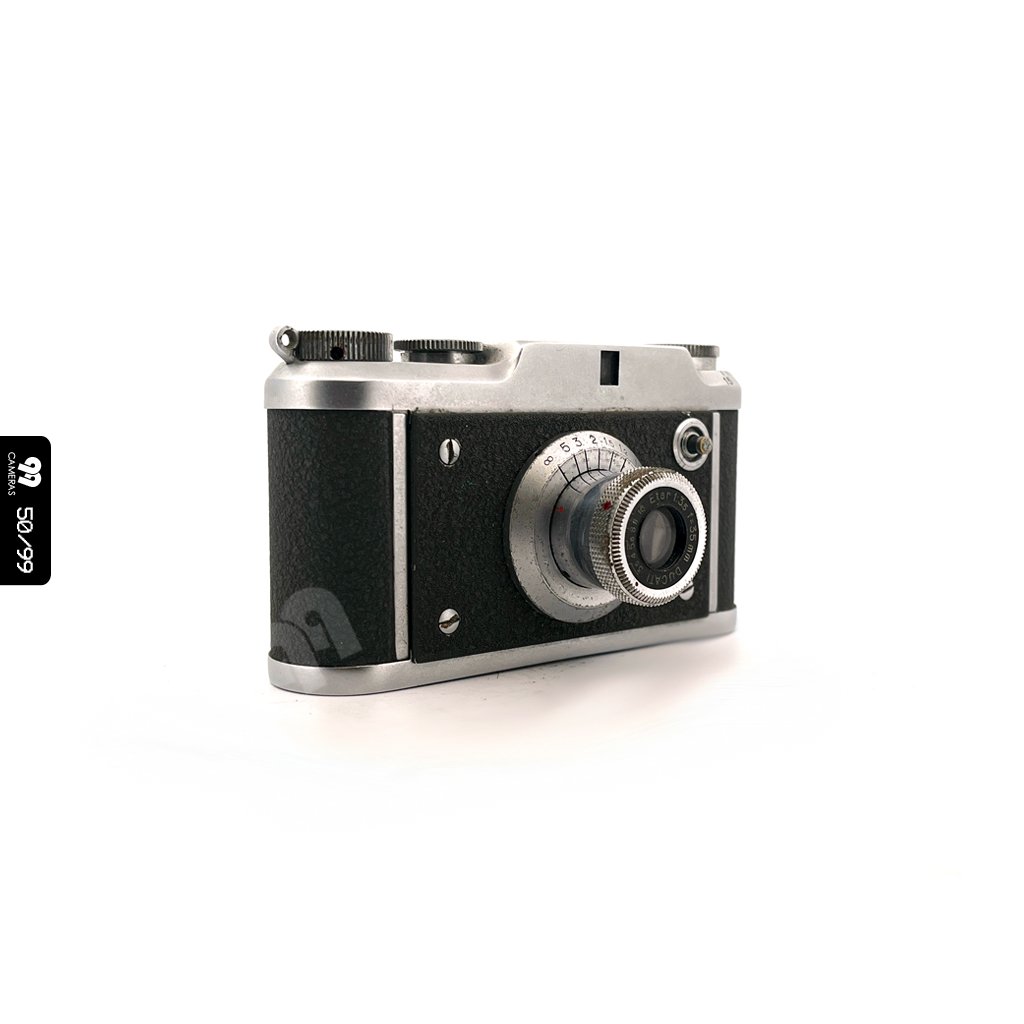
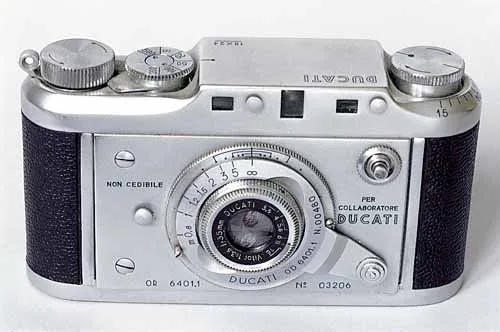
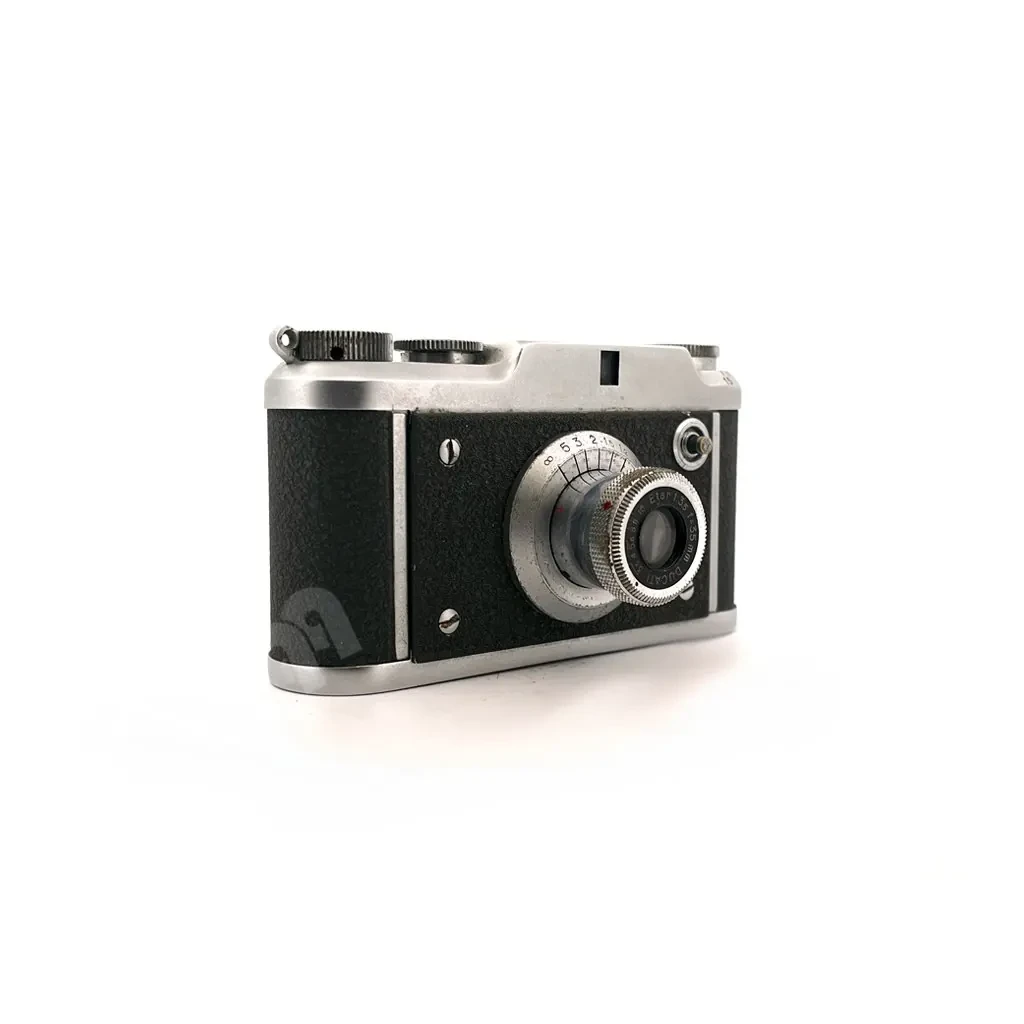
In 1950 Ducati launched the Simplex alongside the Sogno: a simplified version, with a fixed lens and no rangefinder, but with the same very compact design and distinctive Italian look. It was meant for a wider, less technical public. A Simplex is in the museum.
But the cameras were expensive to make, and the motorcycles were becoming far more profitable. Ducati closed its optical department in the early 1950s. Only a few thousand Simplex were made, and they are now rare and sought after.
1946–today
From the puppy to the racing bike
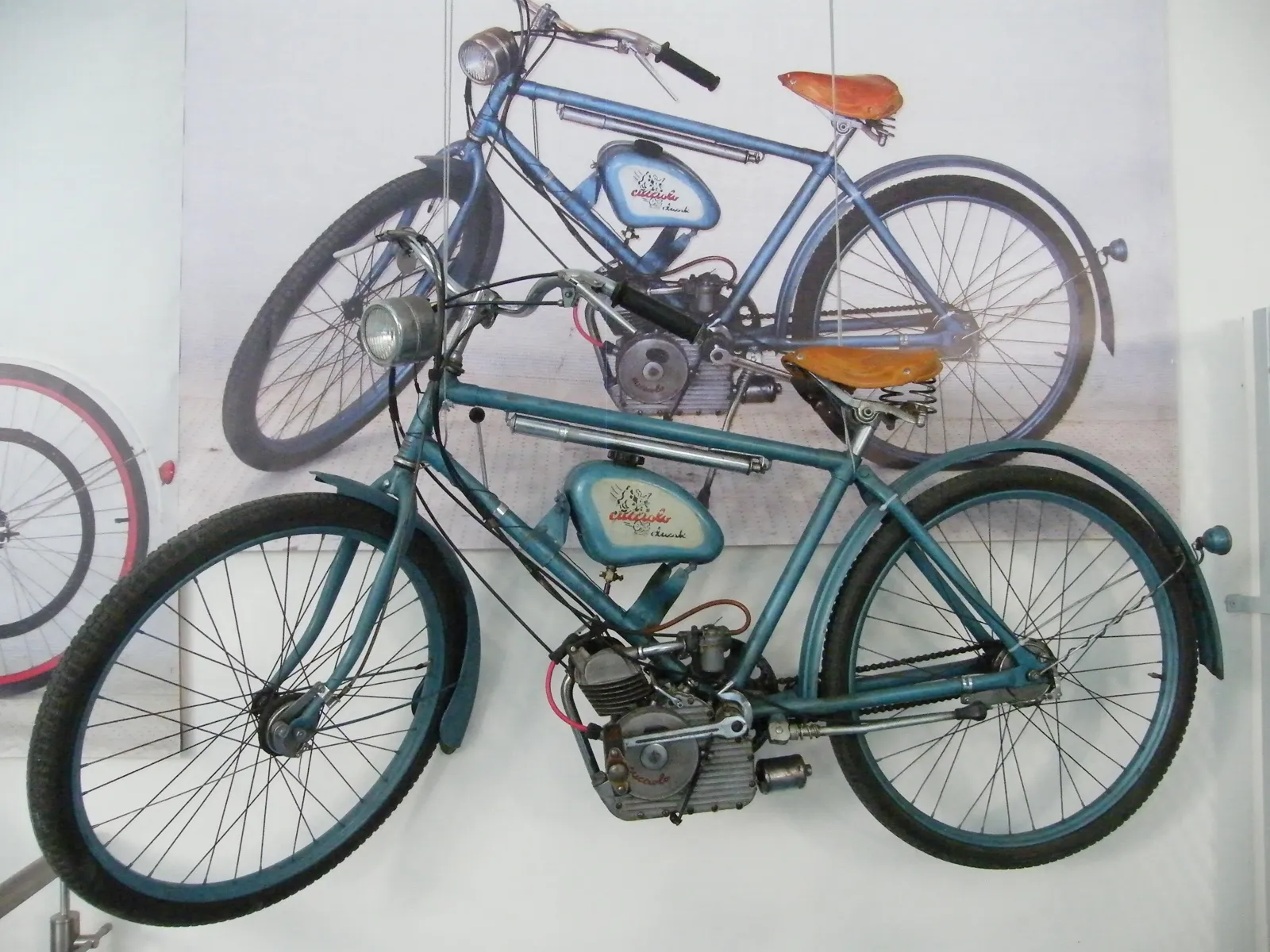
The Cucciolo engine was a huge success: more than 200,000 were sold, and in 1950 Ducati offered its own motorcycle built around it. Then came larger motorcycles, racing victories, and the legend of the red Ducatis.
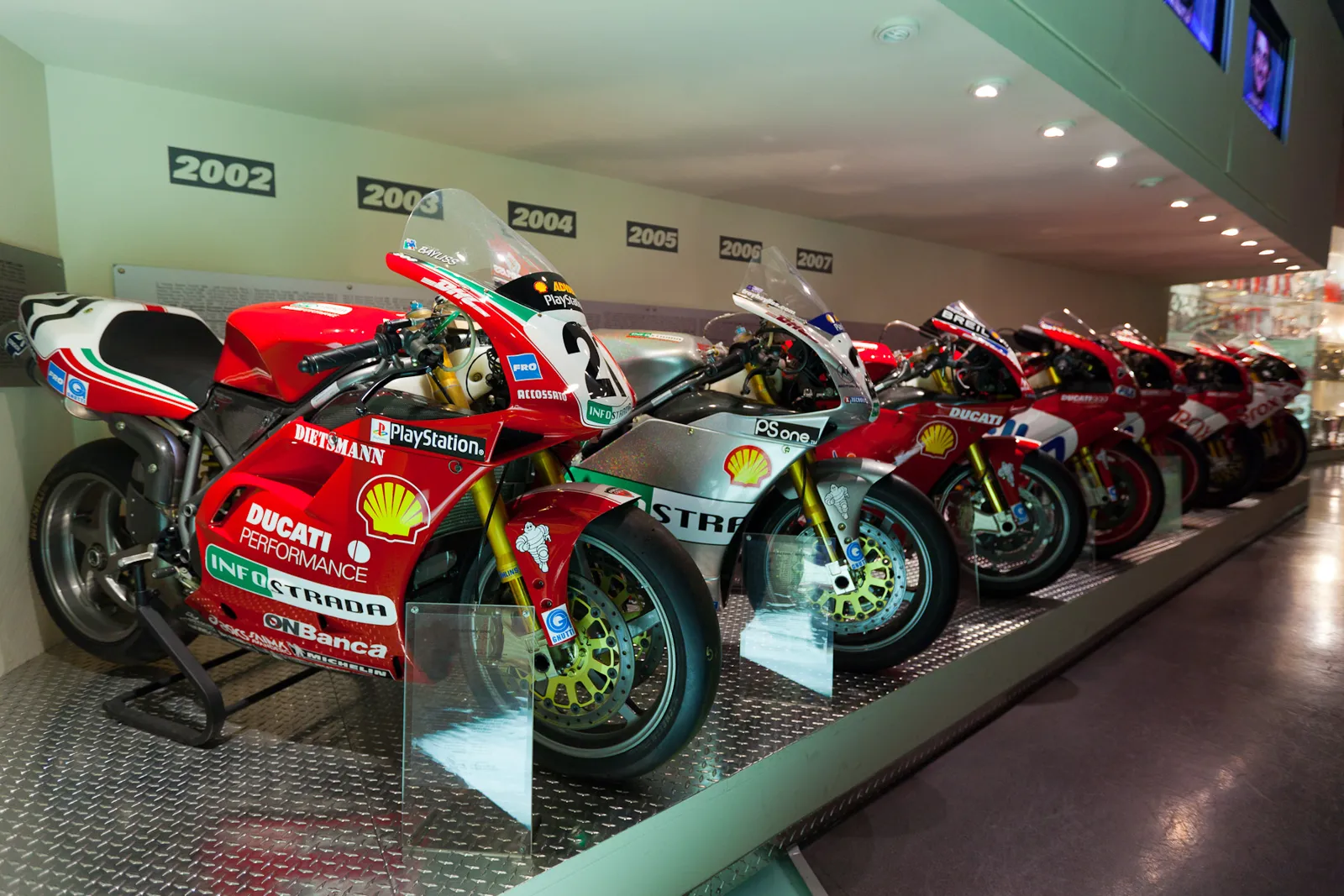
Today Ducati is one of the most famous motorcycle makers in the world, and its museum in Borgo Panigale tells its story. The cameras are a little-known chapter of that story, from a time when the company was still looking for its way.
Ducati at the 99 Cameras Museum
The Ducati Simplex, the rare half-frame camera from the maker of the famous motorcycles, is in the showcases of the museum in Paris. You can see it, and the other cameras of this story, in our online collection.
See the Ducati cameras of the collection
Sources. Ducati heritage history, Wikipedia articles on Ducati and the Ducati Sogno, Collection Appareils. Some anecdotes come from oral tradition and are told as such.
Plan your visit
Visit is free and open to all
- Opening hoursMonday – Saturday : 10 – 17:30
- AddressStudio Harcourt, 6 Rue de Lota, 75116 Paris
- Exceptional closuresThursday, 26 November 2026