Brand stories
The Zeiss Ikon story
A physicist who gave away a fortune, four camera makers merged into one, a Contax built to beat the Leica, a city in ruins and a name divided by the Iron Curtain: the story of the great camera maker of Dresden, told through its inventions and its anecdotes.
1846–1905
The science of lenses
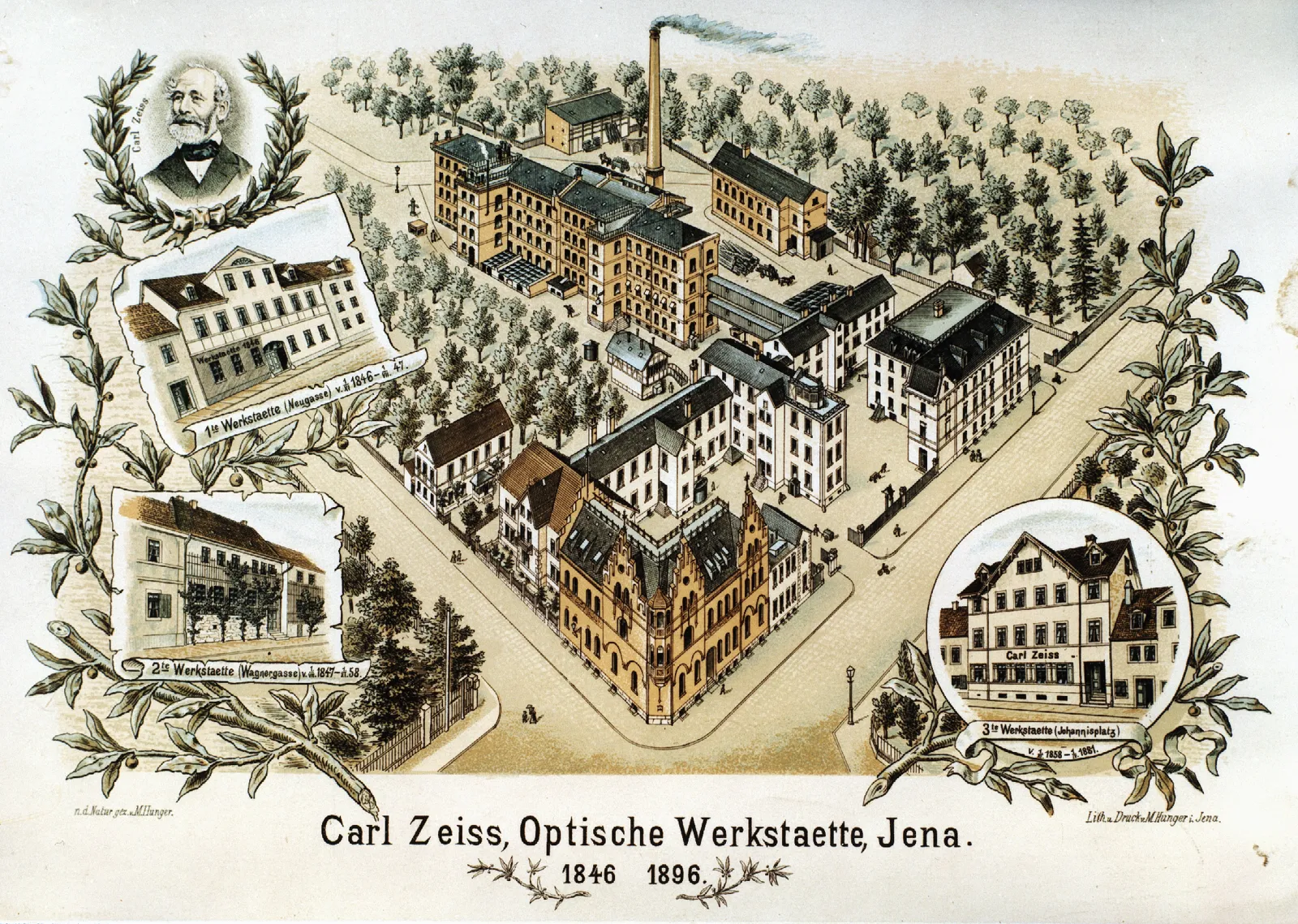
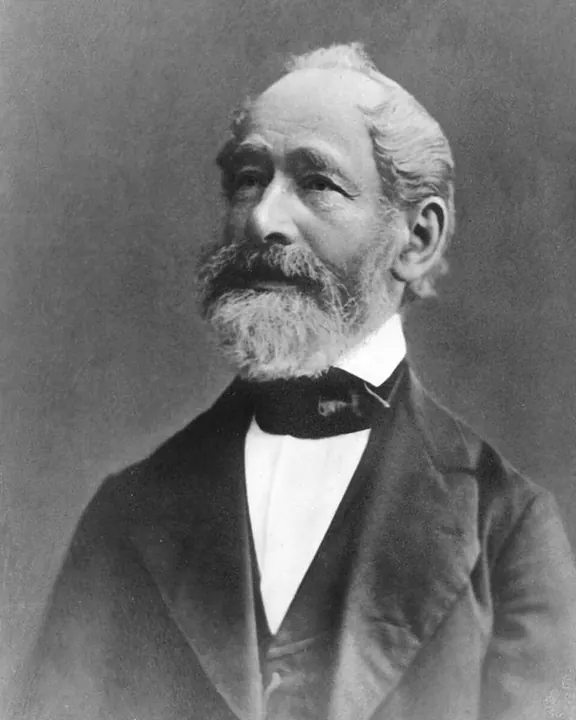
Zeiss Ikon’s story begins in Jena, a university town in Thuringia. In 1846 a precision mechanic, Carl Zeiss, opened a small workshop there to make and repair instruments for the university, then microscopes. Like everyone at the time, he made his lenses by trial and error: you ground, you tested, you started again.
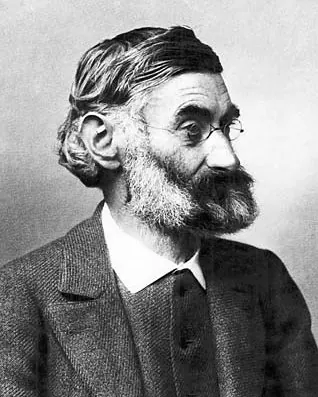
In 1866 Zeiss hired a young physicist, Ernst Abbe, to change that. Abbe calculated lenses with mathematics before making them, and with the glassmaker Otto Schott, who founded his glassworks in Jena in 1884, he obtained new types of optical glass. Zeiss microscopes became the best in the world, then the company made binoculars, rangefinders and, from 1890, camera lenses.
1902–1926
The eagle eye and the camera makers
In the museum
In 1902 a Zeiss mathematician, Paul Rudolph, designed the Tessar, a four-element lens so sharp that it was nicknamed “the eagle eye”. It equipped countless cameras made by other companies, and Zeiss began to invest in them. In 1909 it helped bring several Dresden firms together as ICA, and it held shares in others.
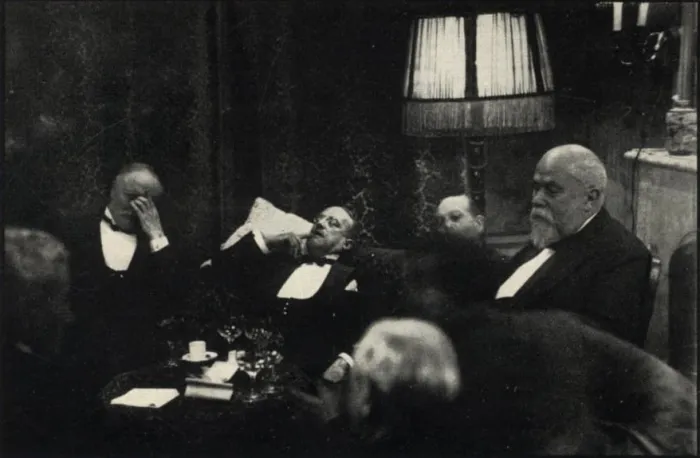
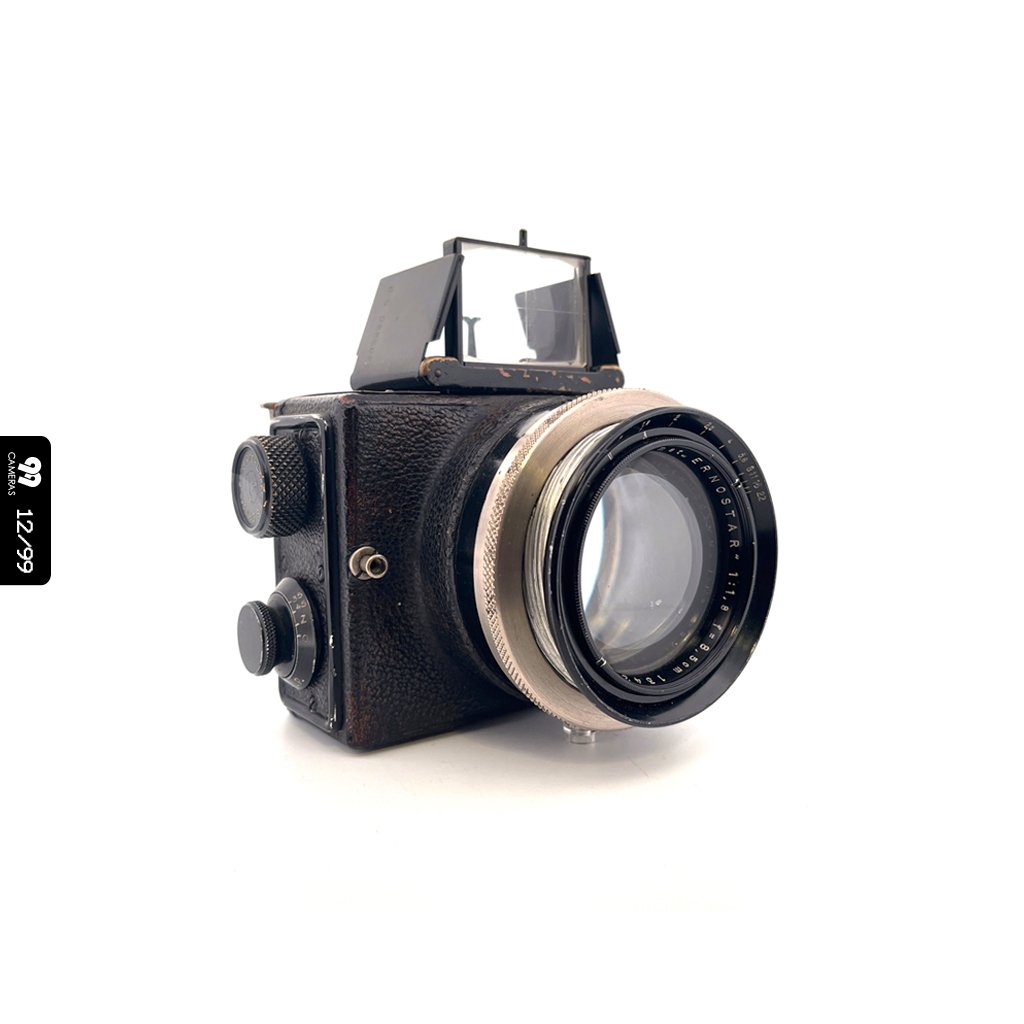
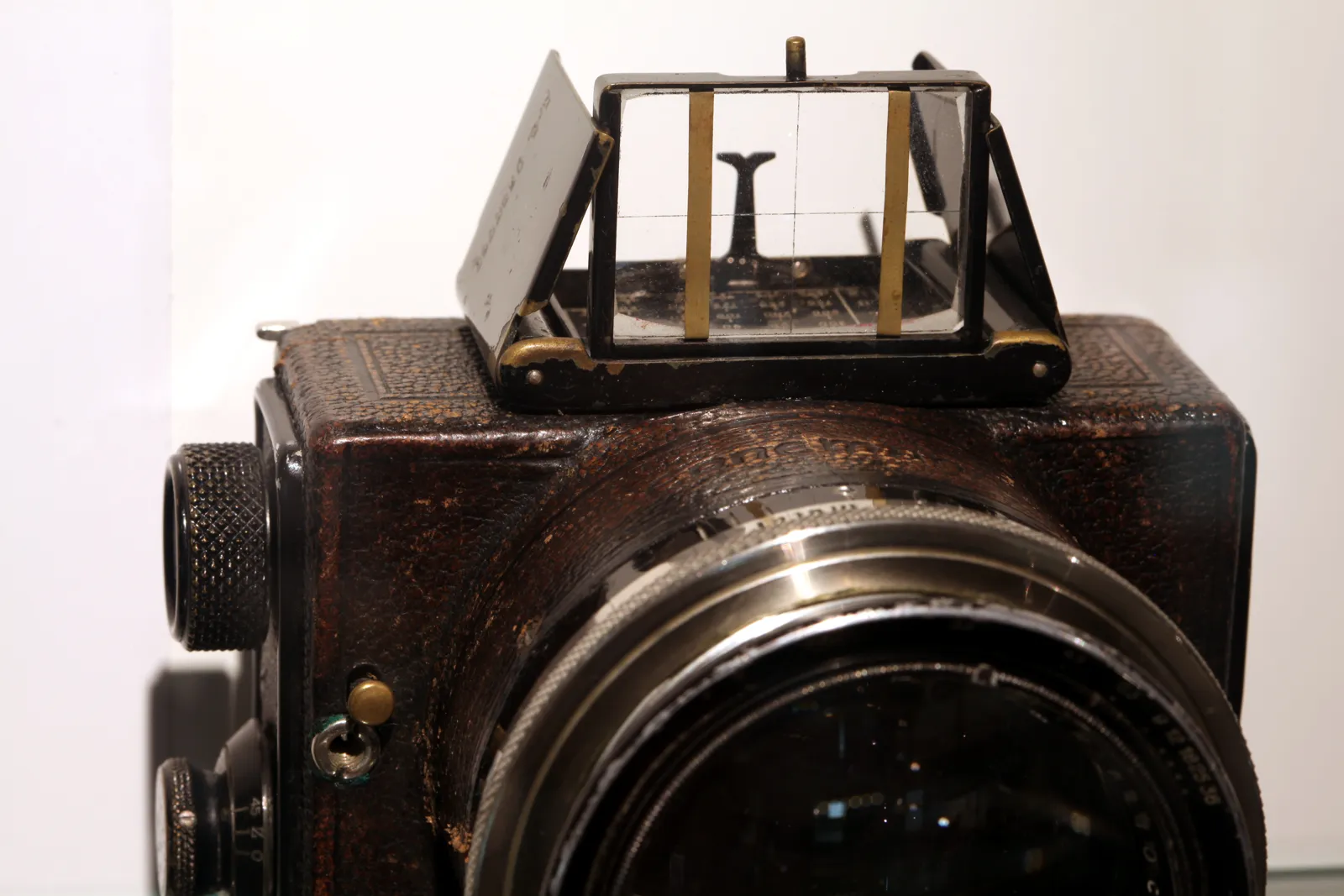
Dresden was then the capital of camera making. One of its biggest firms, Ernemann, launched in 1924 the Ermanox, a small camera with an extremely bright lens, the Ernostar f/1.8 by the young Ludwig Bertele. Its advertising promised: “What you can see, you can photograph.” For the first time, one could photograph indoors, without flash, without being noticed.
1926–1931
Four companies, one name
In the museum
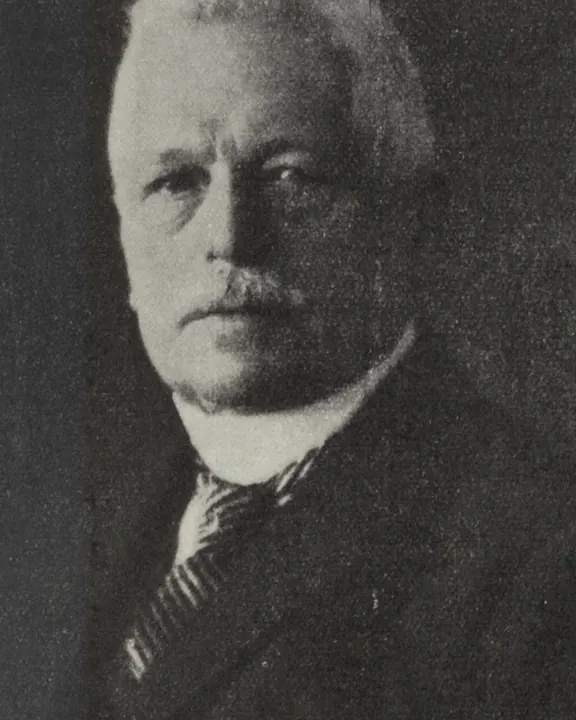
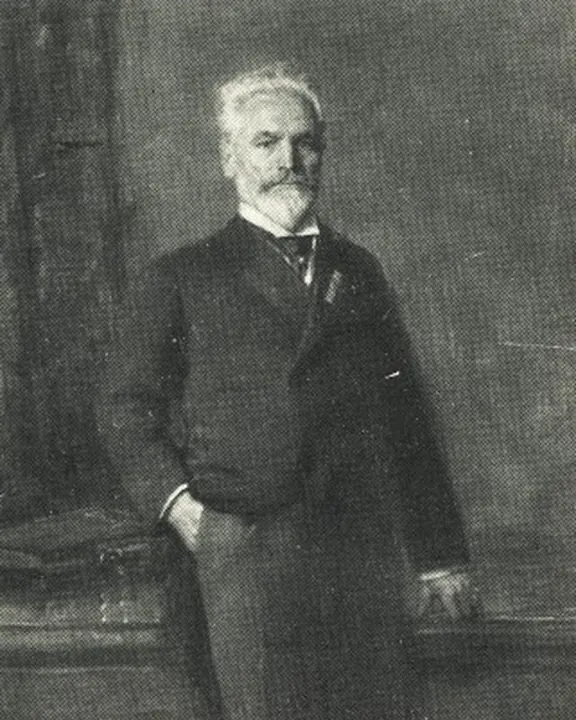
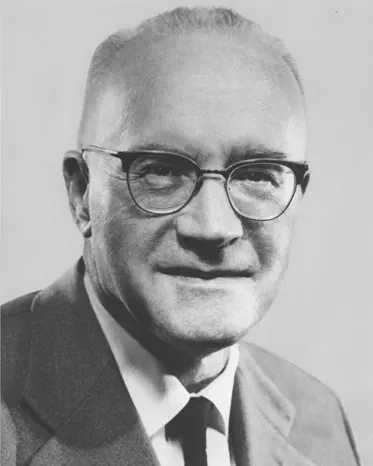
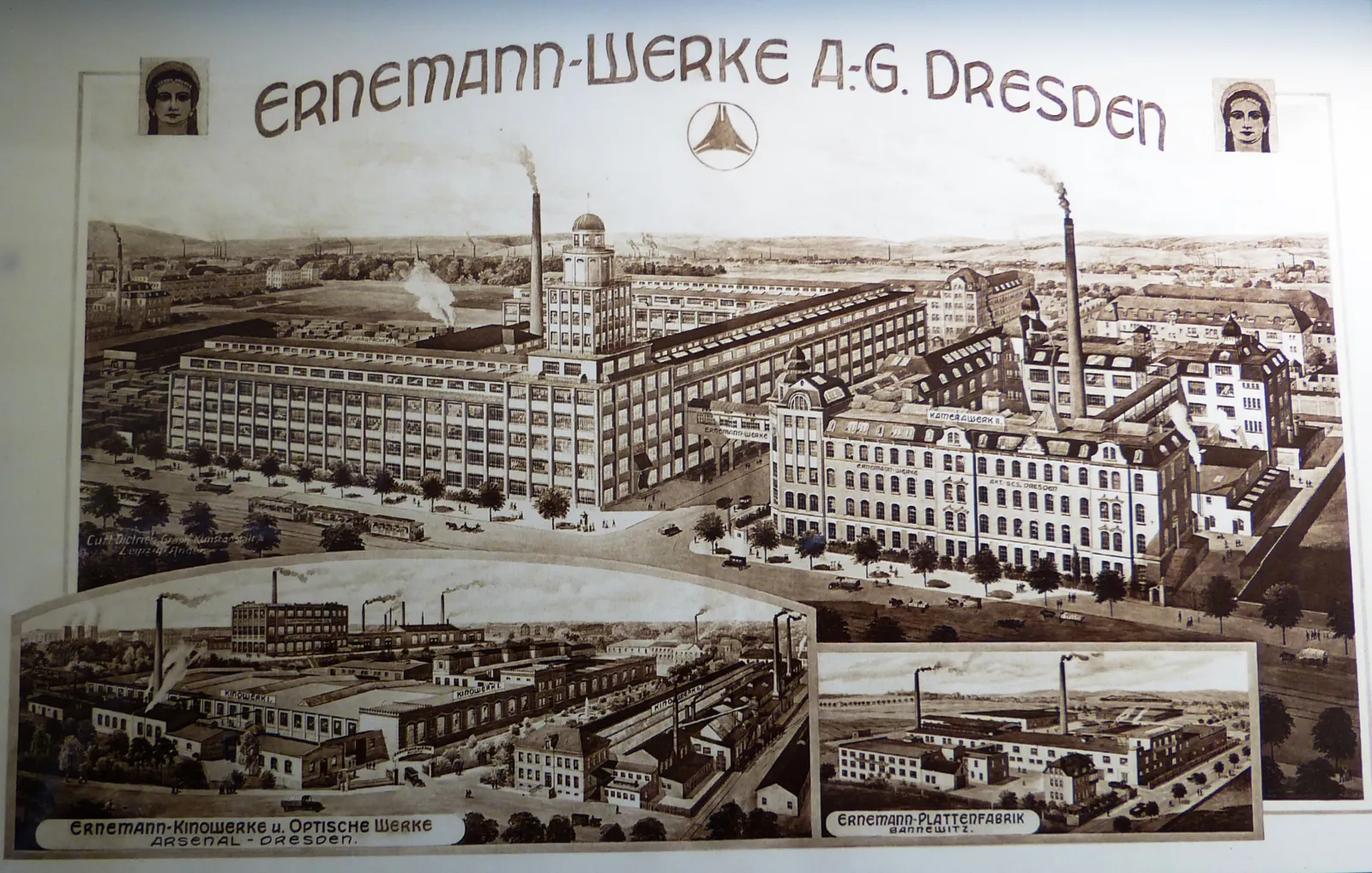
In 1926, with the money of the Carl Zeiss Foundation, four struggling camera makers merged: ICA and Ernemann of Dresden, Contessa-Nettel of Stuttgart and the camera branch of Goerz in Berlin. The new company was called Zeiss Ikon and set up its headquarters in the Ernemann building in Dresden, with its tall tower. Overnight it became the largest camera maker in Europe.
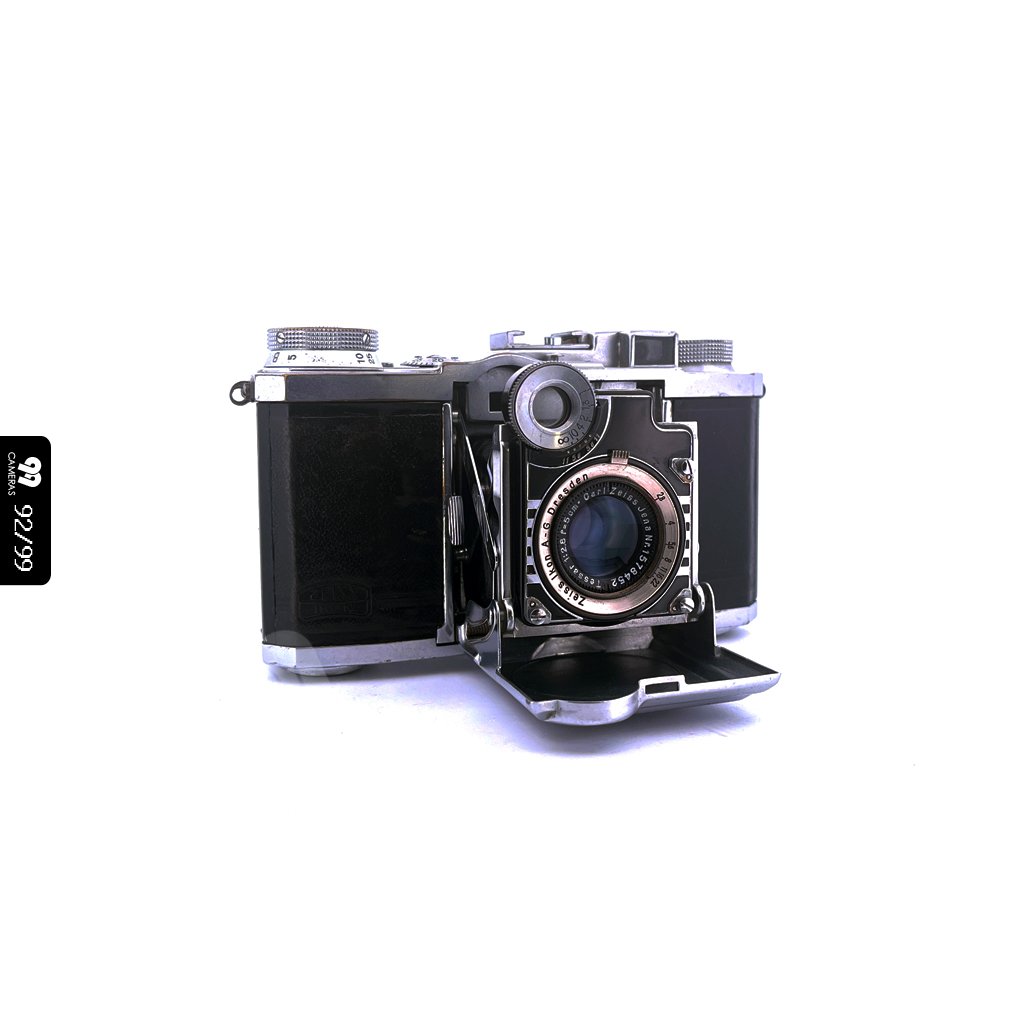
The merger brought together dozens of models, factories that had been competitors the day before, and engineers used to fighting each other. The catalogue was cut down and a new range was built: folding Ikontas, small Kolibri and Baby cameras, cinema projectors, and even door locks and keys, a business that still exists under the Ikon name.
The people
1932–1939
Built to beat the Leica
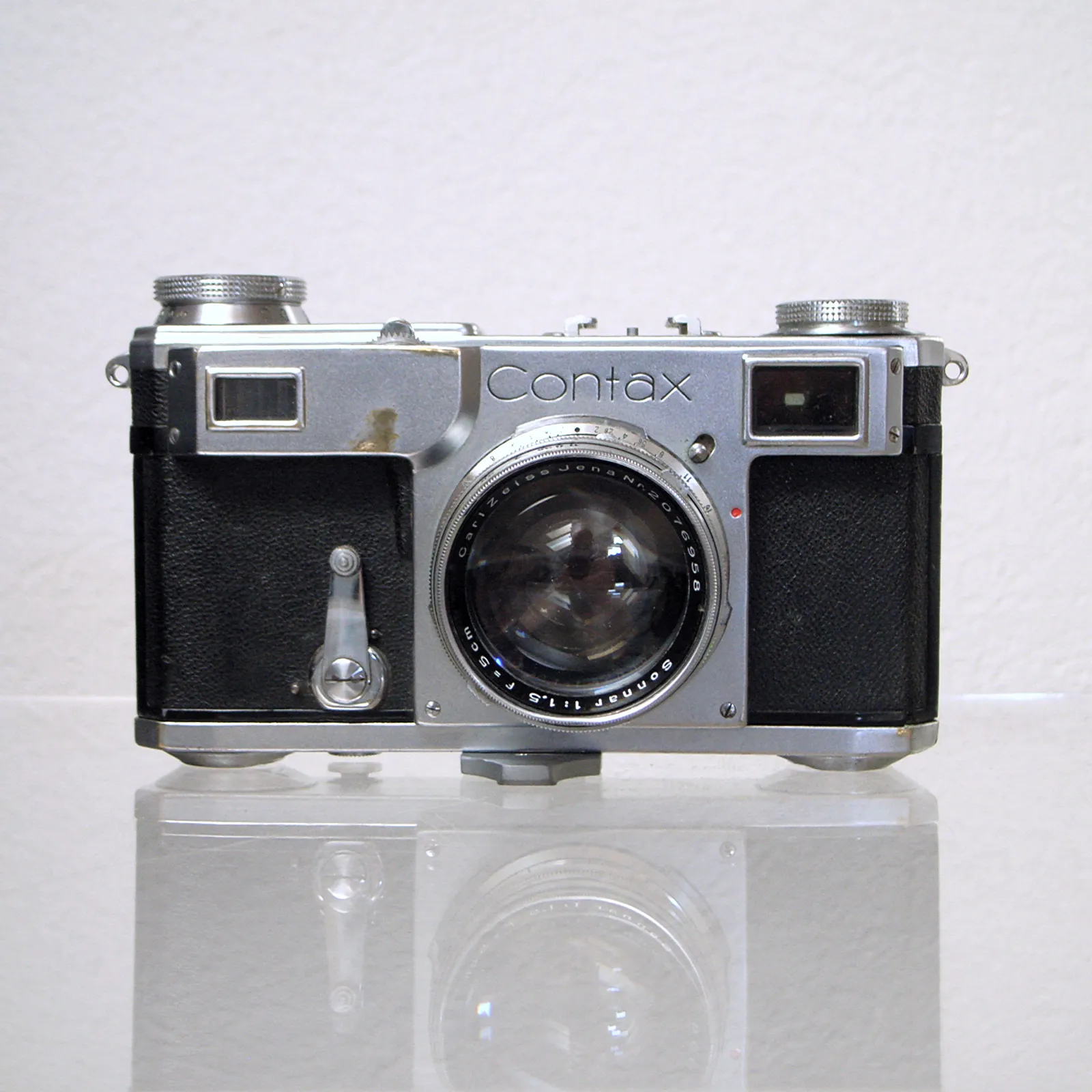
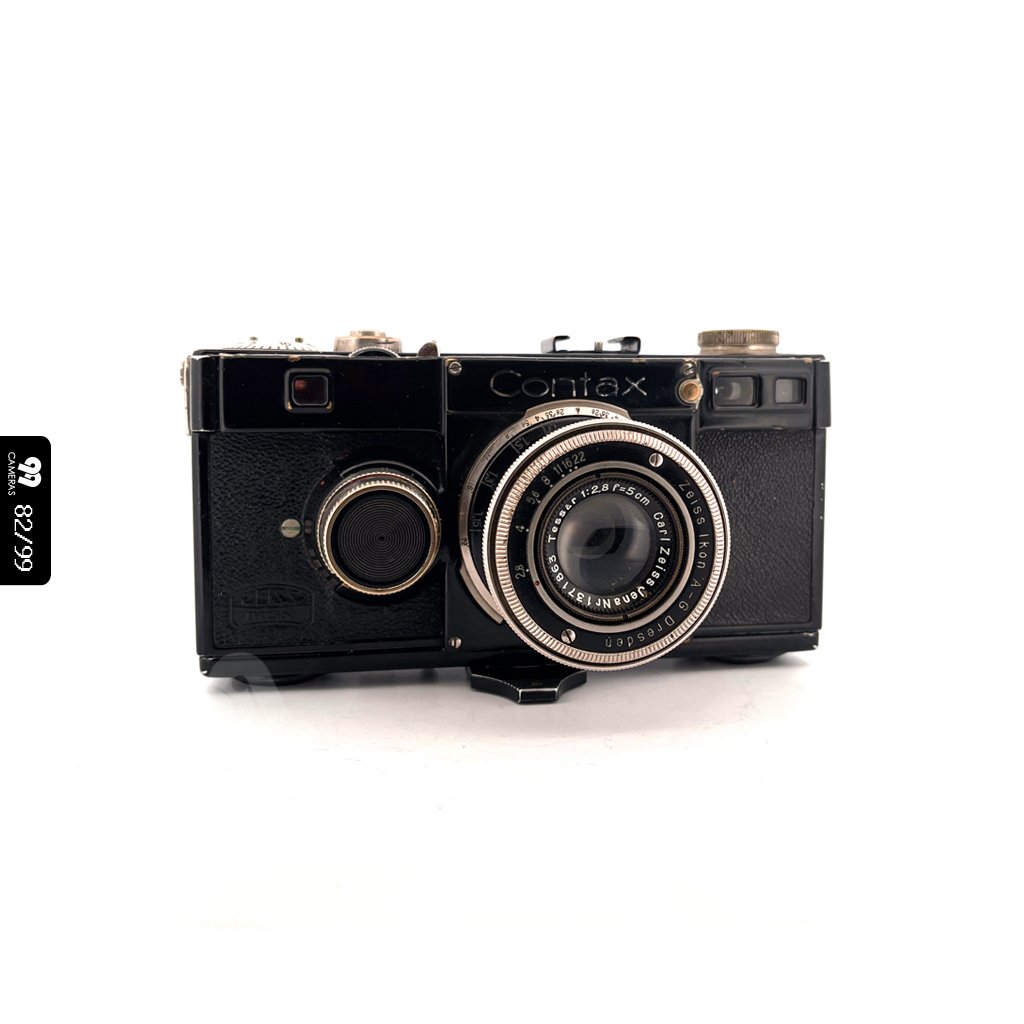
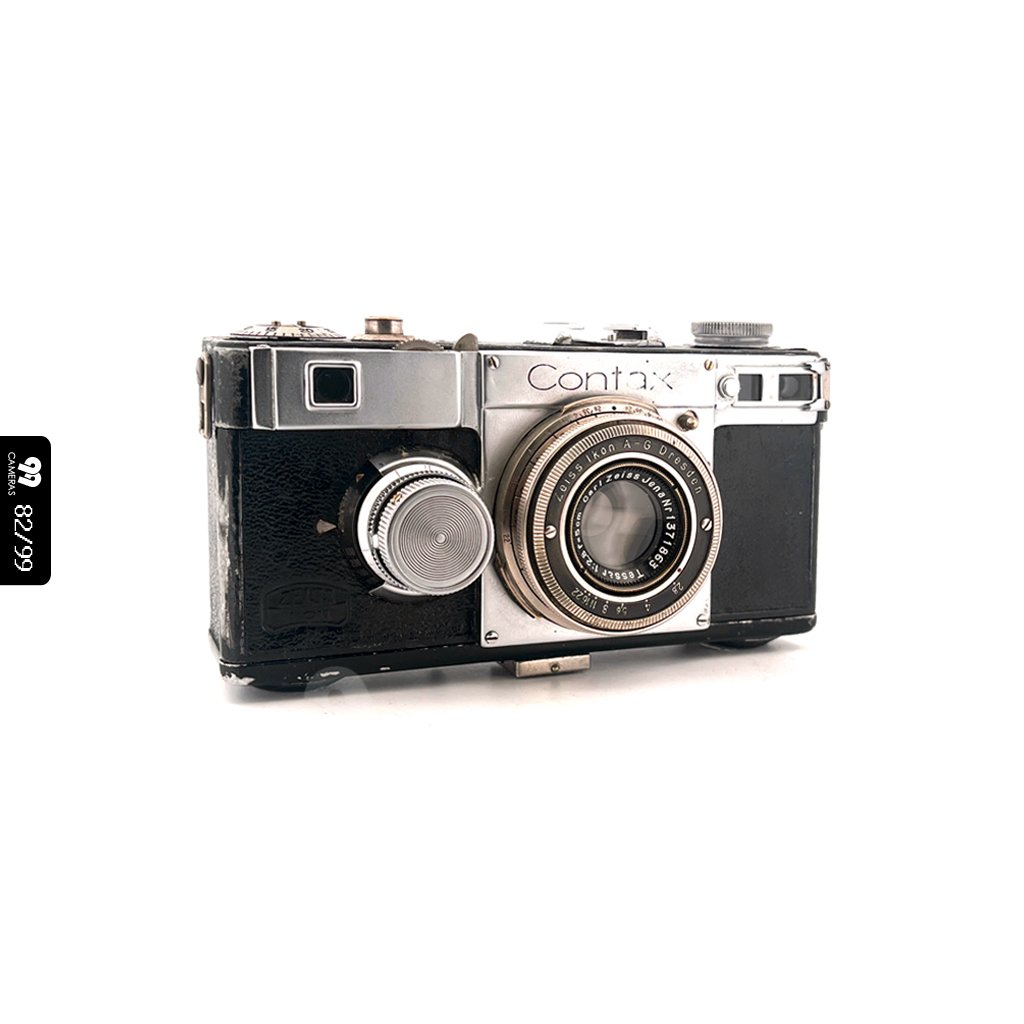
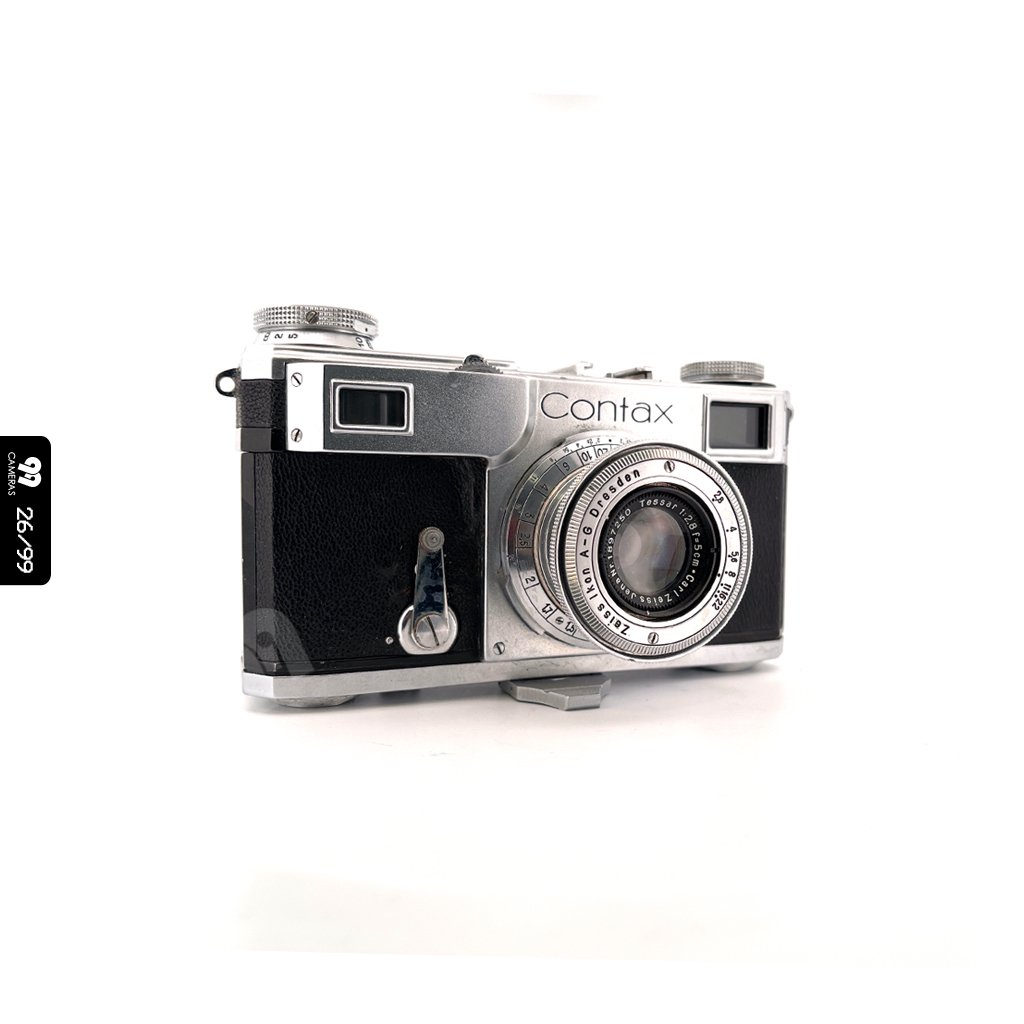

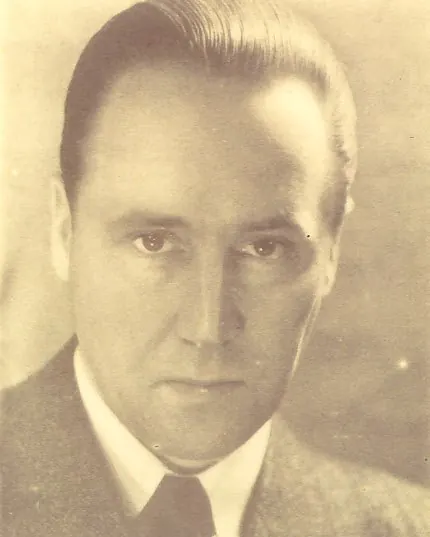
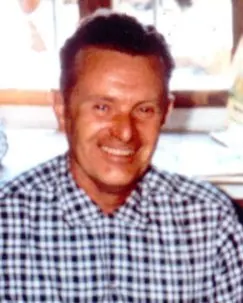
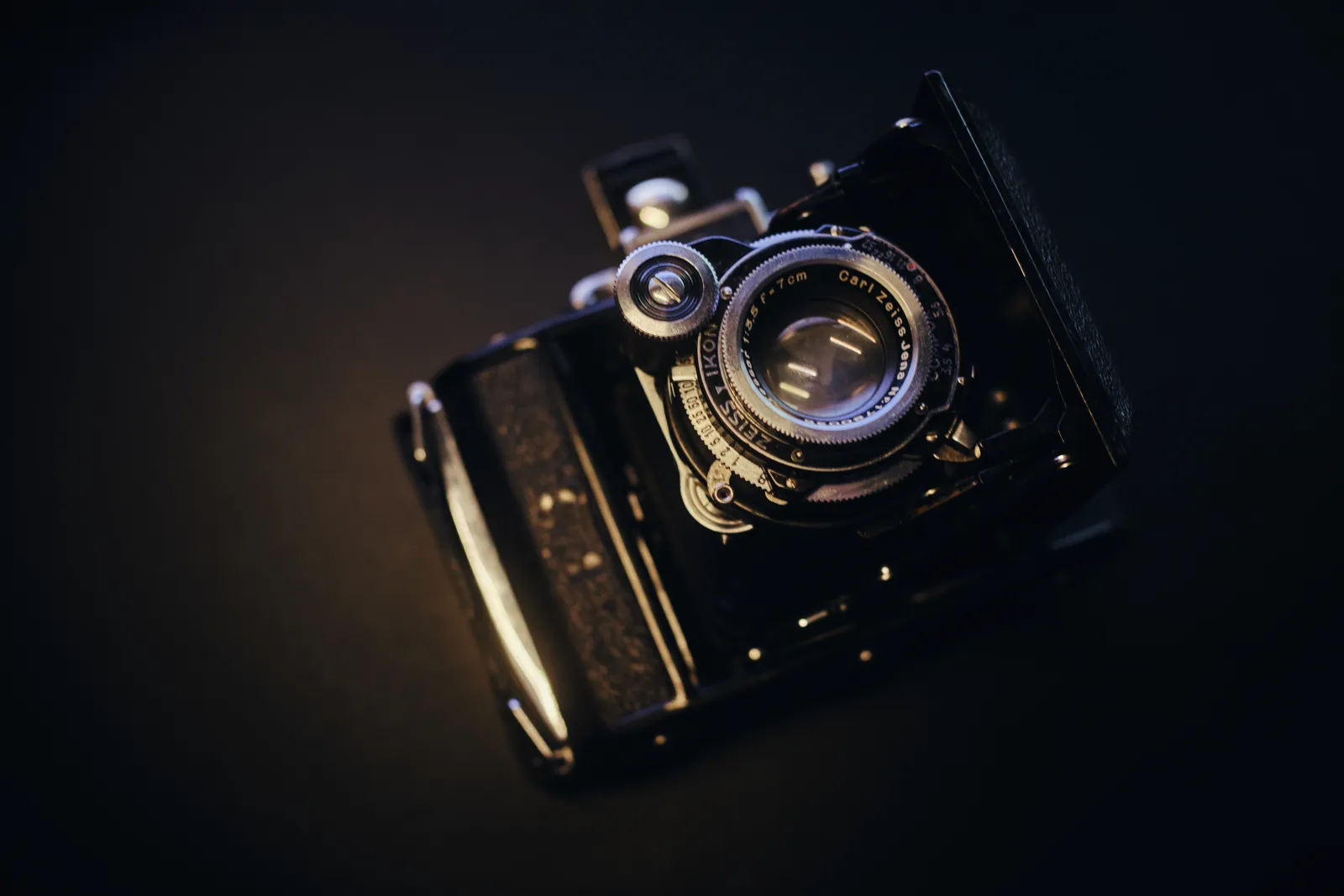
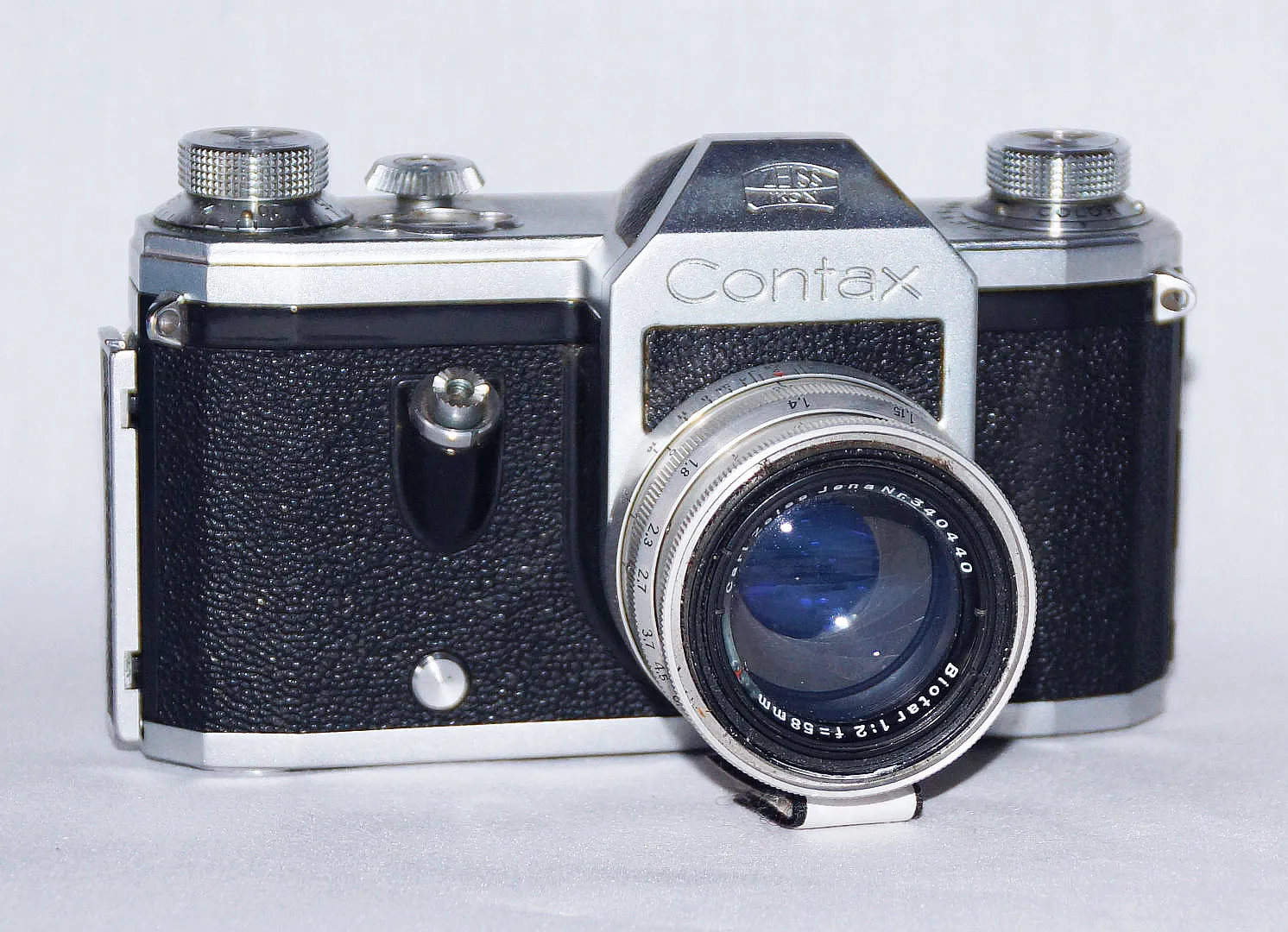
The success of the Leica was hard to accept for the heirs of Carl Zeiss. In 1932 Zeiss Ikon launched the Contax, designed under Heinz Küppenbender with one goal: to be better than the Leica in every way. It had a bayonet mount, a metal shutter up to 1/1000 s, a long-base rangefinder and Zeiss lenses such as Ludwig Bertele’s new Sonnar. In 1936 the Contax II, with its combined viewfinder and rangefinder, was largely the work of Hubert Nerwin.
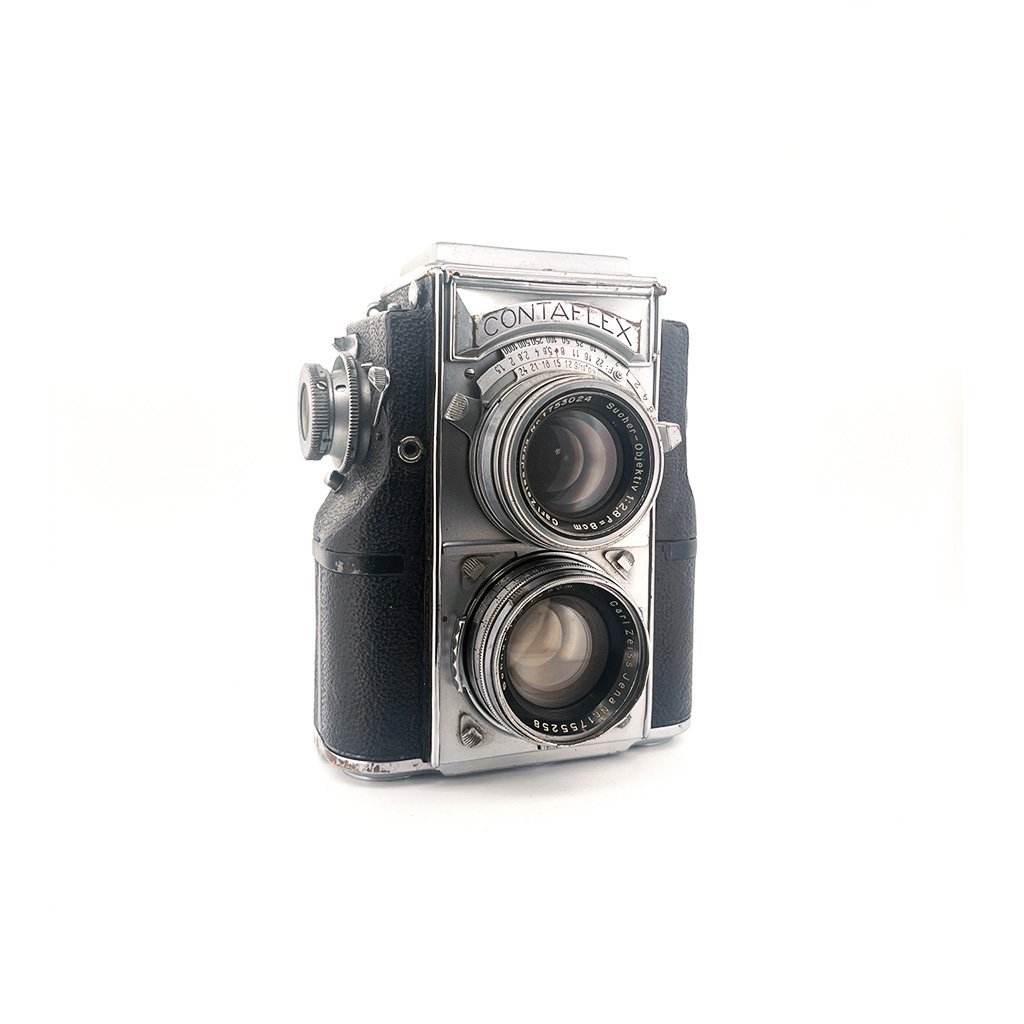
Zeiss Ikon kept innovating. The Contaflex of 1935, designed by Oskar Bergen, was the first twin-lens reflex for 35 mm film and one of the first cameras with a built-in light meter. The Nettax, the Super Nettel and the Super Ikonta completed the range. The Contax was more complex and more expensive than the Leica, and the rivalry between the two filled the photo magazines.
1939–1945
War and ruin
During the Second World War, Zeiss Ikon made fuzes, optics and instruments for the army. Like most German industry, it used forced labour. In Dresden, Jewish workers of its Goehle factory were locked up in 1942 in a camp on the Hellerberg hill, then deported to Auschwitz in 1943.
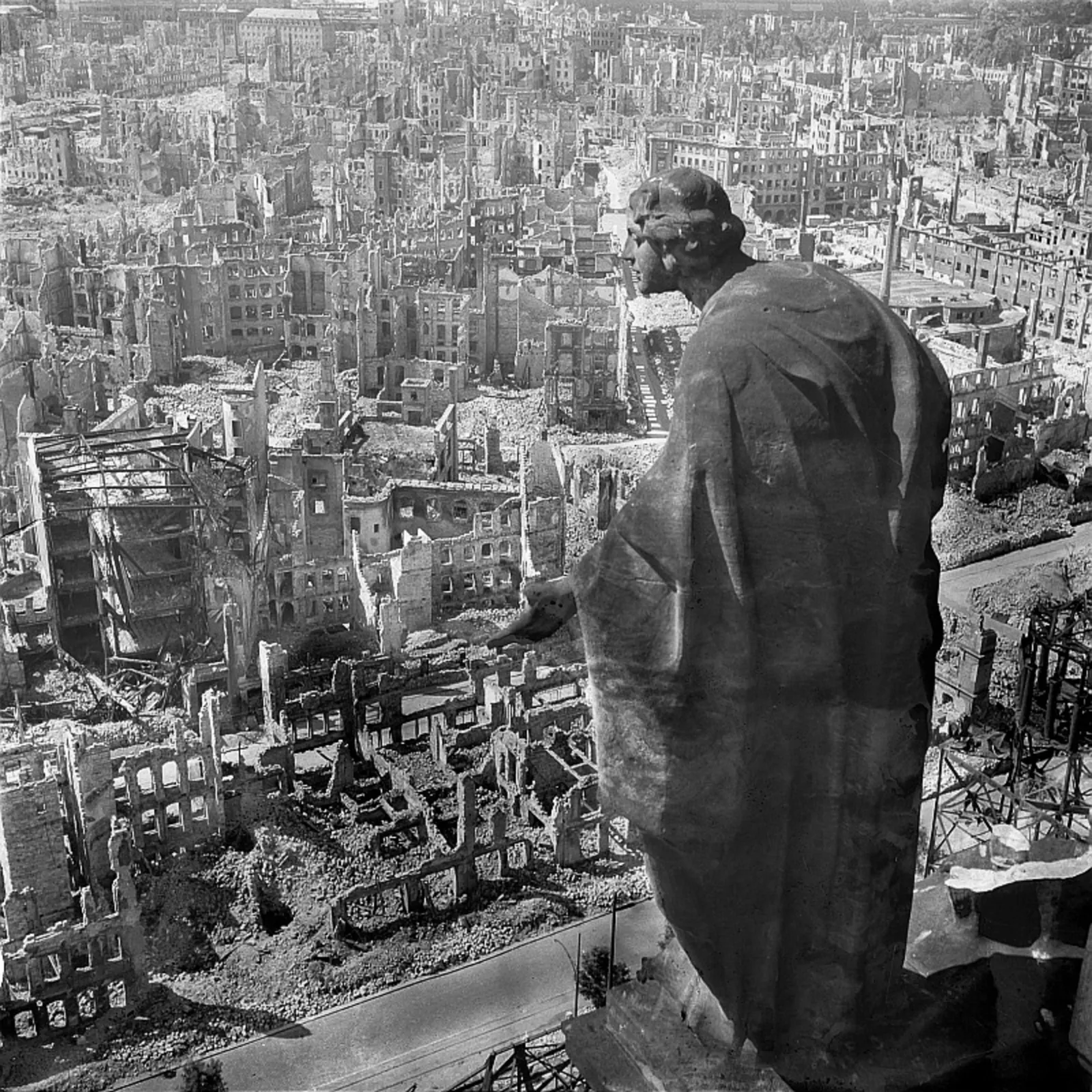
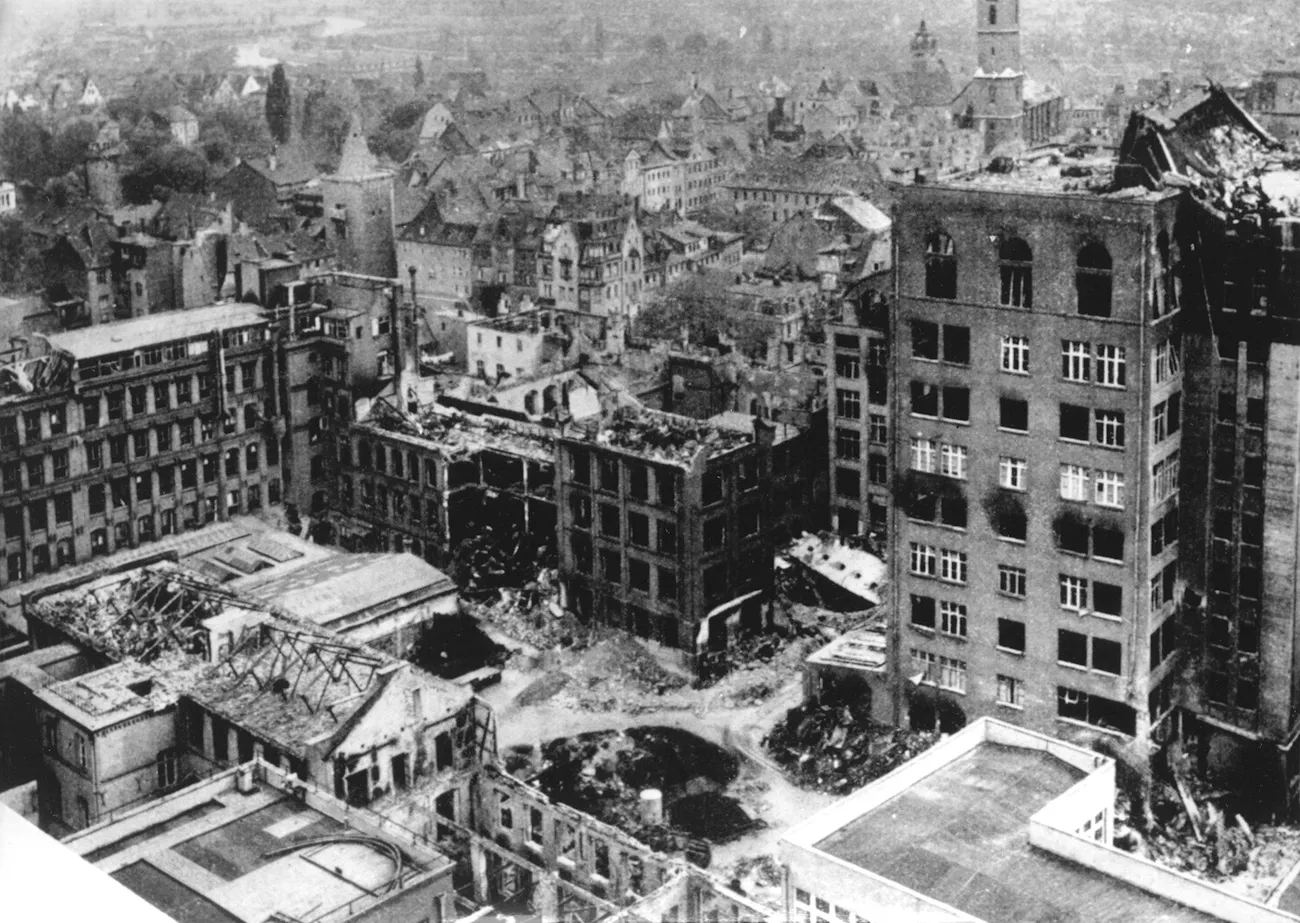
On 13 and 14 February 1945, Allied bombing destroyed the centre of Dresden and killed some 25,000 people. Zeiss Ikon’s factories were badly hit. In Jena, the Carl Zeiss works had been bombed too. When the war ended, Dresden was in the Soviet zone, and Jena, first taken by the Americans, was to be handed over to the Soviets.
1945–1971
One Contax, three countries
In the museum
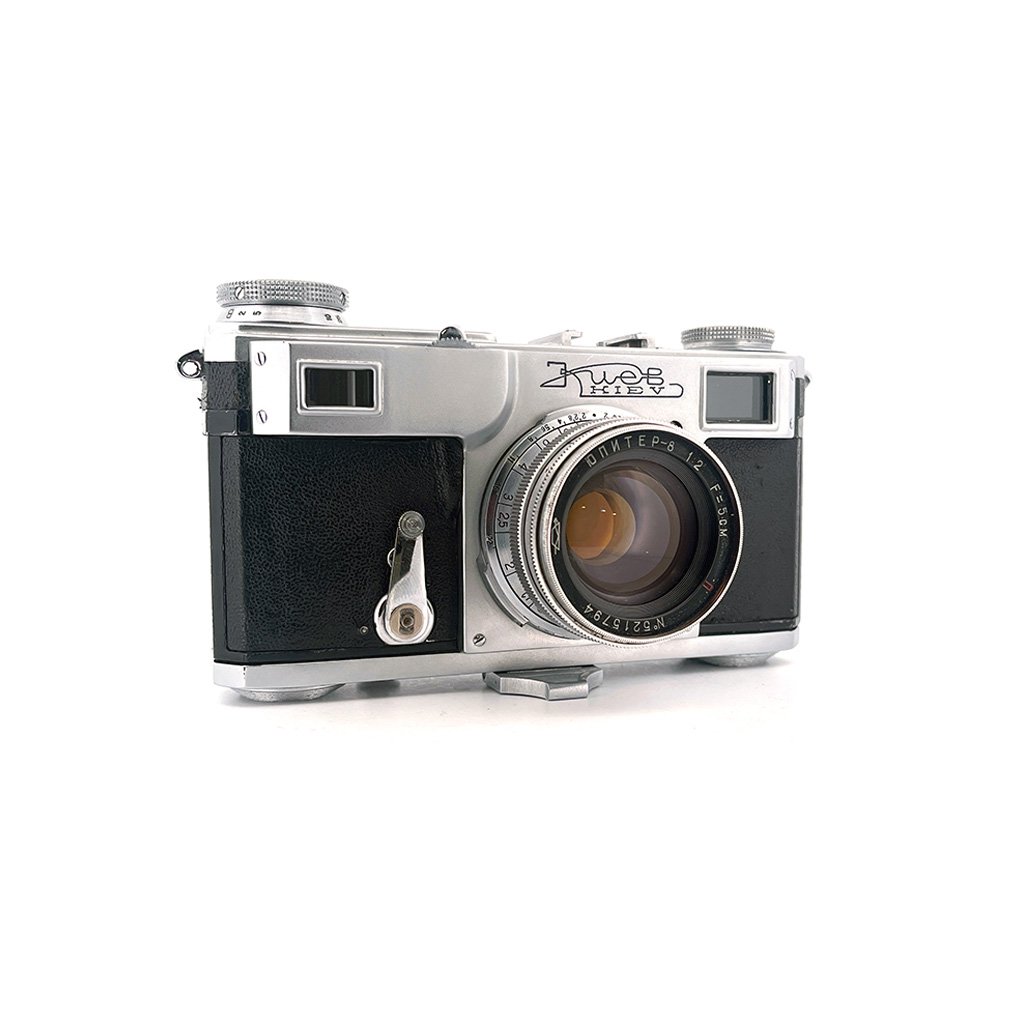
In Dresden, the Soviets took the remaining machines of the Contax and the drawings to Kyiv, where the camera was made again from 1947 under the name Kiev, for more than thirty years. Hubert Nerwin, the designer of the Contax II, went to the United States. What was left in Dresden became a state-owned company that, in 1949, presented the Contax S, one of the first reflex cameras with a pentaprism, the eye-level viewfinder of all modern SLRs.
In the west, Zeiss Ikon started again in Stuttgart, in the former Contessa factory, and launched the Contax IIa in 1950. There were now Contax cameras in three countries: the Soviet Union, East Germany and West Germany. The western Zeiss sued the eastern Zeiss to stop it from using the names in the West; the dispute ended only with the London Agreement of 1971, which divided the world between them.
The people
1957–1975
Zeiss lenses on the Moon
In the museum
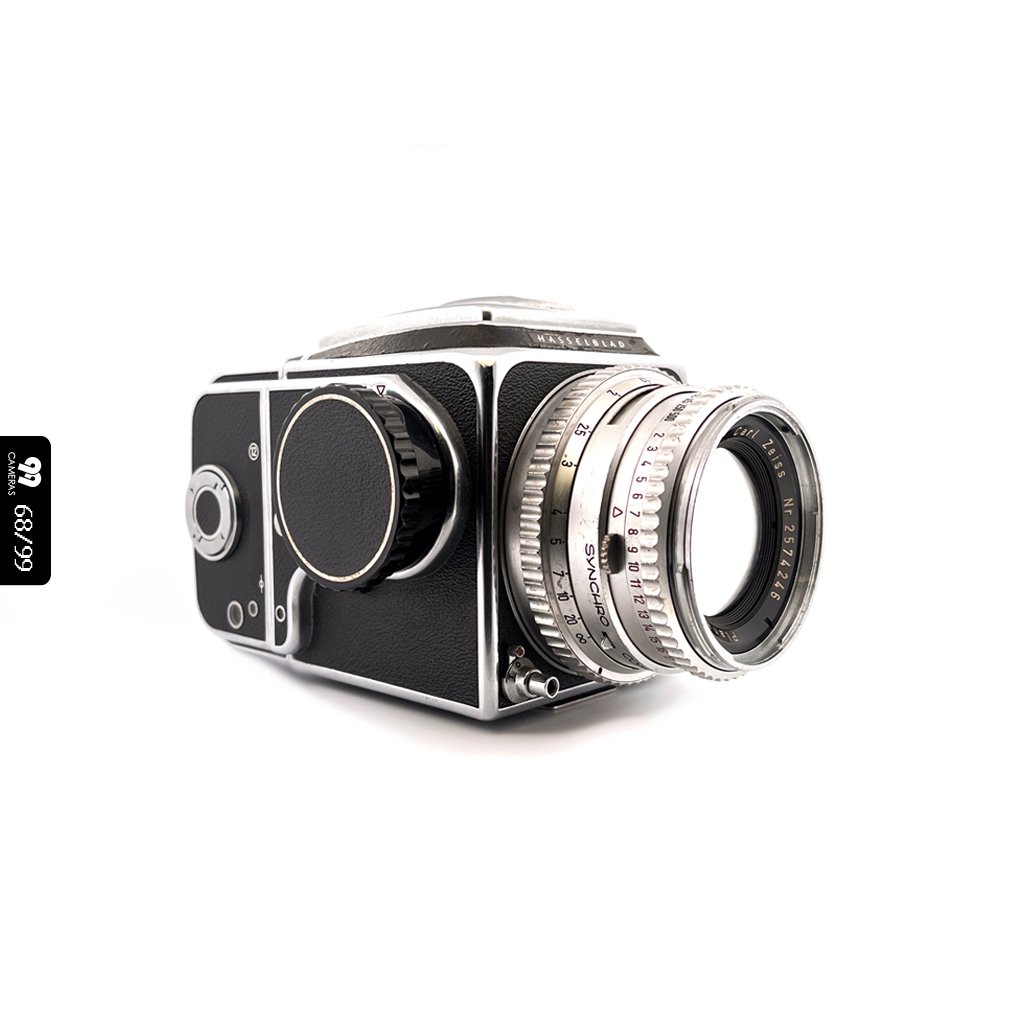
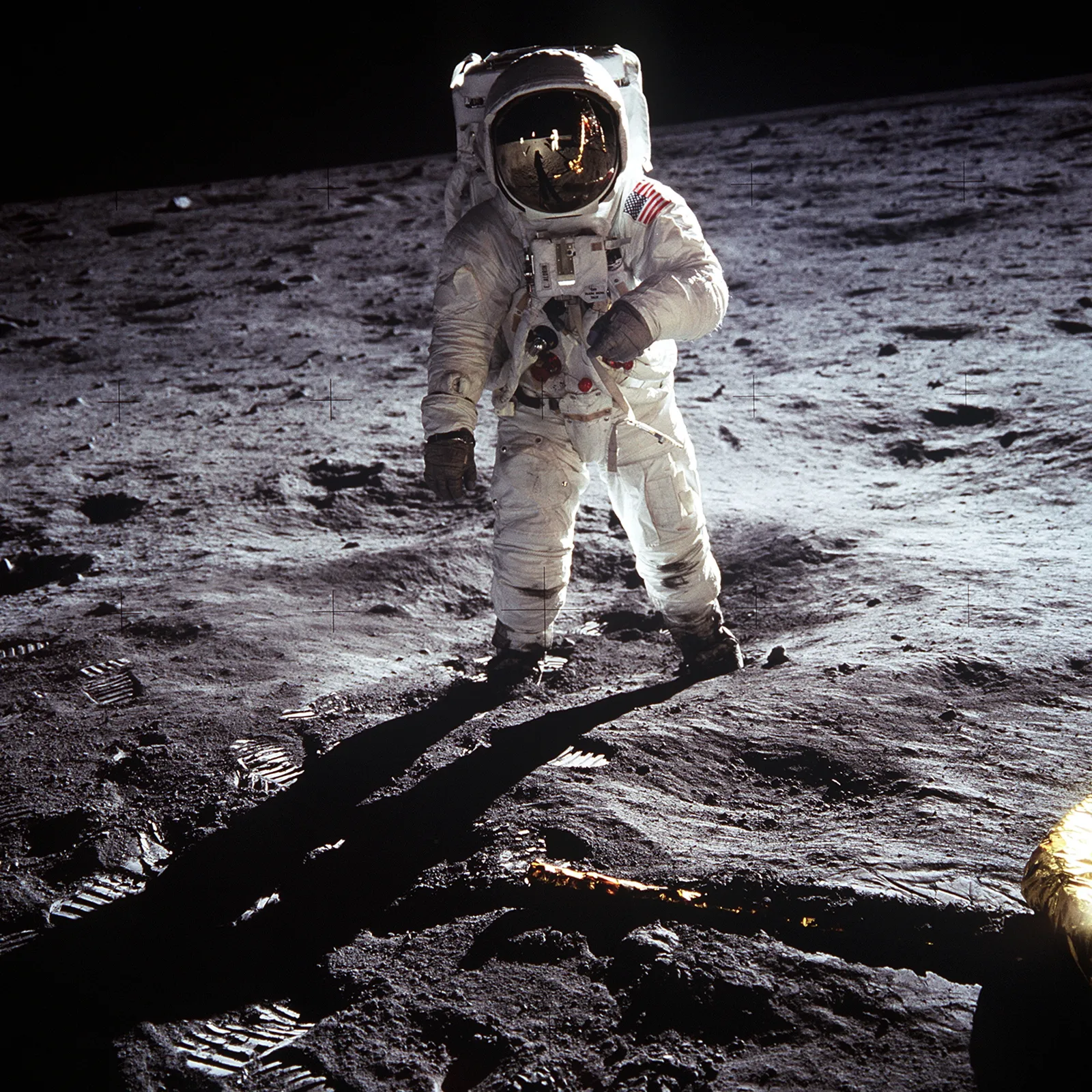
While Zeiss Ikon struggled with its cameras, the lenses of the western Zeiss, in Oberkochen, conquered the world. From 1957 the Swedish Hasselblad 500C used Zeiss lenses. NASA chose Hasselblad cameras for its astronauts, and the pictures of the Apollo missions on the Moon were taken through Zeiss lenses, including the Biogon wide-angle designed by Ludwig Bertele.
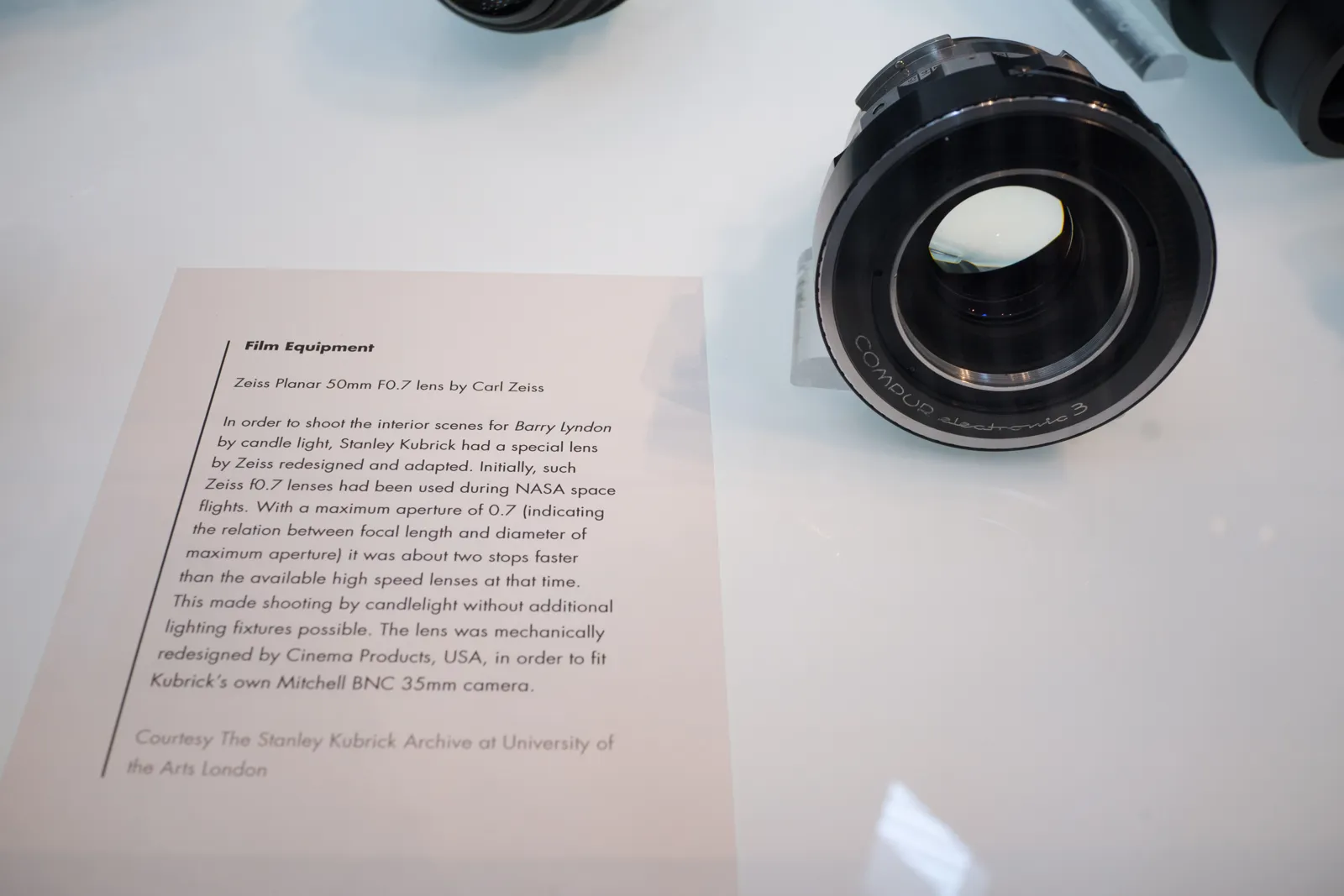
1953–1972
Too much, too late
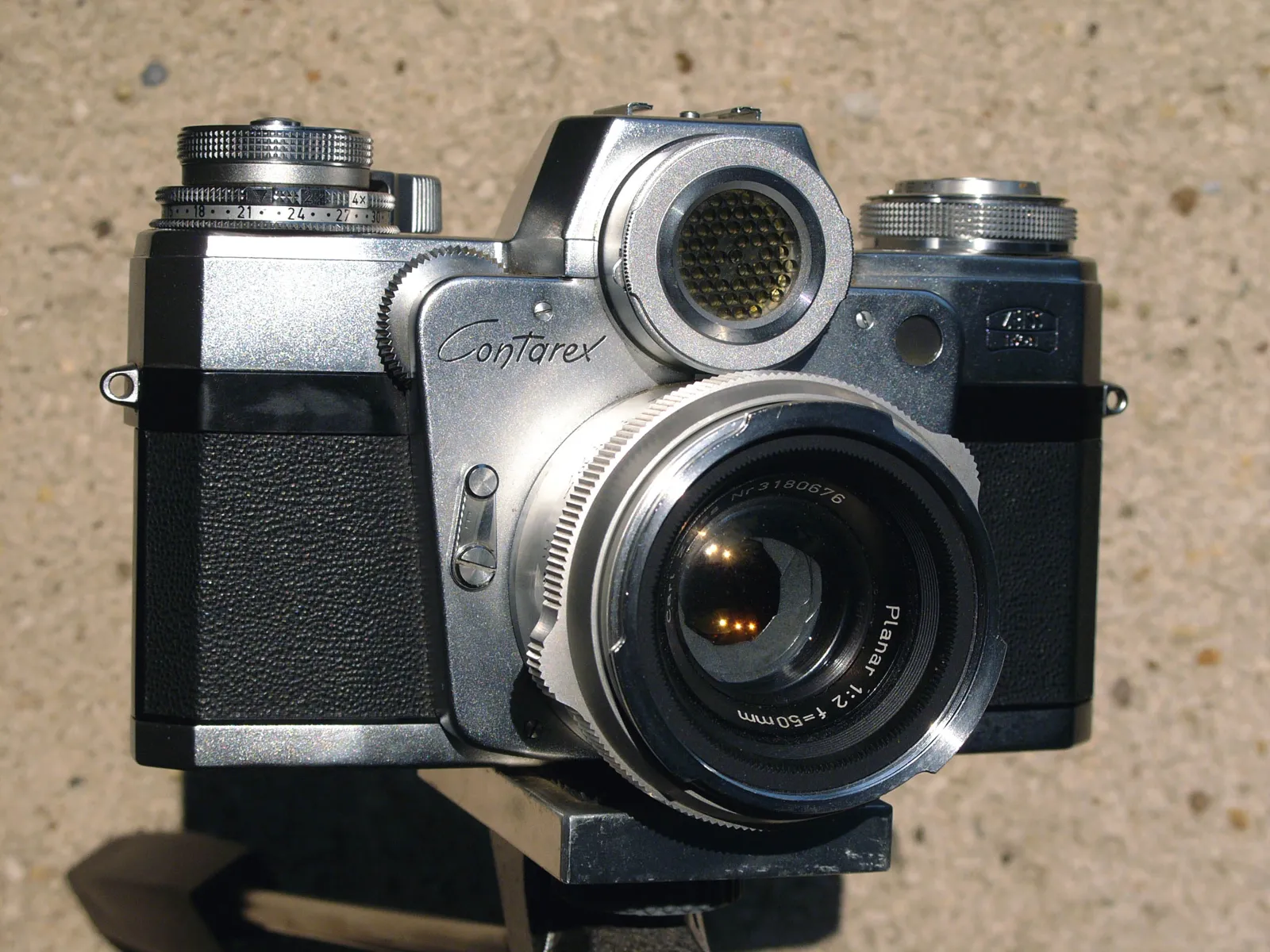
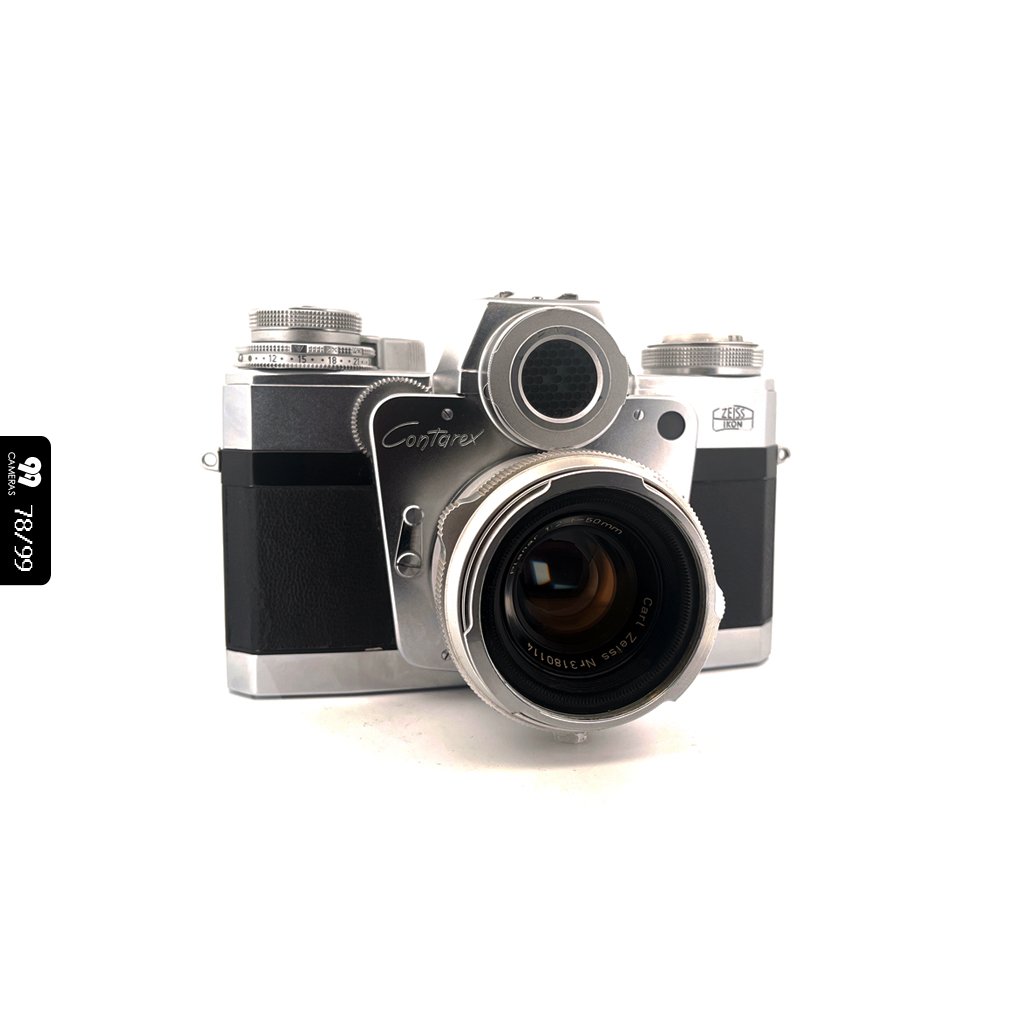
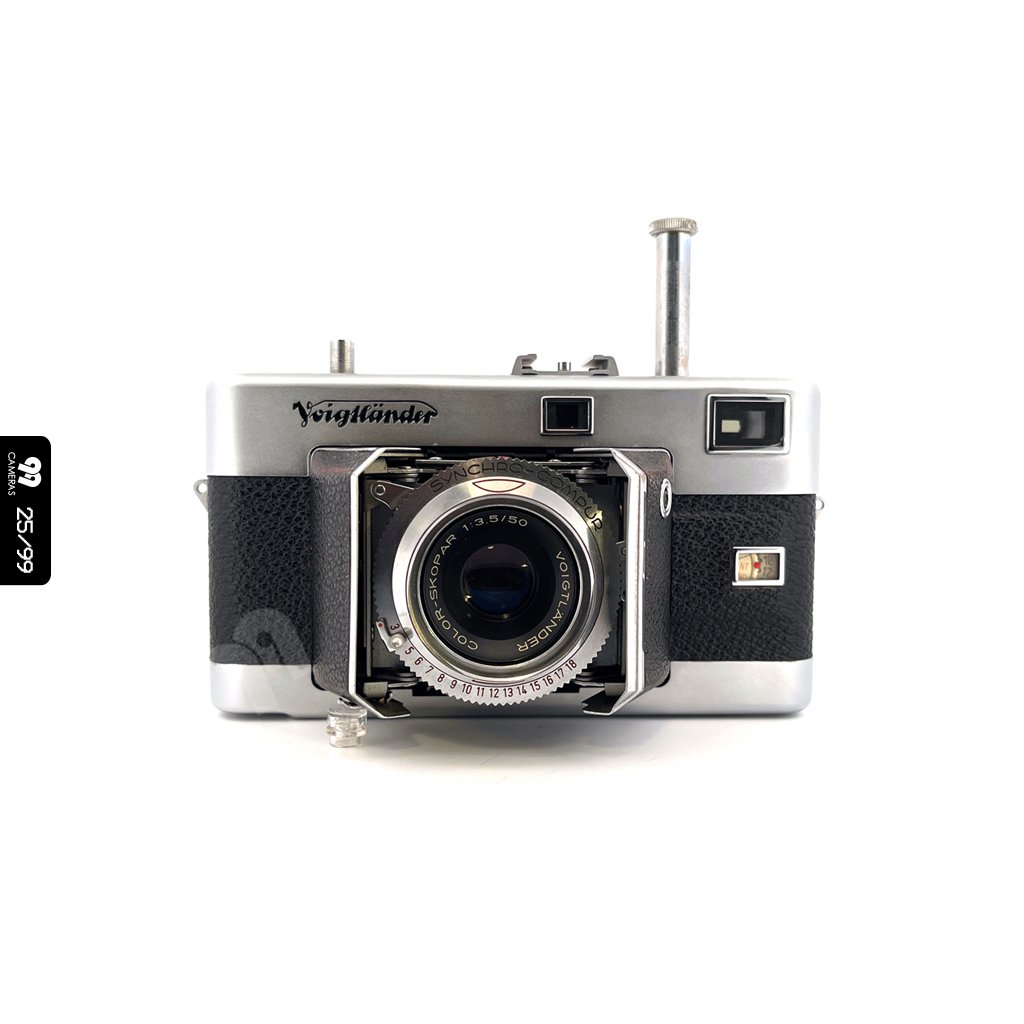
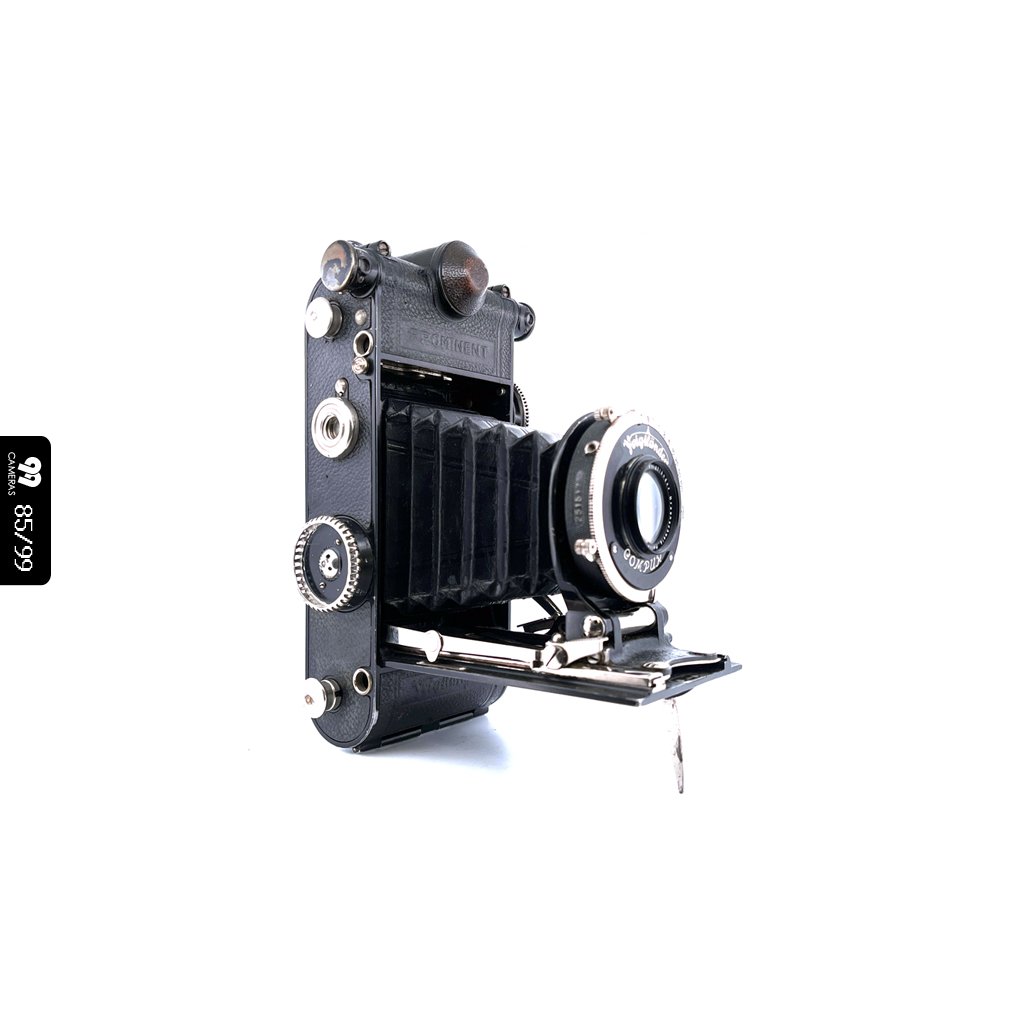
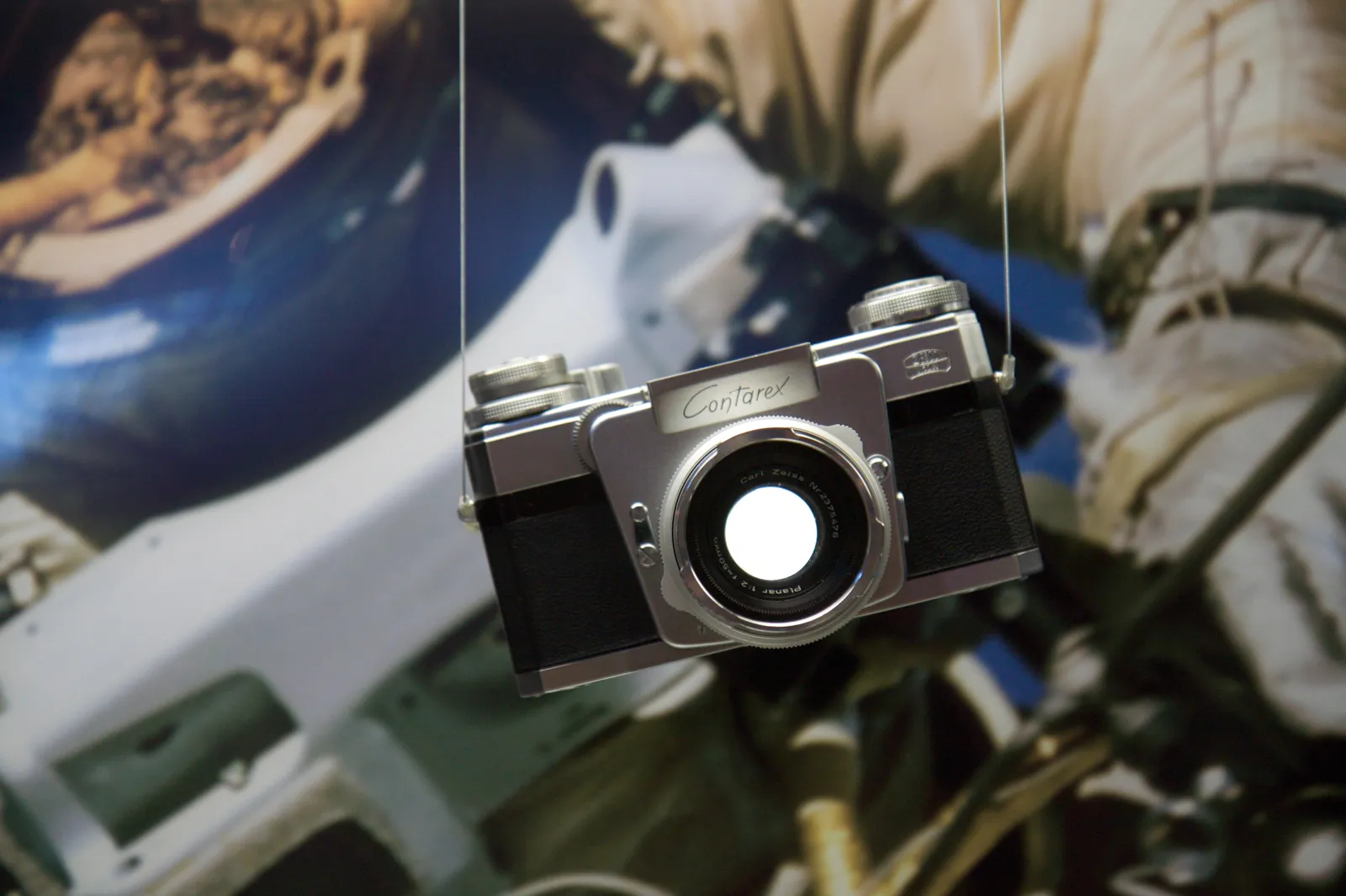
In Stuttgart, Zeiss Ikon had real successes, such as the Contaflex reflex cameras from 1953. But it made too many models, often too complicated and too expensive. The Contarex of 1959, nicknamed “Bullseye” for the round window of its light meter, was a magnificent, heavy and very costly SLR, made in small numbers. One even went into space: in June 1965 astronaut Ed White carried a Contarex during the first American spacewalk, on the Gemini IV mission. In 1956 the Zeiss Foundation had also bought Voigtländer, whose cameras competed with Zeiss Ikon’s own.
Meanwhile Japanese reflex cameras, from Nikon, Canon, Pentax and Minolta, were cheaper, more modern and better made every year. Zeiss Ikon merged with Voigtländer at the end of the 1960s, but the losses continued. In 1972 the Zeiss Foundation decided to stop making cameras. The Stuttgart factory was converted to making spectacle lenses.
1974–today
The names that would not die
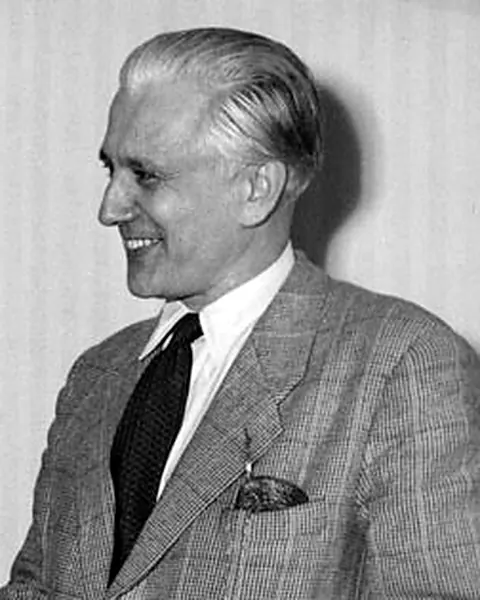
The names survived the company. From 1974 Zeiss licensed the Contax name to the Japanese firm Yashica, later owned by Kyocera: the Contax RTS of 1975, styled by Porsche Design, began thirty years of Japanese Contax cameras with Zeiss lenses, until 2005. In 2004 a new Zeiss Ikon rangefinder appeared, made by Cosina in Japan, until 2012.
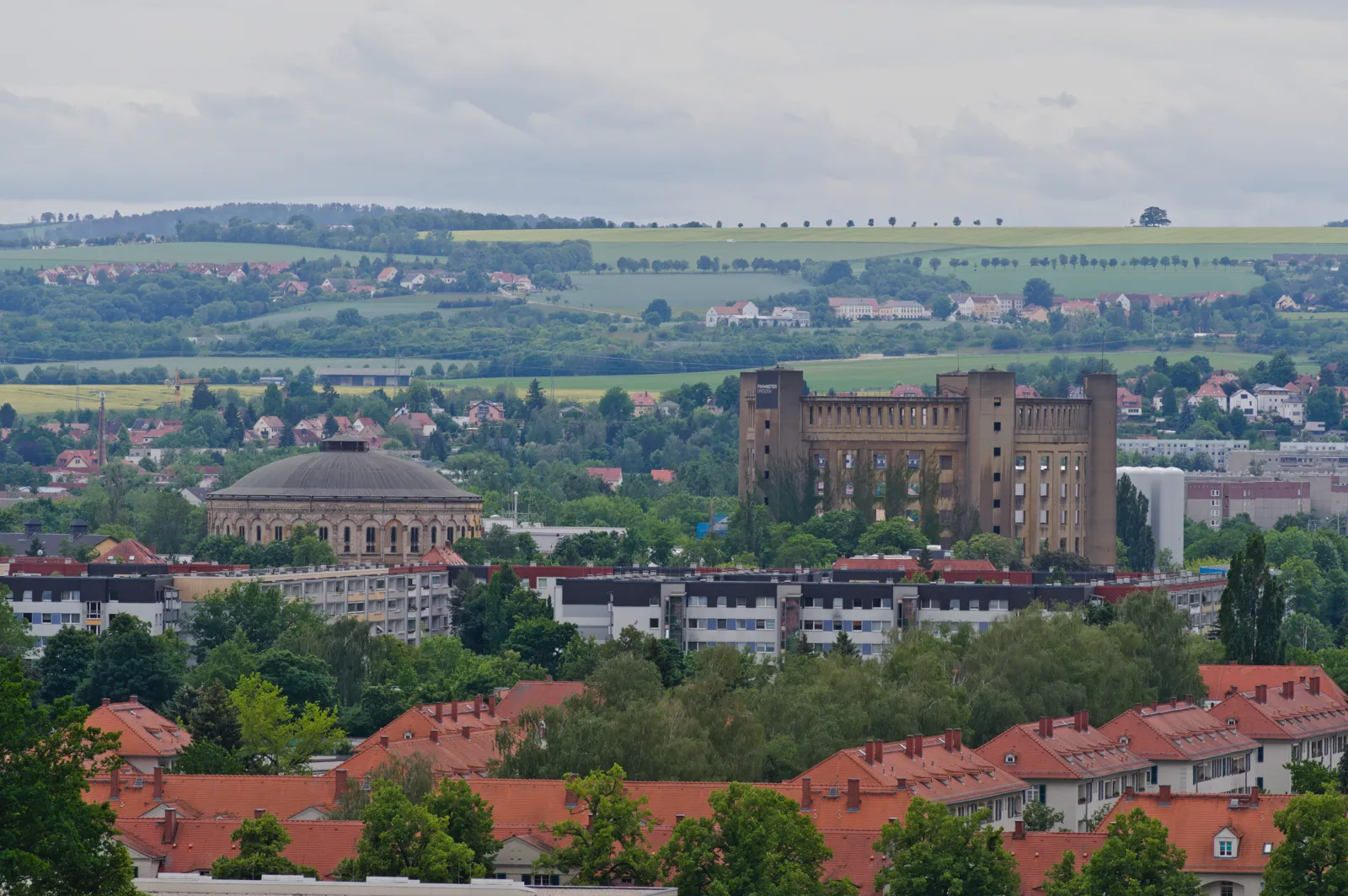
After the fall of the Berlin Wall, the two Zeiss companies came back together: in 1991 Carl Zeiss of Oberkochen took over the camera and lens business of Jena. Zeiss lenses are now found on cinema cameras, mirrorless cameras and smartphones. In Dresden, the Ernemann building with its tower still stands, and houses the Technische Sammlungen, the city’s museum of technology, with its collection of cameras made there.
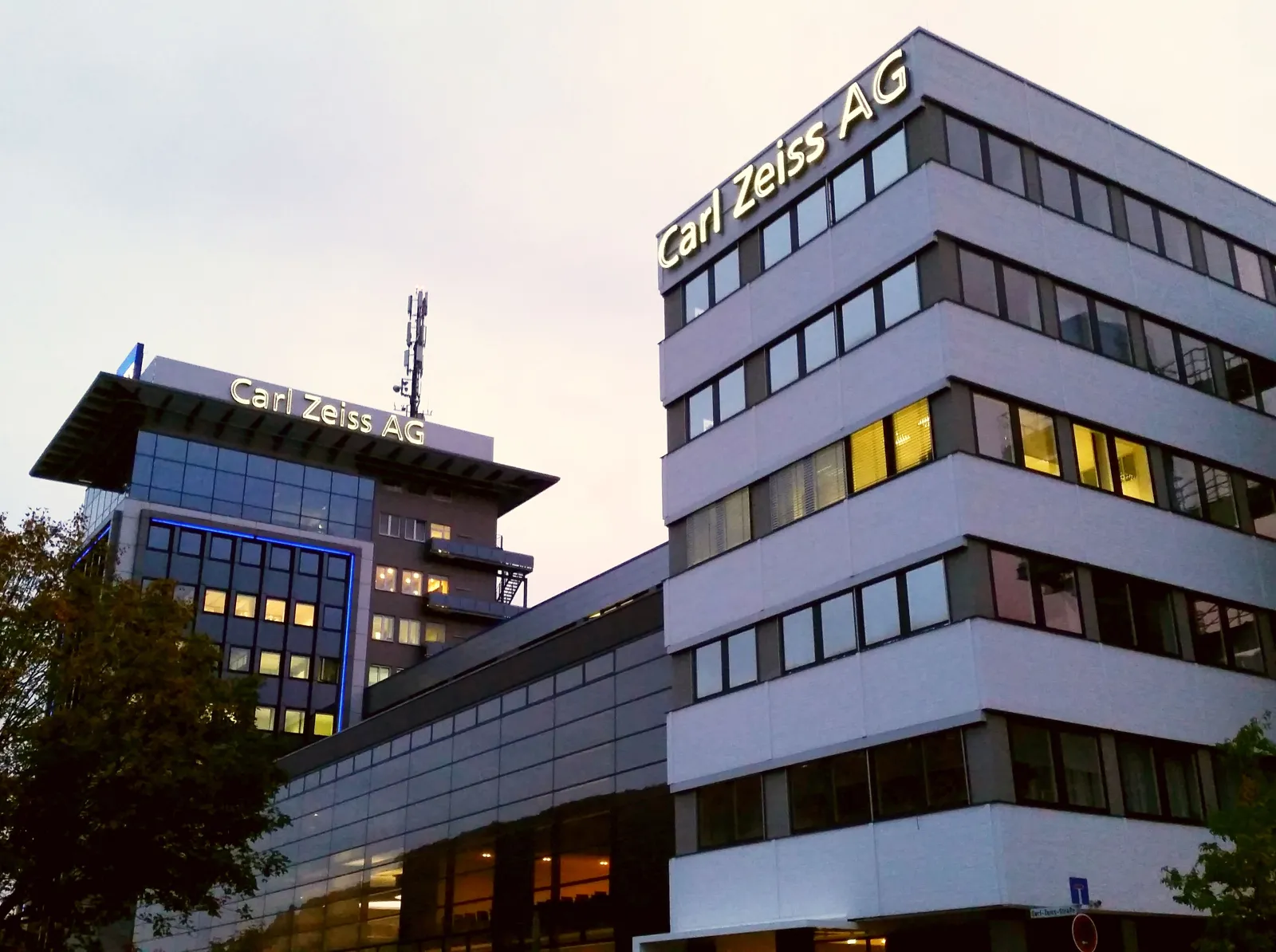
Zeiss Ikon at the 99 Cameras Museum
From the Ermanox to the Contax, the Contaflex, the Nettax, the Super Nettel and the Contarex “Bullseye”, and the Kiev made with the Contax machines, you can see the cameras of this story in the showcases of the museum in Paris, and in our online collection.
See the Zeiss Ikon cameras of the collection
Sources. ZEISS corporate history, German Patent and Trade Mark Office (history of the Zeiss brands), Wikipedia articles on Carl Zeiss, Zeiss Ikon, Contax, Pentacon and the Planar 50 mm f/0.7, Science Museum Group collection, Technische Sammlungen Dresden. Some anecdotes come from oral tradition and are told as such.
Plan your visit
Visit is free and open to all
- Opening hoursMonday – Saturday : 10 – 17:30
- AddressStudio Harcourt, 6 Rue de Lota, 75116 Paris
- Exceptional closuresThursday, 26 November 2026