History
Inventors & disruptors
Behind every one of these cameras are inventors, engineers and bold minds who dared to break the rules. Some succeeded beyond their dreams, others failed, and many simply tried their luck with a wild idea: a camera hidden in a watch, a picture that comes out already developed, a body small enough to fit in the palm of a hand. This page is a tribute to them. When one of their cameras is on display in the museum, it is linked below their story.
-

Nicéphore Niépce
1765–1833 · French
Inventor of photography
A French inventor from Chalon-sur-Saône, Niépce made the oldest surviving photograph taken with a camera, the view from his window at Le Gras, around 1827. His process, heliography, needed days of exposure, but it opened the way to everything that followed.
-
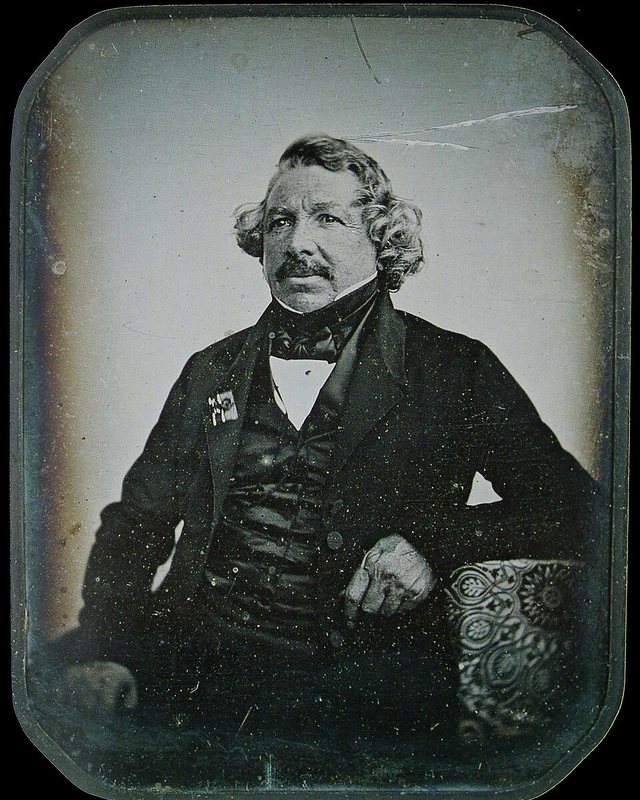
Louis Daguerre
1787–1851 · French
Father of the daguerreotype
A painter of theatre scenery, Daguerre partnered with Niépce and went on to perfect the daguerreotype, a unique, astonishingly sharp image on silvered copper. Announced in Paris in 1839 and offered “free to the world” by the French state, it launched photography as a public craze.
-
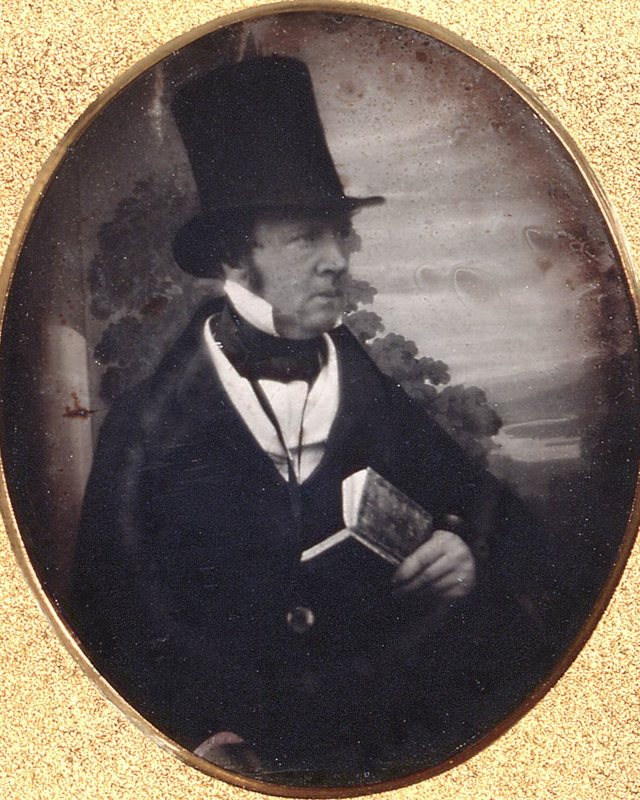
William Henry Fox Talbot
1800–1877 · British
Inventor of the negative
An English scientist and polymath, Talbot invented the calotype, patented in 1841: a paper negative from which any number of positive prints could be made. That negative–positive principle remained the basis of film photography for the next 150 years.
-

Joseph Petzval
1807–1891 · Austrian
Inventor of the portrait lens
A mathematician in Vienna, Petzval calculated in 1840 the first lens designed by computation rather than by trial and error. About twenty times brighter than the lenses of the first daguerreotypes, it cut exposures from minutes to seconds and made portrait photography possible. It was made by Voigtländer, which became one of the great camera makers.
In the museum -
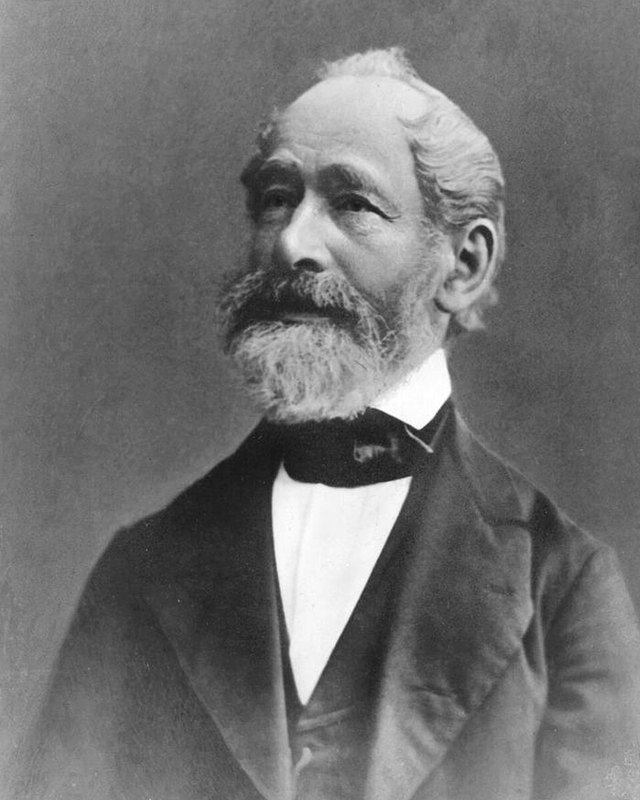
Photo: ZEISS Microscopy, CC BY-SA 2.0, via Wikimedia Commons Carl Zeiss
1816–1888 · German
Founder of Zeiss
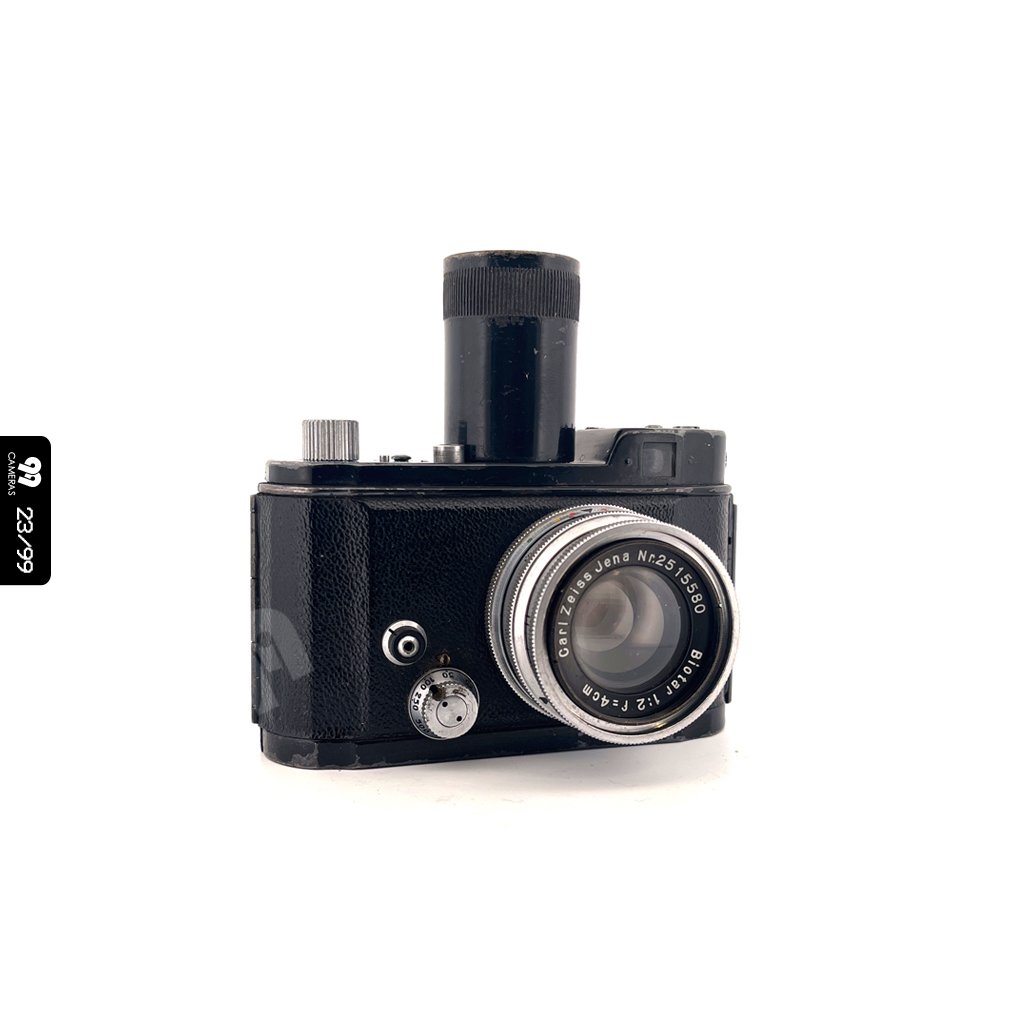
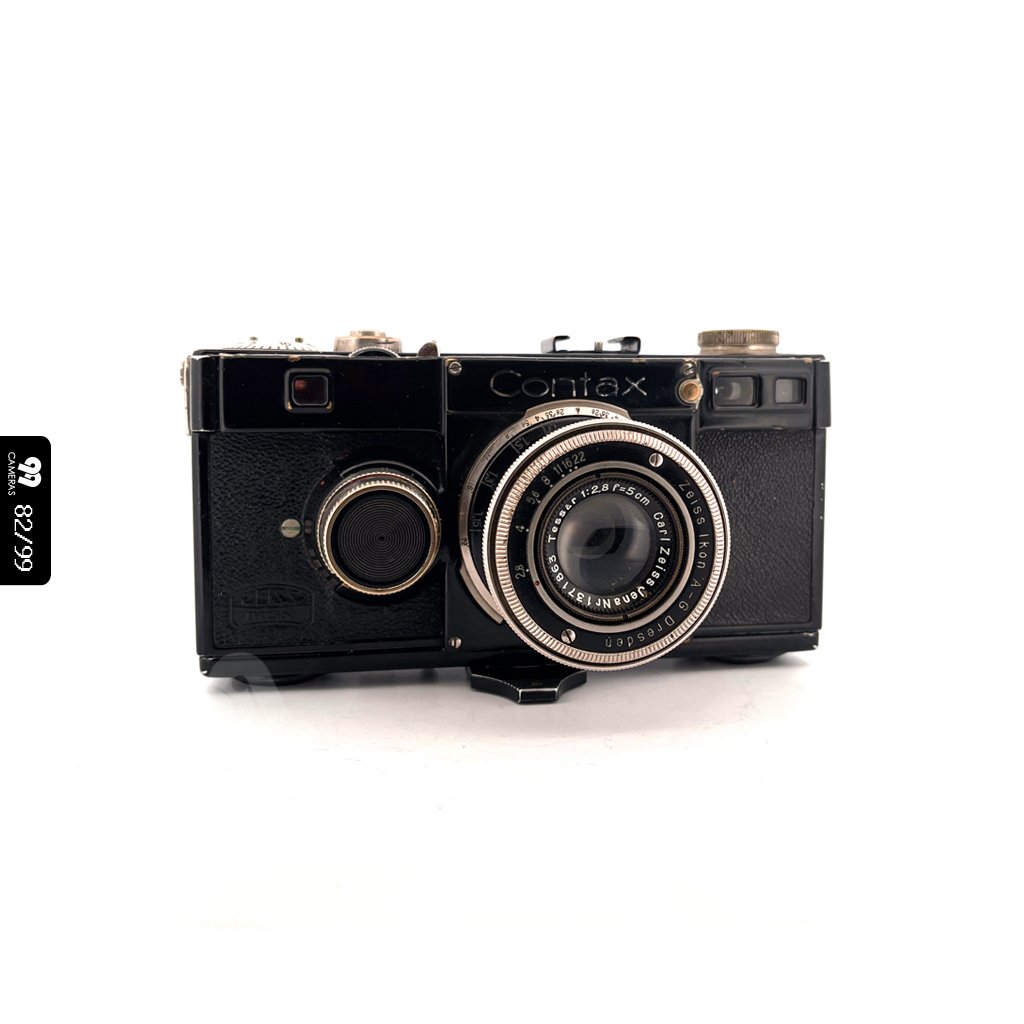
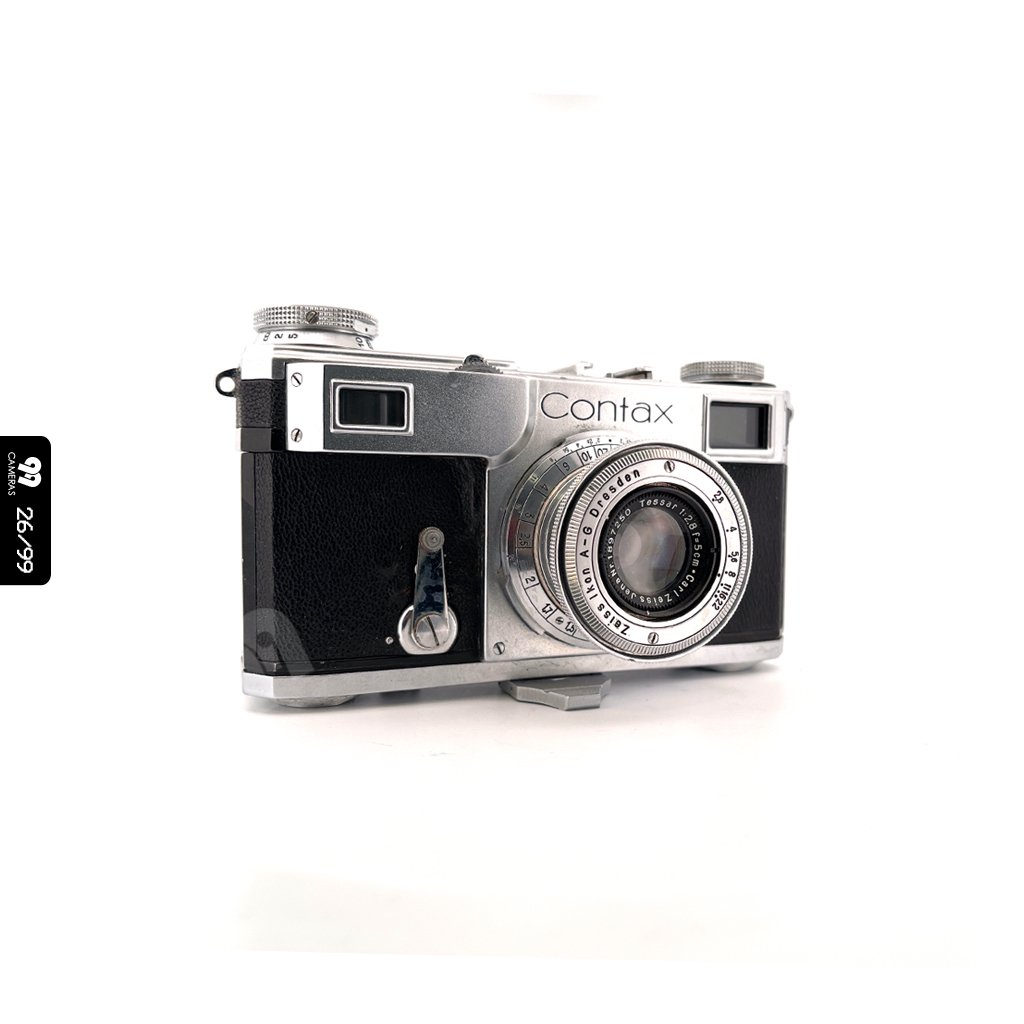
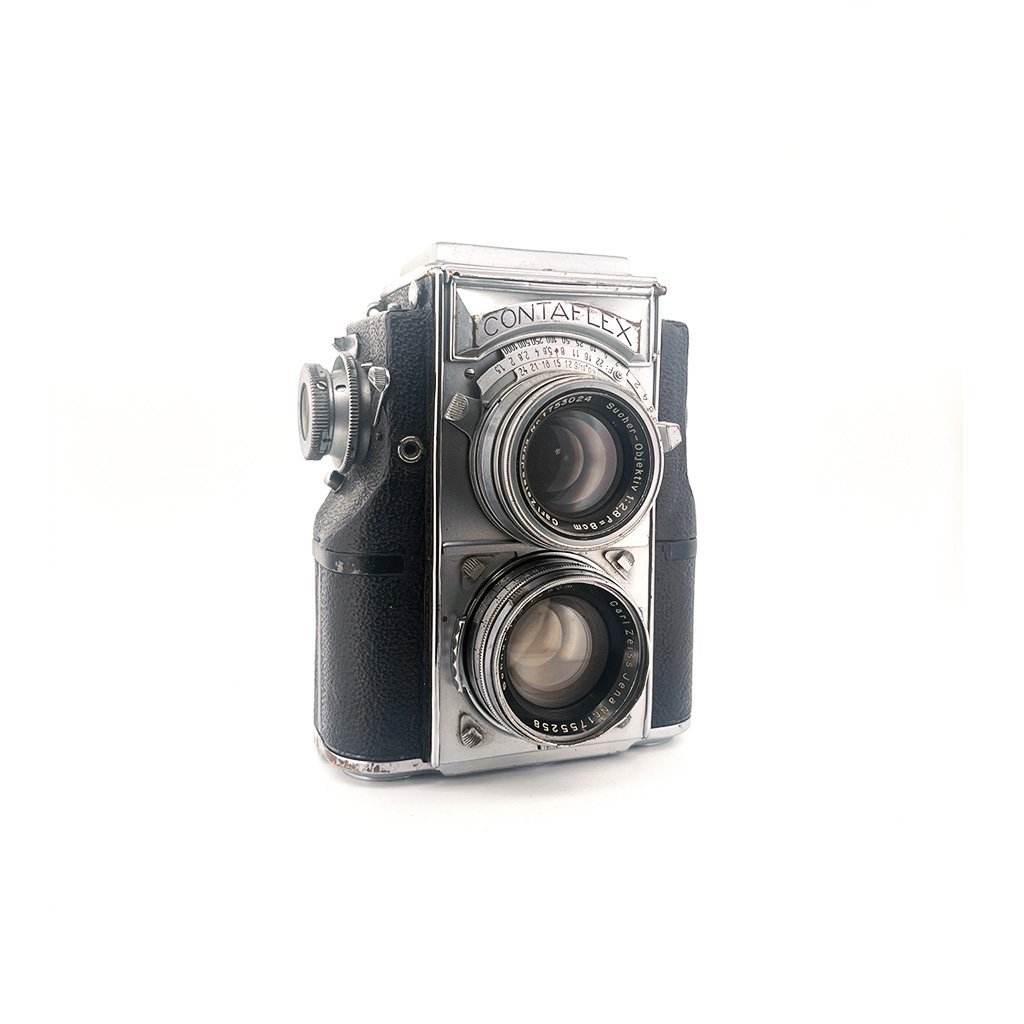
A precision mechanic, Carl Zeiss opened a small workshop in Jena in 1846 to make microscopes. By hiring the physicist Ernst Abbe he turned it into the world’s leading optical company, whose lenses and, from 1926, Zeiss Ikon cameras such as the Contax and Contaflex, set the standard for a century.
In the museum -
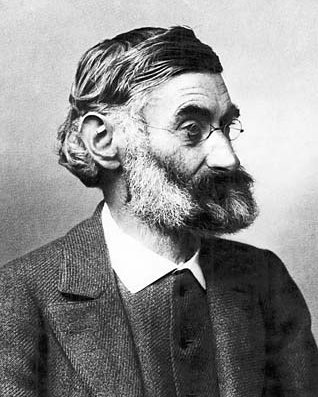
Ernst Abbe
1840–1905 · German
Scientist behind Zeiss optics
A physicist in Jena, Abbe turned lens making from trial and error into a science. Working with Carl Zeiss and the glassmaker Otto Schott, he made Zeiss the world’s leading optical company, and he gave it an unusually social structure through the Carl Zeiss Foundation.
In the museum -
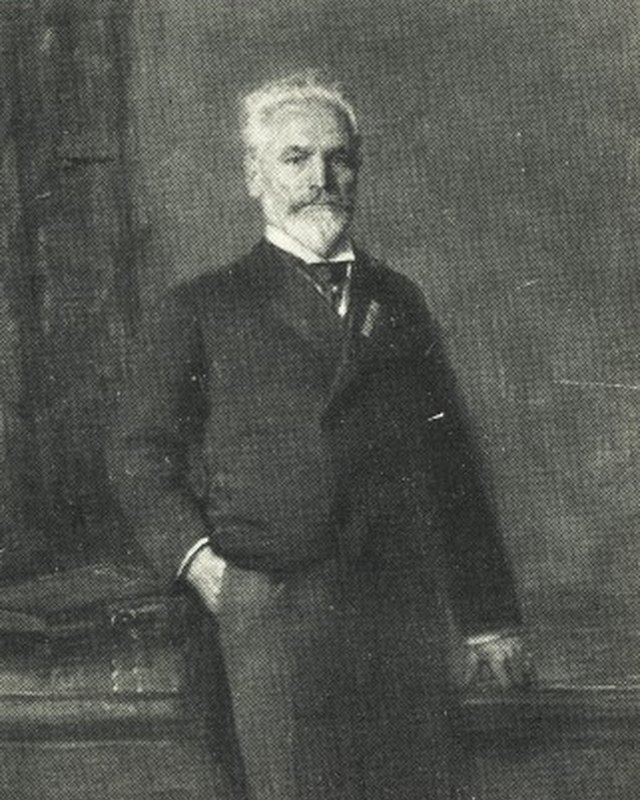
Heinrich Ernemann
1850–1928 · German
Founder of Ernemann
A businessman in Dresden, Ernemann founded his camera company in 1889 and built it into one of Germany’s largest makers of cameras and cine projectors, with a landmark factory tower that still stands. In 1924 it launched the Ermanox, whose very bright lens let photographers work indoors without flash.
In the museum -
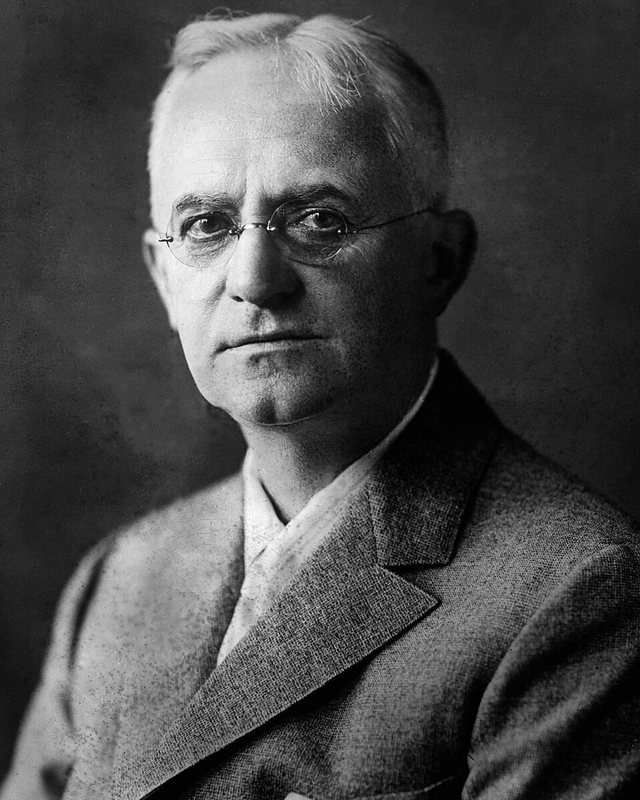
George Eastman
1854–1932 · American
Founder of Kodak
Eastman founded Kodak in Rochester and made photography something everyone could do. His roll film and the 1888 Kodak camera came with a famous promise, “You press the button, we do the rest”: the camera was sent back to the factory, which developed the pictures and reloaded it.
In the museum -
Alfred C. Kemper
American
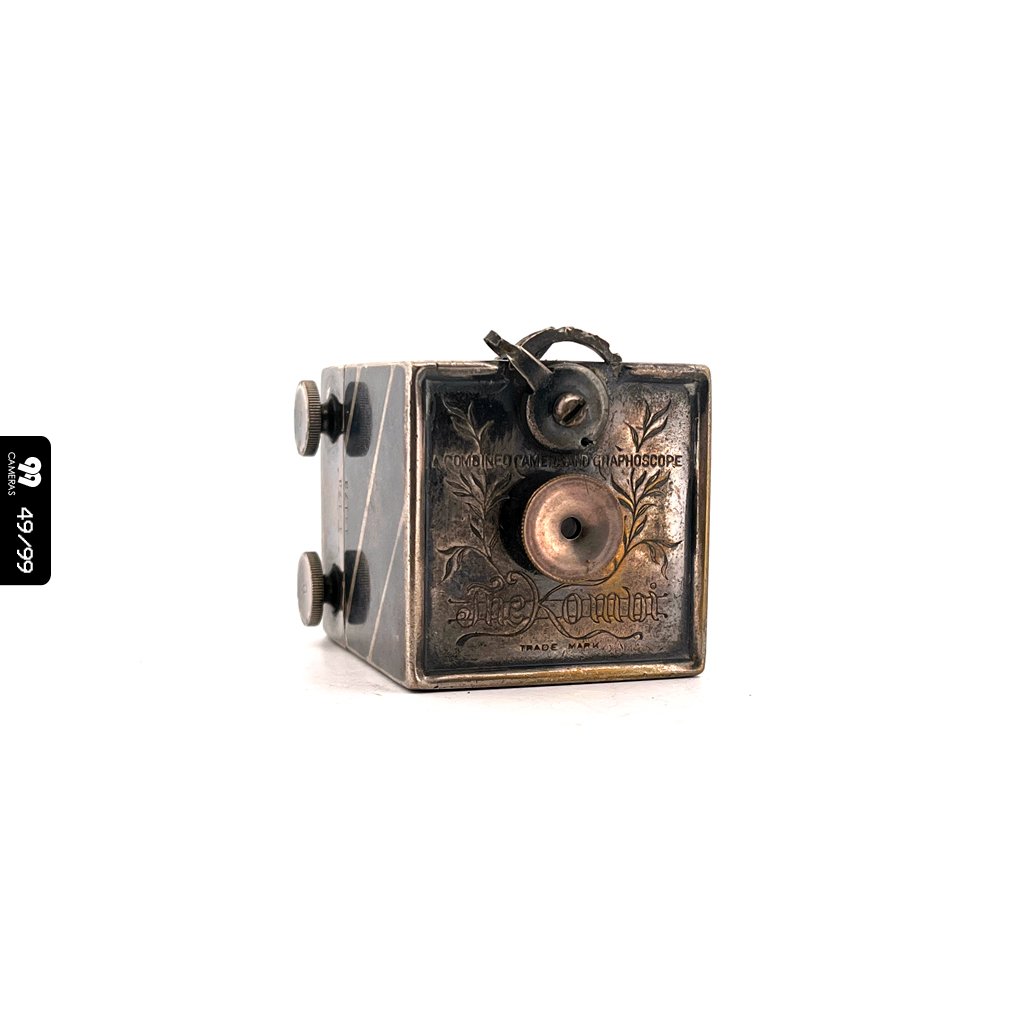
Inventor of the Kombi
A Chicago maker, Kemper launched the Kombi in 1892, a tiny metal box camera that could also be used as a viewer for the finished pictures, hence its name. Sold by mail for a few dollars, it was one of the first miniature cameras made in large numbers.
In the museum -
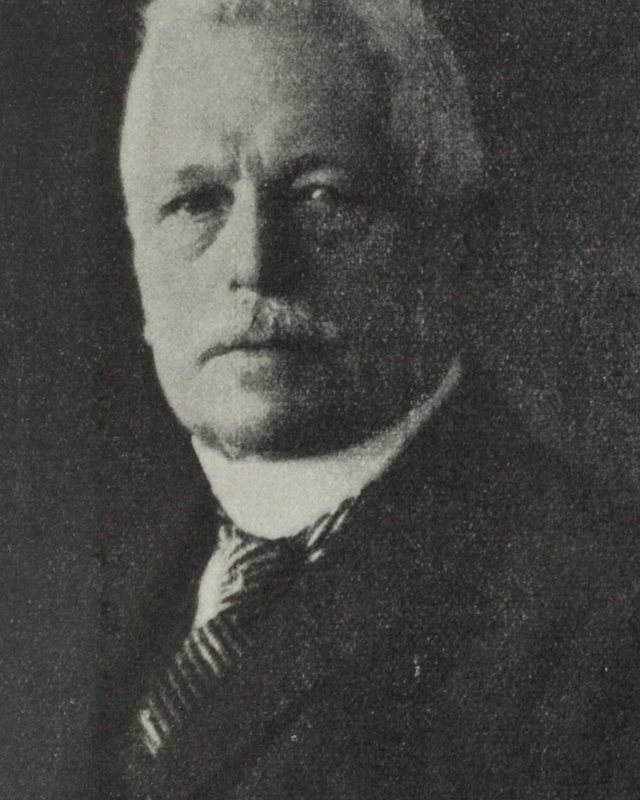
Paul Rudolph
1858–1935 · German
Designer of the Tessar lens
A mathematician who joined Zeiss in Jena, Rudolph designed the Protar, the Planar (1896) and above all the Tessar (1902), nicknamed “the eagle eye”. The Tessar’s four-element formula became one of the most copied lens designs in history and equipped countless cameras.
In the museum -
Photo: lowerfalls.org Frank A. Brownell
1859–1939 · American
Designer of the Brownie
A cabinet maker turned camera builder in Rochester, Brownell designed many of Kodak’s early cameras. His Brownie of 1900, a cardboard box sold for one dollar, put a camera in the hands of millions of children and families.
In the museum -
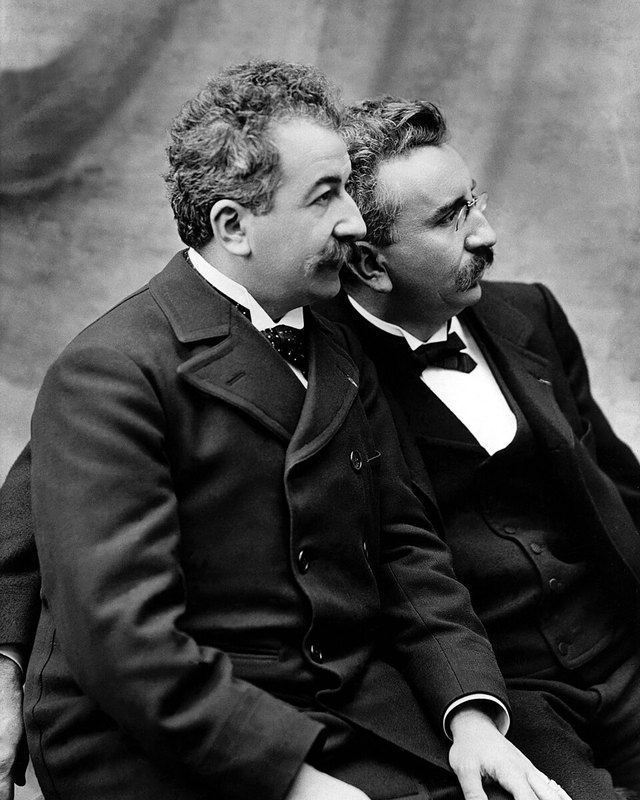
Auguste and Louis Lumière
French
Inventors of cinema and colour photography
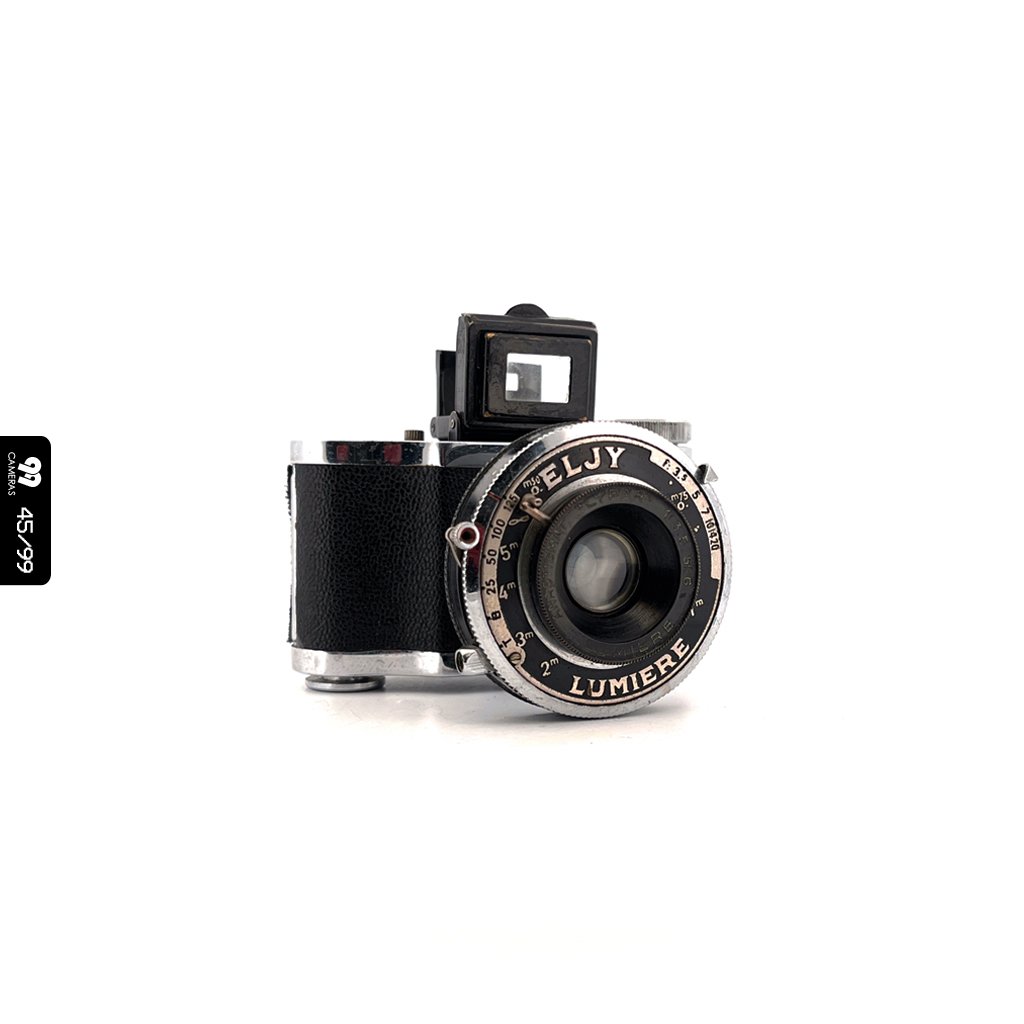
The brothers Auguste (1862–1954) and Louis (1864–1948) ran their father’s photographic plate factory in Lyon. In 1895 they presented the Cinématographe, the first public film screening. In 1907 they launched the Autochrome, the first practical colour photography process. Their company later made cameras such as the Eljy.
In the museum -
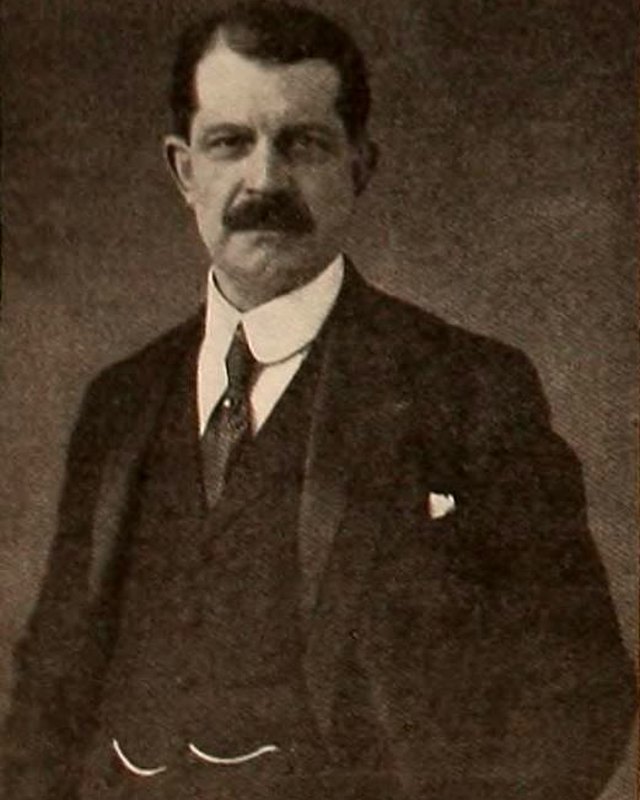
Léon Gaumont
1864–1946 · French
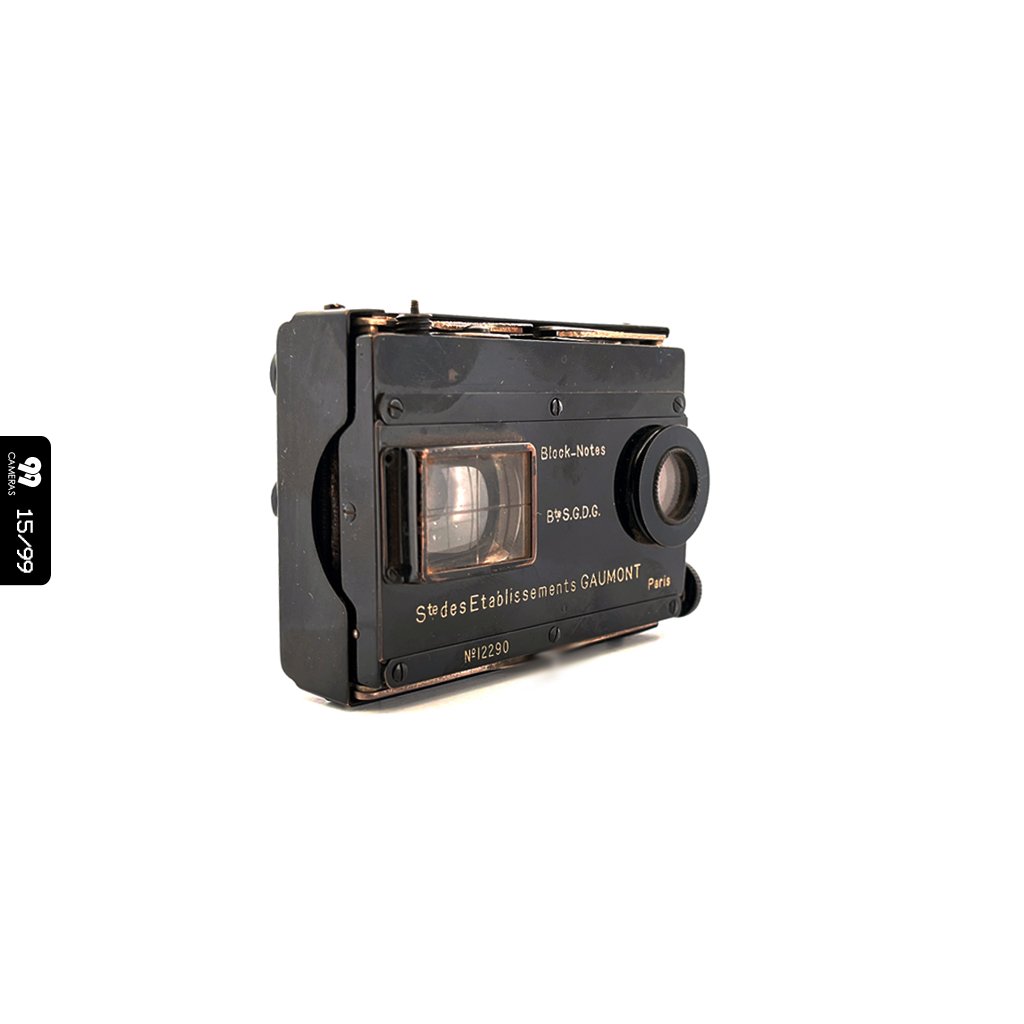
Founder of Gaumont
Before becoming one of the pioneers of the film industry, Gaumont made photographic equipment in Paris. In 1903 his company launched the Block-Notes, a folding camera so flat it fitted in a pocket like a notebook. Gaumont went on to build the world’s first great film studio and is still one of the oldest film companies.
In the museum -
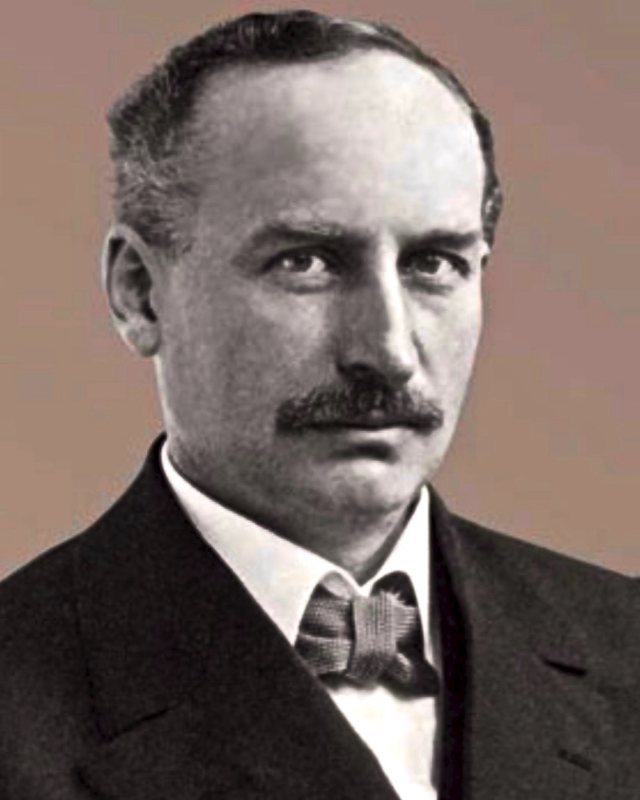
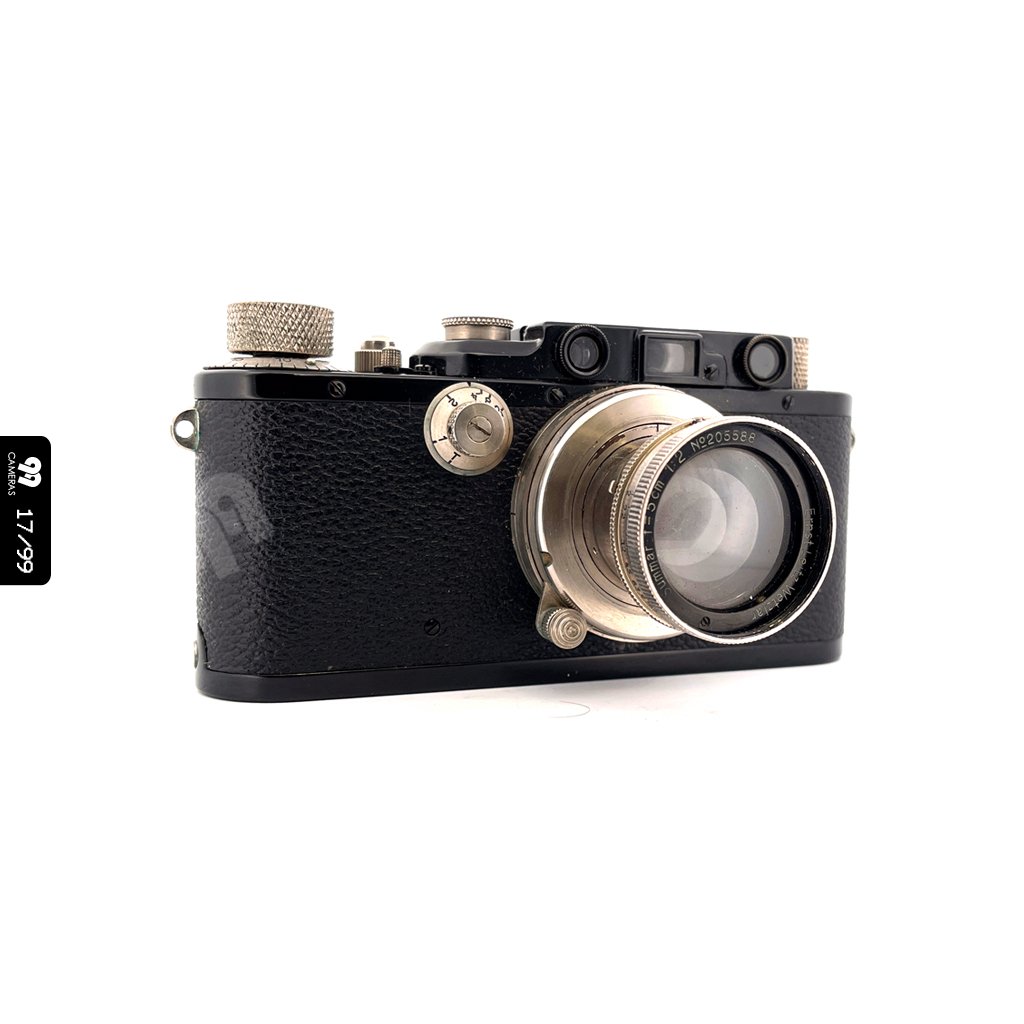
Ernst Leitz II
1871–1956 · German
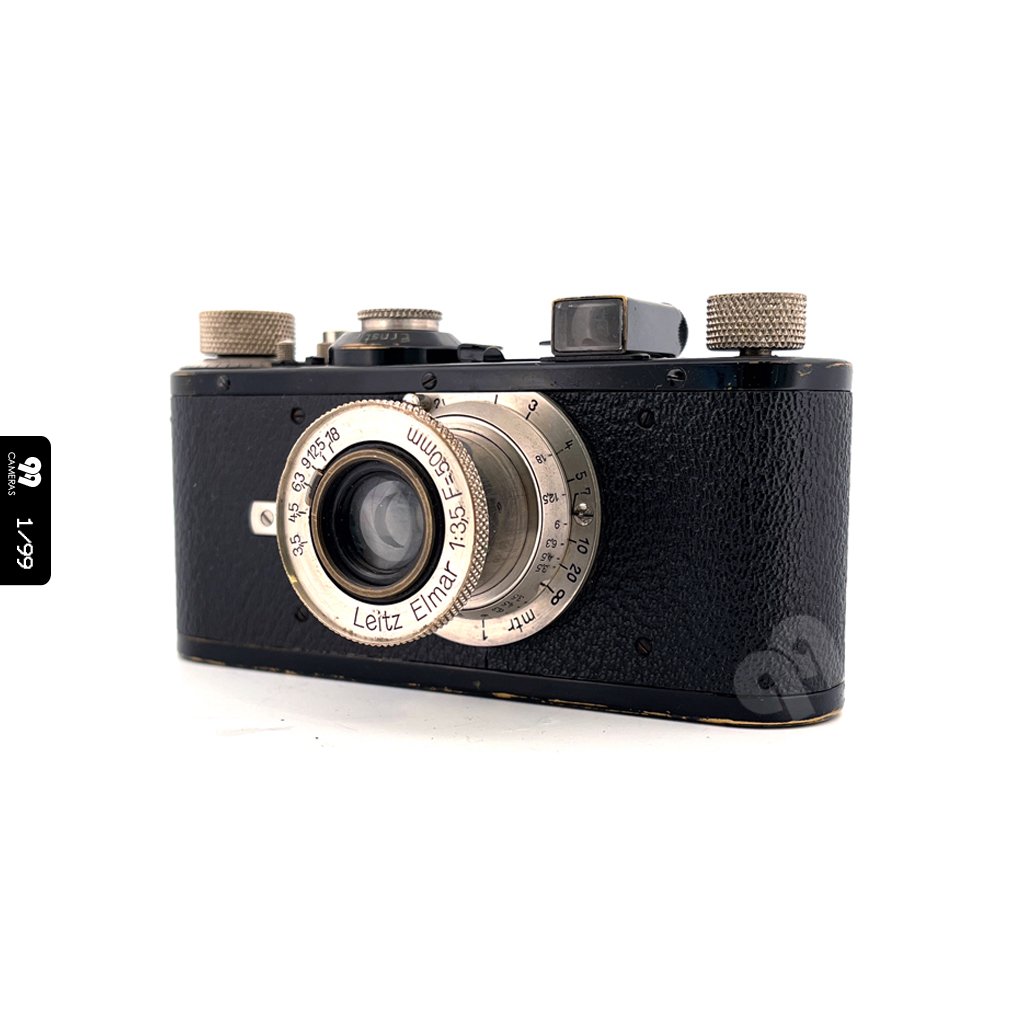
The man who launched the Leica
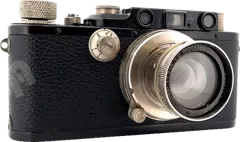
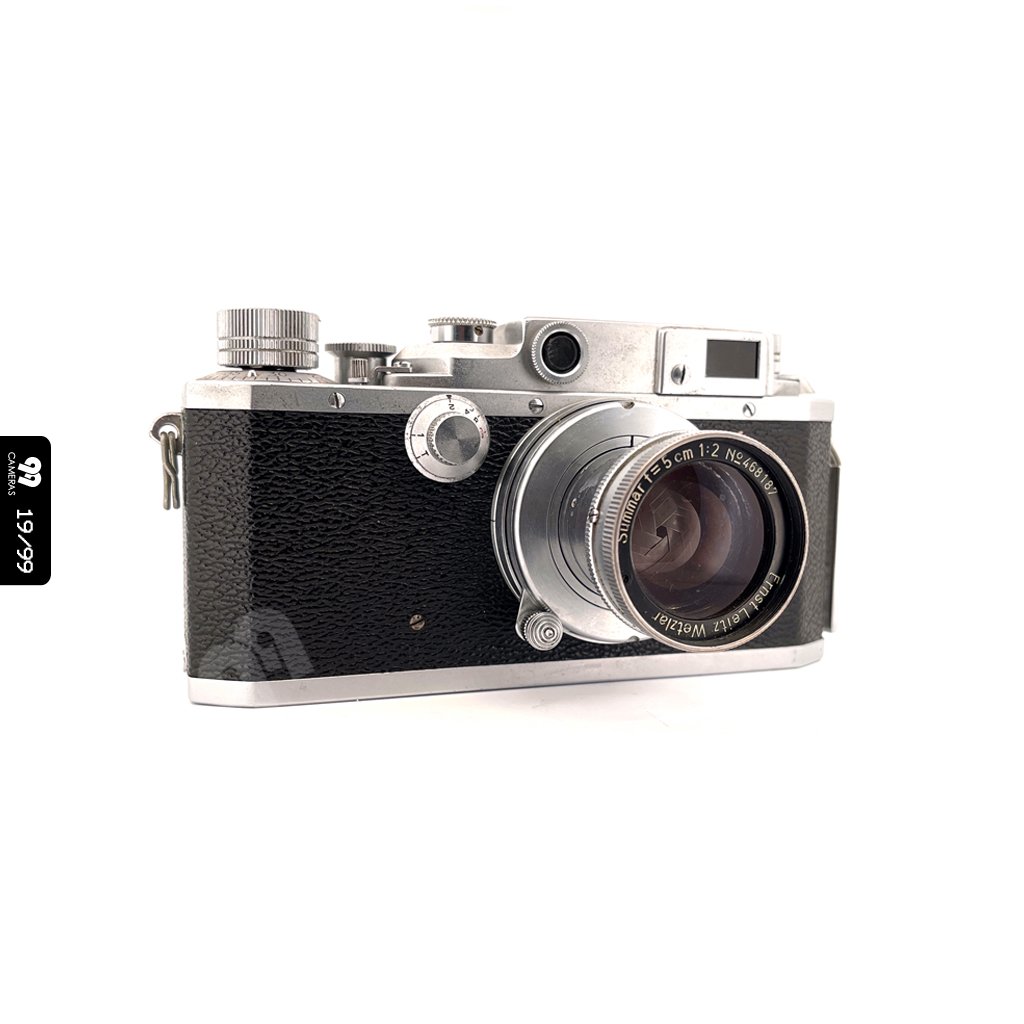
Head of the Leitz optical works in Wetzlar, Ernst Leitz II took the risky decision in 1924 to produce Oskar Barnack’s small 35 mm camera. Launched in 1925 as the Leica, it changed photography. In the 1930s he also helped many Jewish employees and their families leave Nazi Germany.
In the museum -

Magnus Niell
1872–1962 · Swedish
Inventor of the watch camera
A Swedish engineer, Niell patented a camera disguised as a pocket watch in 1903–1904. Made as the Expo in America and as the Ticka by Houghtons in London, it took tiny pictures on a film cassette, its lens hidden in the winding stem.
In the museum -
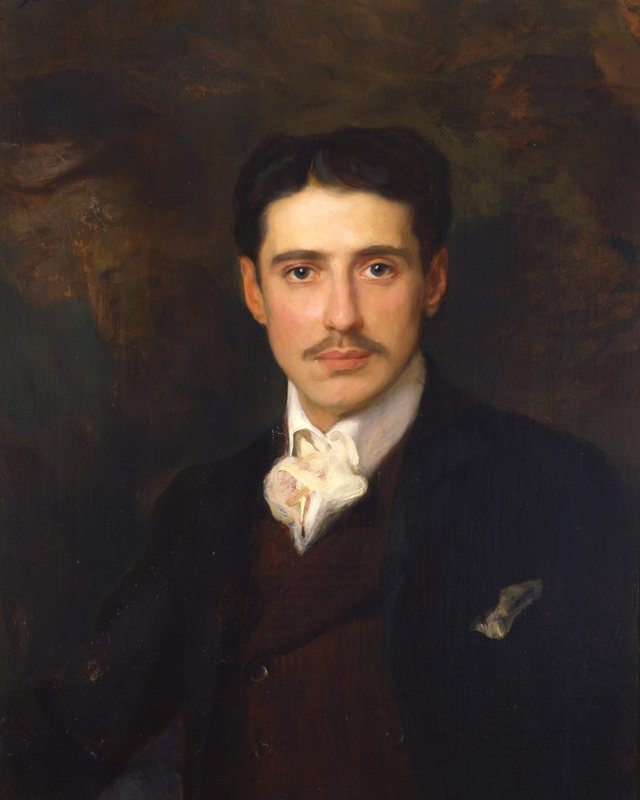
Armand de Gramont
1879–1962 · French
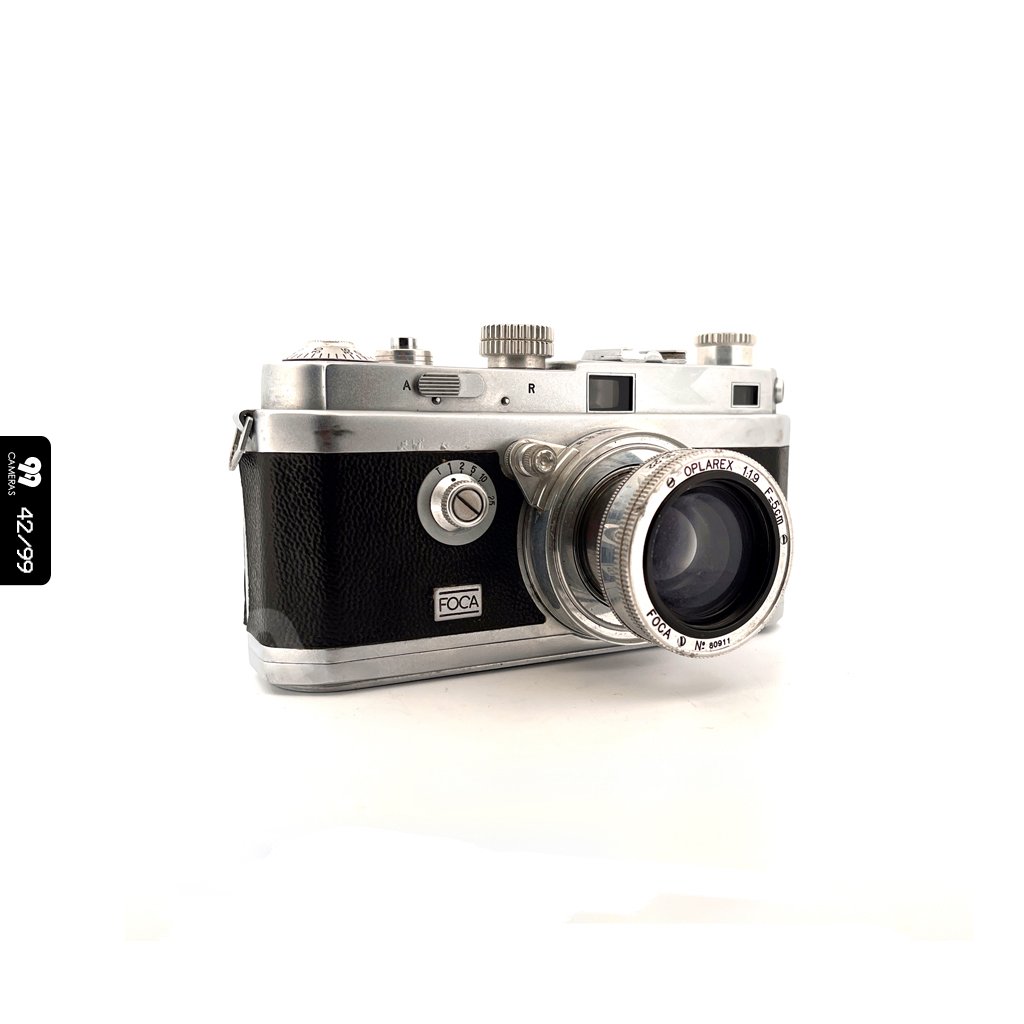
Founder of OPL and the Foca
A French duke and physicist, member of the Academy of Sciences, Armand de Gramont founded the precision optics company OPL in 1919. When imports of German cameras were limited in 1938, he started work on a French 35 mm rangefinder: the Foca, made at Levallois.
In the museum -
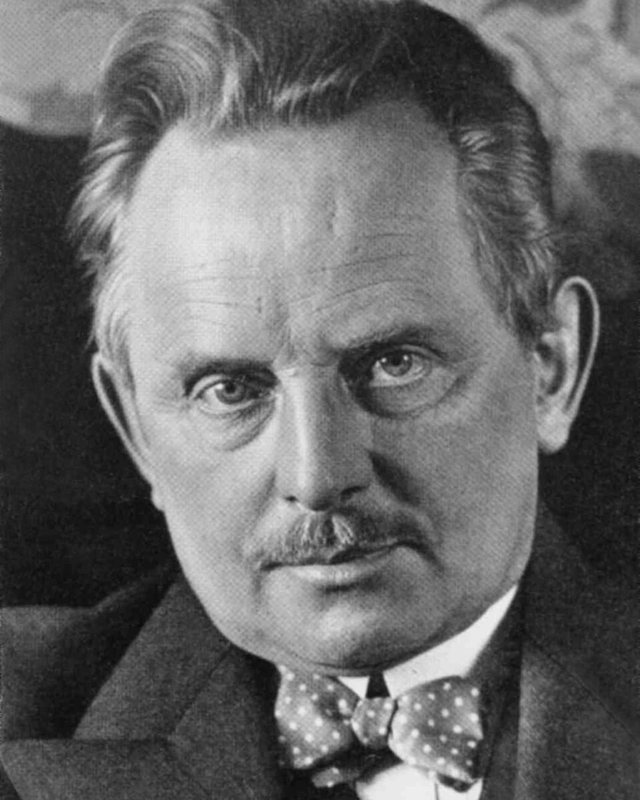
Oskar Barnack
1879–1936 · German
Inventor of the Leica
An engineer at Leitz and a keen hiker in poor health, Barnack wanted a camera small enough to carry everywhere. Around 1913 he built the “Ur-Leica” around 35 mm cinema film, doubling the frame to 24 × 36 mm. It became the Leica I of 1925 and the standard format of 20th-century photography.
In the museum -
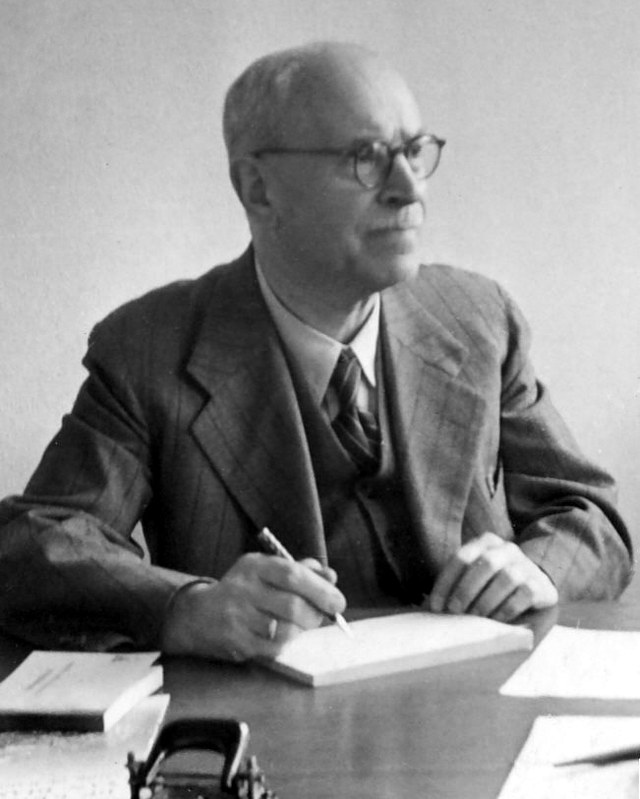
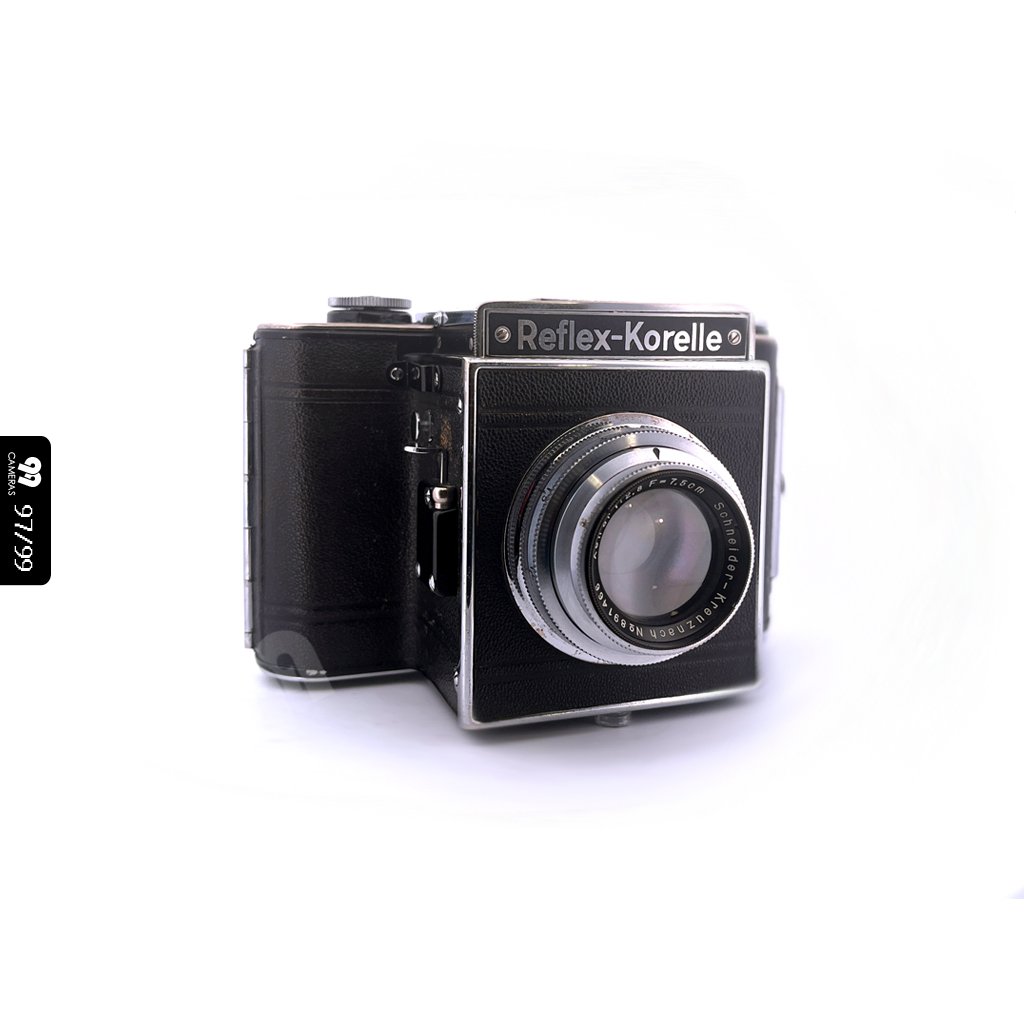
Franz Kochmann
German
Maker of the Reflex-Korelle
Franz Kochmann ran a camera factory in Dresden whose cameras carried the Korelle name. His Reflex-Korelle of 1935 was one of the first single-lens reflex cameras for 6 × 6 cm pictures on roll film, an important step towards the medium-format SLR.
In the museum -
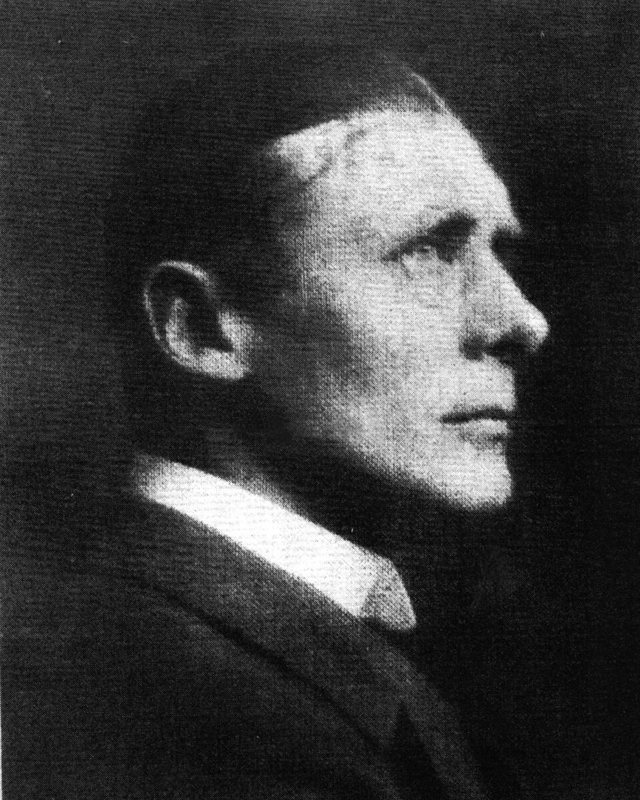
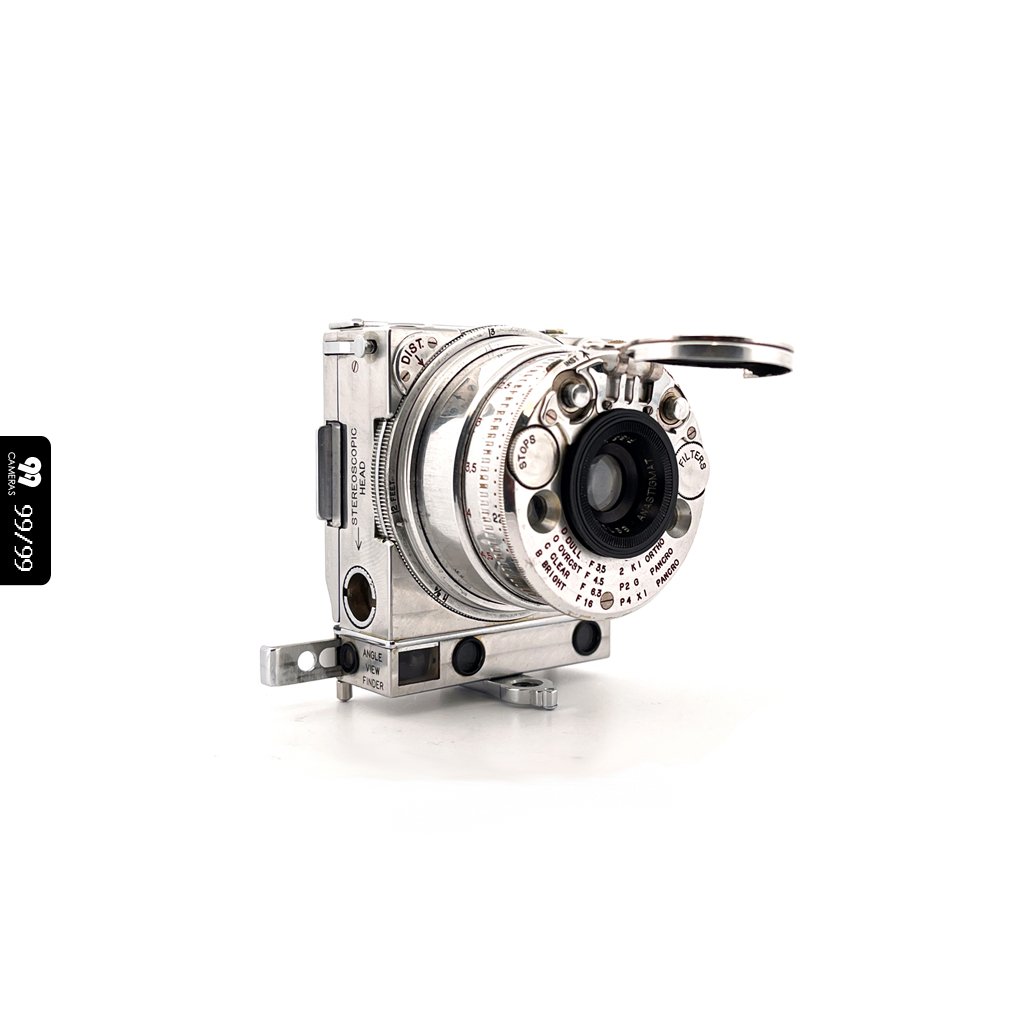
Noel Pemberton Billing
1881–1948 · British
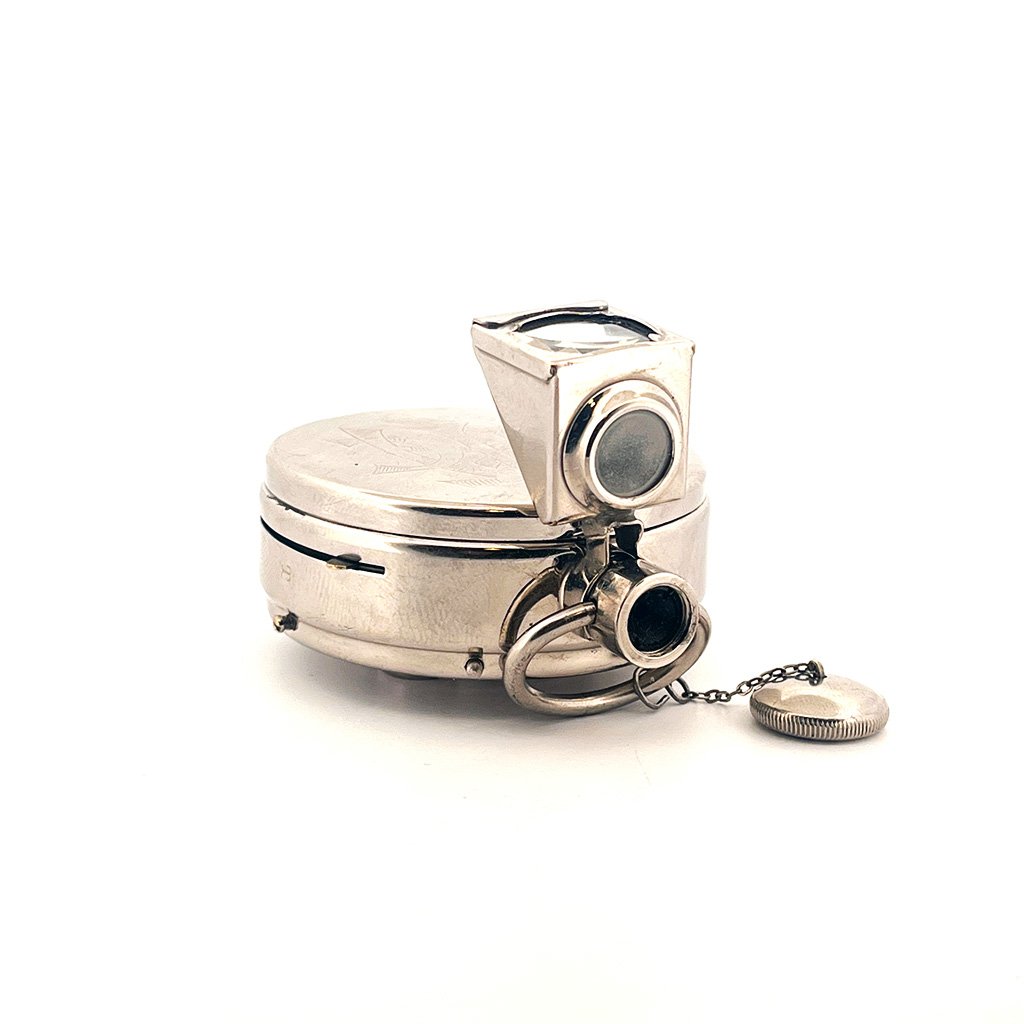
Inventor of the Compass
Aviator, founder of the aircraft maker Supermarine, Member of Parliament and prolific inventor, Pemberton Billing conceived the Compass, a complete photographic system the size of a cigarette case. It was made with watchmaking precision by LeCoultre in Switzerland from 1937.
In the museum -
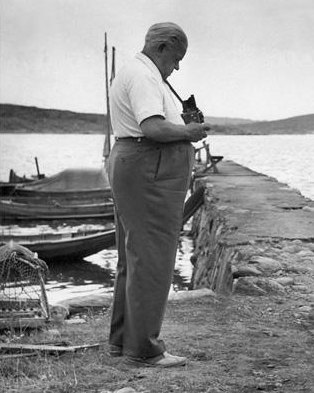
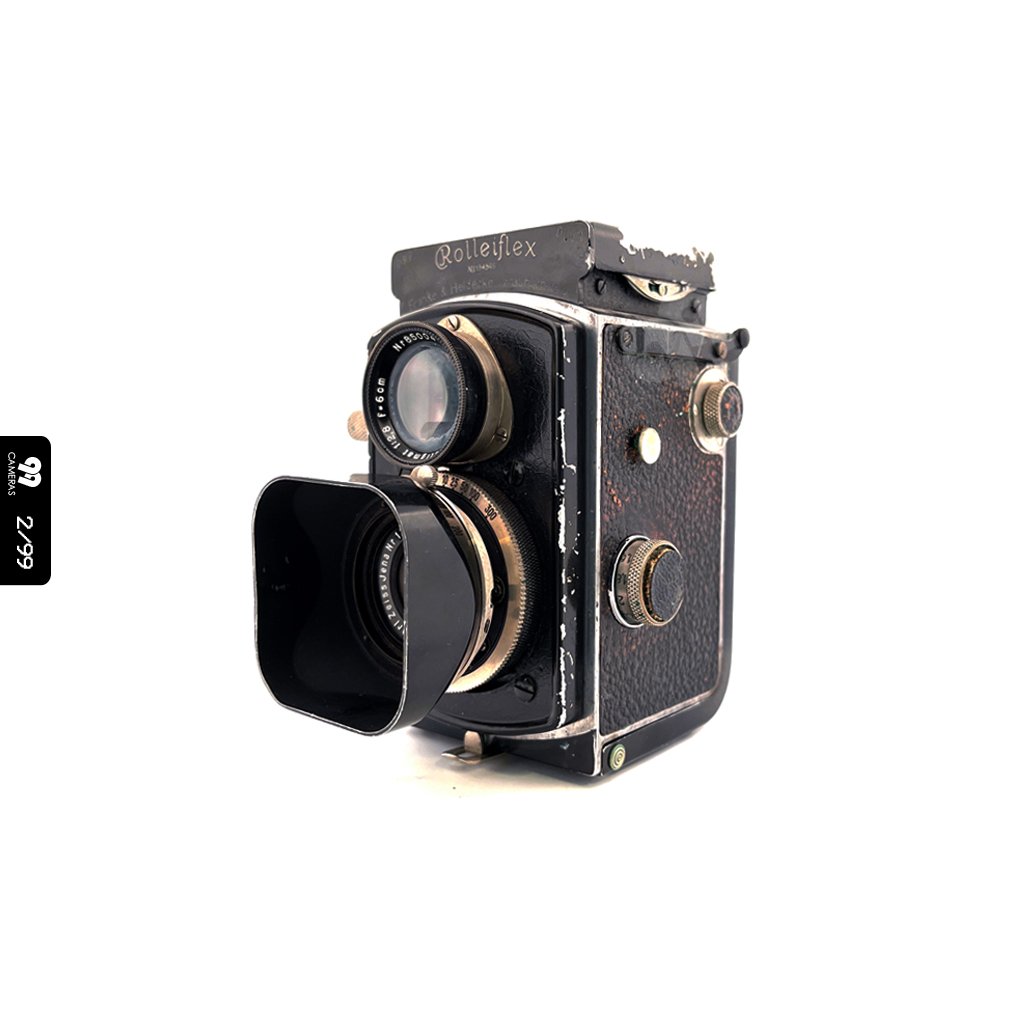
Photo: Städtisches Museum Braunschweig (Heidecke, left, with Victor Hasselblad, 1947) Reinhold Heidecke
1881–1960 · German
Inventor of the Rolleiflex
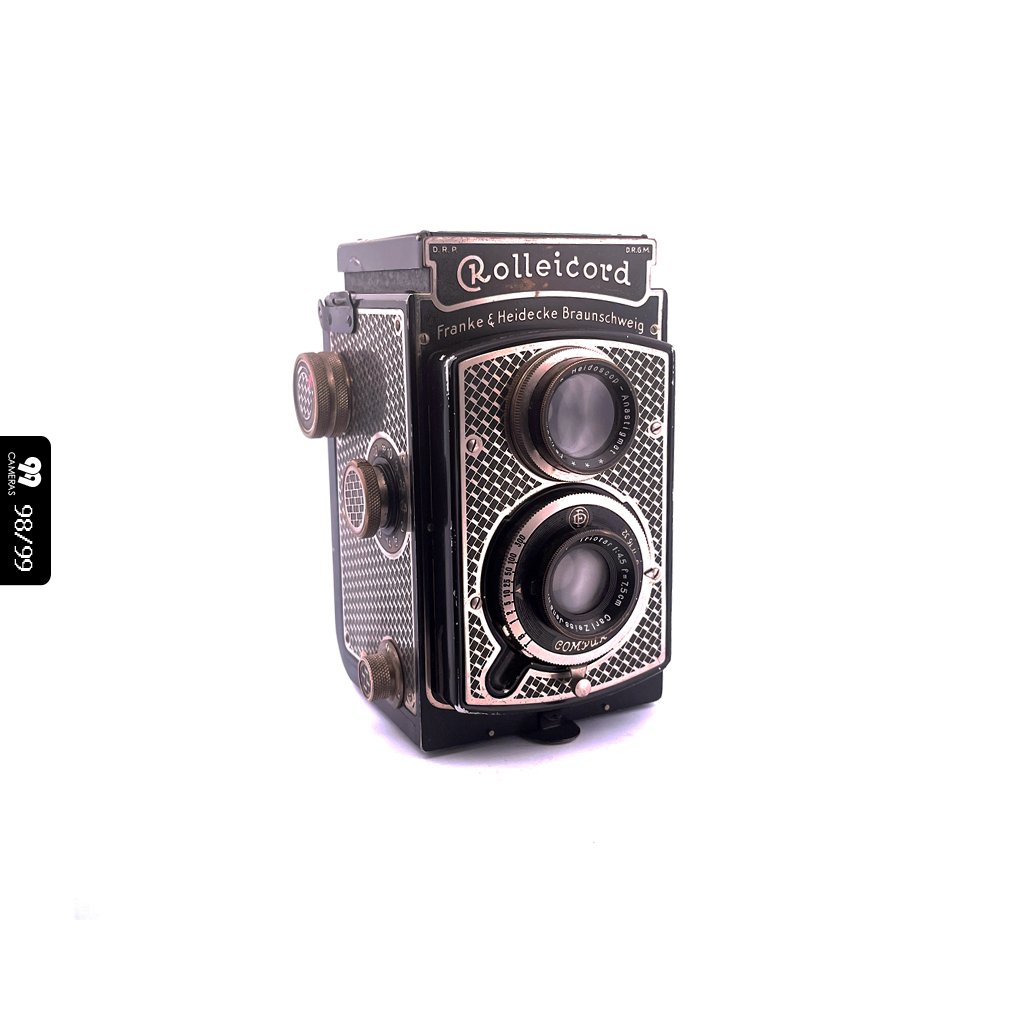
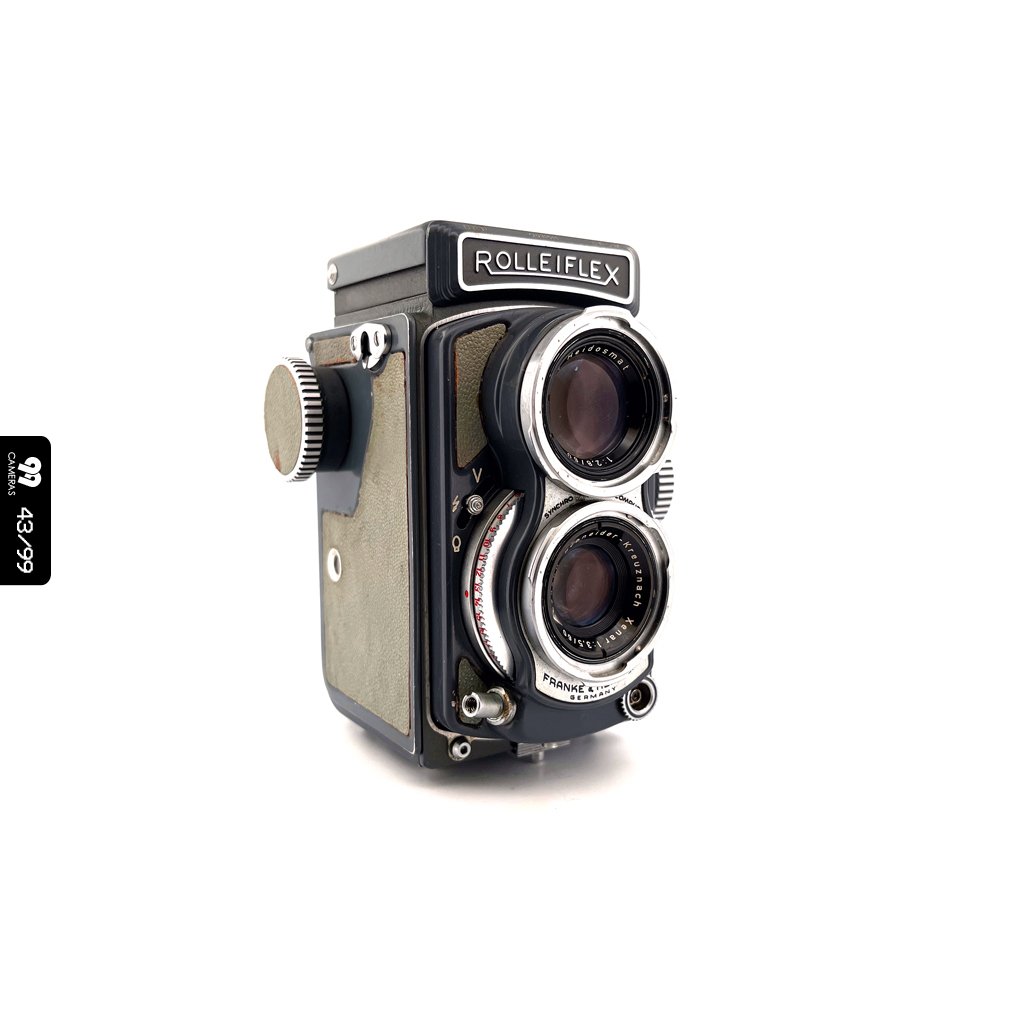
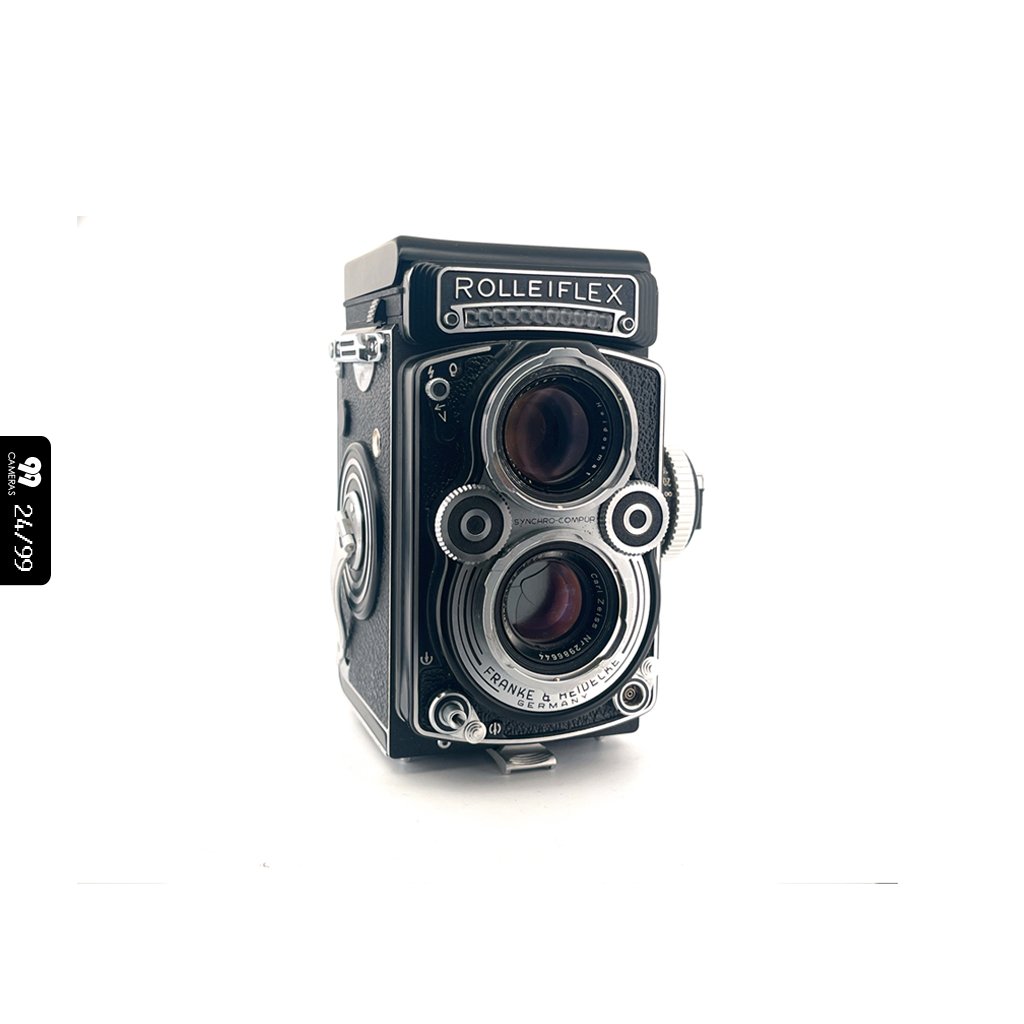
A precision engineer, Heidecke founded Franke & Heidecke in Braunschweig in 1920 with Paul Franke. He designed the Rolleiflex of 1929, the twin-lens reflex that let photographers look down into a bright finder while the second lens took the picture, a layout copied all over the world.
-

August Nagel
1882–1943 · German
Father of the Kodak Retina
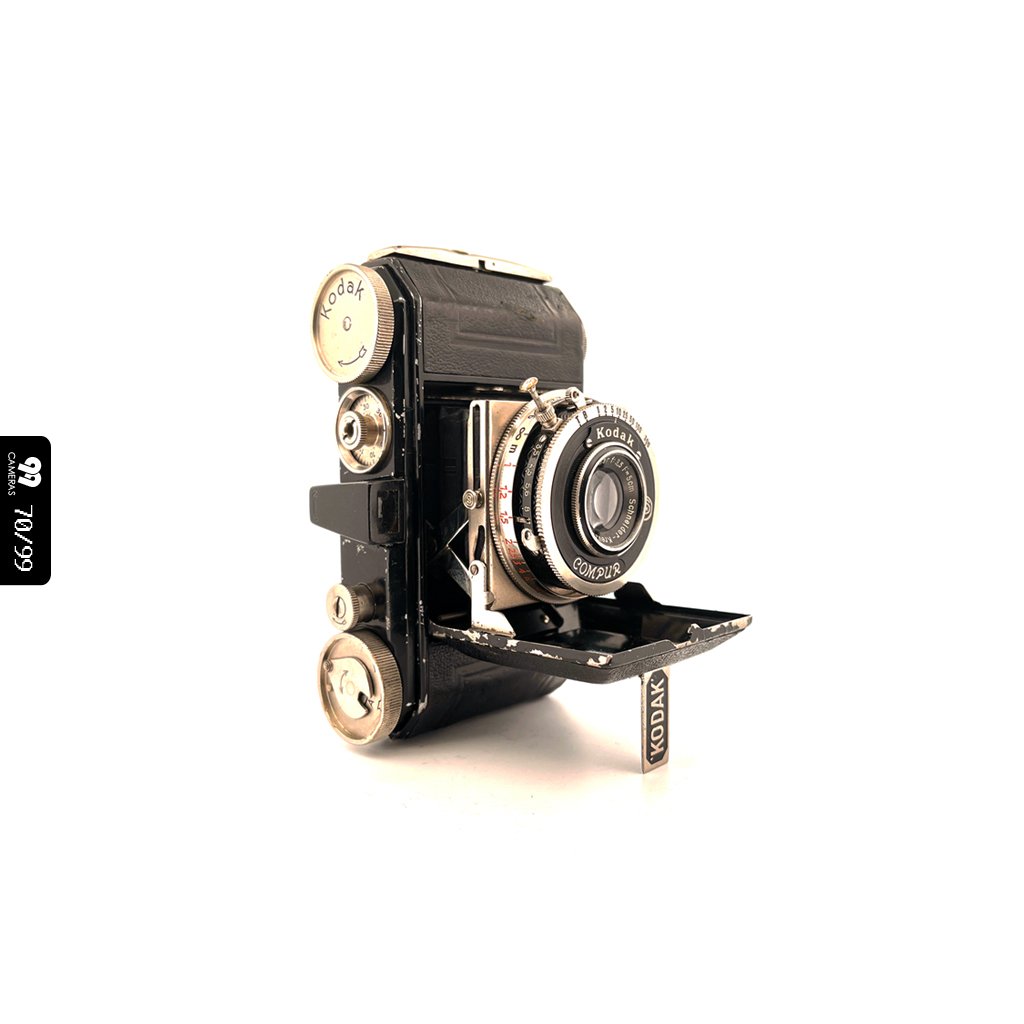
A leading figure of the Stuttgart camera industry, Nagel co-founded Contessa and then his own factory. Kodak bought it in 1931 and kept him at its head: the Retina of 1934, the first camera made for the new ready-to-load 35 mm cartridge, came out of his workshop.
In the museum -
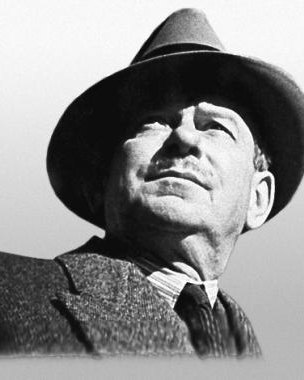
Photo: Industrial Designers Society of America (via drivingfordeco.com) Walter Dorwin Teague
1883–1960 · American
Industrial designer of Kodak
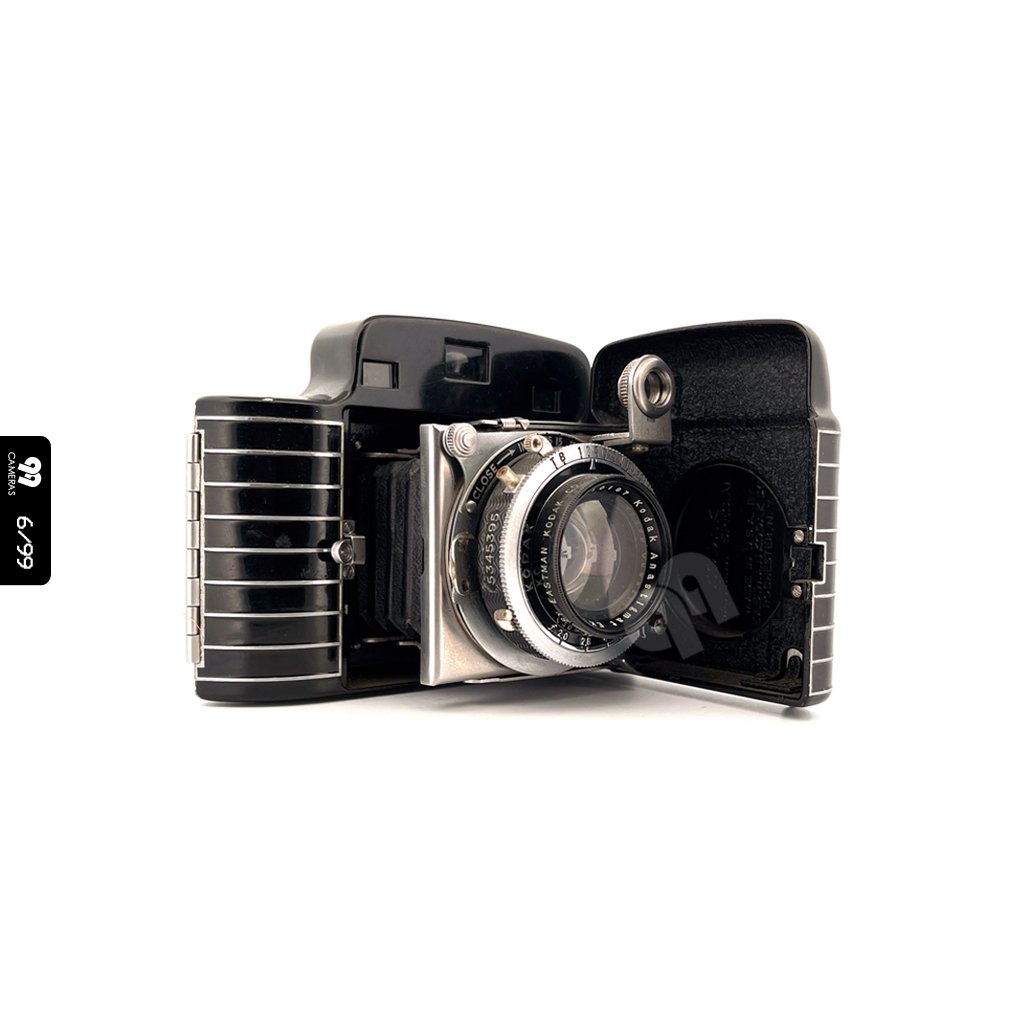
One of the founders of American industrial design, Teague worked for Kodak from 1928 and gave its cameras their Art Deco style, from the Baby Brownie to the streamlined Bantam Special of 1936, often called the most beautiful camera ever made. He also designed Texaco service stations.
In the museum -
Johan Steenbergen
1886–1967 · Dutch
Founder of Ihagee
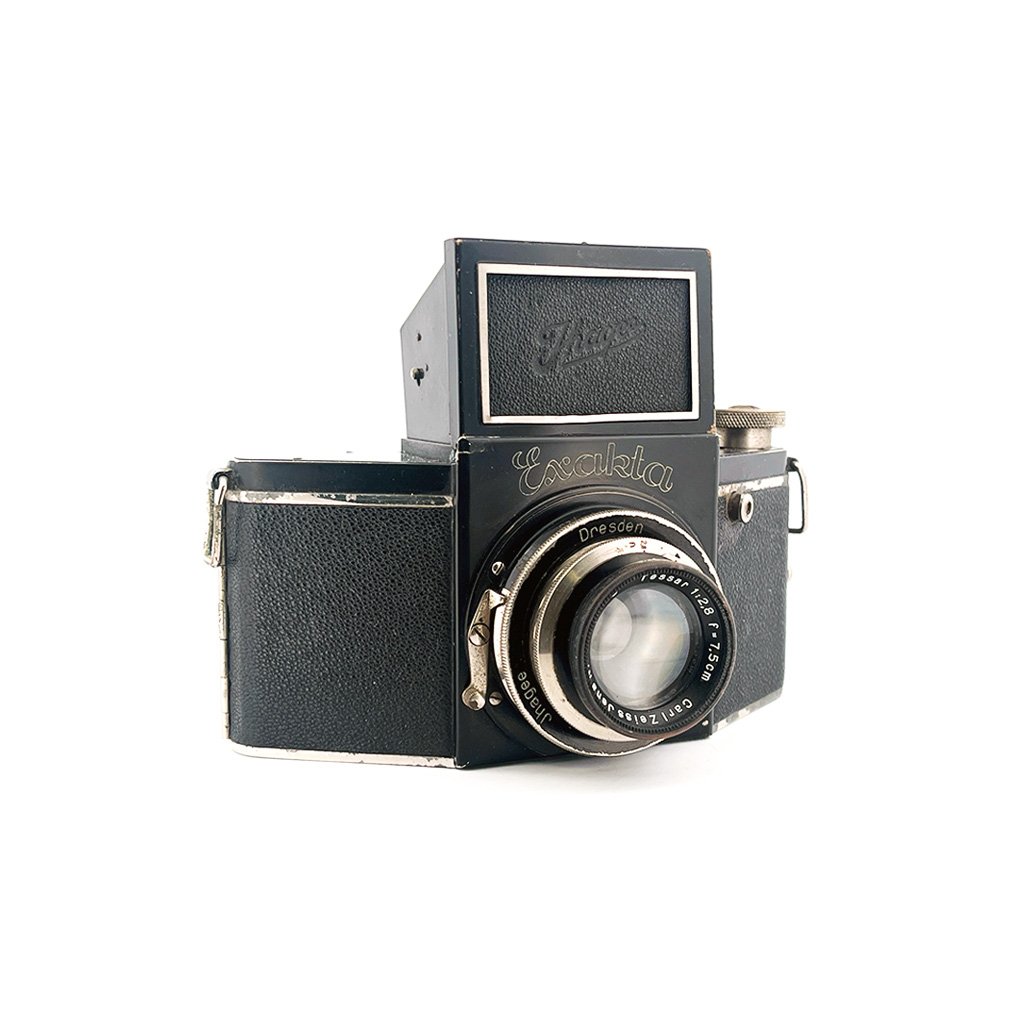
A Dutch businessman, Steenbergen founded the Industrie- und Handelsgesellschaft (Ihagee) in Dresden in 1912. His company produced the Exakta of 1933 and the Kine Exakta of 1936, the first 35 mm single-lens reflex made in series, and many inventive cameras such as the Parvola.
In the museum -
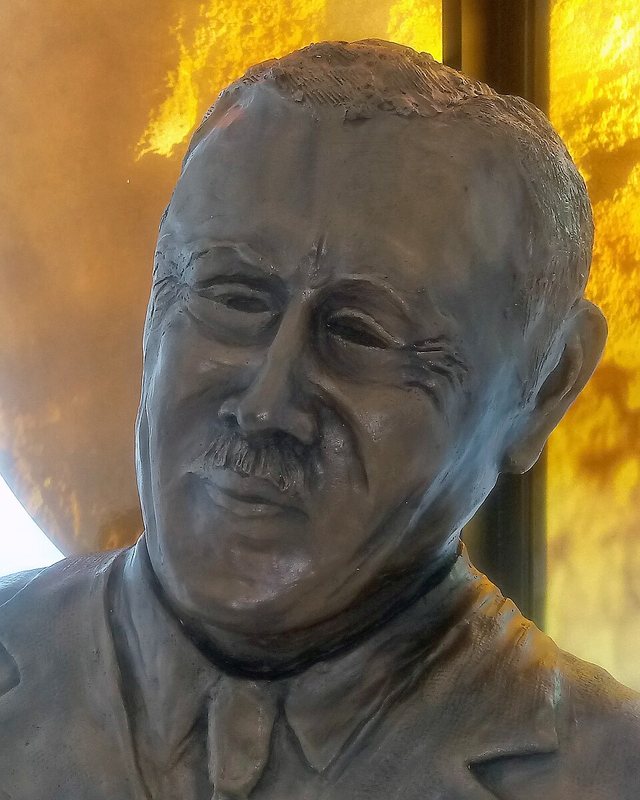
Photo: Georgenhausen, CC BY-SA 4.0, via Wikimedia Commons Max Berek
1886–1949 · German
Designer of the first Leica lenses
A mineralogist and optical scientist at Leitz, Berek computed the lenses that made the Leica a serious tool, starting with the Elmax and Elmar of the Leica I, then the Hektor. He also wrote a classic textbook on lens design.
In the museum -
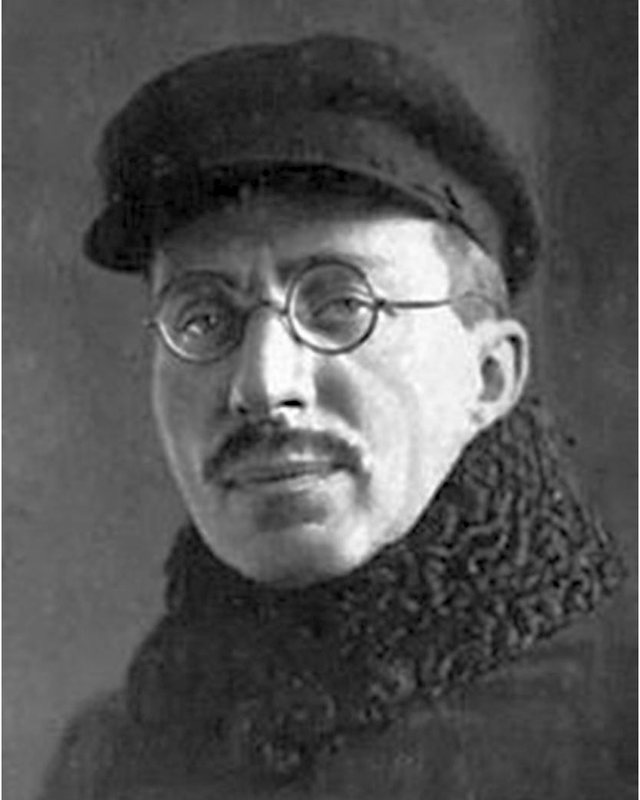
Anton Makarenko
1888–1939 · Ukrainian
Educator behind the FED
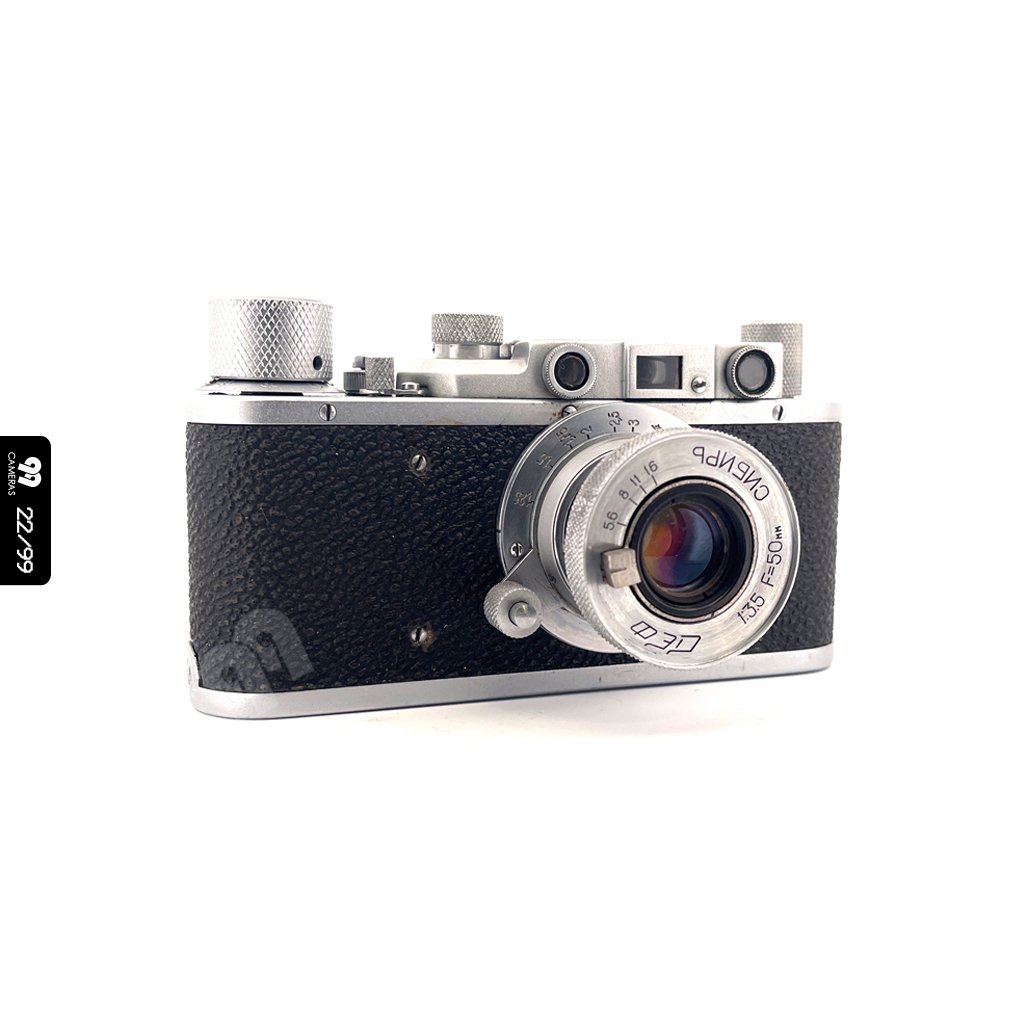
A famous Soviet educator, Makarenko ran the Dzerzhinsky labour commune for homeless children in Kharkiv. In 1932 the commune began making copies of the Leica there: named FED after Felix Edmundovich Dzerzhinsky, it became one of the best-selling cameras of the Soviet Union.
In the museum -
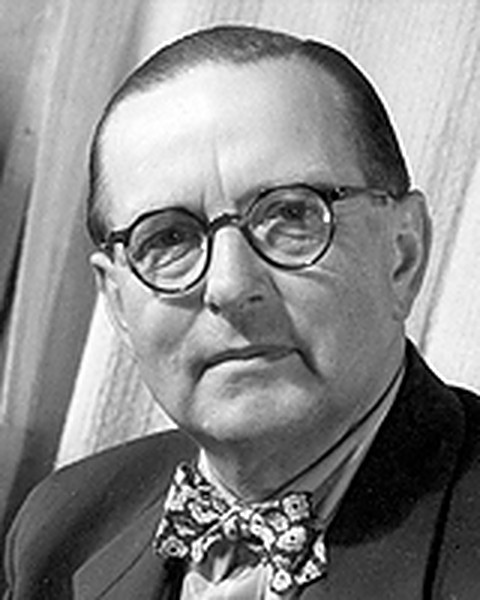
Paul Franke
1888–1950 · German
Co-founder of Rollei
Paul Franke was the business partner of Reinhold Heidecke. Together they founded Franke & Heidecke in 1920 and built it into Rollei, the maker of the Rolleiflex and Rolleicord. Franke ran the commercial side while Heidecke led the design.
-
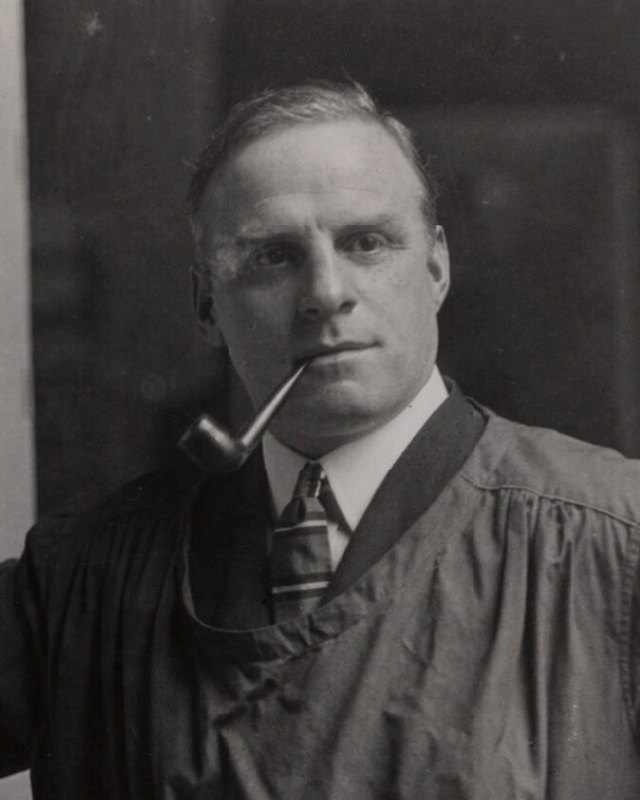
Photo: Howard Coster, 1926, National Portrait Gallery, London Tom Purvis
1888–1959 · British
Co-creator of the Purma
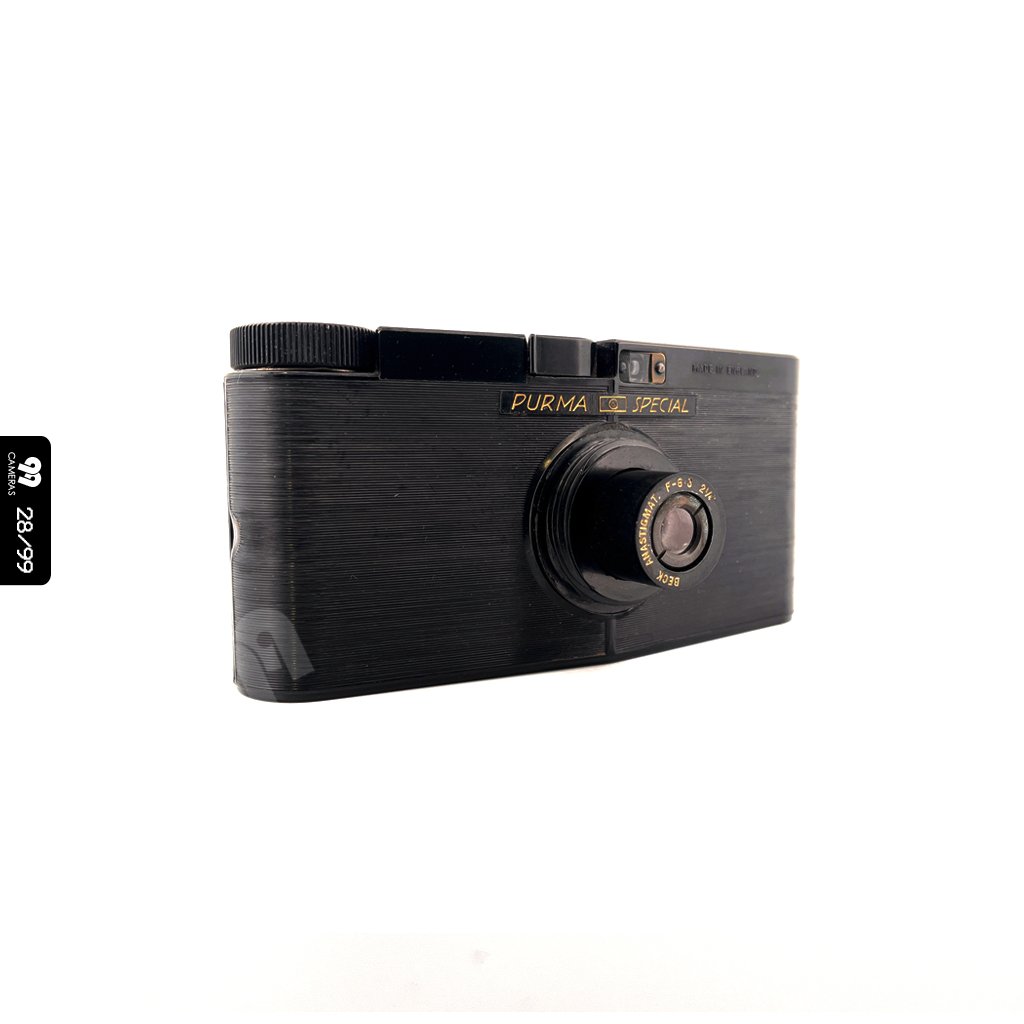
One of Britain’s great poster artists, famous for his railway posters, Purvis founded Purma Cameras with the inventor Alfred Mayo; the name joins PURvis and MAyo. He gave the Purma Special of 1937 its bold, modern look, with one of the first camera bodies made of plastic.
In the museum -
Alfred Croger Mayo
British
Inventor of the gravity shutter
Mayo was the engineer of Purma Cameras. His patented shutter used gravity: a small weight inside the camera moved as the camera was turned, changing the speed. Held one way the Purma Special shot at 1/25 s, turned on its side at 1/150 s or 1/450 s.
In the museum -
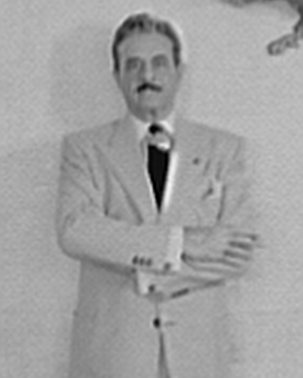
Raymond Loewy
1893–1986 · French / American
Pioneer of industrial design
Born in Paris, Loewy moved to New York and became the most famous industrial designer of his time: locomotives, Studebaker cars, the Lucky Strike pack, the Shell logo. His motto “never leave well enough alone” shaped how 20th-century products, cameras included, were styled to sell.
-
Gustave Fassin
Belgian / American
Designer of the Argus C
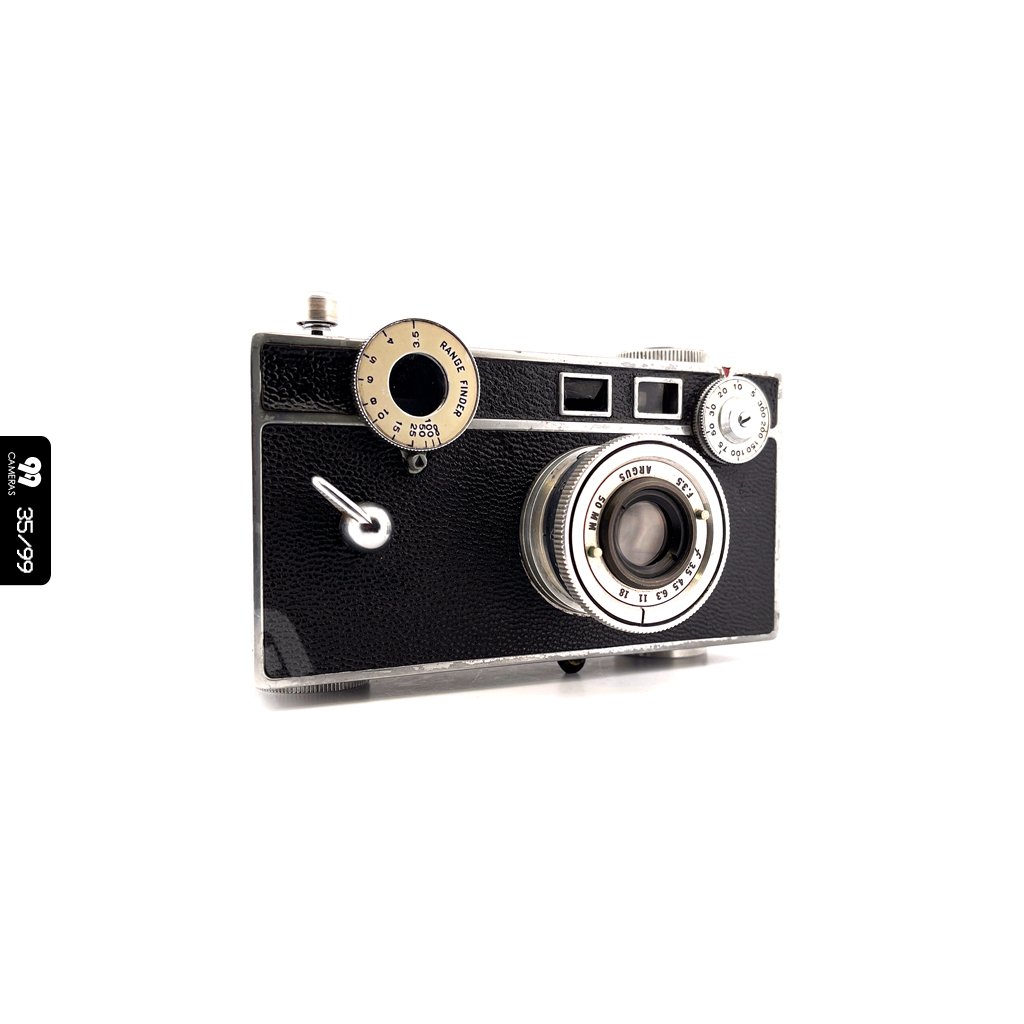
An engineer at Argus in Ann Arbor, Michigan, Fassin designed the Argus C of 1938 and its successors, the boxy 35 mm rangefinder nicknamed “the brick”. Cheap, sturdy and easy to use, the Argus C3 became the best-selling 35 mm camera in America for decades.
In the museum -
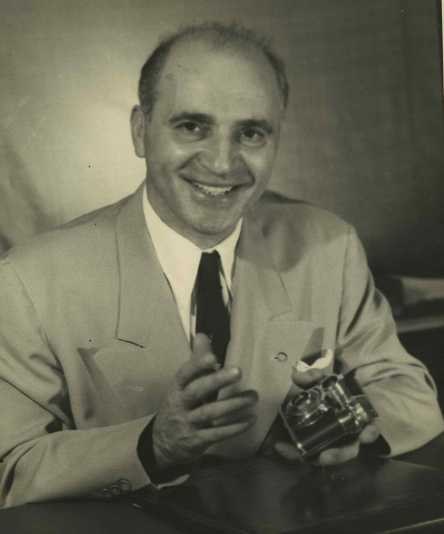
Jacques Bolsky (Bogopolsky)
1895–1962 · Ukrainian / American
Creator of Bolex, Alpa and Bolsey
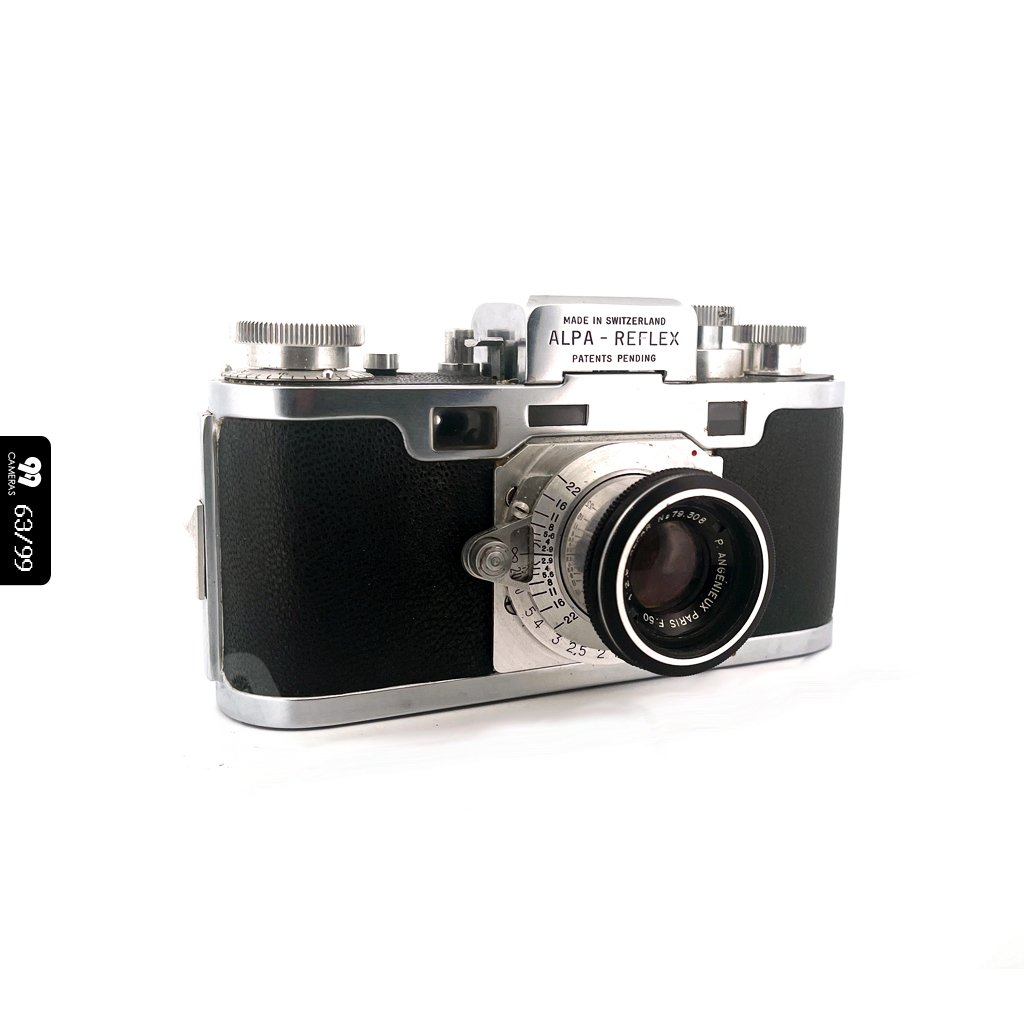
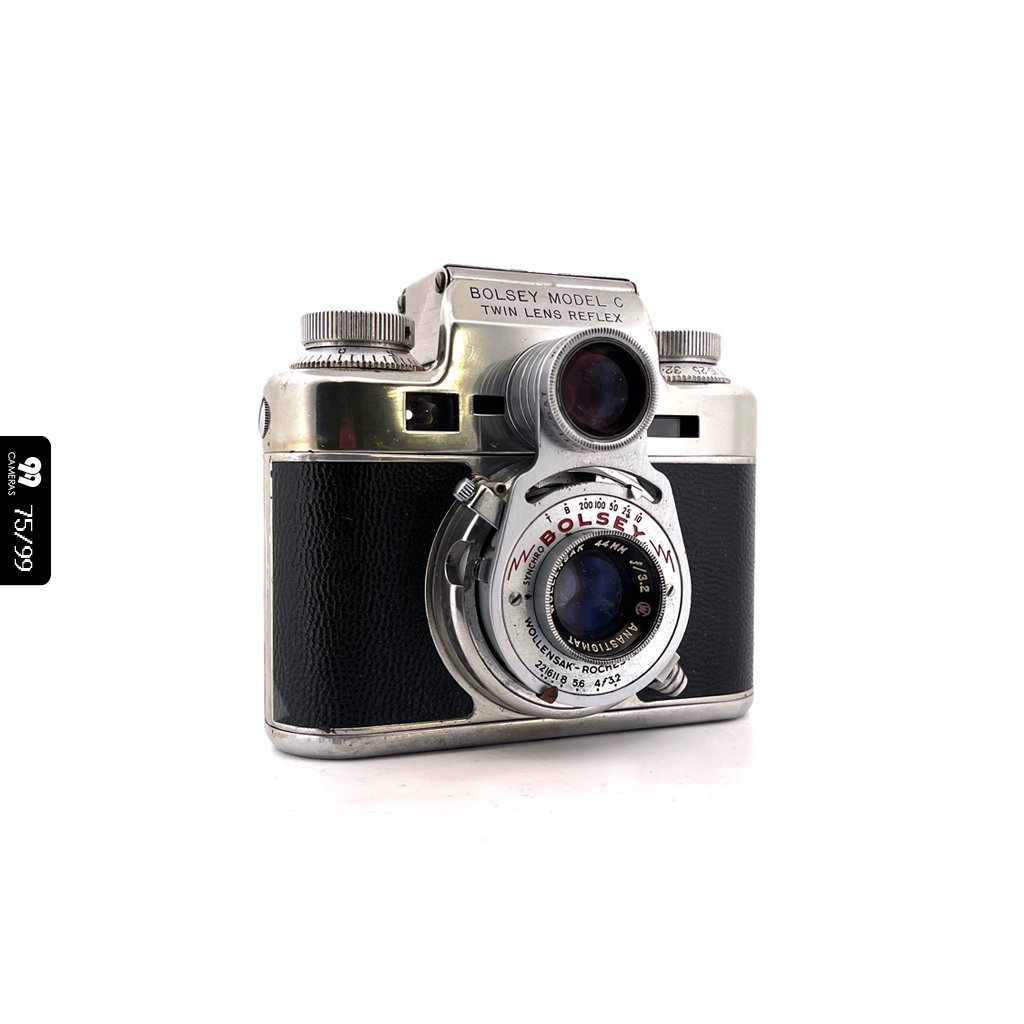
Born Yakov Bogopolsky in Kyiv, he settled in Geneva and founded Bolex, famous for its cine cameras. In the late 1930s he designed the Alpa Reflex for the Swiss firm Pignons, then moved to the United States, where he made cameras under the name Bolsey.
In the museum -

Photo: robot-zeiss-kodak.blogspot.com Heinz Kilfitt
1898–1980 · German
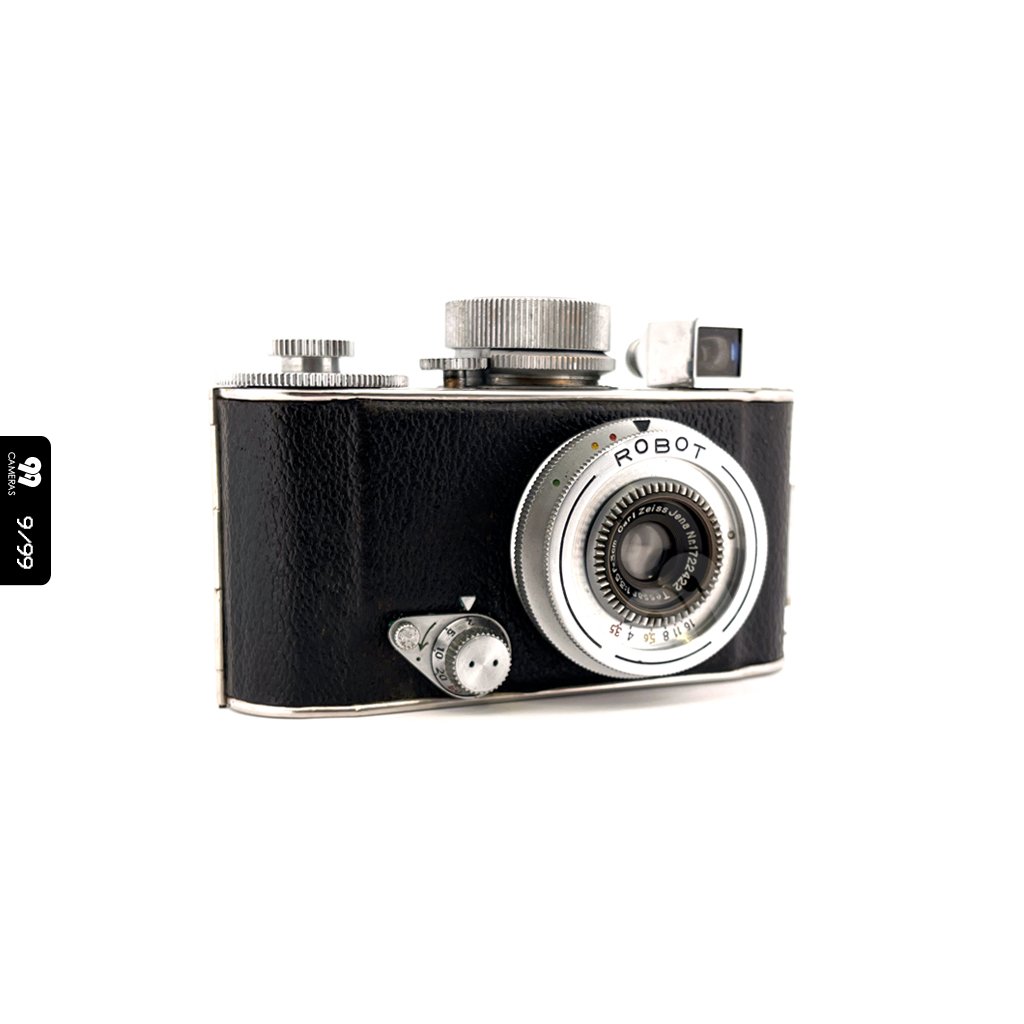
Designer of the Robot and the Mecaflex
A German camera and lens designer, Kilfitt created the Robot of 1934 for Otto Berning, with its spring motor that wound the film after every shot. After the war he designed the Mecaflex and founded a lens company whose Makro-Kilar was the first macro lens for 35 mm cameras.
In the museum -
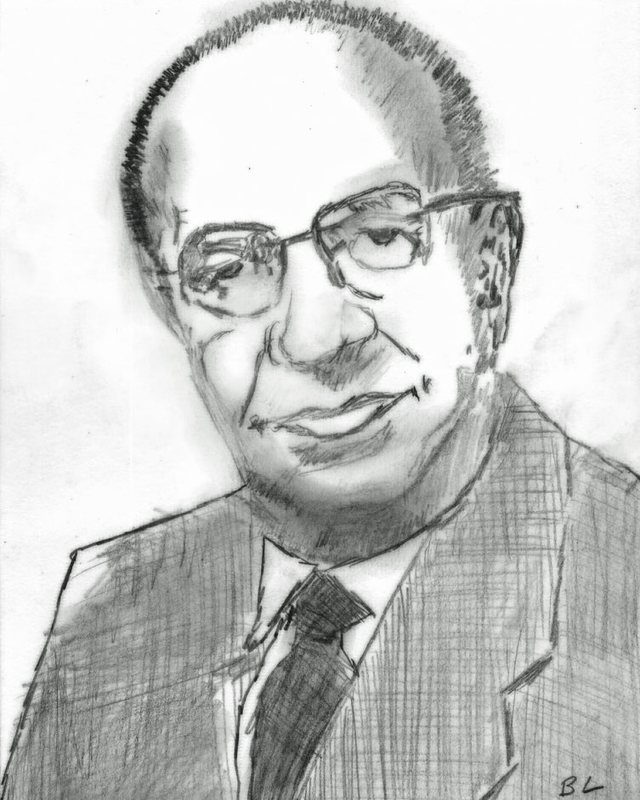
Photo: Bertrand Labévue, CC BY-SA 4.0, via Wikimedia Commons Fritz Kaftanski
1899–1988 · German
Pioneer of subminiature cameras
A German camera designer and entrepreneur, Kaftanski founded Fotofex in Berlin, which launched the tiny Minifex in 1932, one of the first cameras built around 16 mm film. He went on designing cameras for several makers in Germany and abroad for decades.
In the museum -
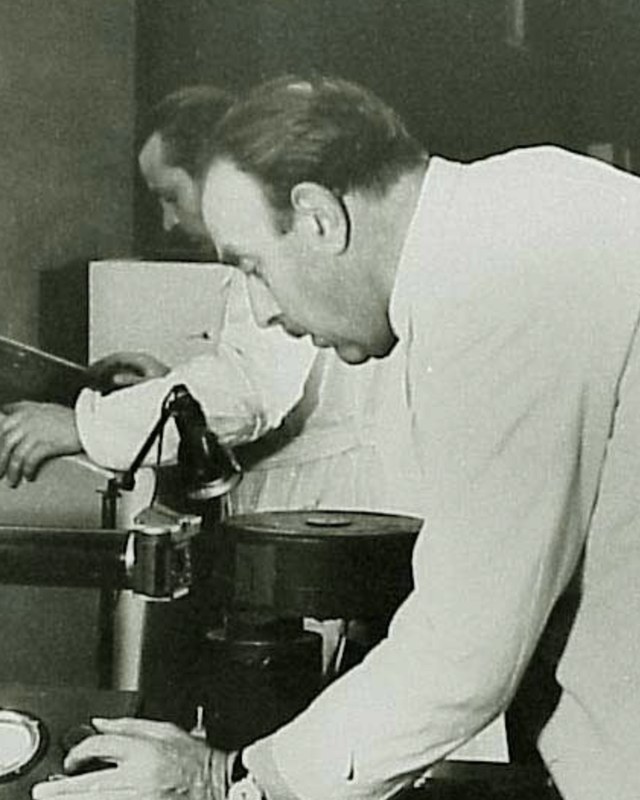
Telemaco Corsi
1899–1978 · Italian
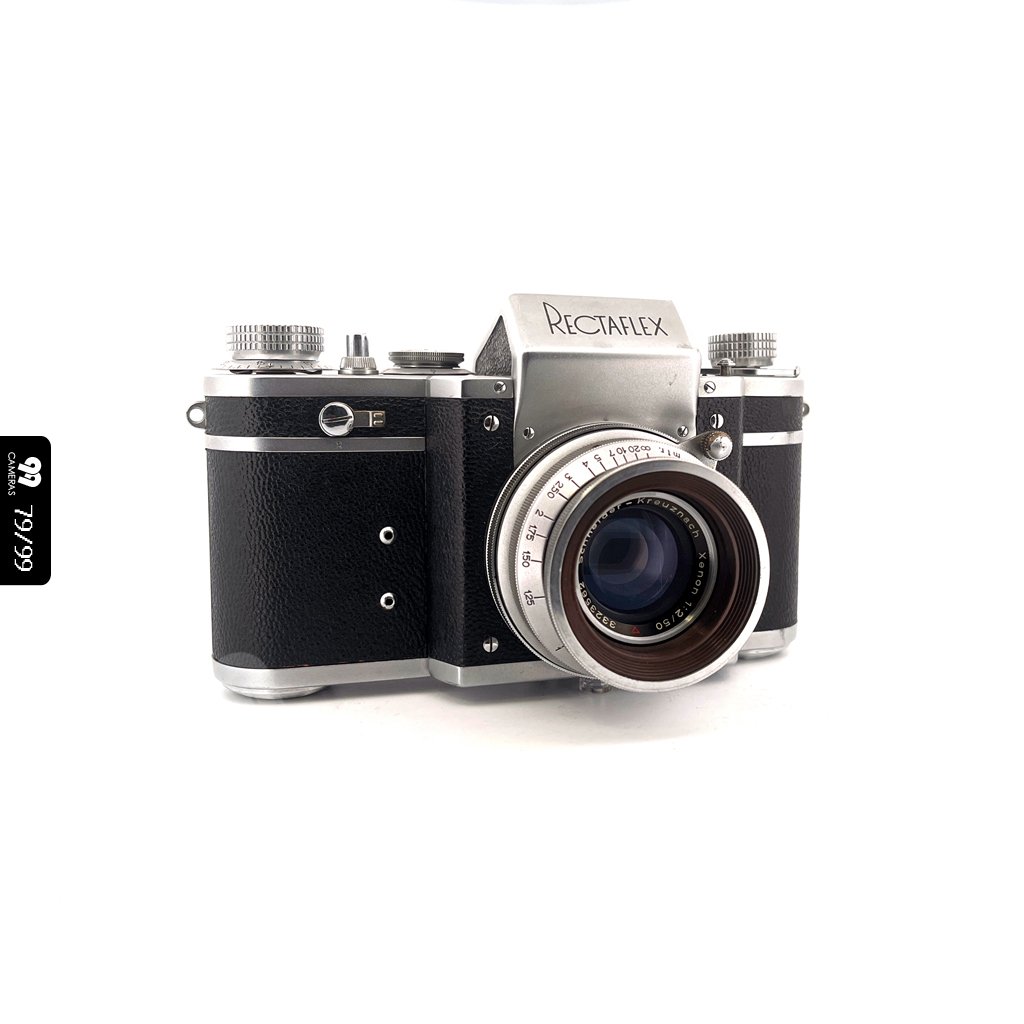
Creator of the Rectaflex
A lawyer, entrepreneur and inventor in Rome, Corsi patented an optical system that showed the photographer an upright, correctly oriented image at eye level. His Rectaflex, presented in 1947 and sold from 1948, was one of the first 35 mm reflex cameras with a pentaprism finder.
In the museum -
Fritz Kuhnert
German
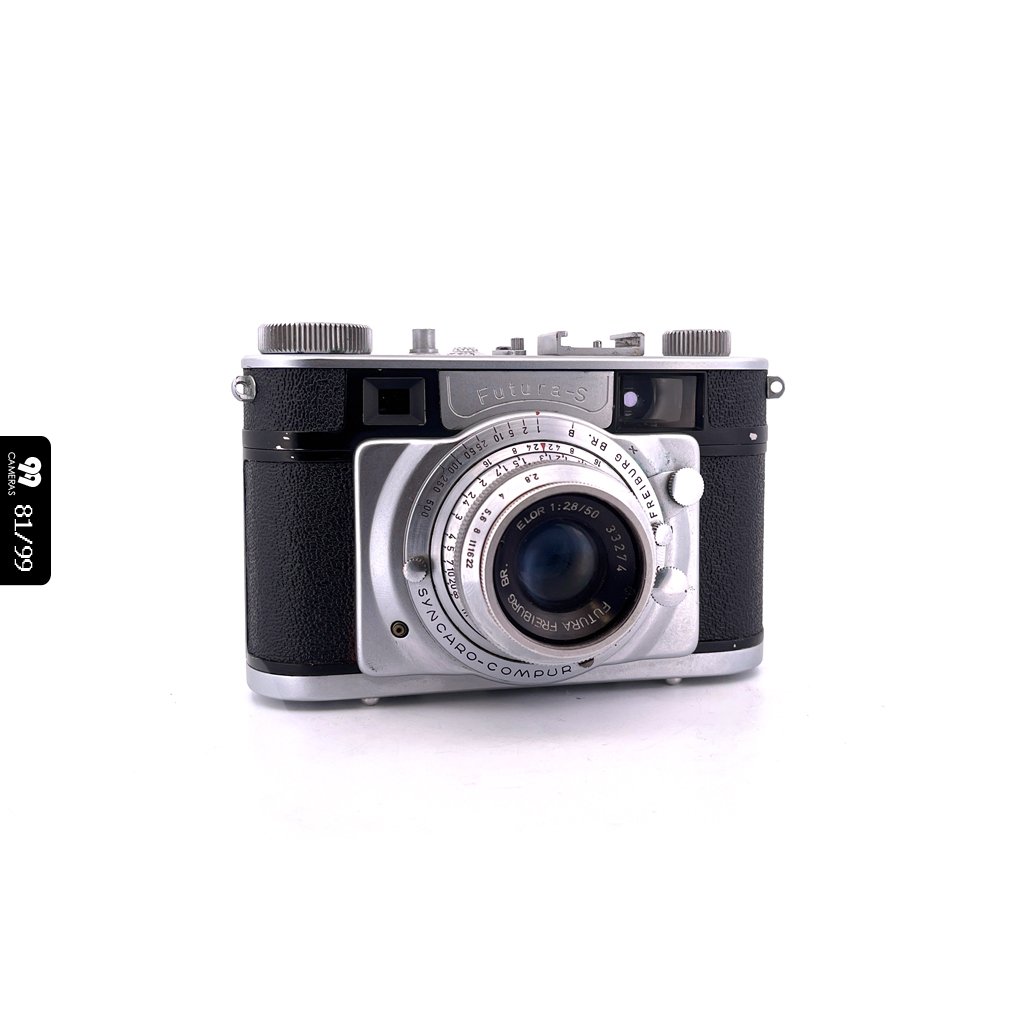
Founder of Futura
Fritz Kuhnert founded Futura Kamerawerk in Freiburg after the war. Rather than copy the Leica like so many makers, Futura built well-made rangefinders with their own symmetrical, distinctive design, such as the Futura S.
In the museum -
George Kende
American
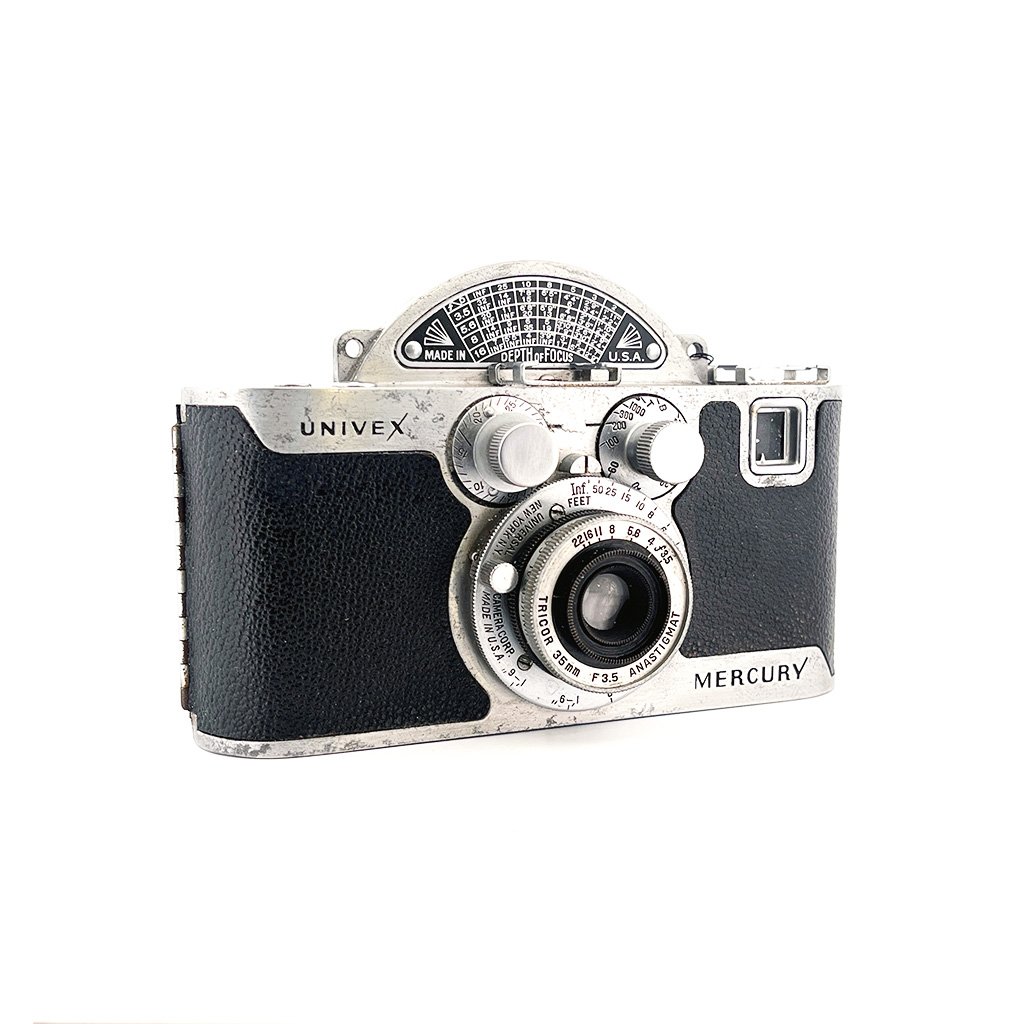
Engineer of the Univex Mercury
An engineer at the Universal Camera Corporation of New York, Kende is named on the patents of the Mercury of 1938. Its rotating disc shutter, housed in the camera’s distinctive rounded top, reached a remarkable 1/1000 s on half-frame 35 mm pictures.
In the museum -
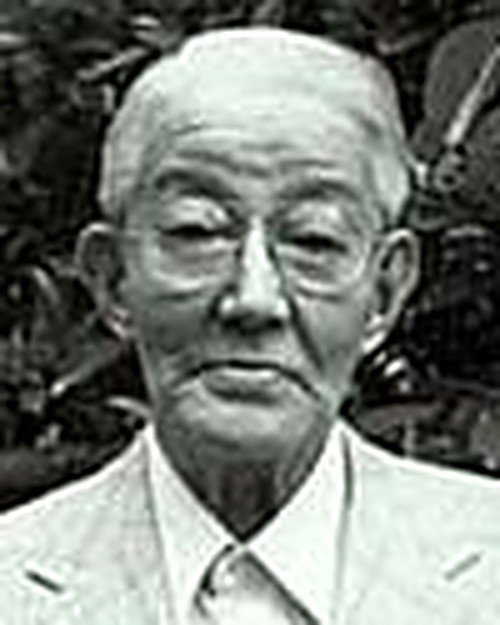
Photo: Canon Camera Museum Goro Yoshida
1900–1993 · Japanese
Builder of the first Canon
A self-taught camera mechanic, Yoshida took apart a Leica and decided that Japan could build its own. In 1934 he made the prototype Kwanon, named after the goddess of mercy, in a small Tokyo laboratory. It was the start of the company that became Canon.
In the museum -
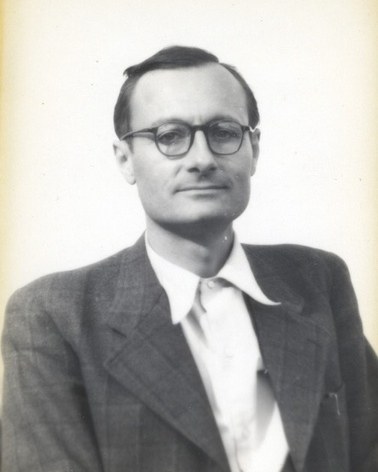
Lucien Dodin
1900–1989 · French
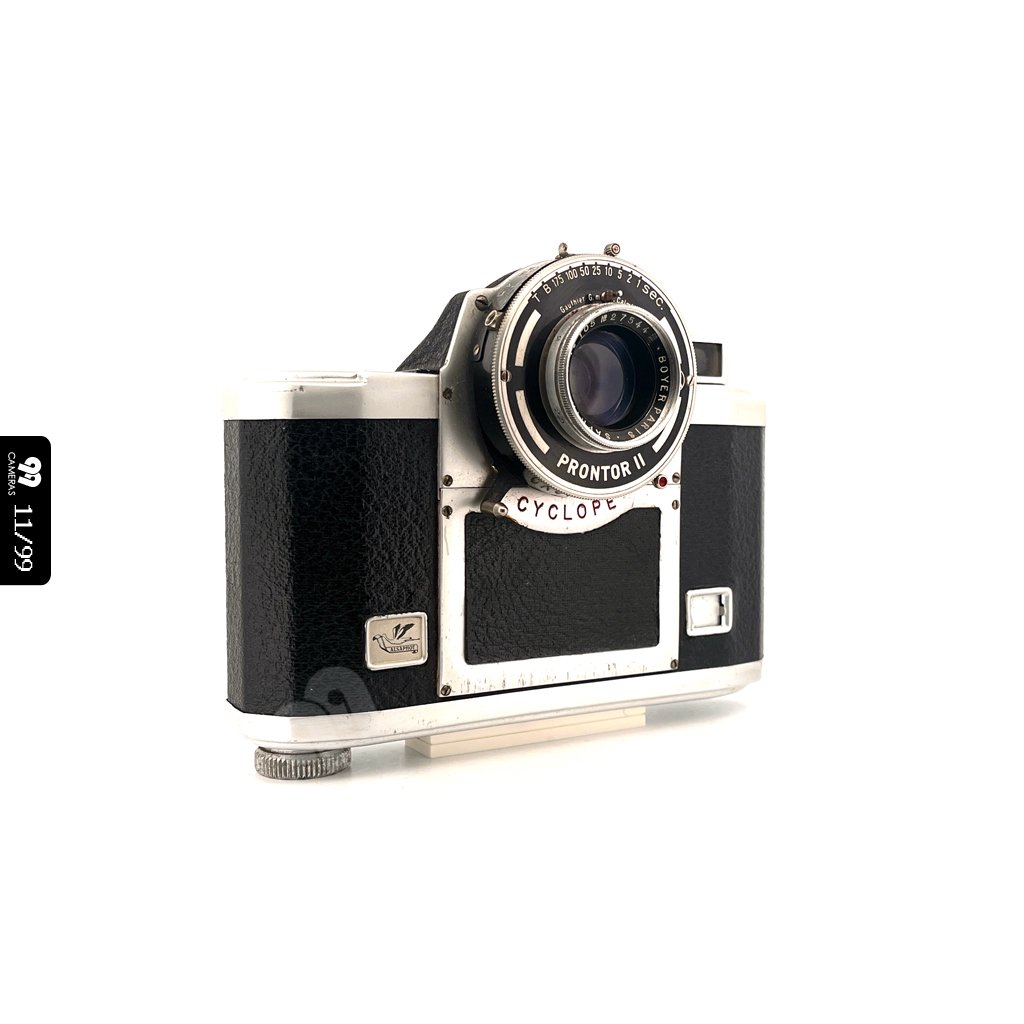
Inventor of the Cyclope
A French inventor, Dodin found a way to shrink a camera for 120 roll film: in his Cyclope, made by Alsaphot around 1950, the image is reflected twice by mirrors before reaching the film, folding the light path inside a slim body.
In the museum -
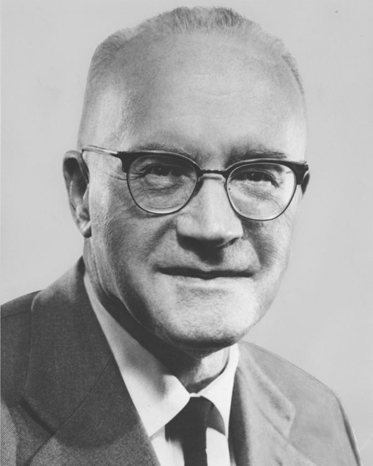
Photo: unknown author, CC BY-SA 3.0, via Wikimedia Commons Ludwig Bertele
1900–1985 · German
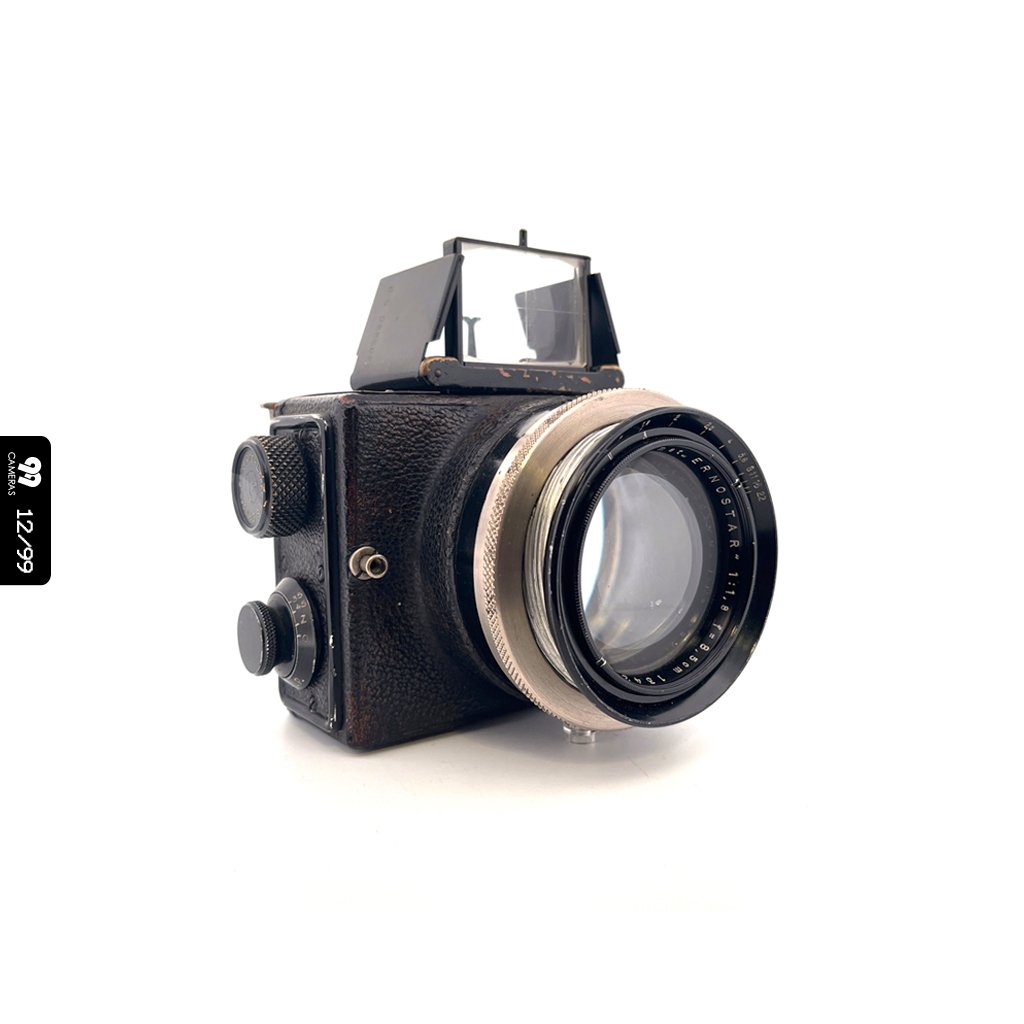
Designer of the Ermanox lens
Still in his twenties at Ernemann in Dresden, Bertele designed the Ernostar, the very fast lens of the Ermanox of 1924, which made it possible to photograph indoors without flash. He later created the Sonnar for Zeiss and the famous Biogon wide-angle lenses.
In the museum -

Photo: zeisshistorica.org Heinz Küppenbender
1901–1989 · German
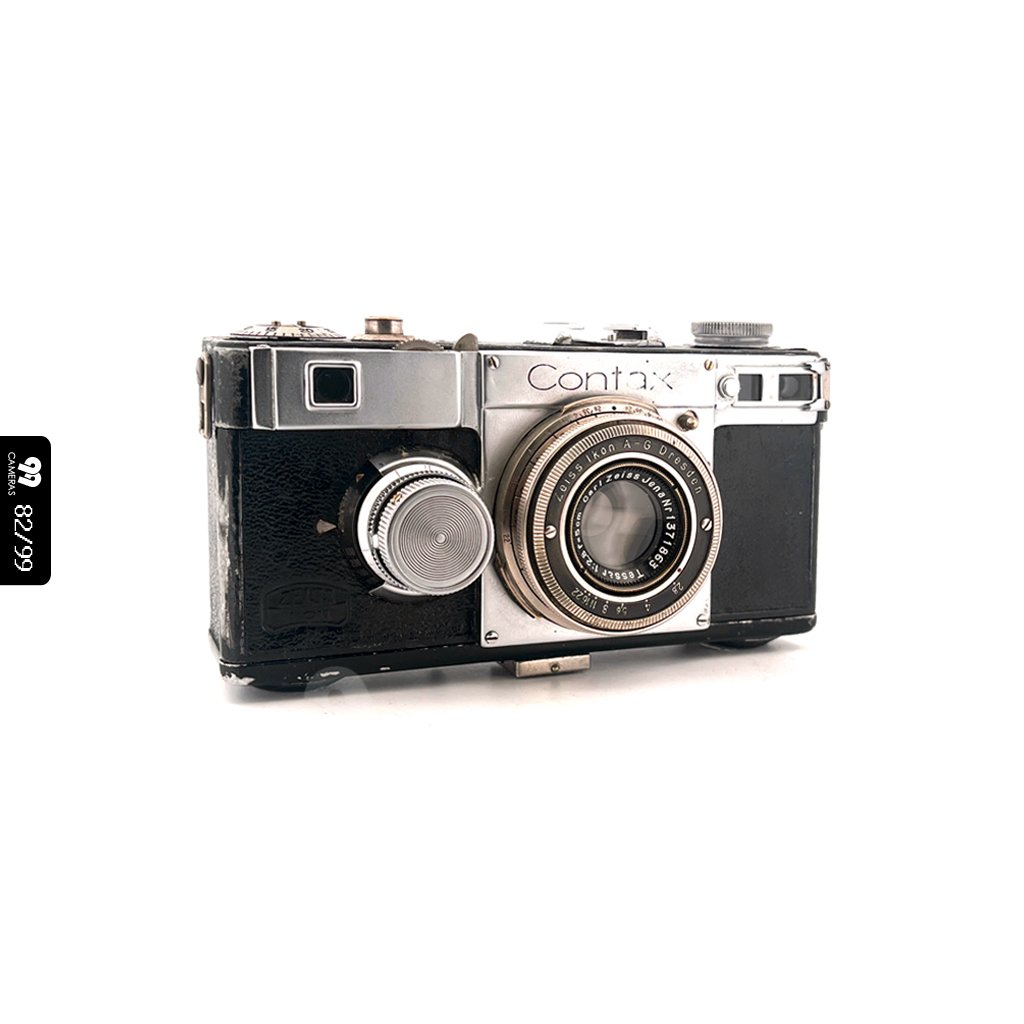
Designer of the Contax
An engineer at Zeiss Ikon in Dresden, Küppenbender led the design of the Contax of 1932, Zeiss’s answer to the Leica, and of the Contaflex twin-lens reflex of 1935, the first camera with a built-in exposure meter. After the war he became one of the heads of Carl Zeiss in West Germany.
-
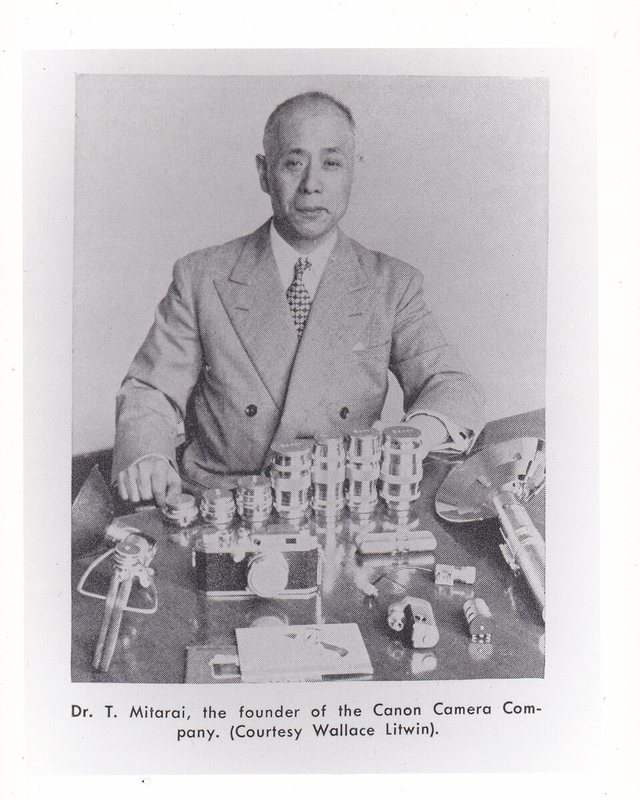
Photo: Usedcam, CC BY-SA 4.0, via Wikimedia Commons Takeshi Mitarai
1901–1984 · Japanese
Co-founder and president of Canon
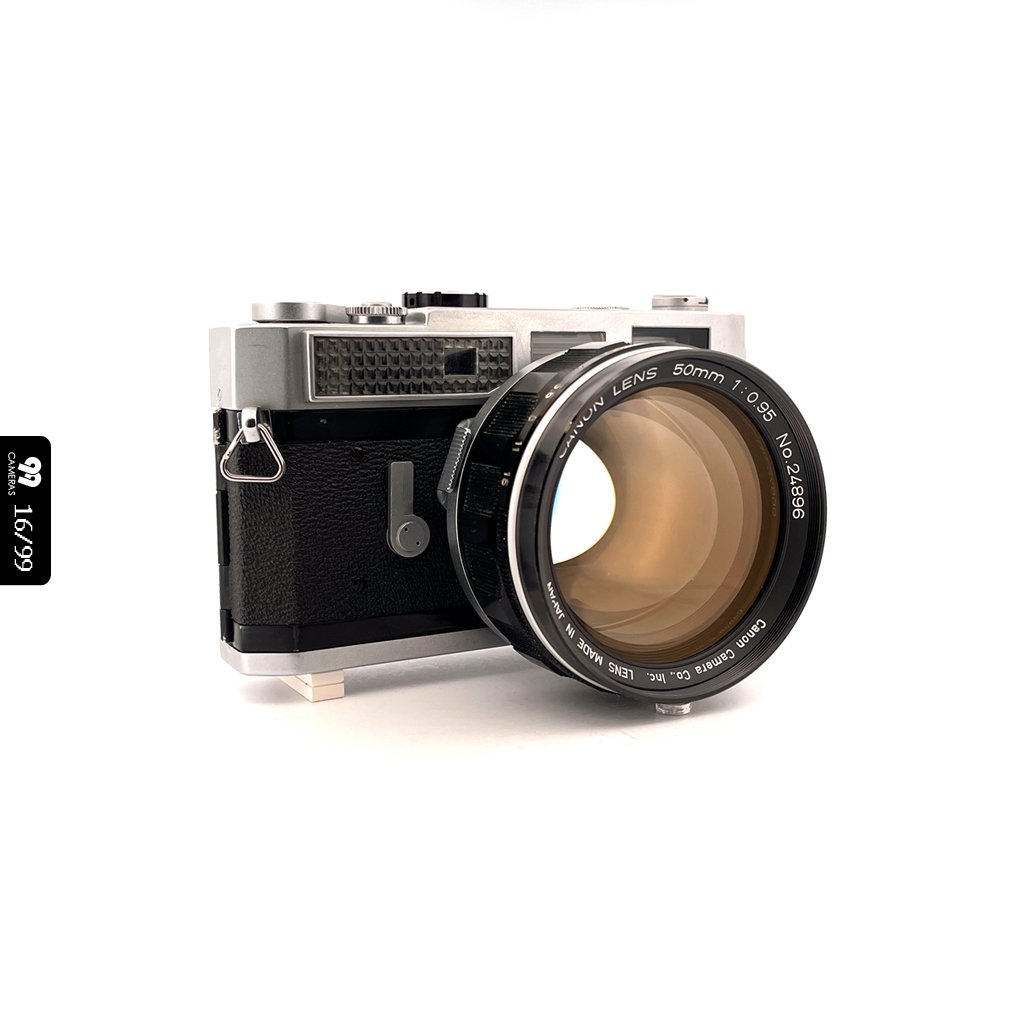
A doctor by training, Mitarai backed the small laboratory that built the first Canon and became the company’s president in 1942. He rebuilt it after the war and turned it into an exporter, from rangefinders such as the Canon IIIA and Canon 7 to a worldwide brand.
In the museum -
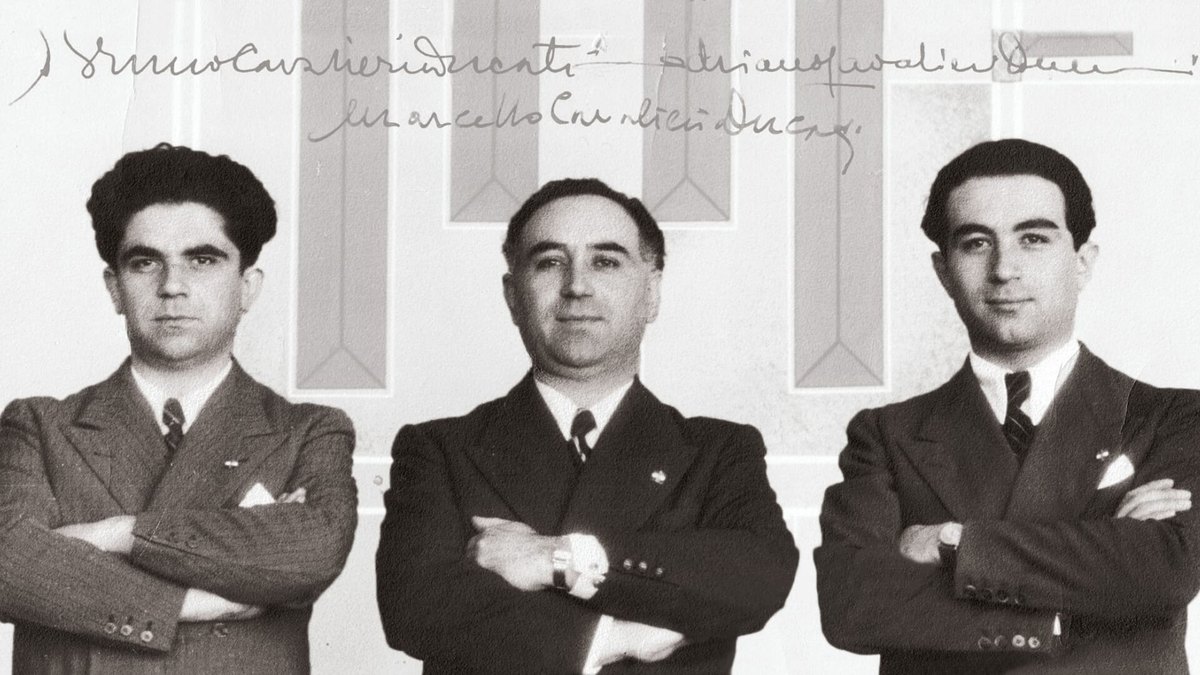
The Ducati brothers
Italian
Founders of Ducati
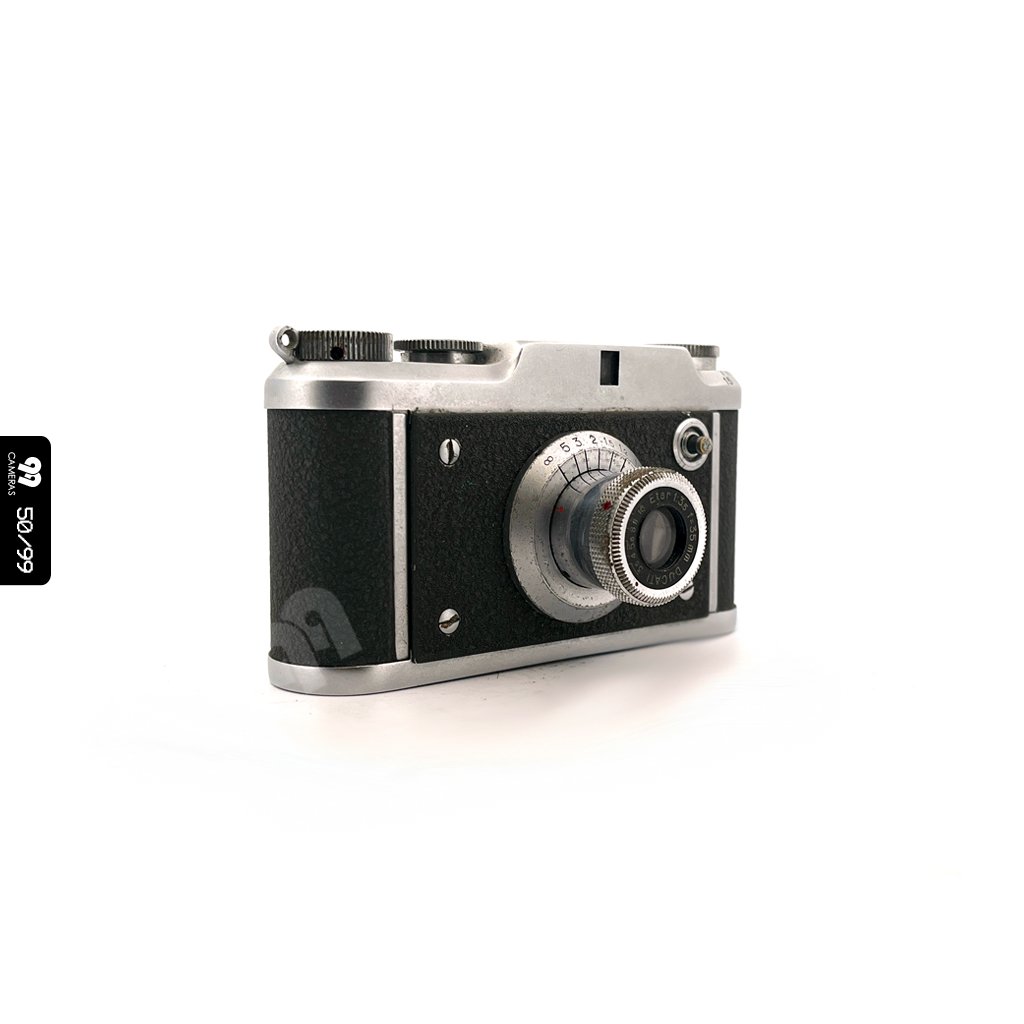
Adriano, Bruno and Marcello Ducati founded their company in Bologna in 1926 to make radio components. Long before motorcycles made the name famous, Ducati produced the Sogno and the Simplex, remarkably compact half-frame cameras with an unmistakable Italian look.
In the museum -
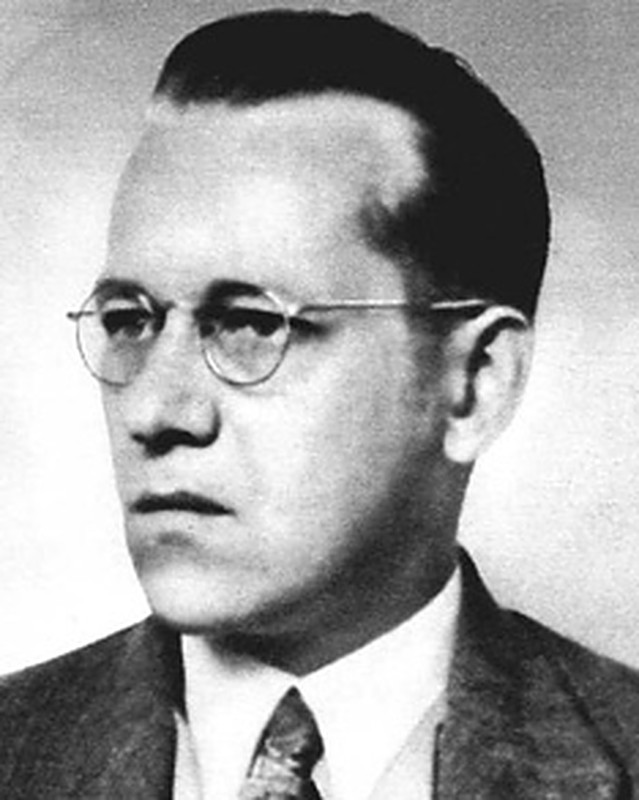
Karl Nüchterlein
1904–1945 · German
Designer of the Exakta
An engineer at Ihagee in Dresden, Nüchterlein designed the Exakta of 1933 and then the Kine Exakta of 1936, the first 35 mm single-lens reflex camera produced in series, the ancestor of the cameras most photographers used for the rest of the century. He went missing at the end of the Second World War.
In the museum -
Jean de Wouters
1905–1973 · Belgian
Designer of the Calypso
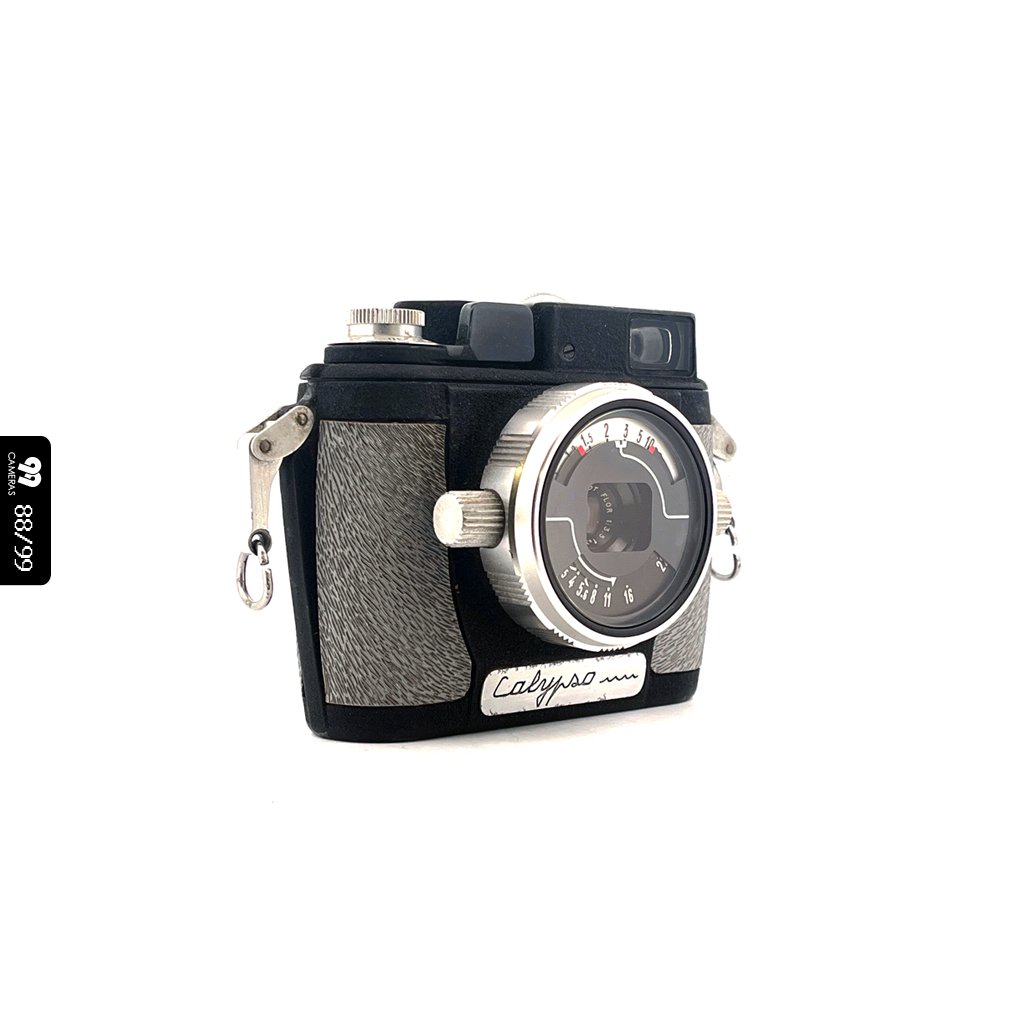
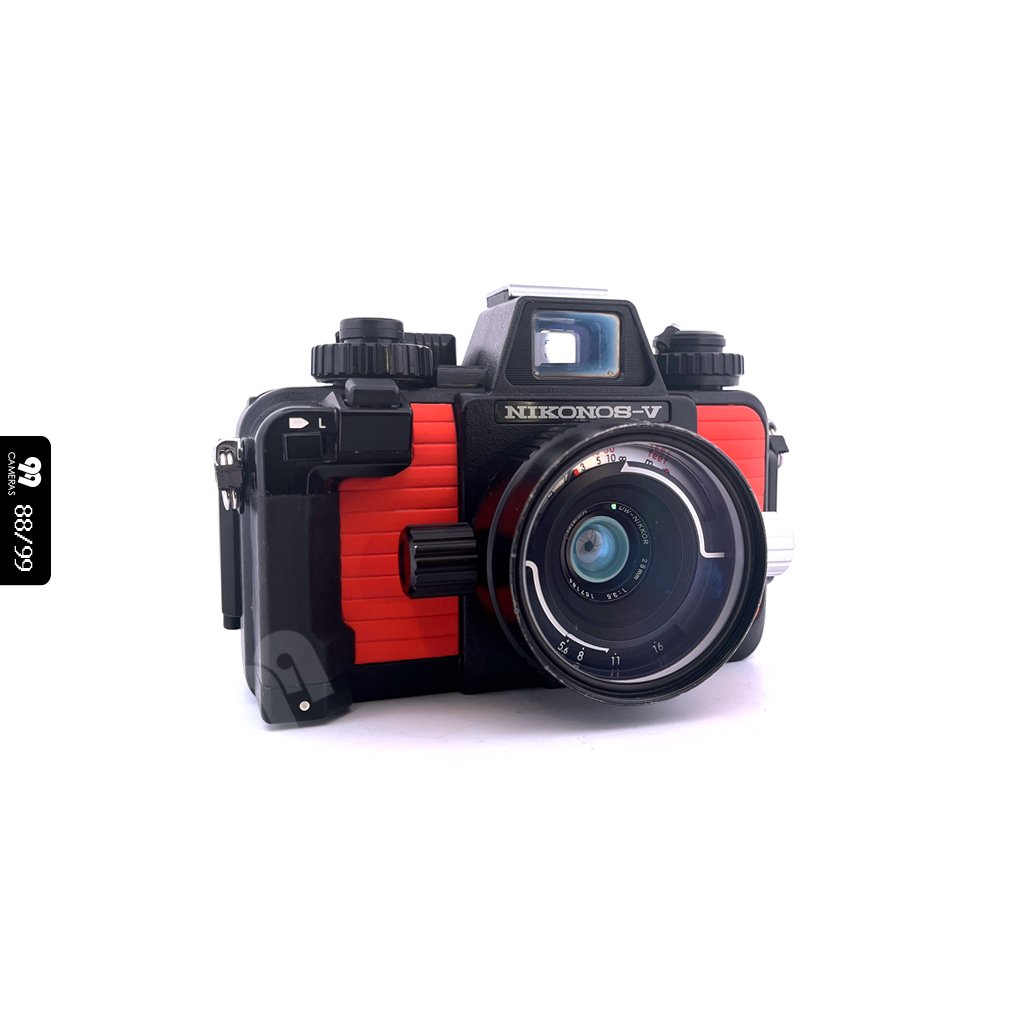
A Belgian aeronautical engineer who had built racing aircraft, de Wouters designed the Calypso for Jacques-Yves Cousteau: a 35 mm camera sealed by O-rings that could dive without a housing. Made in France from 1960, it was bought by Nikon and continued as the Nikonos.
In the museum -
The Armbruster brothers
German
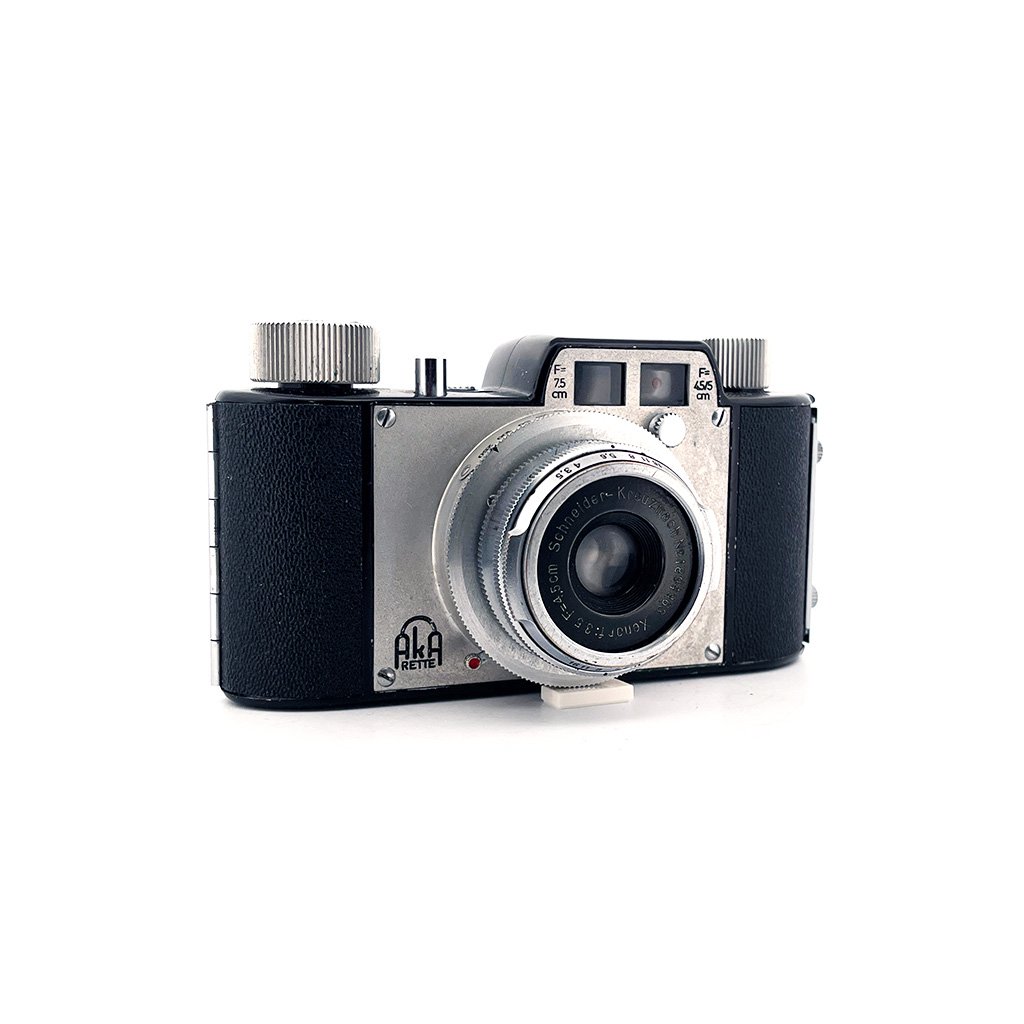
Founders of AkA
Just after the Second World War, the Armbruster brothers founded Apparate & Kamerabau (AkA) at Friedrichshafen on Lake Constance. Their Akarette offered interchangeable lenses, dedicated viewfinders and automatic shutter cocking at an affordable price.
In the museum -
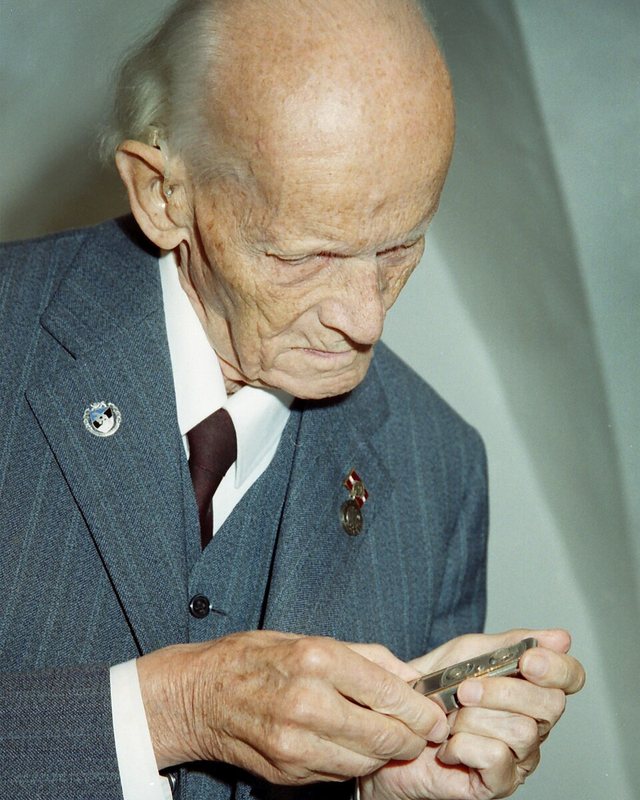
Photo: Jaan Künnap, CC BY-SA 4.0, via Wikimedia Commons Walter Zapp
1905–2003 · Estonian
Inventor of the Minox
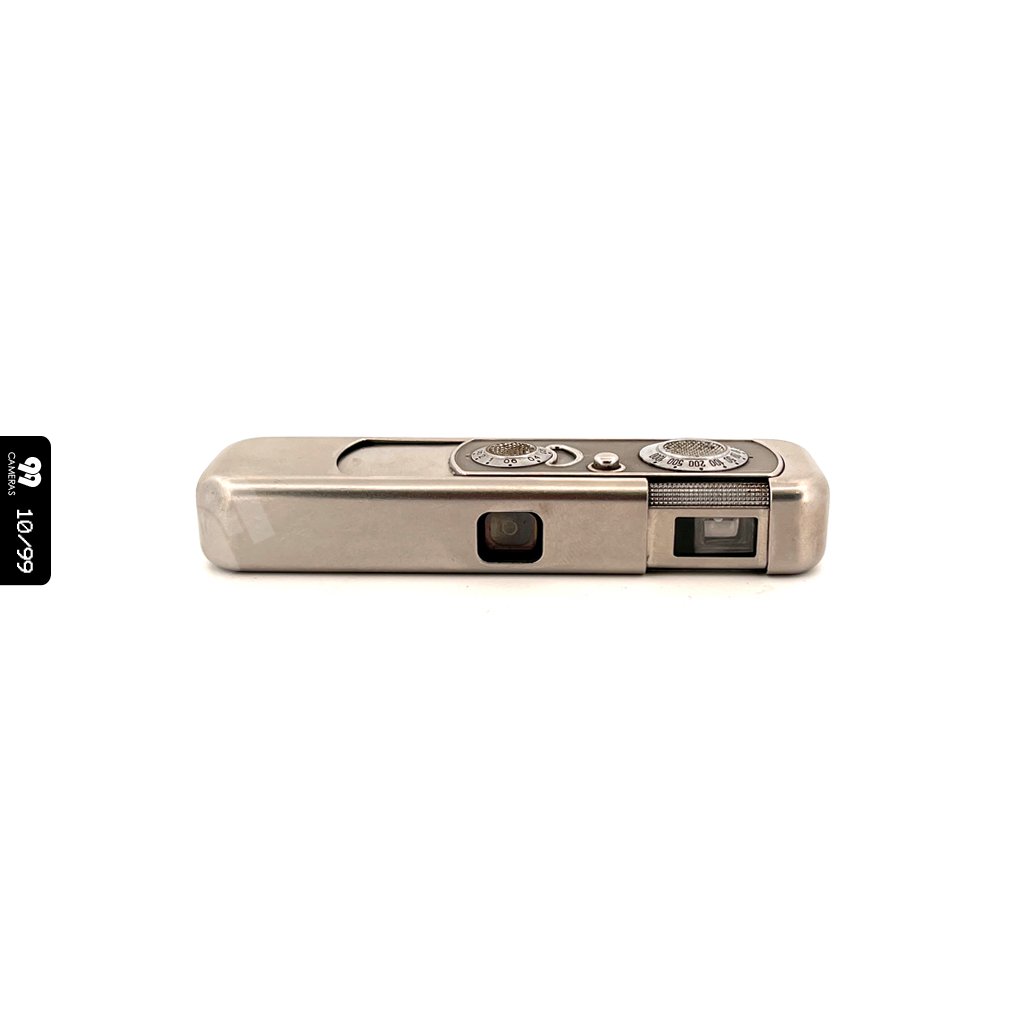
Born in Riga to a Baltic German family, Zapp had no formal training as an engineer. In the mid-1930s in Tallinn he designed a camera smaller than a finger, and the Latvian electrical company VEF produced it as the Minox from 1938. It became the most famous spy camera in the world.
In the museum -
Photo: Mike Eckman, CC BY-SA 4.0, via Wikimedia Commons Hubert Nerwin
1906–1983 · German / American
Designer of the Contax II
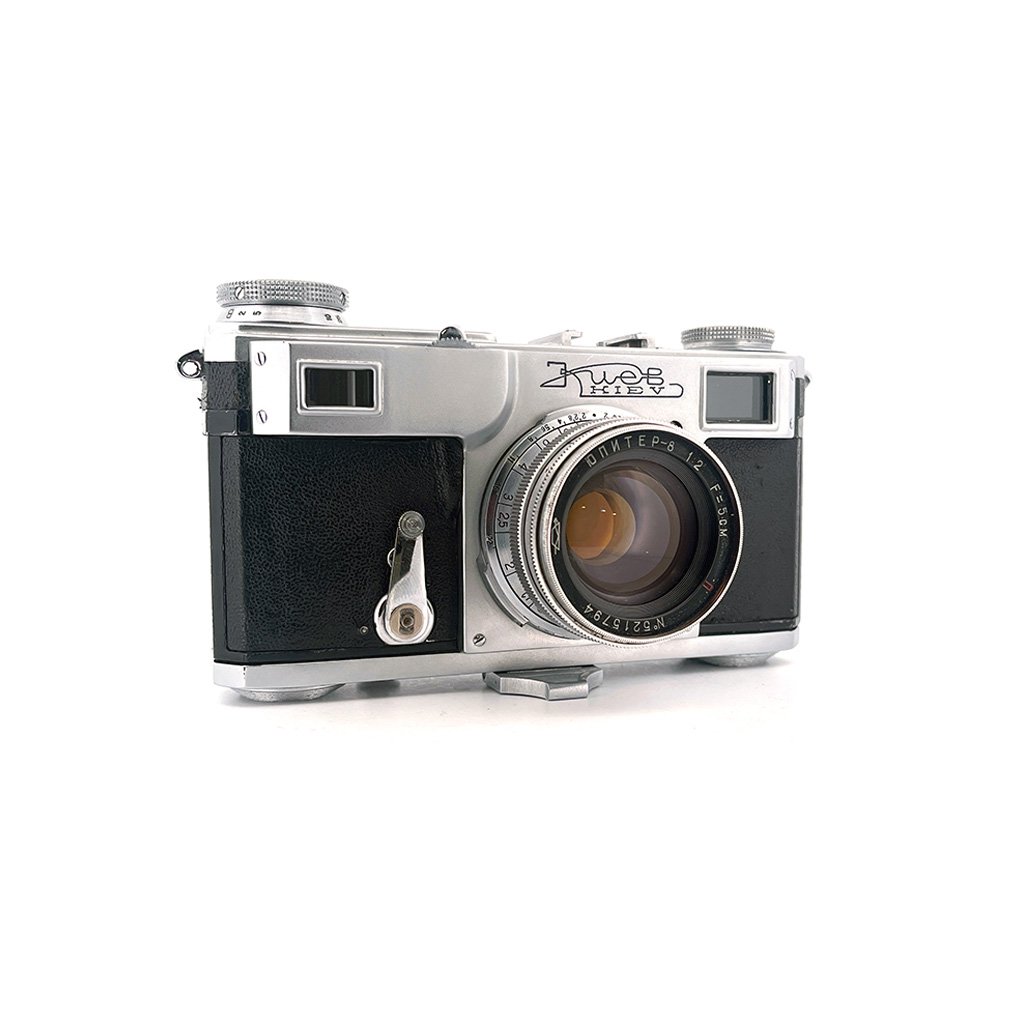
A Zeiss Ikon engineer, Nerwin is credited with much of the design of the Contax II and III of 1936. After the war the Soviets moved the Contax production line from Dresden to Kyiv, where it became the Kiev, while Nerwin went to the United States and designed cameras for Graflex.
In the museum -
Rudolph Steineck
1906–1990 · Austrian
Inventor of wrist and pocket cameras
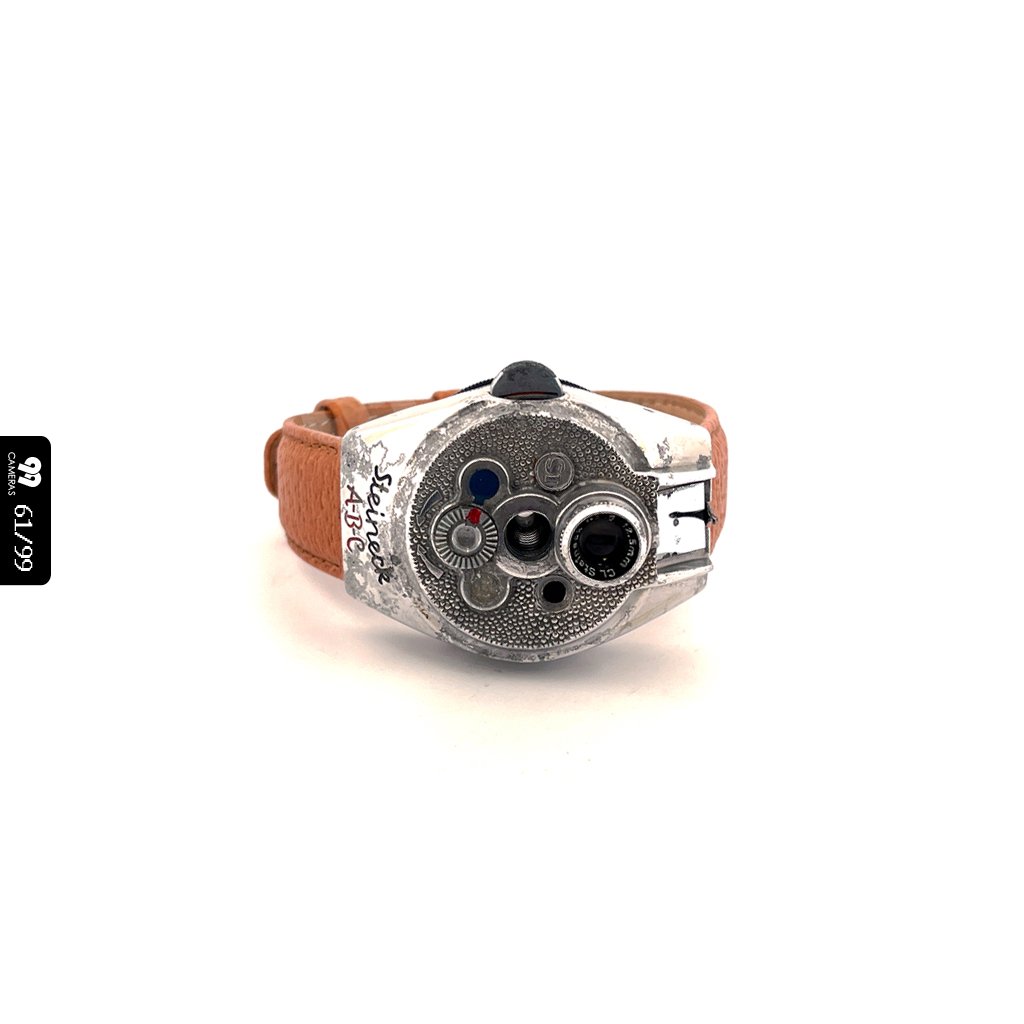
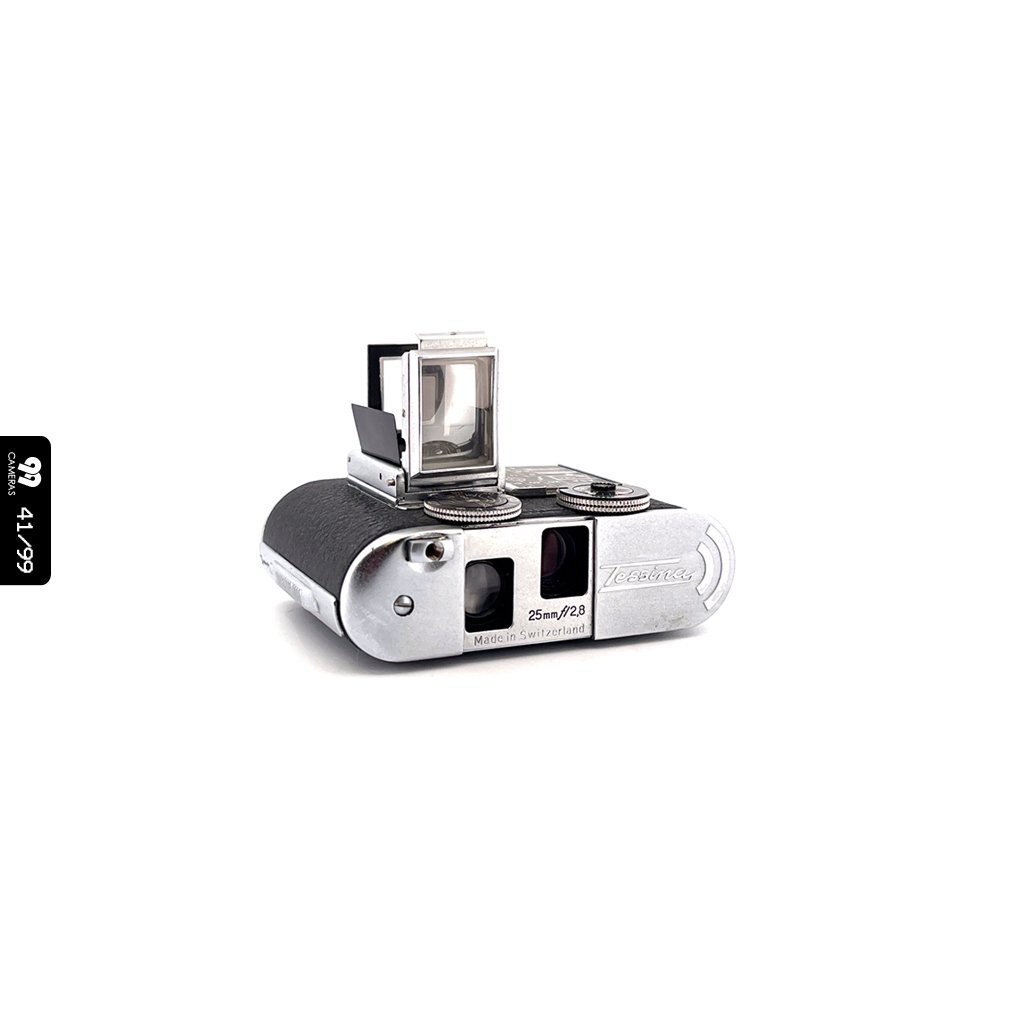
An Austrian chemist and inventor, Steineck created the ABC wristwatch camera in 1948, which took round pictures on a disc of film. He then designed the Tessina, a tiny twin-lens reflex with a clockwork motor made with Swiss watchmaking precision in Lugano from 1957.
In the museum -
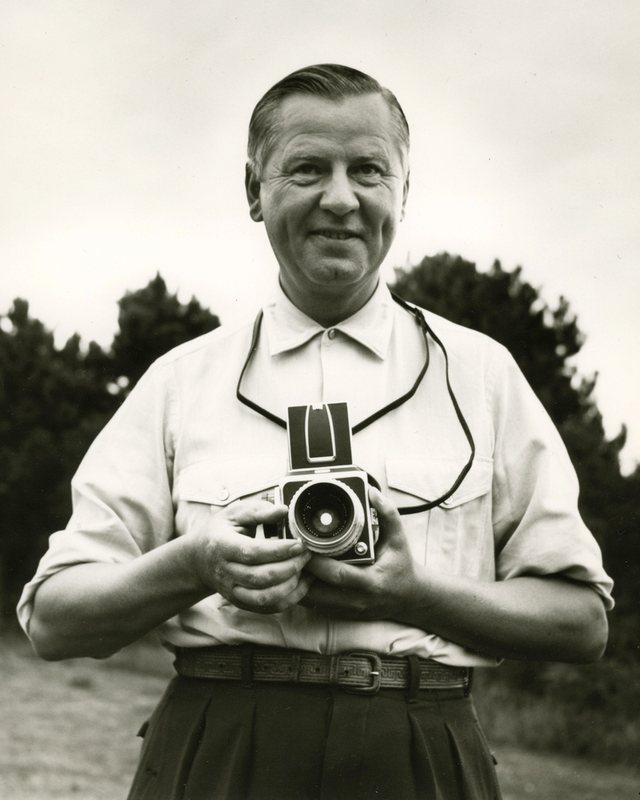
Victor Hasselblad
1906–1978 · Swedish
Founder of Hasselblad
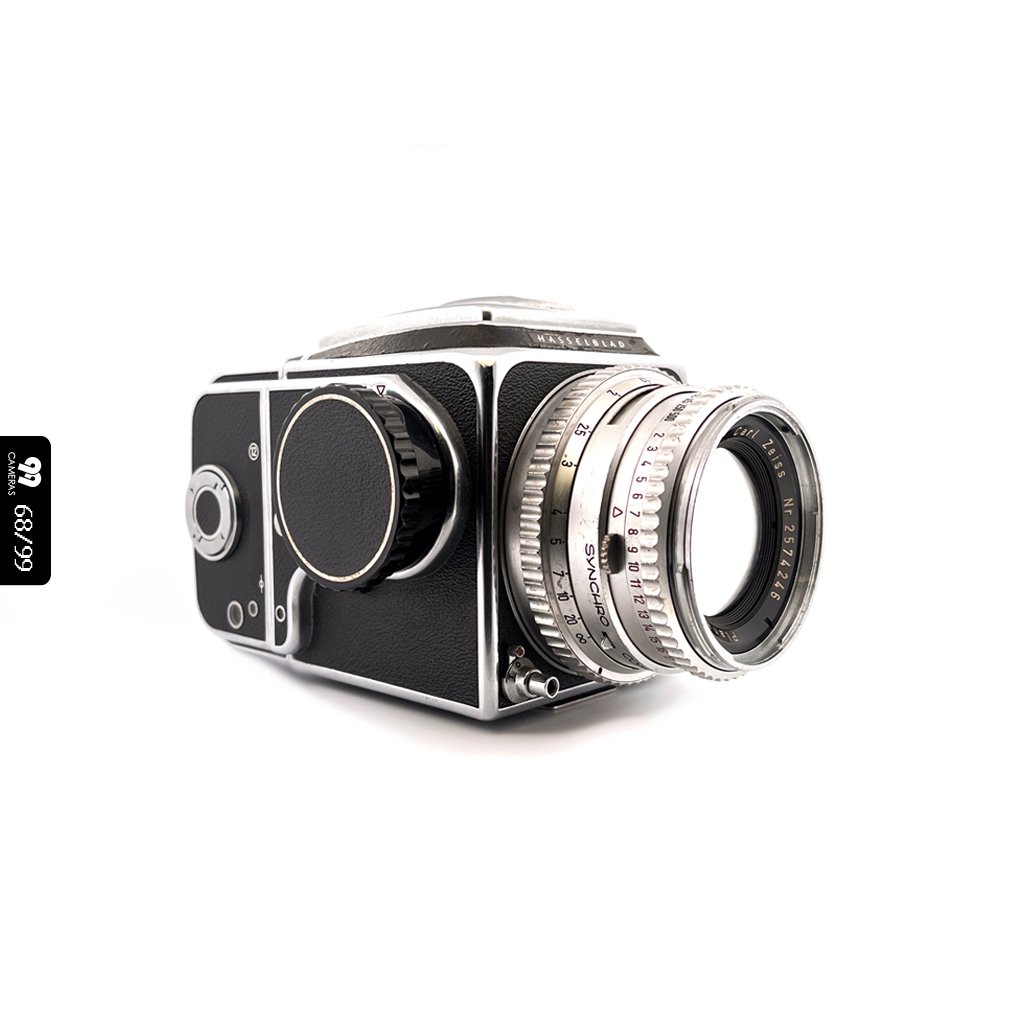
A Swedish photographer and bird lover from a trading family, Hasselblad built aerial cameras for the Swedish Air Force during the war. In 1948 he launched his own modular 6 × 6 camera; the 500 C of 1957 became the studio standard, and Hasselblads went to the Moon with the Apollo missions.
In the museum -
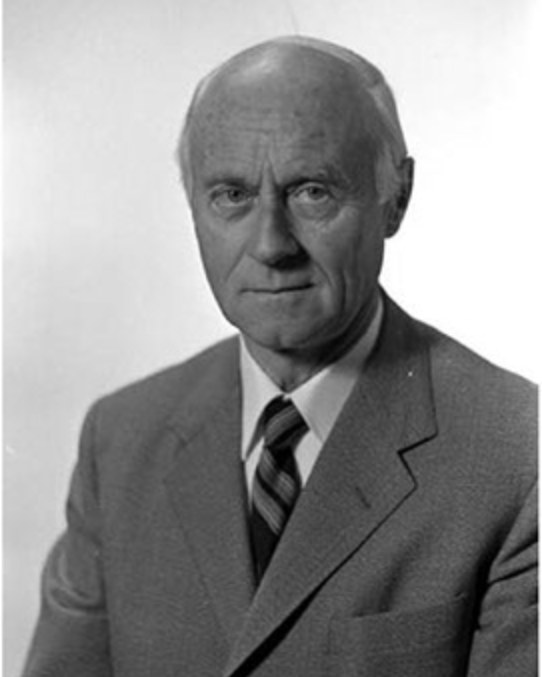
Willi Stein
1906–1976 · German
Lead designer of the Leica M3
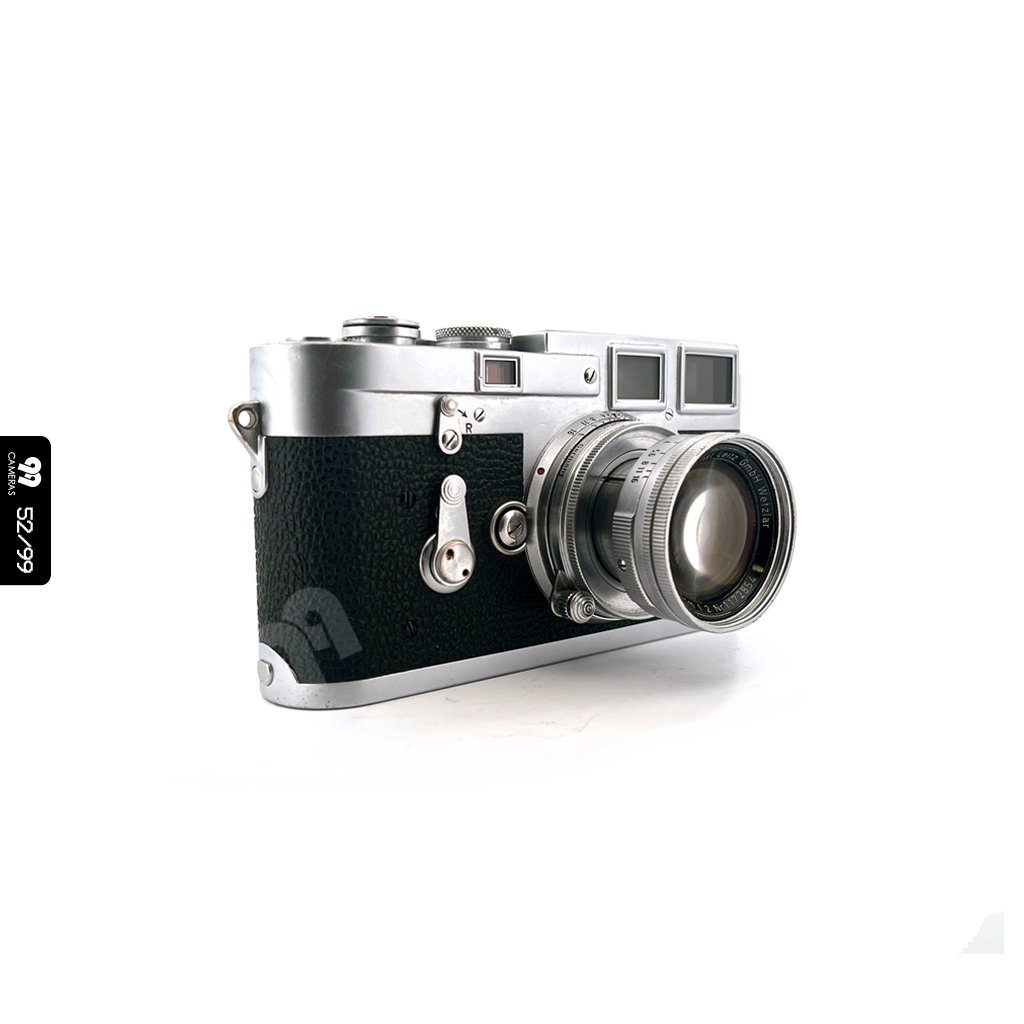
A Leitz engineer, Willi Stein is credited with leading the design of the Leica M3 of 1954. With its bright combined finder, bayonet mount and lever wind, the M3 set the pattern of the Leica M cameras for more than half a century.
In the museum -
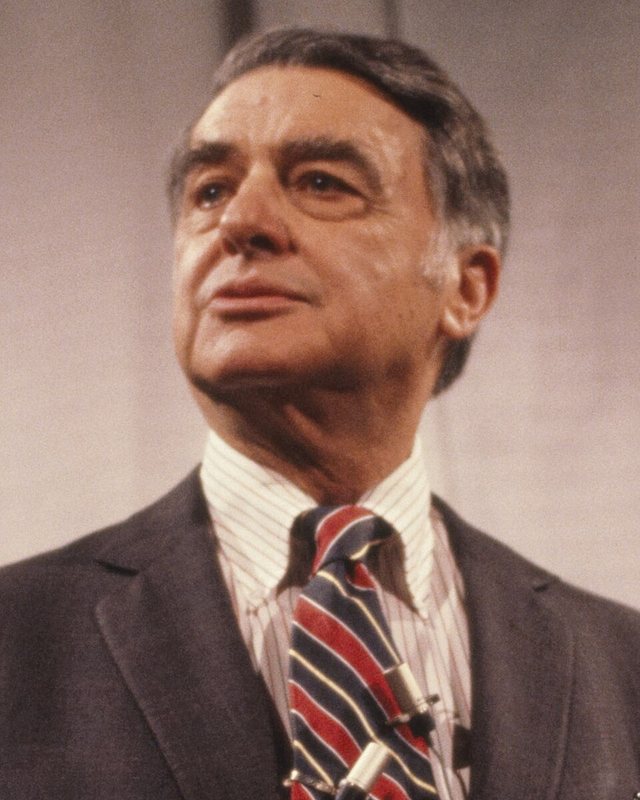
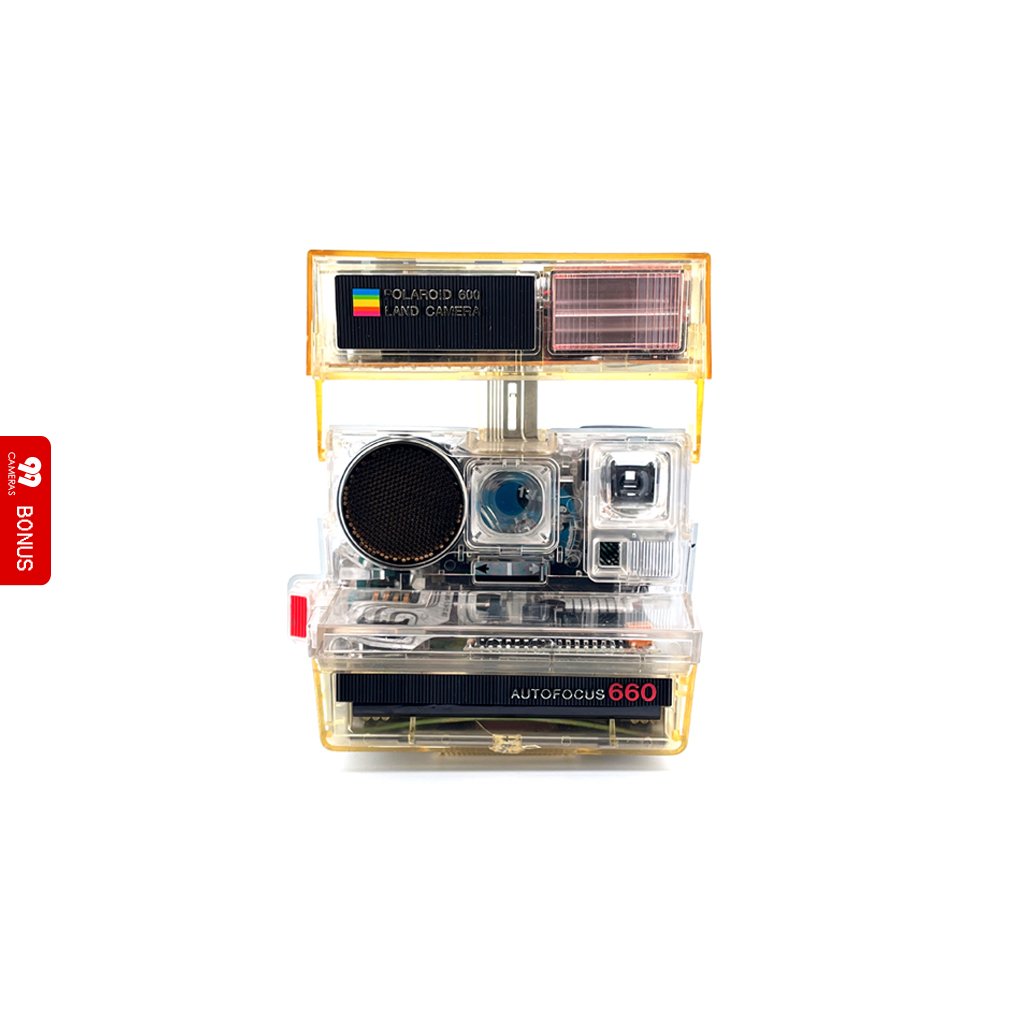
Edwin H. Land
1909–1991 · American
Inventor of instant photography
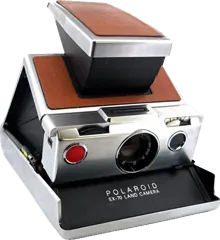
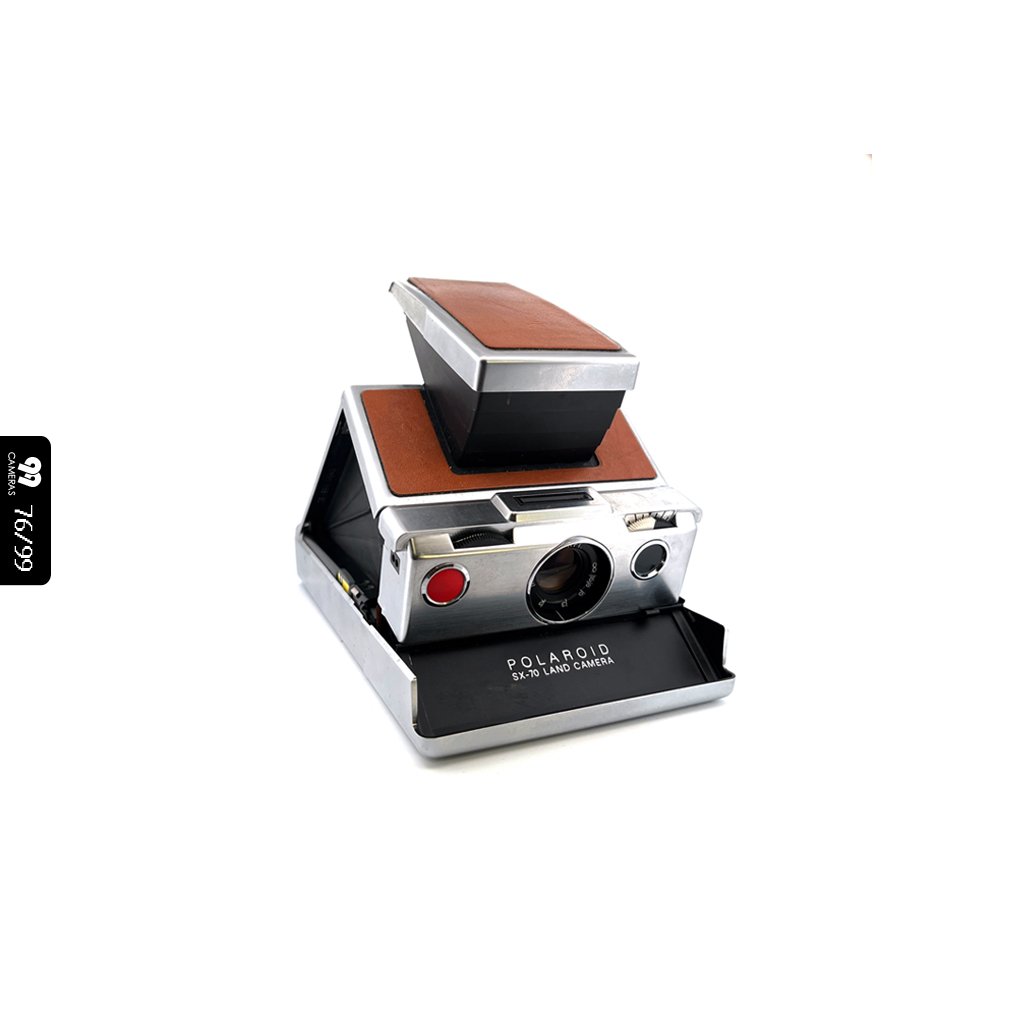
A scientist who left Harvard to work on polarising filters, Land founded Polaroid in 1937. Asked by his daughter why she could not see a picture right away, he invented instant photography, launched in 1948. The folding SX-70 of 1972, which ejected self-developing colour prints, was his masterpiece.
In the museum -
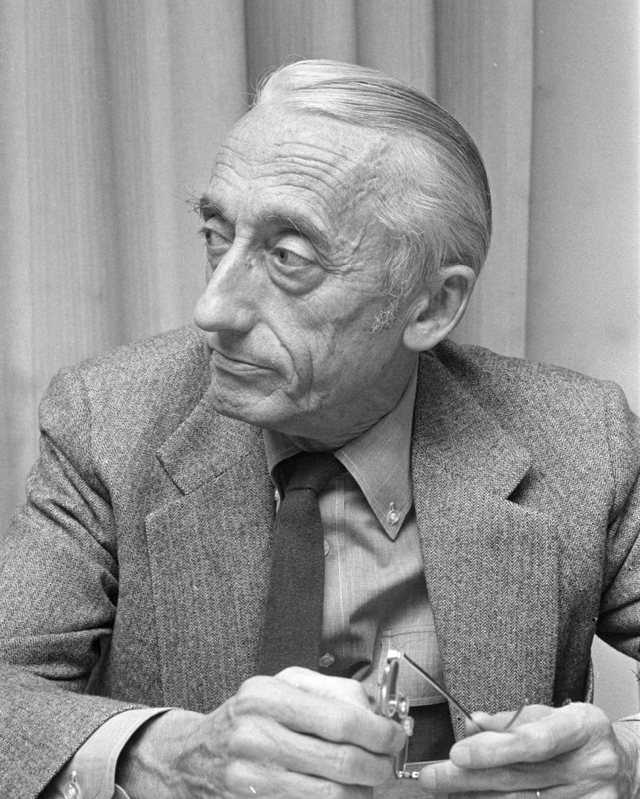
Jacques-Yves Cousteau
1910–1997 · French
Explorer of the sea and the Calypso camera
A French naval officer, Cousteau co-invented the Aqua-Lung in 1943 and opened the underwater world to millions through his films. Wanting a camera that could dive without a bulky housing, he had one designed by Jean de Wouters: the Calypso, named after his ship.
In the museum -
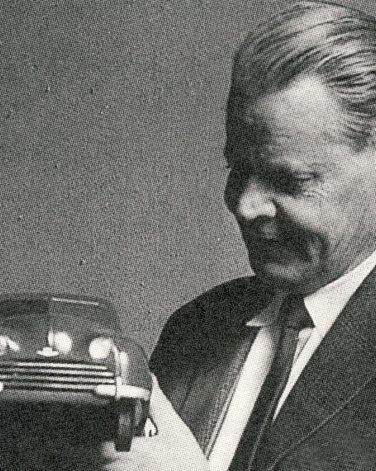
Sixten Sason
1912–1967 · Swedish
Designer of the Hasselblad shape
A Swedish industrial designer and illustrator, Sason gave the first Hasselblad of 1948 its compact, cube-like form, which the 500 C kept. He also designed the first Saab car, the Saab 92, and products for Electrolux and Husqvarna.
In the museum -
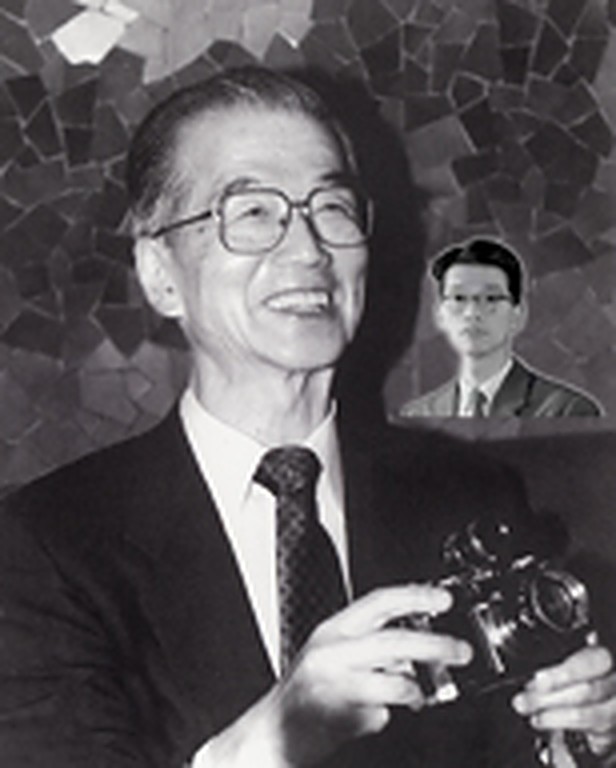
Masahiko Fuketa
1913–2001 · Japanese
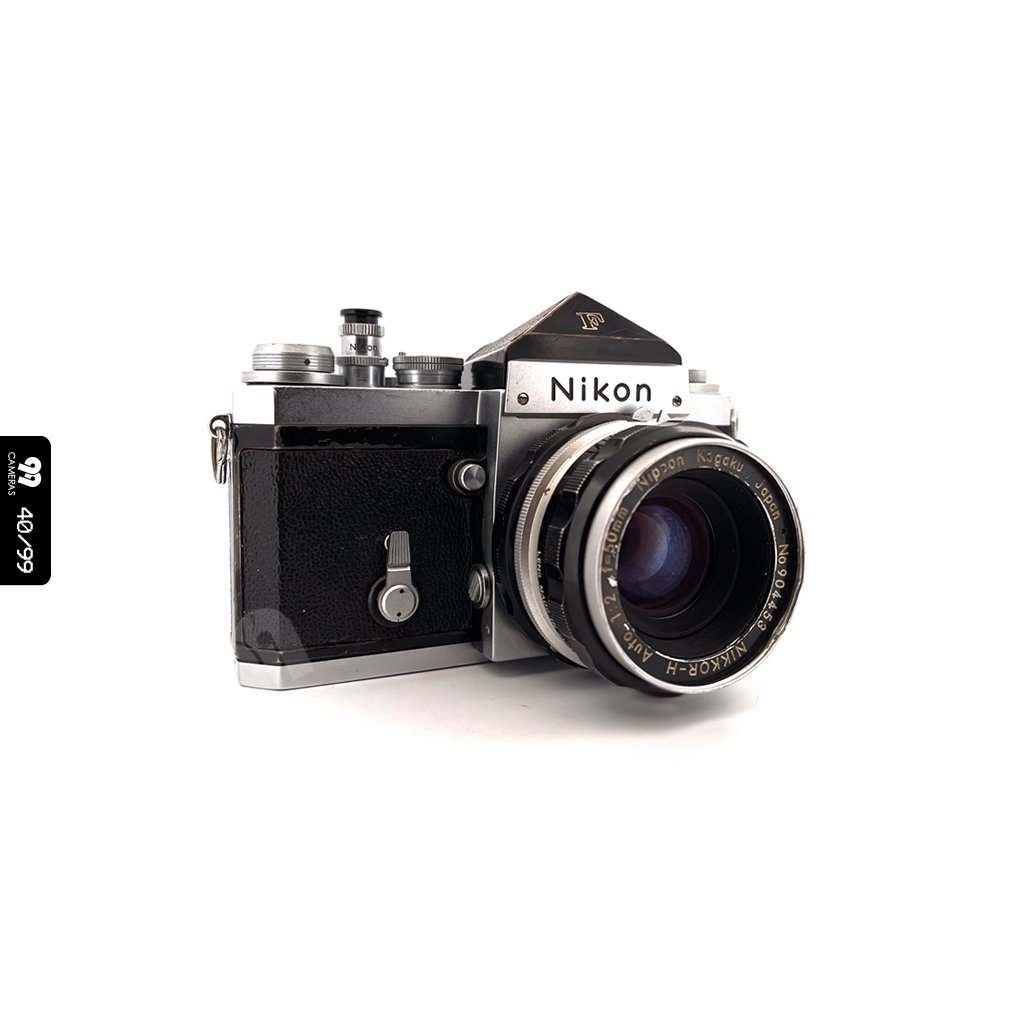
Chief designer of the Nikon F
An engineer at Nippon Kogaku, Fuketa led the design of the Nikon F of 1959, a single-lens reflex built as a complete system of lenses, finders and motor drives. Tough and reliable, it became the camera of photojournalists, including in Vietnam.
In the museum -
Paul Lachaize
1914–1987 · French
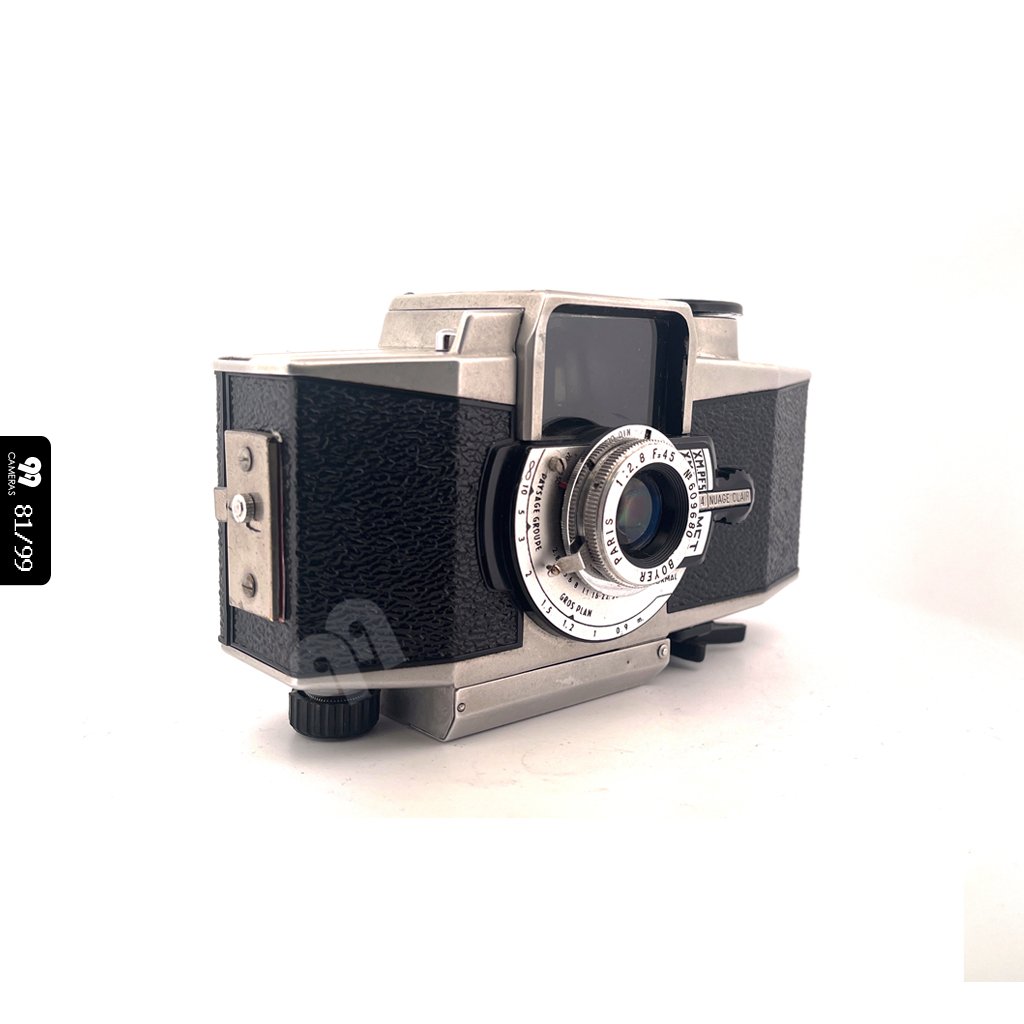
Creator of the Mecilux
A French engineer from the Lyon area, Lachaize created the Mecilux in the mid-1950s. To make exposure easy, he gave it a rotating barrel on which the user simply chose the weather, and he built a folding flash and a compartment for spare bulbs into the body.
In the museum -
Walter Kunik
1914–1986 · German
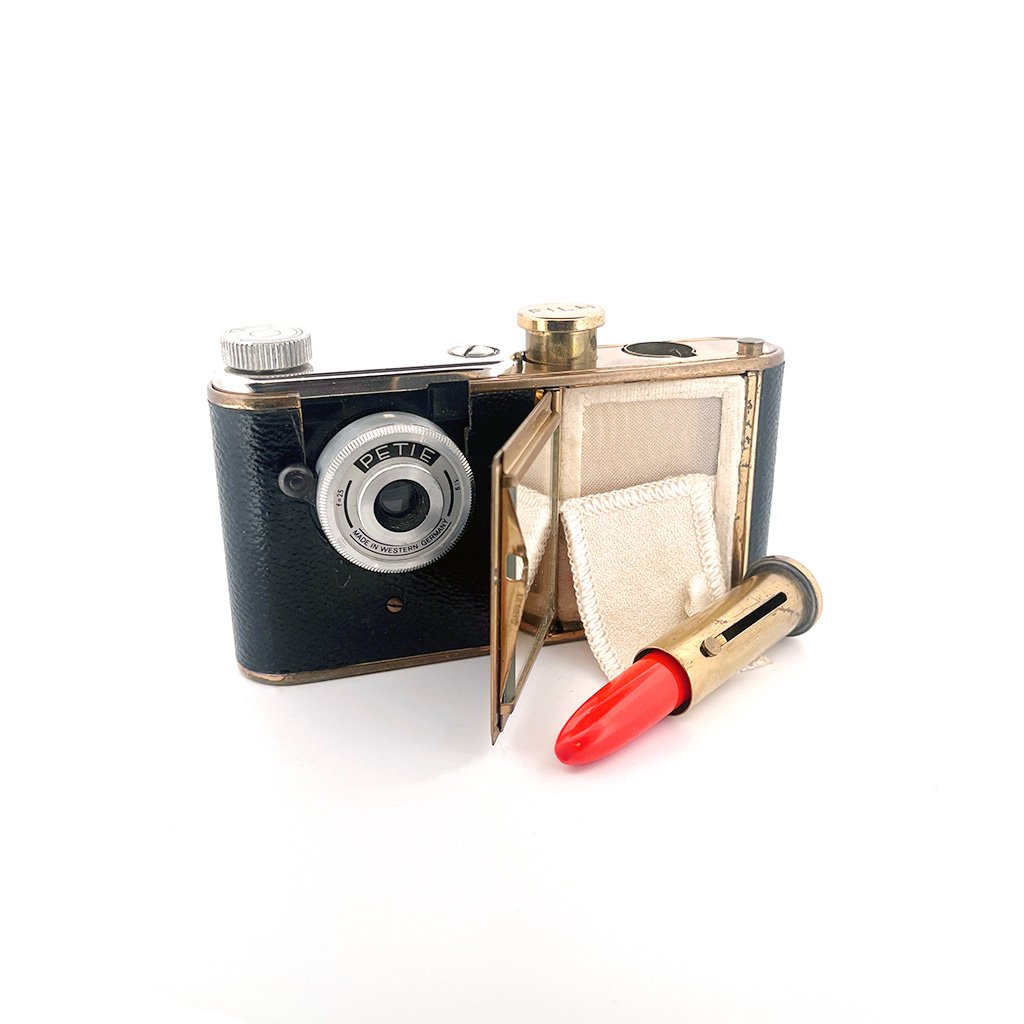
Maker of the Petie
Walter Kunik made small cameras in Frankfurt in the 1950s under the Petie name. His most famous creation, the Petie Vanity, hides a working camera inside a lady’s powder compact, complete with mirror, powder puff and lipstick holder.
In the museum -
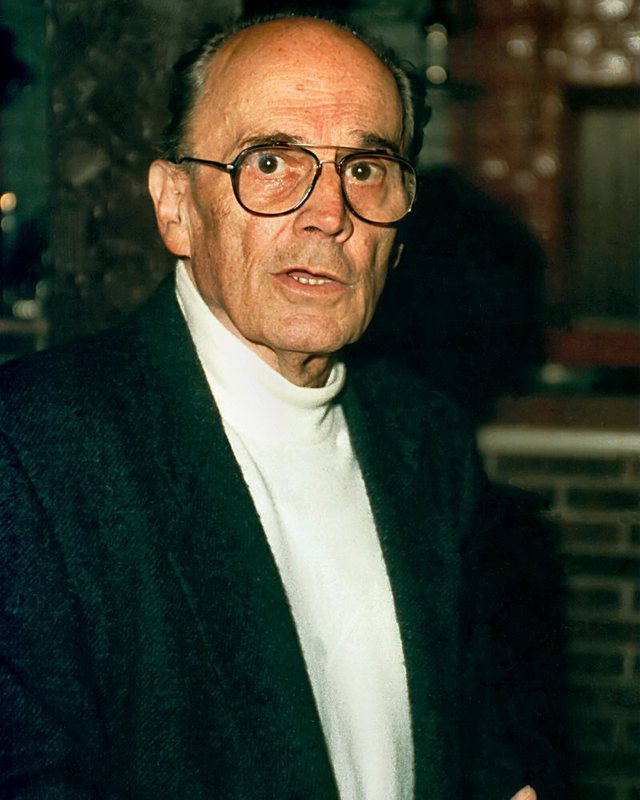
Photo: Hinnerk Rümenapf, CC BY-SA 3.0, via Wikimedia Commons Heinz Waaske
1924–1995 · German
Designer of the Rollei 35
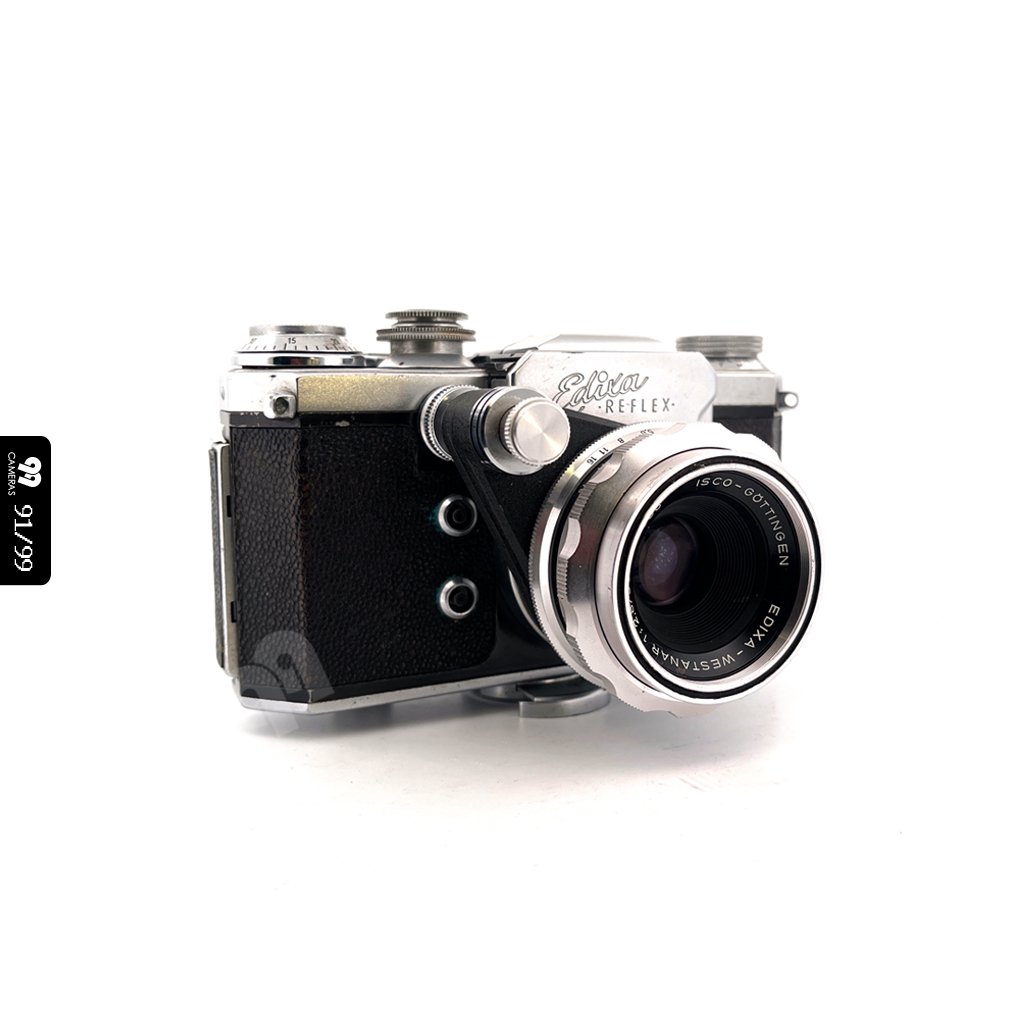
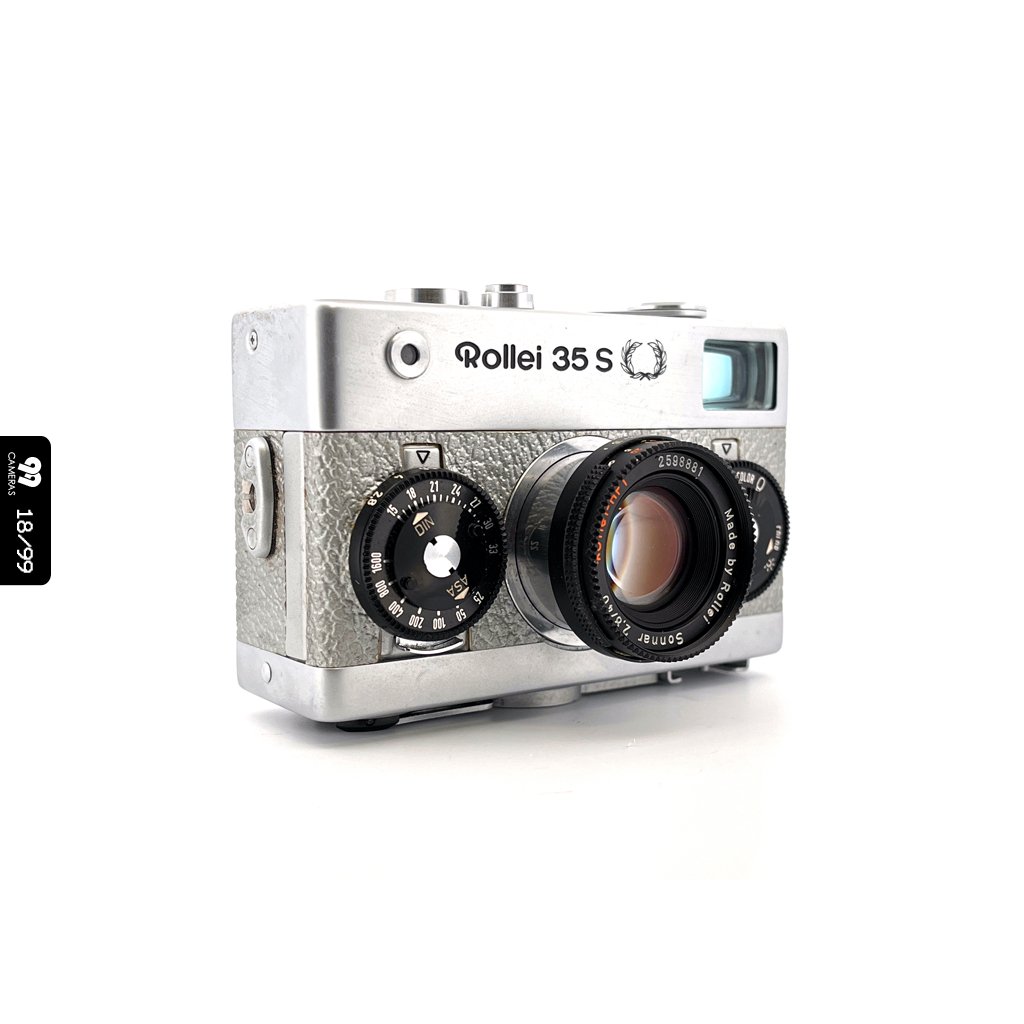
A self-taught mechanic who became chief engineer at Wirgin, Waaske designed the Edixa Reflex. In his spare time in the 1960s he developed a tiny full-frame 35 mm camera; turned down by Wirgin and by Leitz, it was taken up by Rollei and launched in 1966 as the Rollei 35.
In the museum -
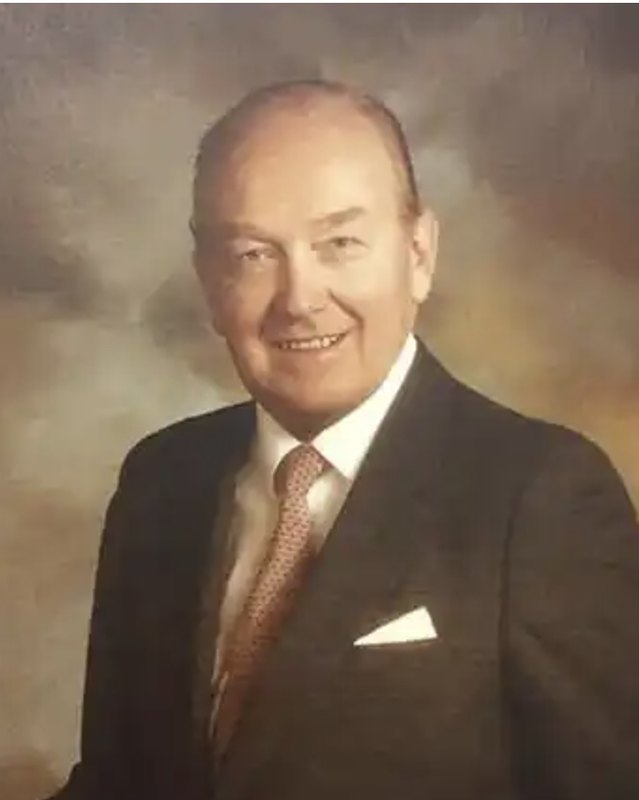
Kenneth Corfield
1924–2016 · British
Founder of Corfield and creator of the Periflex
A British engineer, Corfield founded his own company in 1948 near Wolverhampton. His Periflex of 1953 replaced the rangefinder with a small periscope that dropped down behind the lens for precise focusing. He later chaired the Engineering Council and was knighted.
In the museum -
Meroë Marston Morse
1924–1969 · American
Head of Polaroid’s black-and-white film research
An art history graduate who joined Polaroid in 1949, Morse became Edwin Land’s closest collaborator and led the laboratory that developed the company’s instant black-and-white films, including the fast and very sharp films used by Ansel Adams. She was one of the very few women at the head of research in the camera industry of her time.
In the museum -
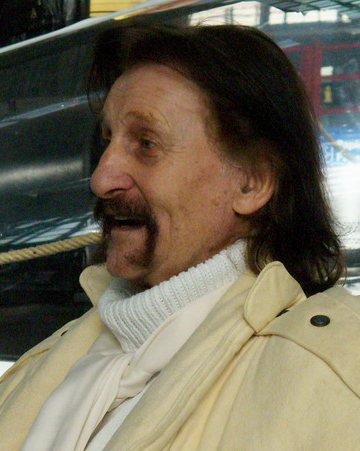
Photo: Enslin, CC BY 2.5, via Wikimedia Commons Luigi Colani
1928–2019 · German
Designer of the Canon T90
A German designer famous for his flowing, organic “biodesign”, Colani worked on cars, aircraft, furniture and pianos. His collaboration with Canon shaped the T90 of 1986, whose rounded, hand-fitting body influenced the look of almost every camera that followed.
In the museum -
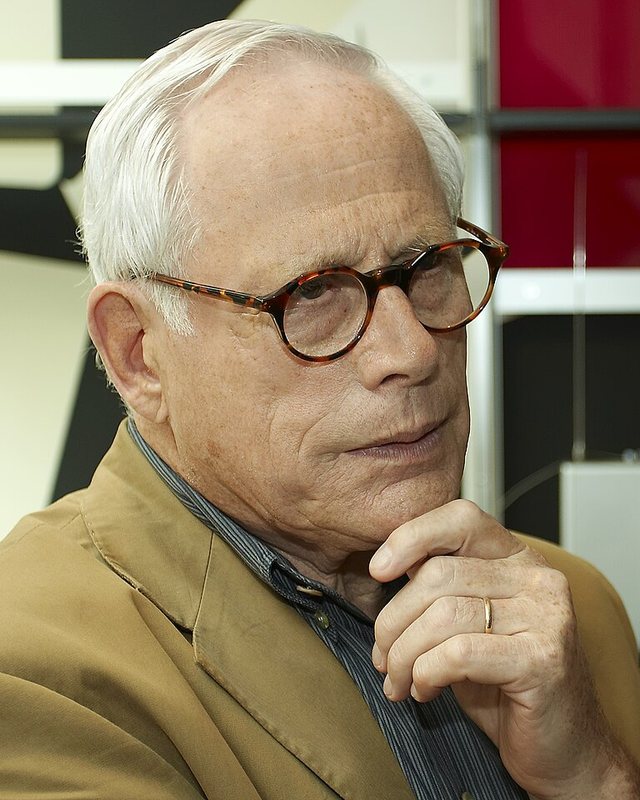
Photo: Vitsœ, CC BY-SA 3.0, via Wikimedia Commons Dieter Rams
born 1932 · German
Designer of Braun
Head of design at Braun for decades, Rams created radios, record players, calculators and cine cameras of extreme clarity. His “ten principles of good design”, summed up as “less, but better”, remain a reference for designers of cameras and digital devices alike.
-
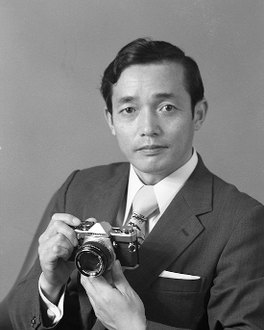
Photo: Olympus (via Wikipedia) Yoshihisa Maitani
1933–2009 · Japanese
Designer of the Pen and the OM
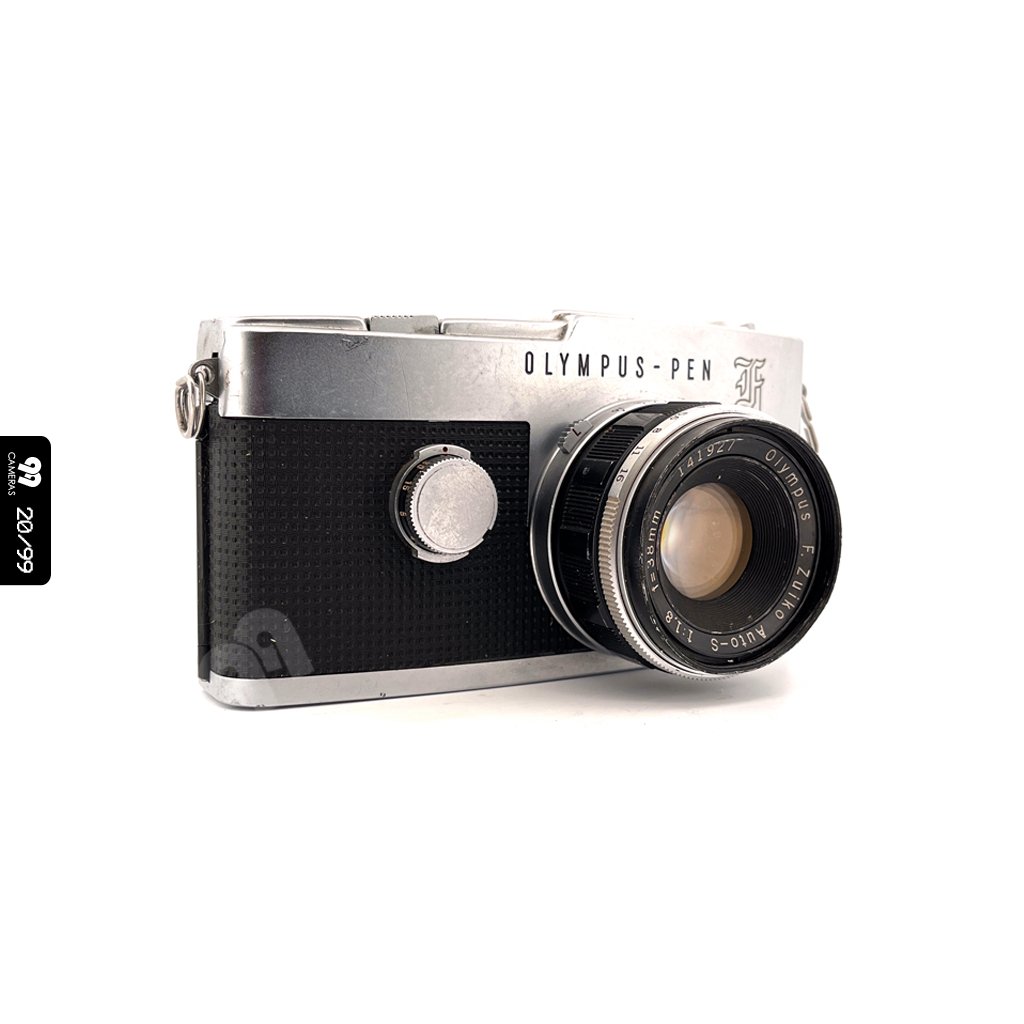
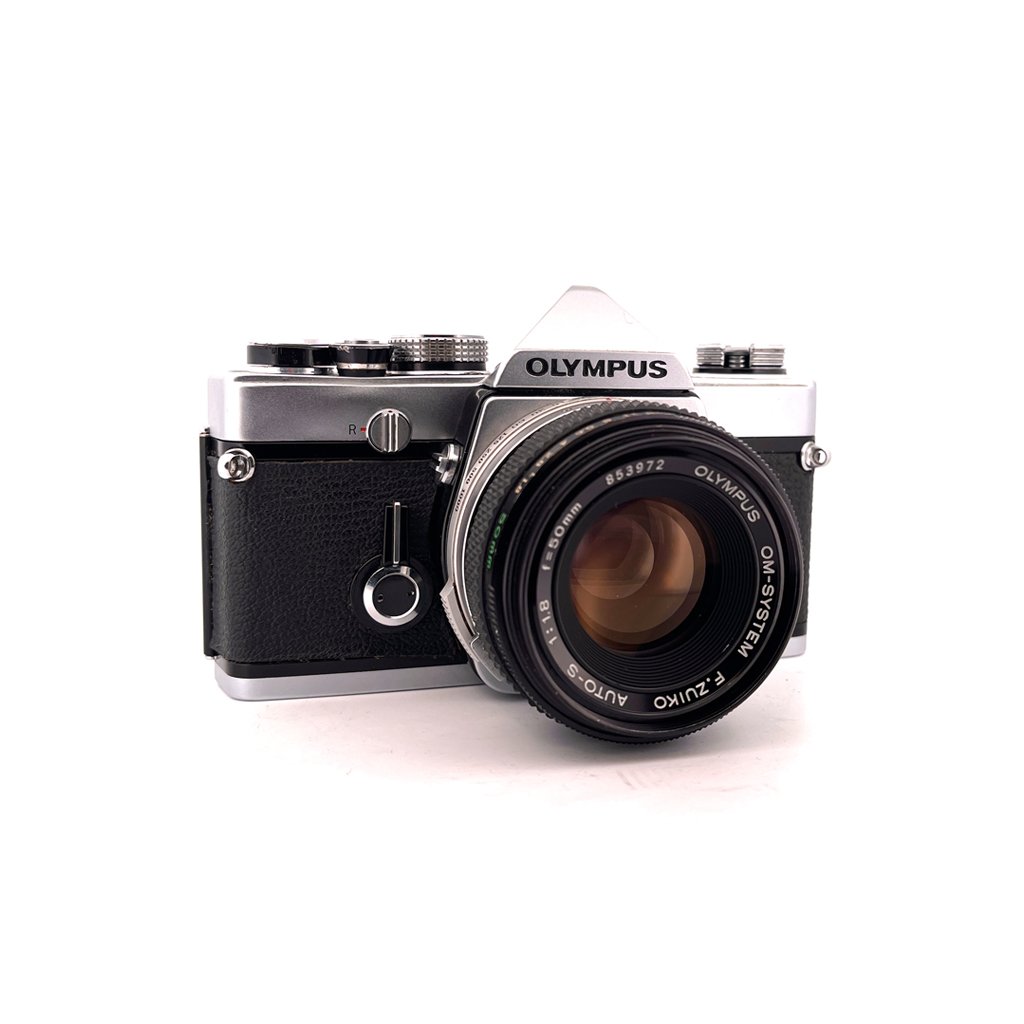
Joining Olympus as a young engineer, Maitani was asked to design a camera that would sell for under 6,000 yen. The result, the half-frame Pen of 1959, was a huge success, followed by the Pen F single-lens reflex in 1963 and the compact OM-1 in 1972, which made SLRs small and light.
In the museum -
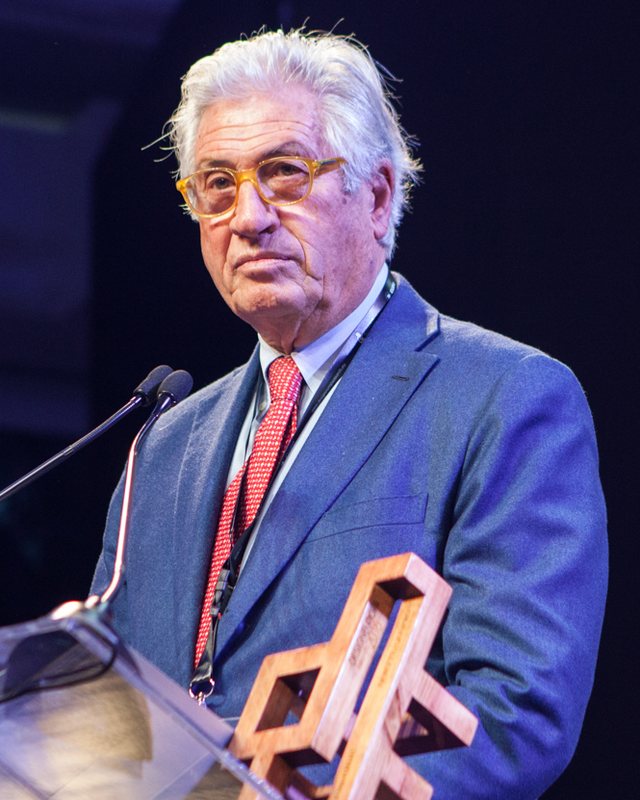
Photo: Mitjagodnic, CC BY-SA 4.0, via Wikimedia Commons Giorgetto Giugiaro
born 1938 · Italian
Designer of the Nikon F3
One of the great Italian car designers, author of the Volkswagen Golf, the Fiat Panda and the DeLorean, Giugiaro was asked by Nikon to style the F3 of 1980. Its small red stripe on the grip became a Nikon signature for decades.
In the museum -
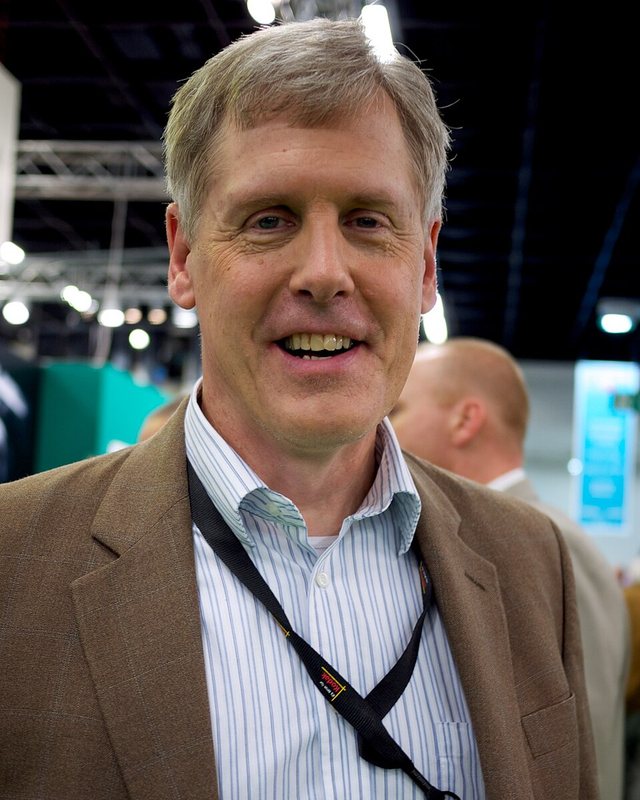
Photo: Aljawad, CC BY 3.0, via Wikimedia Commons Steven Sasson
born 1950 · American
Inventor of the digital camera
A young engineer at Kodak, Sasson built the first self-contained digital camera in 1975: it weighed nearly 4 kg, recorded a 0.01-megapixel black-and-white image on cassette tape and took 23 seconds per picture. The invention eventually ended the film era it came from.
In the museum

Plan your visit
Visit is free and open to all
- Opening hoursMonday – Saturday : 10 – 17:30
- AddressStudio Harcourt, 6 Rue de Lota, 75116 Paris
- Exceptional closuresMonday, 16 November 2026Tuesday, 17 November 2026Thursday, 19 November 2026Thursday, 26 November 2026