History
Film formats
Every camera was built around a film. From glass plates to 35 mm and instant film, here are the formats the cameras of the museum were made for, when they appeared, and whether you can still buy them today. Below each one are the cameras of the museum that take it.
-
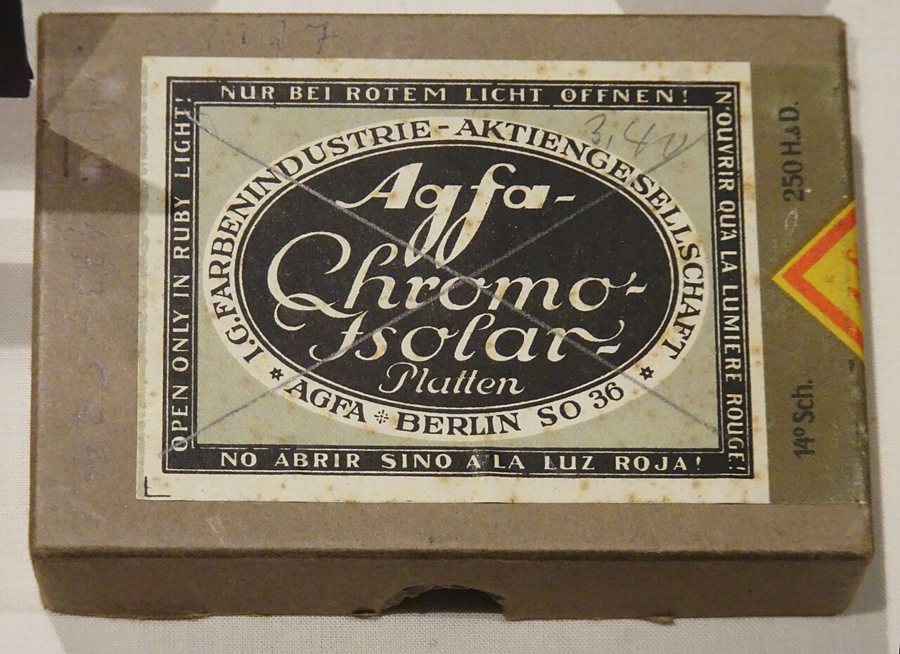
Photo: Holger.Ellgaard, CC BY-SA 4.0, Wikimedia Commons Glass plates
since 1878Made by small producersBlack and whiteColour from 1907
4 × 4 cm9 × 12 cm18 × 24 cm Before film, photographs were taken on glass plates coated with a light-sensitive emulsion. The ready-made gelatin dry plate of the late 1870s freed photographers from preparing them on the spot, and plates stayed in use well into the 20th century. Each plate is loaded one at a time in a holder. A few artisans still coat them today.
-
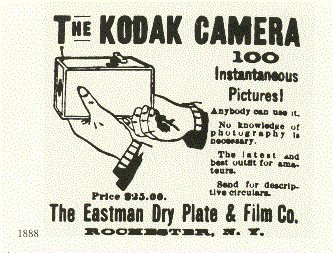
Photo: Kodak advertisement, 1888, Public domain, Wikimedia Commons The first Kodak roll (1888)
1888DiscontinuedBlack and white
Ø 64 mm George Eastman’s Kodak of 1888 came loaded with a roll for 100 round pictures, 64 mm across. Once the roll was finished, the whole camera was sent back to Rochester, where the pictures were developed and printed and the camera reloaded: “You press the button, we do the rest.” The first rolls were paper-based; transparent celluloid film followed in 1889. Photography was no longer reserved for specialists.
-
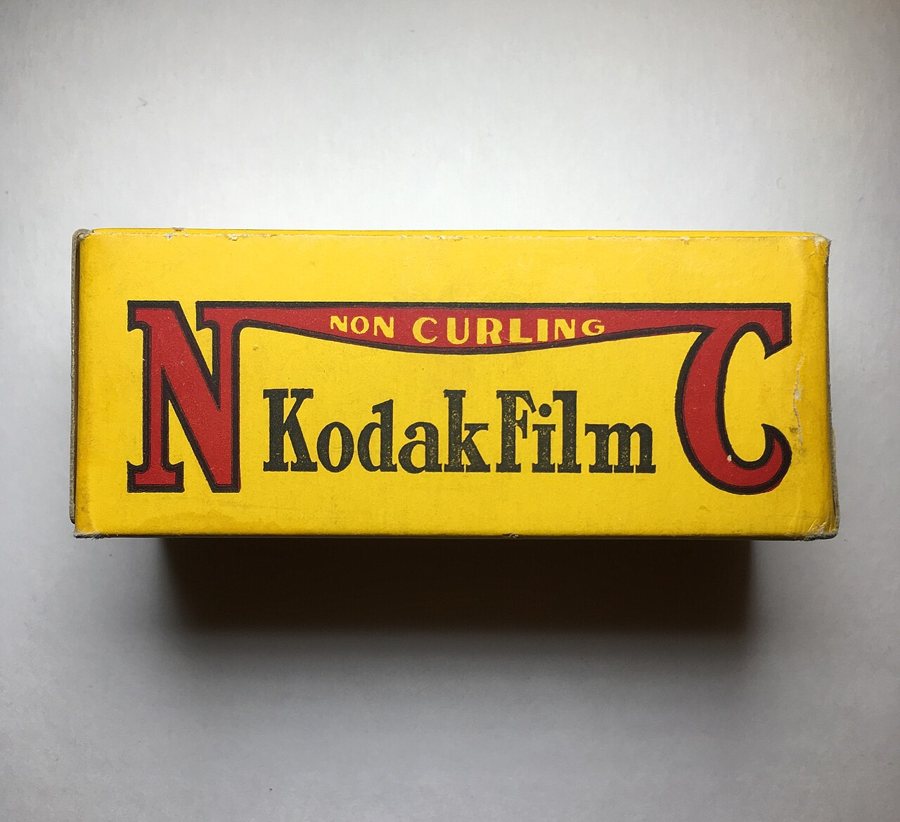
Photo: Thistle33, CC BY-SA 4.0, Wikimedia Commons 116 and 616
1899–1984DiscontinuedBlack and whiteColour from 1942
6.5 × 11 cm Kodak’s 116 roll film of 1899 gave large postcard-like negatives in folding cameras and box cameras. The 616 of 1932 is the same film on a thinner spool, for more compact cameras. Both were discontinued in 1984.
-
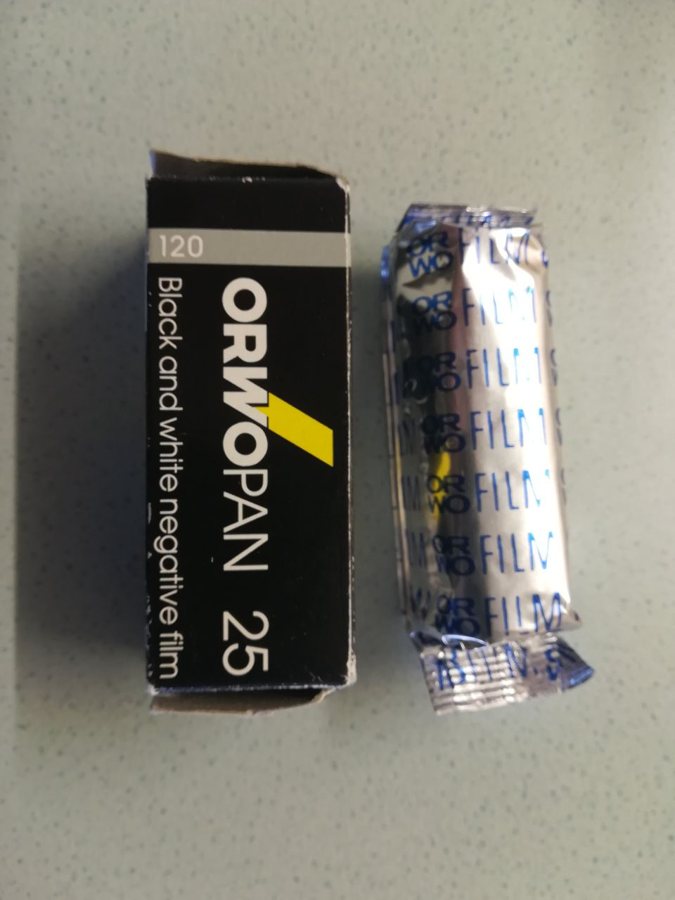
Photo: Oliopinto, CC BY-SA 4.0, Wikimedia Commons 120
since 1901Still madeBlack and whiteColour
6 × 4.5 cm6 × 6 cm6 × 7 cm6 × 9 cm Launched by Kodak in 1901 for the Brownie No. 2, 120 roll film is the great survivor: it is still made today and remains the film of medium format, from Rolleiflex twin-lens reflexes to the Hasselblad. Wound with a paper backing, it gives 8 to 16 pictures depending on the camera. A double-length version, 220, appeared in 1965 and has practically disappeared.
In the museum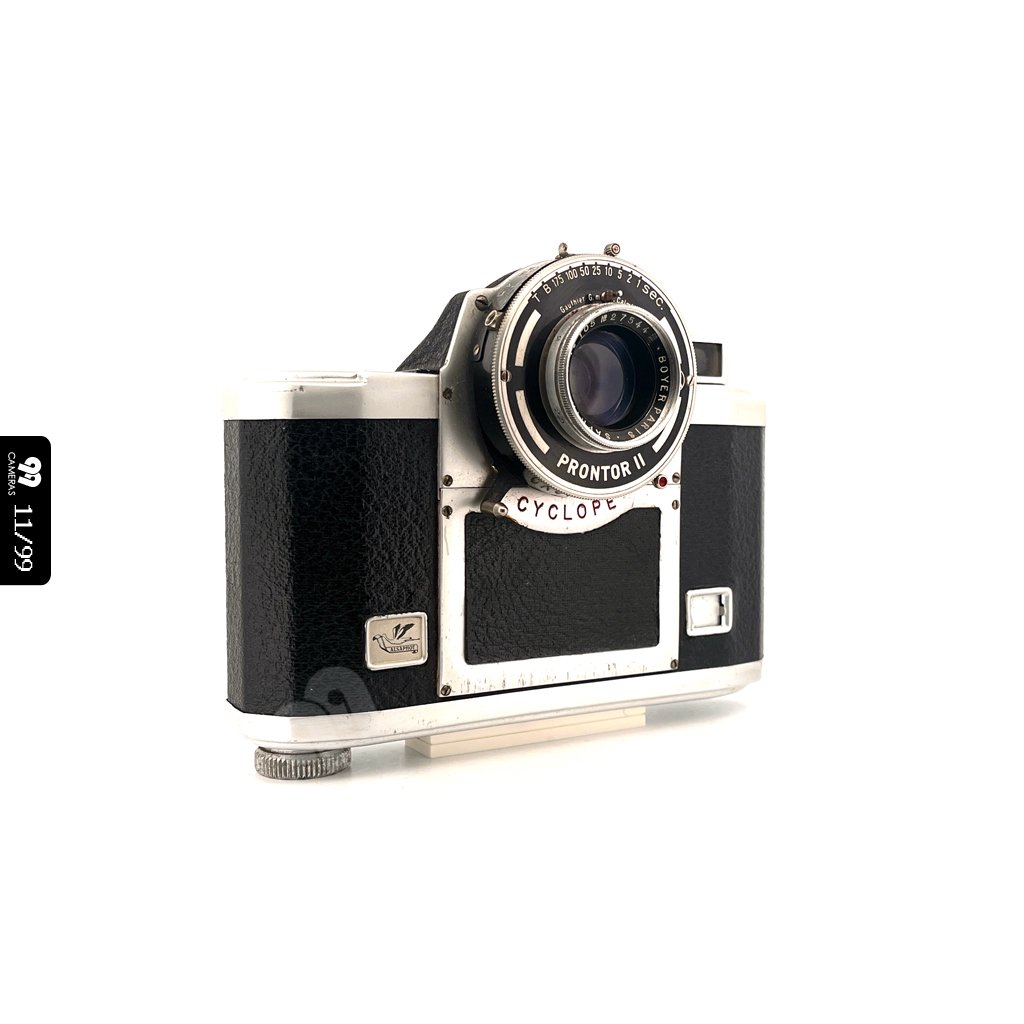 Alsaphot Cyclope 1952
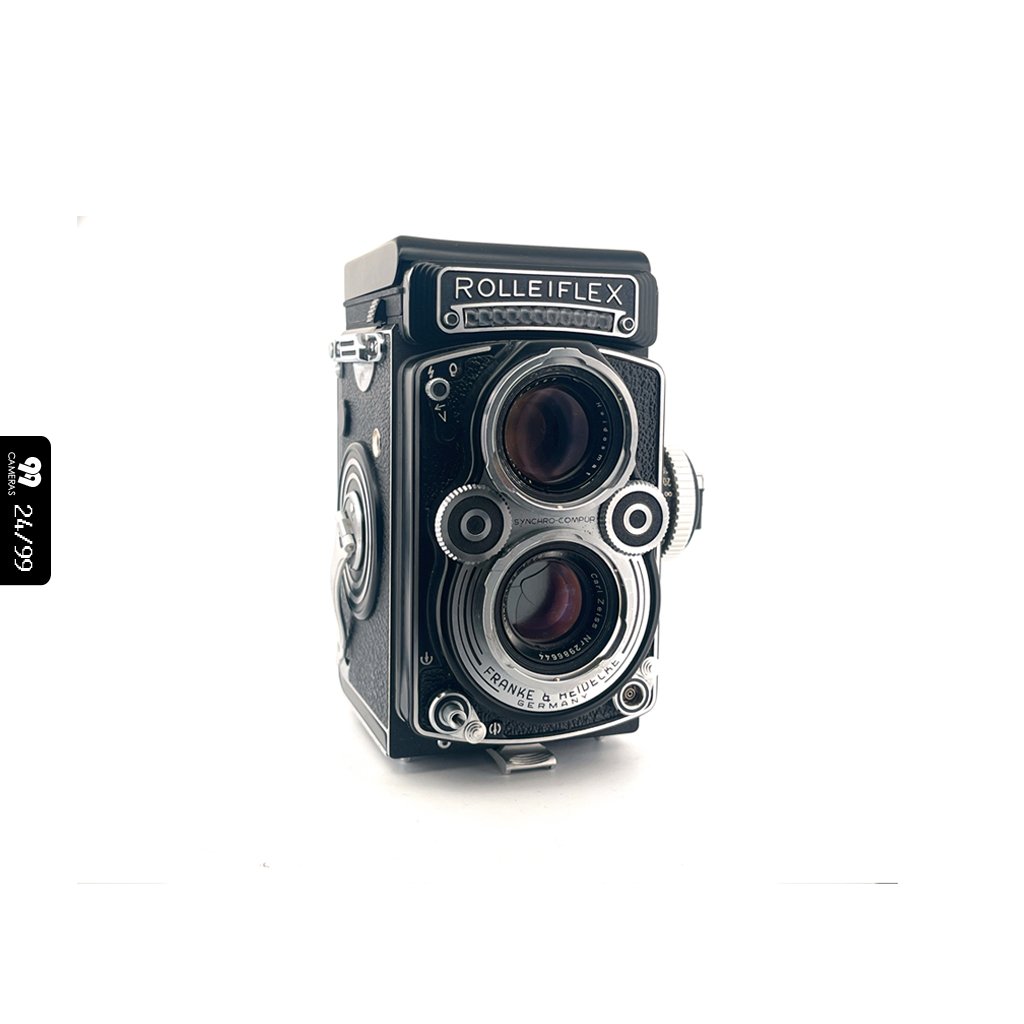 Rolleiflex 1960
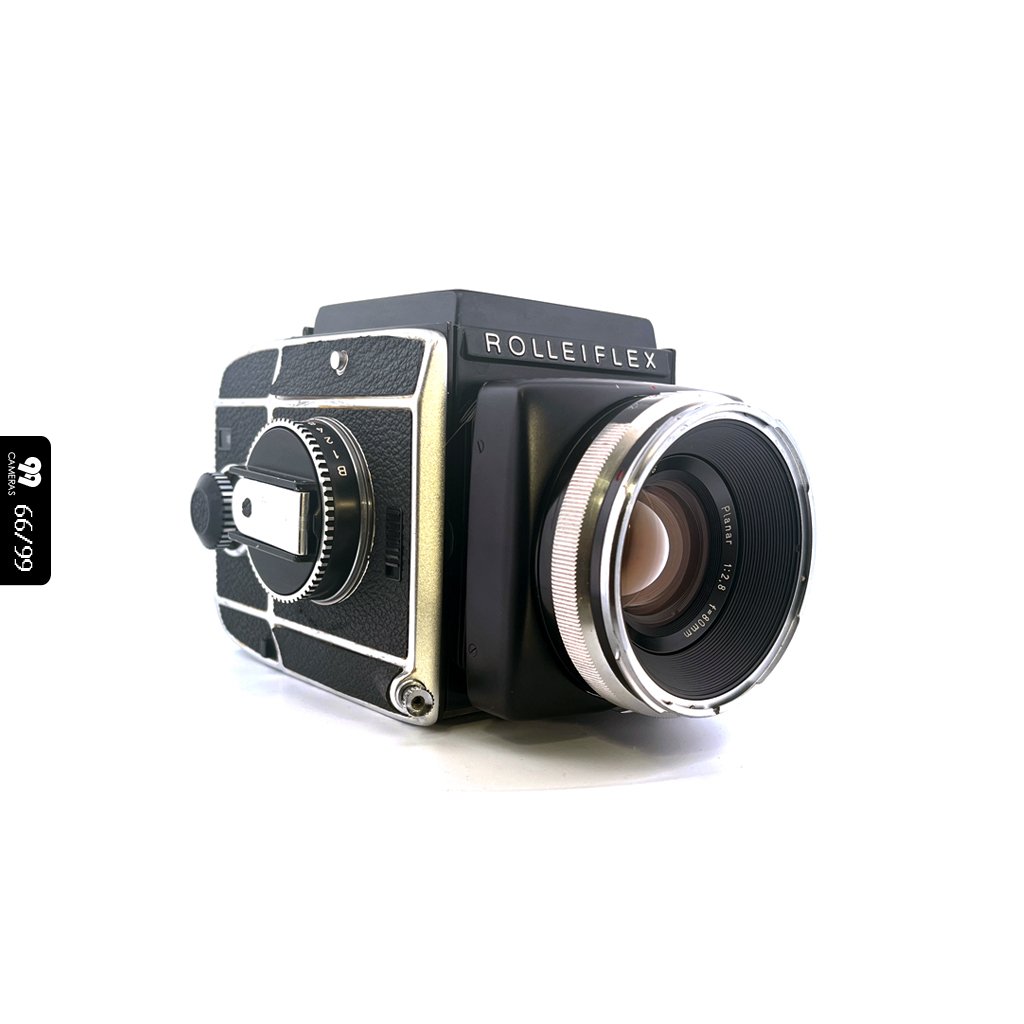 Rolleiflex SL66 1966
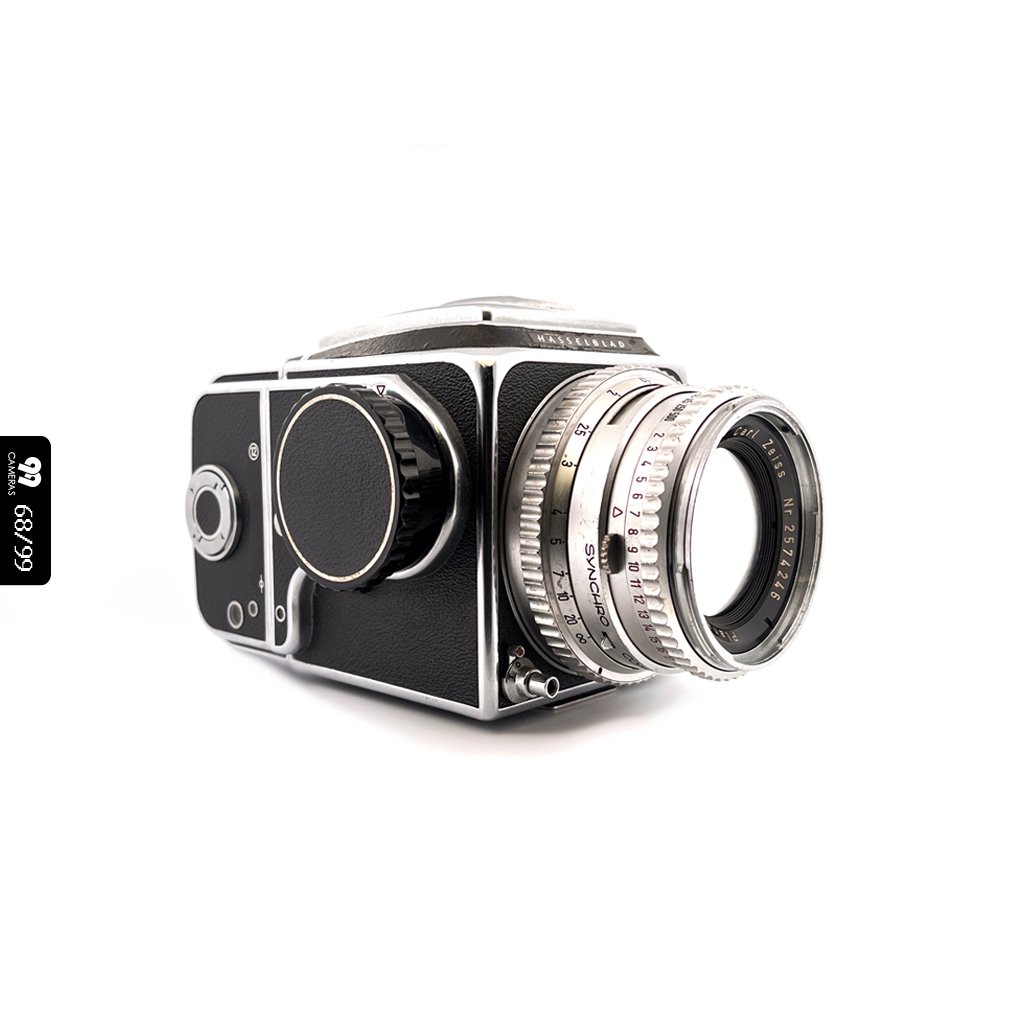 Hasselblad 500 C 1957
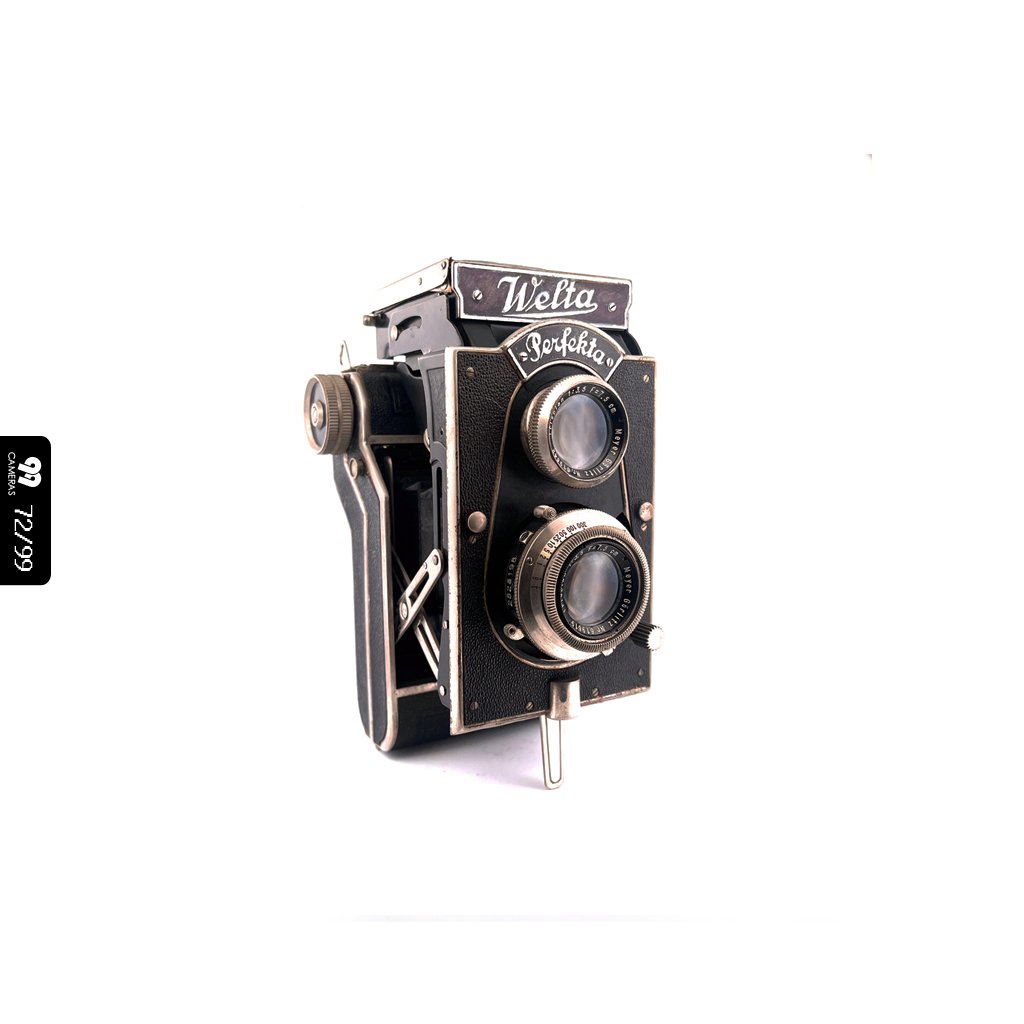 Welta Perfekta 1934
and 4 more
-
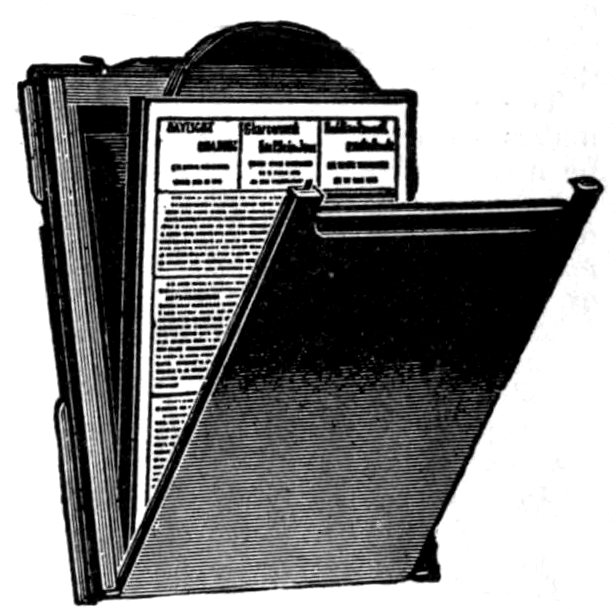
Photo: Encyclopædia Britannica, 1911, Public domain, Wikimedia Commons Film pack
1903DiscontinuedBlack and white
6.5 × 9 cm9 × 12 cm Launched as the Premo Film Pack in 1903, the film pack held a stack of about twelve thin cut films in a flat box that slid into a plate camera in place of the plate holder. After each picture, the photographer pulled a paper tab and the next sheet came into place, in daylight. Lighter than glass plates, film packs were used until the 1950s, then disappeared.
-
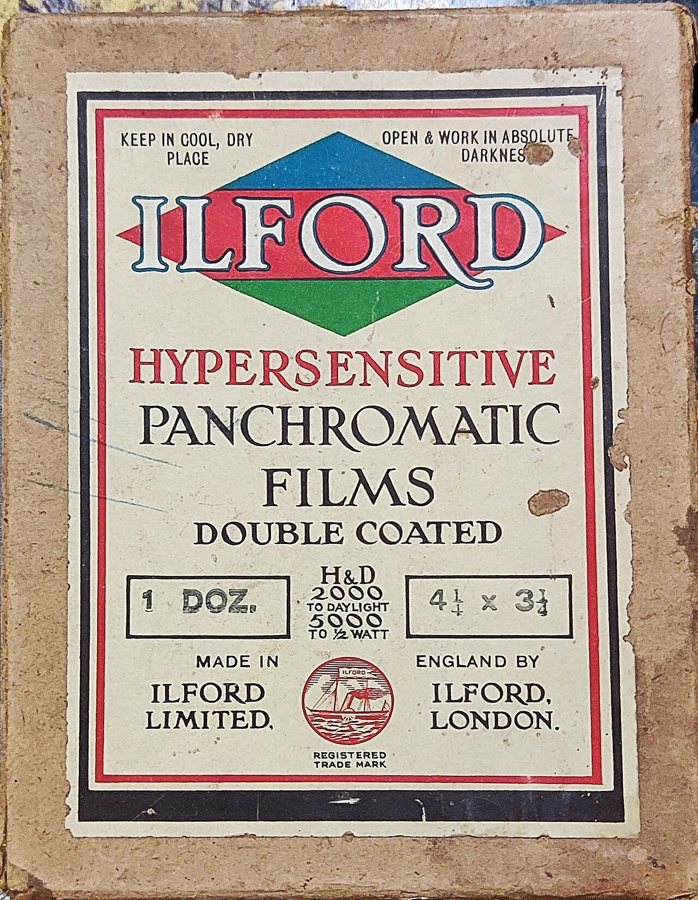
Photo: Shyamal L., CC0, Wikimedia Commons Sheet film
Still madeBlack and whiteColour
4 × 5 in5 × 7 in8 × 10 in Sheets of film cut to the size of glass plates gradually replaced them in the first half of the 20th century: they were lighter, unbreakable and loaded into the same kind of holder, one sheet at a time. Sheet film is the film of large-format view cameras, used for architecture, landscape and studio work, and it is still made today, mostly in 4 × 5 and 8 × 10 inches.
-
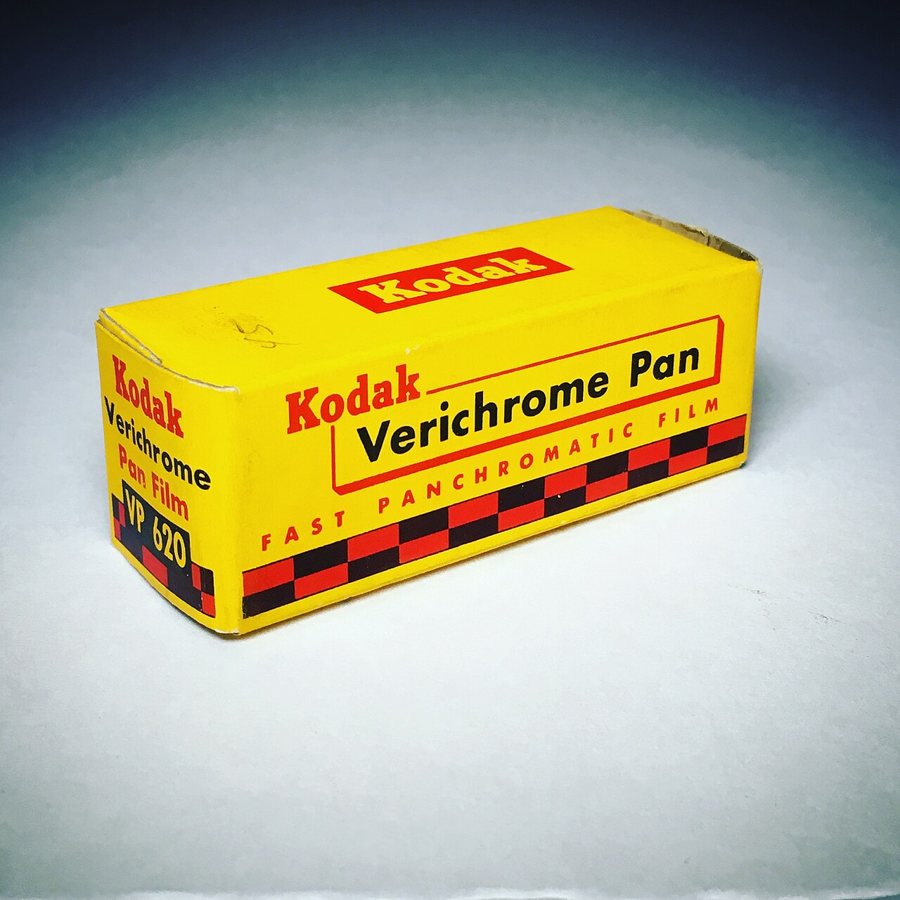
Photo: Thistle33, CC BY-SA 4.0, Wikimedia Commons 620
1931–1995Made by small producersBlack and whiteColour
6 × 6 cm6 × 9 cm Introduced by Kodak in 1931, 620 is the same film as 120 on a thinner metal spool, which let Kodak make smaller cameras and keep their owners buying Kodak film. It was discontinued in 1995; today 120 film is rewound onto 620 spools by small suppliers.
-
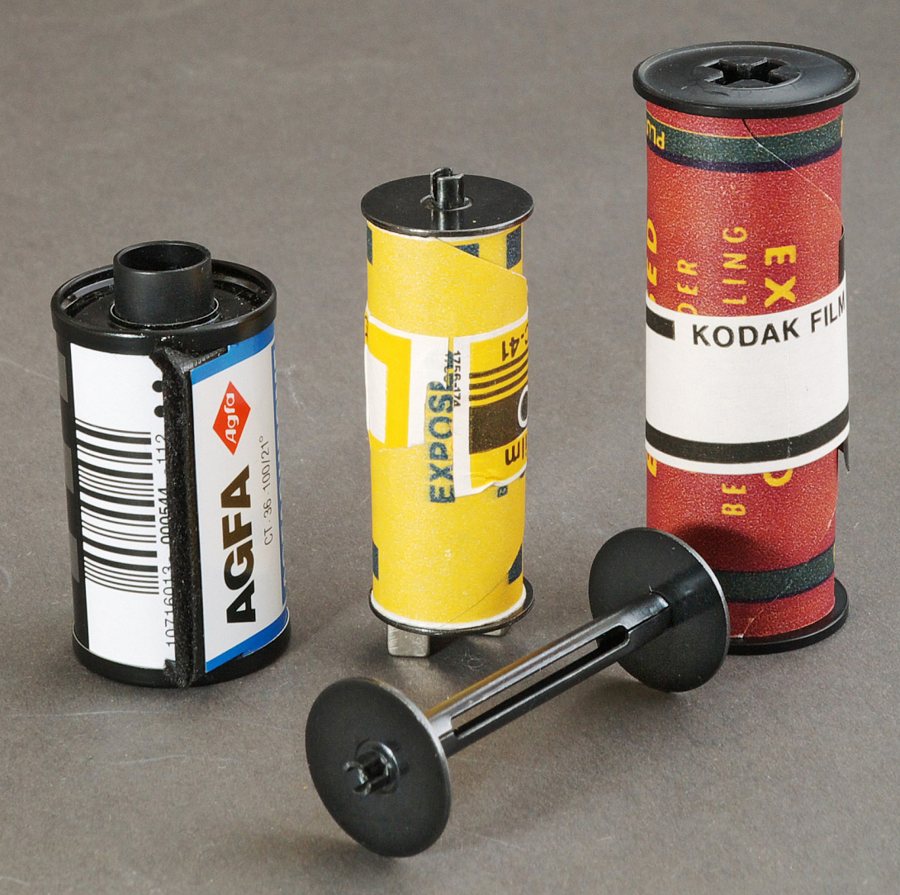
Photo: smial, FAL, Wikimedia Commons 127
since 1912Made by small producersBlack and whiteColour
3 × 4 cm4 × 4 cm4 × 6.5 cm Kodak created 127 roll film in 1912 for its Vest Pocket Kodak, a camera small enough for a waistcoat pocket. It became the film of countless compact cameras of the 1930s to 1960s, from the Baby Rolleiflex to the Exakta. Kodak stopped in 1995, but small manufacturers still produce it.
In the museum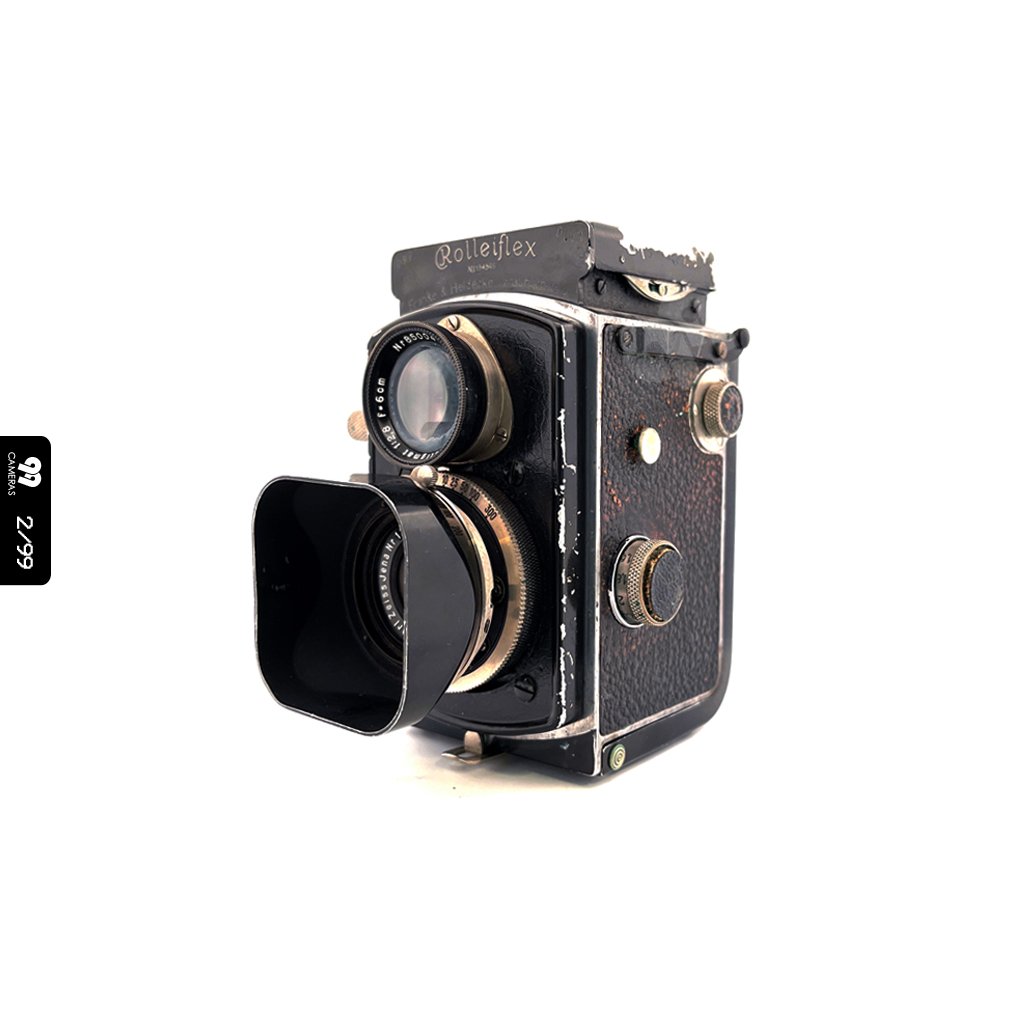 RolleiFlex Baby 1931
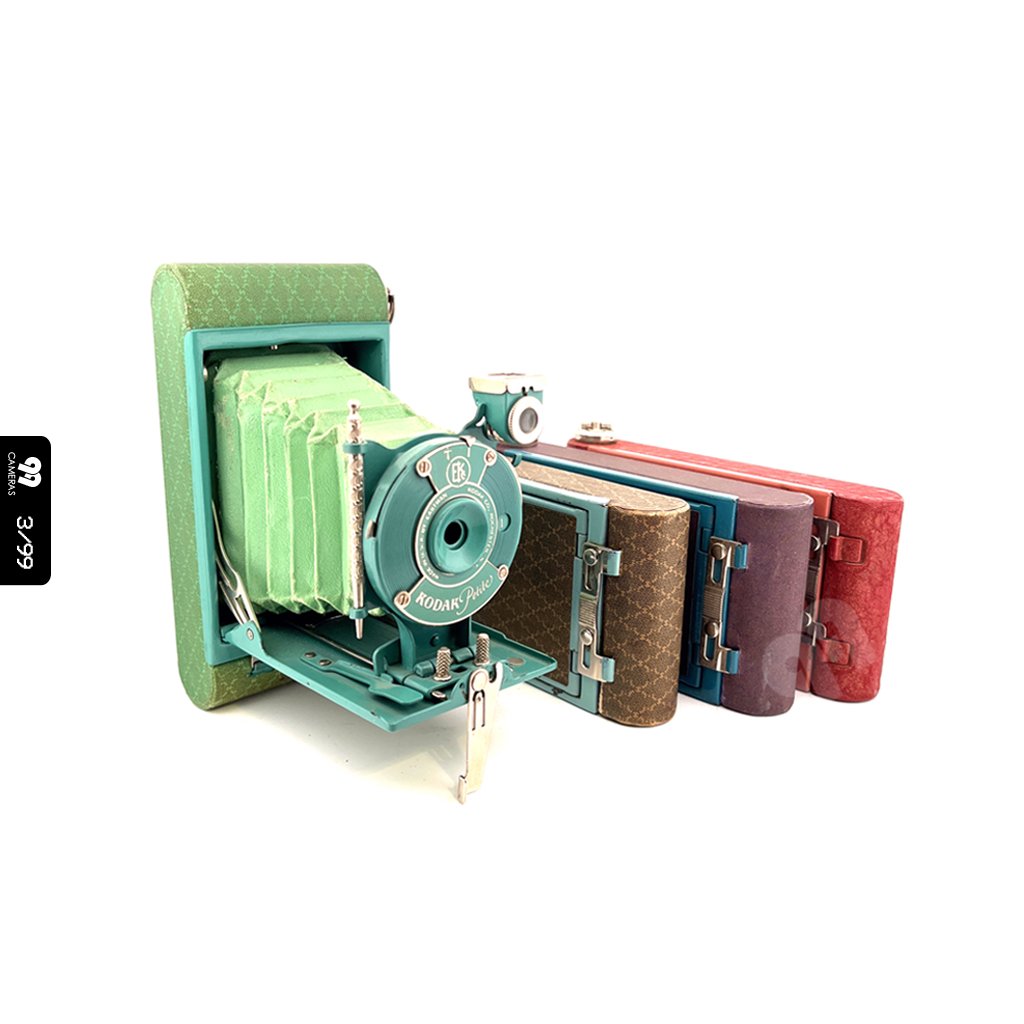 Kodak Petite 1929
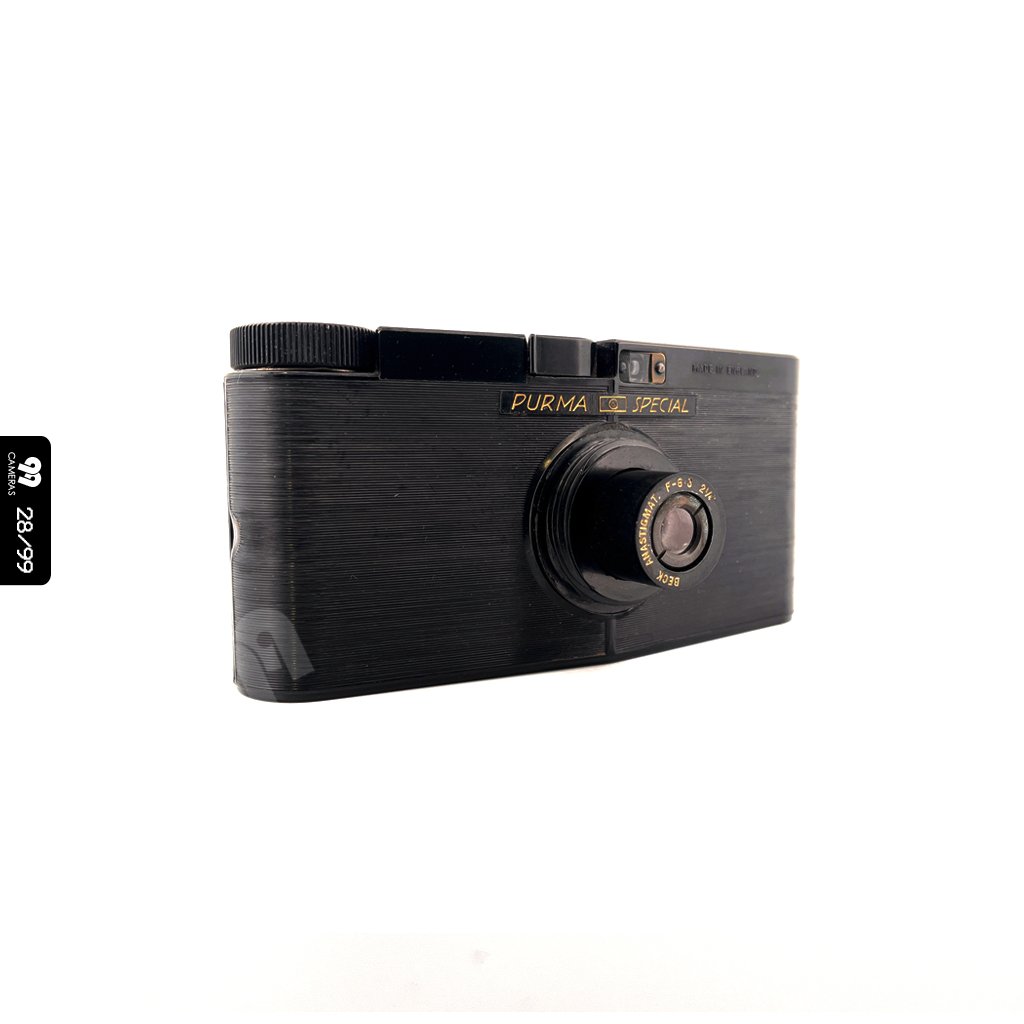 Purma Cameras Purma Special 1937
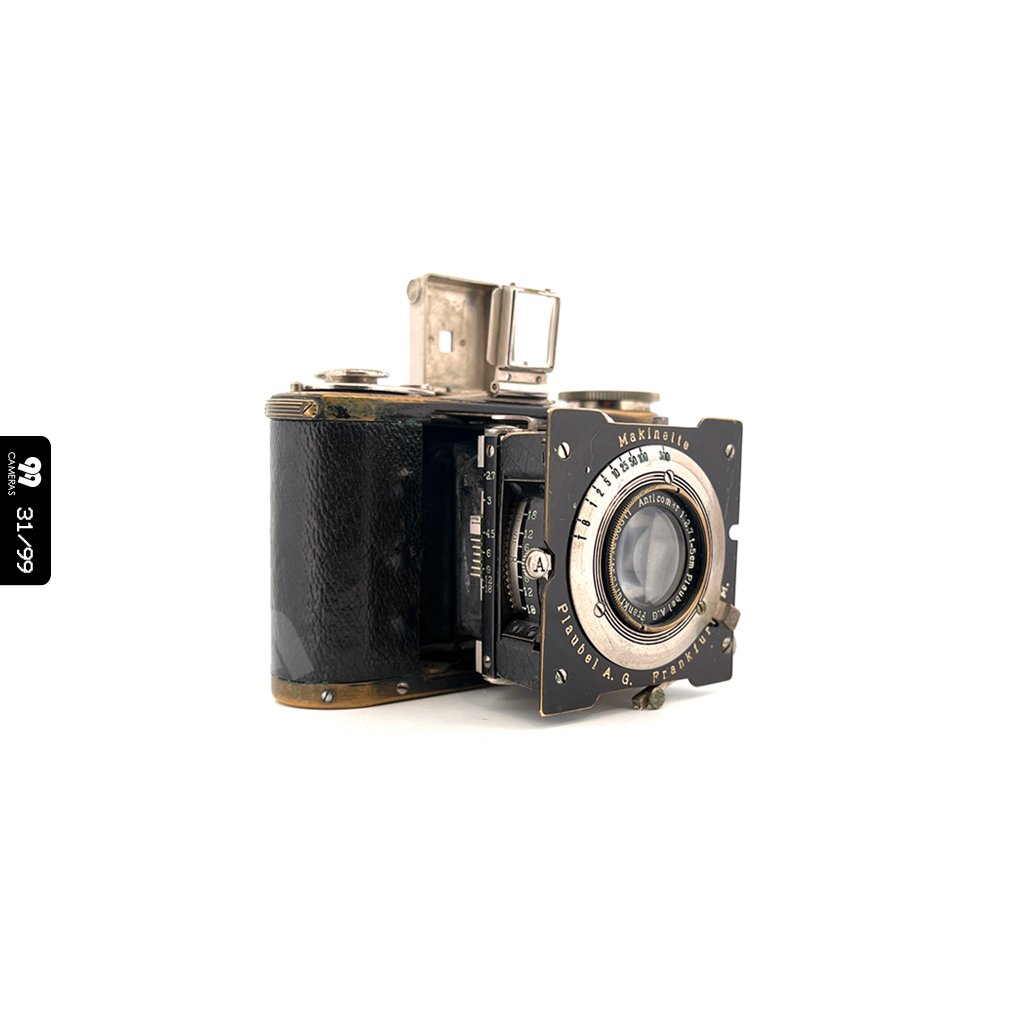 Plaubel Makinette 1932
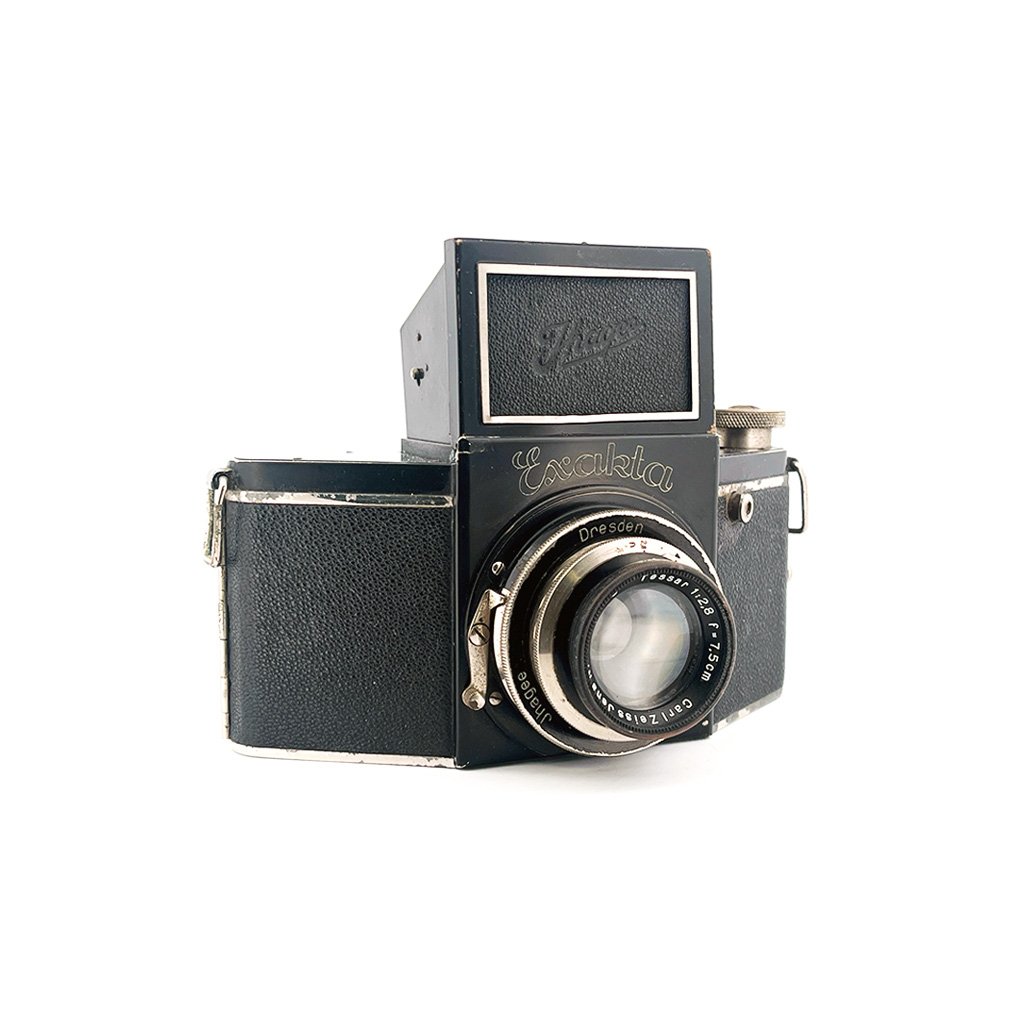 Ihagee Exakta A 1933
and 9 more
-
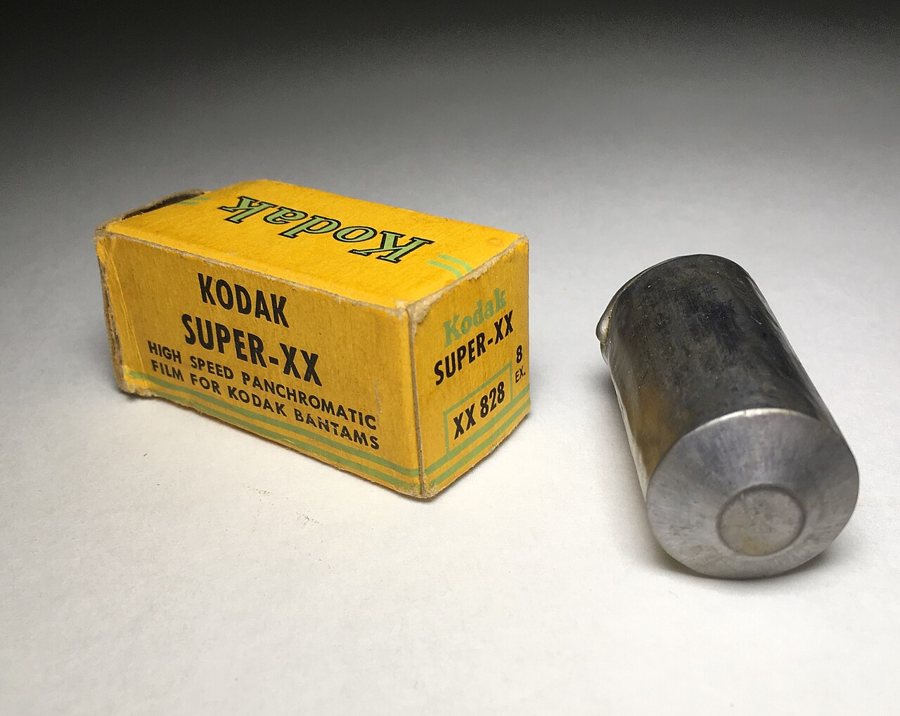
Photo: Thistle33, CC BY-SA 4.0, Wikimedia Commons 828 Bantam
1935–1985DiscontinuedBlack and whiteColour from 1938
28 × 40 mm Kodak’s 828 of 1935 is 35 mm film without sprocket holes, wound with a paper backing like a roll film. Without perforations the picture could be larger, 28 × 40 mm. It was made for the Kodak Bantam cameras and discontinued in 1985.
In the museum -
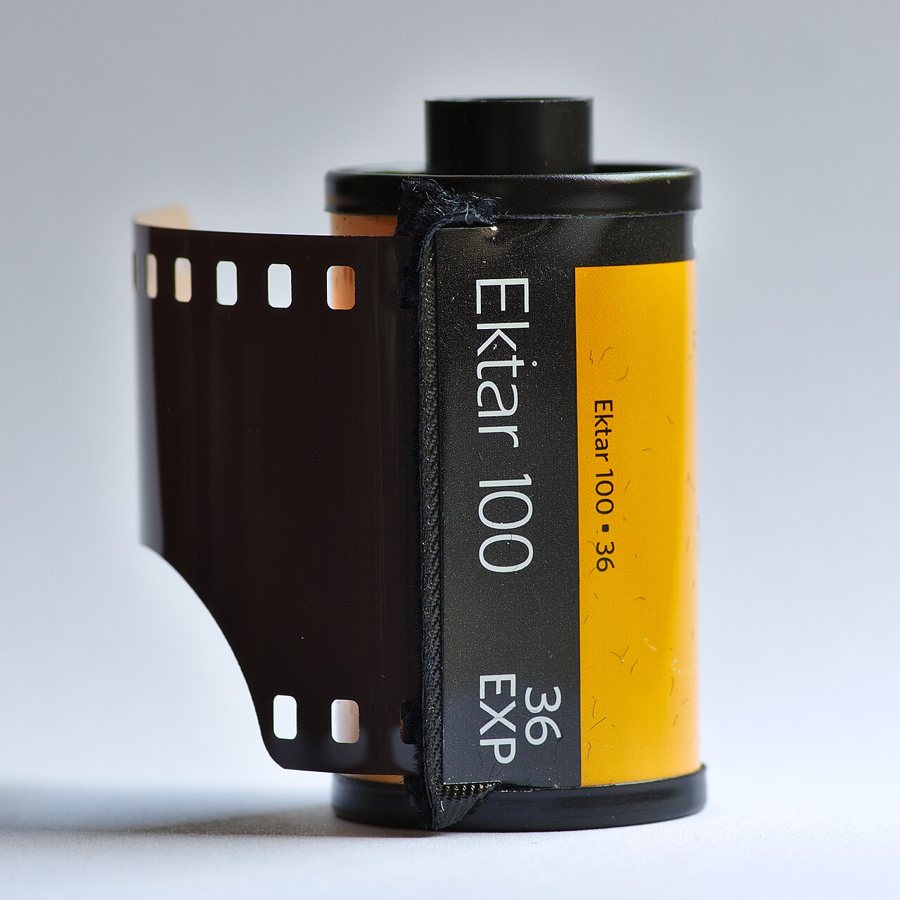
Photo: El Grafo, CC BY-SA 4.0, Wikimedia Commons 35 mm (135)
since 1934Still madeBlack and whiteColour from 1936
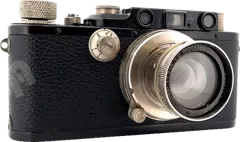
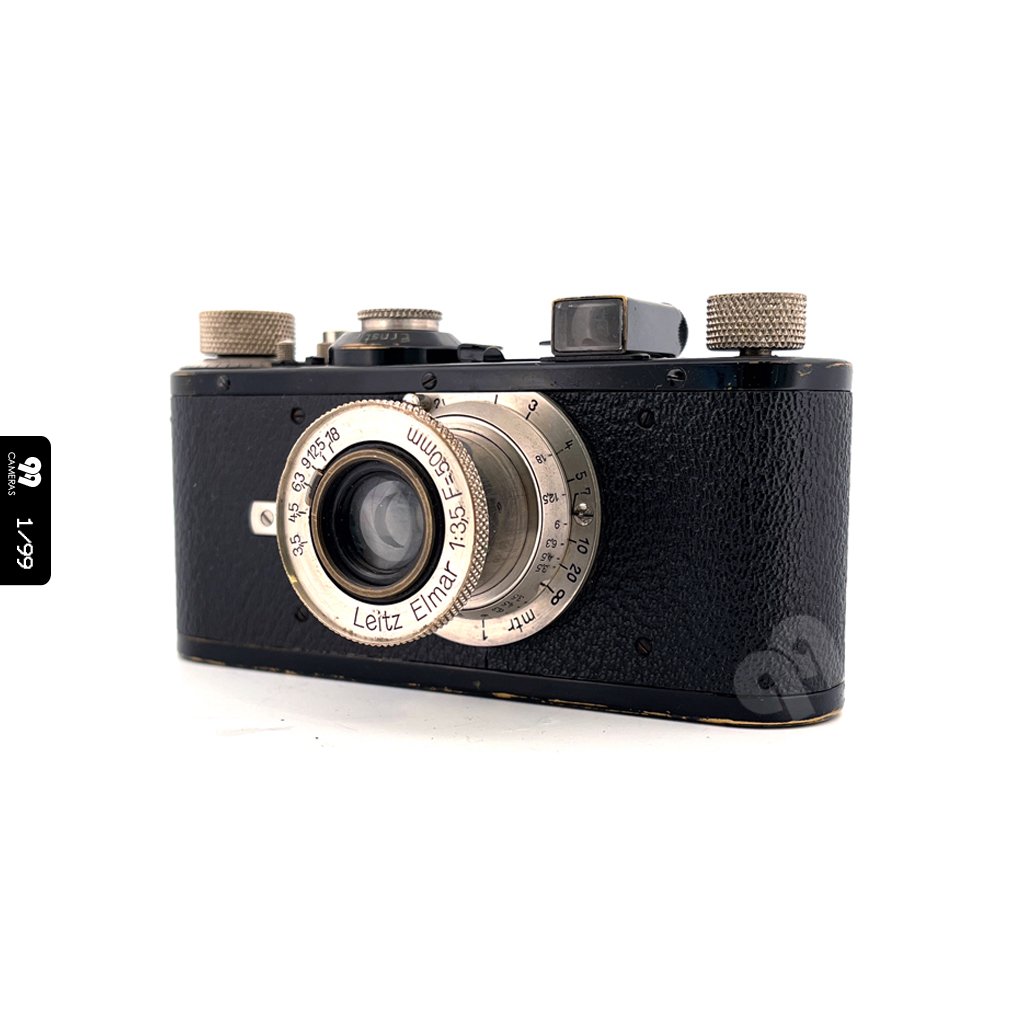
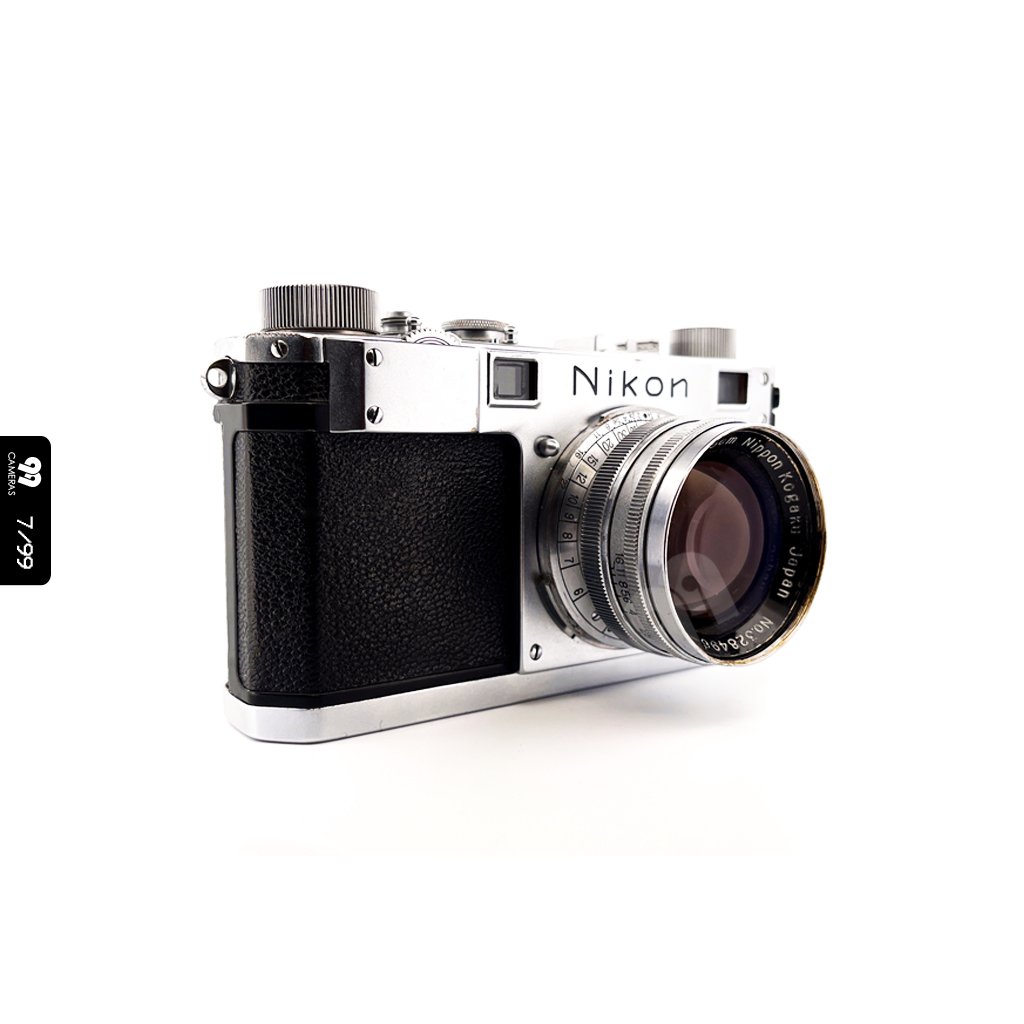
18 × 24 mm24 × 36 mm Cinema film adopted for still photography by Oskar Barnack’s Leica in 1925, 35 mm became the standard of the 20th century when Kodak introduced the ready-to-load 135 cartridge in 1934. The 24 × 36 mm frame is still the reference “full frame” of digital cameras. Half-frame cameras such as the Olympus Pen take 18 × 24 mm pictures on the same film. It is still made today.
In the museumand 66 more
-
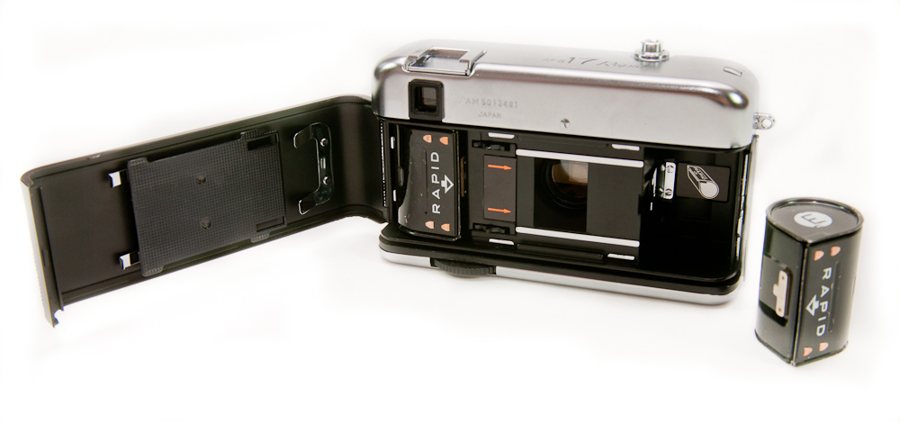
Photo: Thomas Backa from Turku, Finland, CC0, Wikimedia Commons Karat and Rapid
1936DiscontinuedBlack and whiteColour
Rapid 24 × 24 mmKarat 24 × 36 mm Agfa’s answer to Kodak. With the Karat camera of 1936, 35 mm film without leader ran from one cassette into an identical empty one, so there was no rewinding. In 1964 Agfa revived the idea as the Rapid system, adopted by other European and Japanese makers to compete with Kodak’s Instamatic. The Instamatic won, and Rapid film disappeared.
-
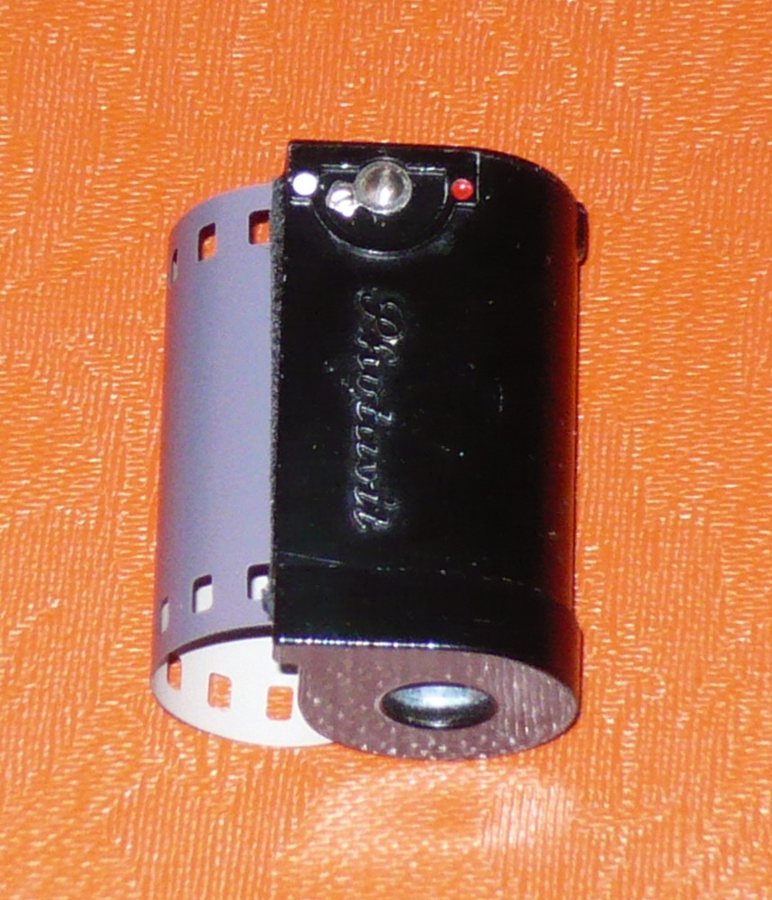
Photo: 唐戈, CC BY-SA 4.0, Wikimedia Commons Bolta
1934DiscontinuedBlack and white
24 × 24 mm Bolta film, launched in Germany in the mid-1930s for the Boltavit camera, is unperforated 35 mm film on a small paper-backed spool. It gave square 24 × 24 mm pictures in very cheap cameras, and was copied in Japan for cameras such as the Boltax. It disappeared after the war.
In the museum -
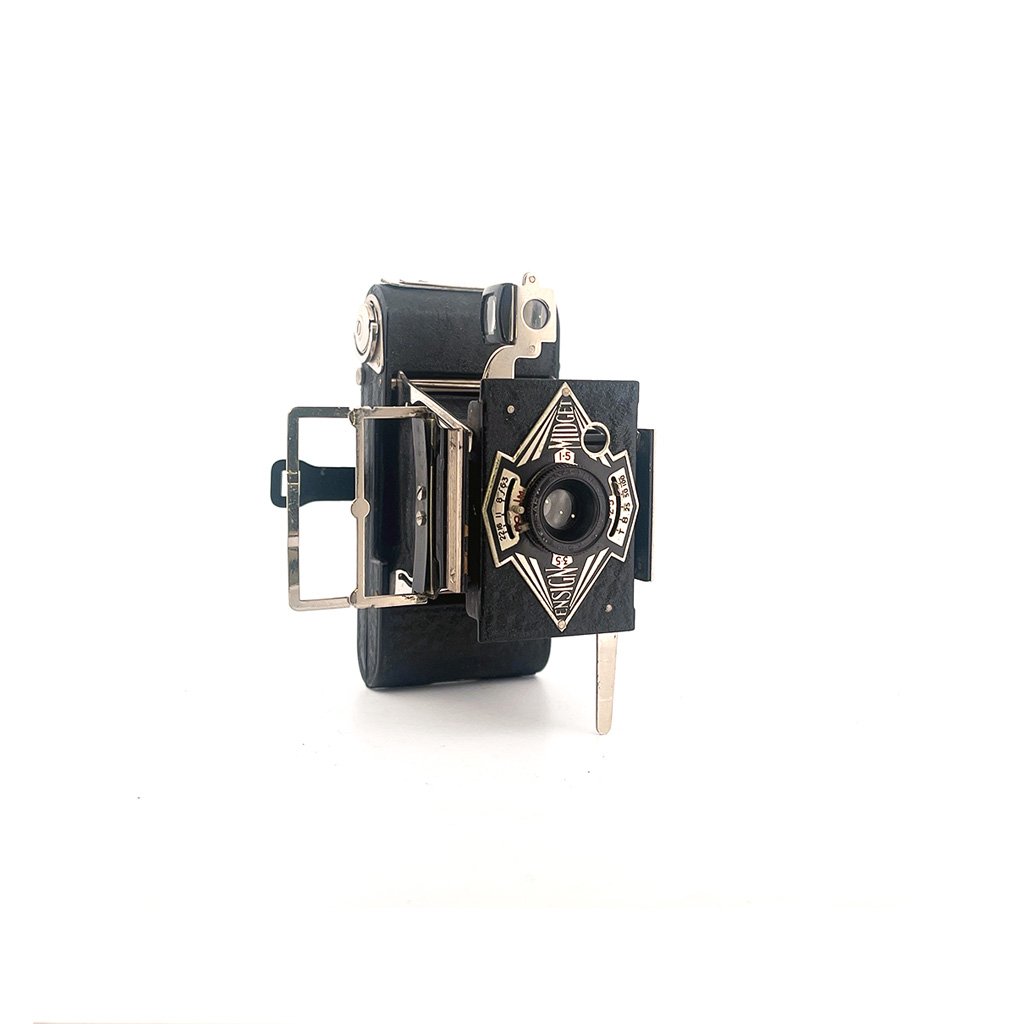
Ensign E10
1934DiscontinuedBlack and white
31 × 41 mm The E10 was the special roll film of the Ensign Midget, the British pocket camera of 1934. Like many makers of the time, Ensign tied its camera to its own film. Production of the Midget stopped in 1941, the film was made into the 1950s.
In the museum -
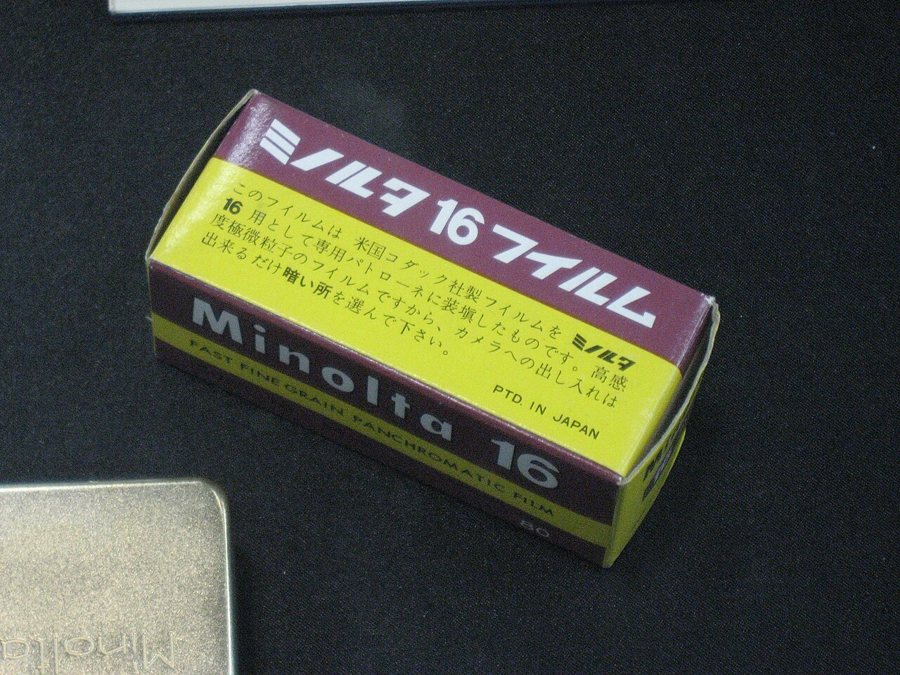
Photo: LINKMAN, CC0, Wikimedia Commons 16 mm and 8 mm subminiature
Made by small producersBlack and whiteColour
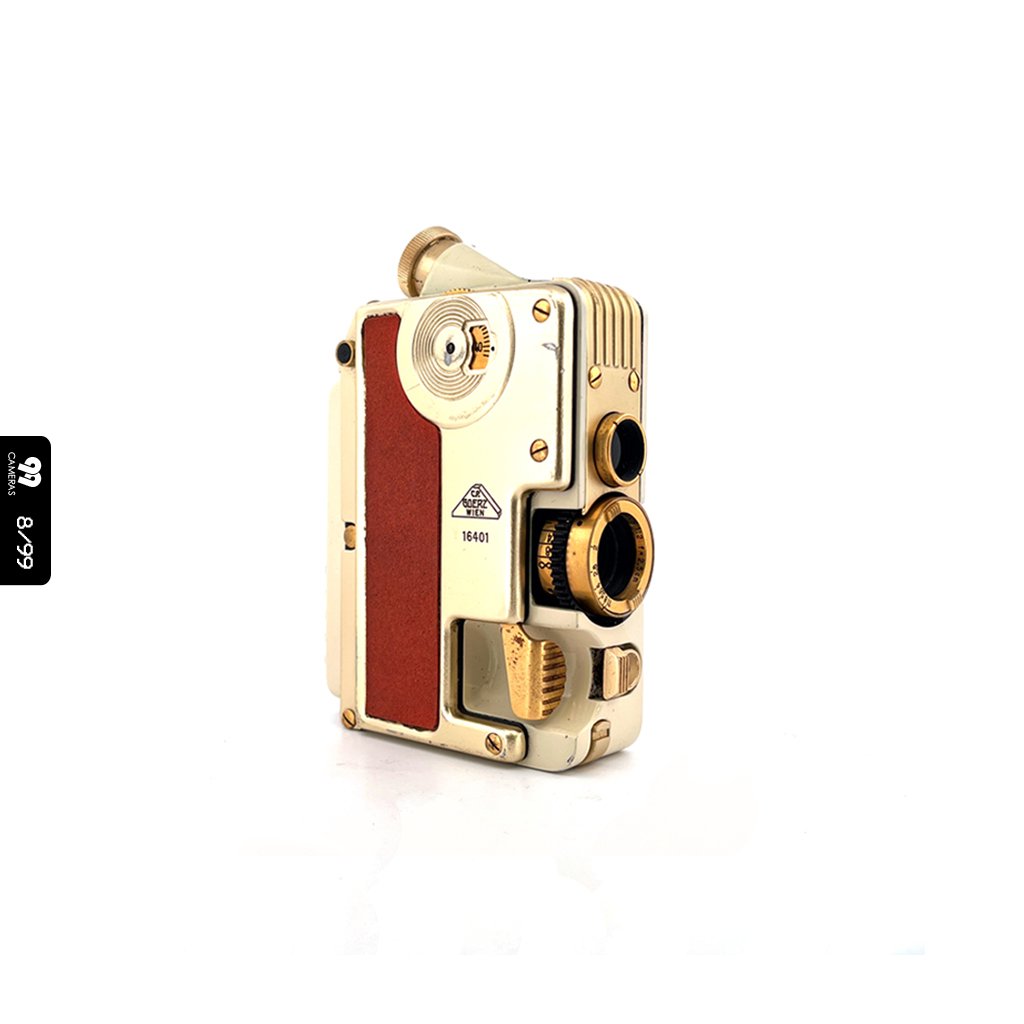
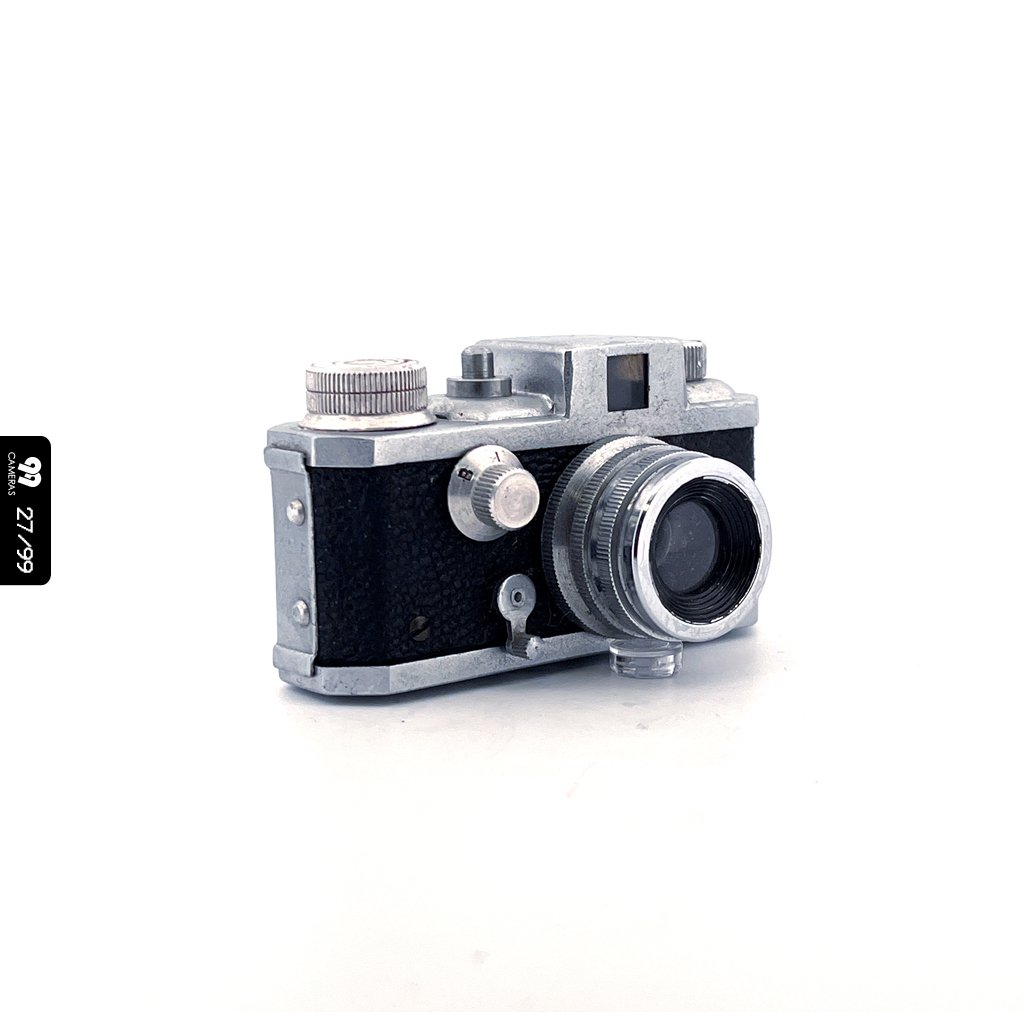
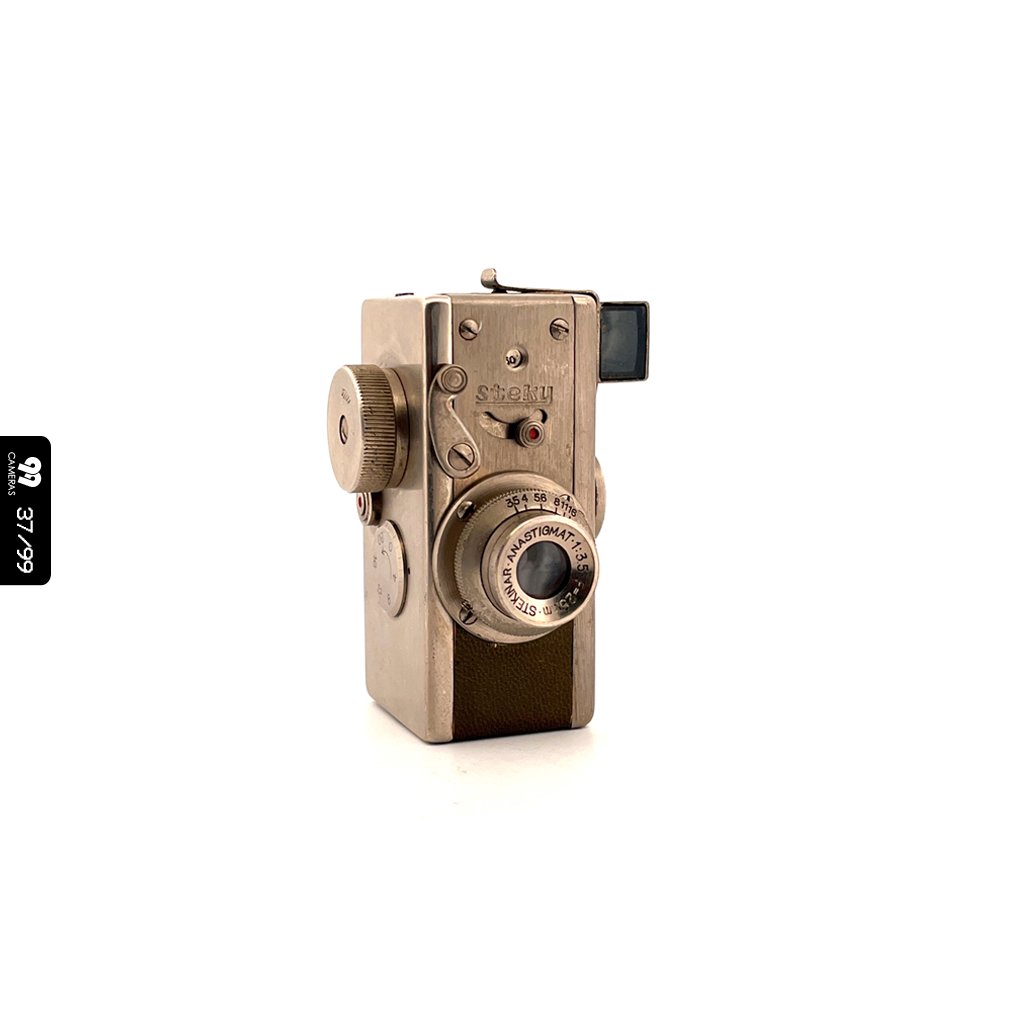
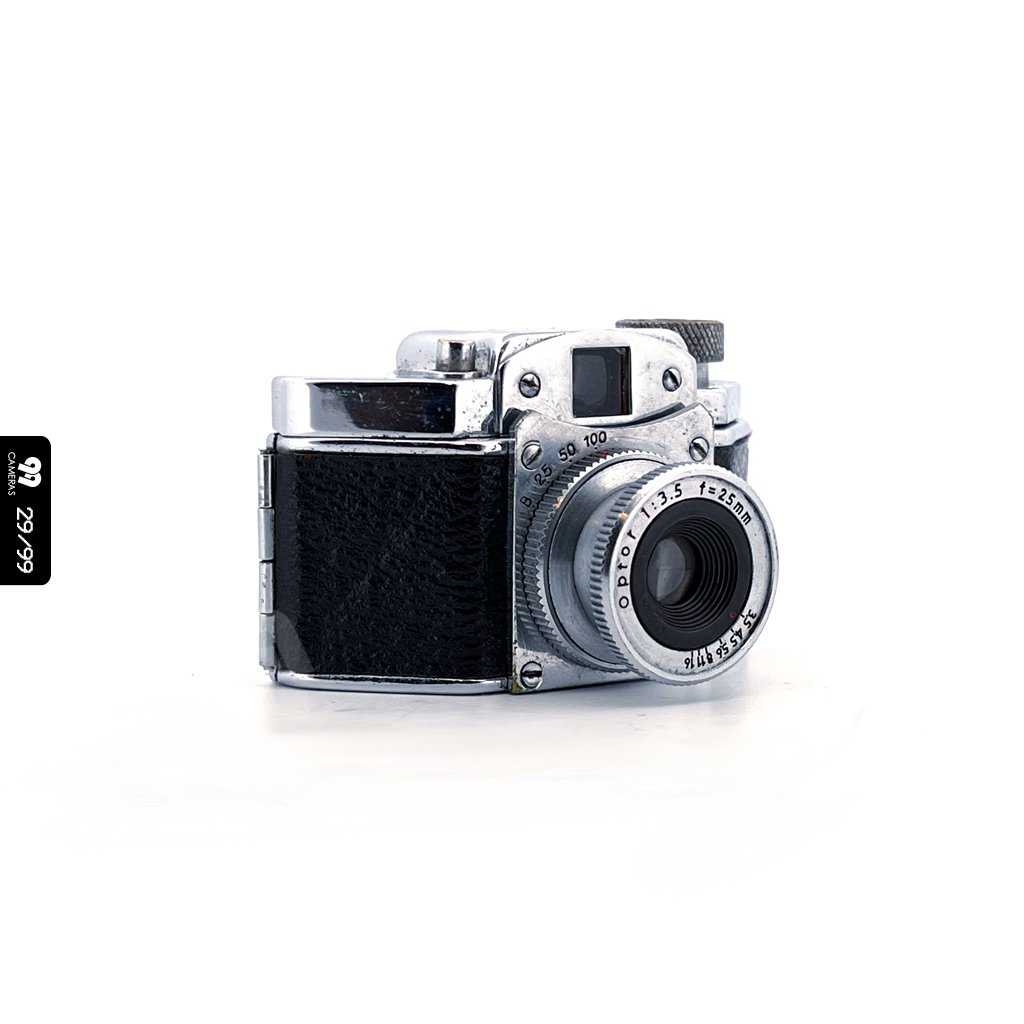
10 × 14 mm14 × 14 mm12 × 17 mm Cinema films 16 mm and 8 mm wide were used from the 1930s for tiny “subminiature” cameras, often in a cartridge made for one camera only: the Minifex, the Steky, the Minicord, the Coronet Midget and many spy cameras. Most of these cartridges disappeared with their cameras; enthusiasts now reload them with cut film.
-
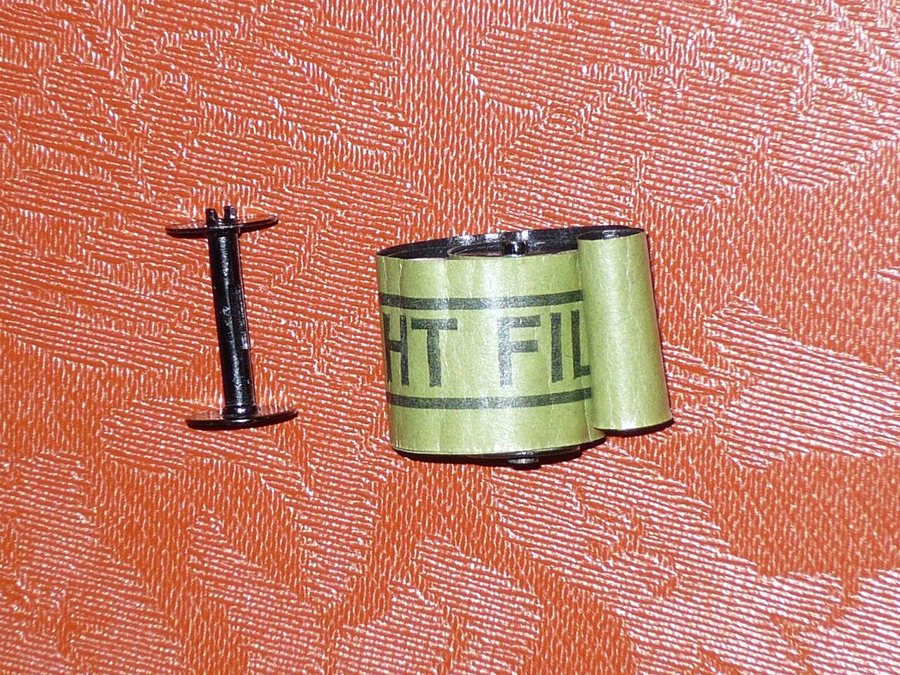
Photo: Gisling, CC BY-SA 4.0, Wikimedia Commons 17.5 mm
DiscontinuedBlack and white
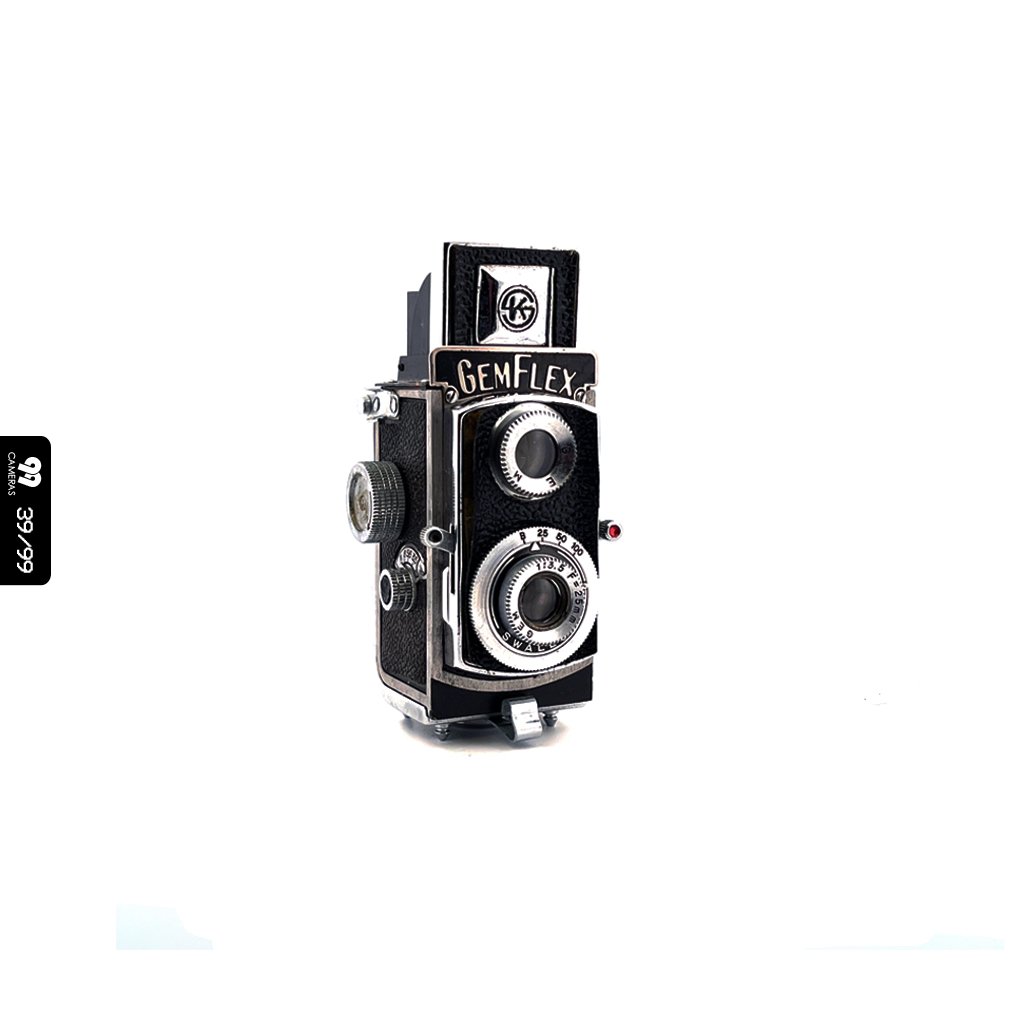
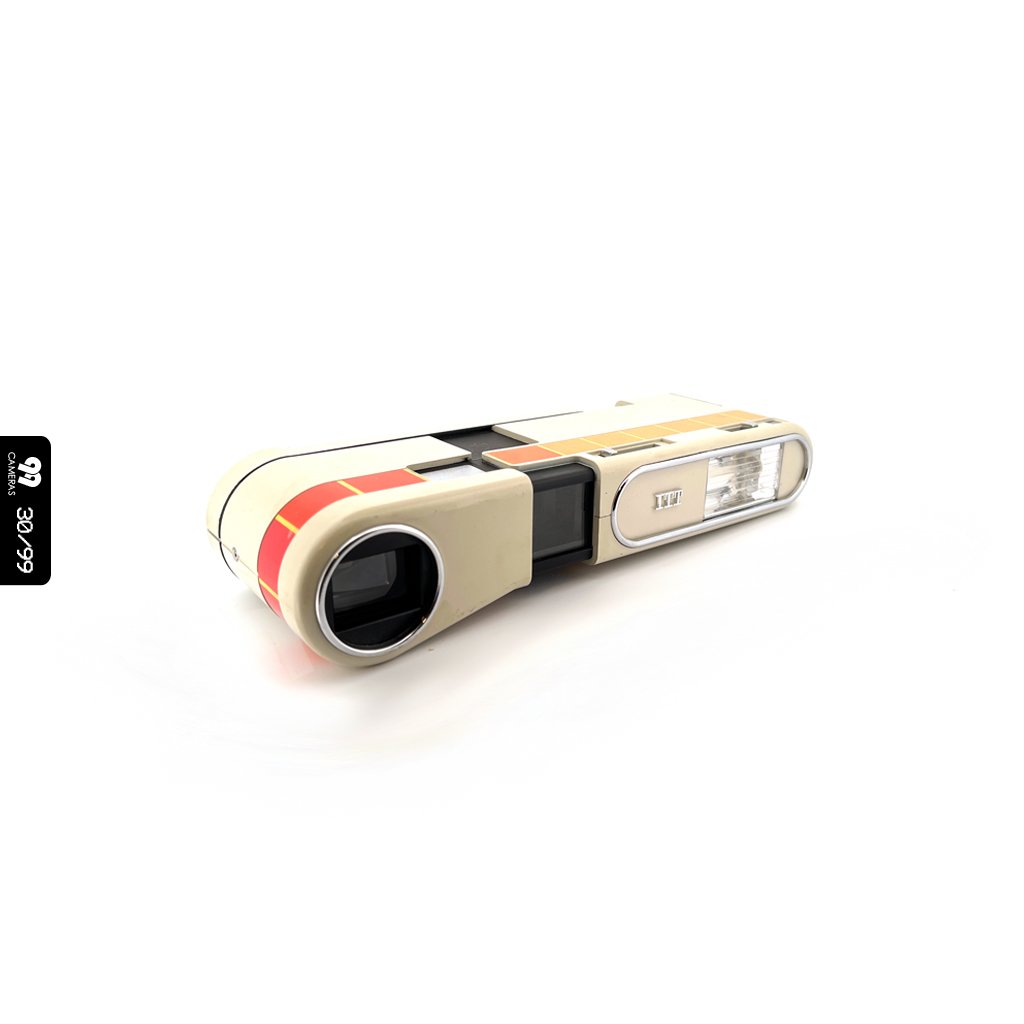
14 × 14 mm Half the width of 35 mm film and wound with a paper backing, 17.5 mm film was used after the war by small Japanese cameras such as the Snappy and the Gemflex, and by the cheap “Hit” toy cameras. It gave square 14 × 14 mm pictures and is no longer made.
In the museum -
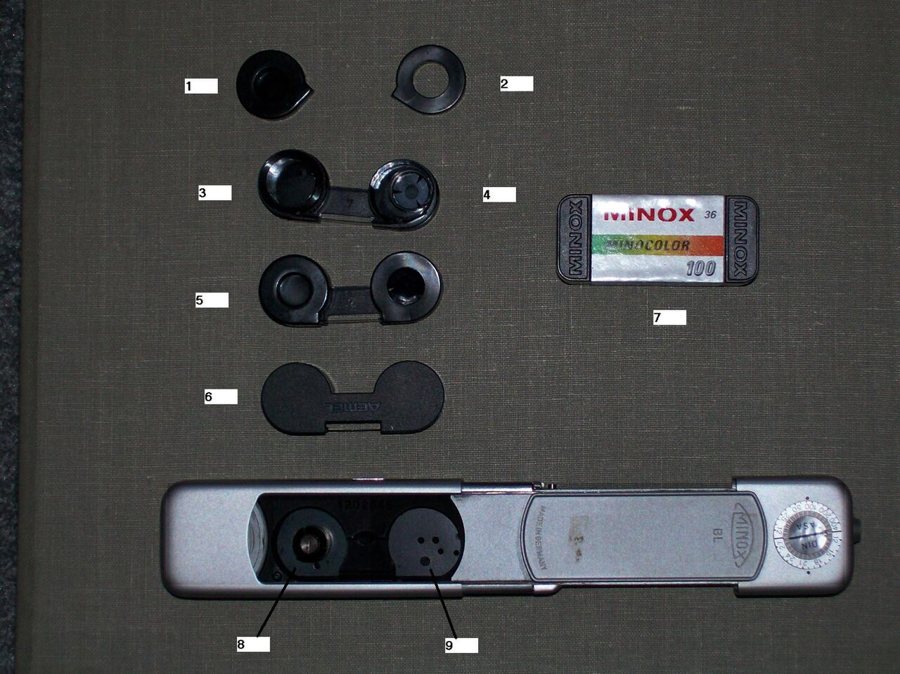
Photo: Gisling, CC BY 3.0, Wikimedia Commons Minox 8 × 11
since 1938Made by small producersBlack and whiteColour
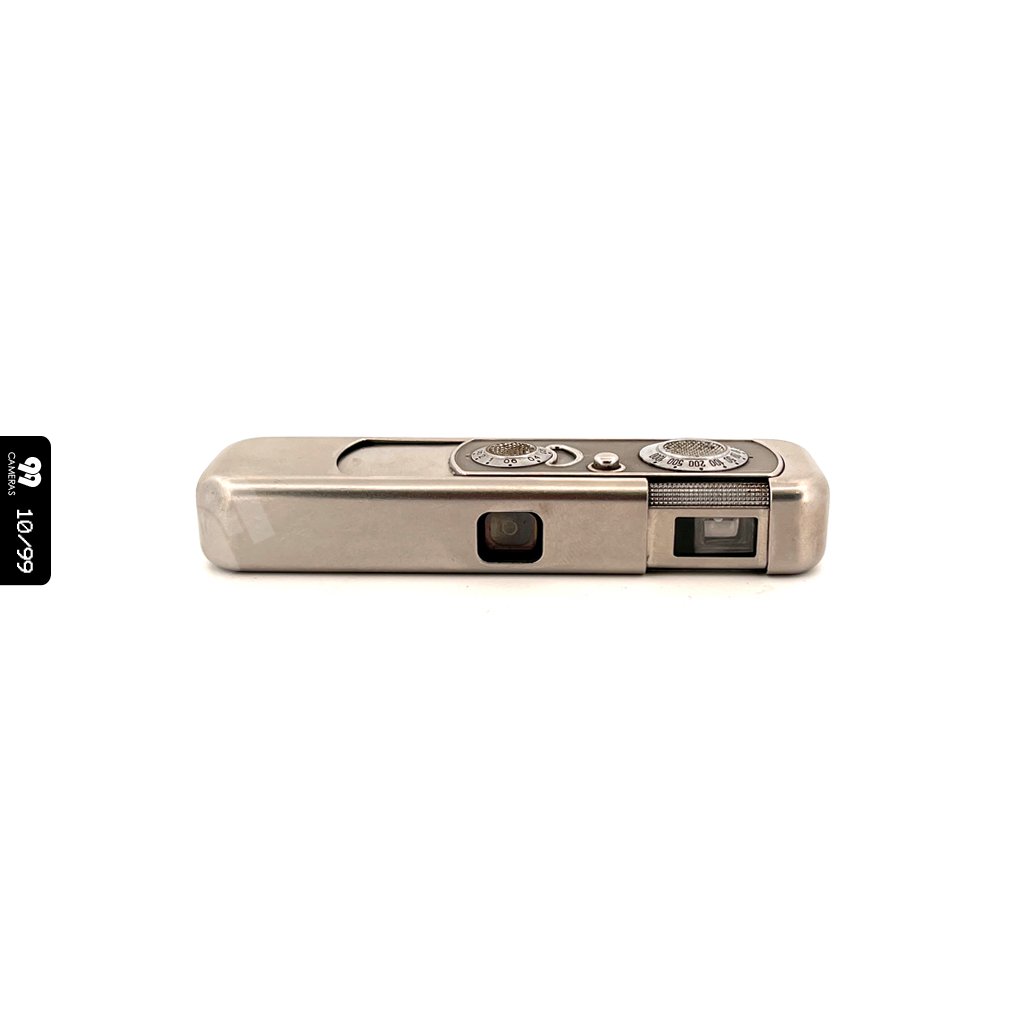
8 × 11 mm Created for Walter Zapp’s Minox in 1938, this 9.2 mm film in a tiny double cassette gives 8 × 11 mm pictures, the smallest of any widely sold camera. It became the film of spies. Fresh Minox film is still produced in small quantities.
In the museum -
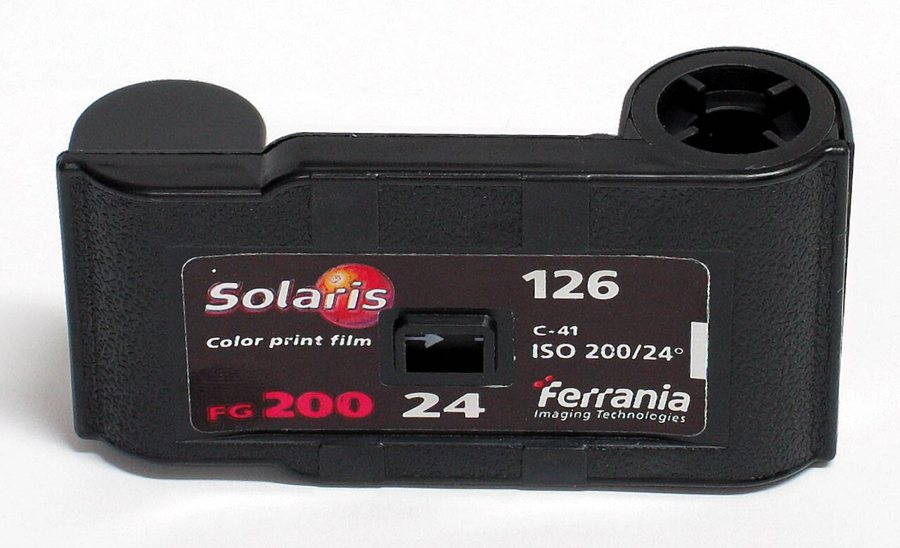
Photo: Anonymus60, Fourohfour, CC BY-SA 3.0, Wikimedia Commons 126 Instamatic
1963–2008DiscontinuedBlack and whiteColour
28 × 28 mm Kodak’s Instamatic cartridge of 1963 made loading foolproof: the film simply dropped into the camera. Tens of millions of Instamatic cameras were sold. Kodak stopped making 126 in 1999 and the last producer, Ferrania, in 2008.
-
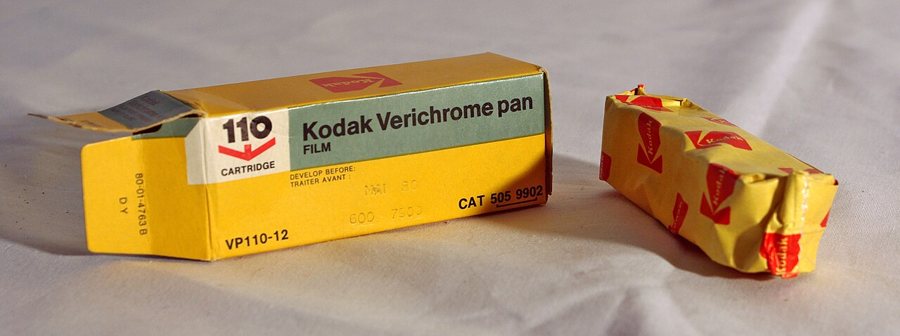
Photo: Clément Bucco-Lechat, CC BY-SA 3.0, Wikimedia Commons 110
since 1972Made by small producersBlack and whiteColour
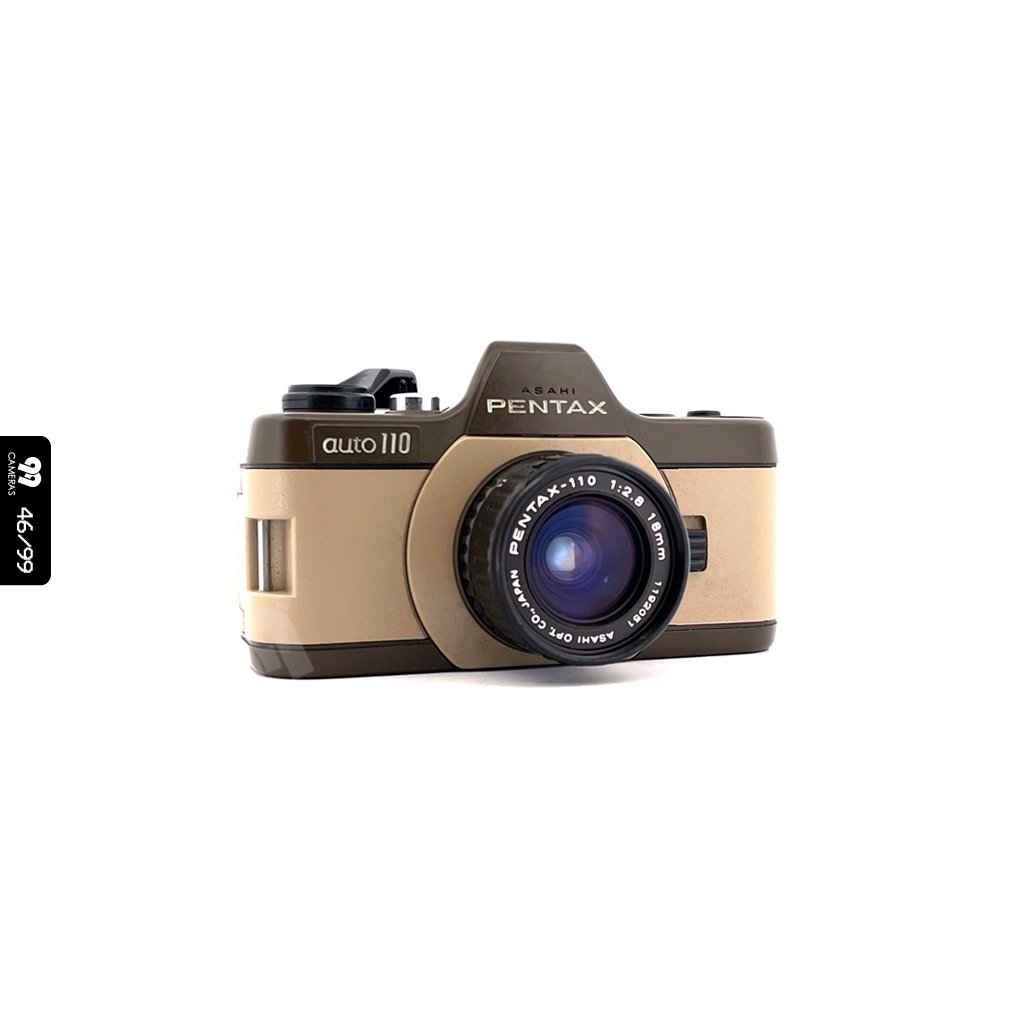
13 × 17 mm Launched by Kodak in 1972 on the same drop-in principle as the 126, the 110 cartridge holds 16 mm film and made pocket cameras truly pocket-sized. Pentax even built a complete reflex system around it, the Auto 110. Lomography still produces 110 film.
In the museum -
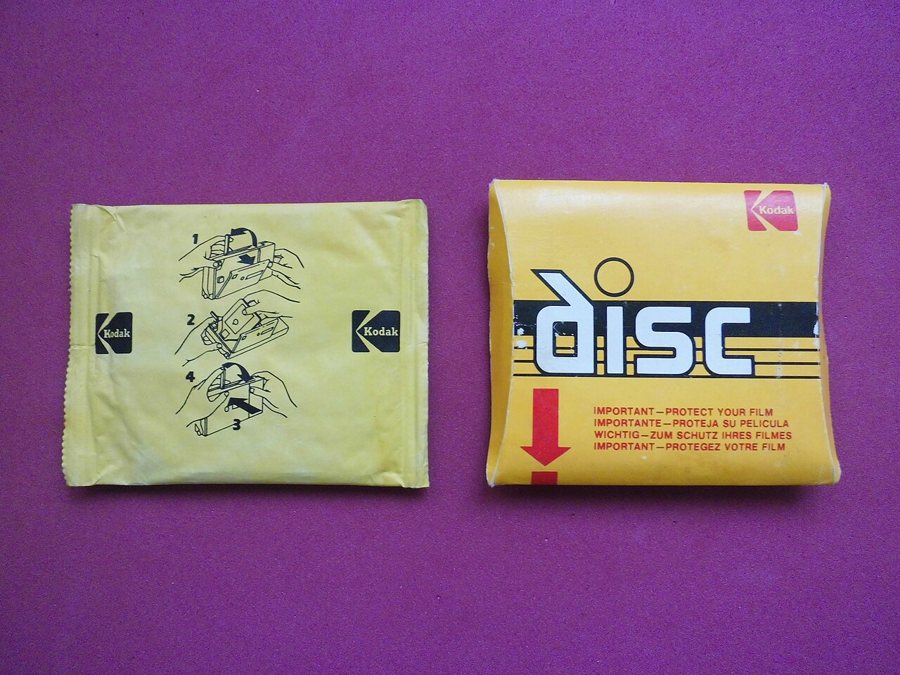
Photo: Veronidae, CC BY-SA 3.0, Wikimedia Commons Disc
1982–1998DiscontinuedColour
8 × 10 mm Kodak’s Disc film of 1982 placed 15 tiny pictures around a rotating disc in a flat cartridge. The cameras were thin and easy to use, but the small negatives gave grainy prints, and the format was dropped by the end of the 1990s.
-
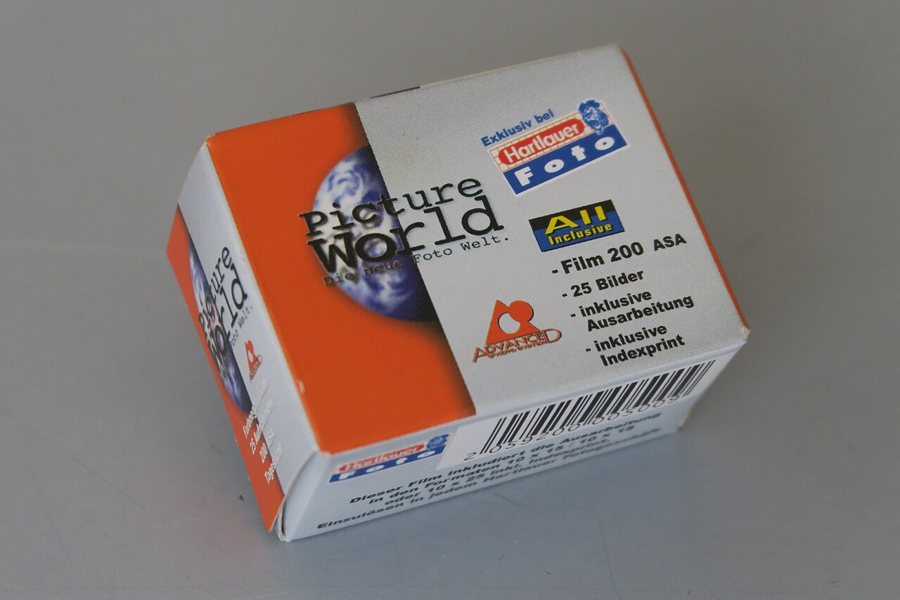
Photo: Nxr-at, CC BY-SA 4.0, Wikimedia Commons APS (Advanced Photo System)
1996–2011DiscontinuedBlack and whiteColour
P 9.5 × 30.2 mmC 16.7 × 25.1 mmH 16.7 × 30.2 mm Developed by Kodak, Fujifilm and other makers, APS of 1996 used a smaller film in a cartridge that recorded shooting data on a magnetic layer and let the user choose between three picture shapes. It arrived just as digital cameras took off and was discontinued in 2011.
-
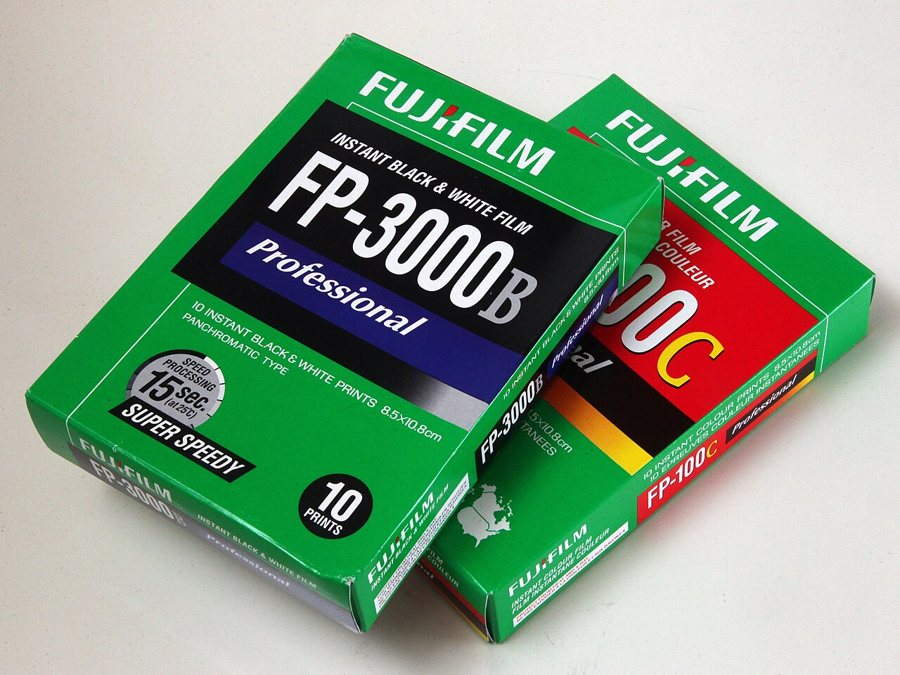
Photo: Runner1616, CC BY-SA 3.0, Wikimedia Commons Polaroid peel-apart
1948–2016DiscontinuedBlack and whiteColour from 1963
73 × 95 mm The first instant films, from 1948, were developed by pulling the picture out of the camera and peeling the print from its negative after a minute. The pack films of 1963 brought colour. Fujifilm made the last peel-apart film until 2016.
-
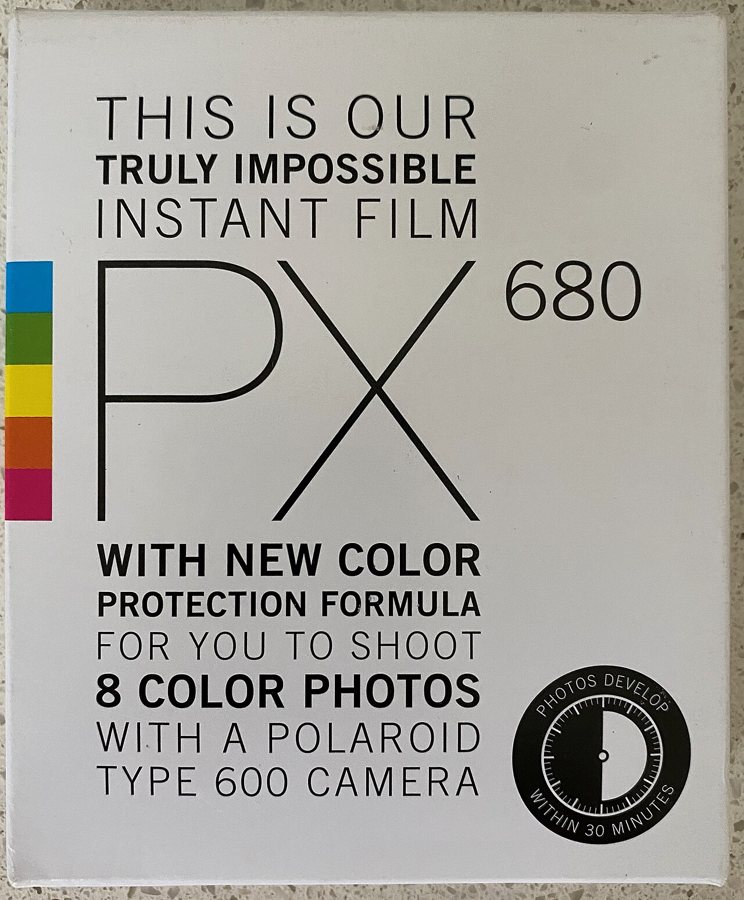
Photo: Sgroey, CC BY 4.0, Wikimedia Commons Polaroid integral (SX-70, 600, i-Type)
since 1972Still madeBlack and whiteColour
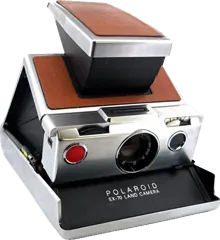
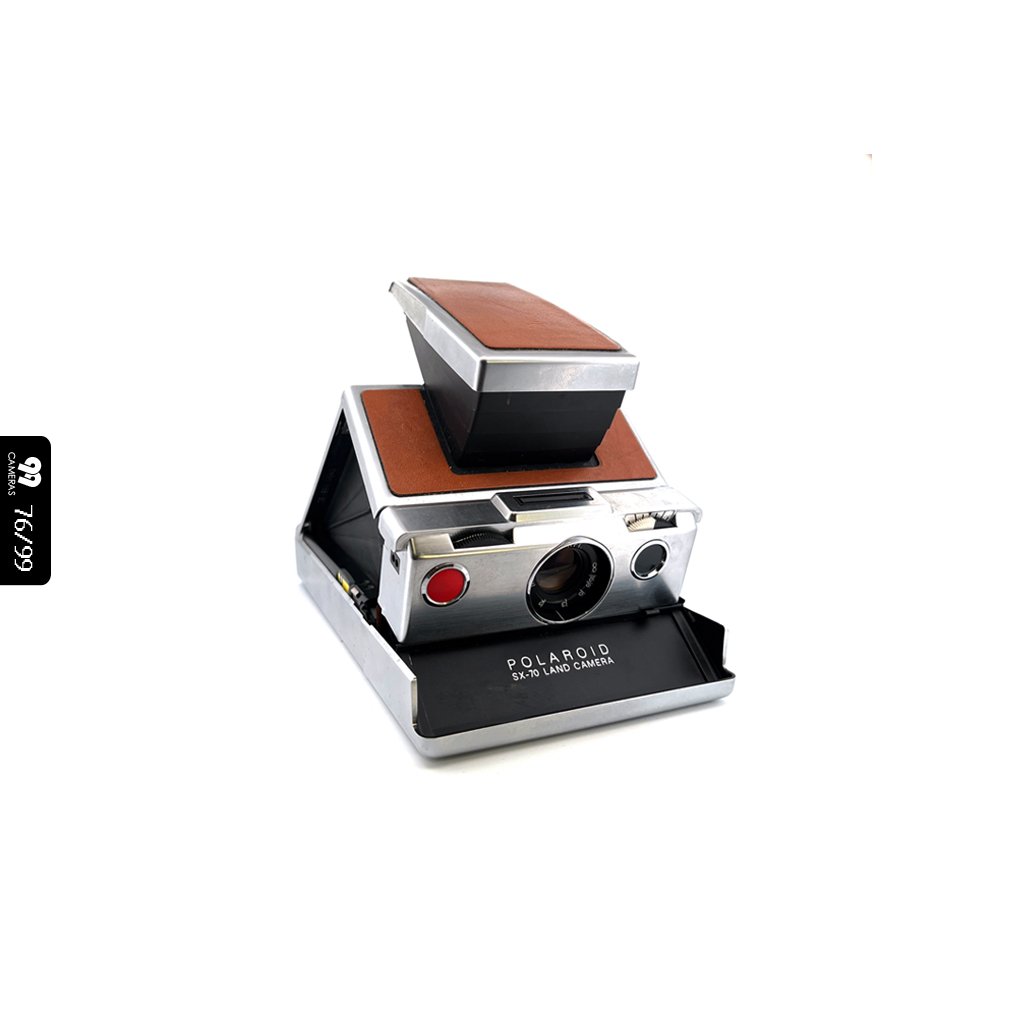
79 × 79 mm Edwin Land’s SX-70 of 1972 brought the integral film: the picture comes out of the camera by itself and develops in daylight, with nothing to peel or throw away. The 600 film of 1981 is faster, with the battery in the pack. Polaroid stopped in 2008, but the Impossible Project restarted production in 2010, and the films are made again today under the Polaroid name.
In the museum -
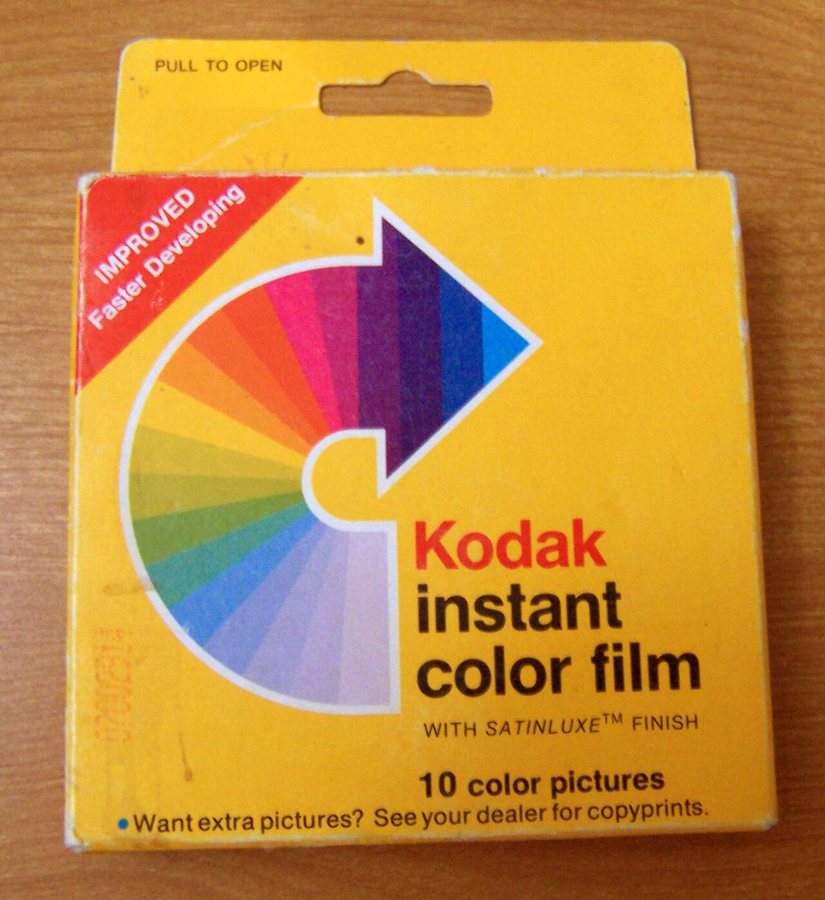
Photo: Retro00064, Public domain, Wikimedia Commons Kodak instant film
1976–1986DiscontinuedColour
67 × 91 mm In 1976 Kodak launched its own instant cameras and PR10 film, which developed outside the camera like a Polaroid. Polaroid sued for patent infringement the same week. After ten years in court, Kodak lost: in 1986 it had to stop making instant cameras and film and offer to buy back the cameras already sold, and in 1991 it paid Polaroid some 925 million dollars.
-
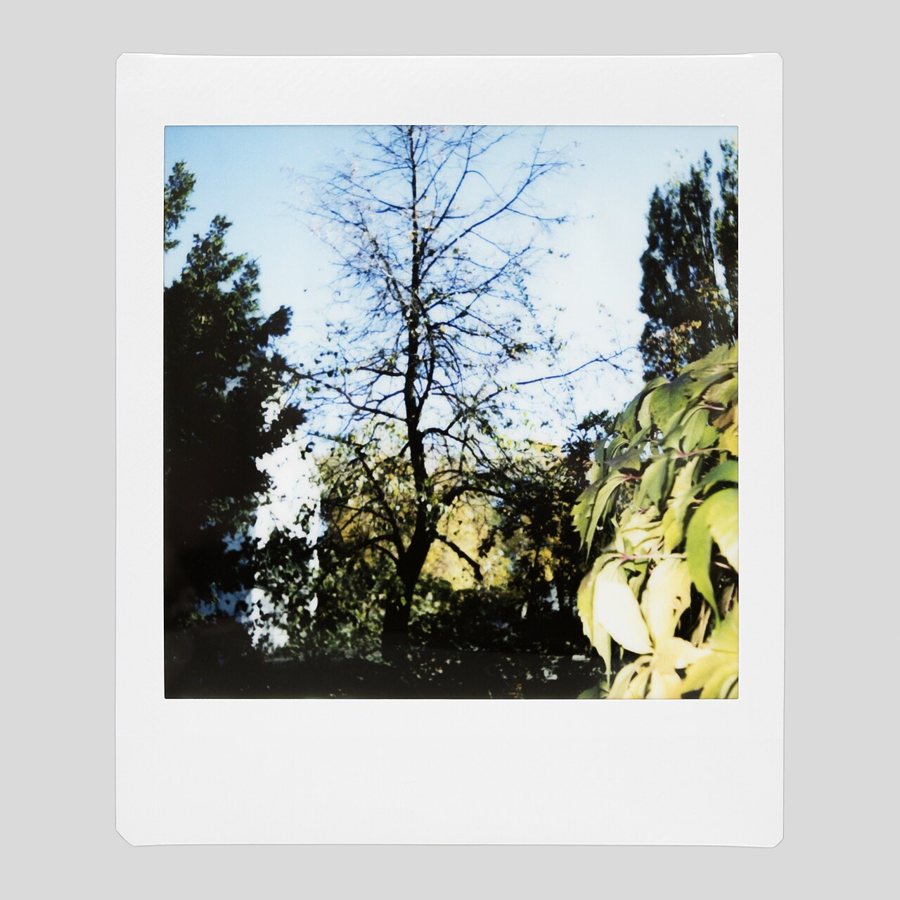
Photo: LoMit, CC BY 4.0, Wikimedia Commons Instax
since 1998Still madeBlack and whiteColour
Mini 46 × 62 mmSquare 62 × 62 mmWide 62 × 99 mm Fujifilm’s Instax integral film, launched in 1998 with the Instax Mini, gives small credit-card-sized pictures. Long dismissed by collectors, it has become the most widely sold instant film in the world.
-
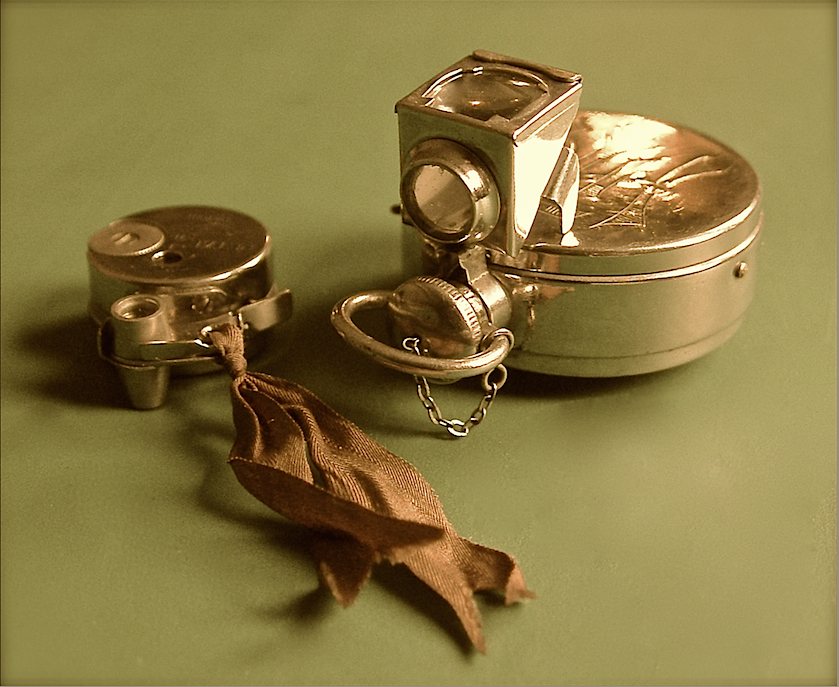
Photo: Exaktamike, CC BY-SA 4.0, Wikimedia Commons Proprietary films
DiscontinuedBlack and white
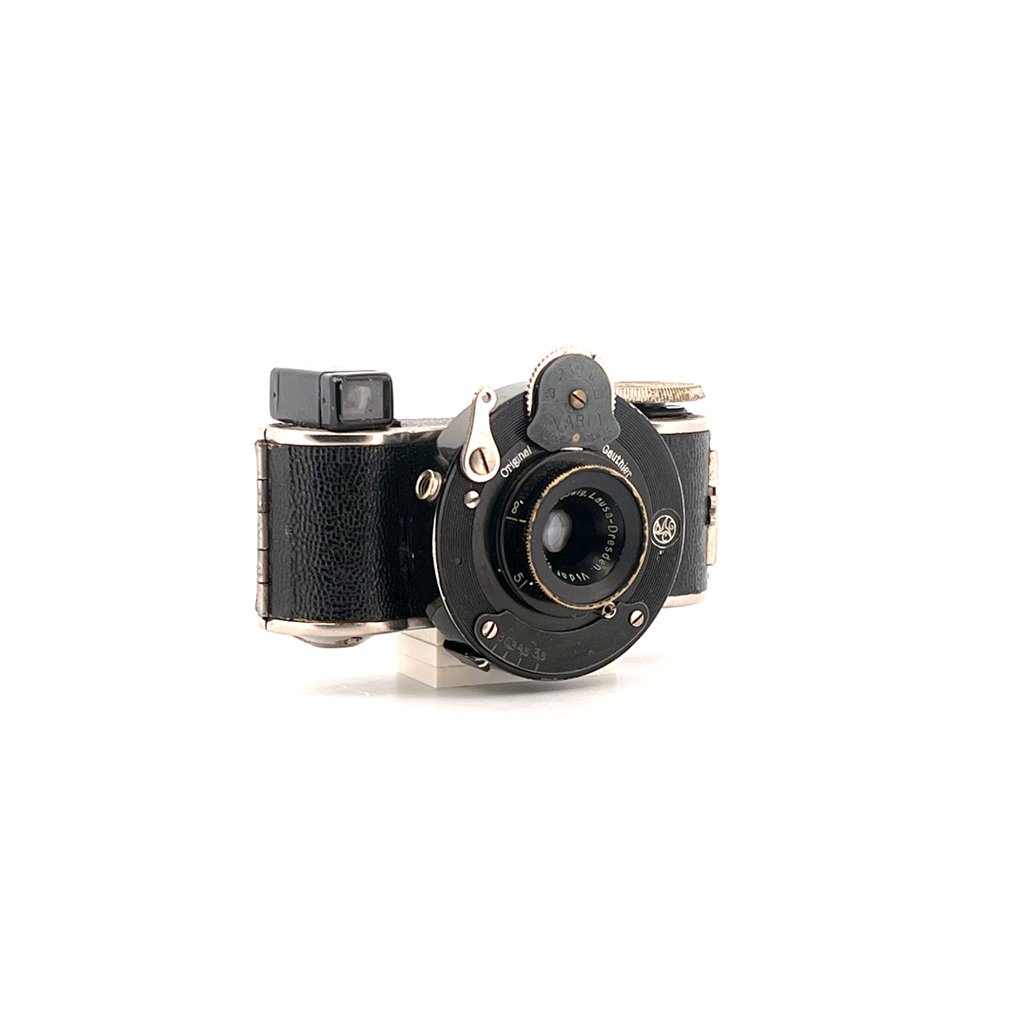
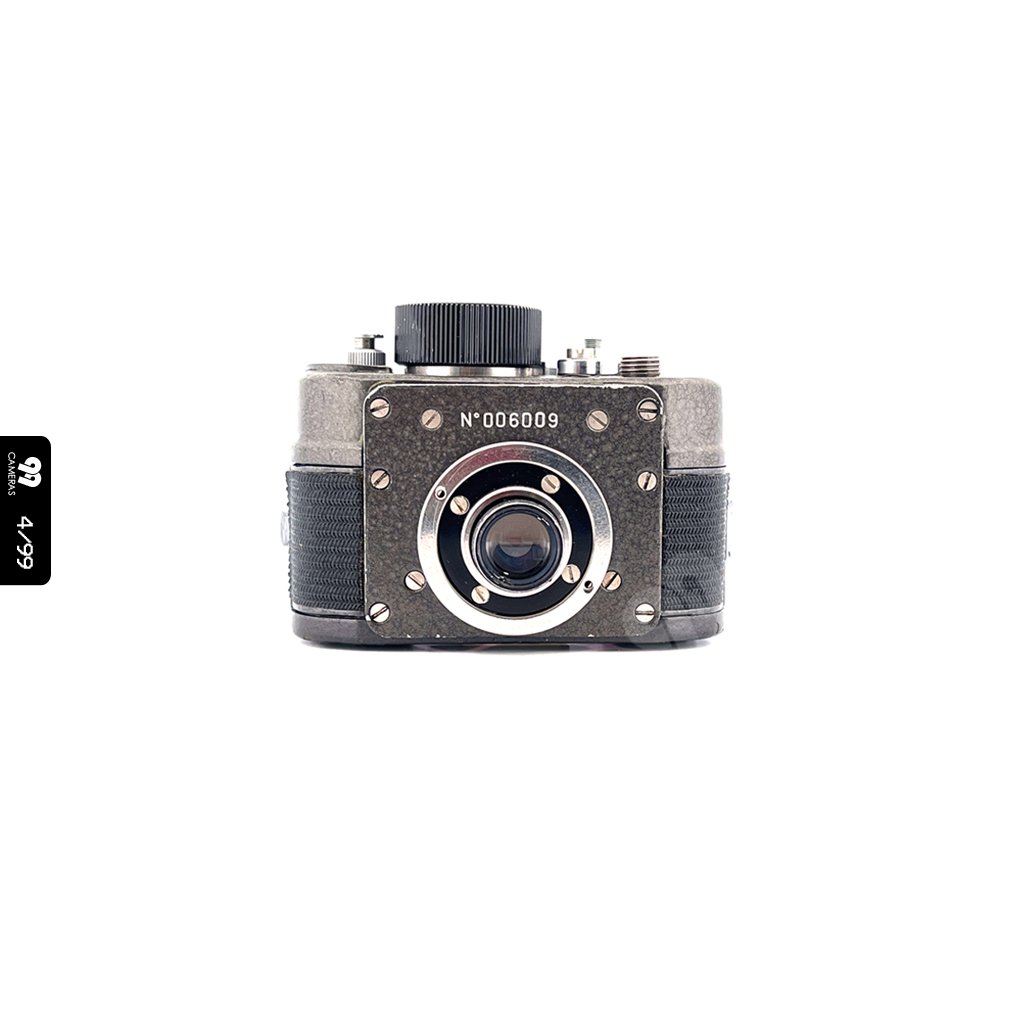
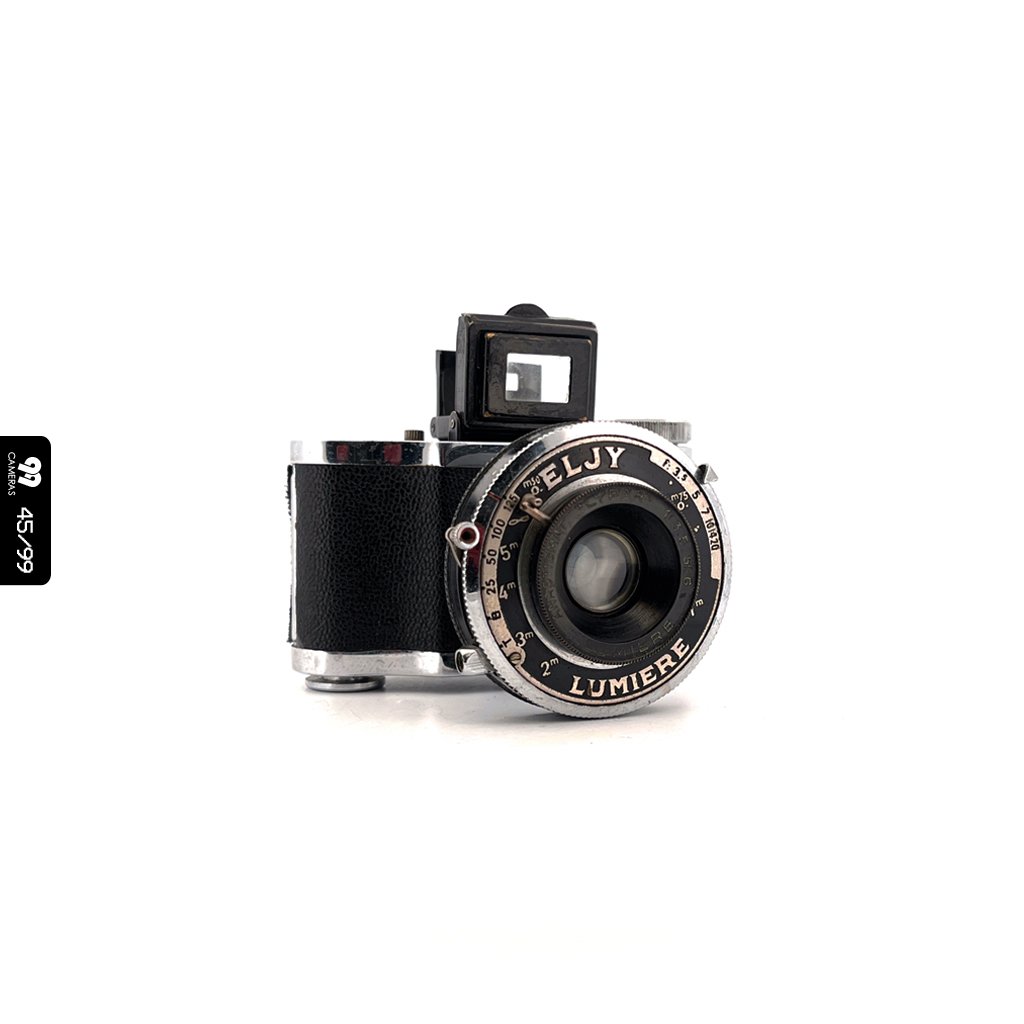
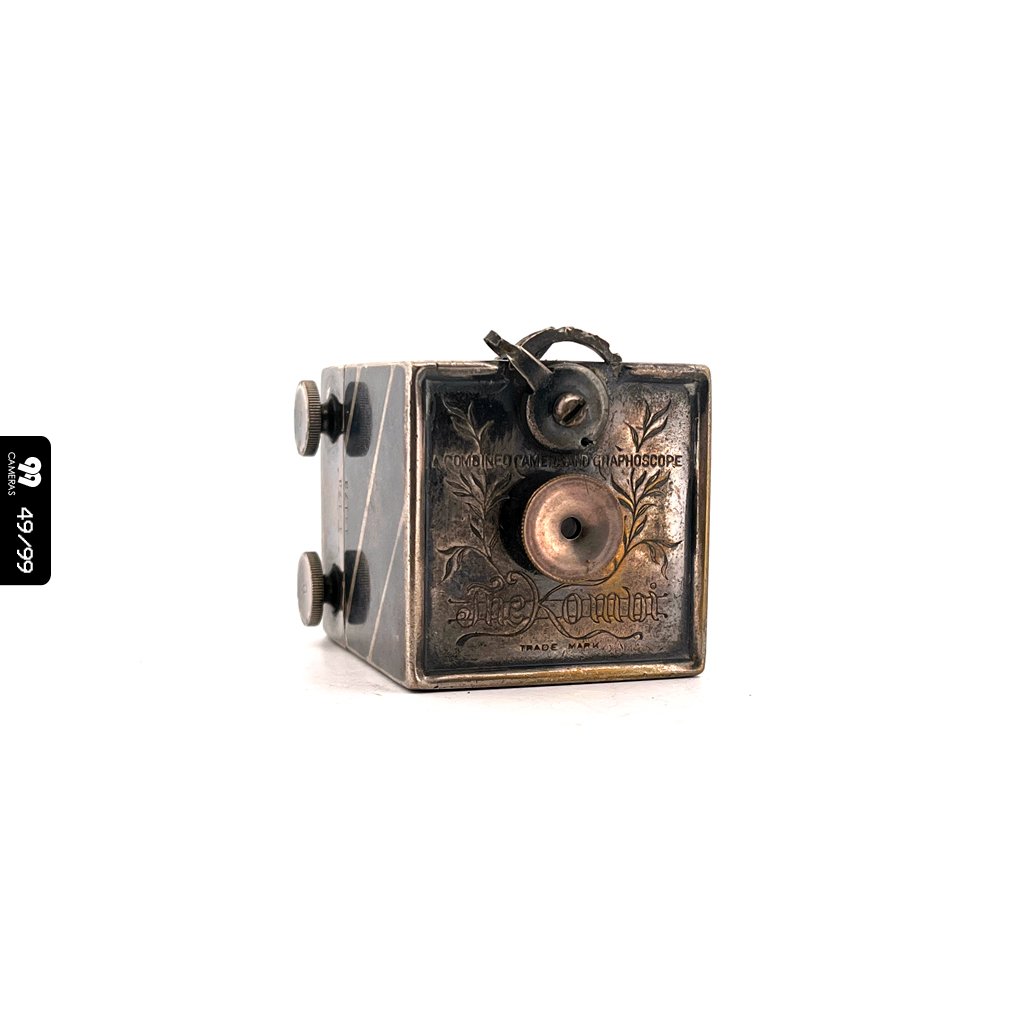
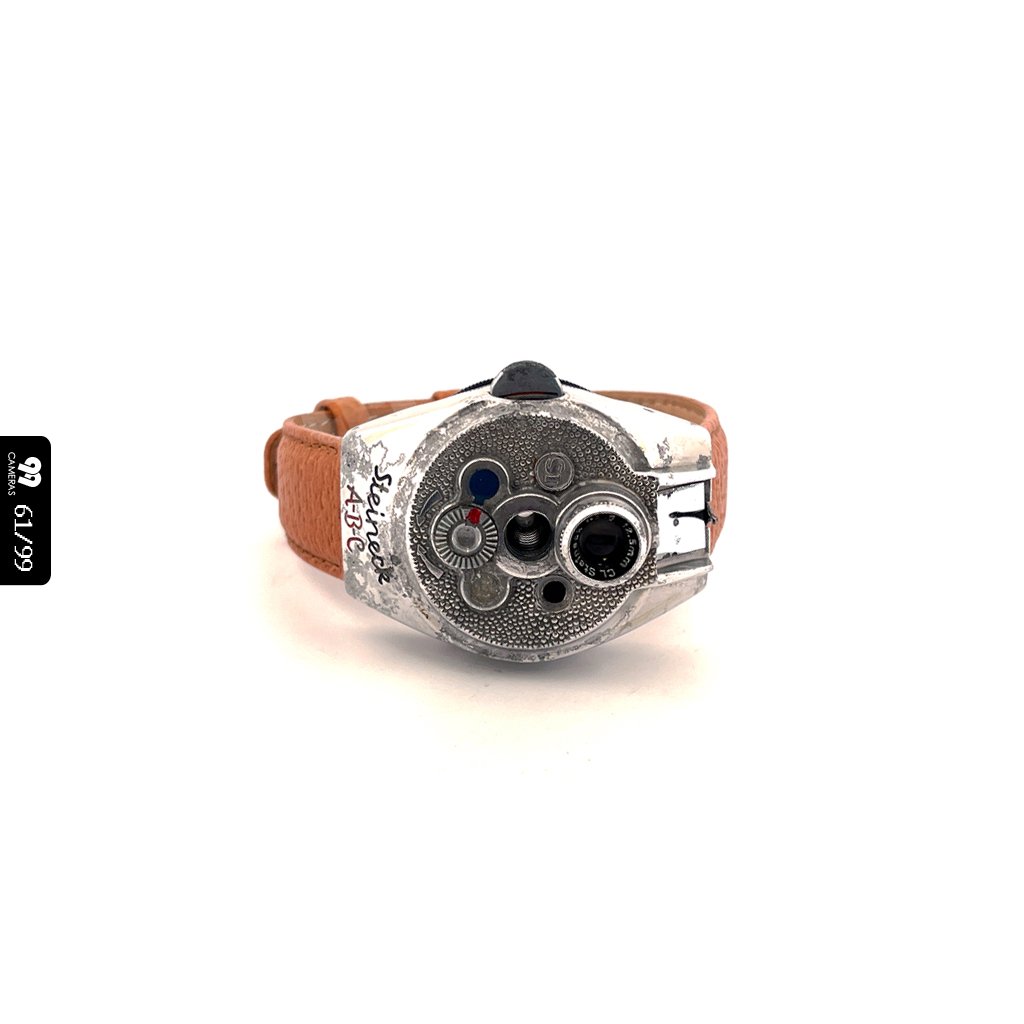
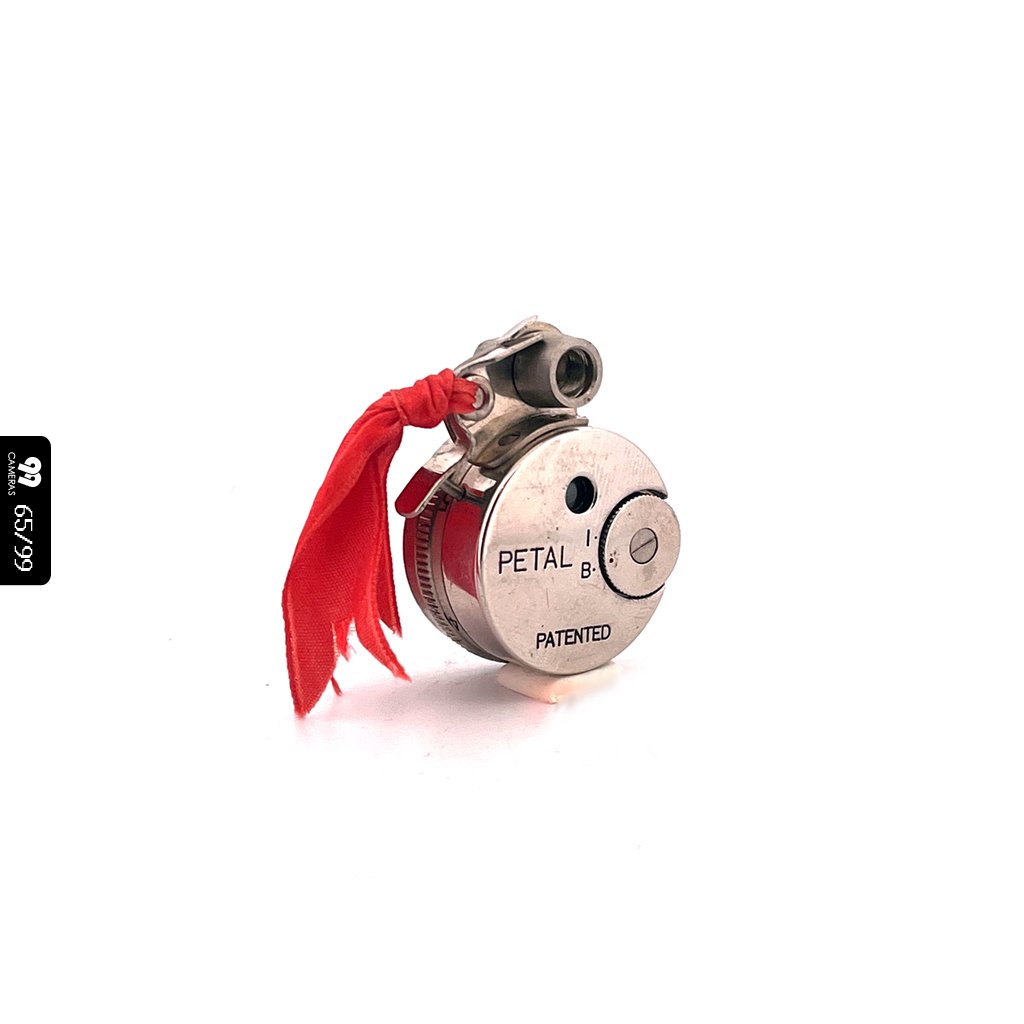
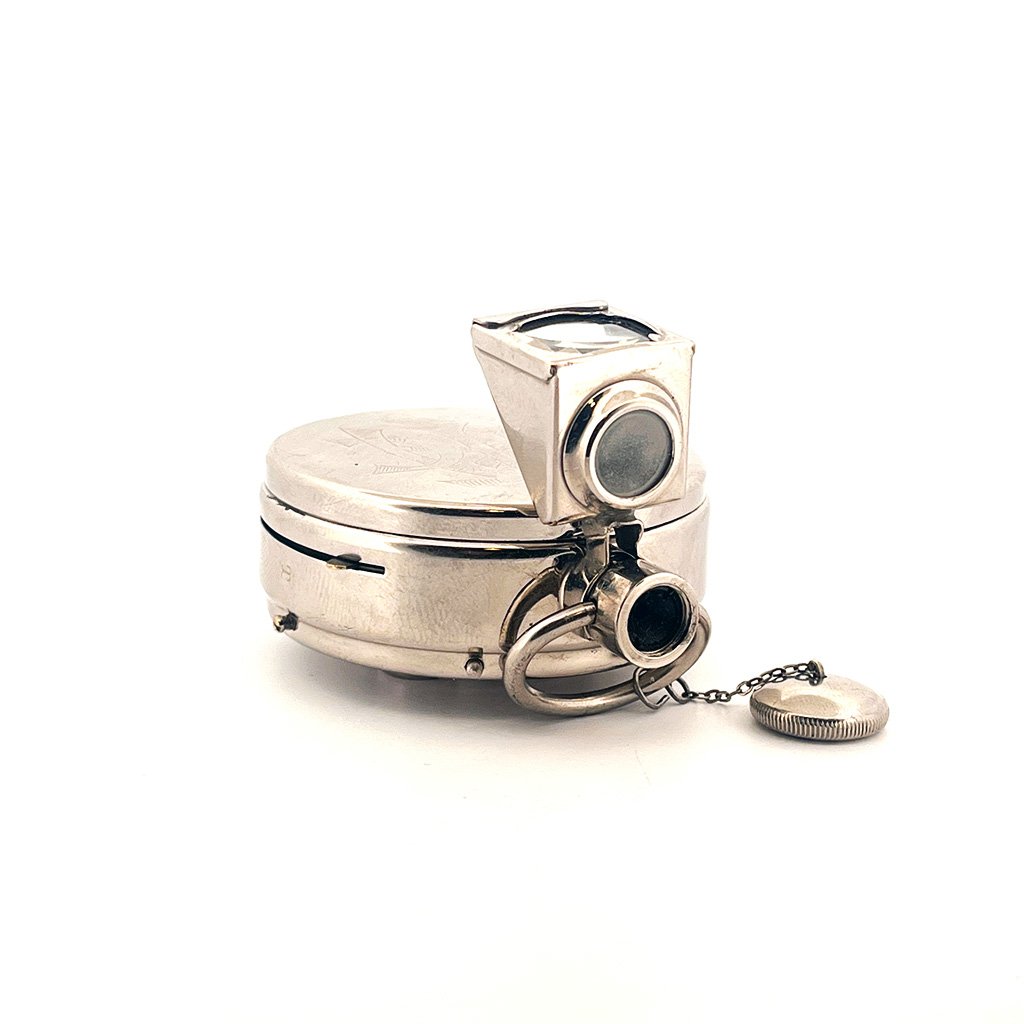
Many cameras used a film made for them alone: the Ticka’s cassettes, the Kombi’s small rolls, the Eljy’s unperforated film, the round film discs of the Petal and of the Steineck ABC wristwatch camera. When the camera stopped selling, the film disappeared with it, which is why so many of these cameras can no longer be used without hand-cut film.

Plan your visit
Visit is free and open to all
- Opening hoursMonday – Saturday : 10 – 17:30
- AddressStudio Harcourt, 6 Rue de Lota, 75116 Paris
- Exceptional closuresMonday, 16 November 2026Tuesday, 17 November 2026Thursday, 19 November 2026Thursday, 26 November 2026