The adventure of the brands
The FED story
- Founded in 1927Ukraine
- No longer makes cameras
A commune for homeless children in Kharkiv, a famous educator, a copy of the Leica made by teenagers, a factory evacuated to Siberia, millions of cameras for Soviet families and crates of fake Leicas: the FED story, told through its inventions and its anecdotes.
1927–1933
A commune for homeless children
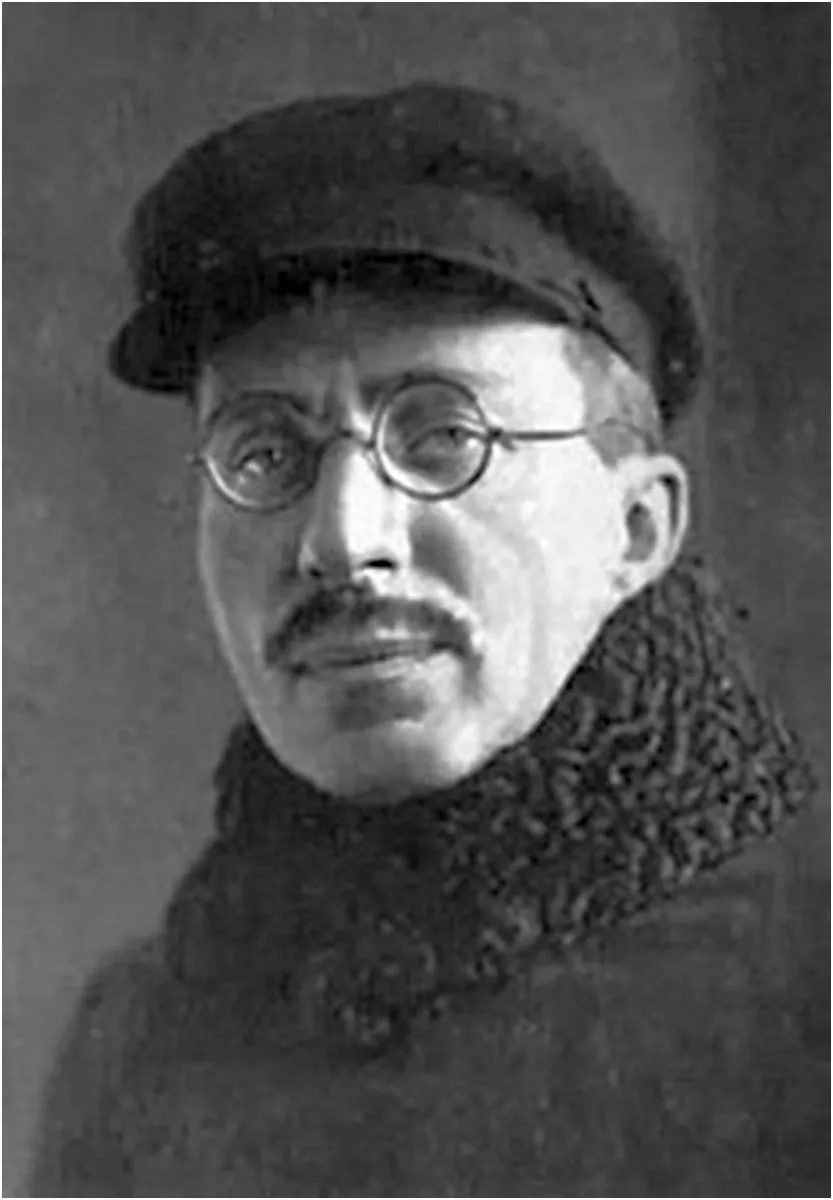
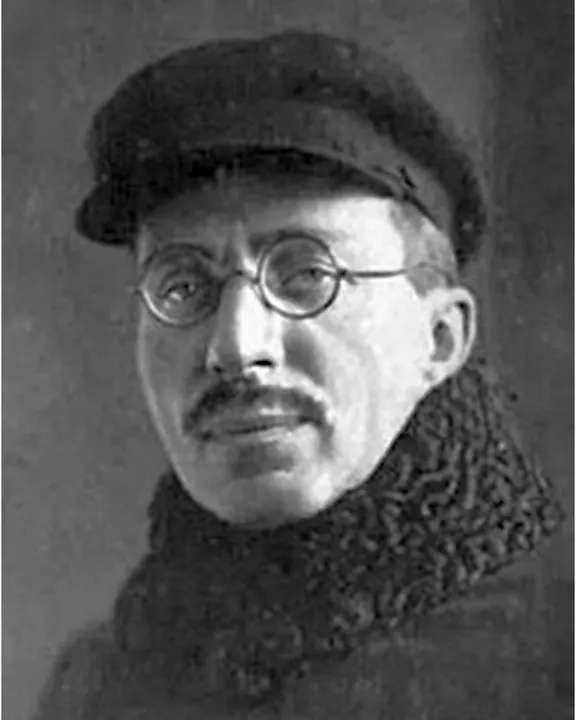
After the revolution and the civil war, hundreds of thousands of children lived in the streets of the Soviet Union. In December 1927 a labour commune for these children opened in Kharkiv, in Ukraine. It was run by the educator Anton Makarenko, who believed that work, discipline and trust could rebuild young lives.
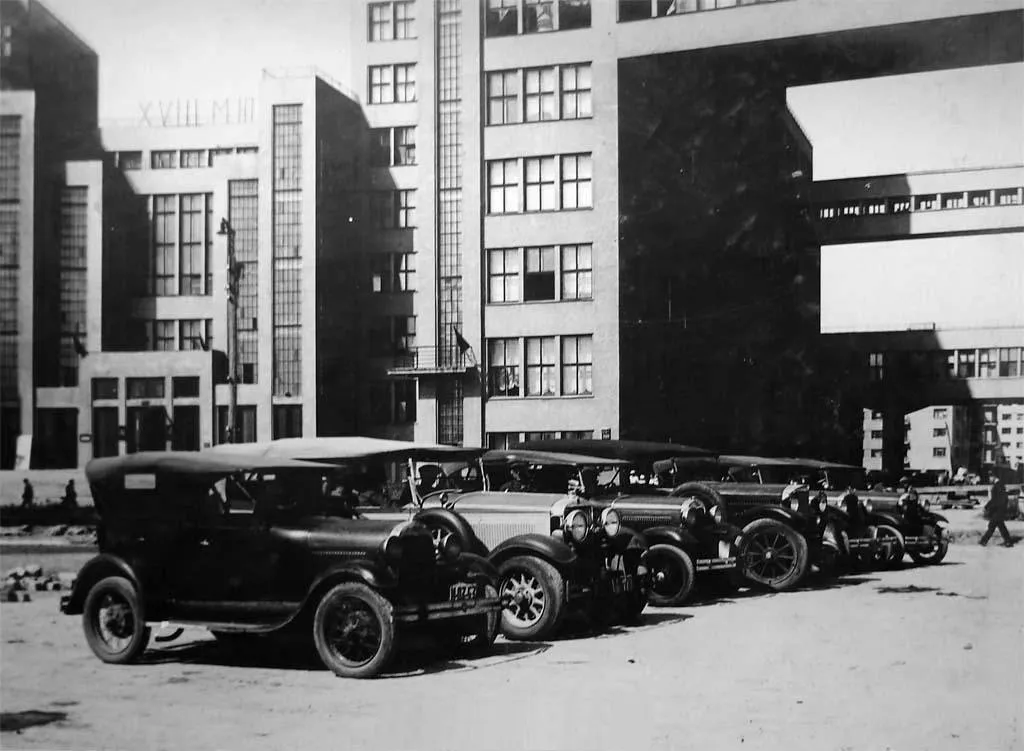
The commune had workshops where the young people learned trades and produced electric drills. In 1932 its new director proposed a far more ambitious project: making a copy of the German Leica.
The people
1934–1955
A Leica from Kharkiv
In the museum
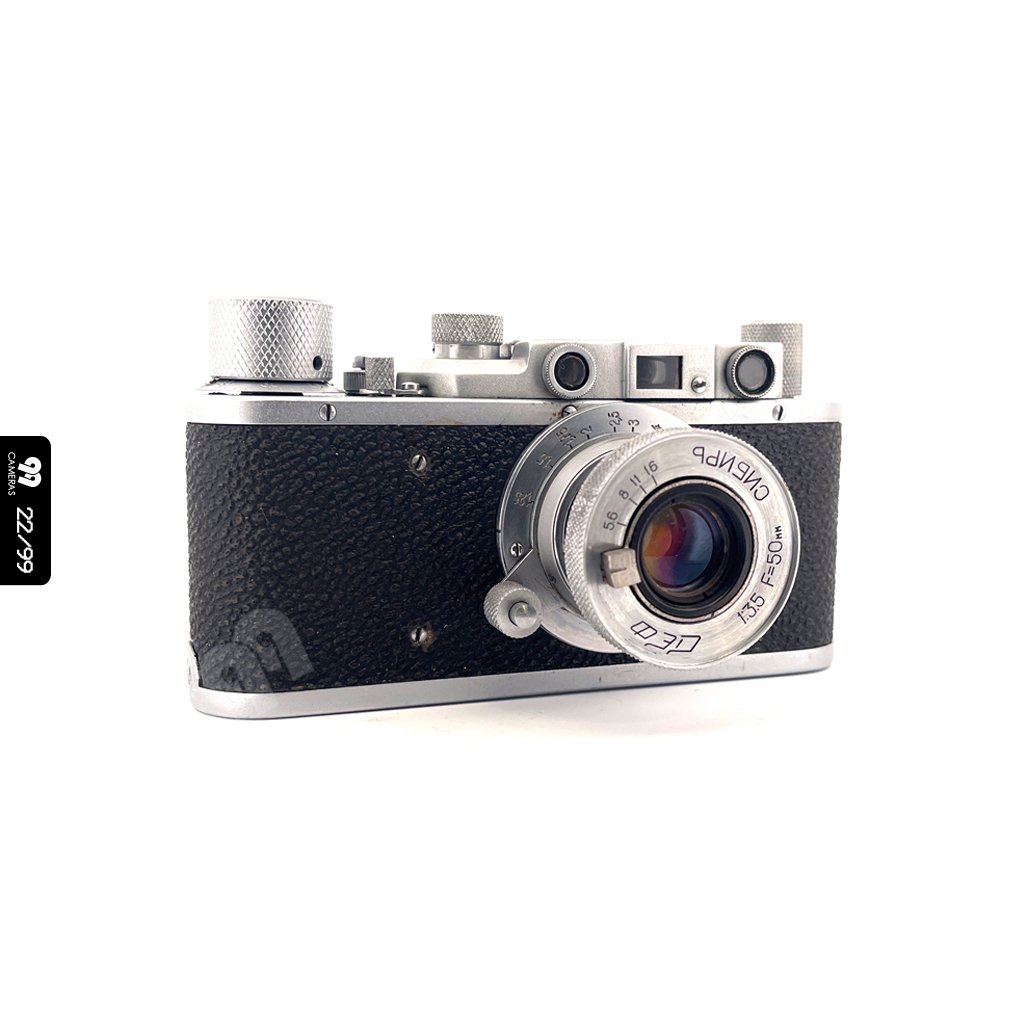
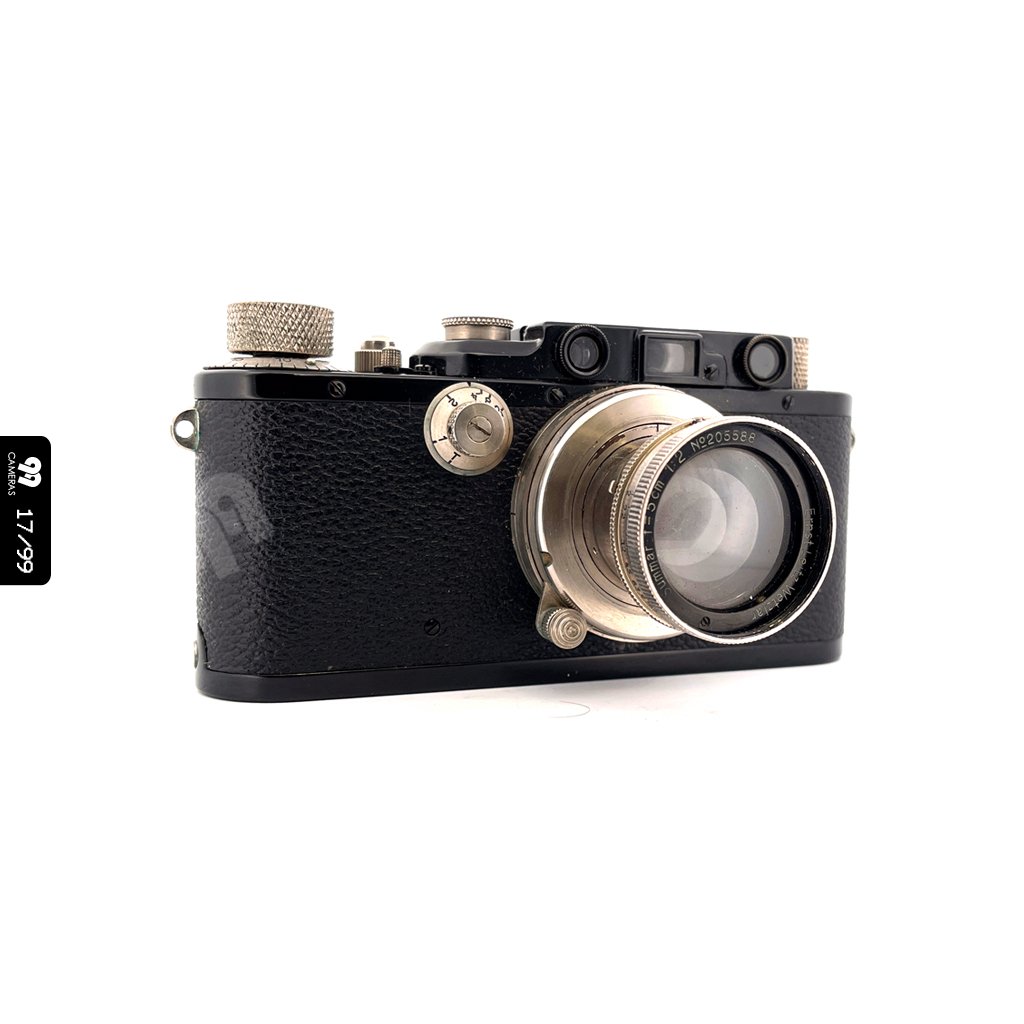
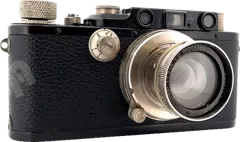
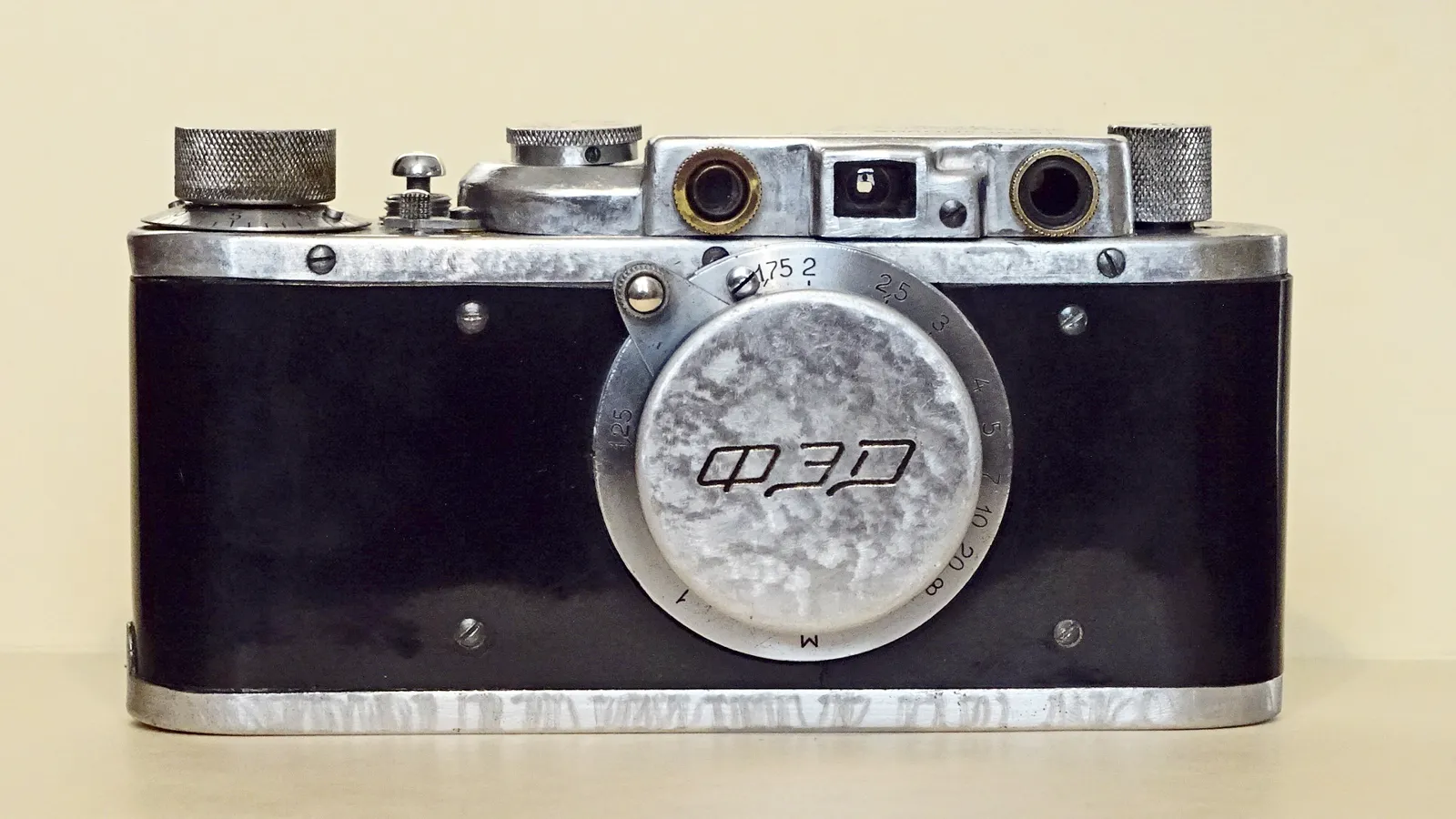
In 1934 the commune began producing the FED, a copy of the Leica II. The name came from the initials of Felix Edmundovich Dzerzhinsky, the founder of the Soviet secret police, after whom the commune was named. Production rose from about 4,000 cameras in 1934 to about 140,000 in 1955.
During the Second World War, Kharkiv was occupied by German troops, and production moved to Berdsk, in Siberia, where some cameras were assembled from evacuated parts. About 700,000 FED 1 cameras were made in all. The FED in the museum is a “Sibir” version with enlarged controls for use in very cold weather.
1955–1997
Millions of cameras
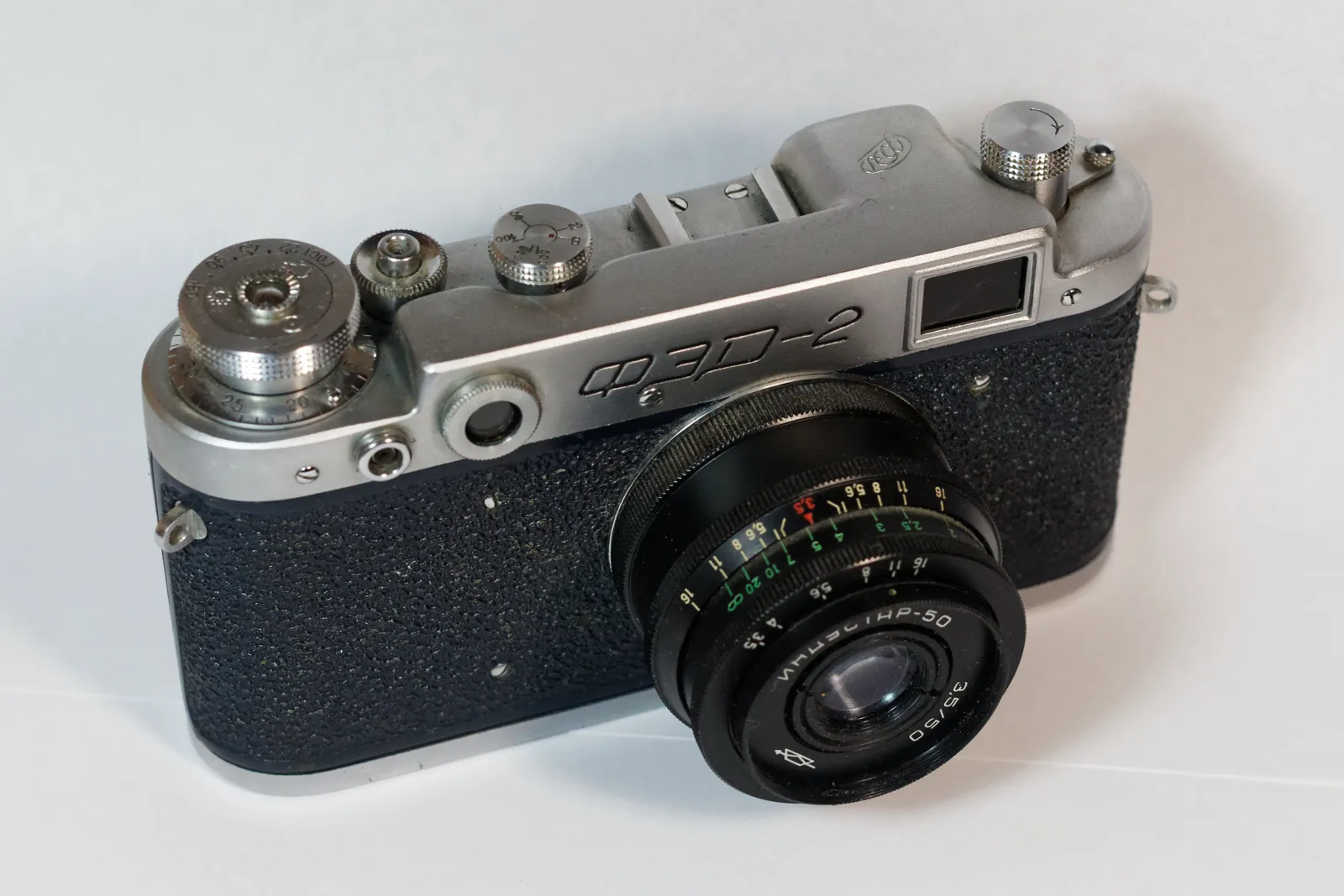
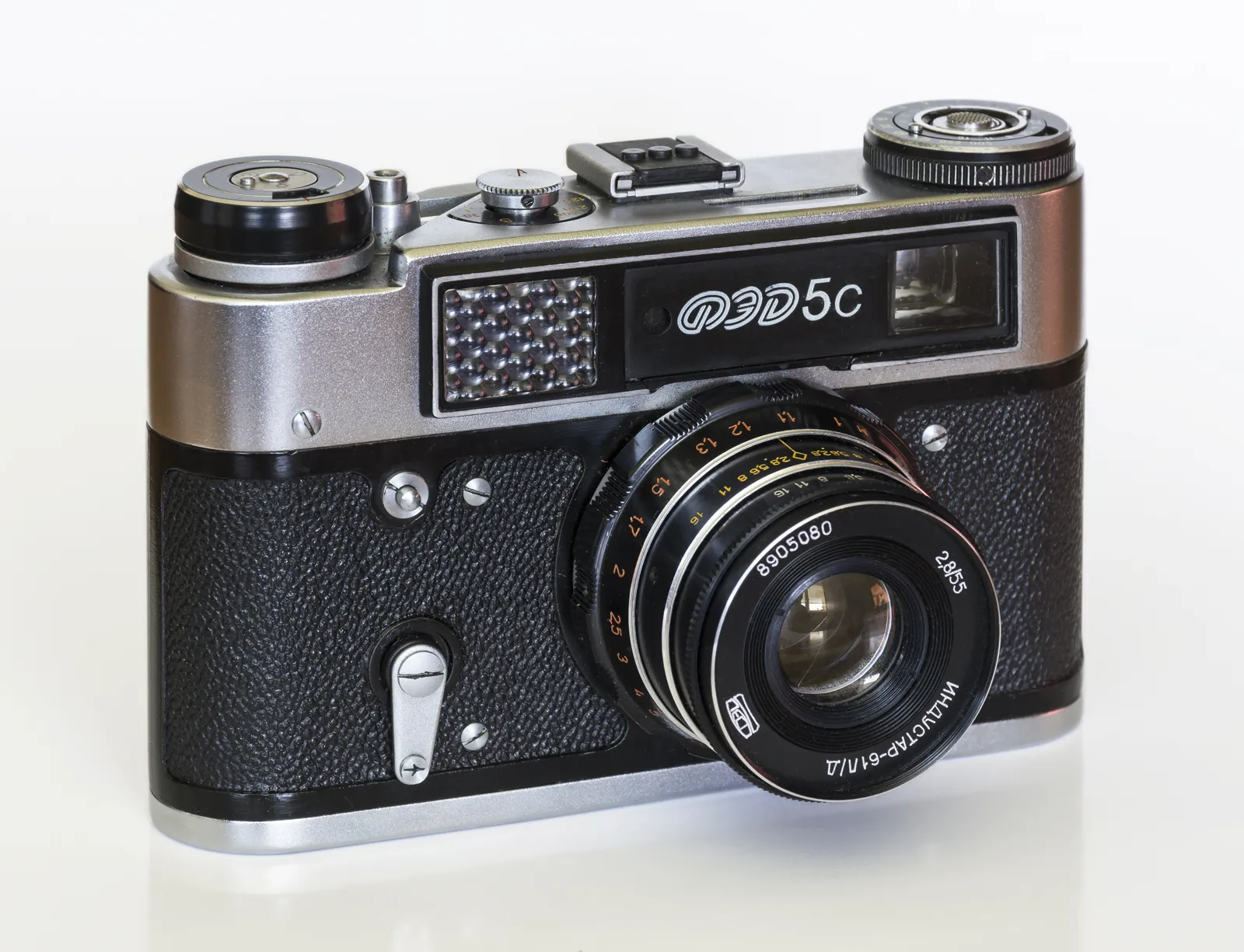
From 1955 FED began to innovate. The FED 2 combined the viewfinder and the rangefinder in a single window, followed by the FED 3 with slow speeds, the FED 4 with a light meter, and finally the FED 5.
Production stopped in the 1990s, after the end of the Soviet Union. According to the company, 8,647,000 cameras had been made since the beginning.
1950s–1990s
Crates of fake Leicas
In the museum
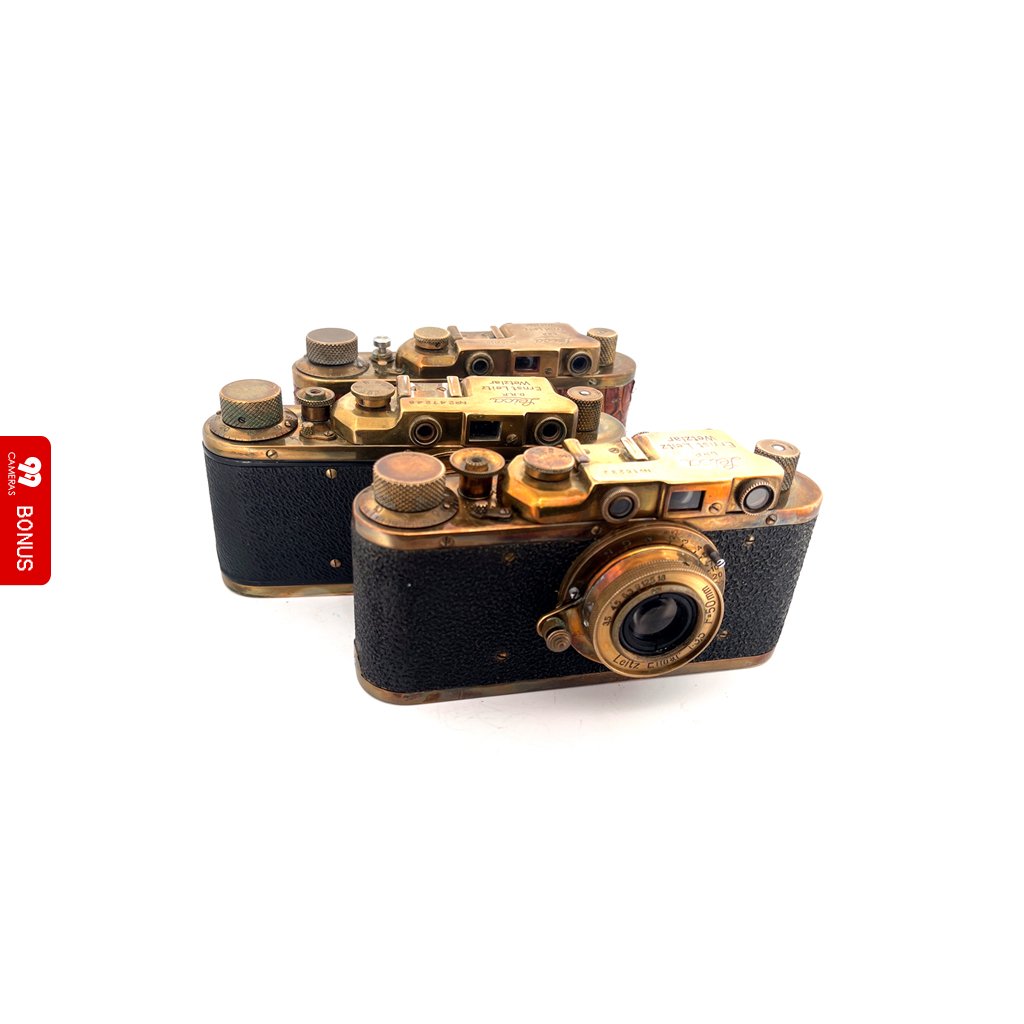
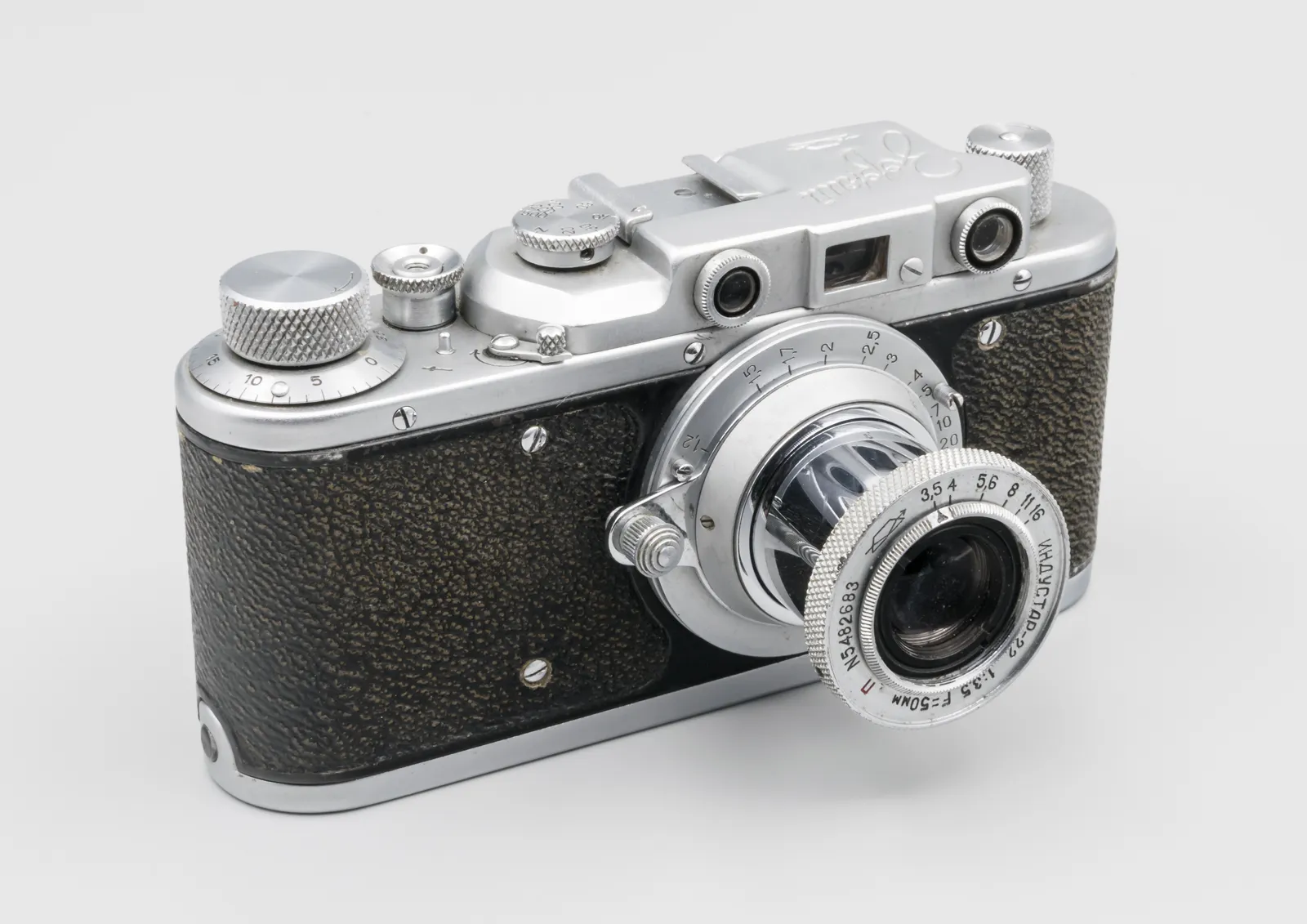
Since owning a Leica was a dream for many collectors, a whole underground industry turned cheap Soviet copies, FEDs and Zorkis, into fake Leicas. It was enough to re-engrave the top plate to make a convincing “Leica II”.
Crates of these fakes were sold in Europe and the United States, especially after the fall of the Soviet Union. Some were pure inventions: gold-plated cameras, “military editions” with misspelled German engravings, “luxury” models that Leitz never made.
FED at the 99 Cameras Museum
The FED 1 “Sibir” and a box of Soviet fake Leicas are in the showcases of the museum in Paris. You can see them, and the other cameras of this story, in our online collection.
See the FED cameras of the collection
Sources. Wikipedia articles on FED and Anton Makarenko, FED company history. Some anecdotes come from oral tradition and are told as such.
Plan your visit
Visit is free and open to all
- Opening hoursMonday – Saturday : 10 – 17:30
- AddressStudio Harcourt, 6 Rue de Lota, 75116 Paris
- Exceptional closuresThursday, 26 November 2026