Brand stories
The Leica story
An asthmatic engineer, a boss who decided to take the risk, a rival from Dresden, copies from Kharkiv and Tokyo, a rescue that stayed secret for decades: the story of the small camera from Wetzlar that changed photography, told through its inventions and its anecdotes.
1849–1911
A town of microscopes
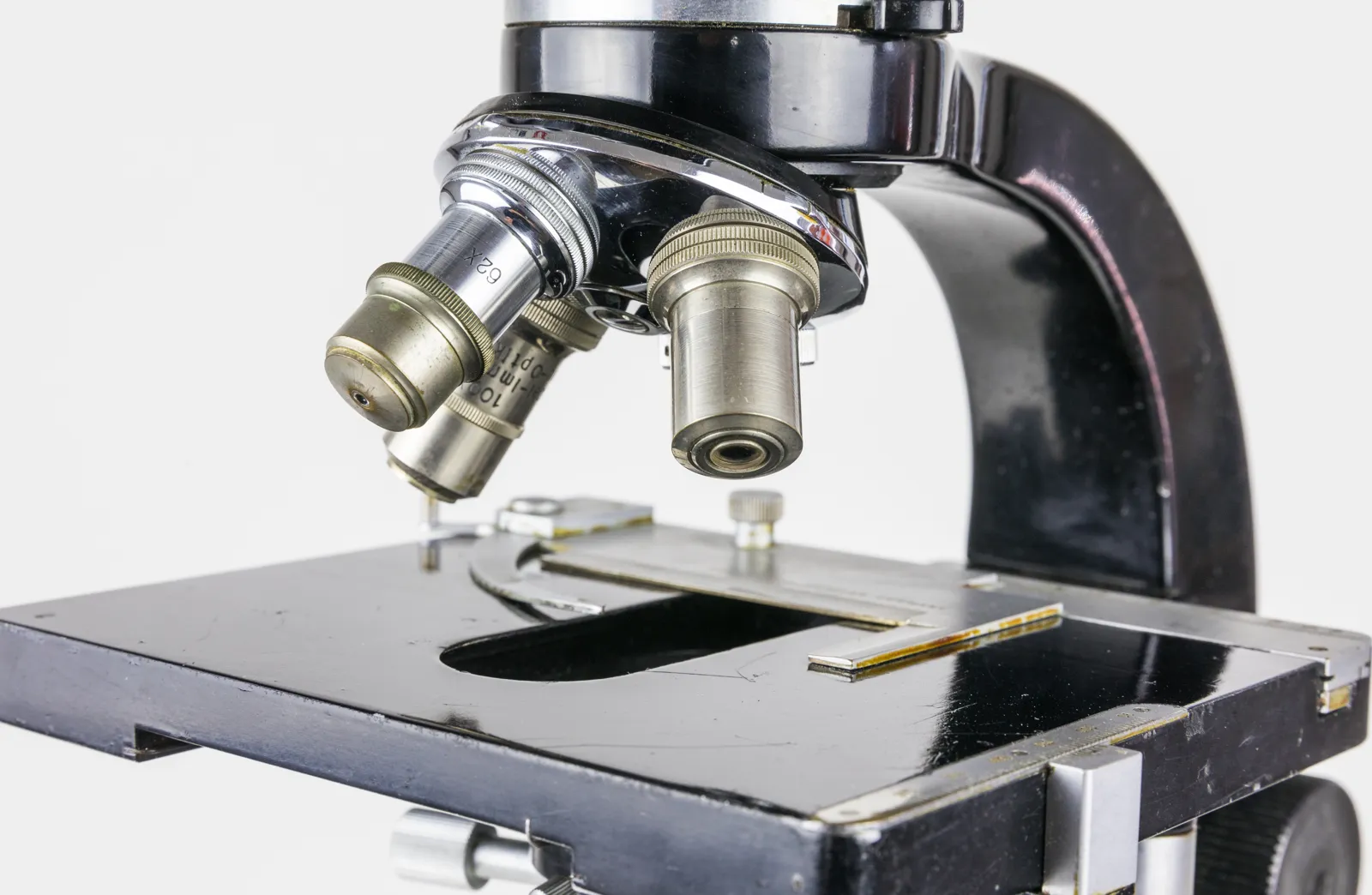
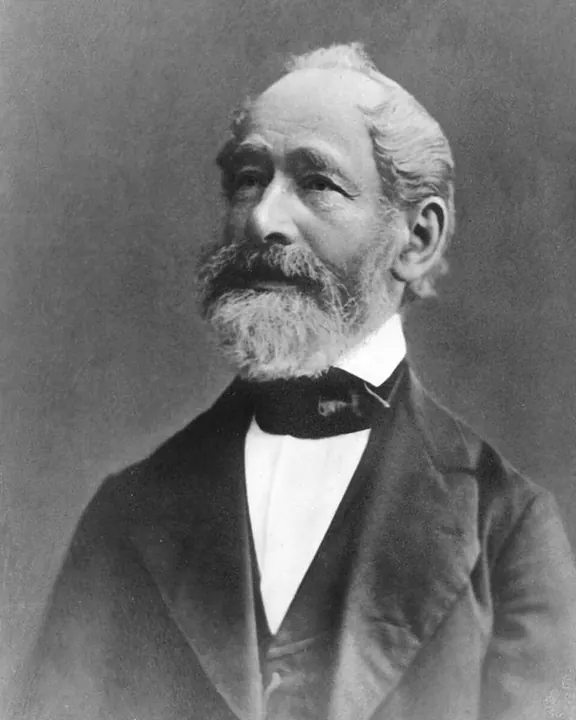
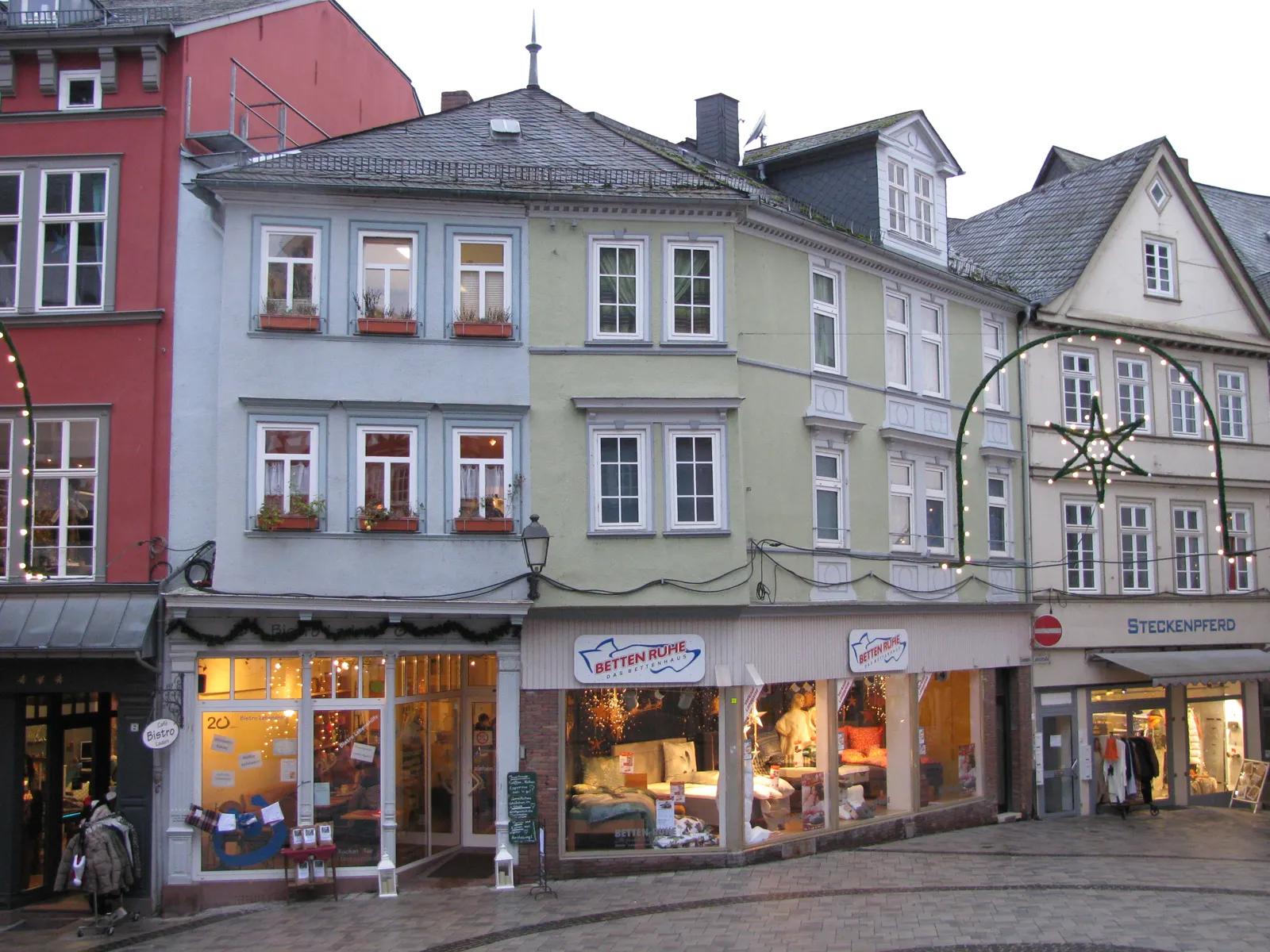
Before there was a Leica, there was a workshop in Wetzlar, a small town on the river Lahn, north of Frankfurt. In 1849 a young optician, Carl Kellner, opened an “Optical Institute” there to make lenses and microscopes. He died in 1855, aged only 29, and the business passed to his widow and his assistant.
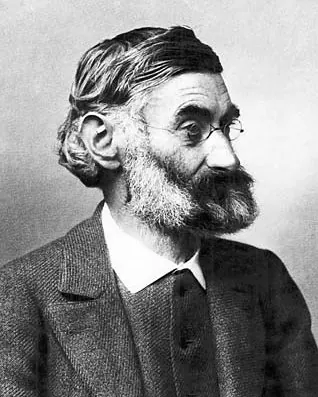
In 1864 a mechanic called Ernst Leitz joined the firm. Five years later he owned it and gave it his name. Under Leitz, Wetzlar became famous for its microscopes, sold to laboratories and hospitals all over the world, then for binoculars (from 1907) and cinema projectors (from 1910). Cameras were not part of the plan.
1911–1923
A camera for a man short of breath
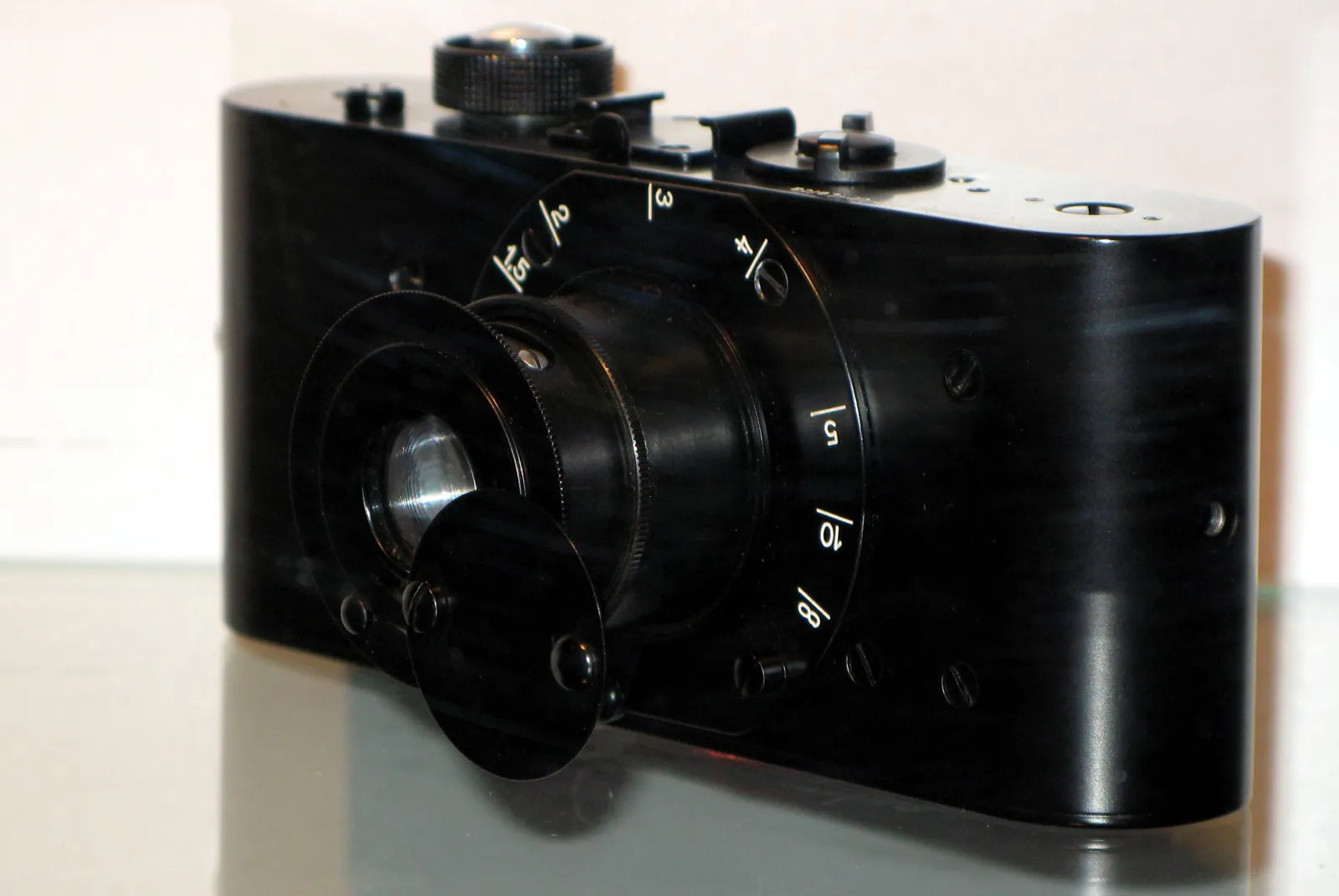
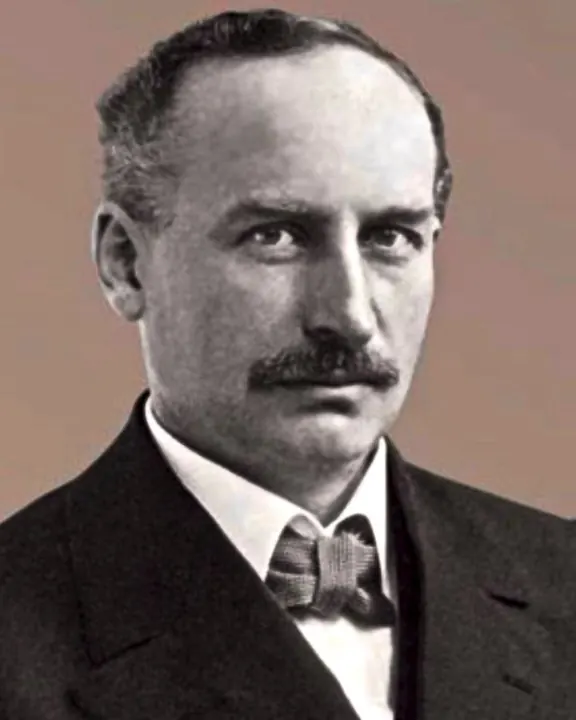
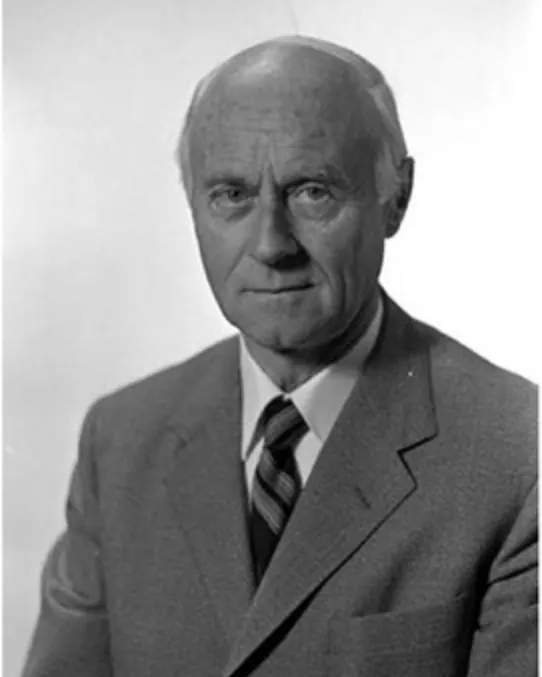
Barnack loved walking in the hills around Wetzlar with a camera, but he suffered from asthma. The cameras of the time were wooden boxes with glass plates of 13 × 18 cm, a tripod and a bag of plate holders: far too heavy for him. He dreamed of a camera he could carry in his pocket.
At work, he was building a cinema camera and needed a way to test how much light the movie film needed. Around 1913–1914 he made a small metal camera that took the same 35 mm perforated film, and he had an idea that changed everything: he ran the film sideways and doubled the cinema frame, to 24 × 36 mm. The format of 20th-century photography was born in a test tool.
His motto, often quoted at Leica, sums up the idea: small negative, big picture. The tiny negative was to be enlarged afterwards, which only worked because Leitz knew how to make very sharp lenses.
The people
1923–1925
“We will take the risk”
In the museum
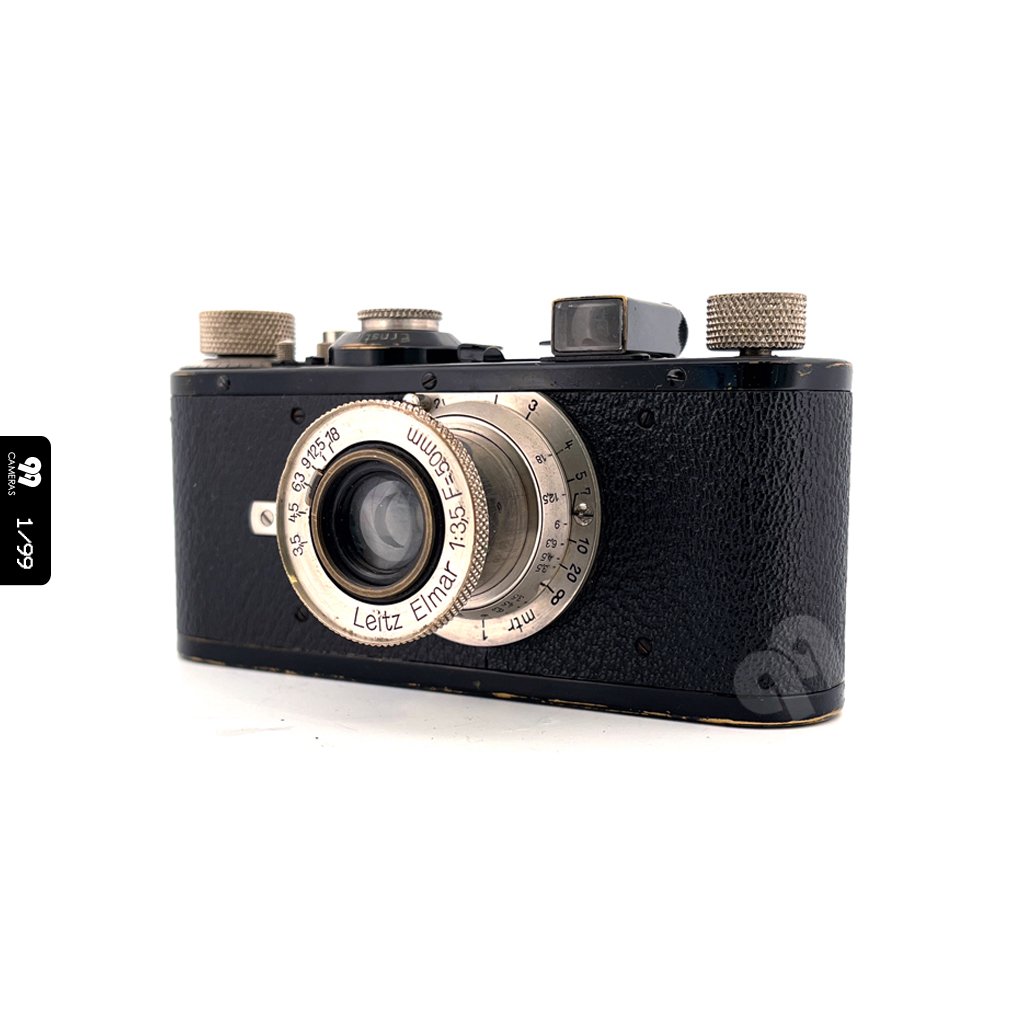
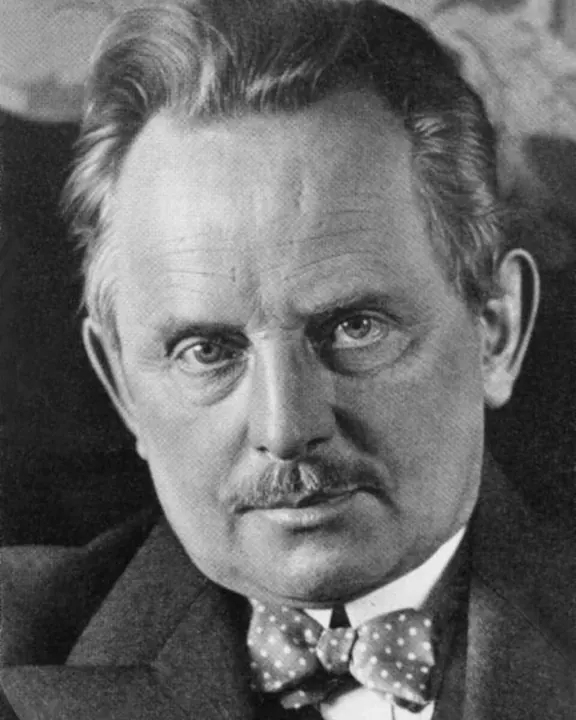
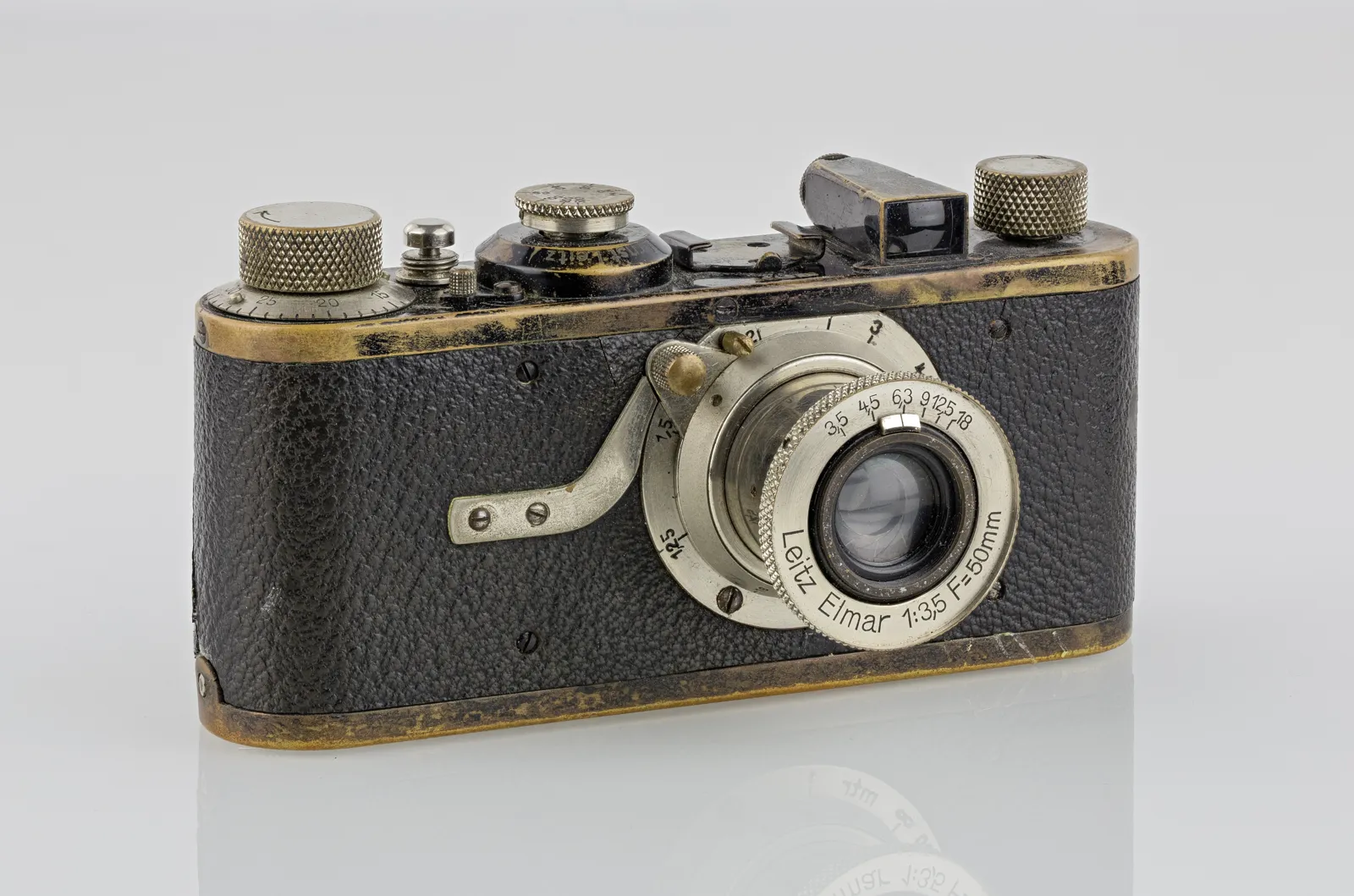
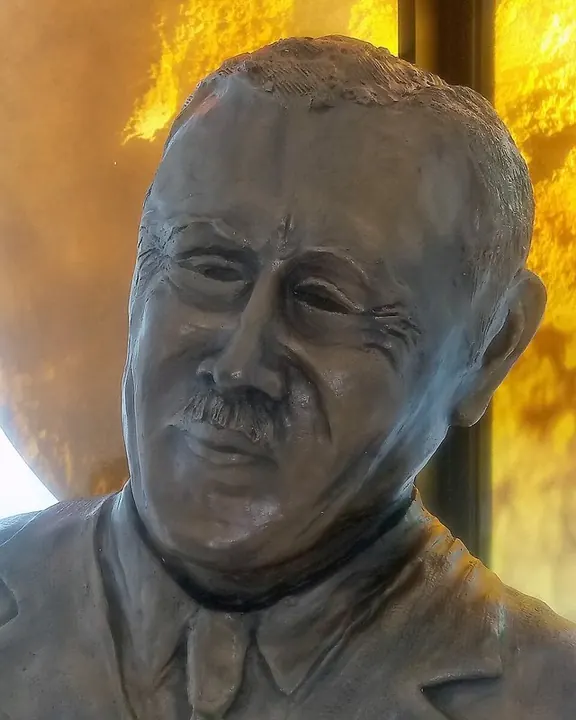
In 1923 Barnack convinced his boss, Ernst Leitz II, the founder’s son, to make a small trial batch of about thirty cameras, the “0 series”. They were lent to photographers to see how they reacted. Many were unconvinced: professionals laughed at a negative the size of a postage stamp. Inside the company, the managers and engineers were divided, and many thought the camera would fail.
In 1924 Ernst Leitz II cut the debate short with a sentence that Leica still quotes: “Ich entscheide hiermit: Es wird riskiert”, “I hereby decide: we will take the risk.” Making a new product was also a way to keep his workers busy in a country that had just been ruined. The lens, computed by Max Berek, was first called Elmax (for E. Leitz and MAX Berek), then improved as the Elmar.
The camera was shown at the Leipzig Spring Fair in 1925, under a name made of the first letters of LEItz CAmera: the Leica. Nearly a thousand were sold in the first year, and the camera that serious photographers had laughed at became a success with travellers, scientists and amateurs.
1925–1939
The camera that invented the reporter
In the museum
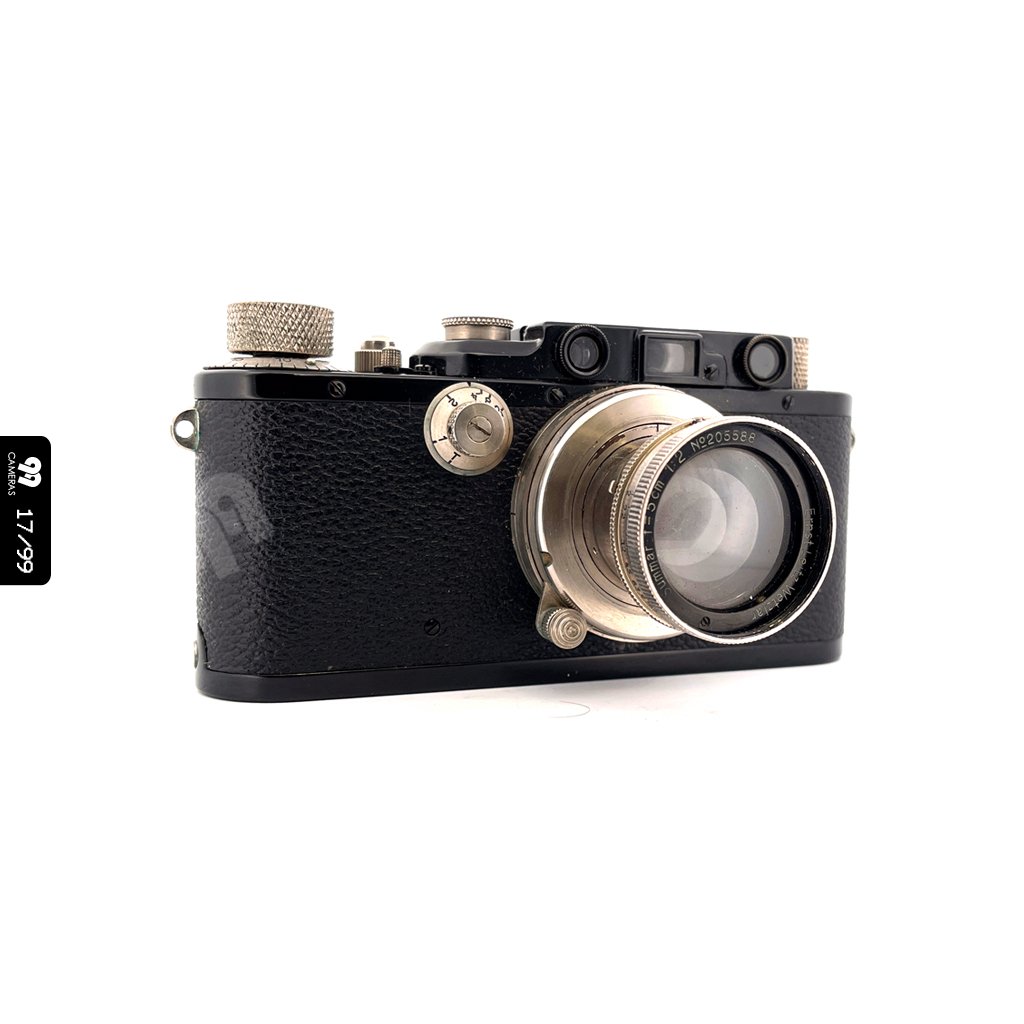
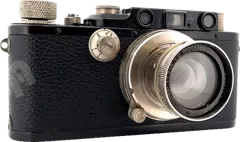
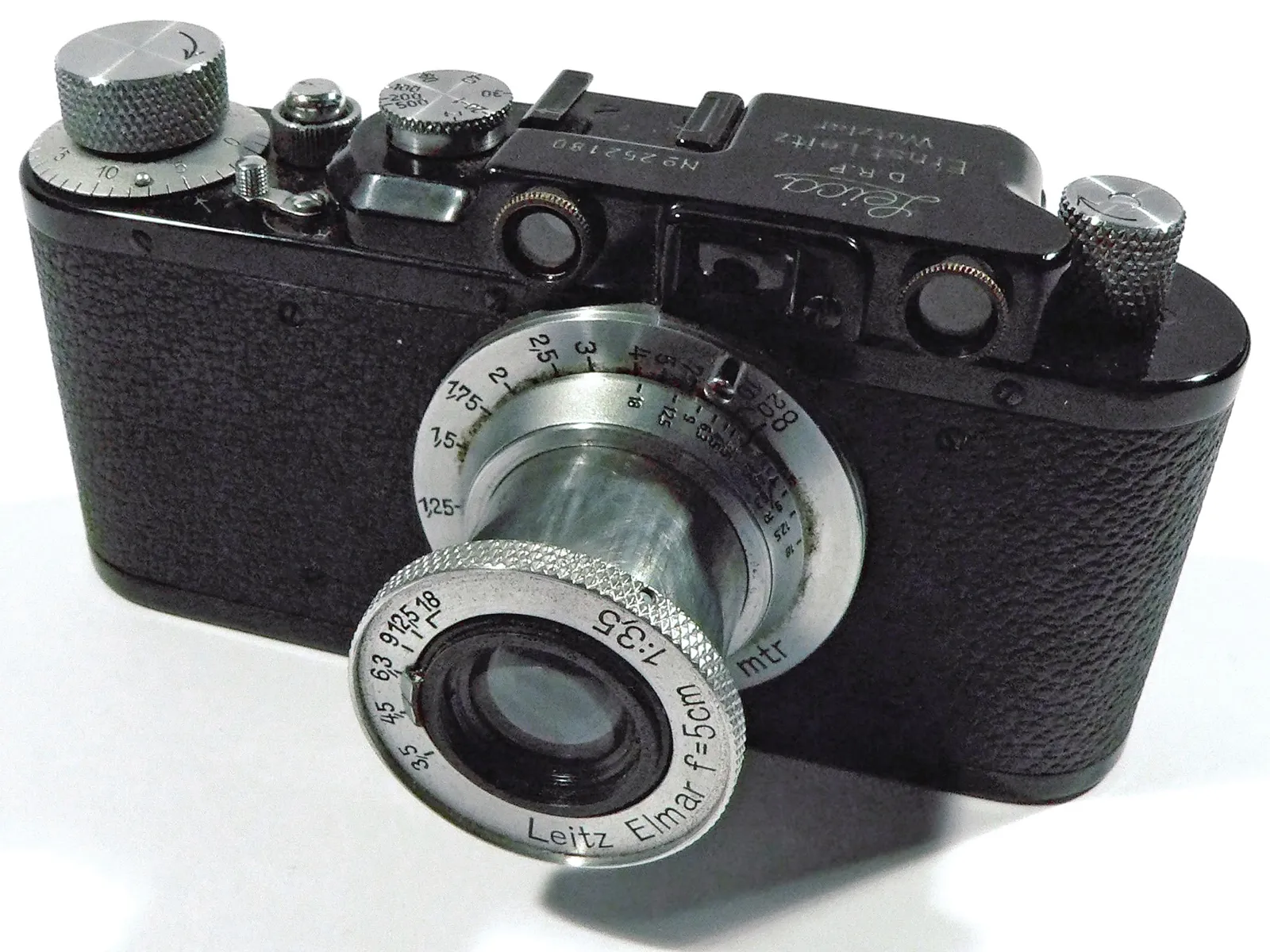
Leitz improved the camera every few years, and each change opened a door. From 1930 the lenses screwed off, so a photographer could carry a wide angle and a telephoto. In 1932 the Leica II added a rangefinder linked to the lens, so focusing became fast and precise. The Leica III of 1933 added slow speeds, and the IIIa reached 1/1000 s. Around the camera, Leitz built a whole system of lenses, enlargers and accessories.
The small, quiet Leica let photographers work without being noticed, in the street, in crowds, in poor light. A new generation took hold of it: Henri Cartier-Bresson, who bought his first Leica in the early 1930s and called it the extension of his eye; Alfred Eisenstaedt, who left Germany for the United States in 1935 and became one of the first photographers of Life; and many reporters of the Spanish Civil War.
1932–1961
Leitz against Zeiss
In the museum
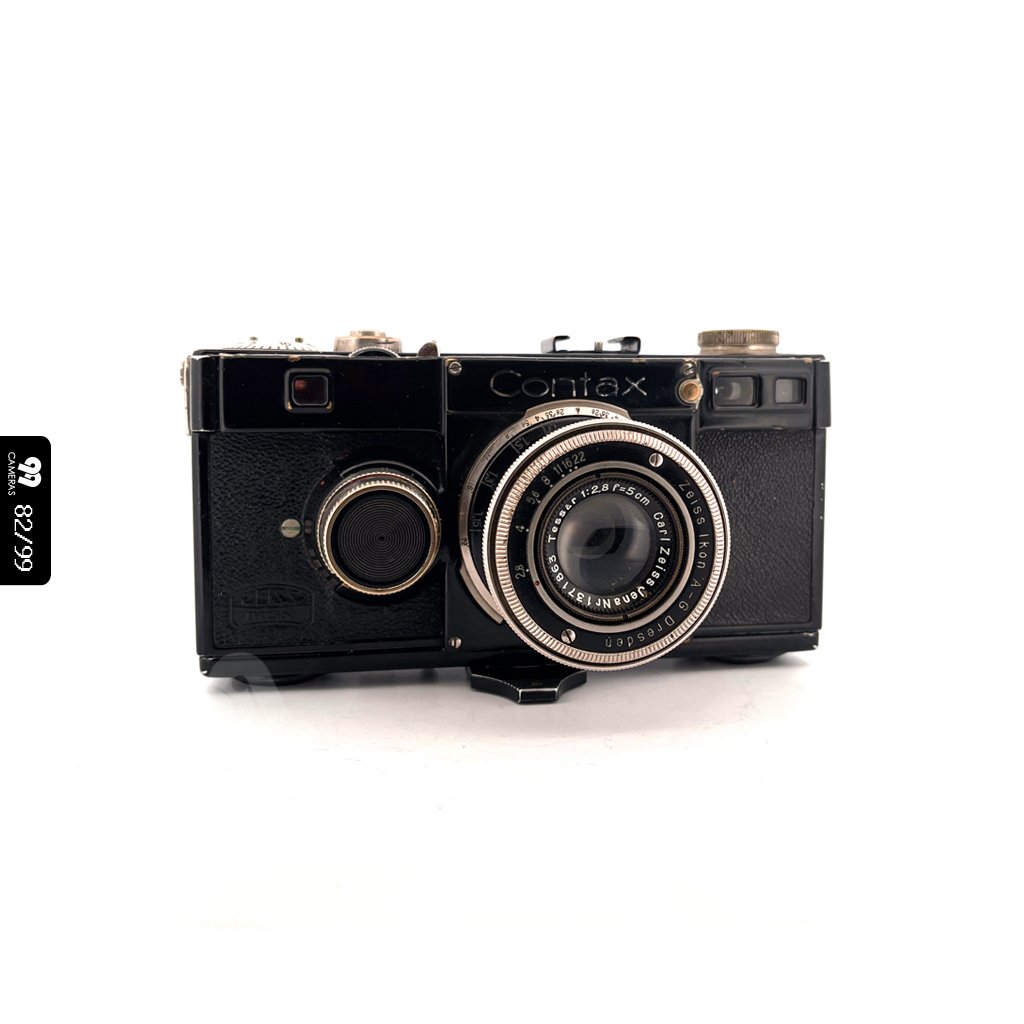
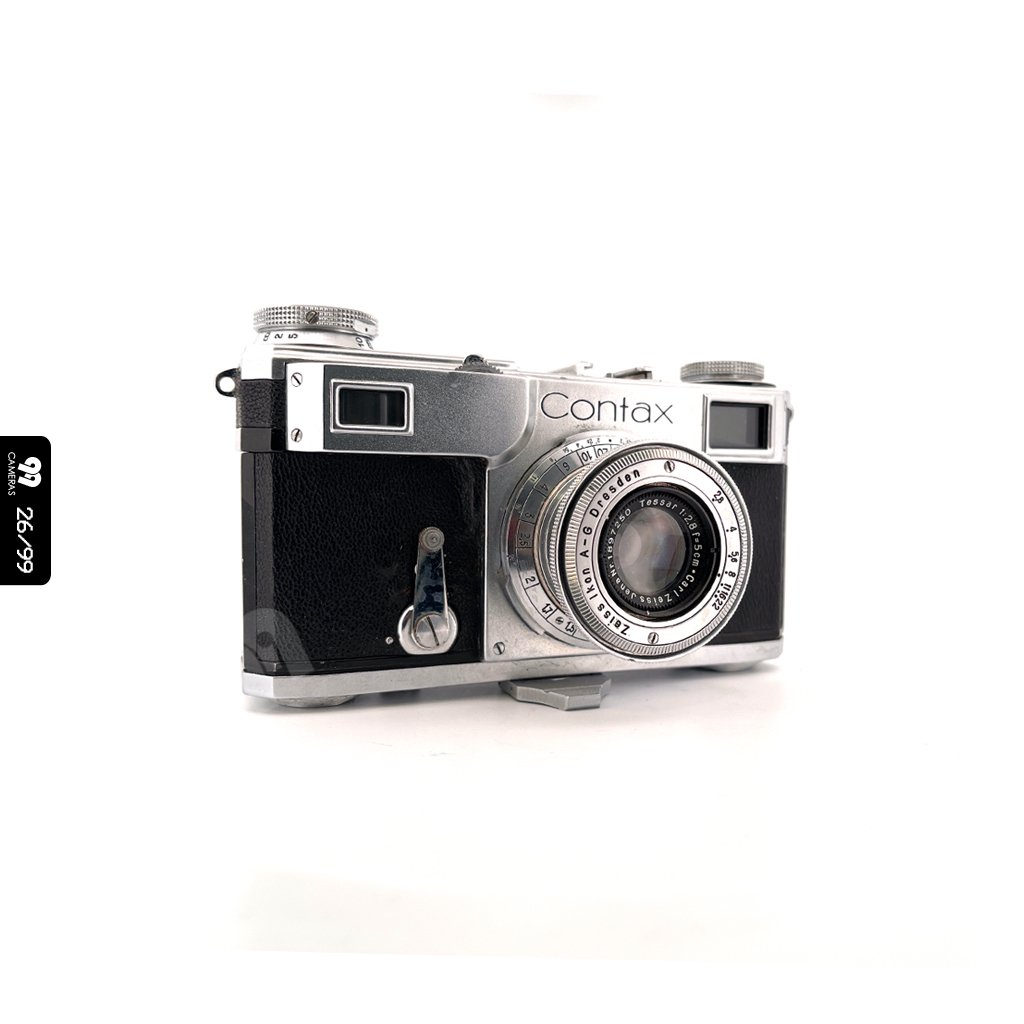
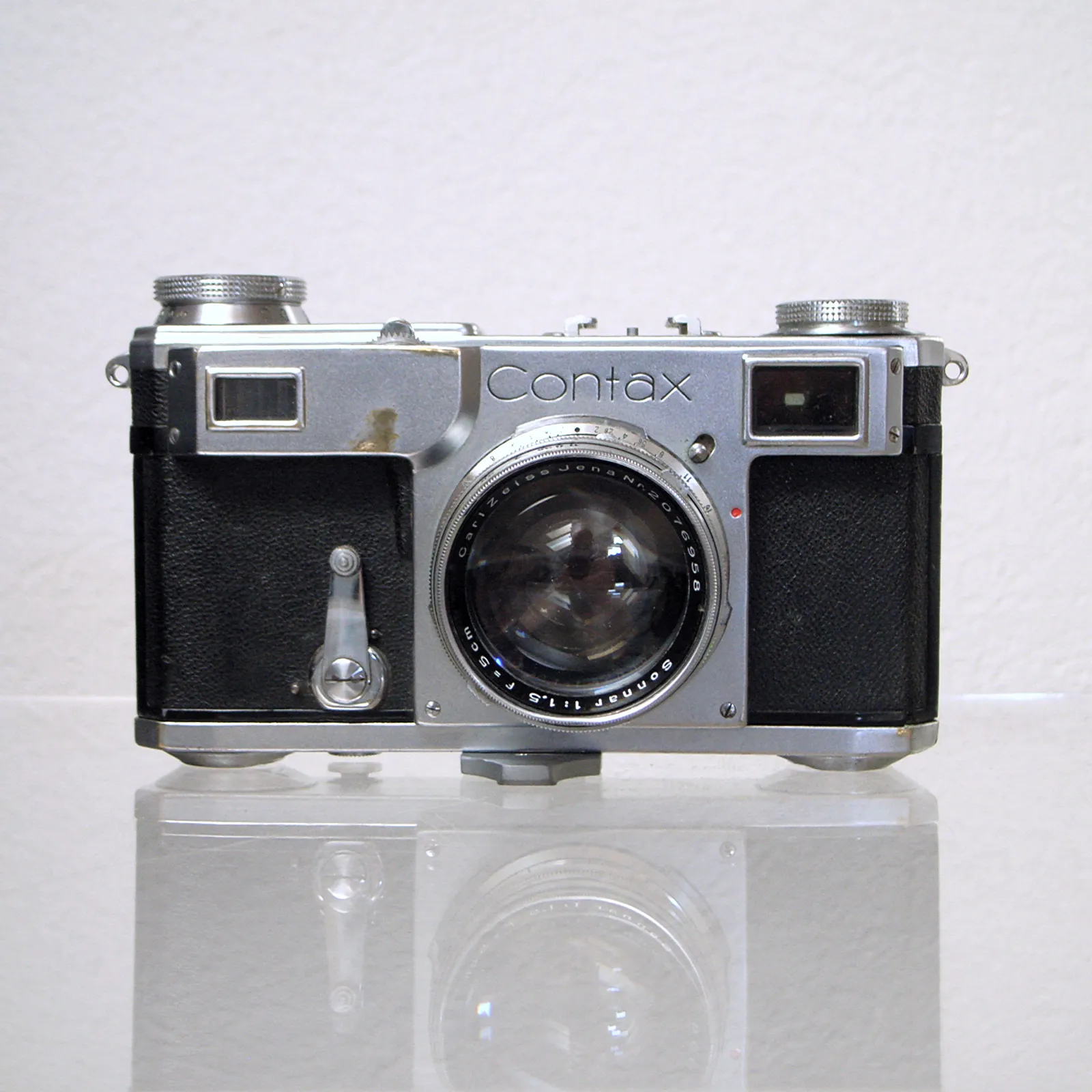
The success of the Leica stung Zeiss. In 1932 its camera branch in Dresden, Zeiss Ikon, answered with the Contax, designed by a team led by Heinz Küppenbender, with one goal: to beat the Leica on every point. It had a bayonet mount that changed lenses quickly, a metal shutter up to 1/1000 s, and a rangefinder with a longer base, more precise. In 1936 the Contax II combined the viewfinder and the rangefinder in one window, something the Leica would not offer until 1954.
The Contax was also more complicated, partly because Leitz had already patented many of the simple ways to build a small camera. Photographers split into two camps, and the debate between “Leica men” and “Contax men” filled the photo magazines of the 1930s. Zeiss had the famous Sonnar lenses; Leitz had a simpler, tougher camera and a head start.
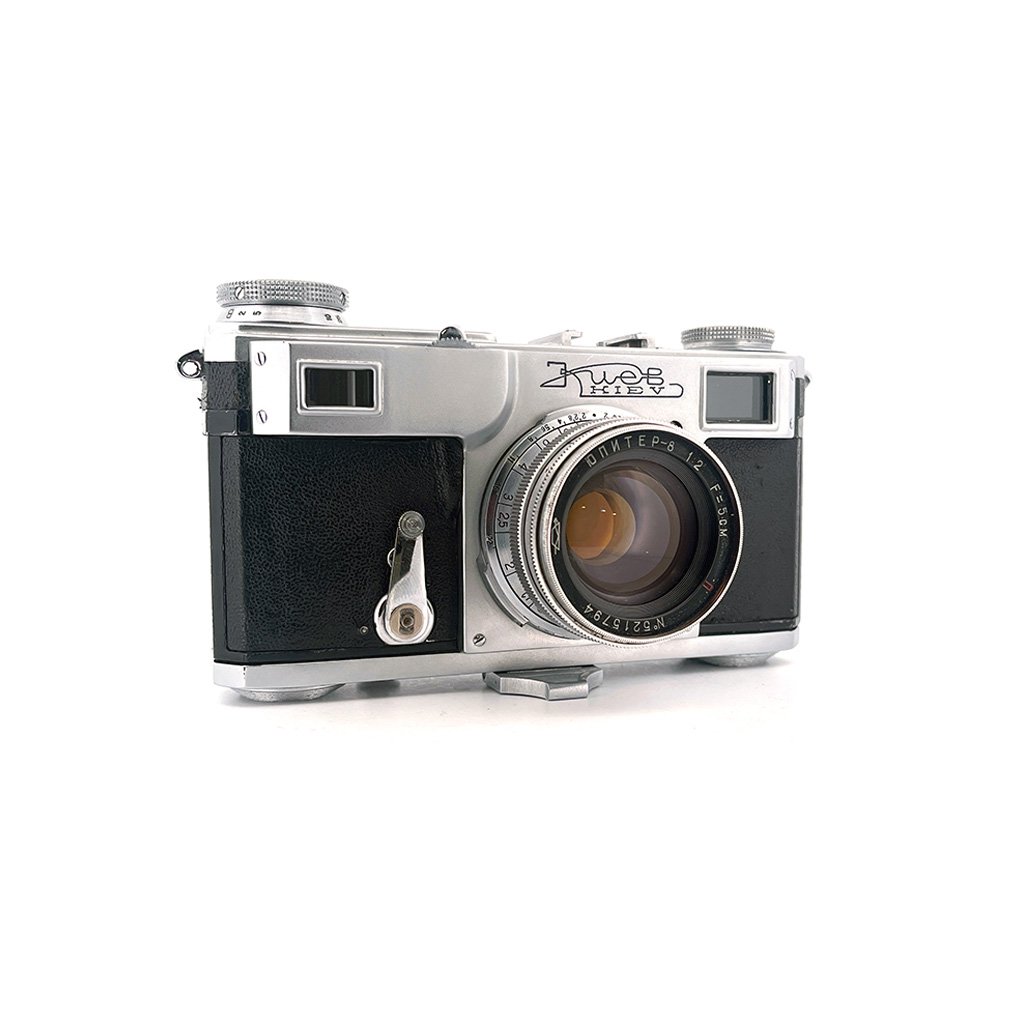
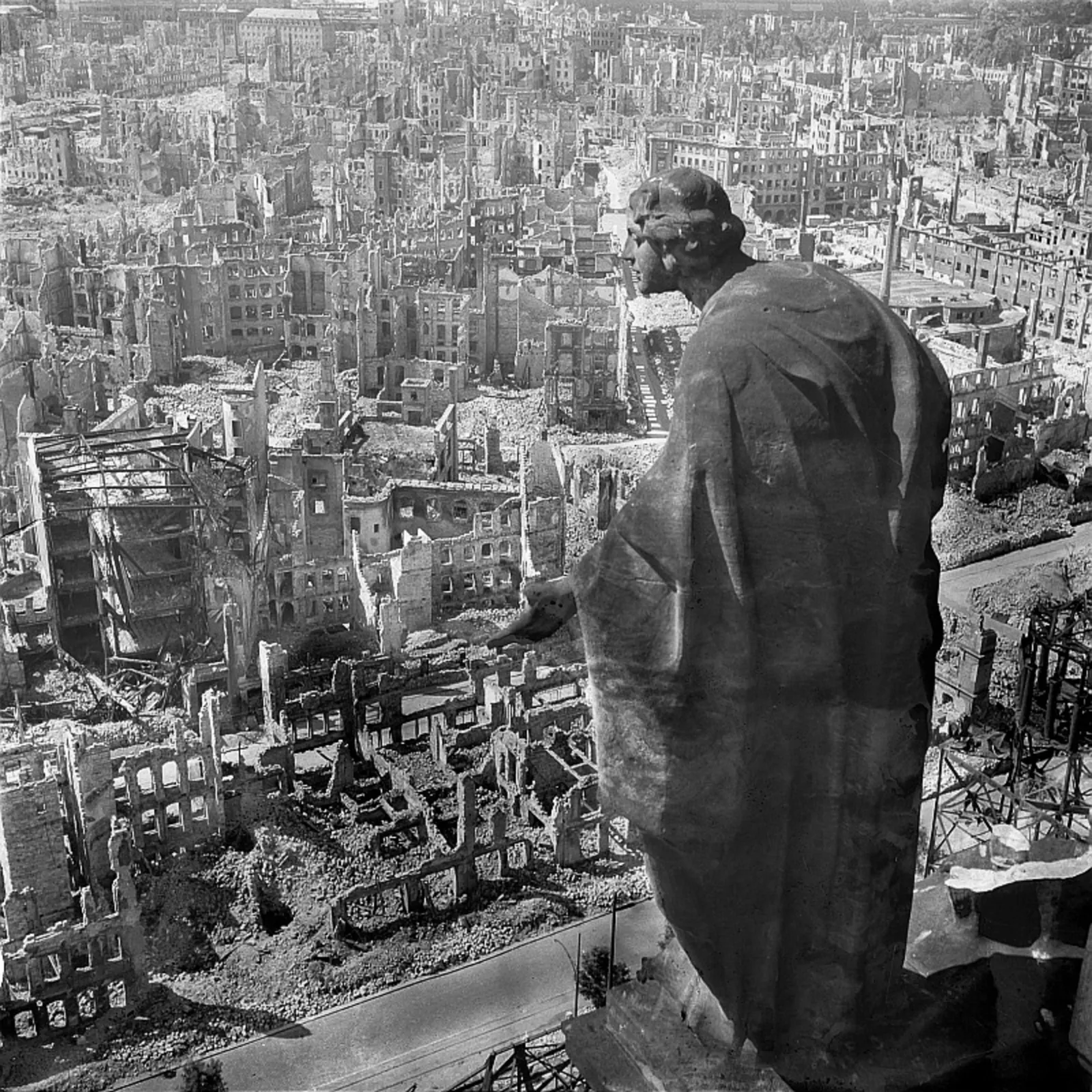
The war decided the match. Dresden was destroyed in February 1945 and found itself in the Soviet zone. The Soviets took the Contax machines and tooling to Kyiv, where the camera was made again under the name Kiev for decades. Wetzlar came through the war with its factory and ended up in the American zone. A new Contax was made in Stuttgart from 1950, but the Contax rangefinder was dropped in 1961, while Leitz kept making its rangefinder.
The people
1933–1945
The Leica Freedom Train
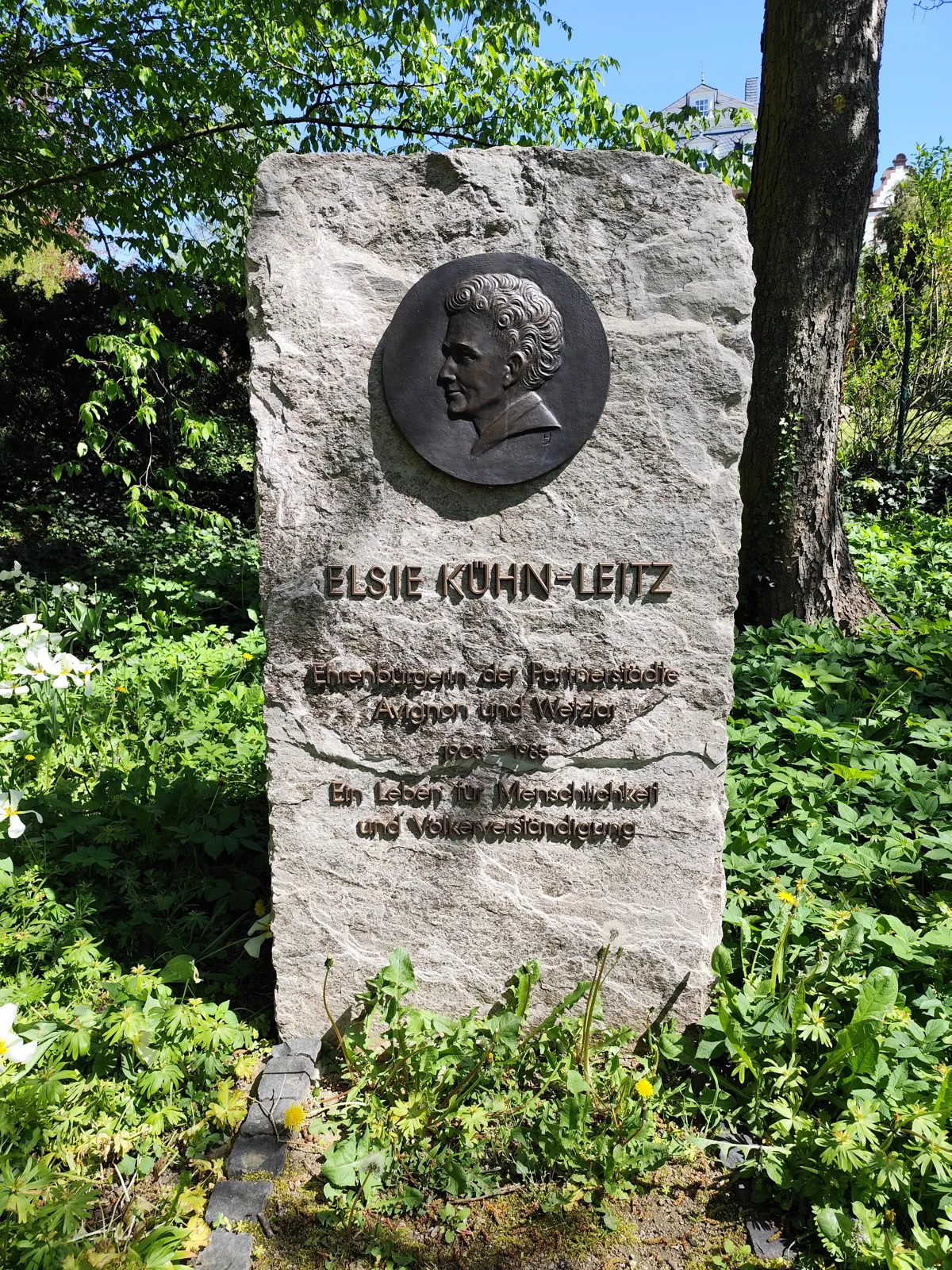
When the Nazis came to power, Ernst Leitz II did something the company kept quiet for decades. Jewish employees, and other Jewish people from Wetzlar who asked for help, were “transferred” to Leitz’s sales offices and partners abroad, mainly in New York, but also in Britain, France and Hong Kong. Each received help with papers and travel, often a small salary until they found work, and a Leica, which they could sell if needed. The departures increased after the pogrom of November 1938 and ended when the borders closed in September 1939. Hundreds of people left this way.
The story is not a simple one. Leitz was an important supplier to the German army, and like most German industry it used forced labour: by January 1945 nearly a thousand forced workers, most of them women from Ukraine, worked in its factories. Ernst Leitz II himself joined the Nazi party during the war. The rescue only became widely known after the last members of the family who had run the operation had died, when the rabbi and photographer Frank Dabba Smith told it in his book The Greatest Invention of the Leitz Family.
The people
1932–1955
Leica everywhere, made by others
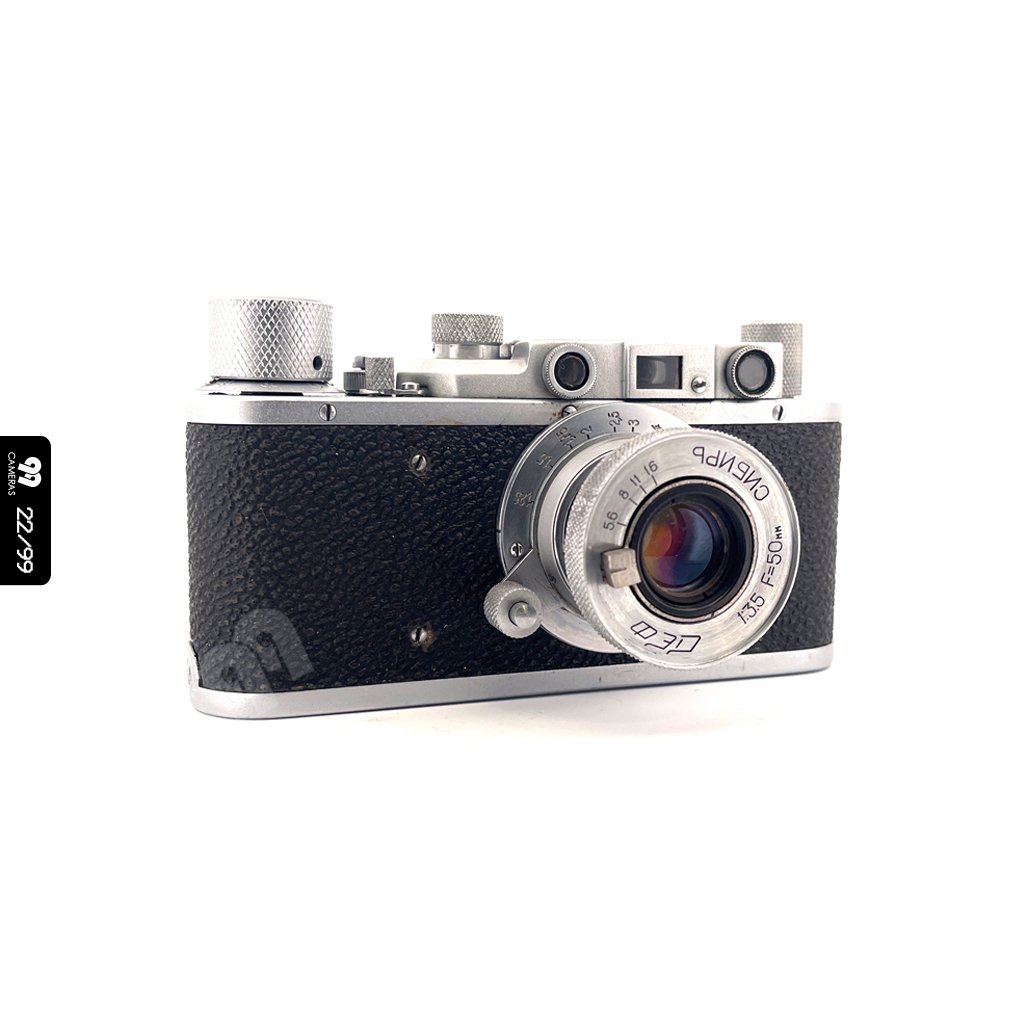
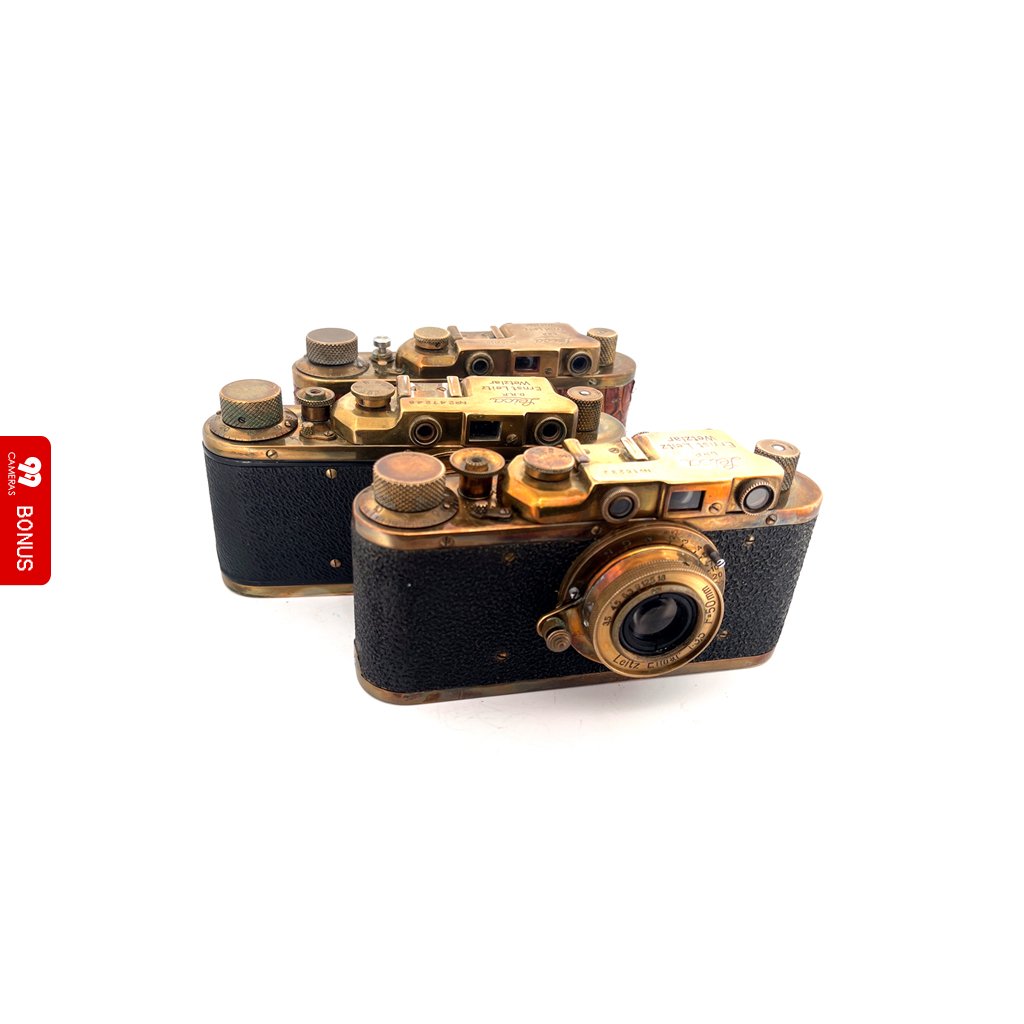
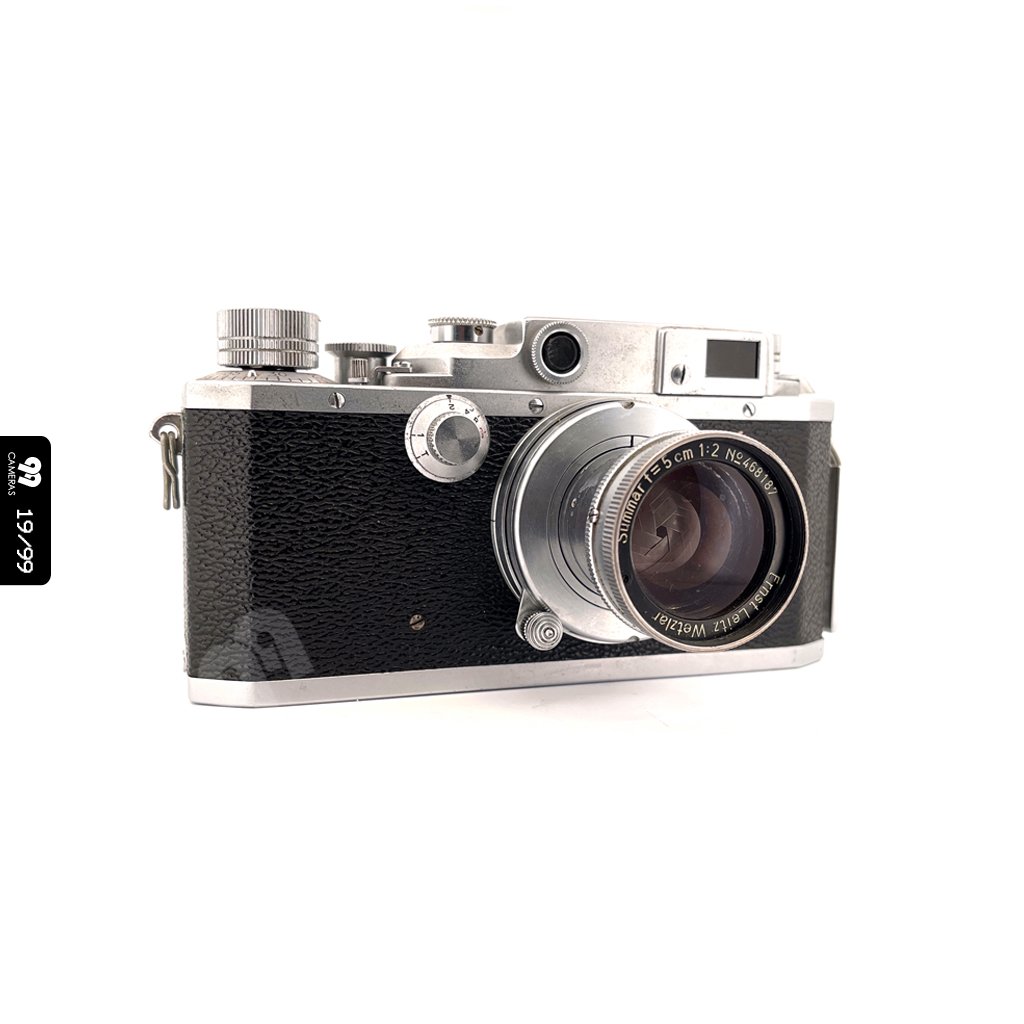
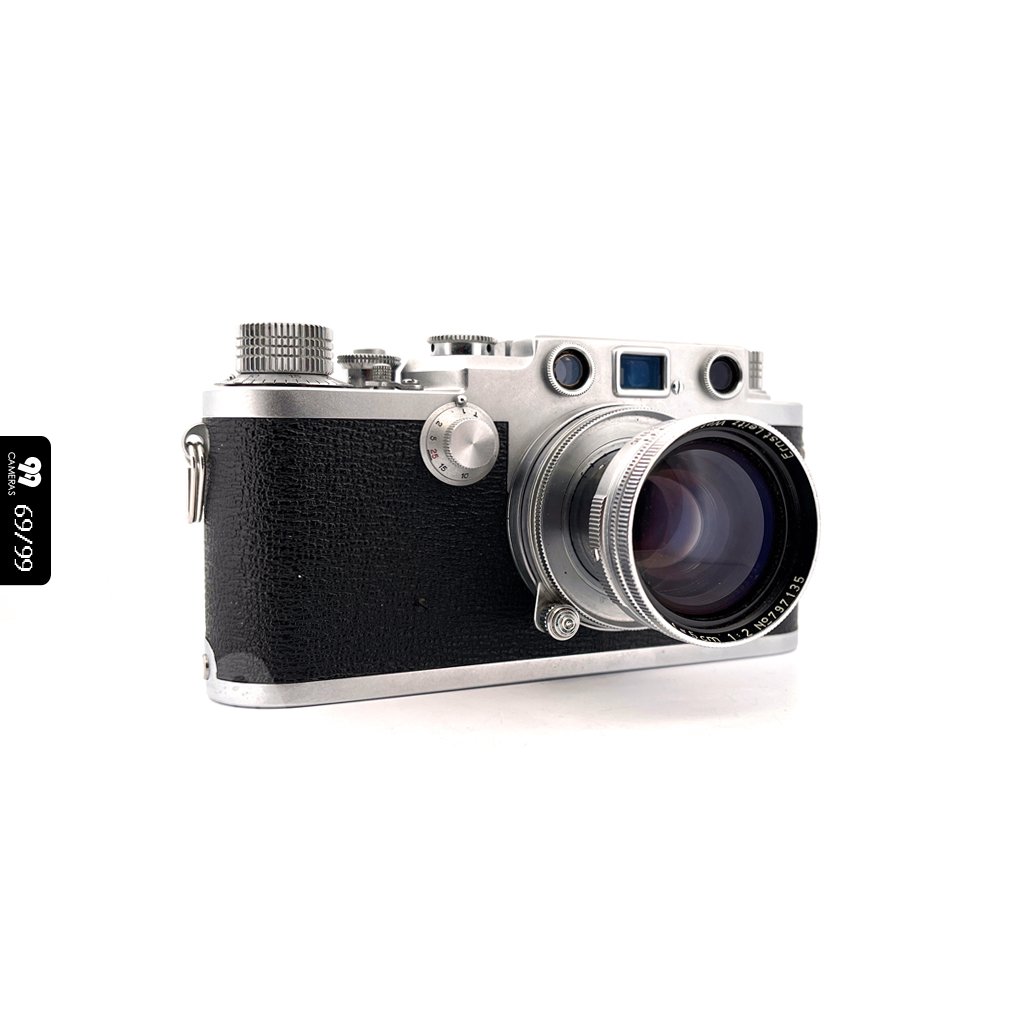
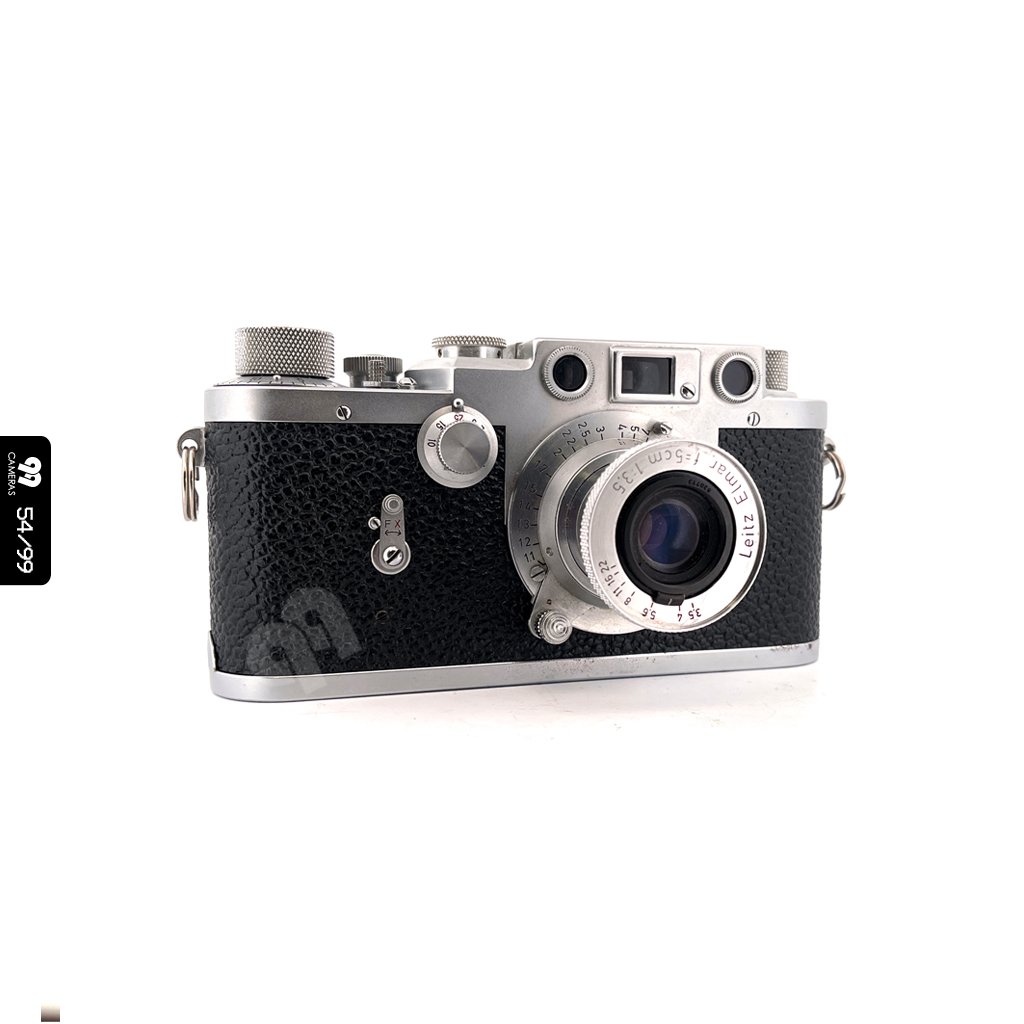
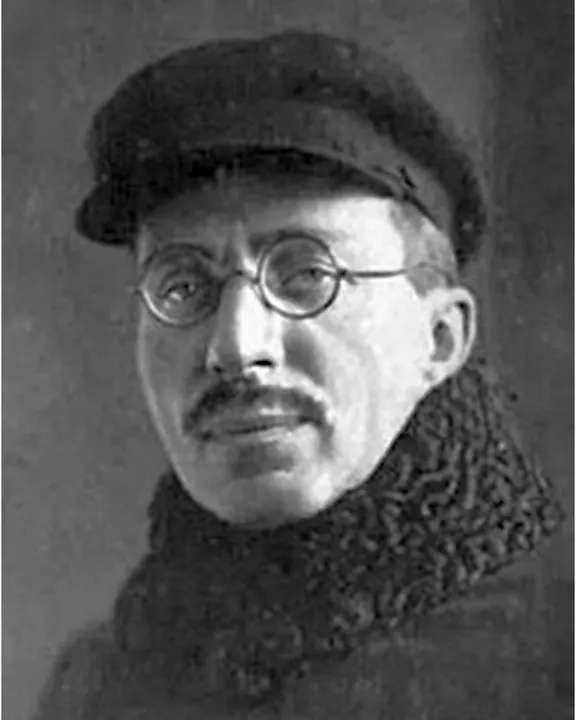
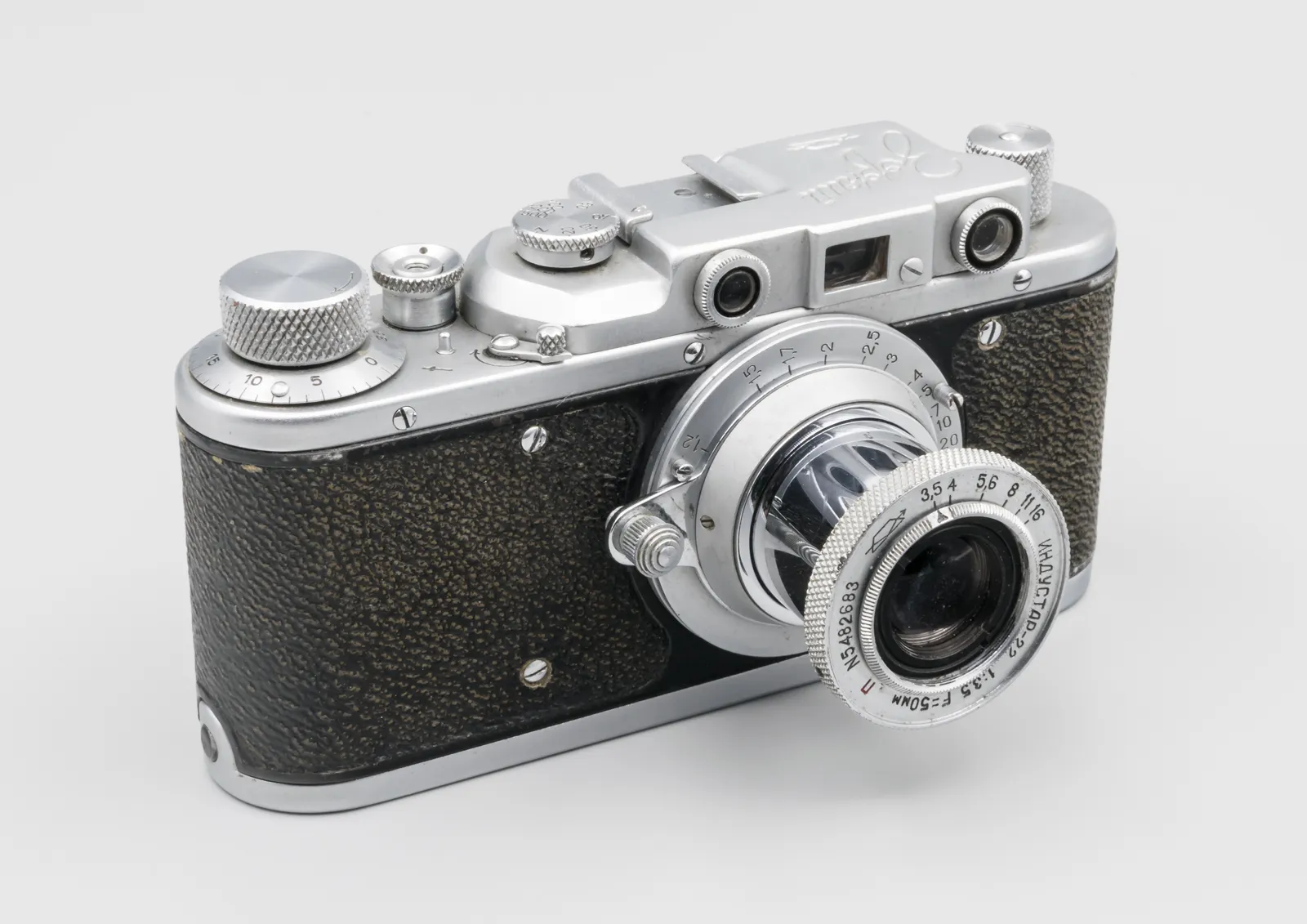
A sure sign of success: everybody copied the Leica. In Kharkiv, in Soviet Ukraine, a labour commune for homeless children run by the educator Anton Makarenko started making a copy in the early 1930s, the FED, named after the initials of Felix Edmundovich Dzerzhinsky, head of the Soviet secret police. Leitz had no patents in the Soviet Union and could do nothing. The FED, and later the Zorki, were made by the million.
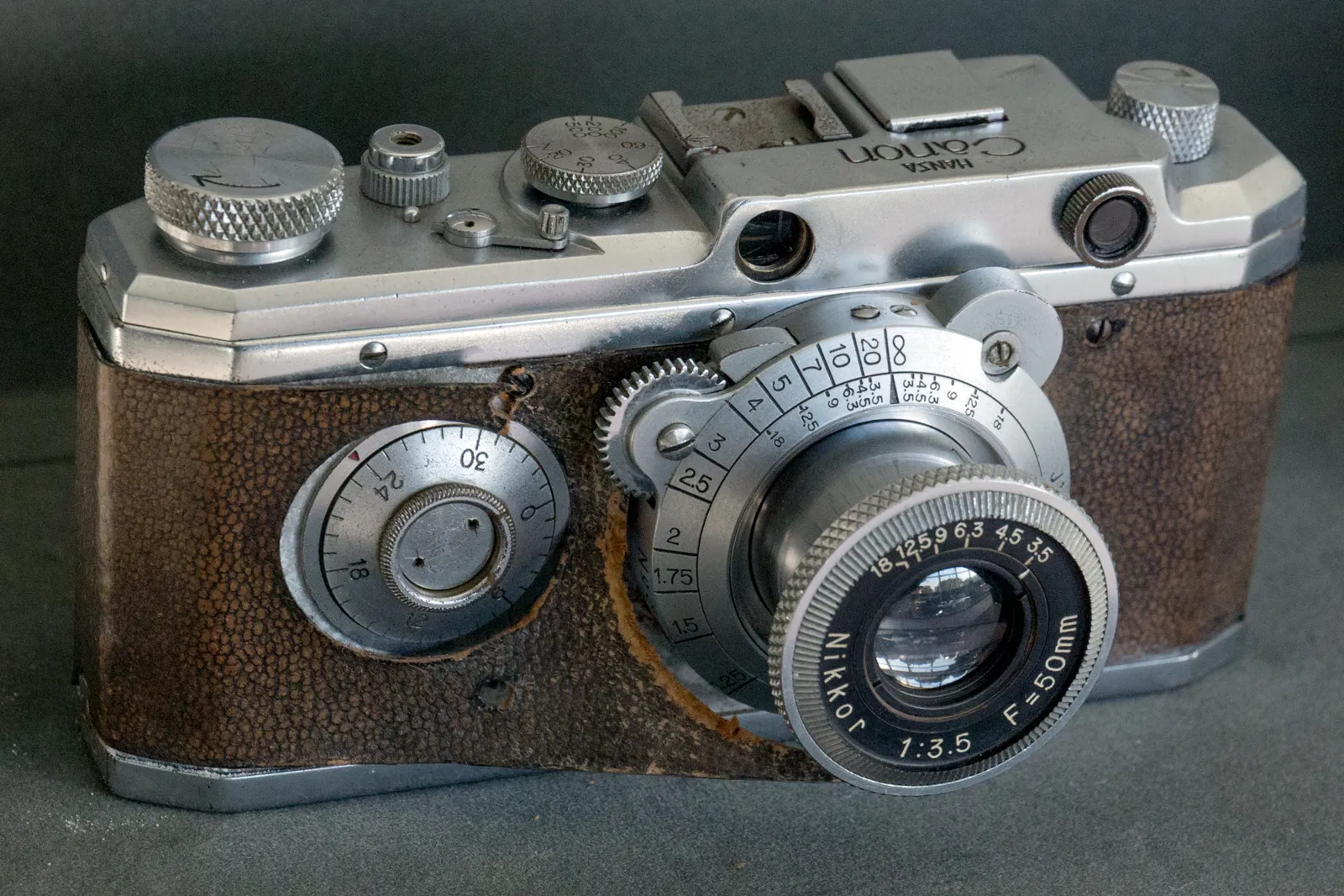
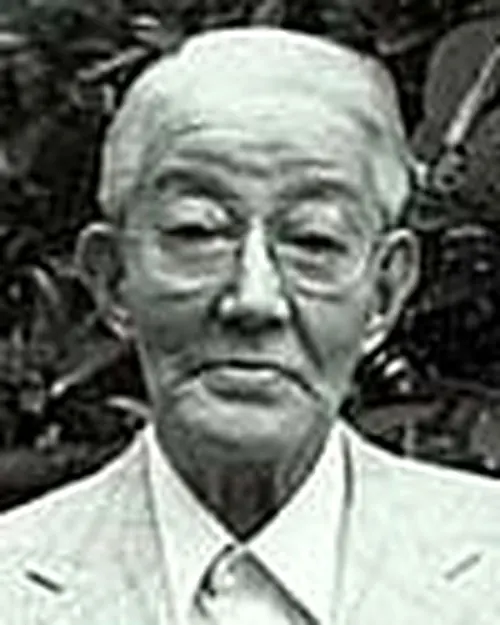
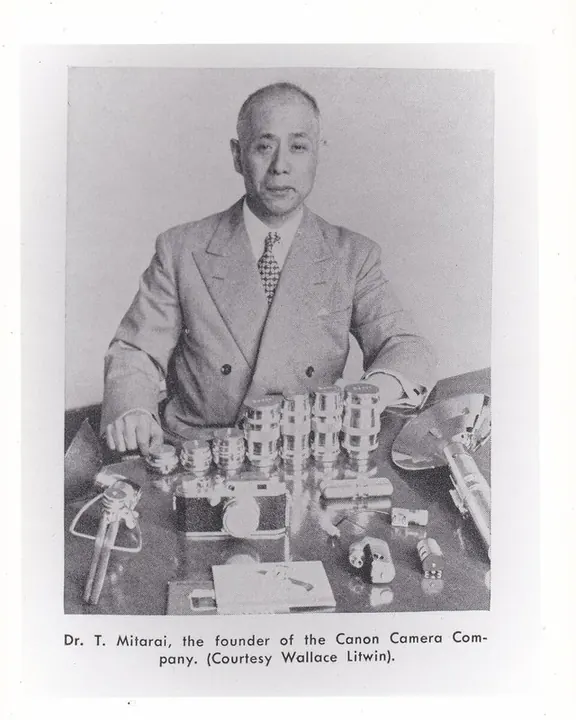
In Tokyo, a young mechanic called Goro Yoshida took a Leica apart in the early 1930s, to look at each part. He could not understand why such a camera cost so much, and decided Japan could make its own. His 1934 prototype was named Kwanon, after the Buddhist goddess of mercy, and the company that sold it became Canon.
After the war, German patents lost their protection in the Allied countries, and copies came from everywhere: the Reid in Britain, the Kardon in the United States, and in Japan the Canon, Nicca and Leotax, often very well made and much cheaper.
1954–1964
The M3 shock
In the museum
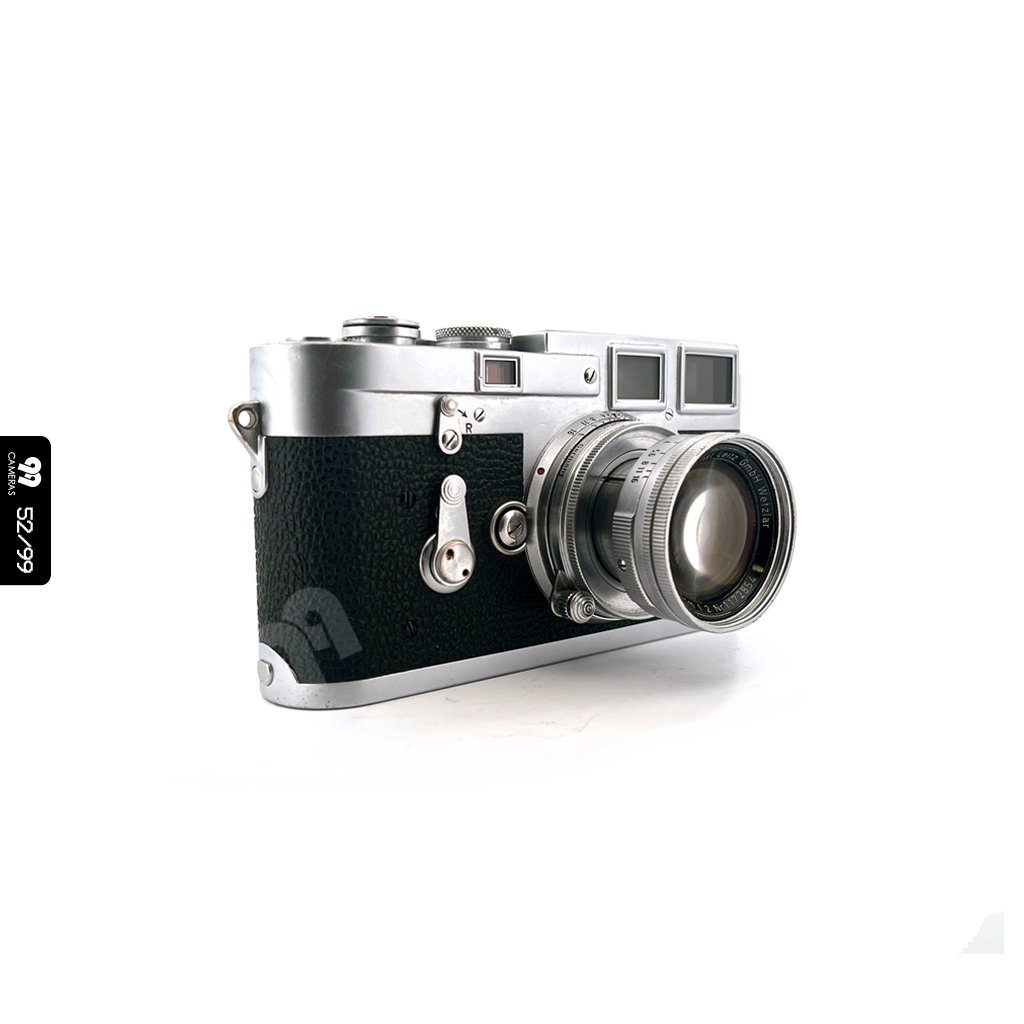
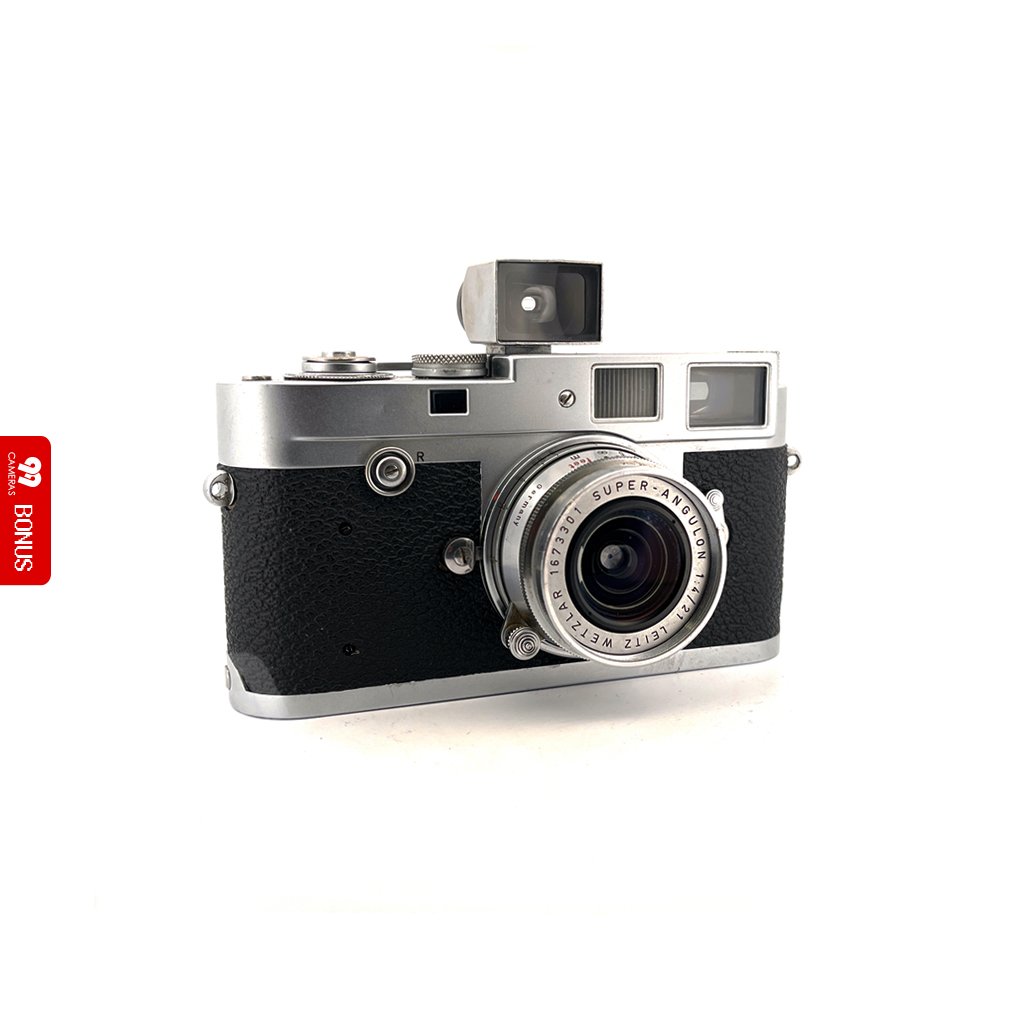
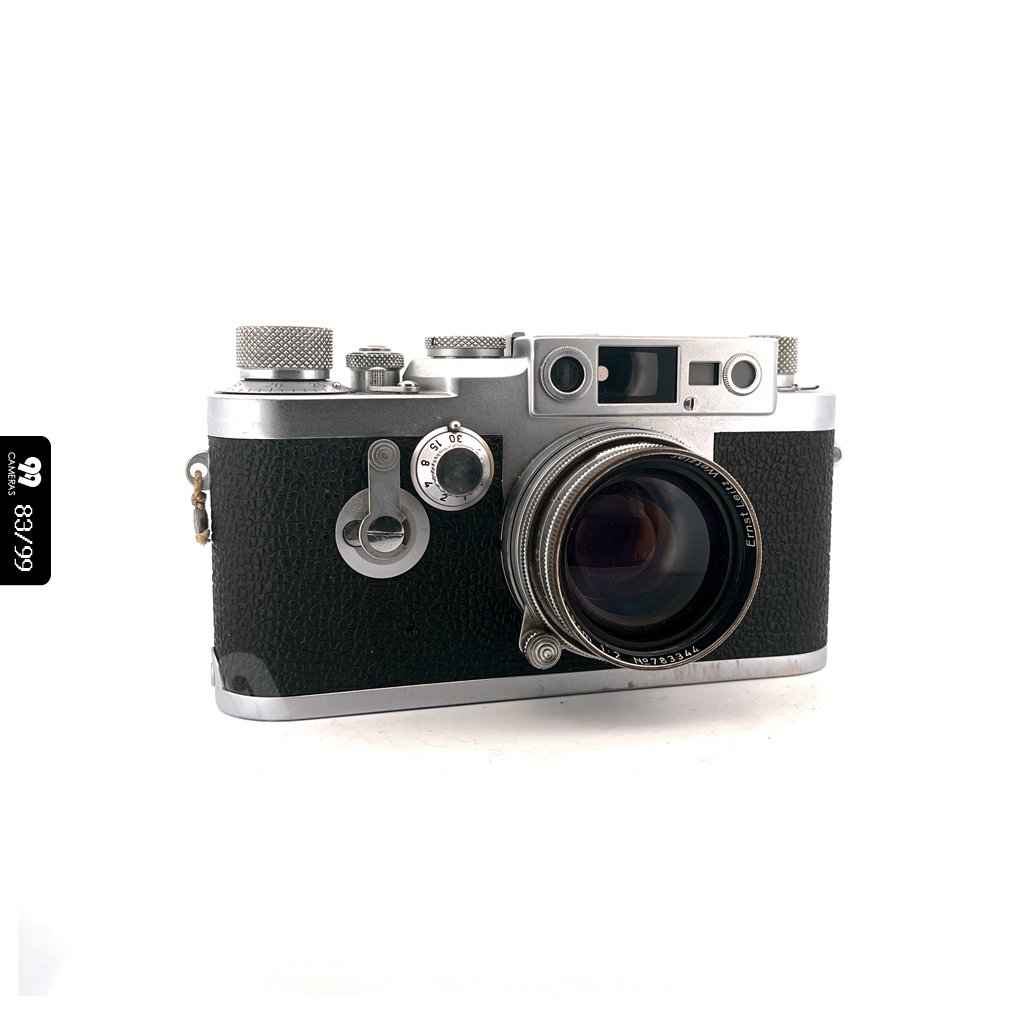
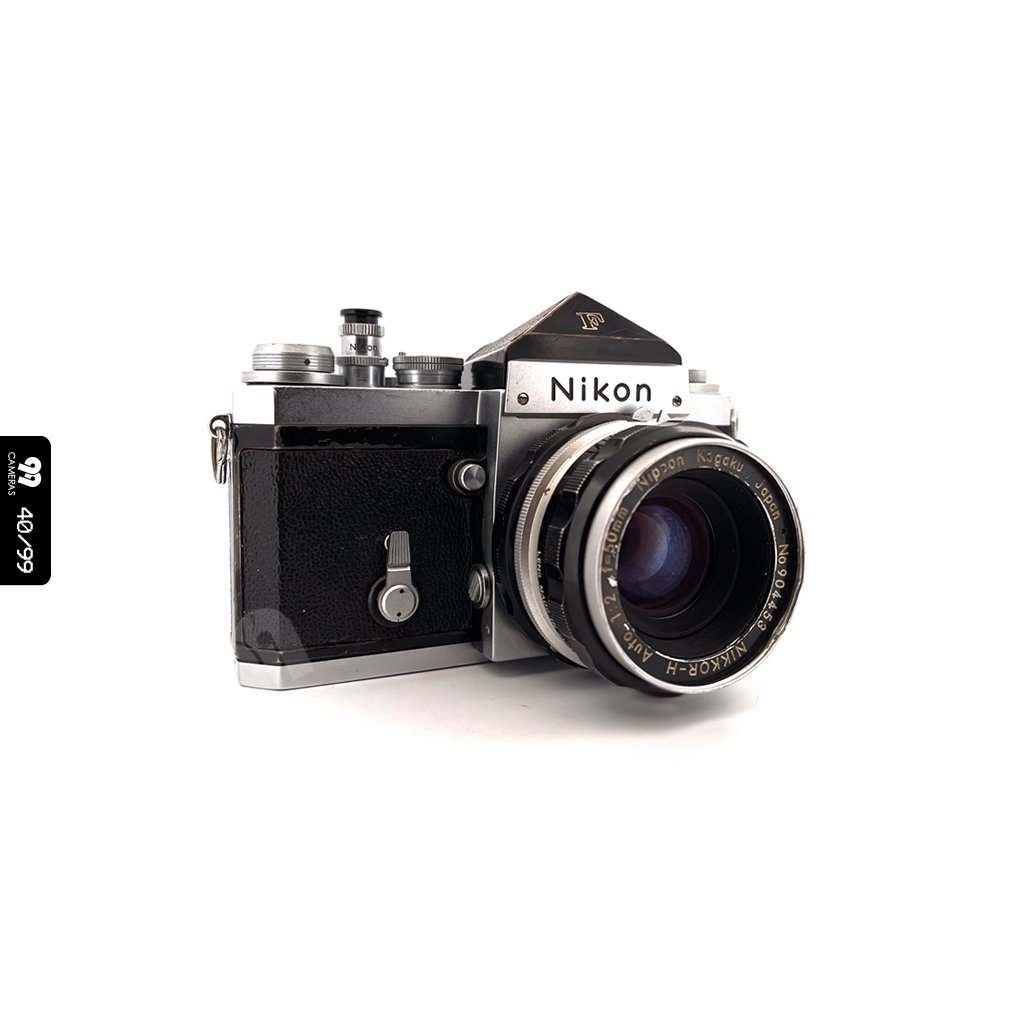
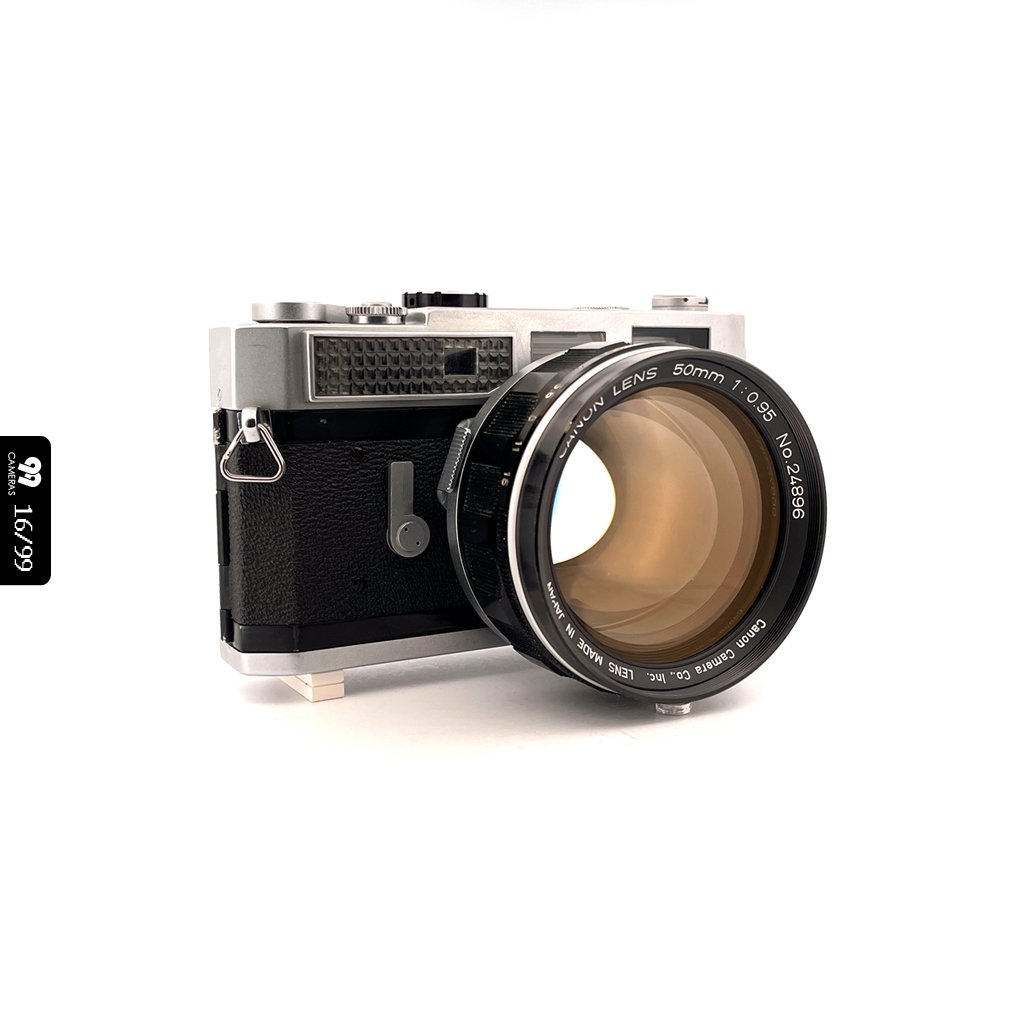
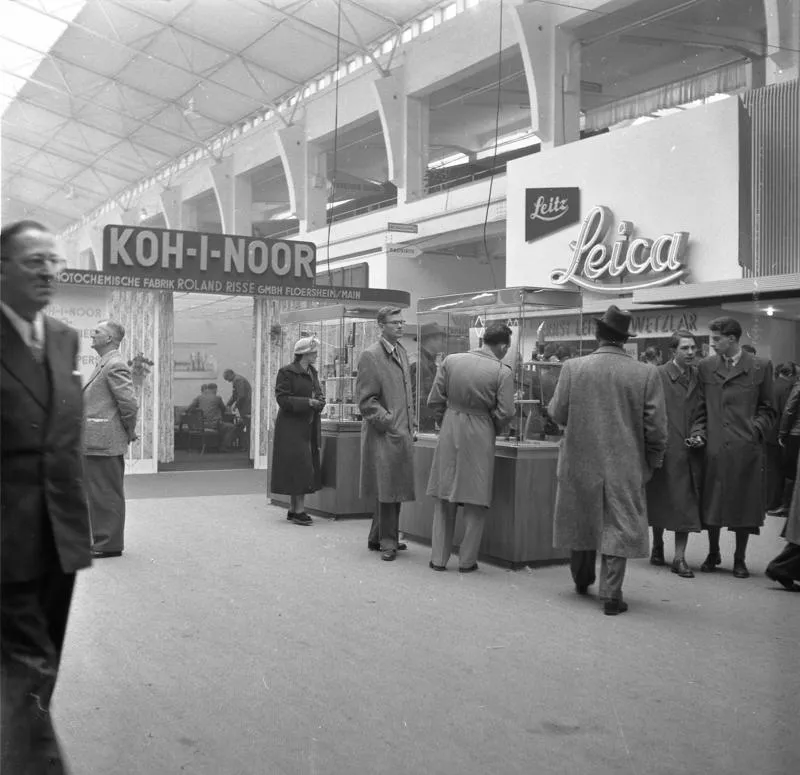
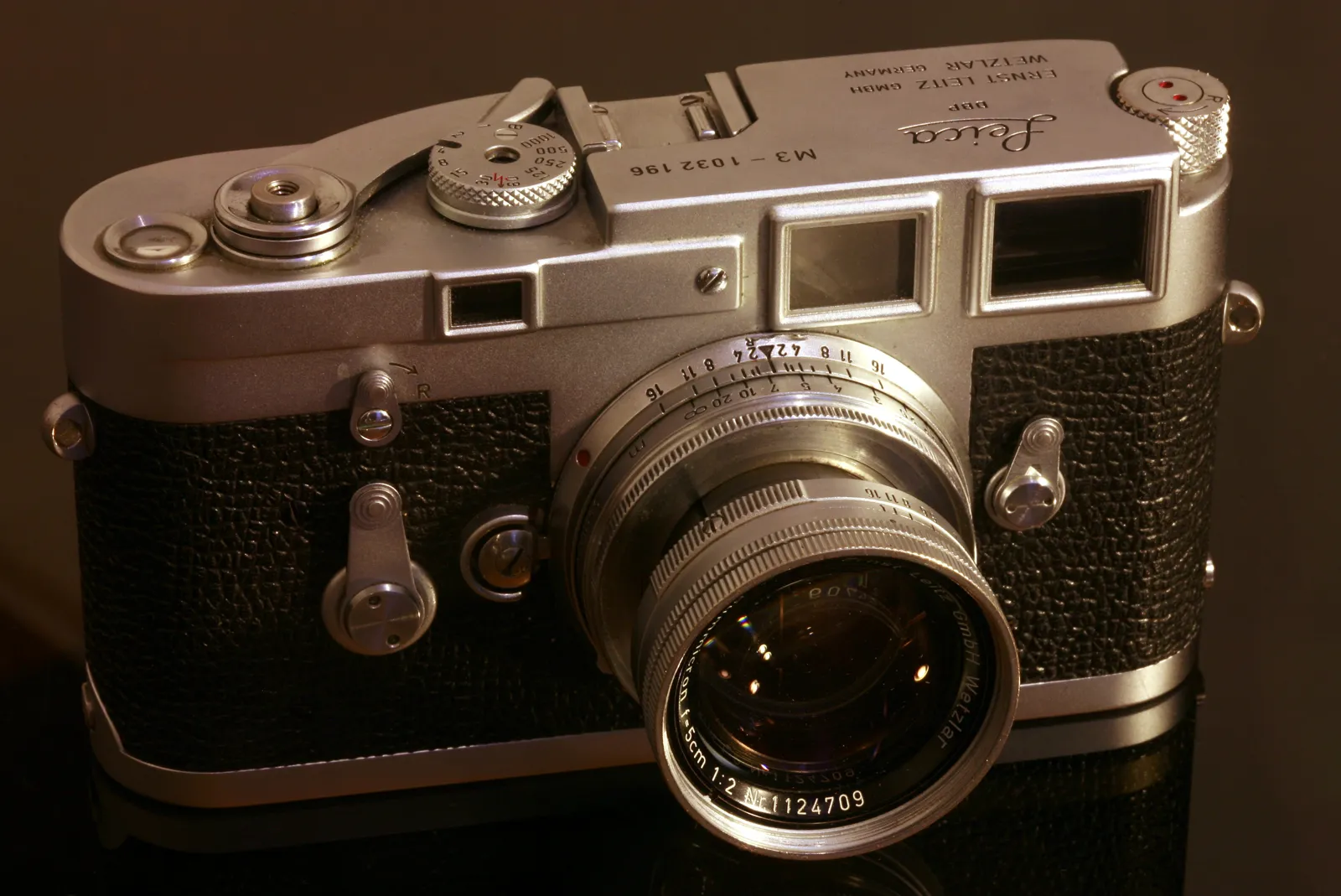
At the Photokina fair in Cologne in 1954, Leitz answered all its rivals at once with the Leica M3. Its bright viewfinder showed frames for each lens and contained the rangefinder; lenses clicked on with a bayonet in a second; a lever advanced the film. The engineers behind it, led by Willi Stein, set a pattern that Leica M cameras still follow today. More than 220,000 were made.
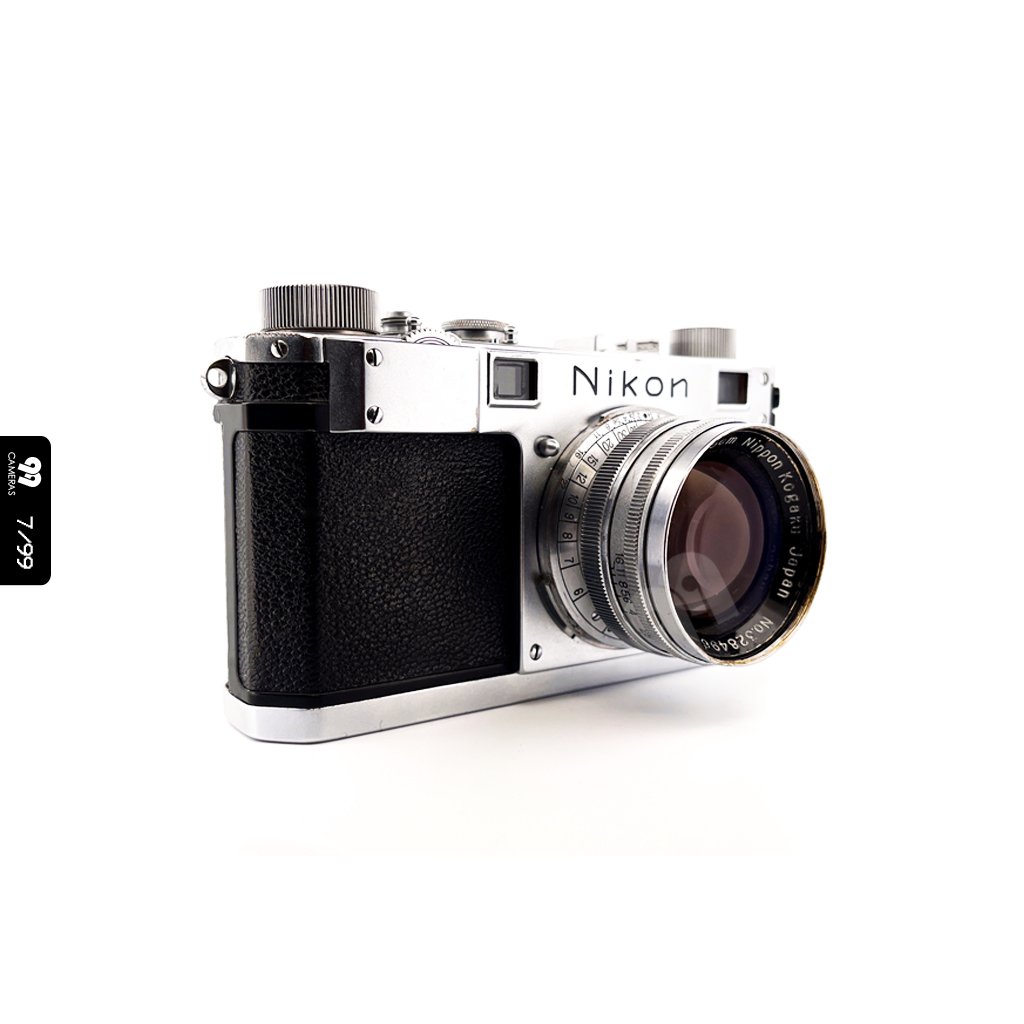
For the Japanese makers who had spent years copying and improving the screw-mount Leica, the M3 was a cold shower. It is often said that it convinced them that they could not beat Leitz at its own game, and that they had to change the game. Nikon launched its Nikon F reflex in 1959, and the single-lens reflex camera, where the photographer looks through the lens itself, soon conquered professionals. Canon still tried with the Canon 7 of 1961, but the future was the reflex.
The people
1965–1988
Losing the reflex race
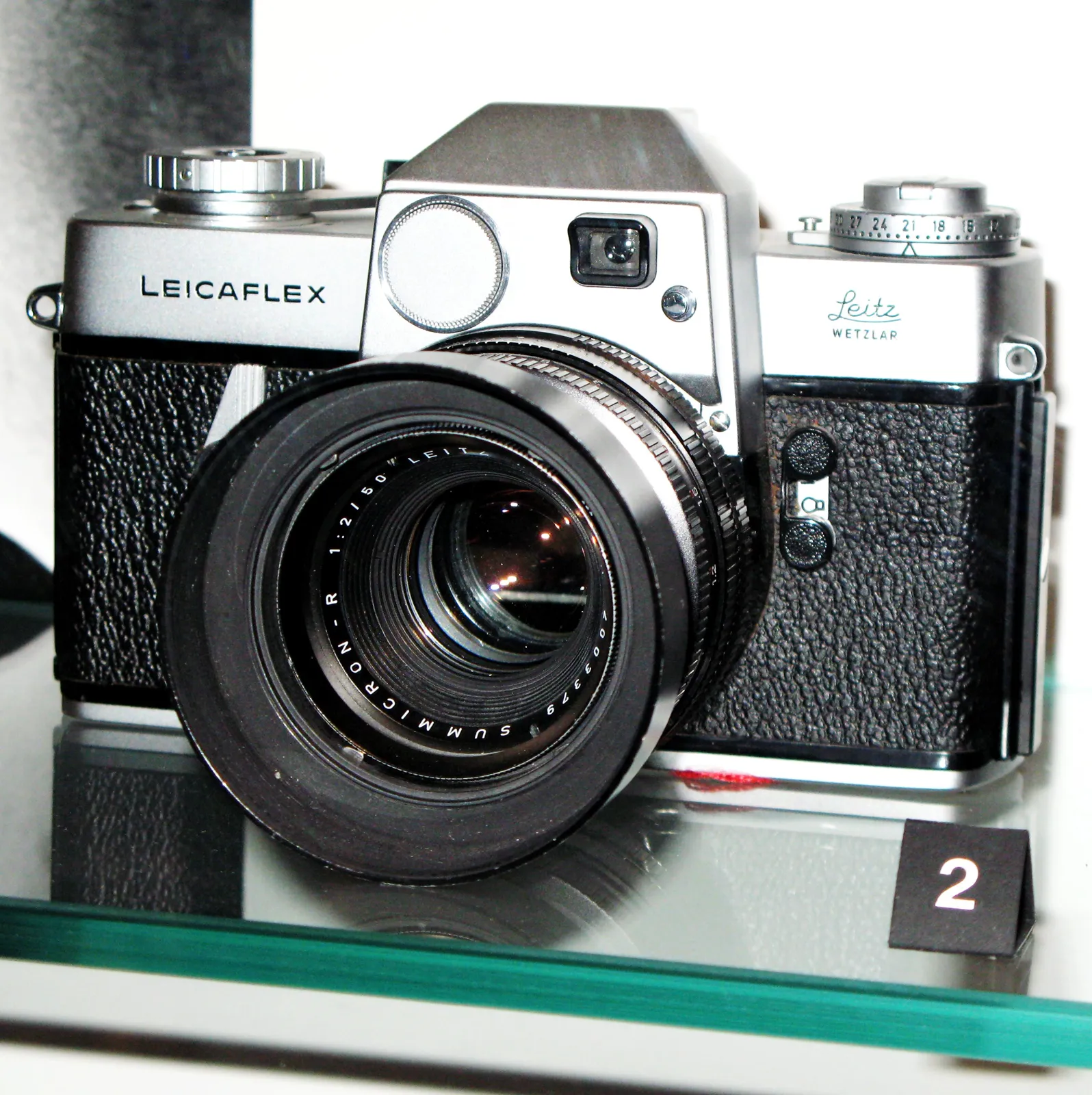
Leitz came to the reflex camera late: the Leicaflex arrived in 1965, beautifully made, very expensive, and without the light meter through the lens that the Japanese already offered. Professionals moved to Nikon and Canon. In 1971 the Leica M5, bigger and with a built-in meter, disappointed Leica’s faithful users and sold poorly.
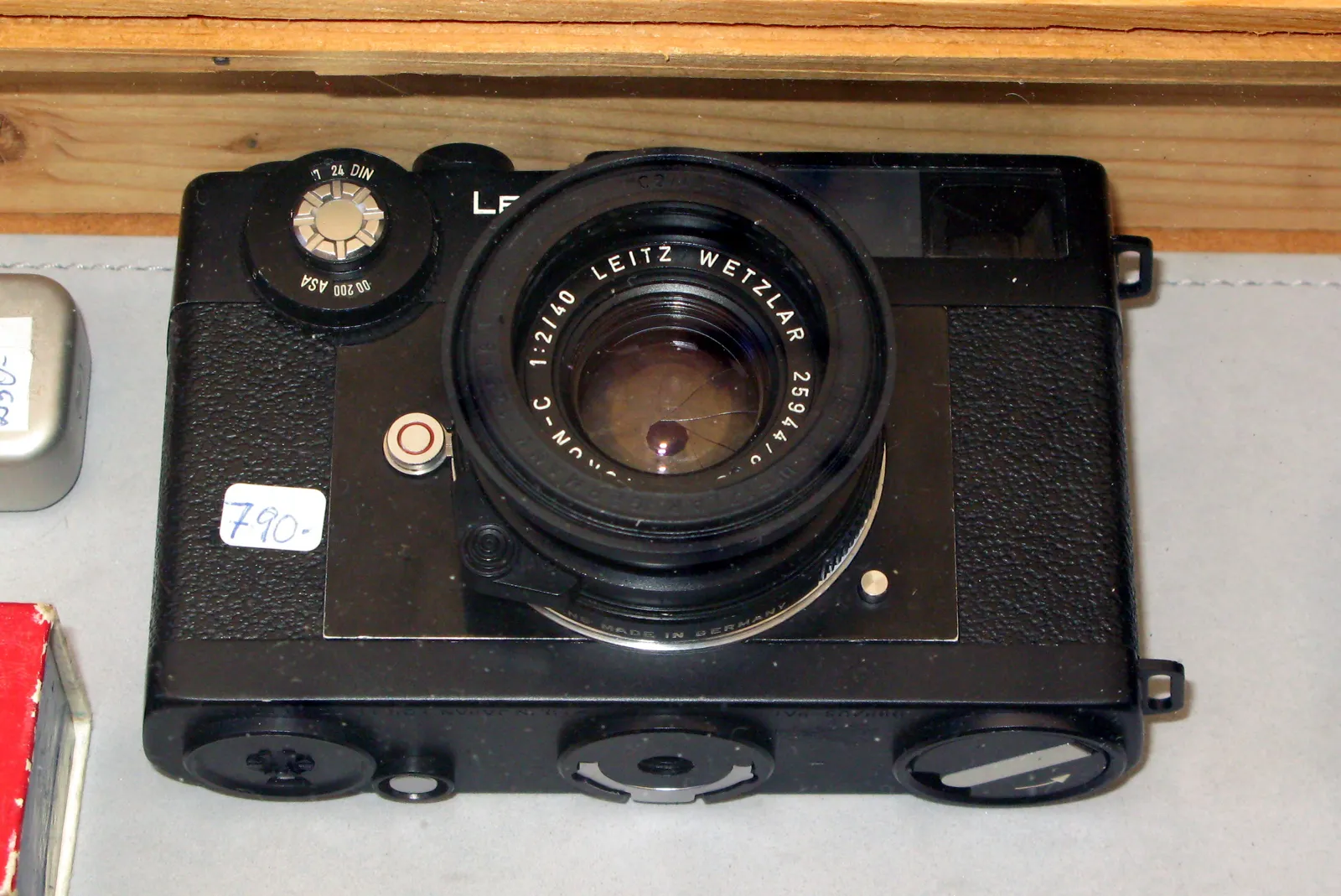
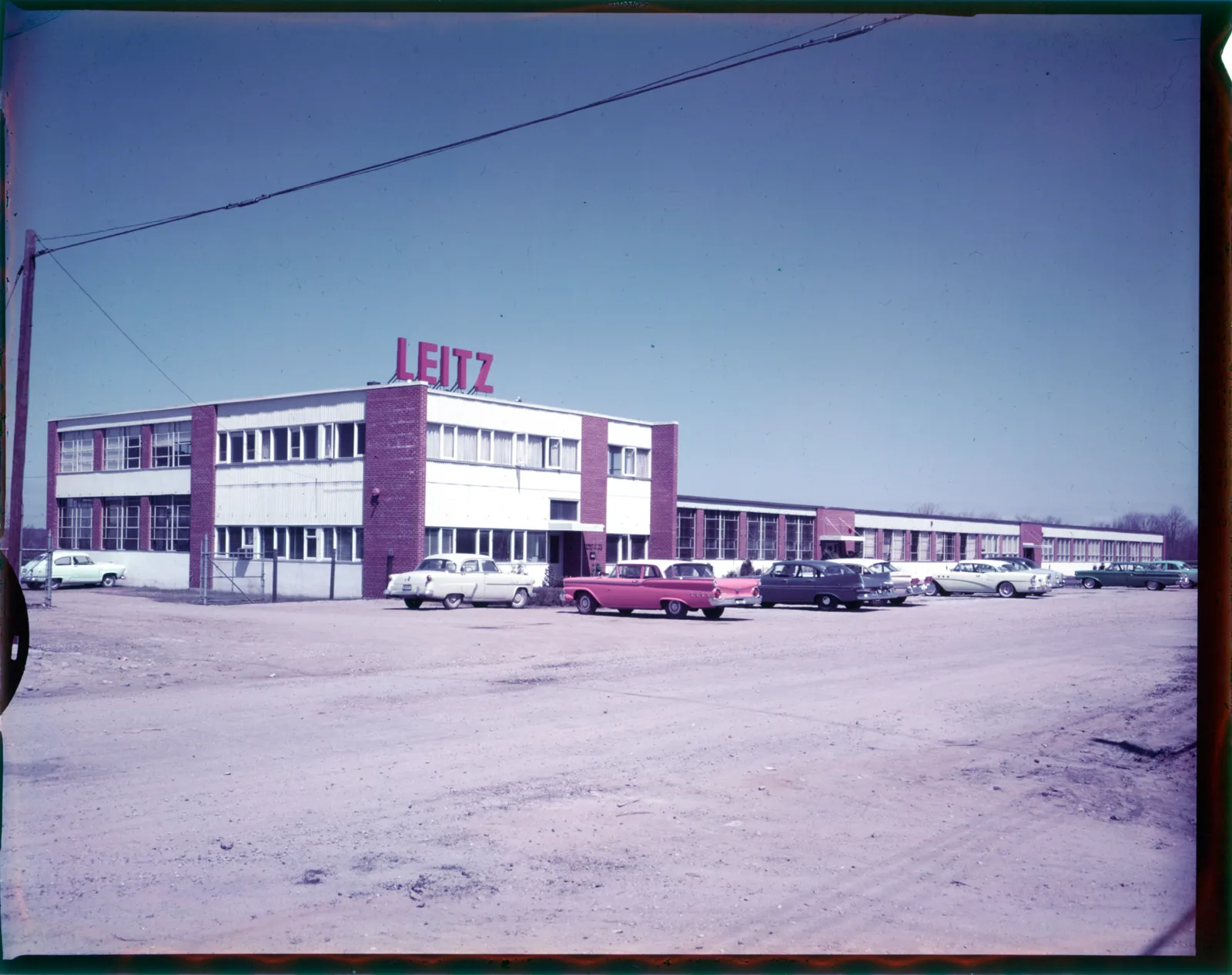
To survive, Leitz did what it had never done before. In 1972 it signed an agreement with a Japanese rival, Minolta: the small Leitz Minolta CL of 1973 was made in Japan, and later Leica reflex cameras shared parts with Minolta. Production moved in part to Leitz’s factory in Midland, Canada, founded in 1952, and to a new site in Portugal. The Swiss firm Wild Heerbrugg bought a quarter of the company in 1972, more in 1974, and finally the family’s shares in the mid-1980s.
The M was saved by its users. The M4-2 and M4-P made in Canada, then the M6 of 1984, with a simple built-in meter, kept the rangefinder alive. In 1986 the camera business took the name Leica, and in 1988 it left Wetzlar for Solms, a few kilometres away.
1996–today
From the brink to luxury
Listed on the stock exchange in 1996, Leica Camera was slow to believe in digital photography. In 2000 the luxury house Hermès bought nearly a third of the company, but sales kept falling, by 17% in one year, and in 2004 Leica was close to collapse. A German investor based in Salzburg and a lover of photography, Andreas Kaufmann, came in and gradually bought almost all of it, then put his money into a digital M.
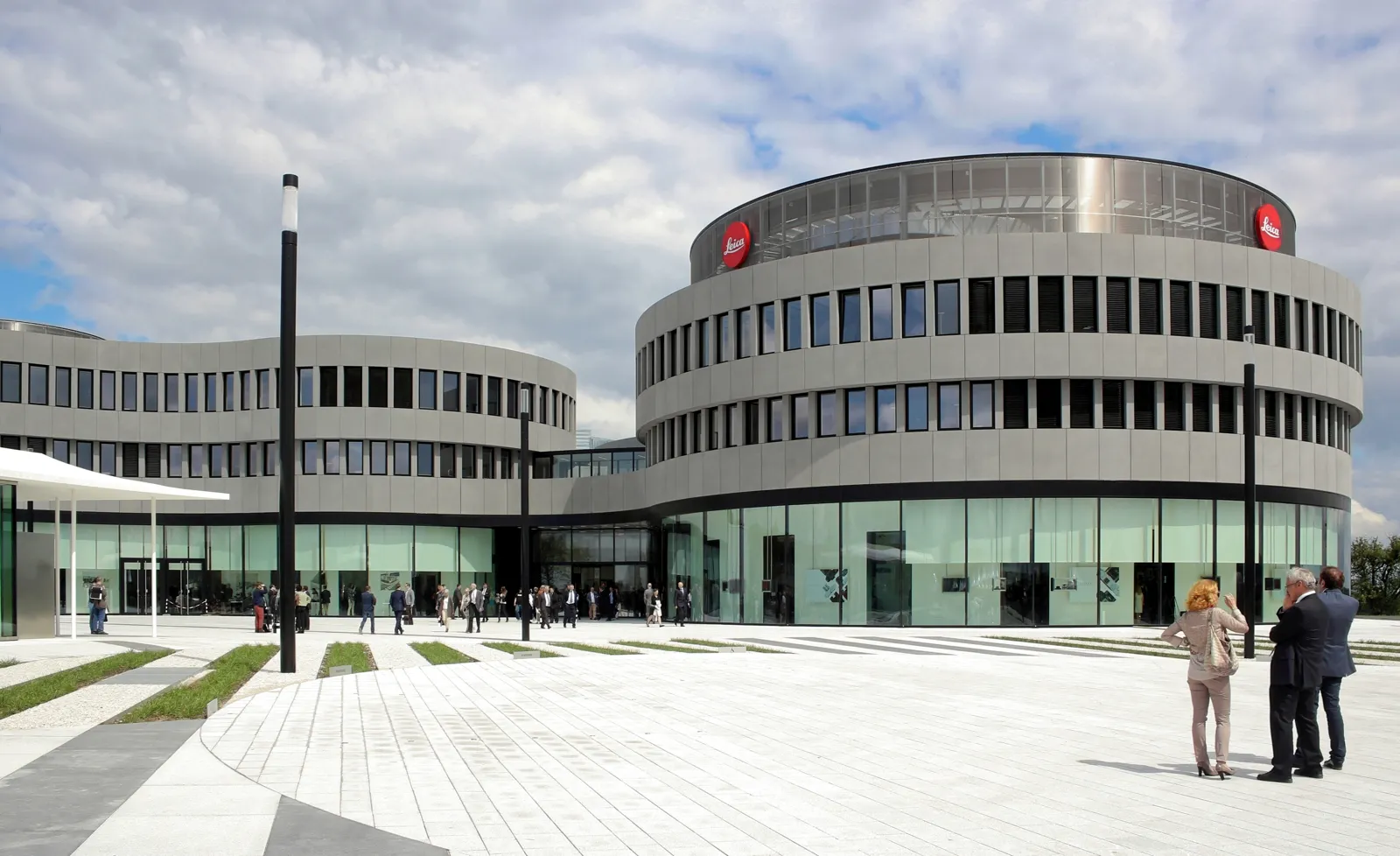
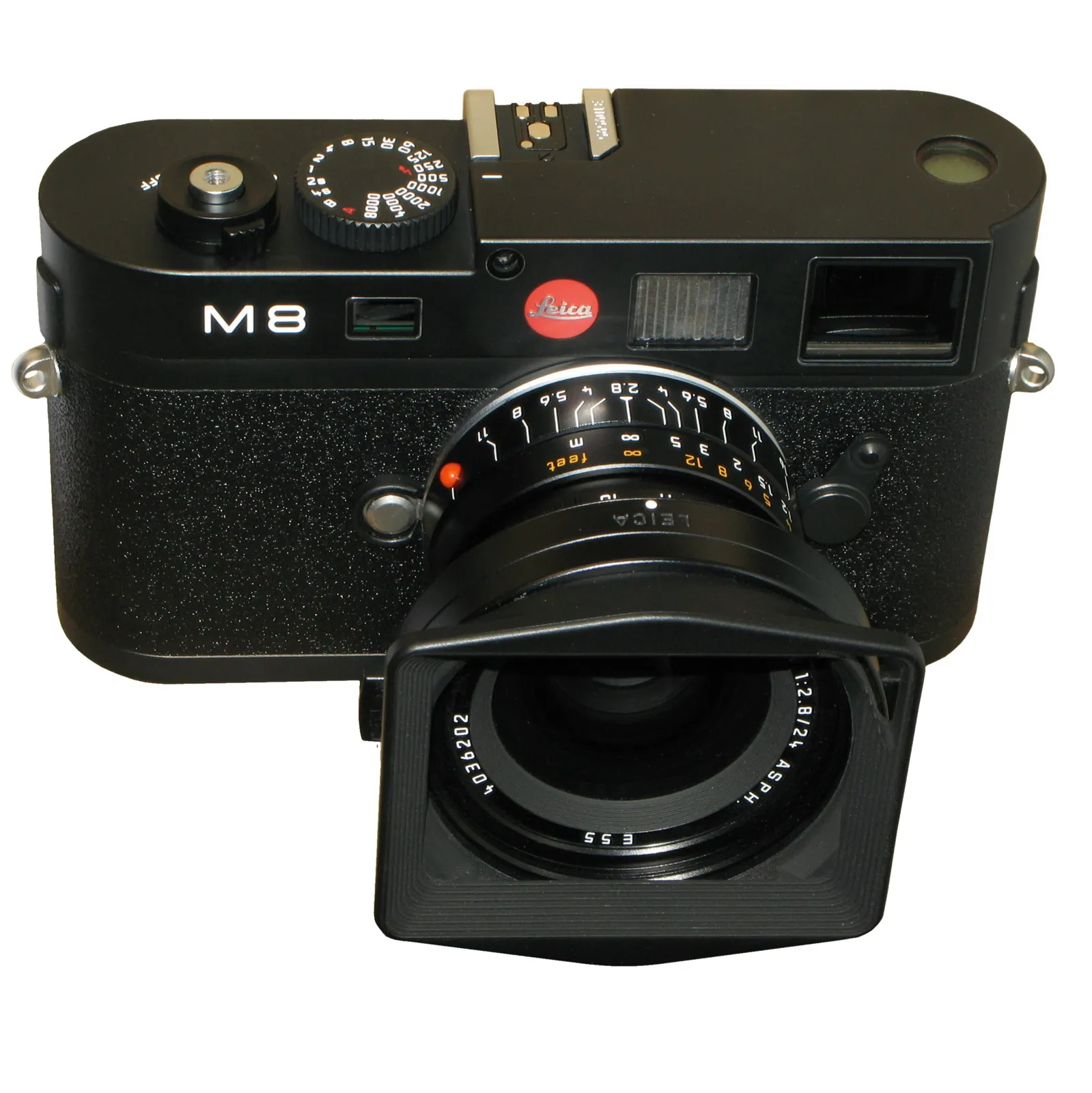
The Leica M8 of 2006 was the first digital camera of the M family, and it got off to a bumpy start; the M9 of 2009, with a full 24 × 36 mm sensor, was a success. Leica then lent its name to the lenses of Panasonic cameras (from 2001) and smartphones by Huawei (from 2016) and Xiaomi (from 2022). In 2014 the company came home to Wetzlar, to a new building at Leitz Park, and it still makes film cameras there.
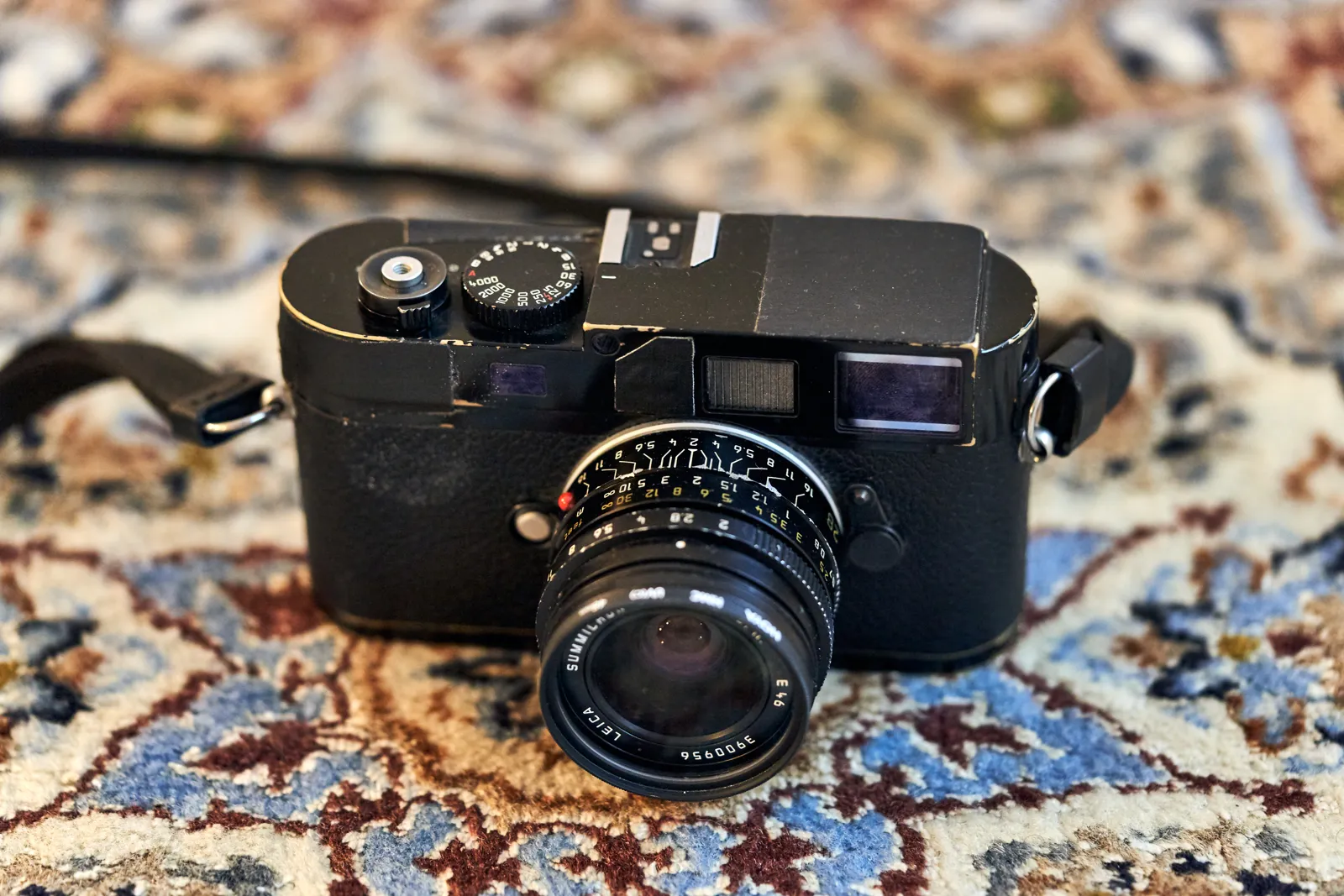
Leica at the 99 Cameras Museum
From the Leica I of 1925 to the M3, and from the Contax to the Soviet and Japanese copies, you can see the cameras of this story in the showcases of the museum in Paris, and in our online collection.
See the Leica cameras of the collection
Sources. Leica Camera AG (history of the Leica I, four generations of Leitz), Wikipedia articles on Leica, Oskar Barnack, Contax, the Leica M3 and the Leica Freedom Train, the Gedenkstätte Stille Helden biography of Elsie Kühn-Leitz, Canon Camera Museum, Nikon “Thousand and One Nights”, Robert Capa’s memoir Slightly Out of Focus. Some anecdotes come from oral tradition and are told as such.
Plan your visit
Visit is free and open to all
- Opening hoursMonday – Saturday : 10 – 17:30
- AddressStudio Harcourt, 6 Rue de Lota, 75116 Paris
- Exceptional closuresThursday, 26 November 2026