The adventure of the brands
The Ferrania story
- Founded in 1917Italy
- No longer makes cameras
An explosives factory in a valley of Liguria, film made from the same chemistry, the film of Fellini and Pasolini, a camera made with Galileo, a closure and a revival funded by photographers: the Ferrania story, told through its inventions and its anecdotes.
1882–1922
From explosives to film
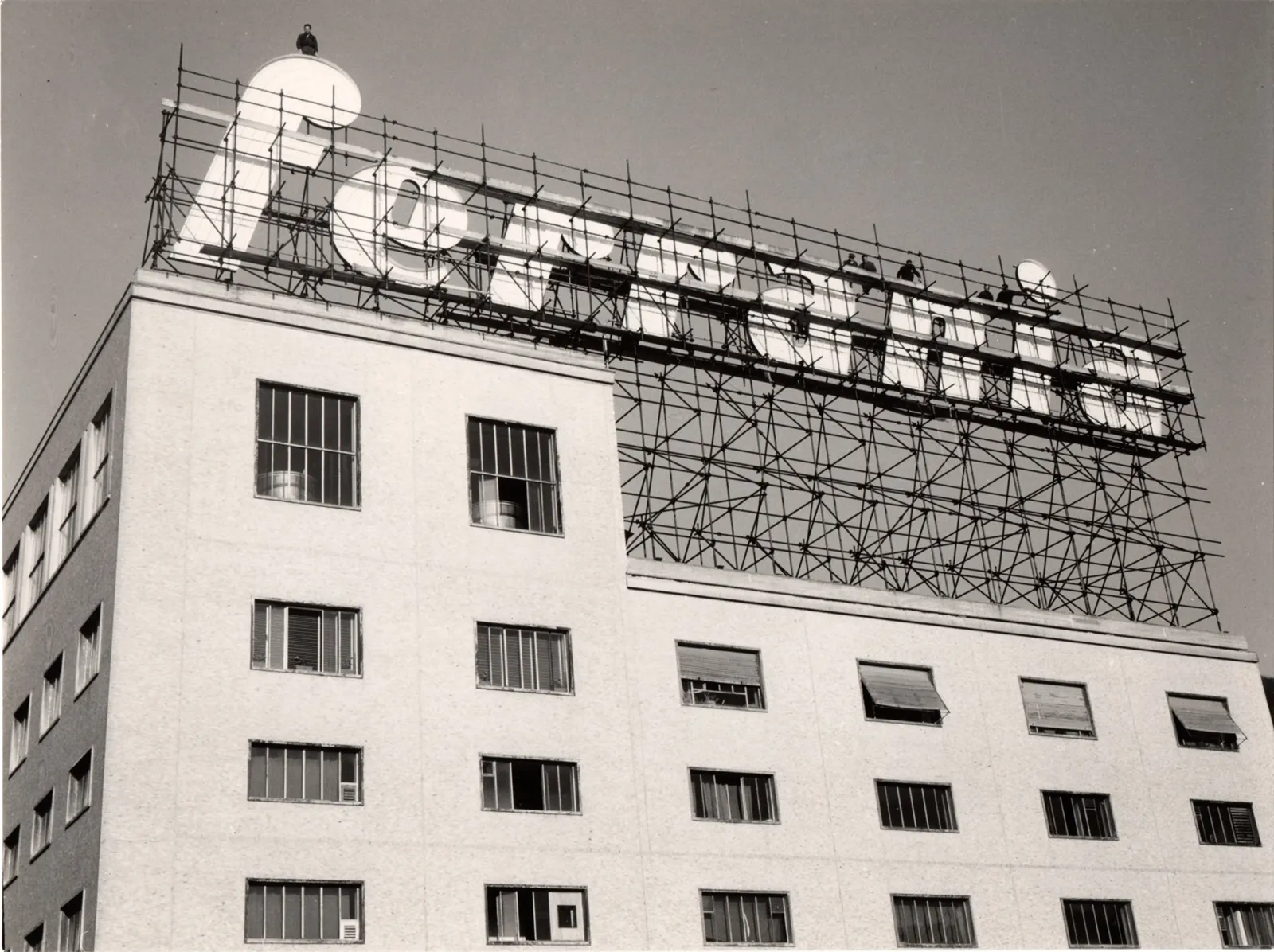
In 1882 an explosives maker, SIPE, built a factory at Ferrania, a hamlet of Cairo Montenotte, in the Bormida valley of Liguria. It made dynamite and gunpowder.
In 1917 SIPE created a subsidiary, FILM, with the French Pathé brothers, to make celluloid and cinema film. Ferrania’s history as a film maker had begun.
1923–1945
The Italian film
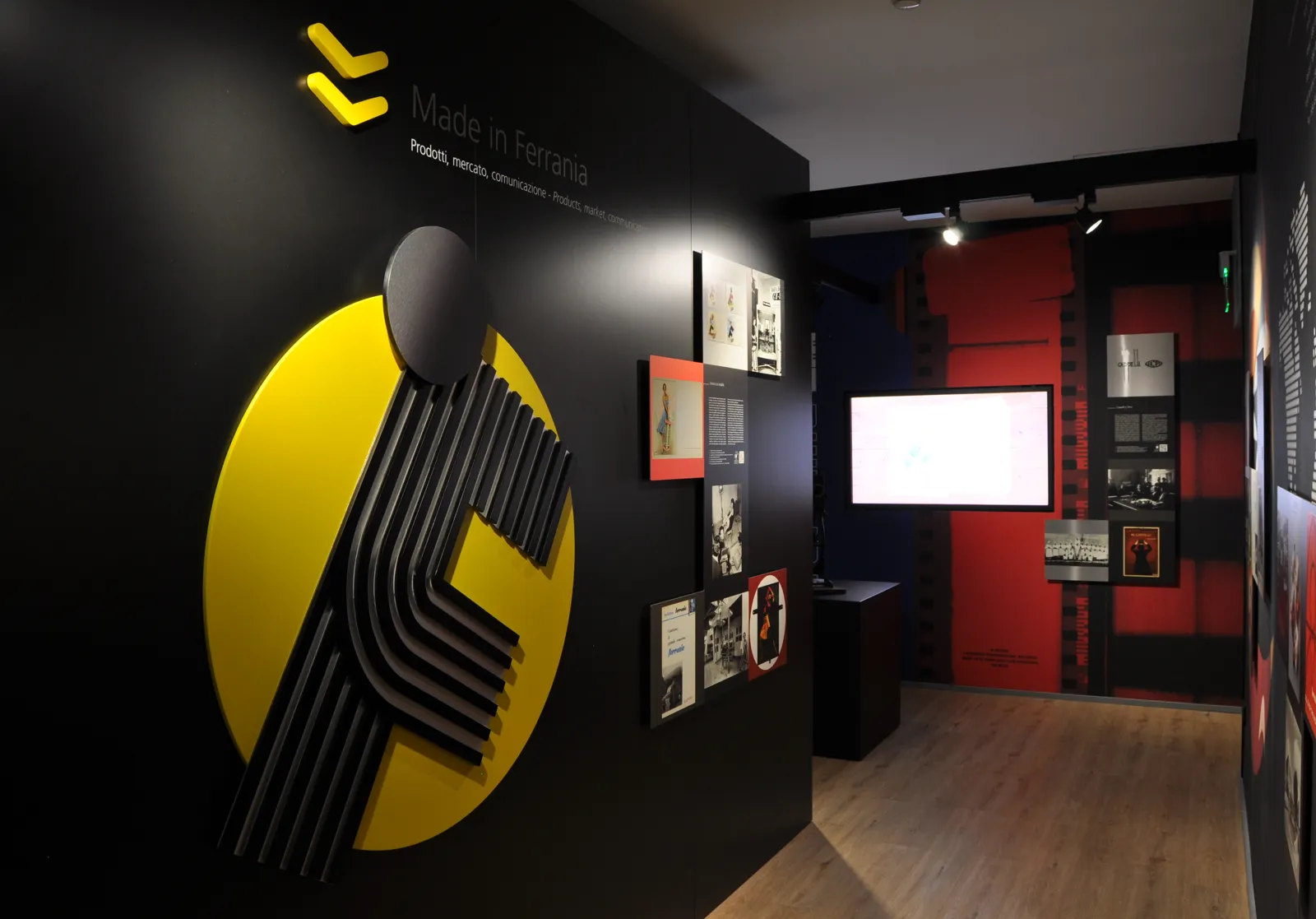
From 1923 the company made film under its own name. In the 1930s it bought the Milanese makers of photographic plates Cappelli and Tensi, and in 1938 it took the simple name Ferrania. It became the great Italian maker of photographic and cinema film.
For decades, Ferrania film, paper and plates were used by Italian photographers, studios and cinema, in competition with Kodak and Agfa.
1945–1964
The film of Italian cinema
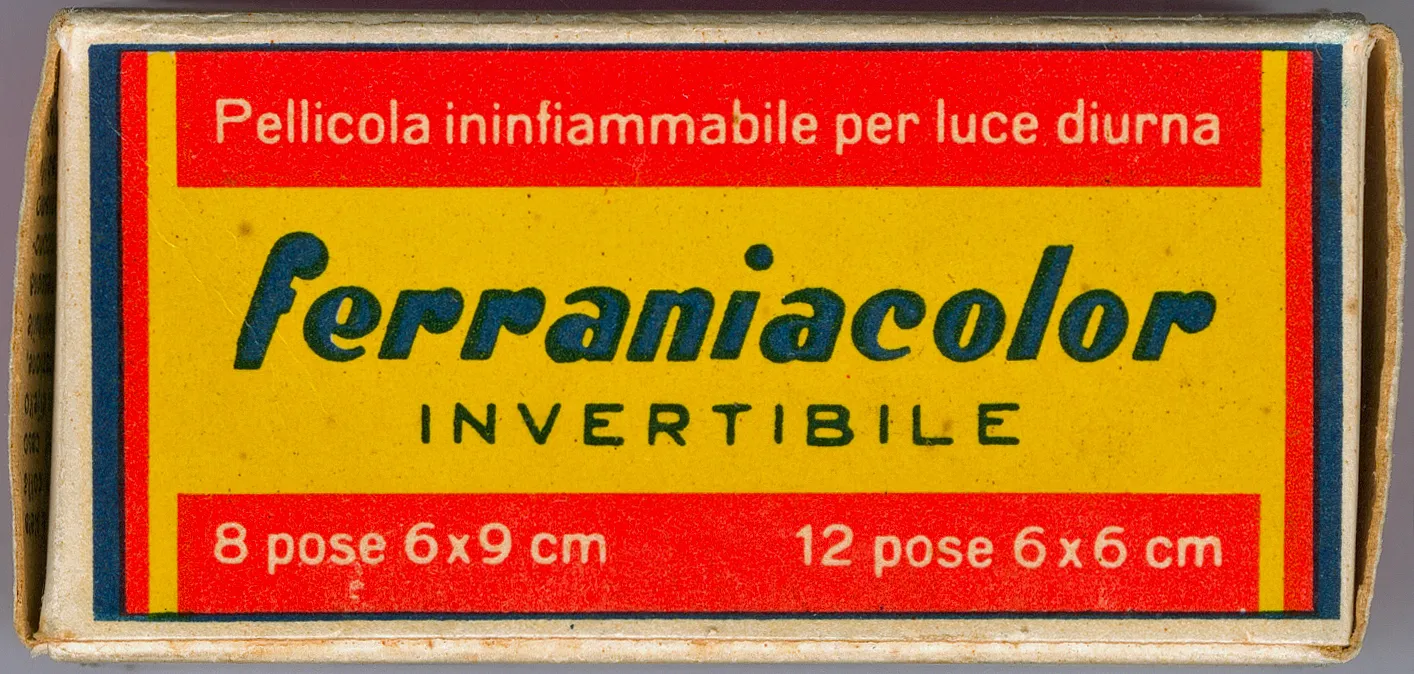
After the war Ferrania launched a colour film, Ferraniacolor, and its black-and-white P30 film became a legend. Italian directors such as Pier Paolo Pasolini, Vittorio De Sica, Roberto Rossellini and Federico Fellini made some of their best-known films on Ferrania film.
Federico Fellini’s 8½, in 1963, was shot on Ferrania P30. The look of Italian cinema of those years is, in part, the look of Ferrania film.
1947–1960s
Cameras with Galileo

In the museum
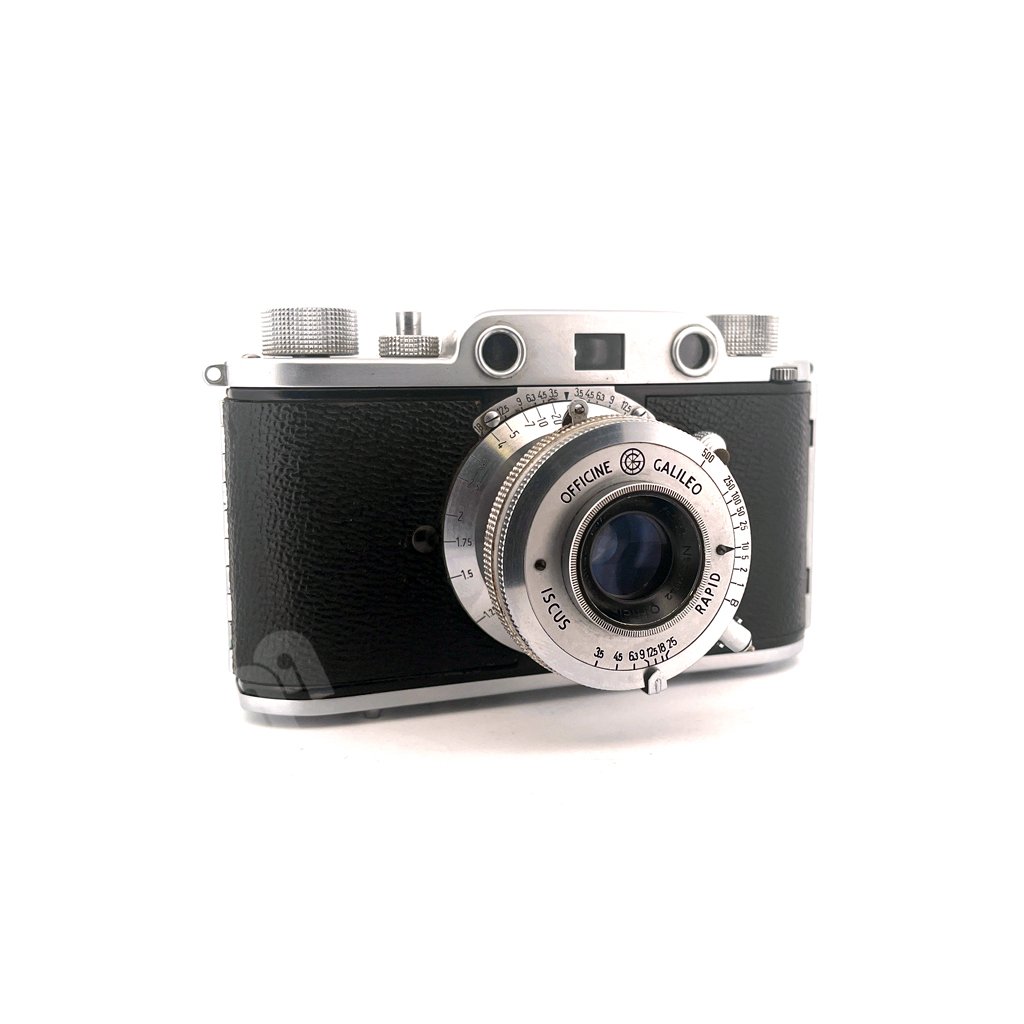
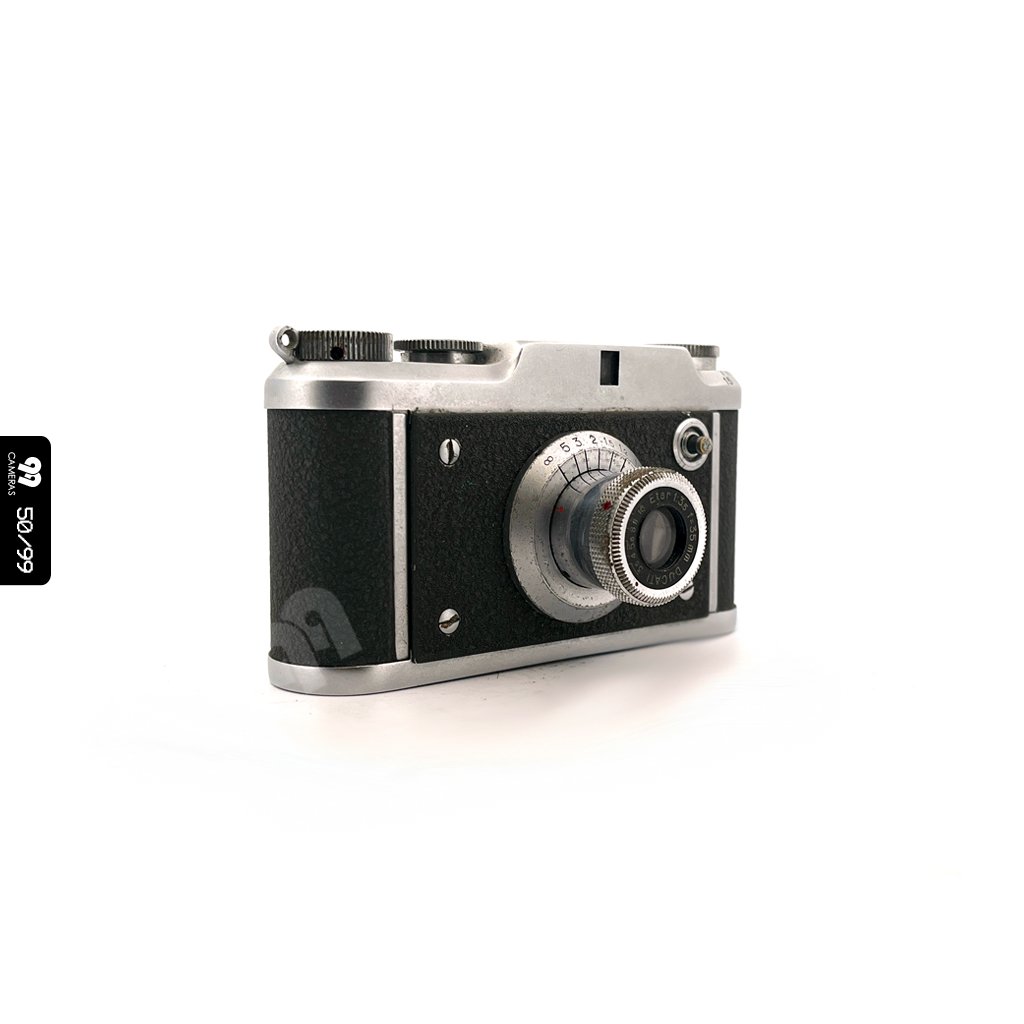
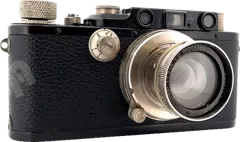
Ferrania also sold cameras. In 1947 it signed an agreement with Officine Galileo of Florence, a famous optics maker, to produce the Condor, a 35 mm rangefinder camera. It was simple but very well built, with a separate viewfinder and rangefinder, and is often called an Italian Leica. A Condor is in the museum.
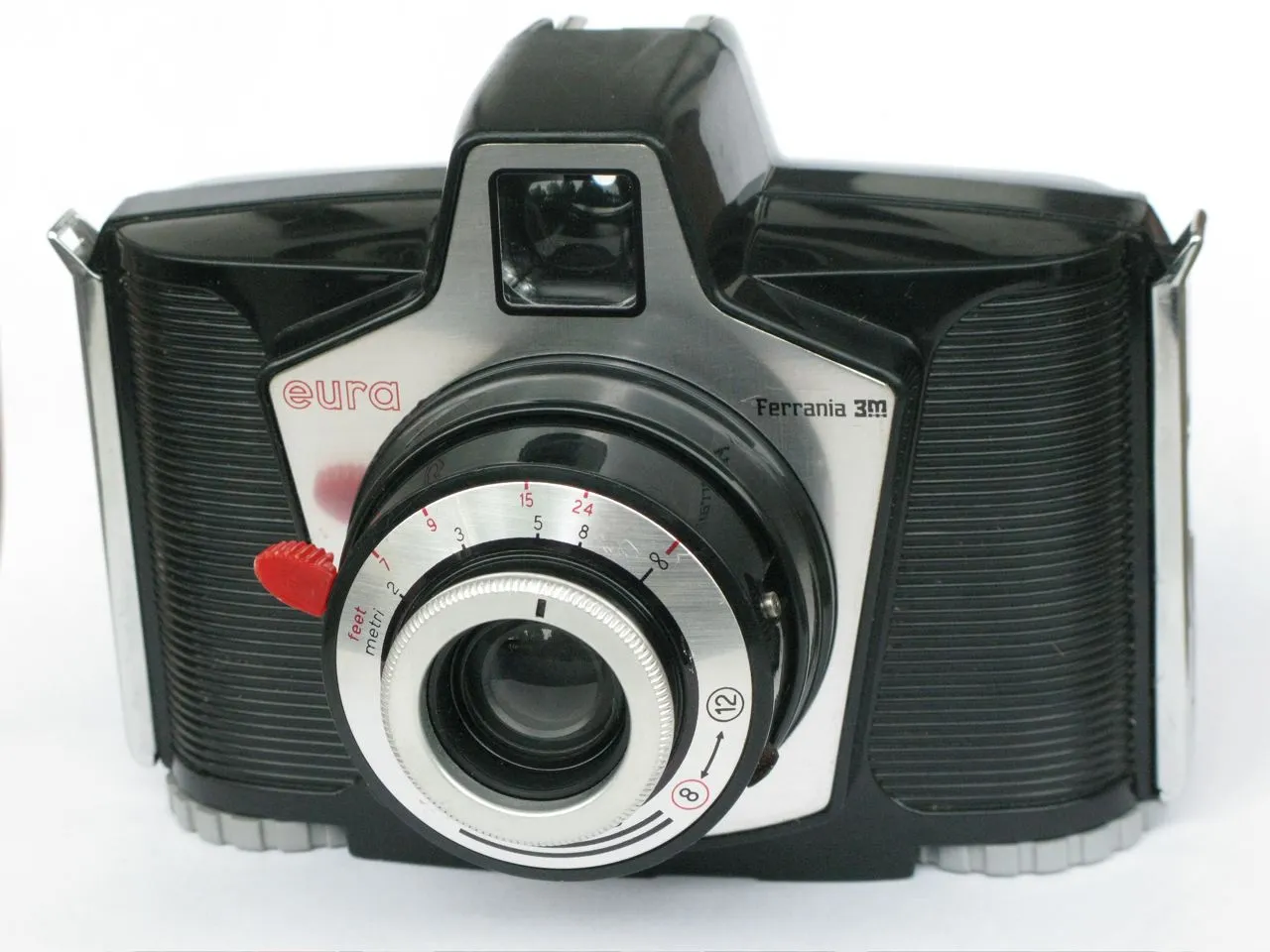
Ferrania also offered simple cameras for the public, such as the Rondine and the Eura, to make photography popular and sell more film.

1964–today
Closure and rebirth
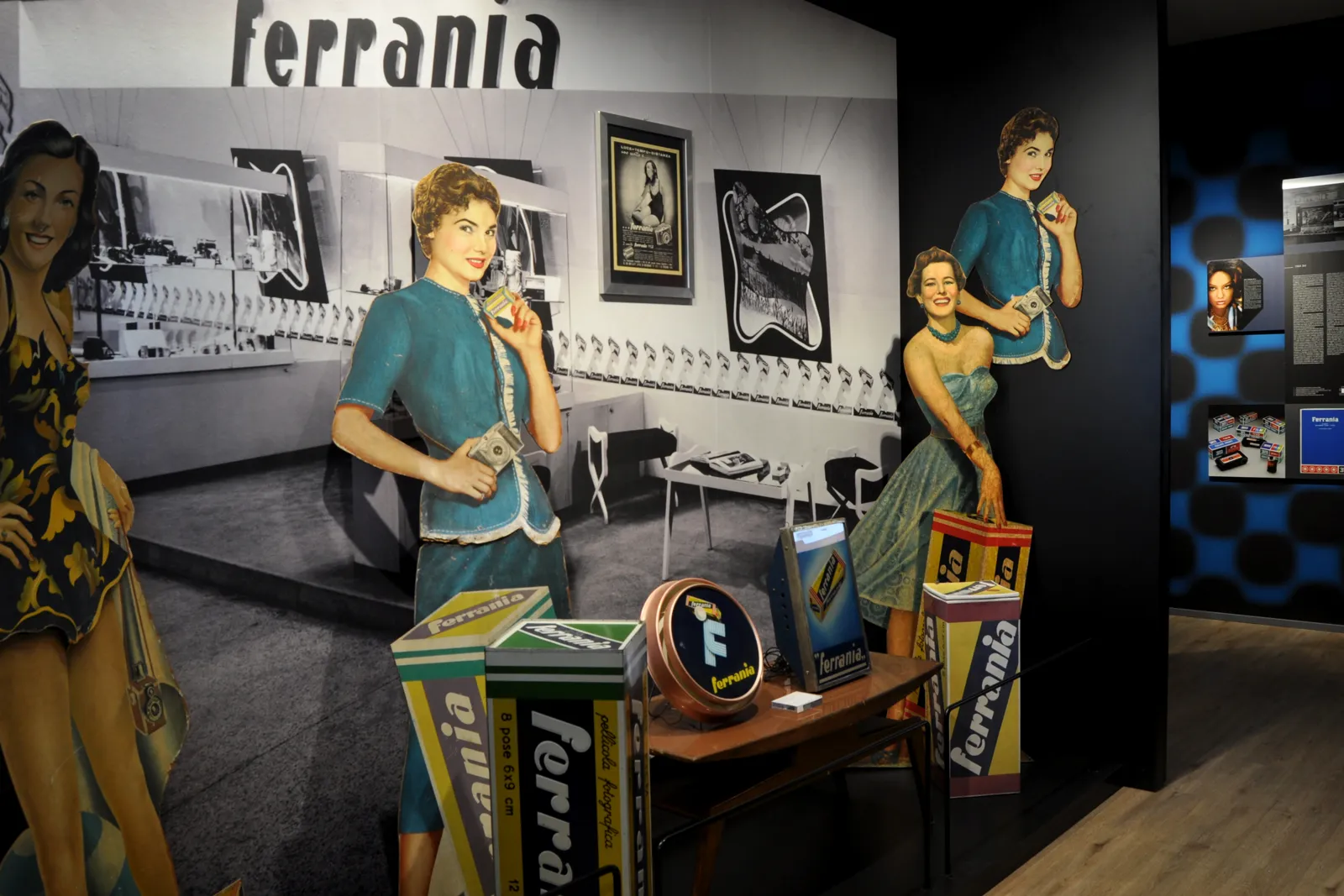
In 1964 the American group 3M bought Ferrania, which later passed to Imation, then to other owners. It was the last maker of the 126 “Instamatic” film until 2007. But photographic production ended in 2009, and the last building was closed in 2010.
In 2013 a small team founded FILM Ferrania to make film again in the old factory. A crowdfunding campaign in 2014 raised more than 300,000 dollars from photographers around the world. After years of delays, including the discovery of asbestos, P30 came back as the P30 Alpha in 2017, followed by new films.
Ferrania at the 99 Cameras Museum
The Ferrania Condor, made with Officine Galileo, is in the showcases of the museum in Paris. You can see it, and the other cameras of this story, in our online collection.
See the Ferrania cameras of the collection
Sources. Wikipedia article on Ferrania, FILM Ferrania, Ferrania Film Museum, Collection Appareils, Beau Photo, Emulsive. Some anecdotes come from oral tradition and are told as such.
Plan your visit
Visit is free and open to all
- Opening hoursMonday – Saturday : 10 – 17:30
- AddressStudio Harcourt, 6 Rue de Lota, 75116 Paris
- Exceptional closuresThursday, 26 November 2026