One maker
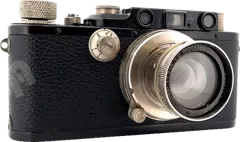
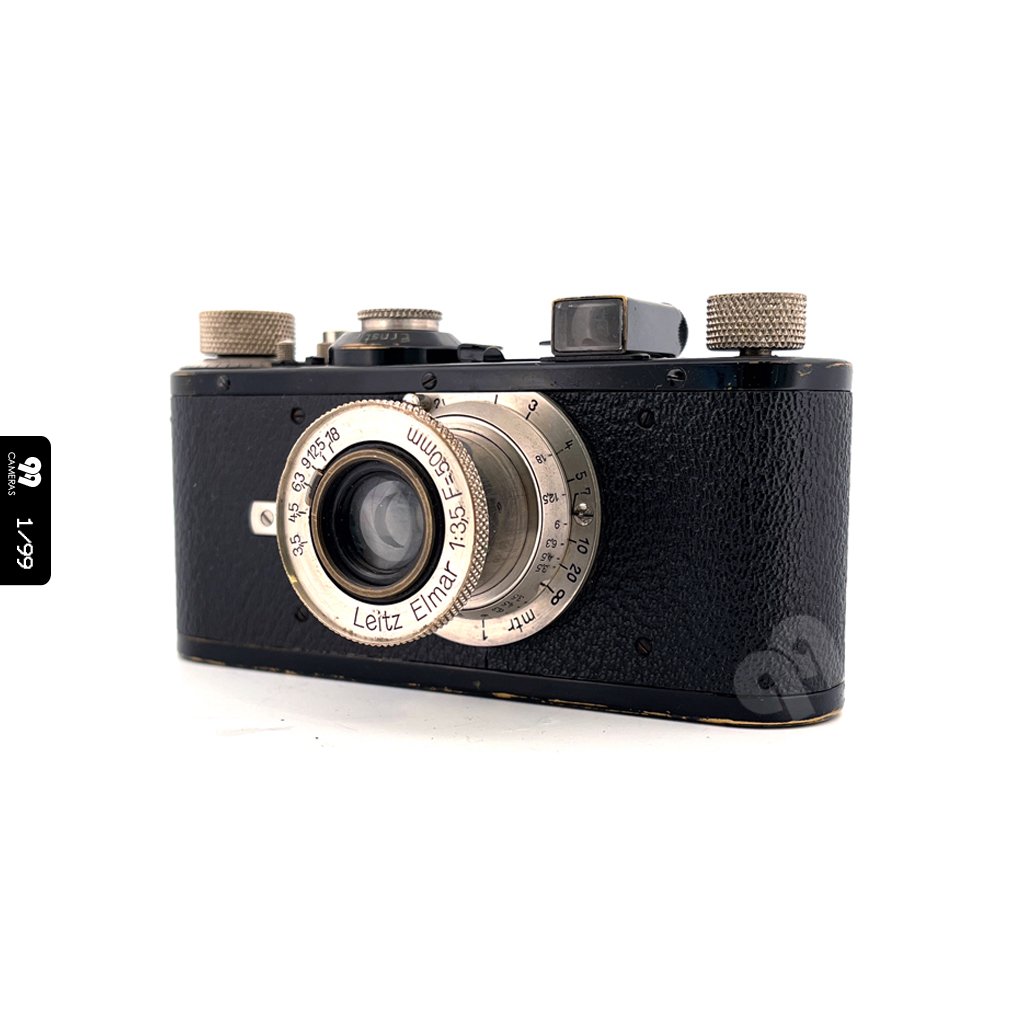
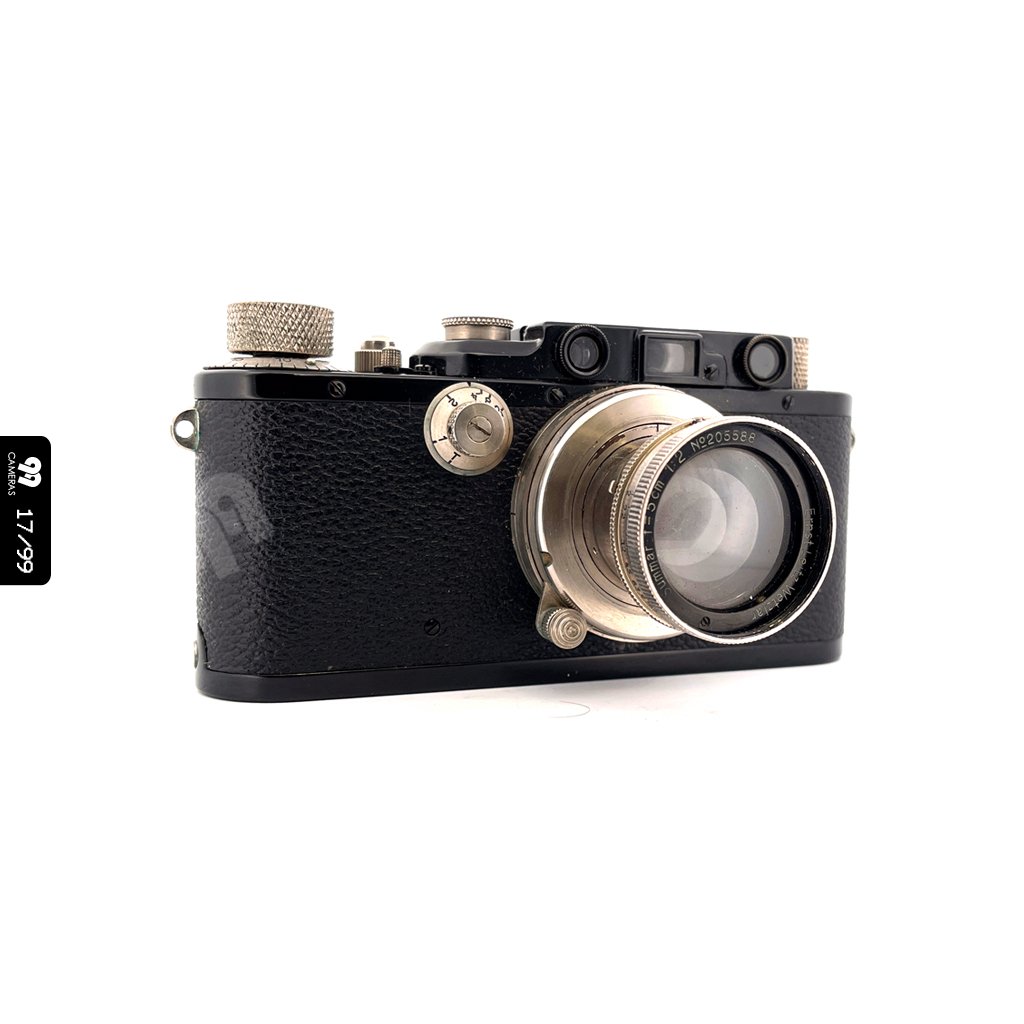
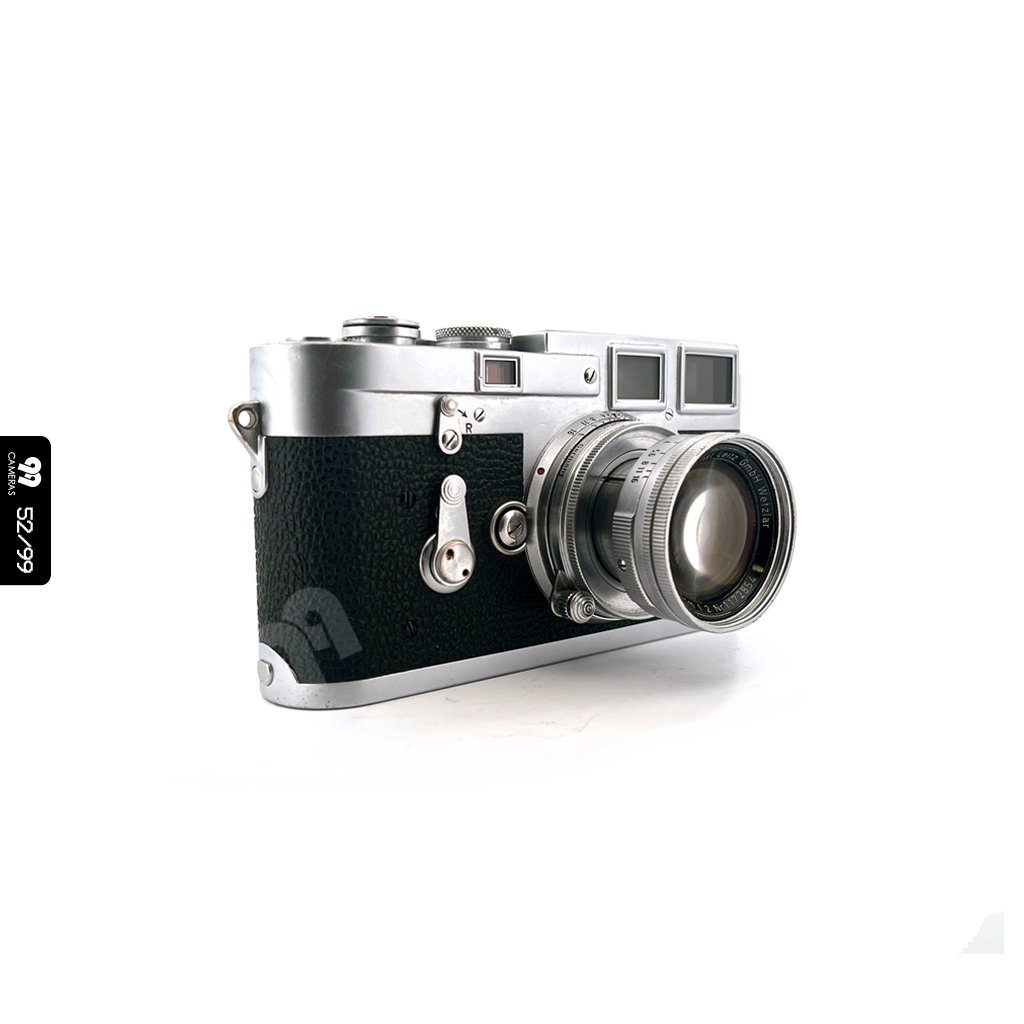
From its first model to its last: Leica, Rollei, Kodak, Zeiss Ikon… You learn its story, its variants and its serial numbers.
Leica at the museum
Collector’s guide
Choosing a thread, setting a budget, checking a camera before you buy it, looking after it: the museum’s practical advice for starting a vintage camera collection.
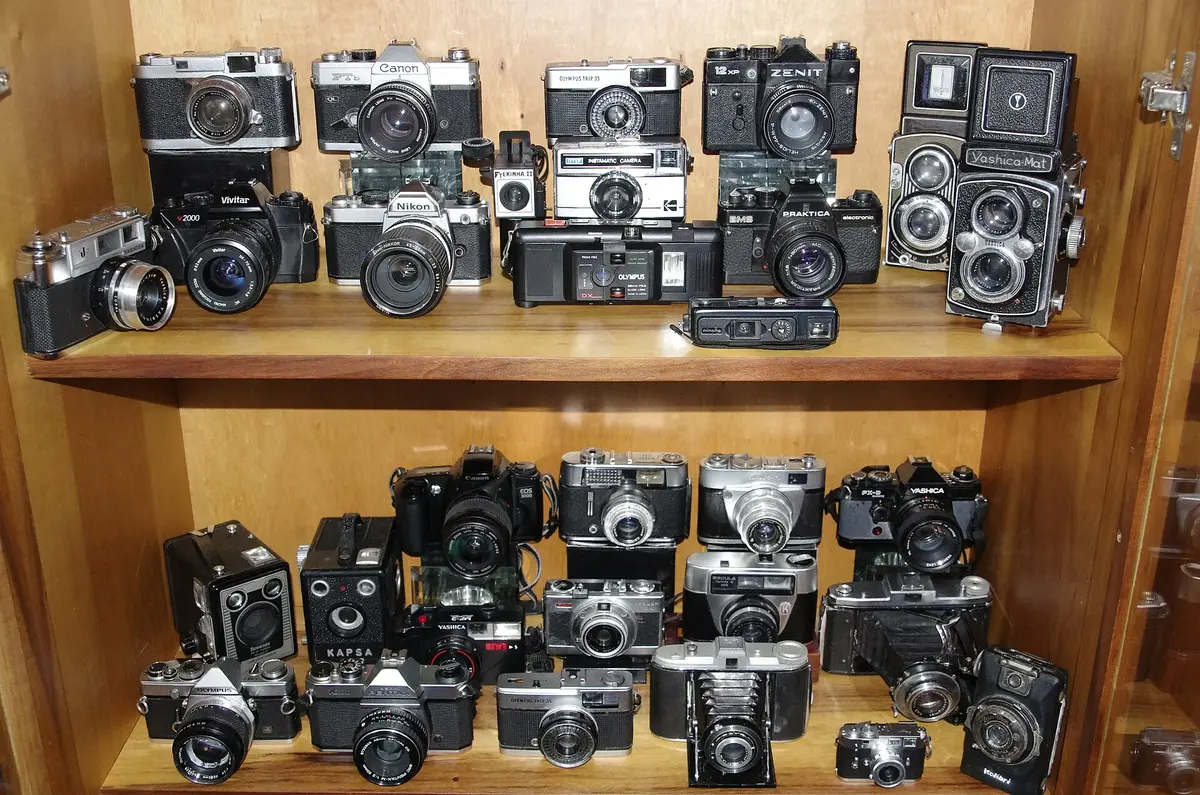
Every collector starts with one camera: a parent’s, a flea-market find, a model seen in a film. What turns a few cameras into a collection is knowing why you keep them.
Some collectors love the history, how a camera changed the way people took pictures. Others love the object itself: its design, its materials, the sound of its shutter. Others want cameras that work, and load them with film. No reason is better than another, but each leads to different cameras, and to a different budget.
The advice collectors repeat most often is to choose a thread. Here are six that run through the museum’s collection, each with cameras you can see in our showcases.
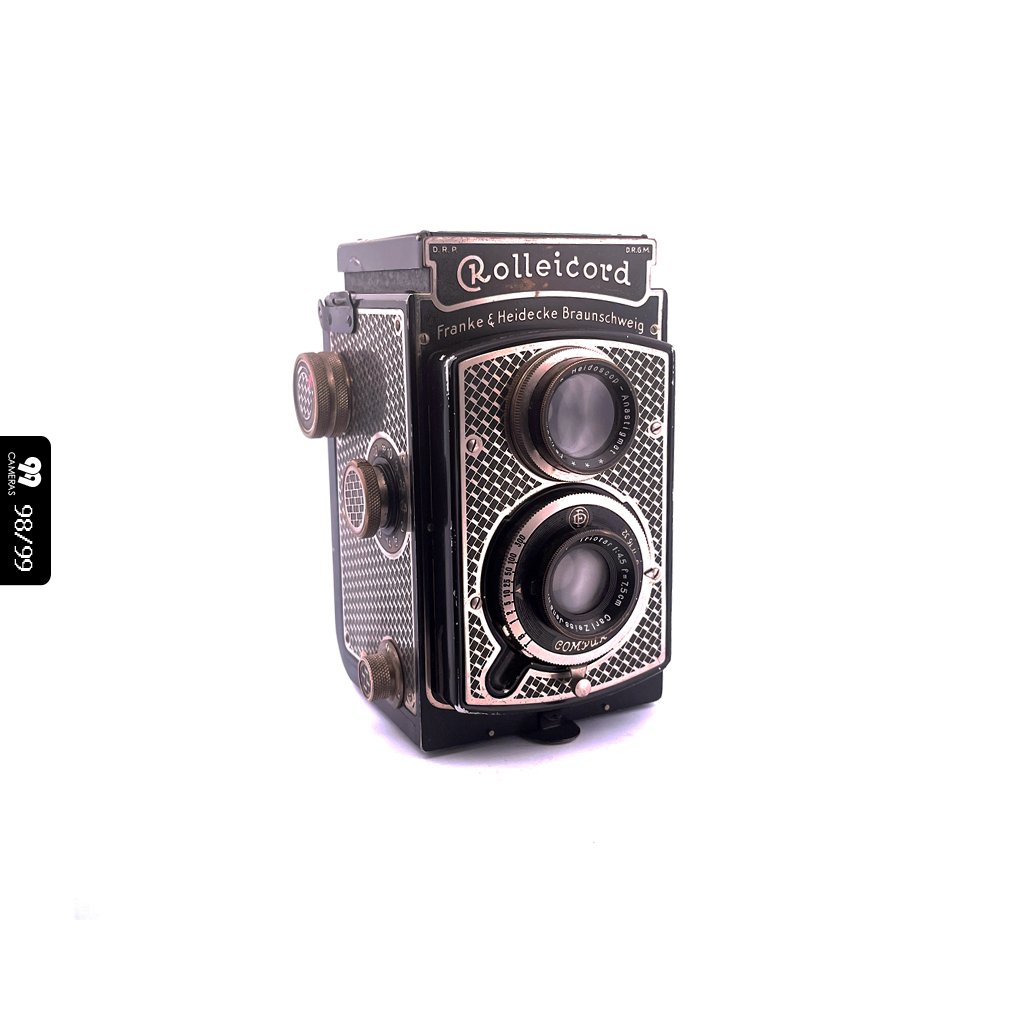
From its first model to its last: Leica, Rollei, Kodak, Zeiss Ikon… You learn its story, its variants and its serial numbers.
Leica at the museum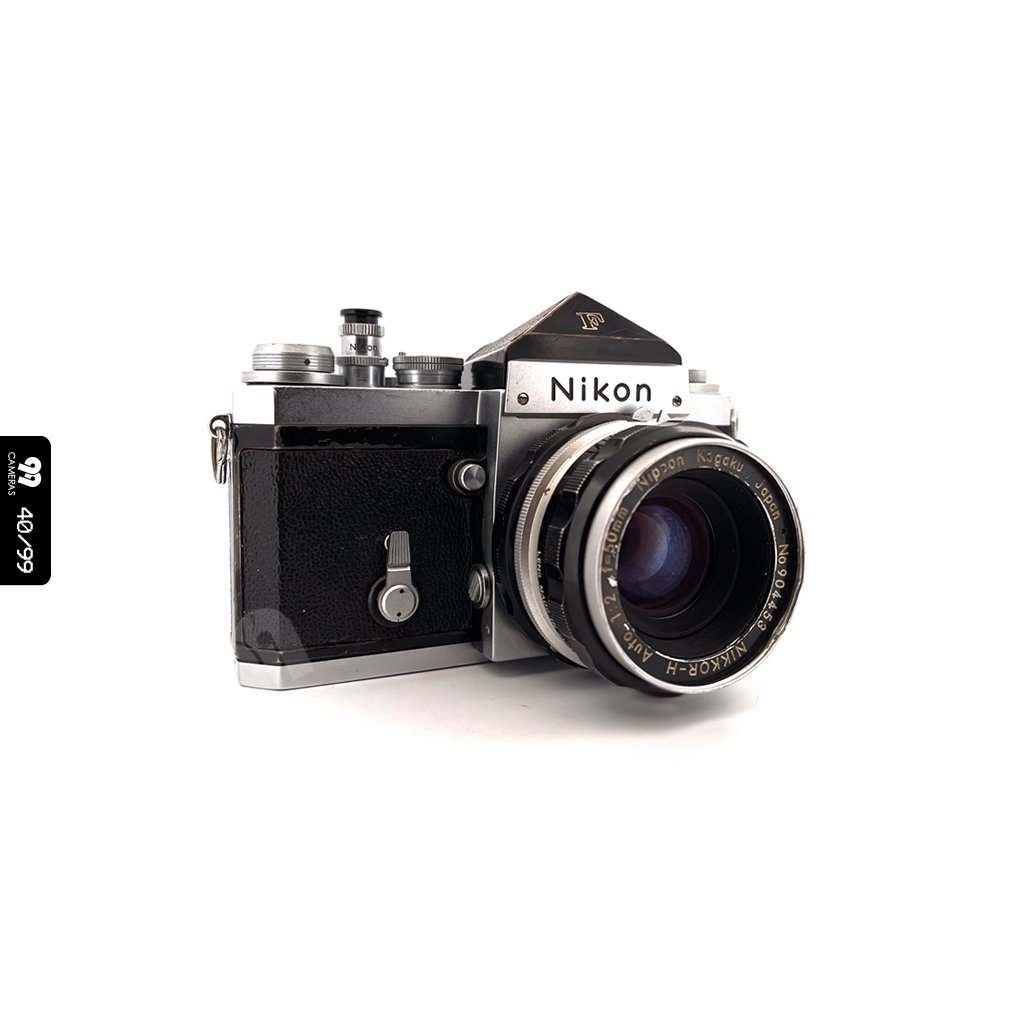
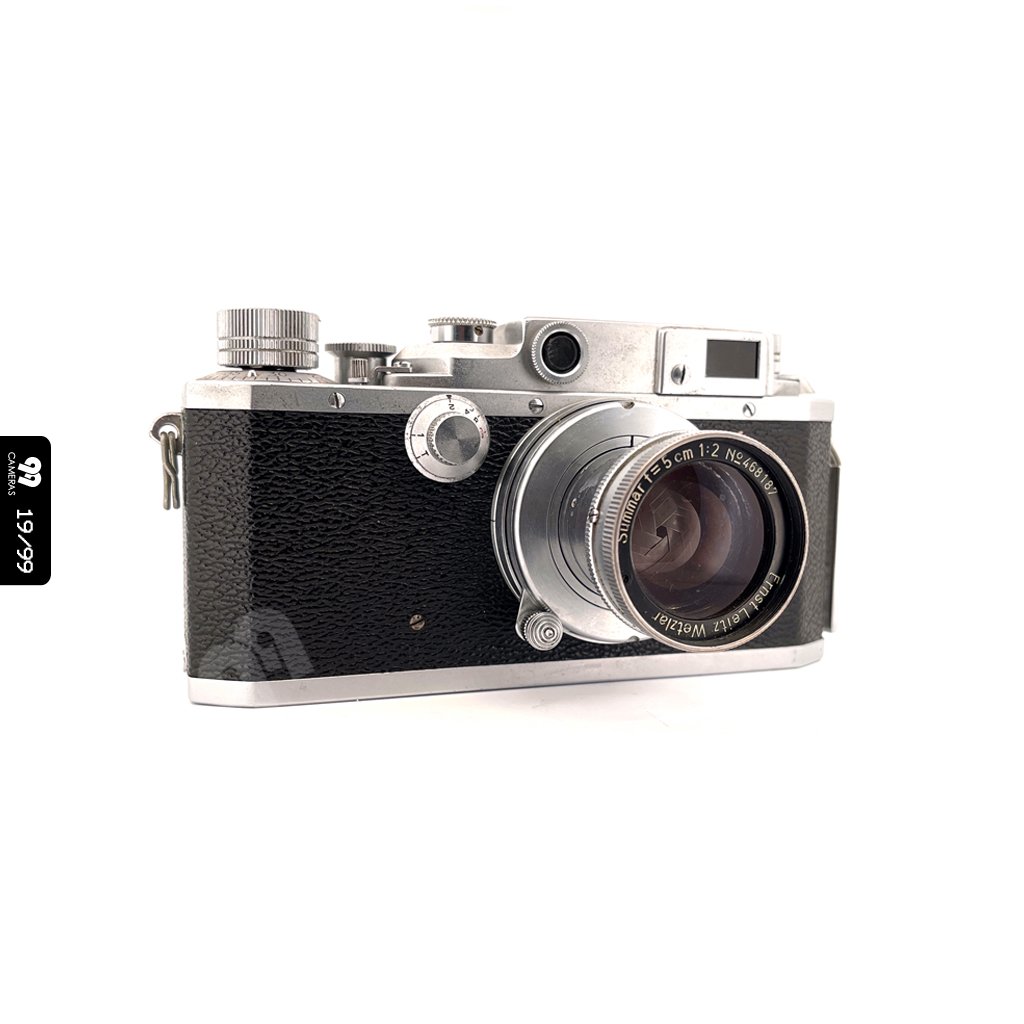
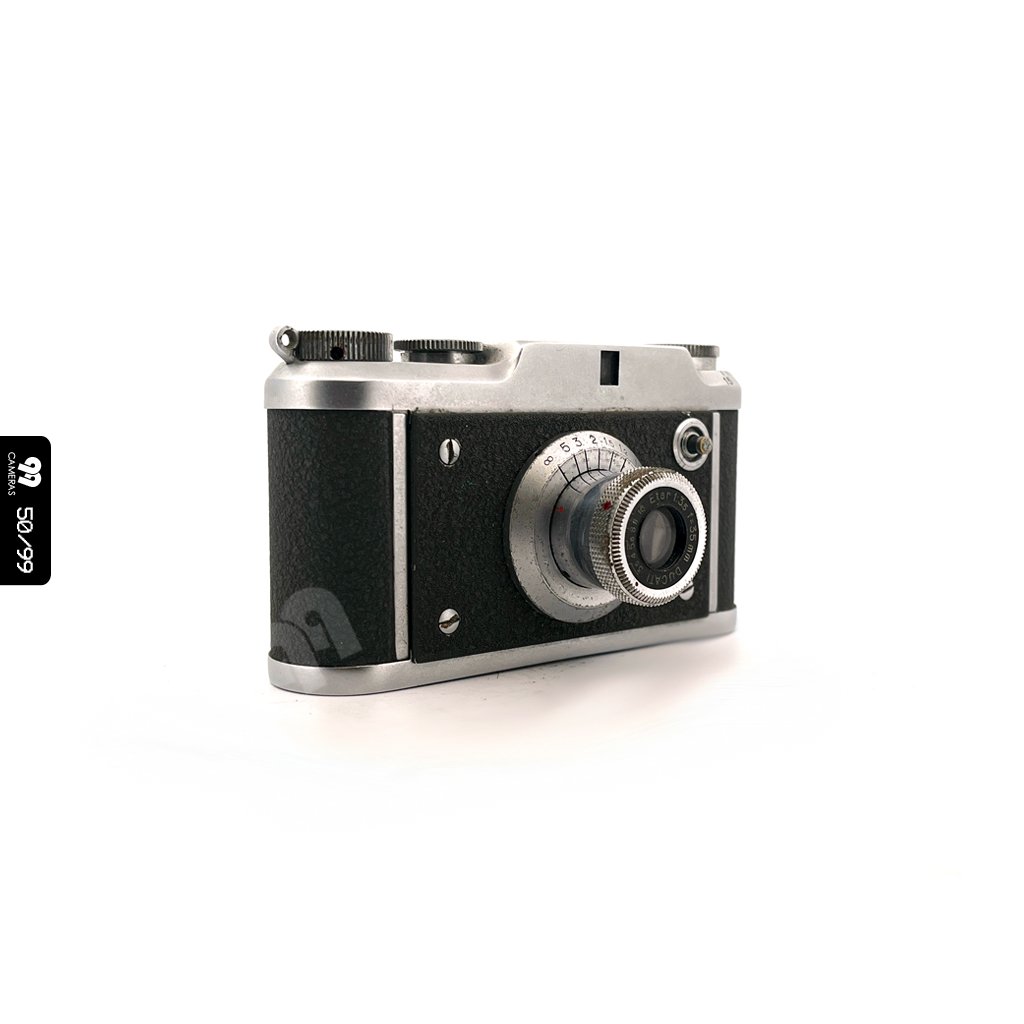
Every kind of camera from the same years: the 1950s alone run from Japanese rangefinders to Italian miniatures.
The 1950s at the museum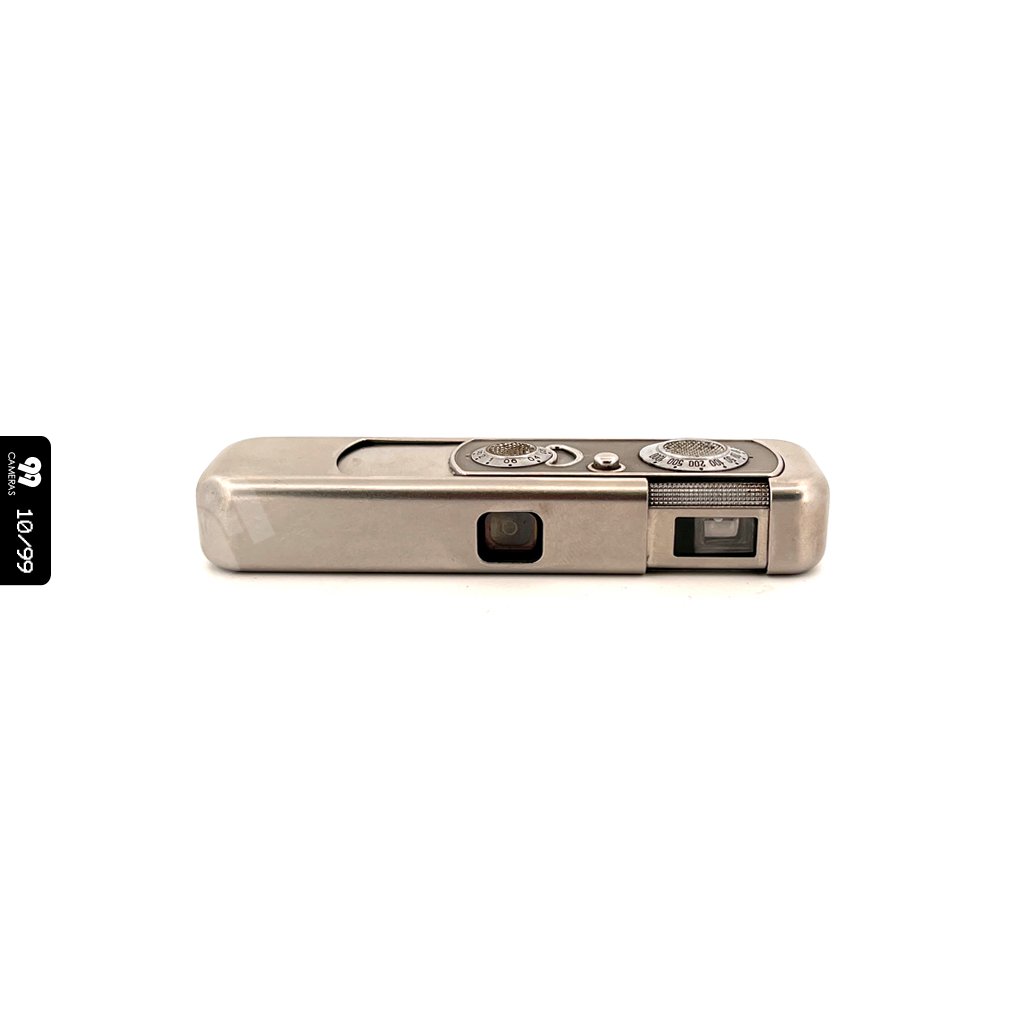
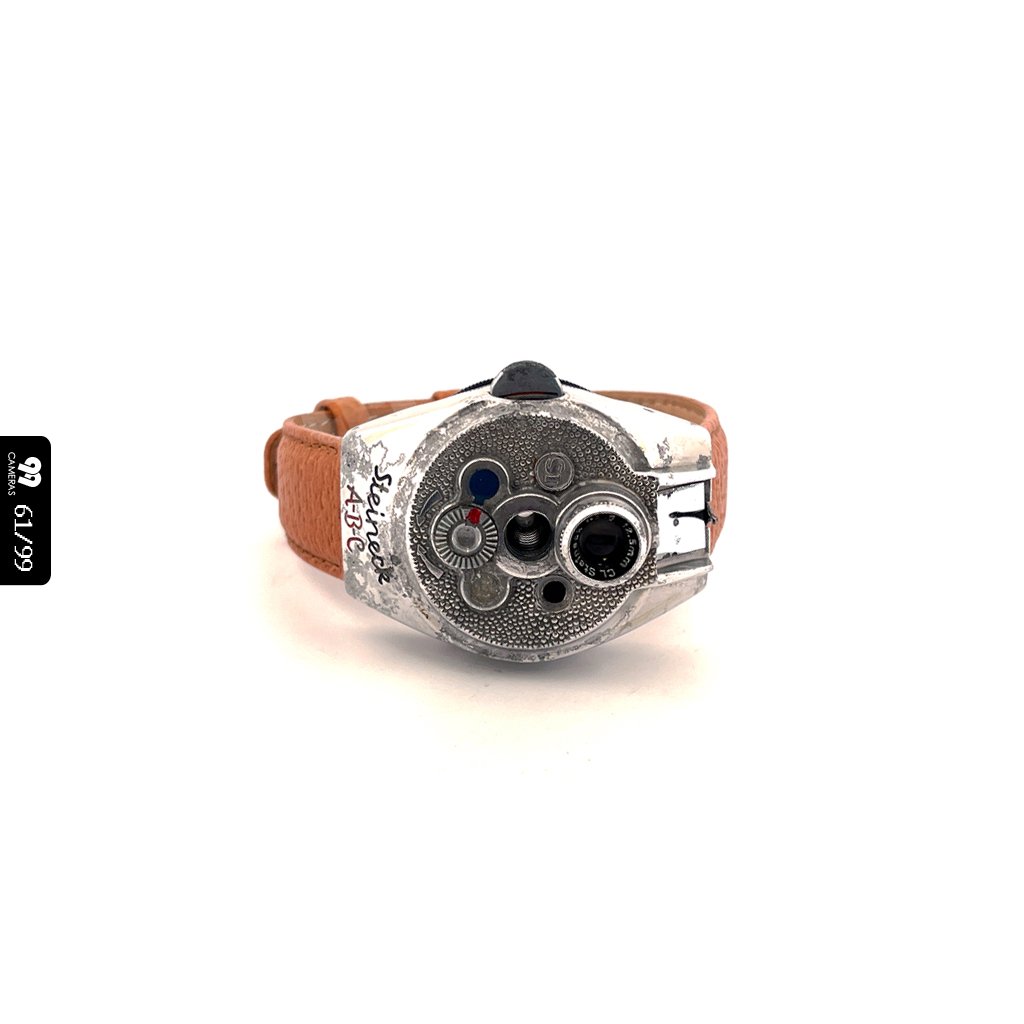
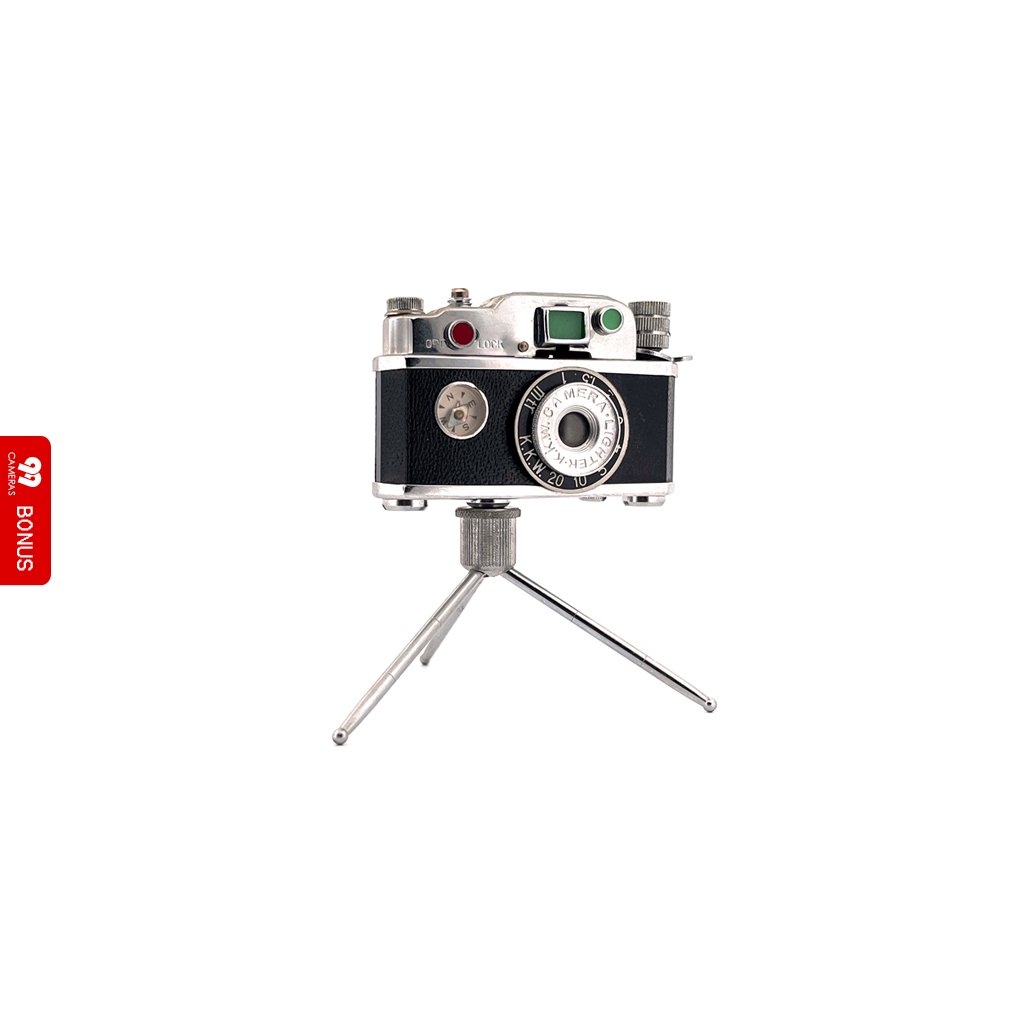
Hidden in a lighter, a watch, a pen: small cameras with big stories, often hard to find and to authenticate.
The Spies at the museum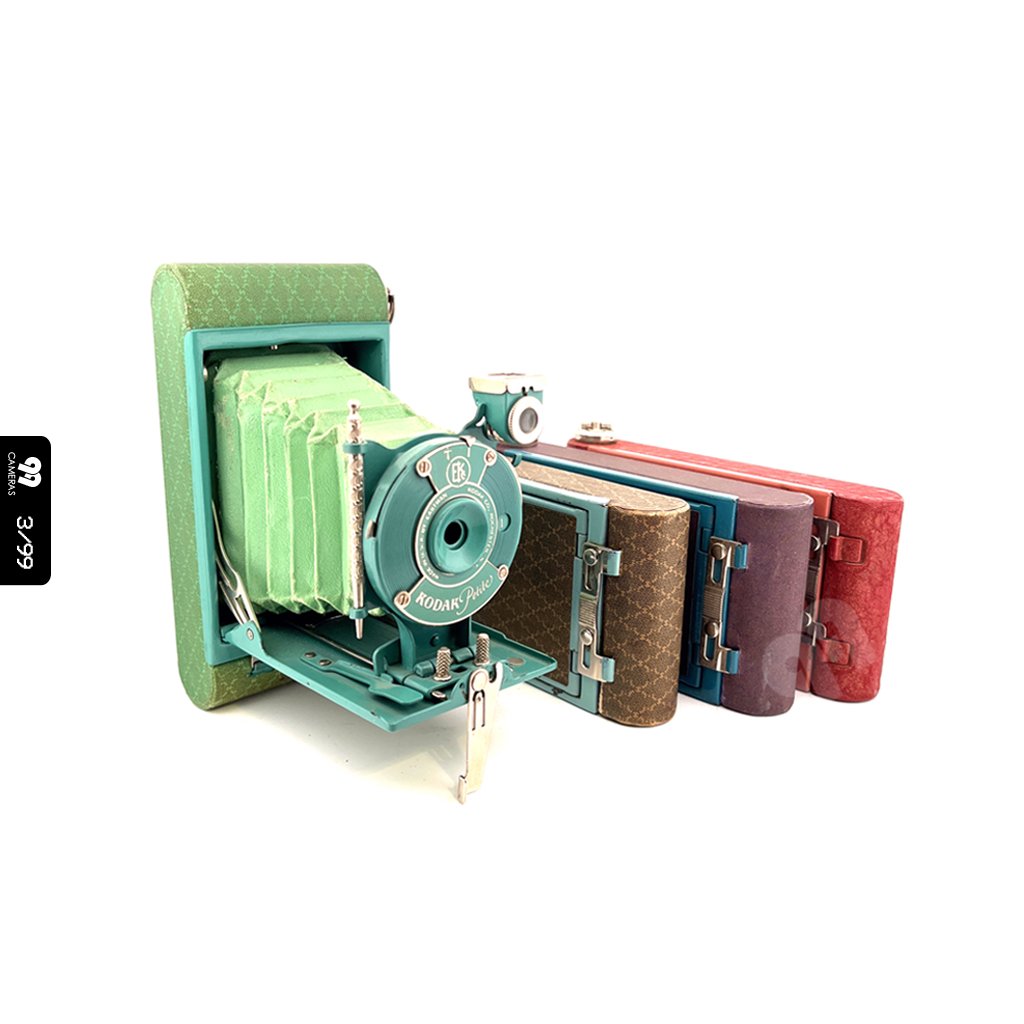
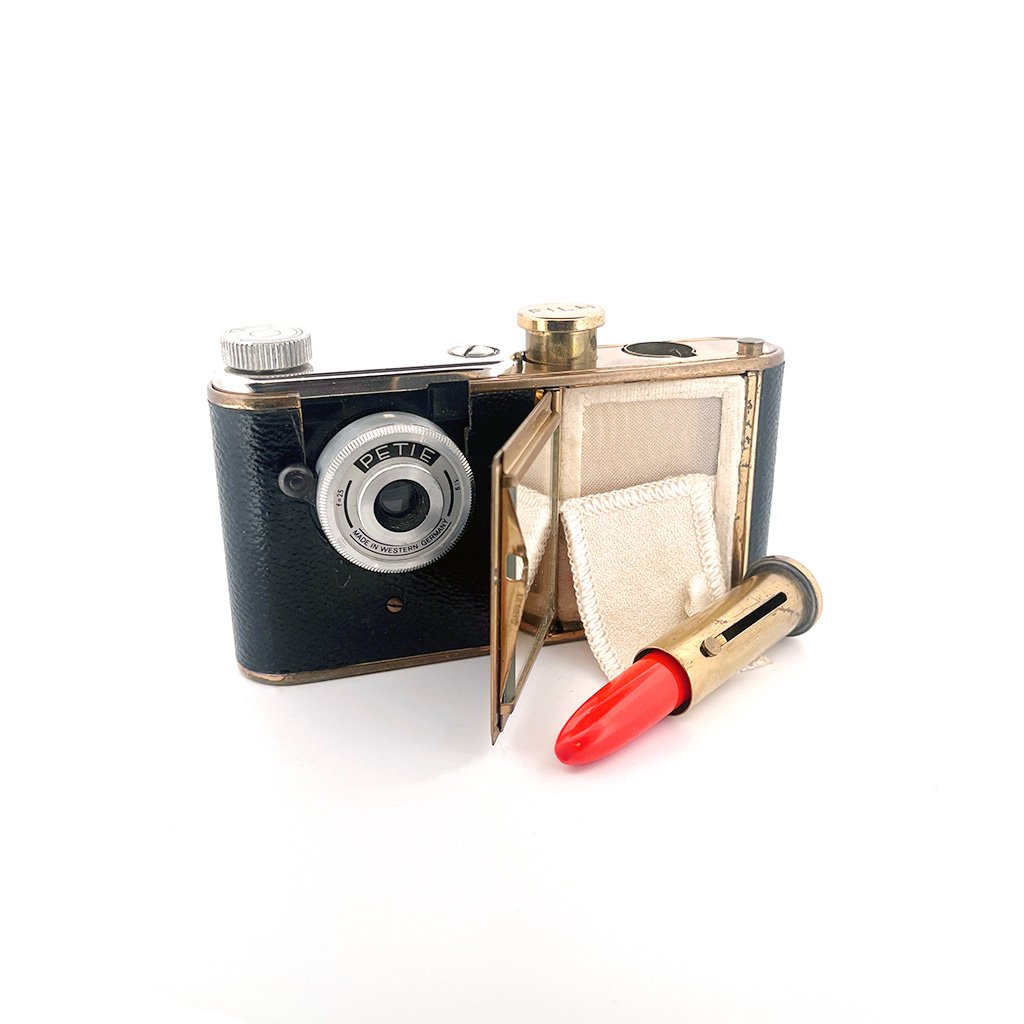
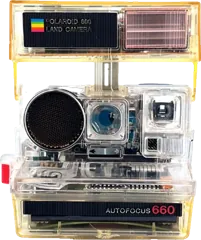
Colours, Art Deco, vanity cases: cameras made to be seen as much as to take pictures.
The Glamorous at the museum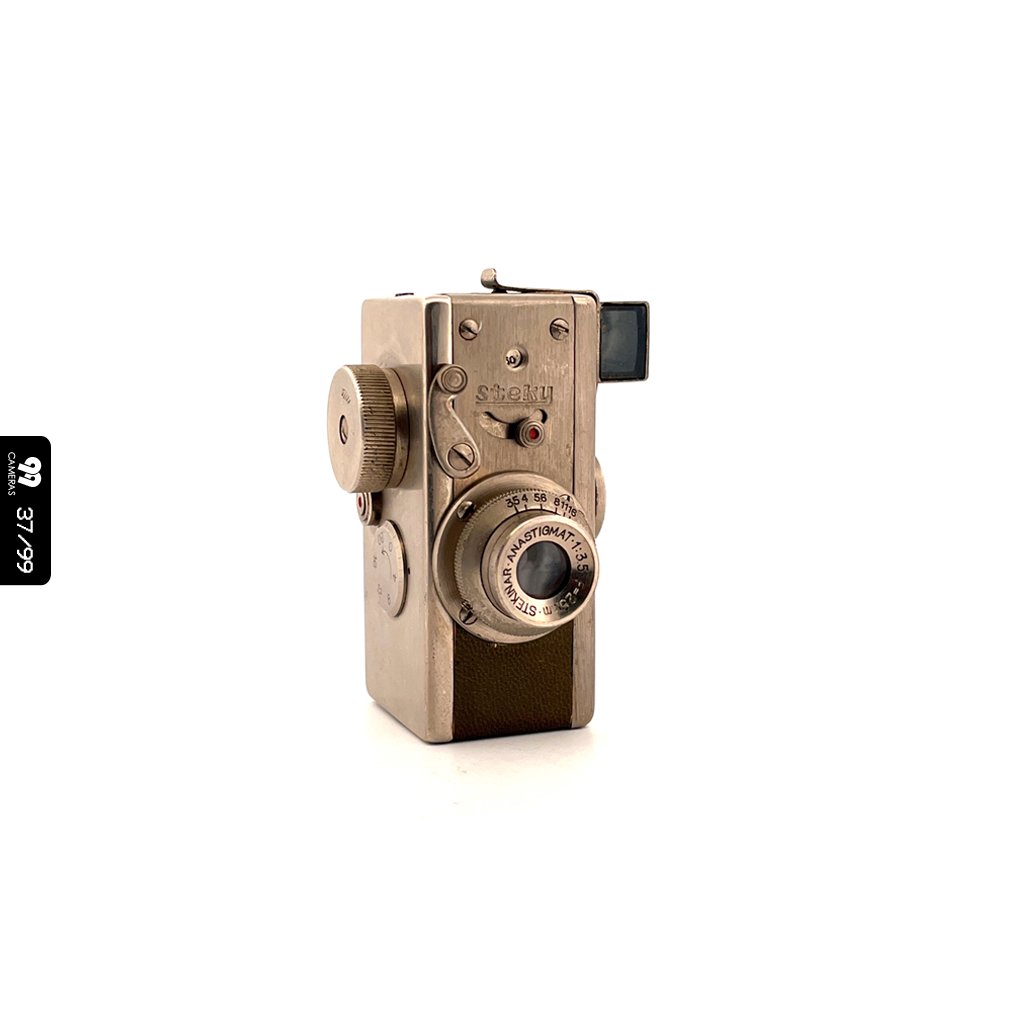
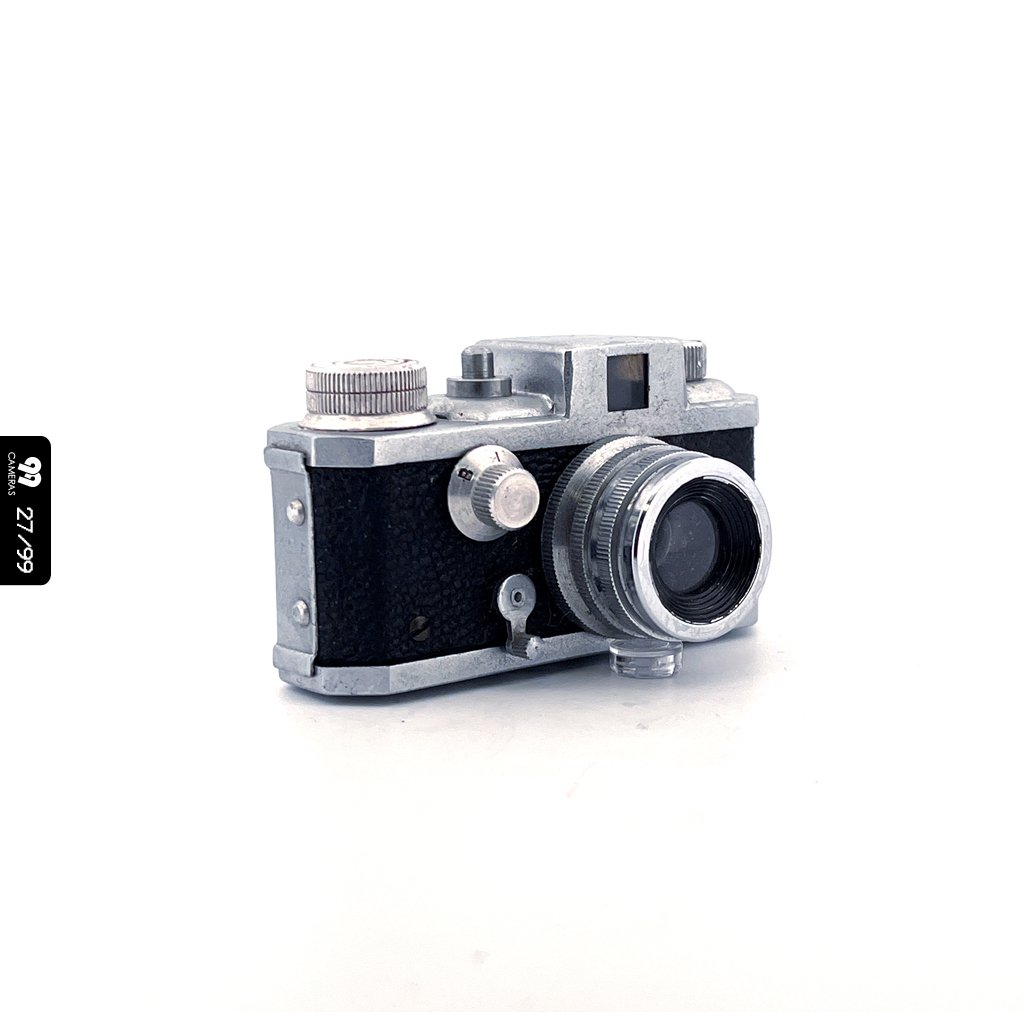
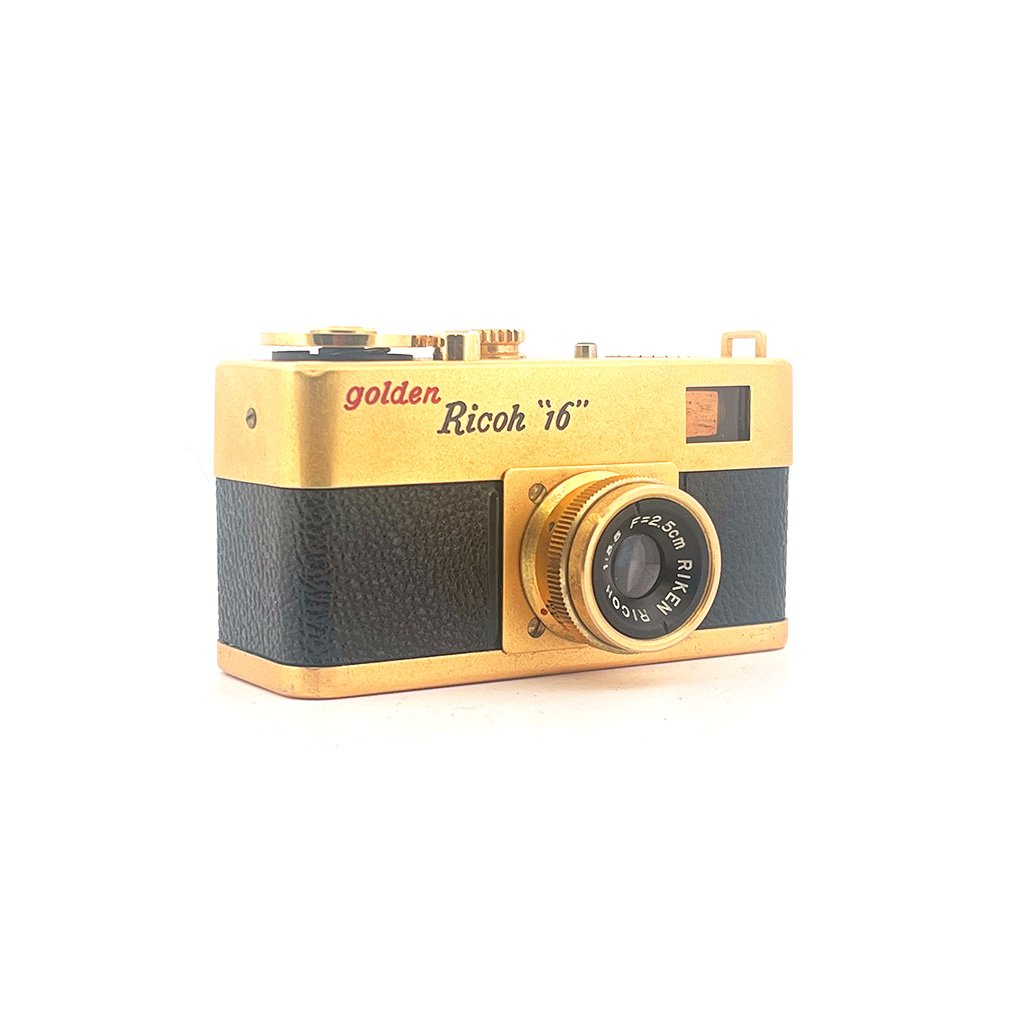
Tiny cameras for 16 mm film or smaller, many from post-war Japan. A whole collection fits on one shelf.
The Miniatures at the museum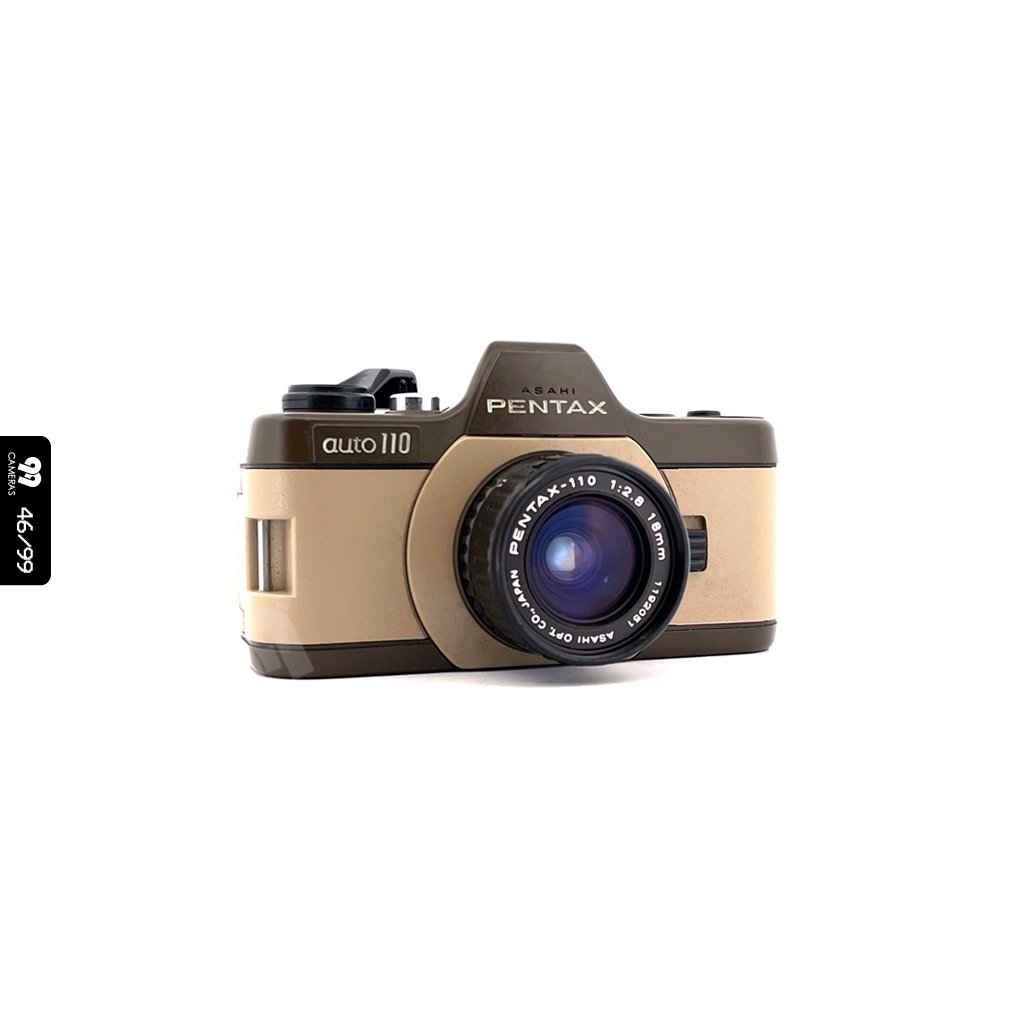
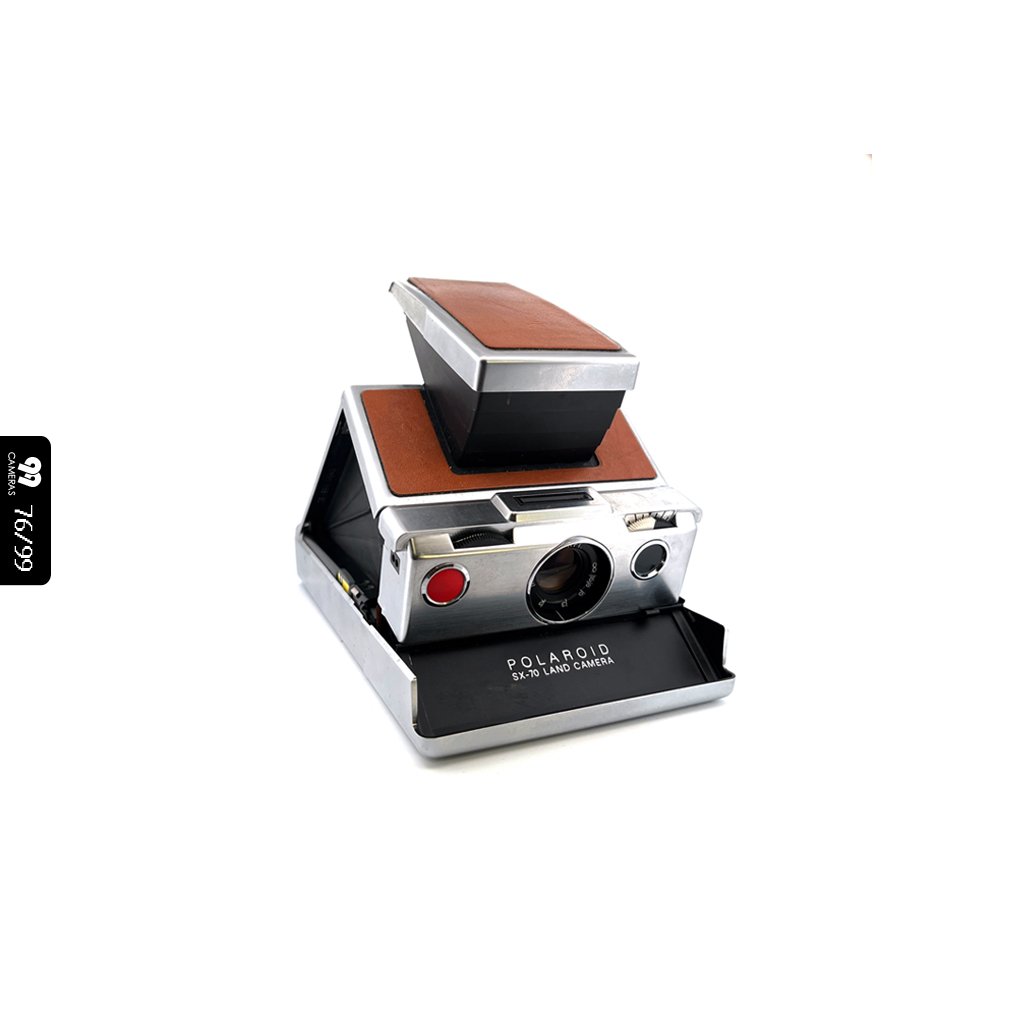
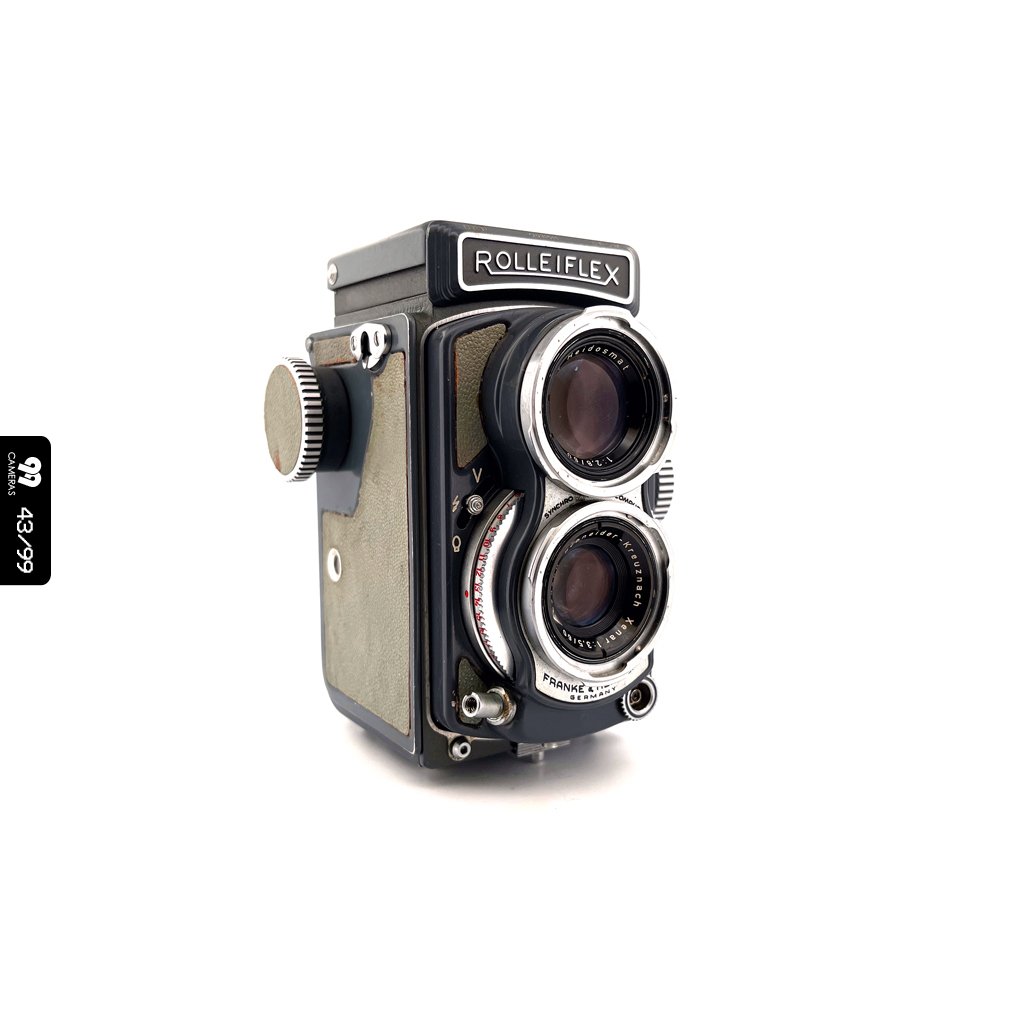
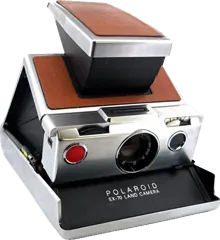
One film format, from the cameras that launched it to the last ones made: 127, 16 mm, 110, instant…
Discover film formats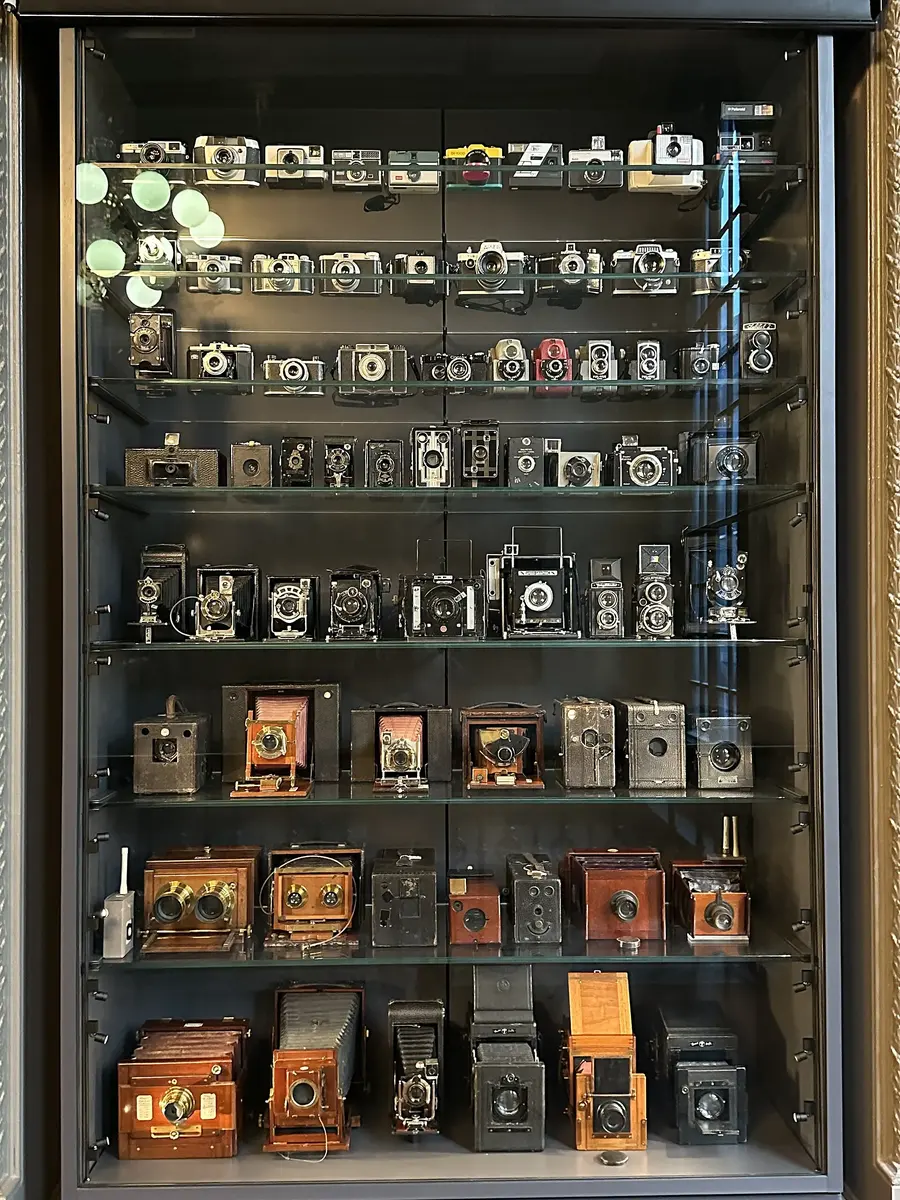
Start broad. Your first cameras teach you what you like, and they can be cheap. After ten or twenty, a thread often appears by itself: a make you keep coming back to, a decade, a shape.
Then narrow down. A focused collection tells a story, makes each new find easier to judge, and saves you from a shelf of unrelated cameras. Write your rule down: “Japanese rangefinders, 1950–1965” is a collection; “cameras I liked” is a cupboard.
The museum works the same way: its 99 cameras are grouped in seven themes, from the Pioneers to the Spies. See the collection.
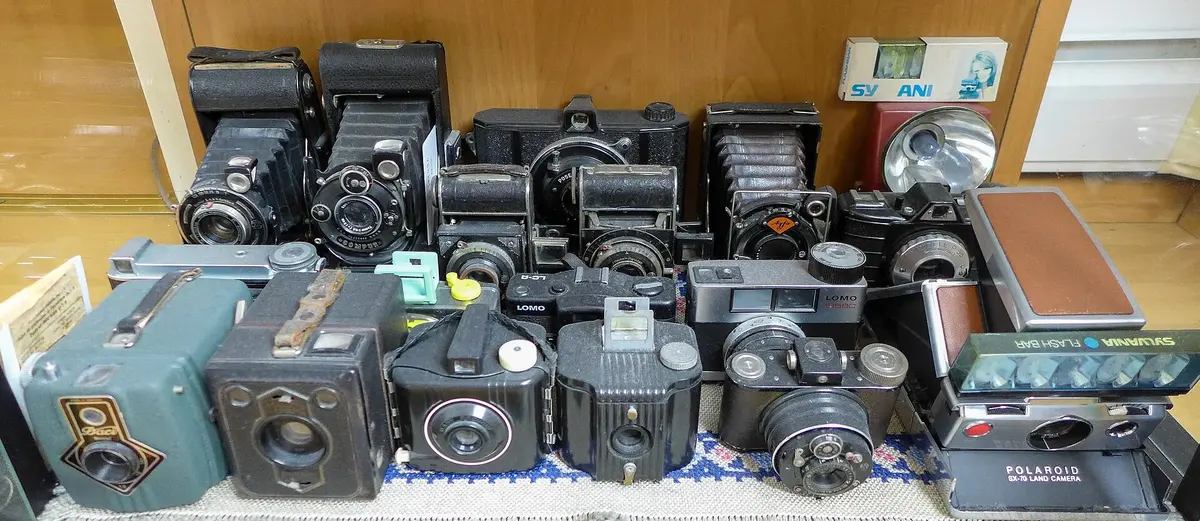
You can start a collection for the price of a dinner. The ranges below are rough: prices depend on condition, completeness and the market, so look at what cameras actually sold for, not at asking prices.
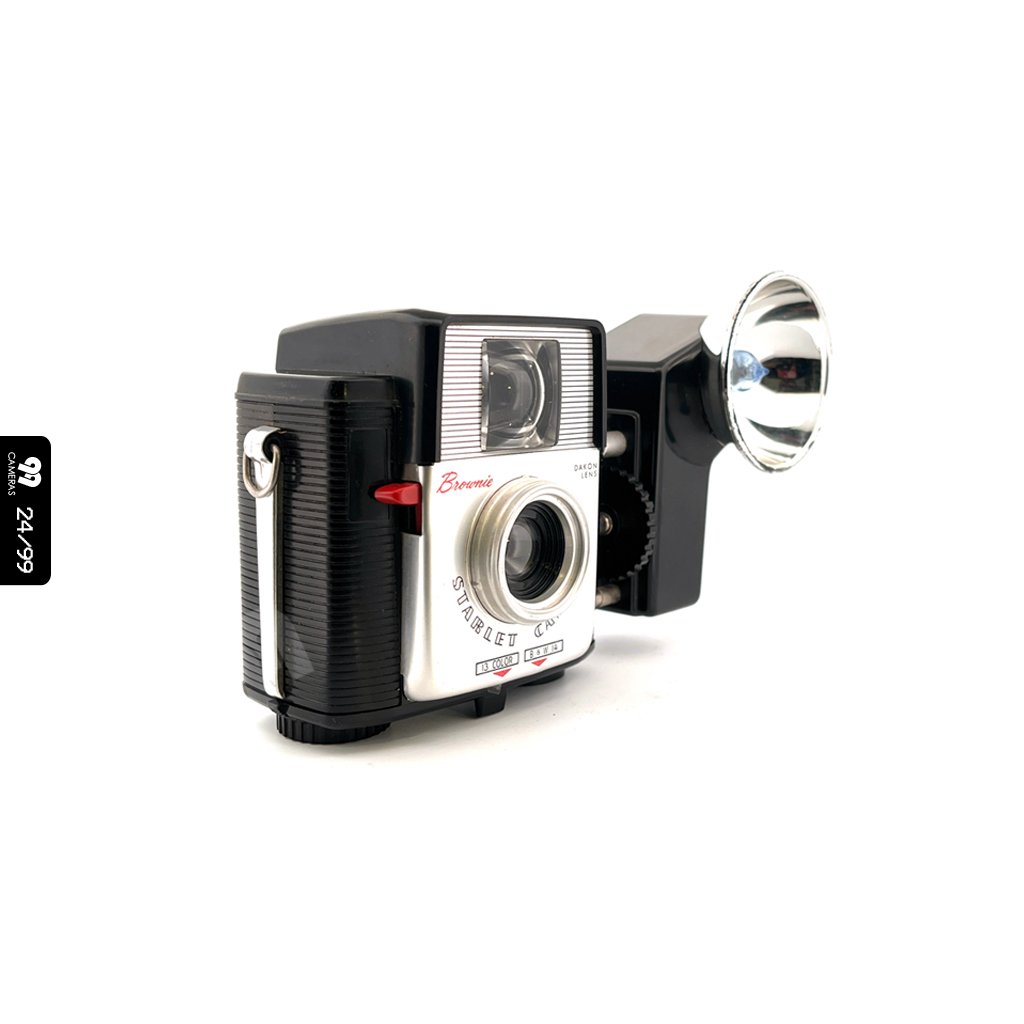
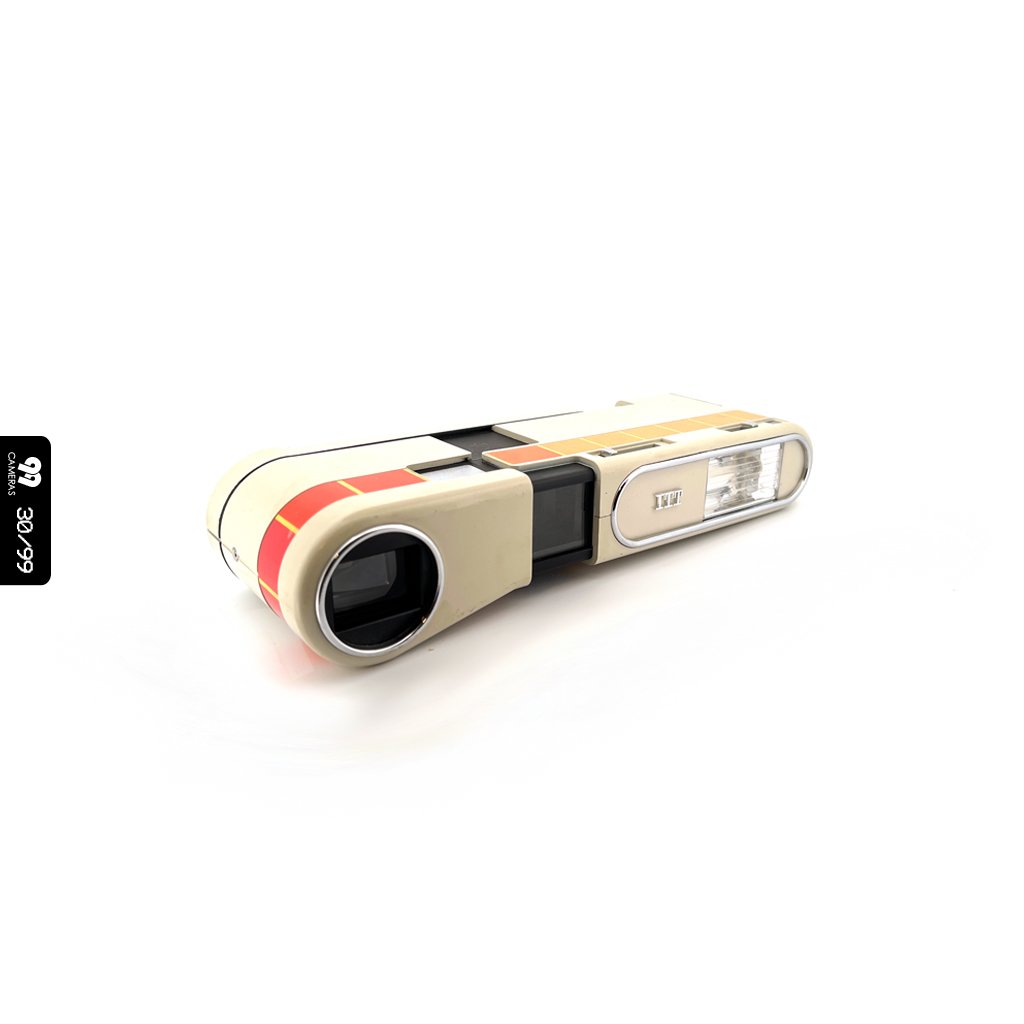
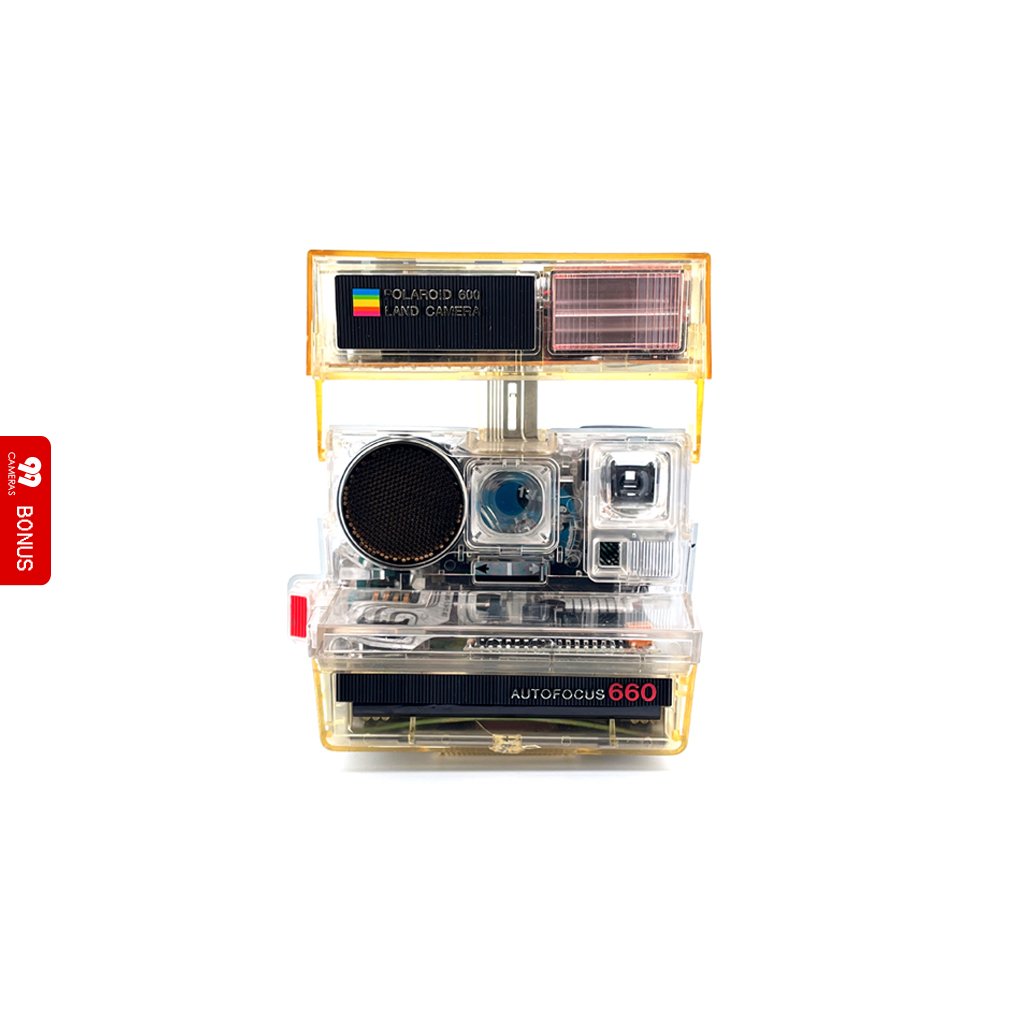
Under €50
Box cameras, Brownies, plastic compacts, instant cameras from the 1970s to the 1990s. The best way to learn how to judge condition.
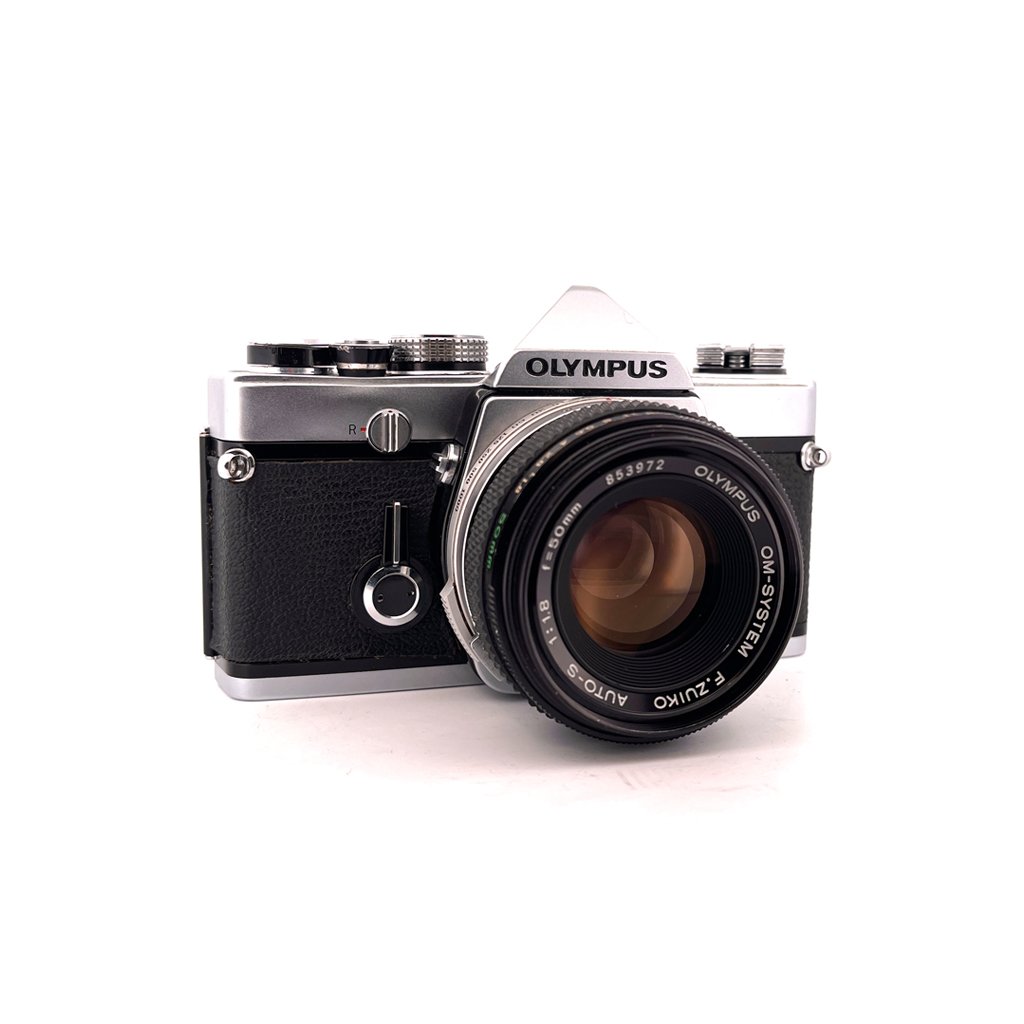
€50 to €500
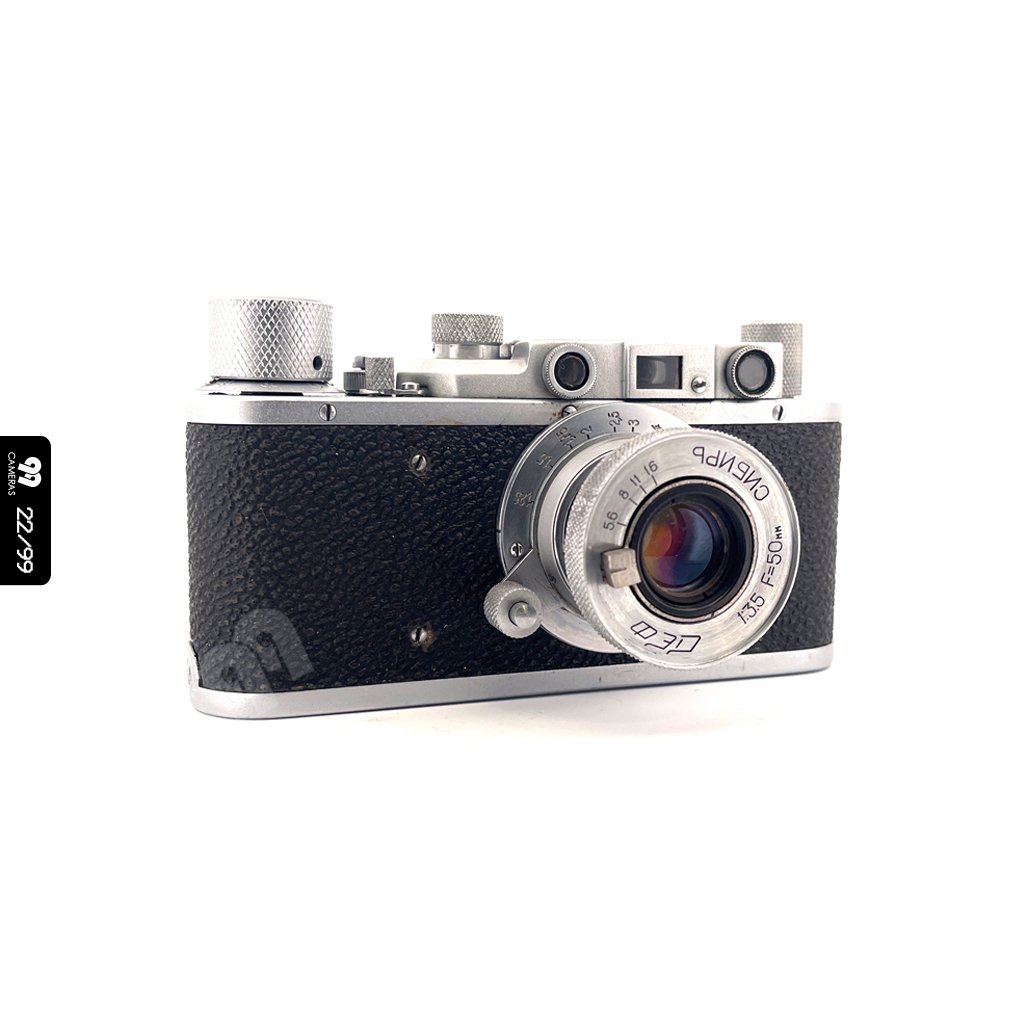
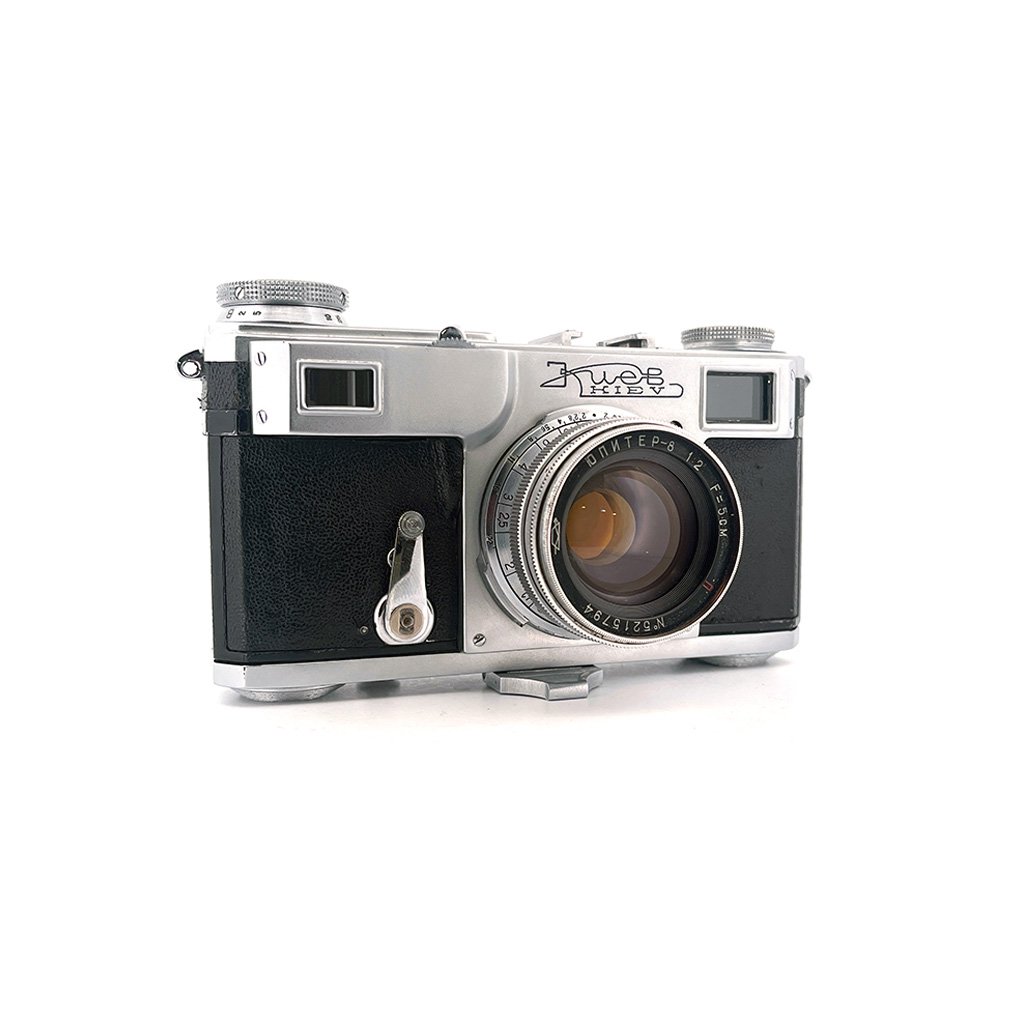
Mass-produced 35 mm reflexes and rangefinders, Soviet Leica copies, folding cameras: models that made history and still work.
€500 to €5,000
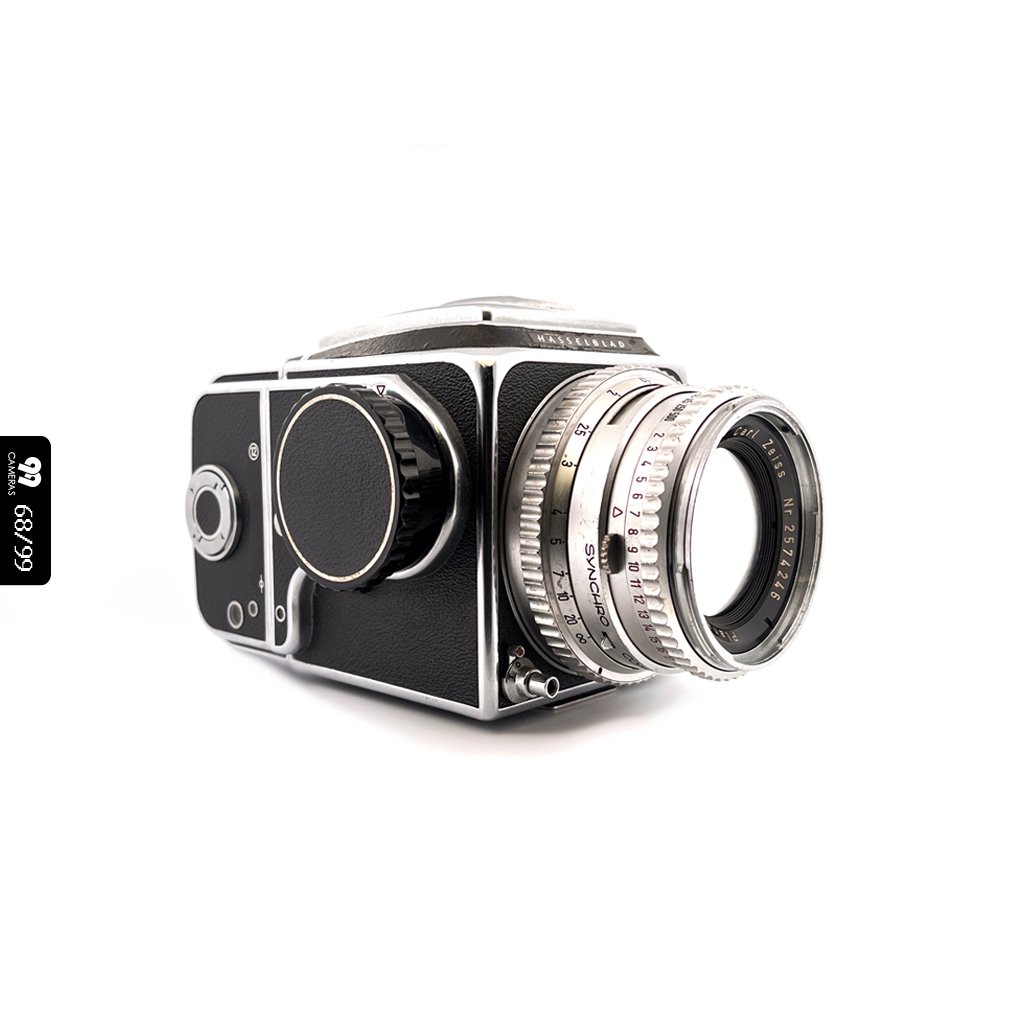
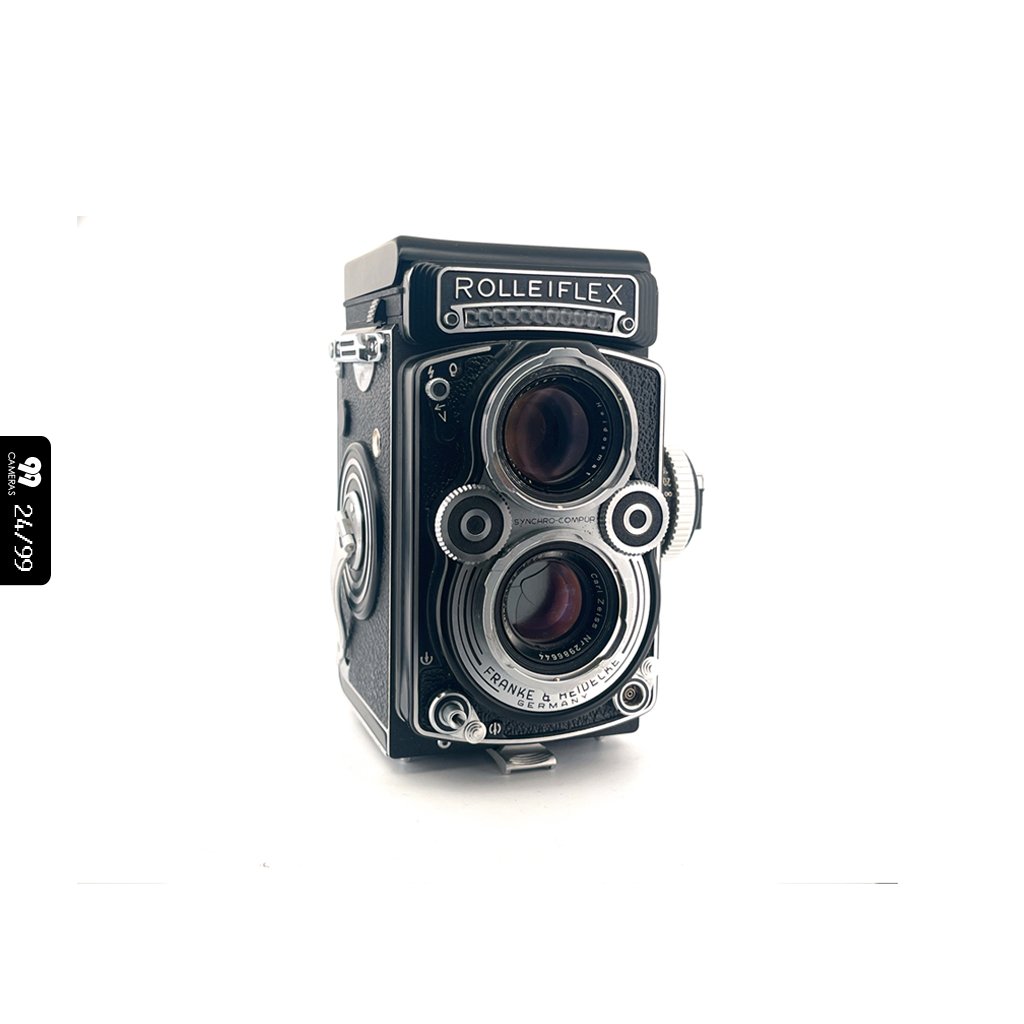
Leica M, Hasselblad, Rolleiflex: the cameras professionals worked with. Buy them from a dealer who services and guarantees them.
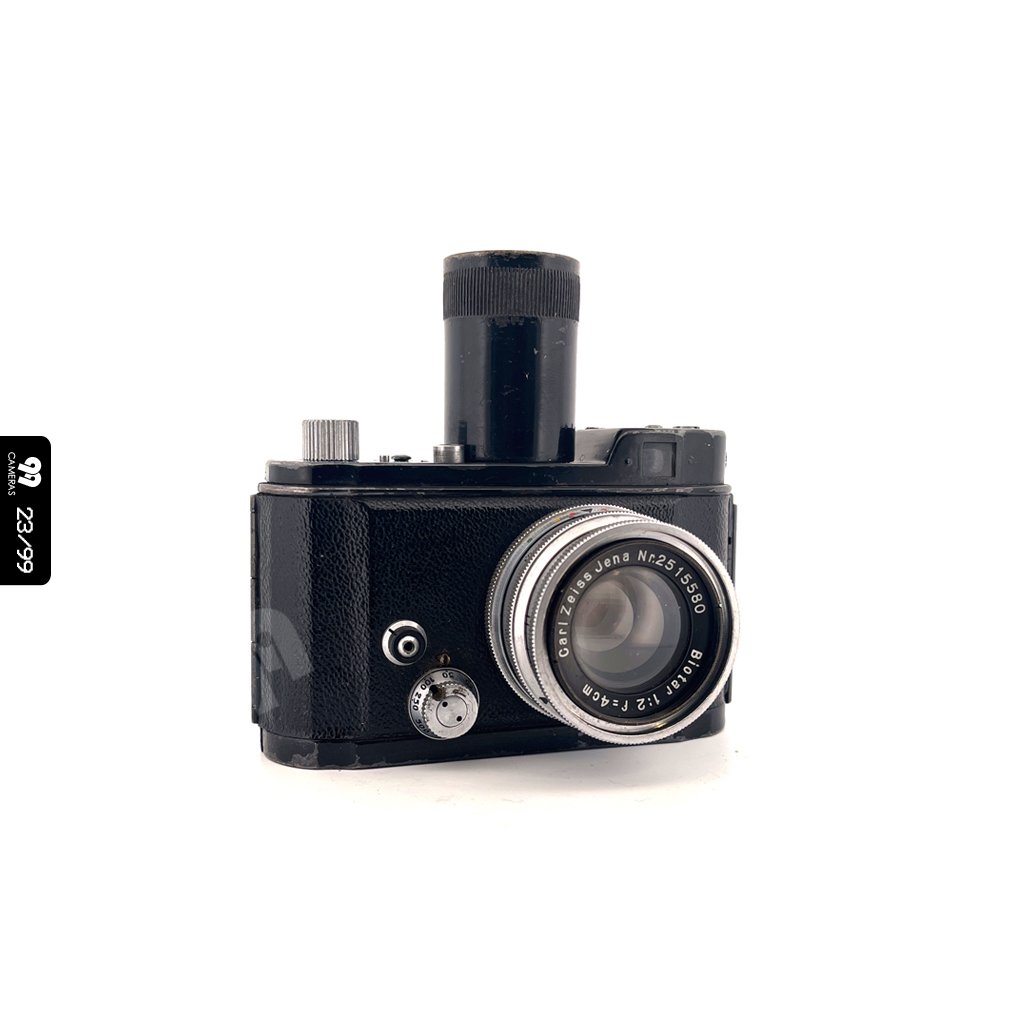
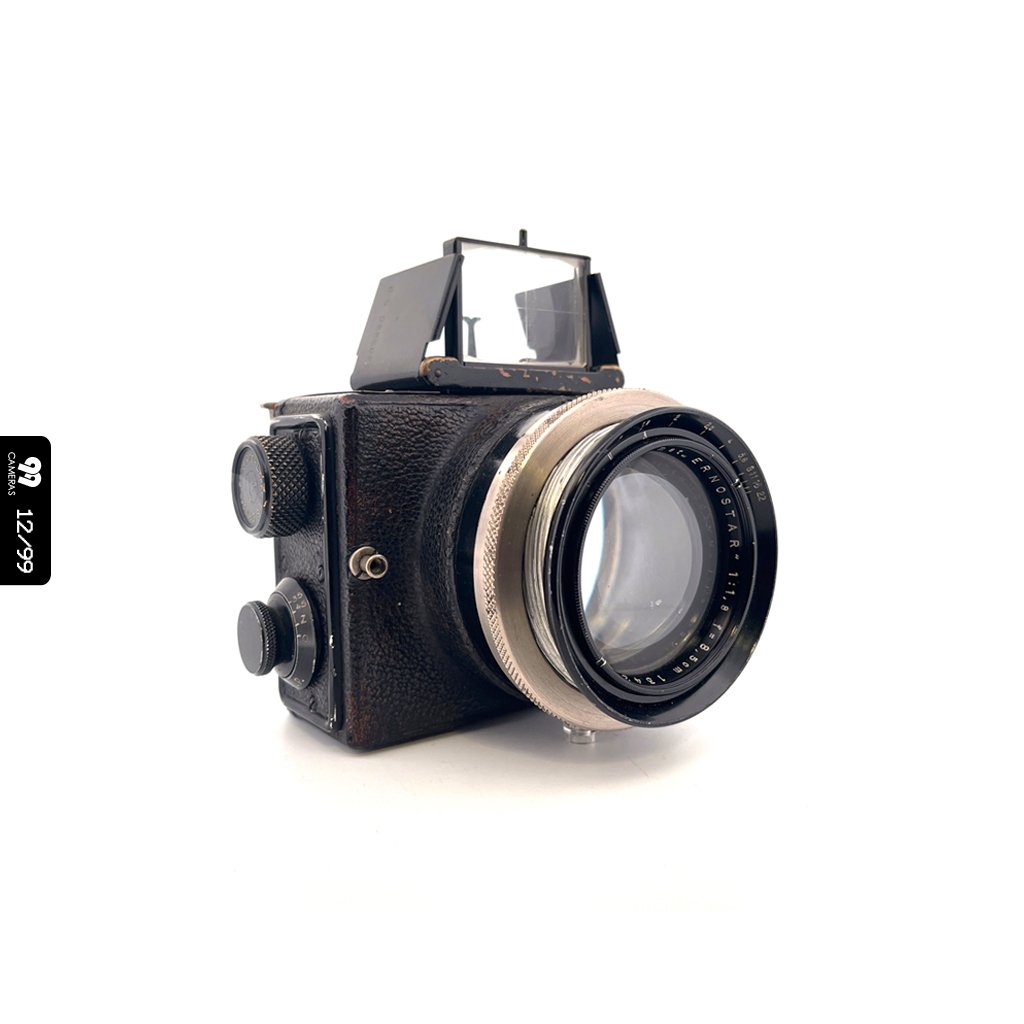
Beyond
Early models, military versions, very small production runs. They sell at specialist auctions: get an expert’s opinion before you bid.
A camera is not an investment: some models have gone up, many have not. Buy what you love.
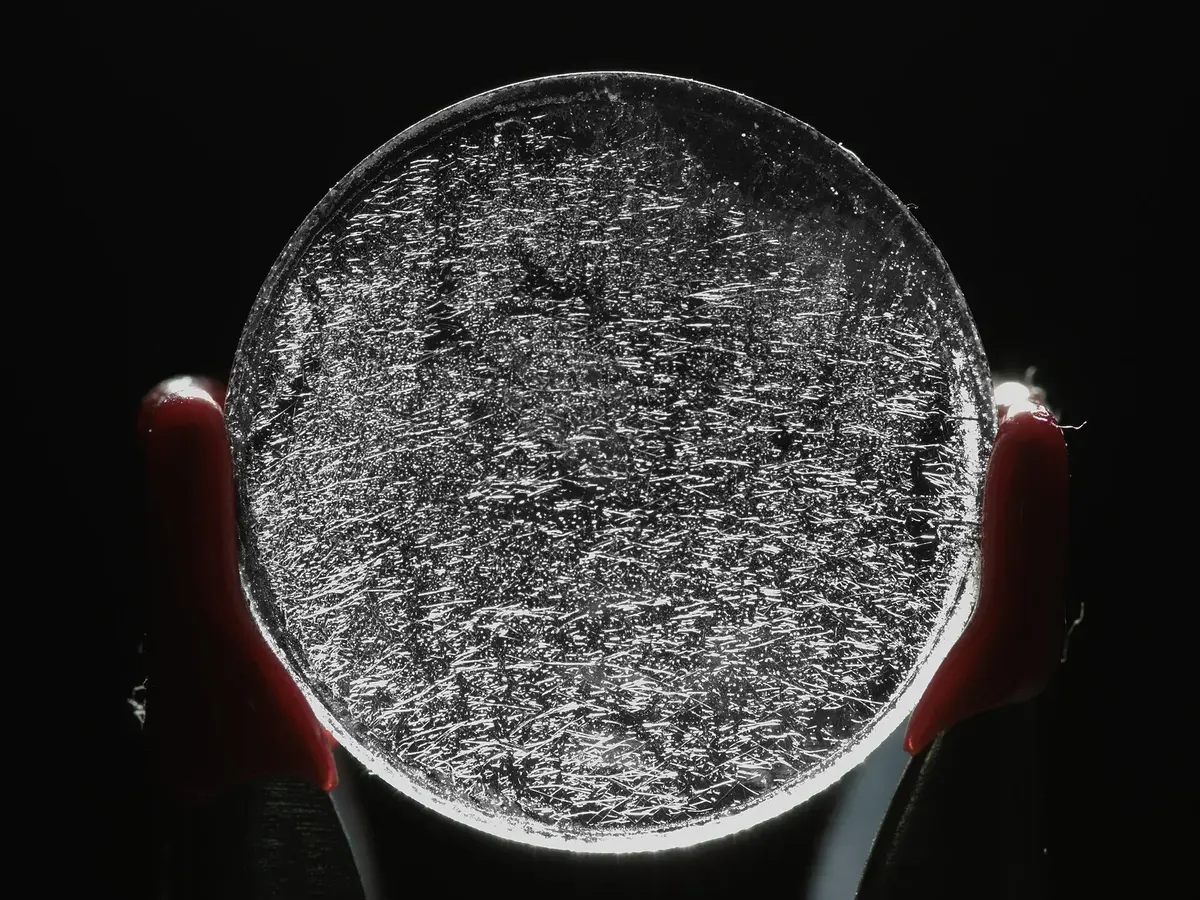
At a fair, check it yourself. Online, ask the seller for these photos and a short video of the camera working. Tick the boxes as you go.
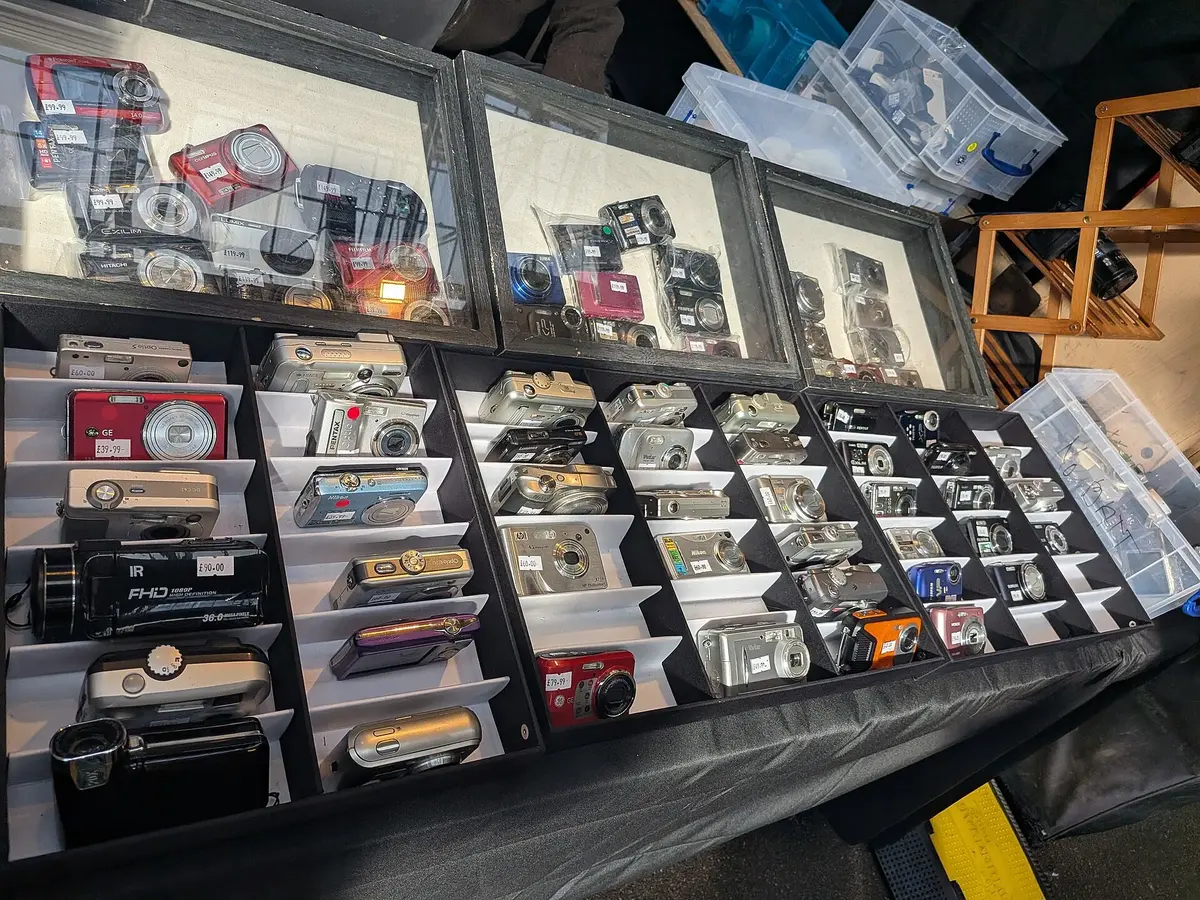
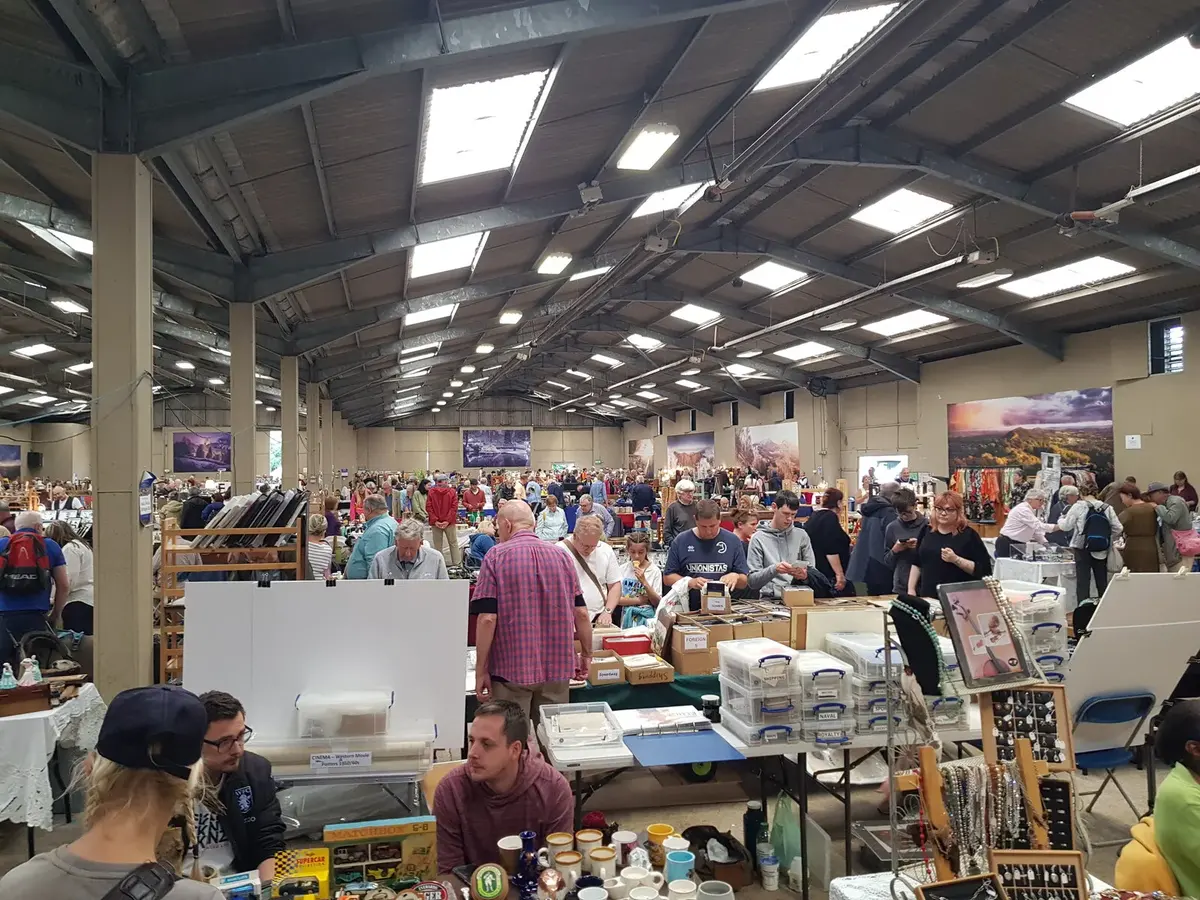
Flea markets and garage sales. Cheap finds, no guarantee. Bring a torch.
Camera fairs. Collectors and dealers in one place, with cameras you can hold before you buy. The main ones are listed below.
Specialist dealers. Higher prices, but cameras cleaned, tested and guaranteed. Our Collector shopping page lists dealers who sell models from the museum.
Auctions. For the rare pieces. Read the condition report, and add the buyer’s fees to the price.
Online marketplaces. The widest choice. Buy from sellers who show the camera working and accept returns.
Dates change every year: check the organiser’s website before you travel.
The museum does not sell cameras.
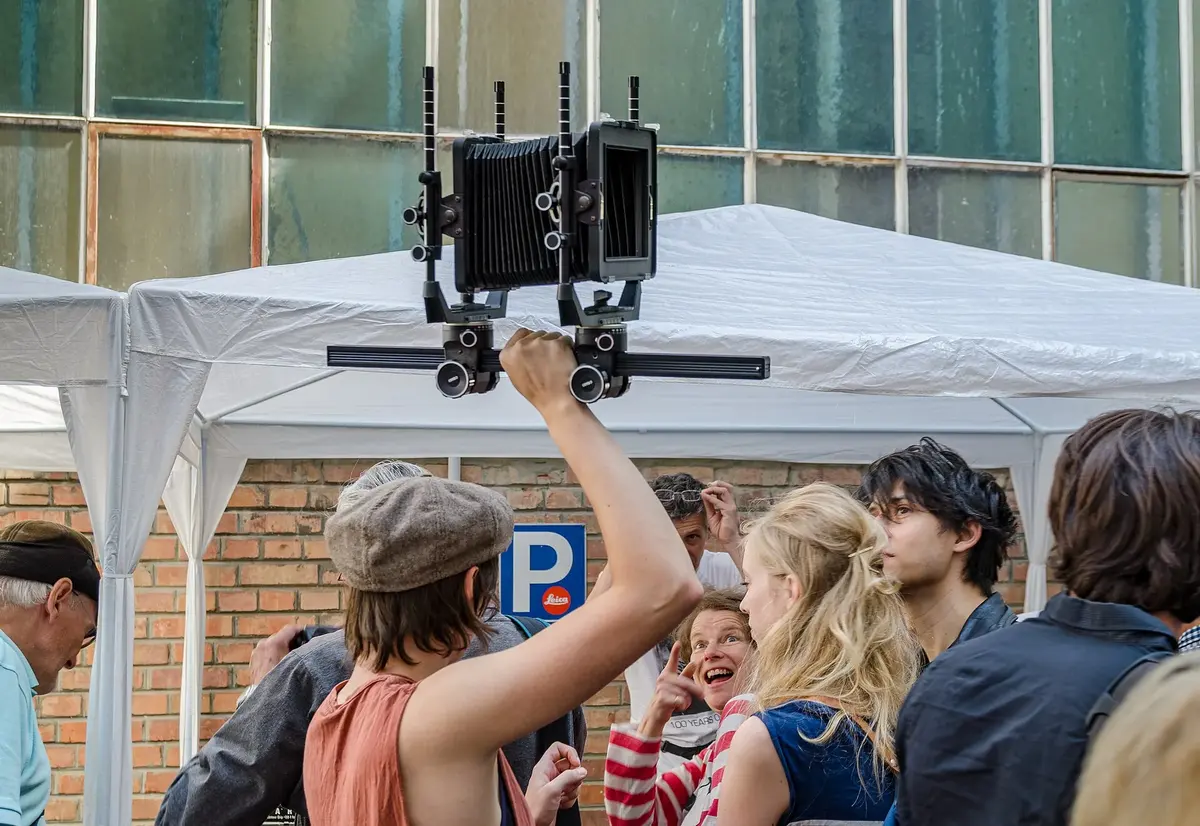
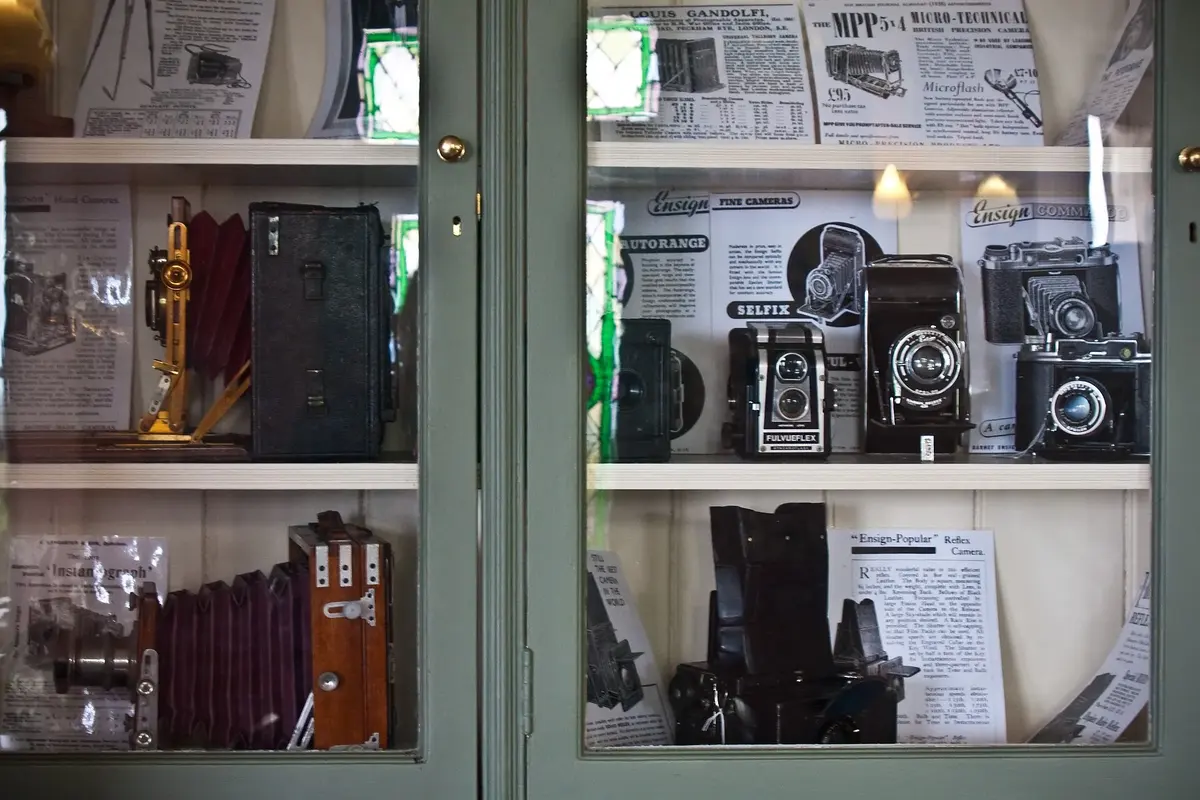
Let them breathe. An open shelf is better than a closed box: moving air keeps fungus away. Avoid direct sun, attics and cellars; aim for 40–55% humidity.
Take out the batteries, and store cameras with the shutter released, not cocked.
Use them now and then. Fire the shutter and turn the focus ring every few months: mechanisms dislike standing still.
Keep a record of each camera: serial number, where and when you bought it, price, condition, photos. It helps for insurance, and a camera’s story is part of its value.
McKeown’s Price Guide to Antique & Classic Cameras: the collector’s reference for identifying models and their variants.
Michel Auer’s guides: an index of thousands of cameras with their prices, in French and English.
Camera-wiki.org: a free encyclopedia written by collectors.
Collectors’ clubs, such as the Club Niépce Lumière in France or the Photographic Collectors Club of Great Britain: fairs, journals, and members who share what they know.
A visit. Seeing 99 cameras side by side, at the museum in Paris, is the quickest way to find out which ones speak to you.
Most are not: age alone does not make a camera valuable. Value comes from rarity, condition, demand and history, such as a famous owner, a short production run or a military version.
If they work, yes: using a camera keeps its mechanism alive. Keep the rarest on the shelf, and shoot film with the common ones.
A common, working 35 mm camera from a make you like: an Olympus OM-1, a Canon AE-1, a Soviet Fed or Zorki. They are cheap, well documented and easy to sell on.
Yes for 35 mm, 120 and instant film. 127, 16 mm and 110 are made in small batches, and many older formats are gone. Our film formats page tells you which.
No, the museum does not sell cameras. To buy one, see the dealers on our Collector shopping page.
Plan your visit
Visit is free and open to all
Vibe travel
The gallery
Turn the dial and watch the site change era. The red button picks one for you.
One camera, four answers: only one is right.
Loading…
New cameras, exhibitions and behind-the-scenes stories from the museum: follow us on Instagram.
Follow us on Instagram