The adventure of the brands
The Polaroid story
A student who sneaked into a laboratory at night, a little girl’s question, a camera that folded like a book, workers who stood up against apartheid, Andy Warhol, and a factory saved by a few enthusiasts: the story of instant photography, told through its inventions and its anecdotes.
1926–1937
A teenager and the glare

Polaroid did not start with photography but with light. In 1926 Edwin Land, a 17-year-old Harvard student, was walking on Broadway in New York at night and was struck by the glare of the lights. He wondered whether a cheap filter could control it, like the crystals that “polarise” light in physics laboratories. He left Harvard after his first year to work on it.
In 1929 he patented the first sheet polariser, a plastic film full of tiny aligned crystals. Back at Harvard, he left again without his degree, and in 1932 he founded a laboratory with his physics teacher George Wheelwright. In 1937 it became the Polaroid Corporation. Its first products were sunglasses, filters for cameras, desk lamps without glare and glasses for 3D films.
The people

1941–1948
“Why can’t I see it now?”
During the Second World War, Polaroid worked for the army: goggles against the sun and sand, gun sights, devices to view aerial photographs in three dimensions, even an early guidance system for bombs. The company grew from a few dozen to more than a thousand employees.
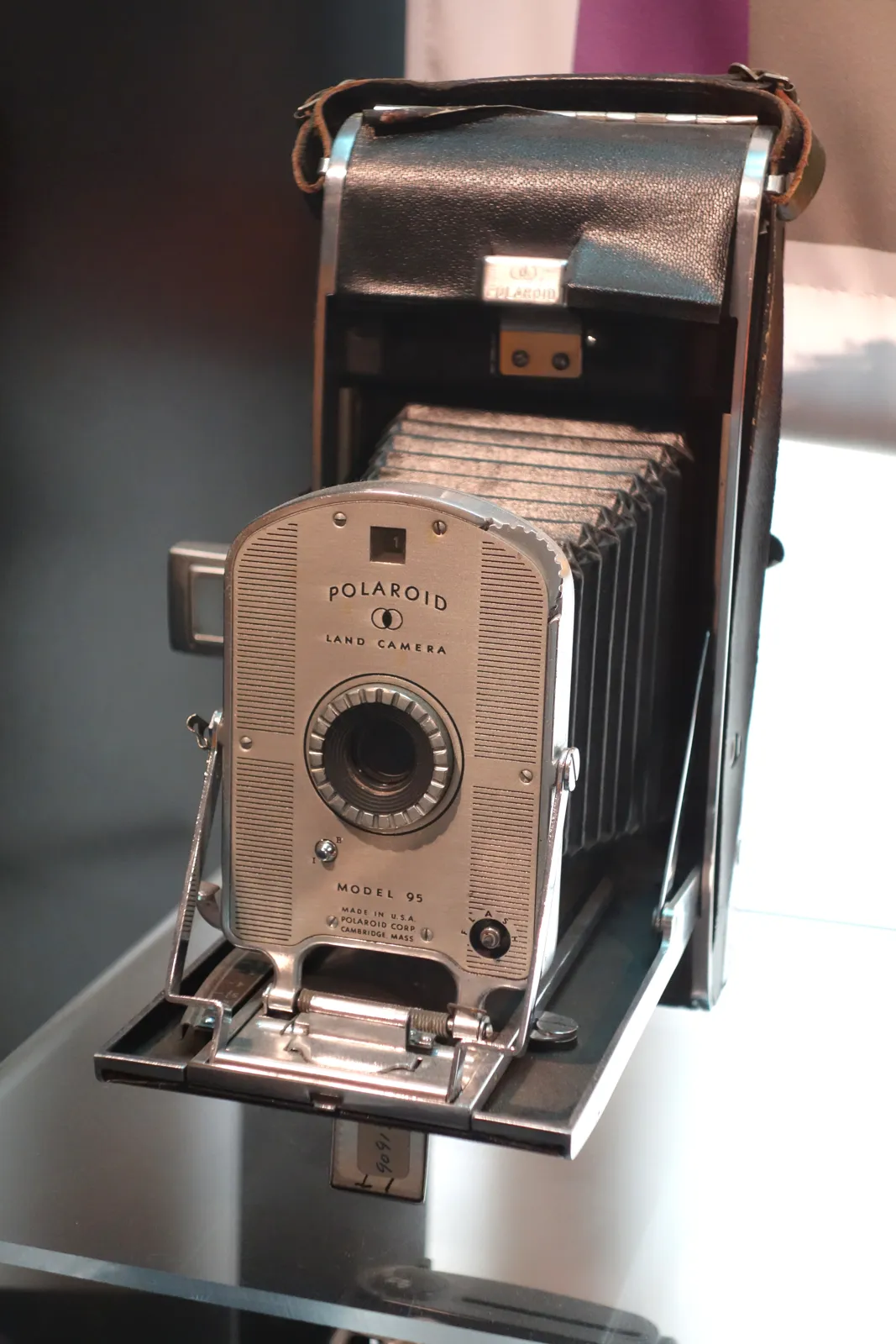
In February 1947 Land showed scientists a camera that produced a finished print in one minute: the negative and the paper were pressed together with a pod of chemicals that spread between them. On 26 November 1948 the Polaroid Land Camera Model 95 went on sale at the Jordan Marsh department store in Boston, for 89.75 dollars. All the cameras brought for the demonstration, about fifty, were sold on the first day.
1949–1965
Black and white, then colour
The first prints were sepia and faded quickly; the owners had to coat them with a protective liquid. Polaroid’s laboratory, led by Meroë Morse, an art history graduate who became Land’s closest collaborator, kept improving the films: true black and white in 1950, then films so fast and sharp that professionals adopted them. In 1963 Polacolor brought instant colour.
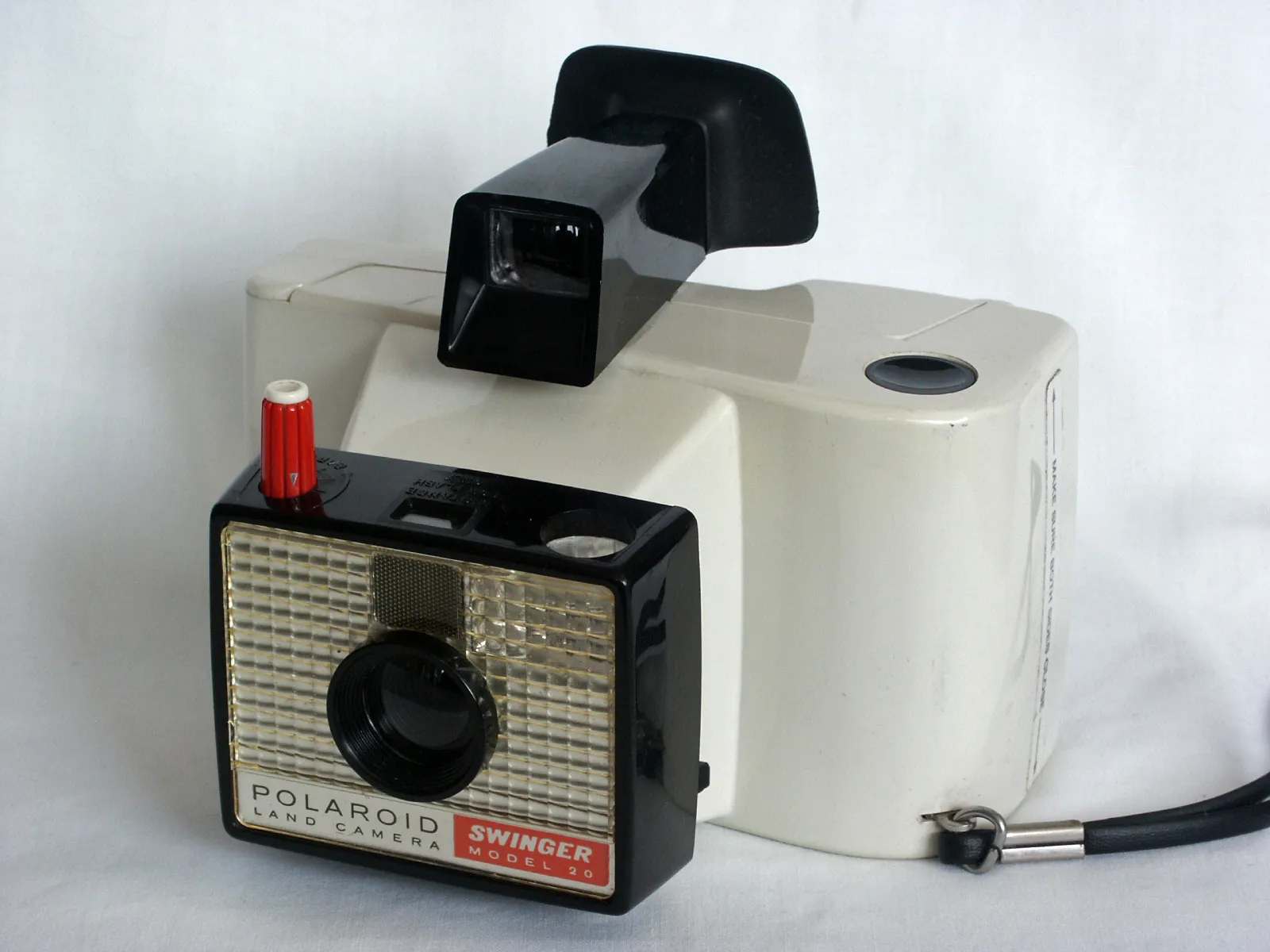
To reach every family, Polaroid needed a cheap camera. In 1965 the Swinger, a white plastic camera for black-and-white pictures, cost under 20 dollars. When the picture was correctly exposed, the word “YES” appeared in the viewfinder. Millions were sold, many to teenagers.
1972
The camera that folded like a book
In the museum
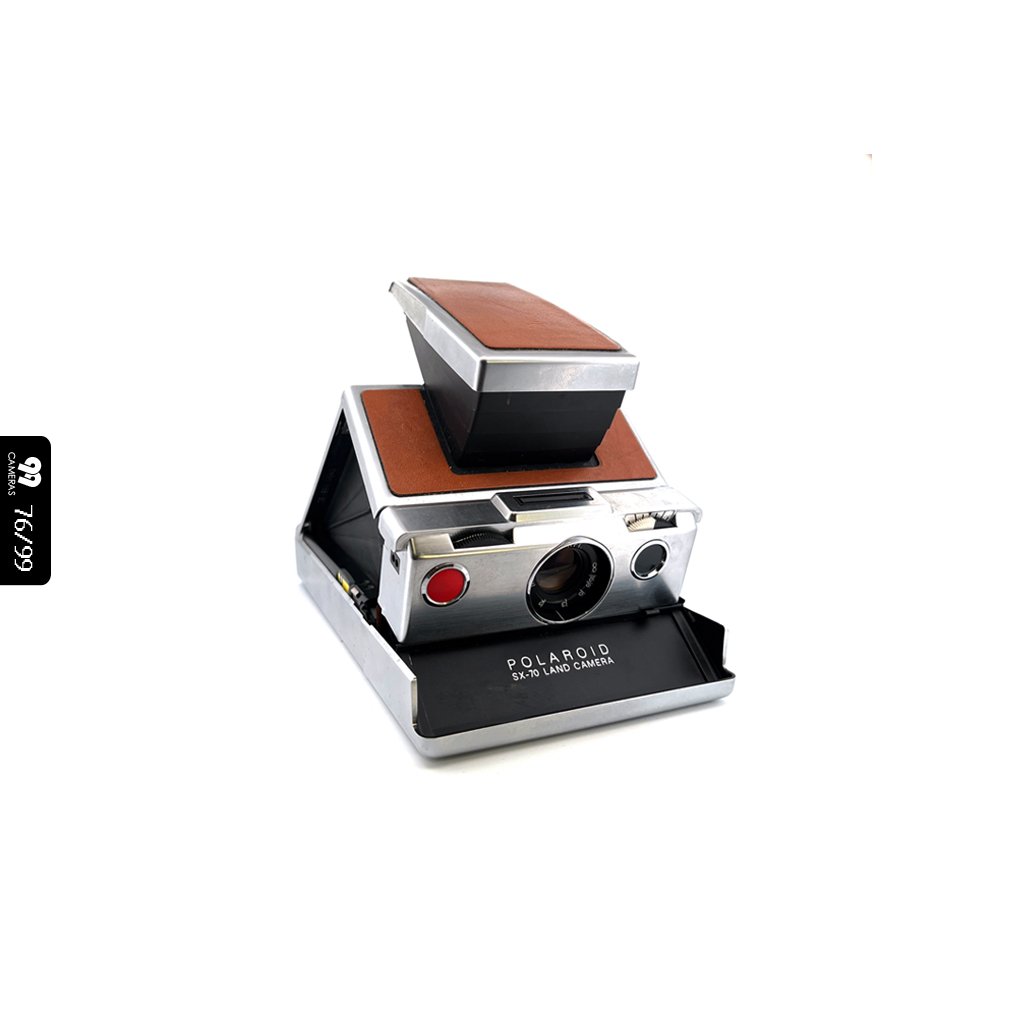
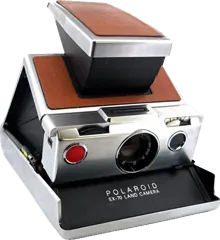
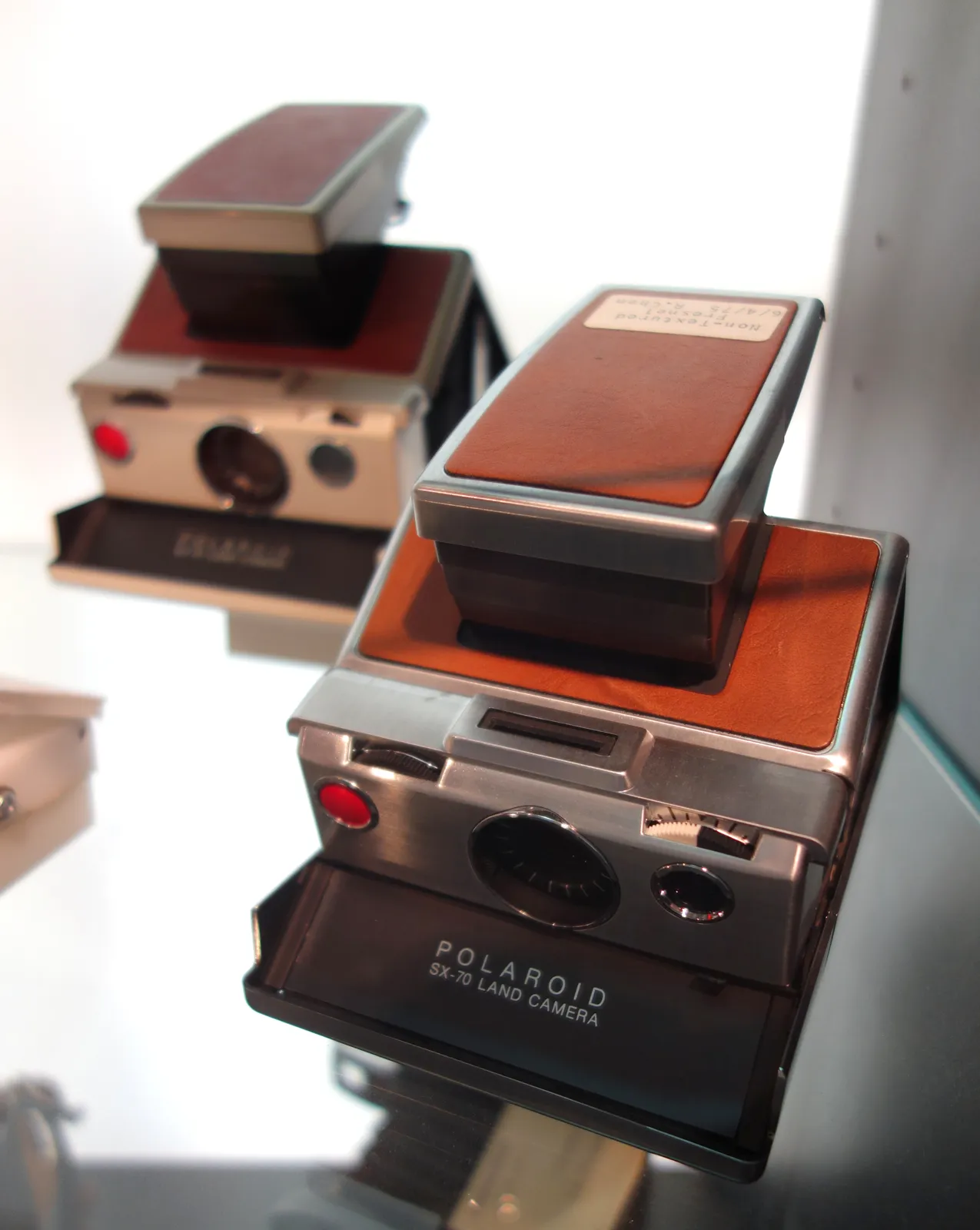
Land’s dream was “absolute one-step photography”: you press the button, and a print comes out and develops in front of you, in daylight, with nothing to peel off or throw away. In 1972 he presented the SX-70: a reflex camera of leather and steel that folded flat to fit in a jacket pocket, and a new “integral” film that slid out of the camera and appeared slowly in the light.
The SX-70 was a technical feat and a commercial gamble: hundreds of millions of dollars had been spent on it. Land appeared on the cover of Life magazine. The designers Charles and Ray Eames made a film to explain it, and artists took it up at once, from Walker Evans, who used it in the last years of his life, to Lucas Samaras, who pushed and smeared the soft emulsion with a stylus to make strange images.
1970–1977
The workers who said no
In 1970 Caroline Hunter, a young chemist at Polaroid, and her colleague Ken Williams, both African American, discovered that Polaroid’s photographic equipment was used in South Africa to make the passbooks that the apartheid regime forced Black South Africans to carry. They founded the Polaroid Revolutionary Workers Movement and called for a boycott of the company’s products.
Polaroid first responded with an “experiment”: it stopped direct sales to the South African government and promised to improve the wages of Black workers at its distributor. Both activists lost their jobs. But the campaign continued, and in 1977, after it was revealed that its film was still reaching the government through the distributor, Polaroid withdrew from South Africa altogether.
1976–1991
David against Goliath
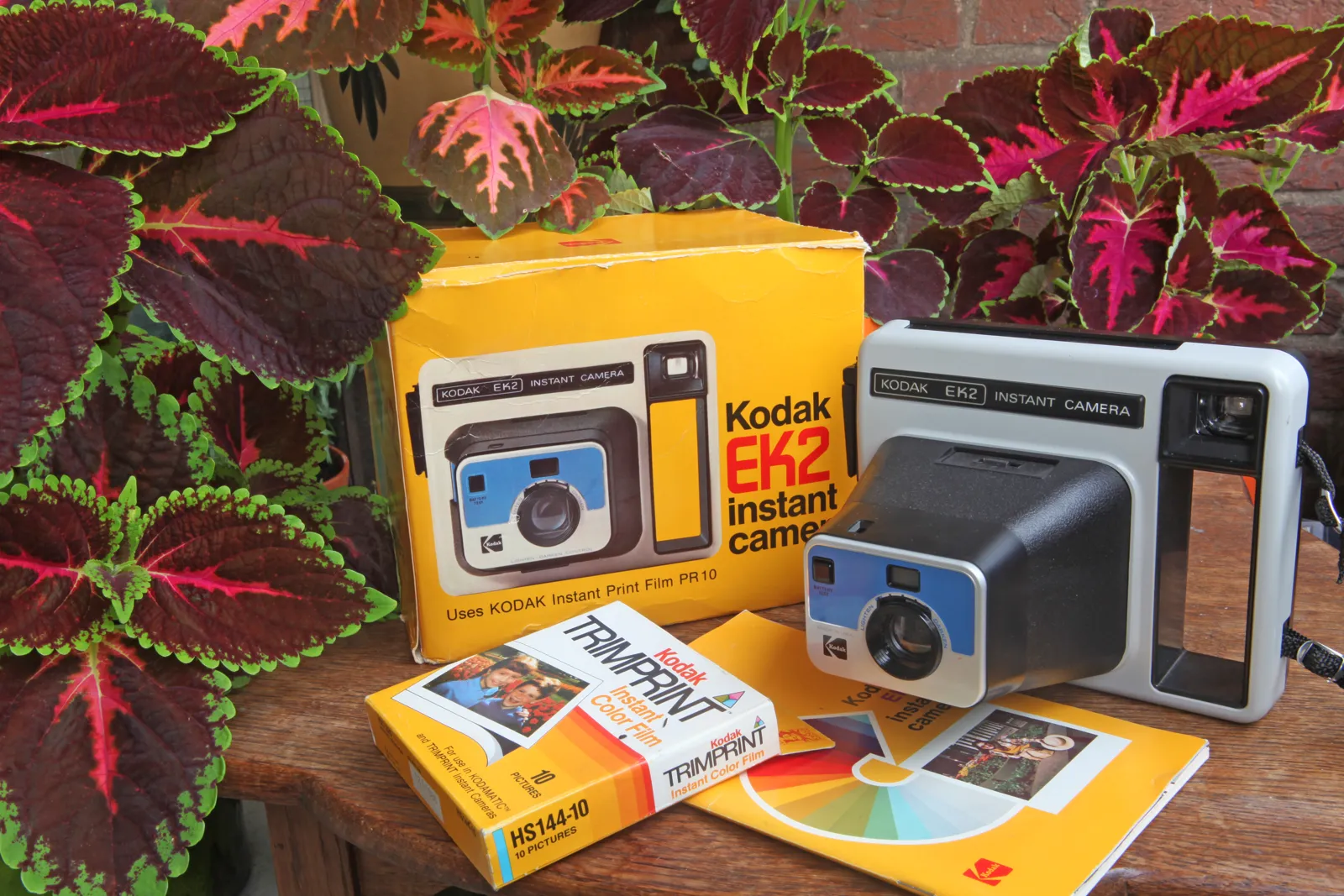
Polaroid had a monopoly on instant photography, and Kodak, its supplier for years, wanted a share of it. In 1976 Kodak launched its own instant cameras and films. Within days Polaroid sued for patent infringement. Kodak was then many times bigger than Polaroid.
The case lasted for years. In 1985 a court found that Kodak had infringed Polaroid’s patents, and in 1986 Kodak had to stop making instant cameras and films. In 1991, the year Land died, Kodak paid Polaroid 925 million dollars. Polaroid had won, but the long battle had used up its attention while photography was beginning to change.
1977–1991
The genius leaves
In the museum
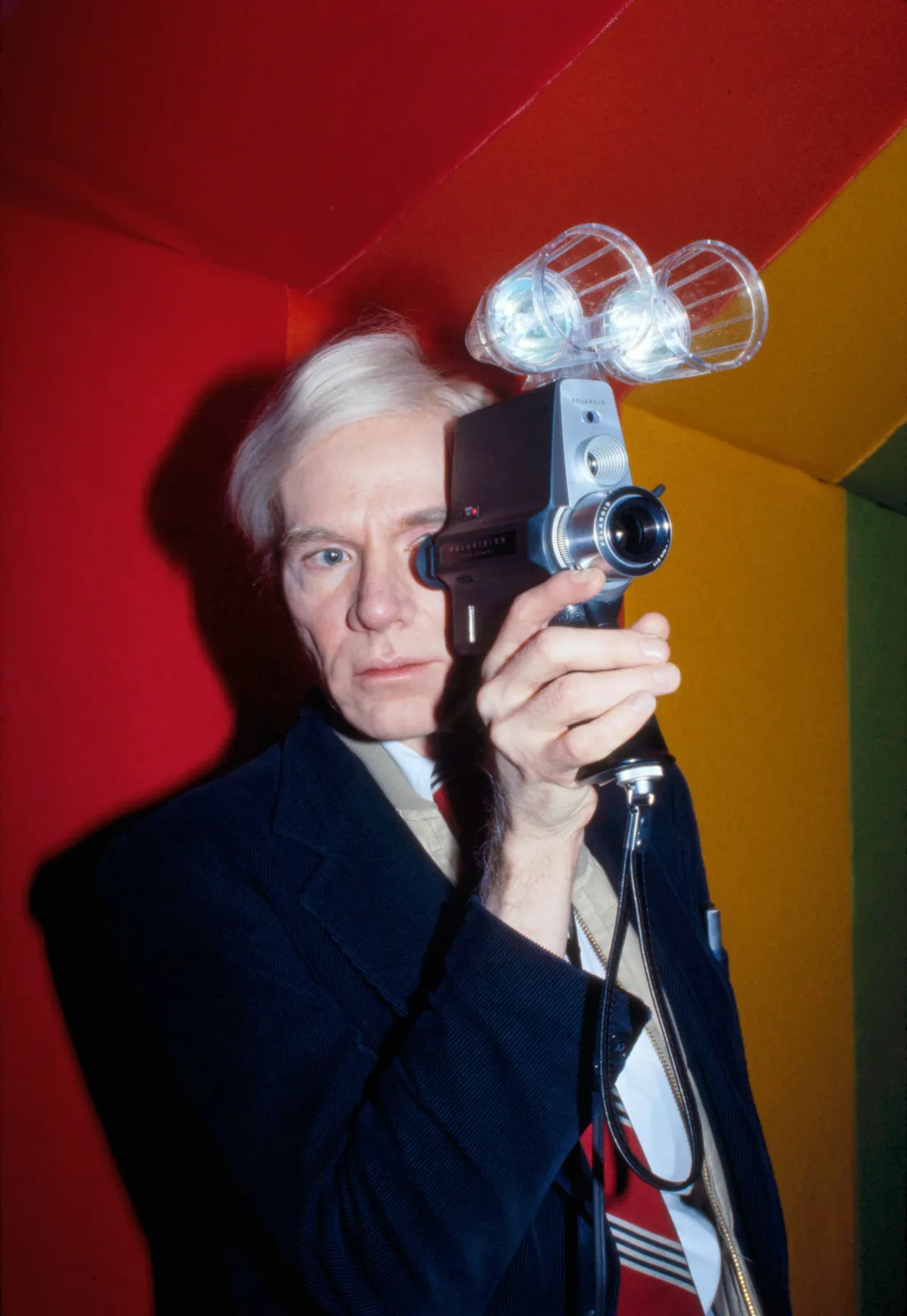
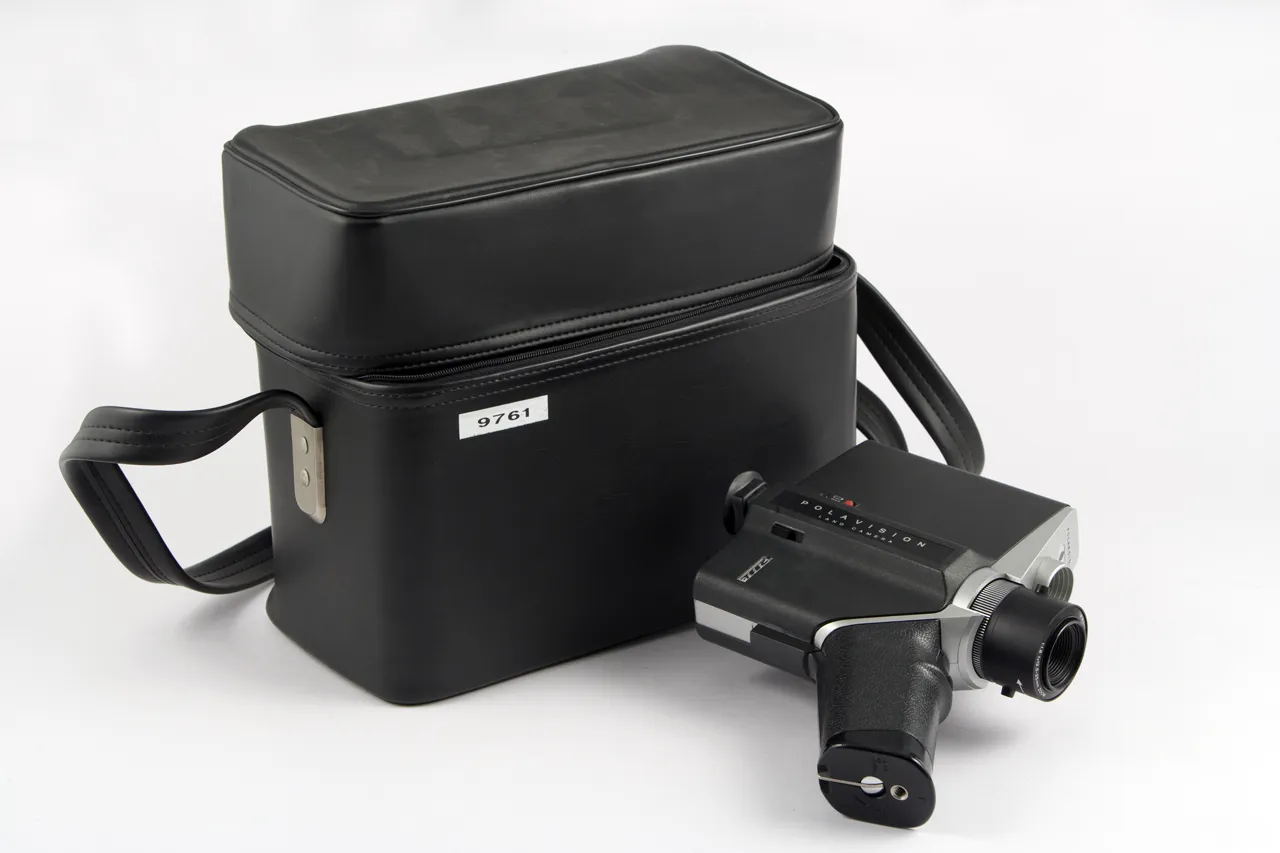
Land’s next dream was instant cinema. In 1977 Polaroid launched Polavision: a camera and a cartridge of film that you put into a viewer to watch your film a few minutes later. But the films lasted under three minutes, had no sound and could only be seen on a small screen, while the first video recorders were arriving. Polavision was a costly failure.
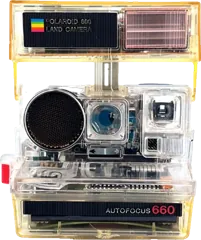
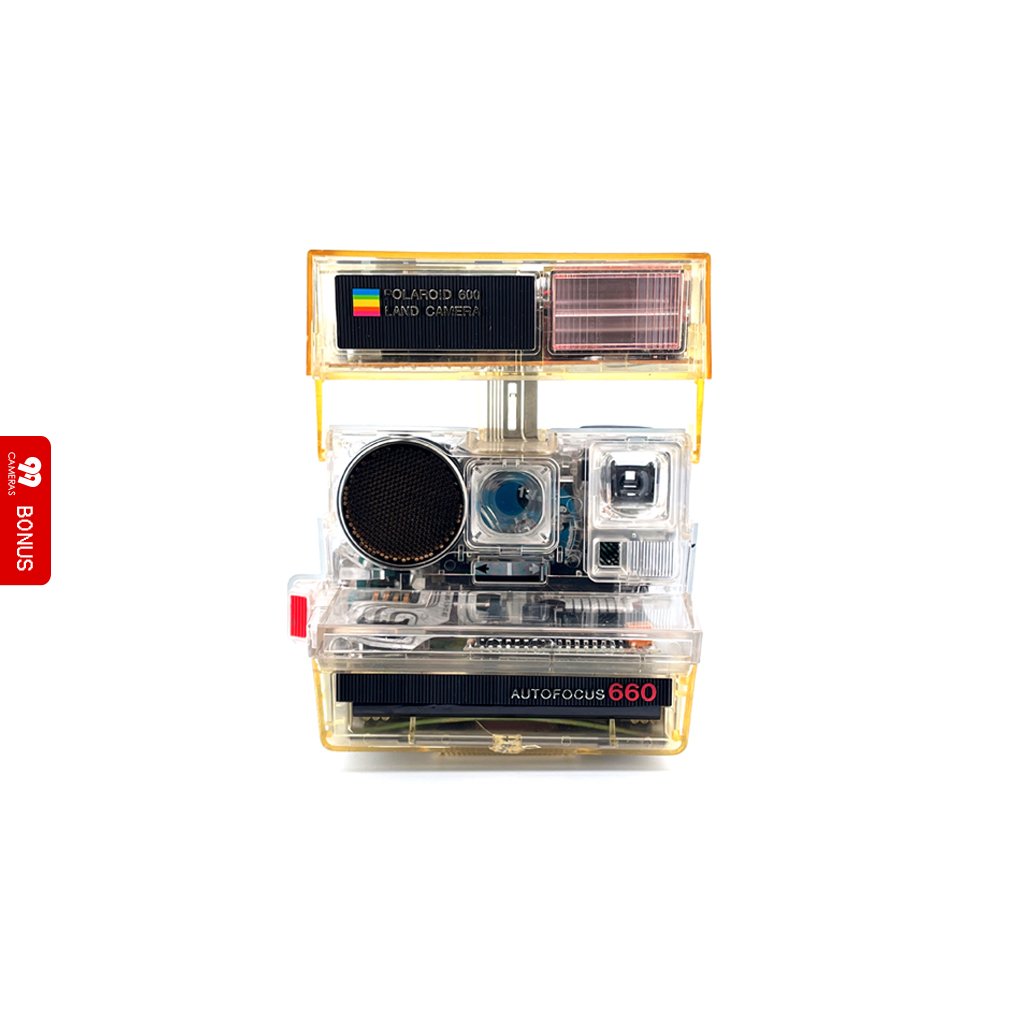
Land gave up the management of Polaroid in 1980 and left the company soon after, to devote himself to research on colour vision in his own institute in Cambridge. Polaroid went on without him, with the 600 film of 1981, cameras with sonar autofocus like the 660, and the Spectra of 1986. Edwin Land died in 1991.
1976–2008
Giant pictures and a slow fall
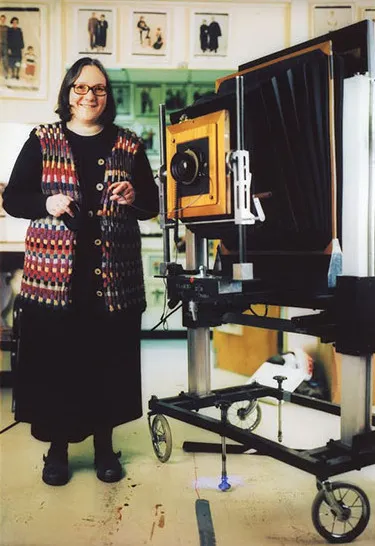
In 1976 Polaroid built a handful of giant cameras, as big as a wardrobe, that made instant prints 50 × 60 cm (20 × 24 inches). They were lent or rented to artists, and many great photographers worked with them, from Chuck Close to William Wegman and his dogs.
But the digital camera, then the mobile phone, replaced the instant print as the fastest way to see a picture. Polaroid tried digital cameras and printers without success, and filed for bankruptcy in October 2001. The brand changed owners several times, and in February 2008 the last owners announced the end of Polaroid instant film. The factories were to close.
2008–today
The impossible project

When Polaroid announced the end of its film in 2008, an Austrian enthusiast, Florian Kaps, went to the closing ceremony of the last factory, in Enschede in the Netherlands. There he met André Bosman, an engineer who had worked there for years. With a few partners they bought the machines, rented part of the building and hired former employees. They called their company The Impossible Project.
It was almost impossible: the chemicals used by Polaroid were no longer made, and they had to invent new recipes. Their first films, in 2010, were unpredictable and had to be protected from light, but photographers loved them. In 2017 the project bought the Polaroid brand, and since 2020 it has simply been called Polaroid again. Instant photography, which everyone had buried, is alive.
Polaroid at the 99 Cameras Museum
The Polaroid SX-70 of 1972 and the Autofocus 660 are in the showcases of the museum in Paris, near the Kodak cameras that fought them. You can see them, and the other cameras of this story, in our online collection.
See the Polaroid cameras of the collection
Sources. Harvard Business School Baker Library (Polaroid archives), Smithsonian National Museum of American History, Wikipedia articles on Edwin Land, Polaroid, the SX-70 and the Impossible Project, Michigan State University African Activist Archive and Science Friday on the Polaroid Revolutionary Workers Movement, court records of Polaroid Corp. v. Eastman Kodak Co., Errol Morris, The B-Side. Some anecdotes come from oral tradition and are told as such.
Plan your visit
Visit is free and open to all
- Opening hoursMonday – Saturday : 10 – 17:30
- AddressStudio Harcourt, 6 Rue de Lota, 75116 Paris
- Exceptional closuresThursday, 26 November 2026