The adventure of the brands
The Minolta story
- Founded in 1928Japan
- Name still used on cameras
A Japanese-German camera shop in Osaka, a name inspired by ripening rice fields, a camera John Glenn took into orbit, Leicas made in Japan, the first great autofocus reflex and a costly lawsuit: the Minolta story, told through its inventions and its anecdotes.
1928–1945
A Japanese-German camera shop
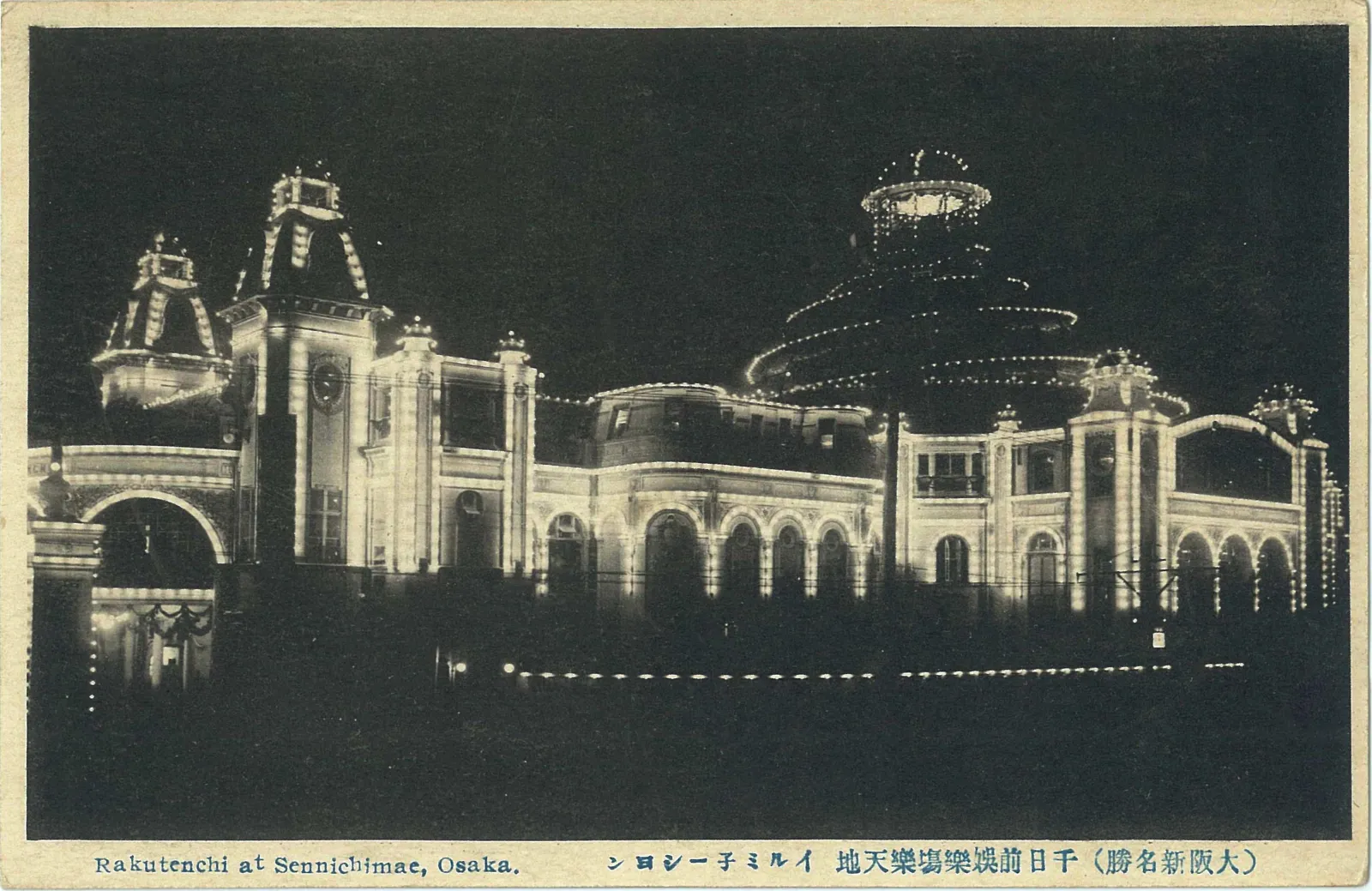
On 11 November 1928 Kazuo Tashima, the son of a merchant family, founded a small company in Osaka: Nichi-Doku Shashinki Shōten, the “Japanese-German camera shop”. He worked with German technicians living in Japan, because Germany was then the world leader in cameras.
Its first camera, the Nifcarette of 1929, was a small folding camera. In the early 1930s the company adopted a new name for its cameras: Minolta. Like most Japanese optical makers, it worked for the armed forces during the war, and it came out of it with only a few factories left.
1946–1958
A Leica from Osaka
In the museum
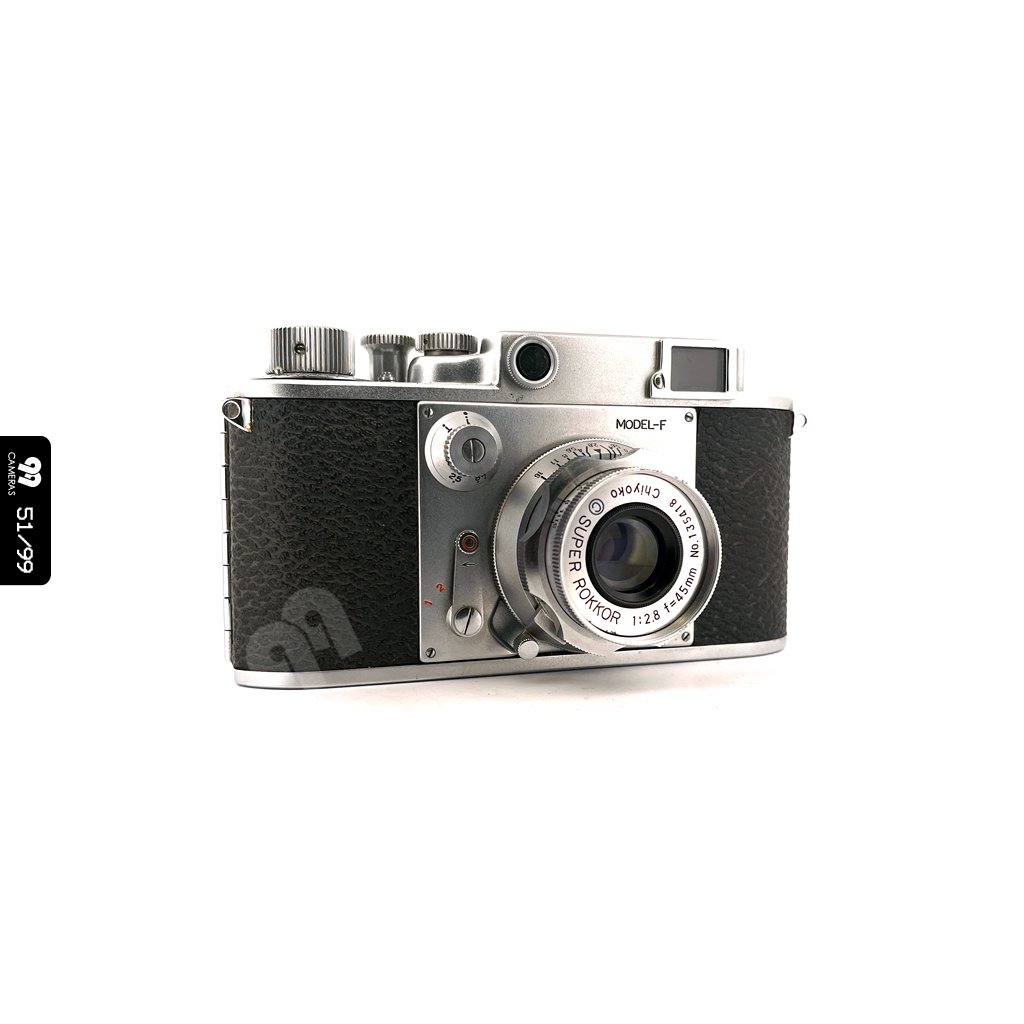
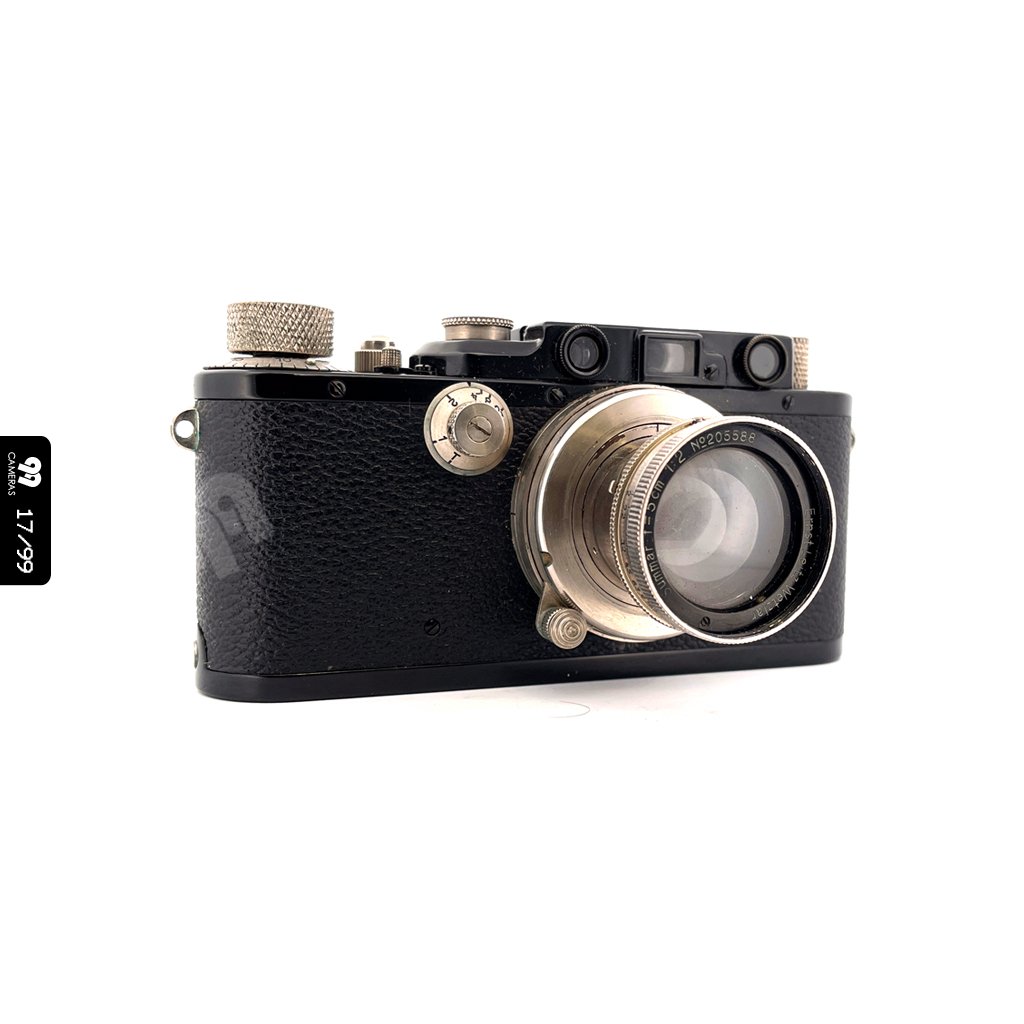
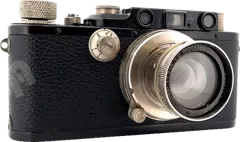
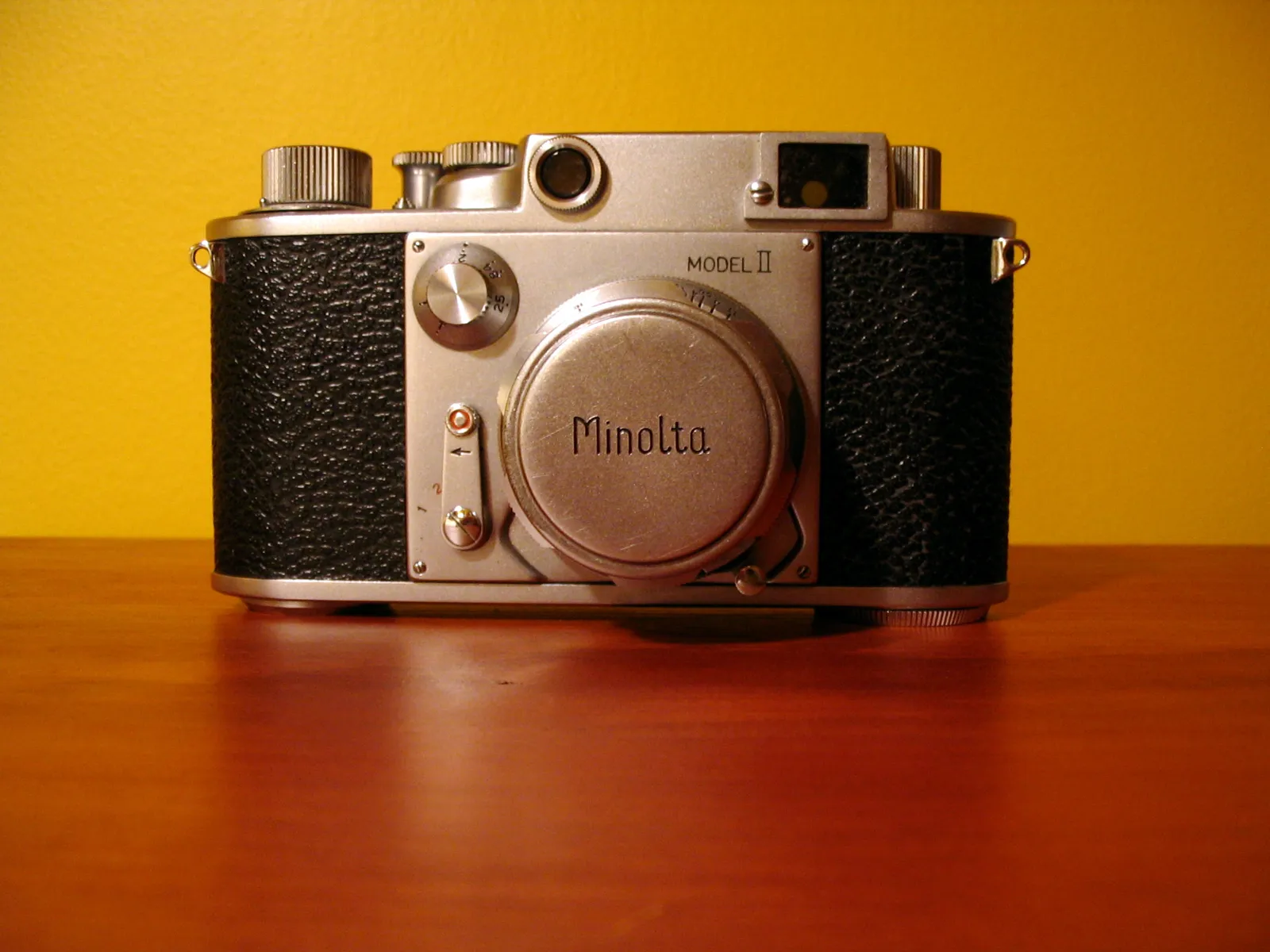
After the war, film was rare and reserved mainly for medical X-rays, and camera makers turned to small formats. In 1947 Minolta launched the Minolta 35, a rangefinder inspired by the Leica, with clever ideas of its own: a single eyepiece for the viewfinder and the rangefinder, a self-timer and a hinged back for easy loading. About 40,000 were made until 1959.
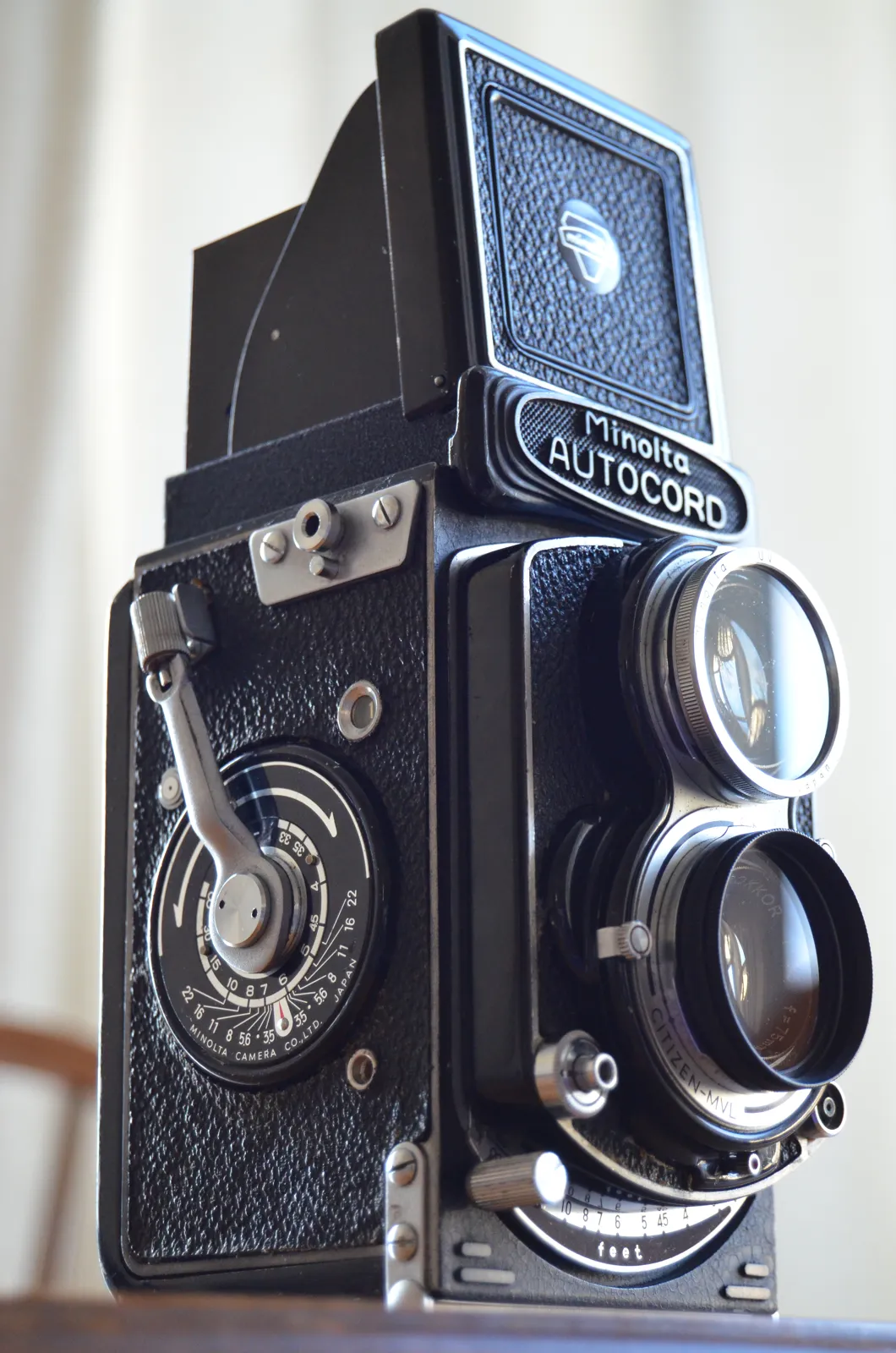
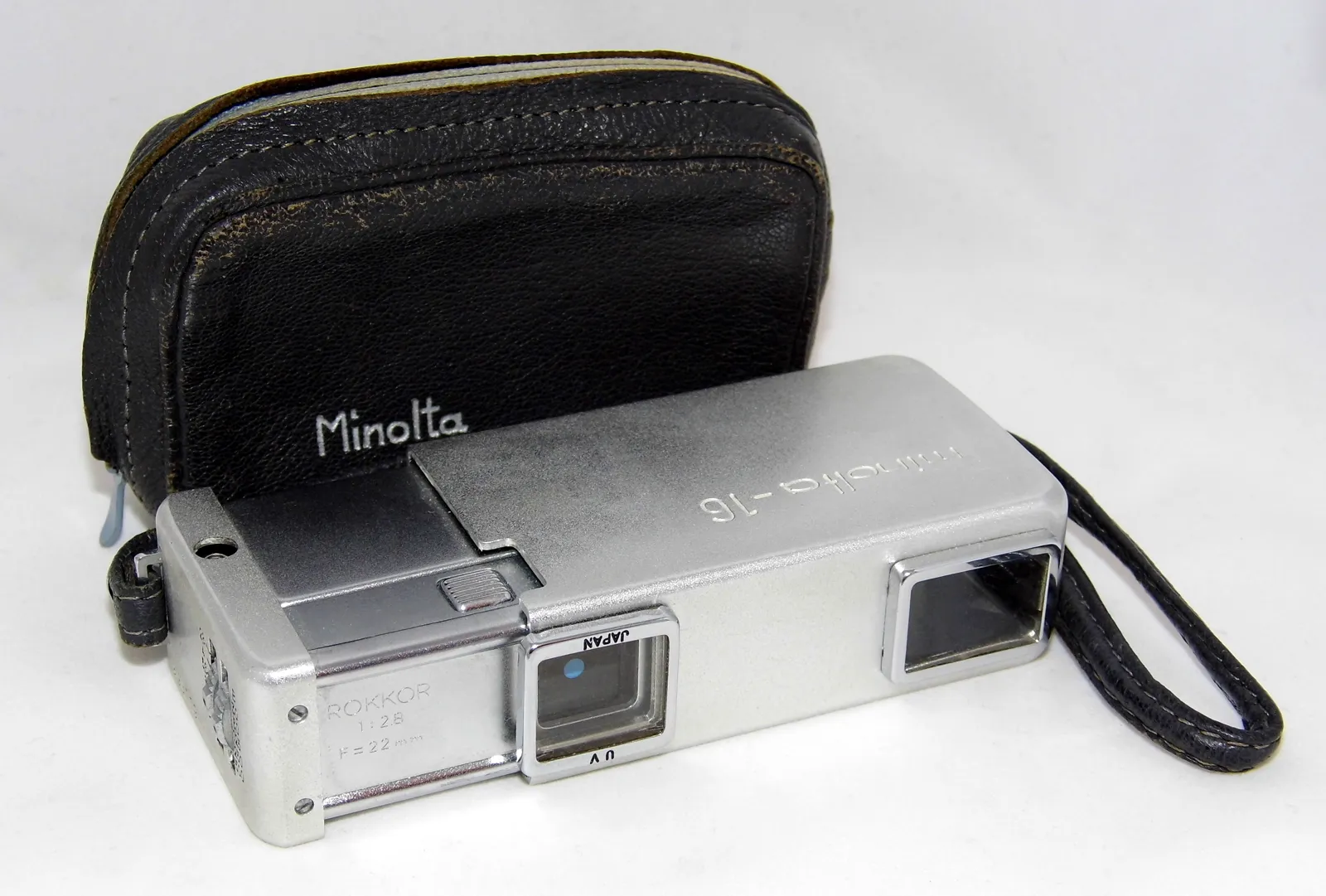
The Minolta 35 was one of the first Japanese cameras to sell well abroad. It was followed by the Autocord twin-lens reflex of 1955 and the tiny Minolta 16, for 16 mm film, in 1957.
1958–1971
A Minolta in orbit

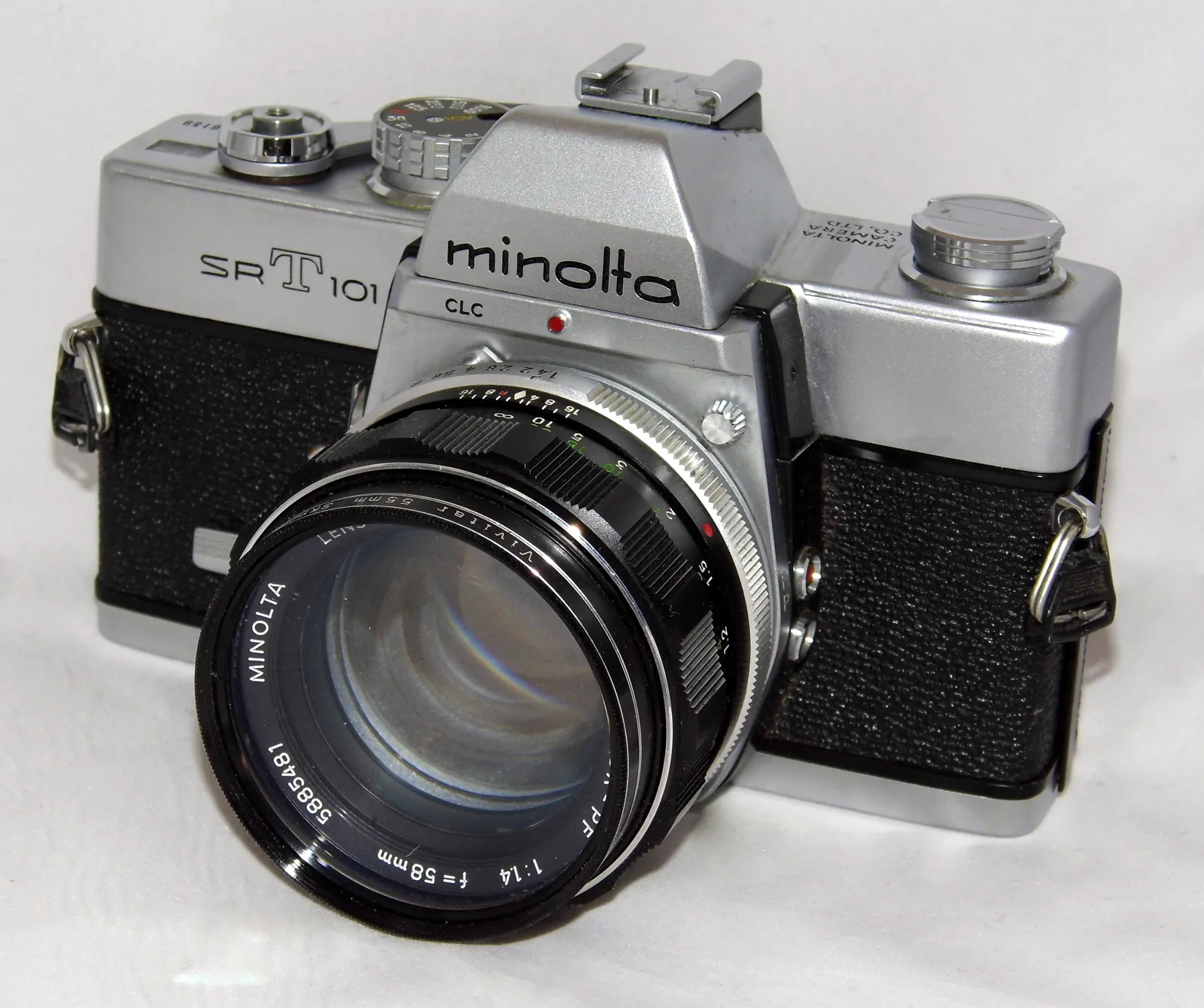
In 1958 Minolta launched its first single-lens reflex, the SR-2, and in 1966 the SR-T 101, which measured the light through the lens. Simple and solid, it was sold in huge numbers and taught a generation to take pictures.
In 1962 the astronaut John Glenn took a small 35 mm camera, an Ansco Autoset, on his flight around the Earth in Friendship 7. It was a Minolta Hi-Matic sold under the Ansco name. With it he took some of the first colour photographs of the Earth taken by a human in space.
1972–1984
Leicas made in Japan
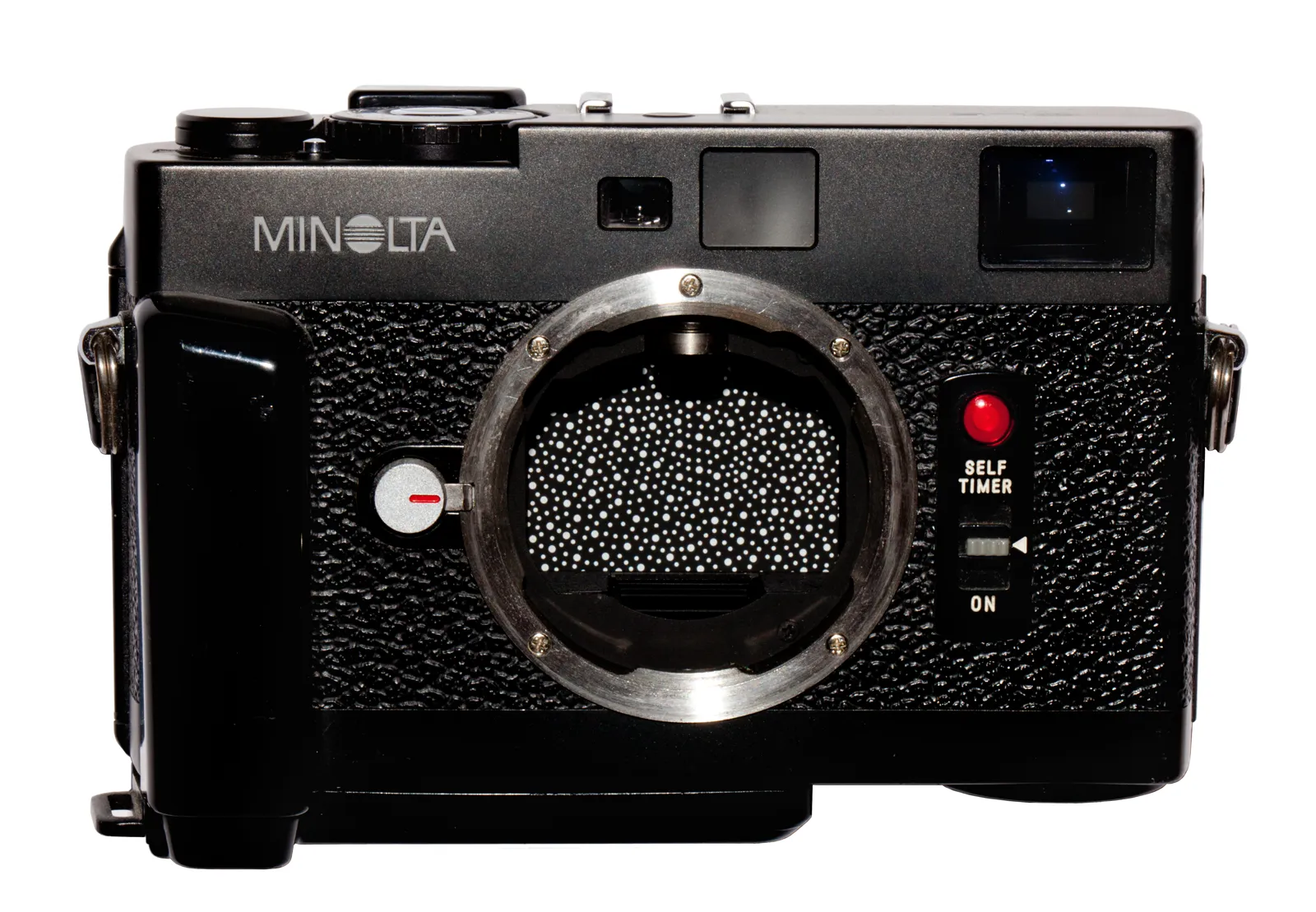
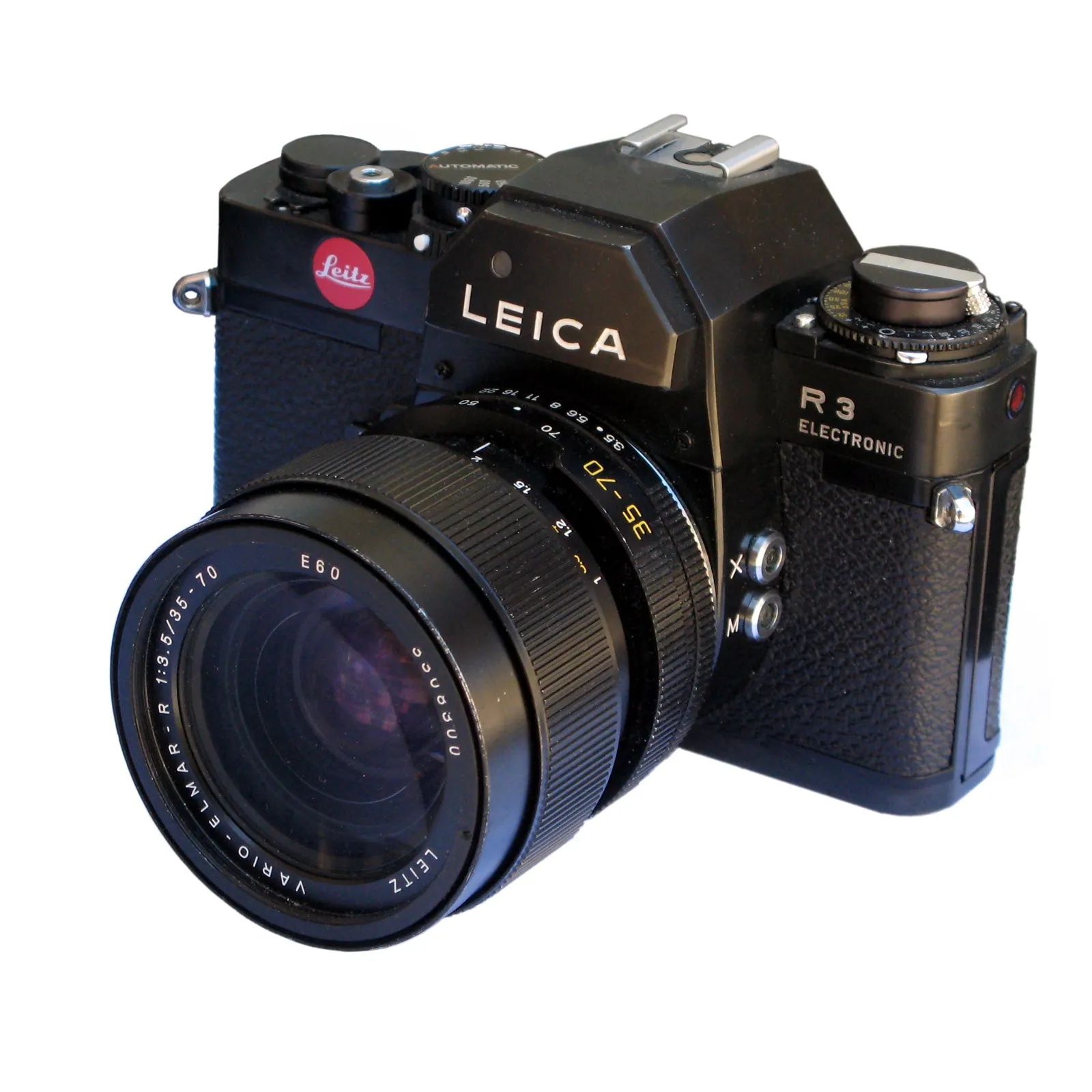
In 1972 Minolta signed an agreement with Leitz, the maker of the Leica. The first result was the Leica CL of 1973, a compact rangefinder built by Minolta in Japan. Then the Leica R3 of 1976 was based on a Minolta reflex. Minolta also sold its own version of the CL, and later the CLE of 1981.
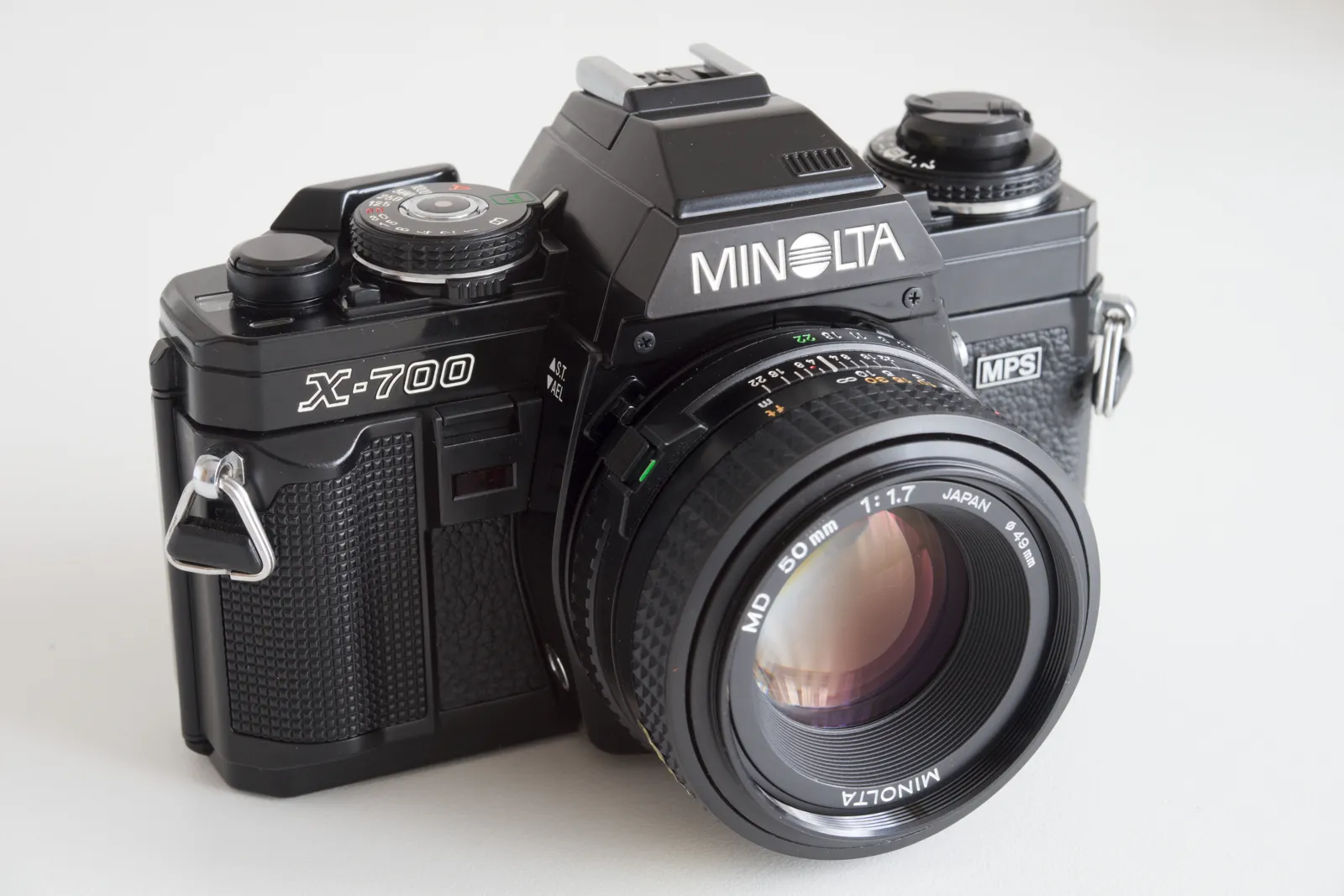
Minolta kept innovating: the XD-11 of 1977 was the first 35 mm reflex with both aperture and shutter priority, and the X-700 of 1981 sold until 1999.
1985–1992
The autofocus revolution
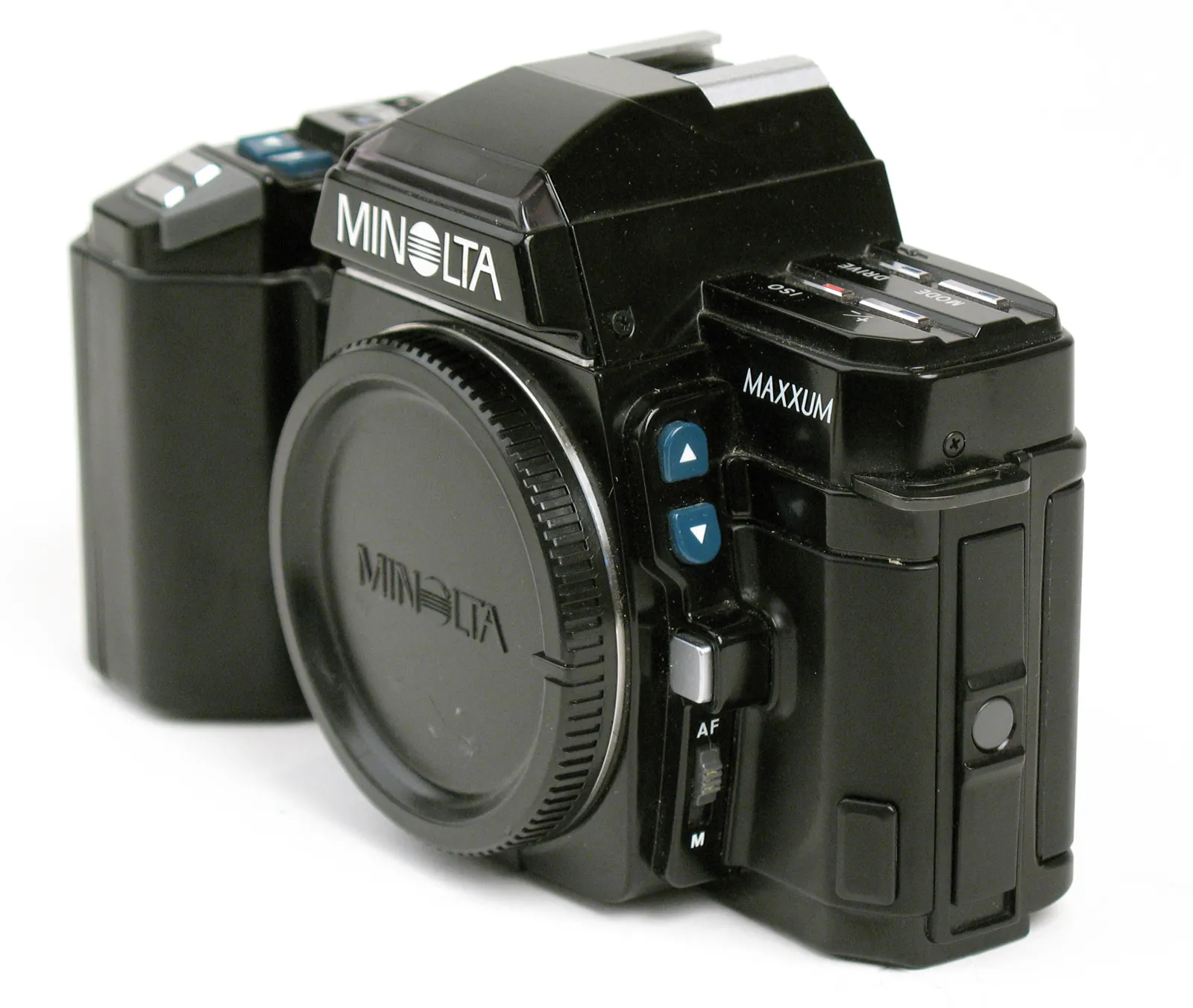
In 1985 Minolta launched the Maxxum 7000, called Alpha 7000 in Japan and 7000 AF in Europe: the first commercially successful autofocus reflex camera, with the focusing motor in the body. It was an enormous success, and every other maker had to follow.
But the American company Honeywell claimed that Minolta’s autofocus used its patents. The trial ended in 1992 with a costly settlement: a court had ordered Minolta to pay 127.6 million dollars.
2003–today
The name that became Sony
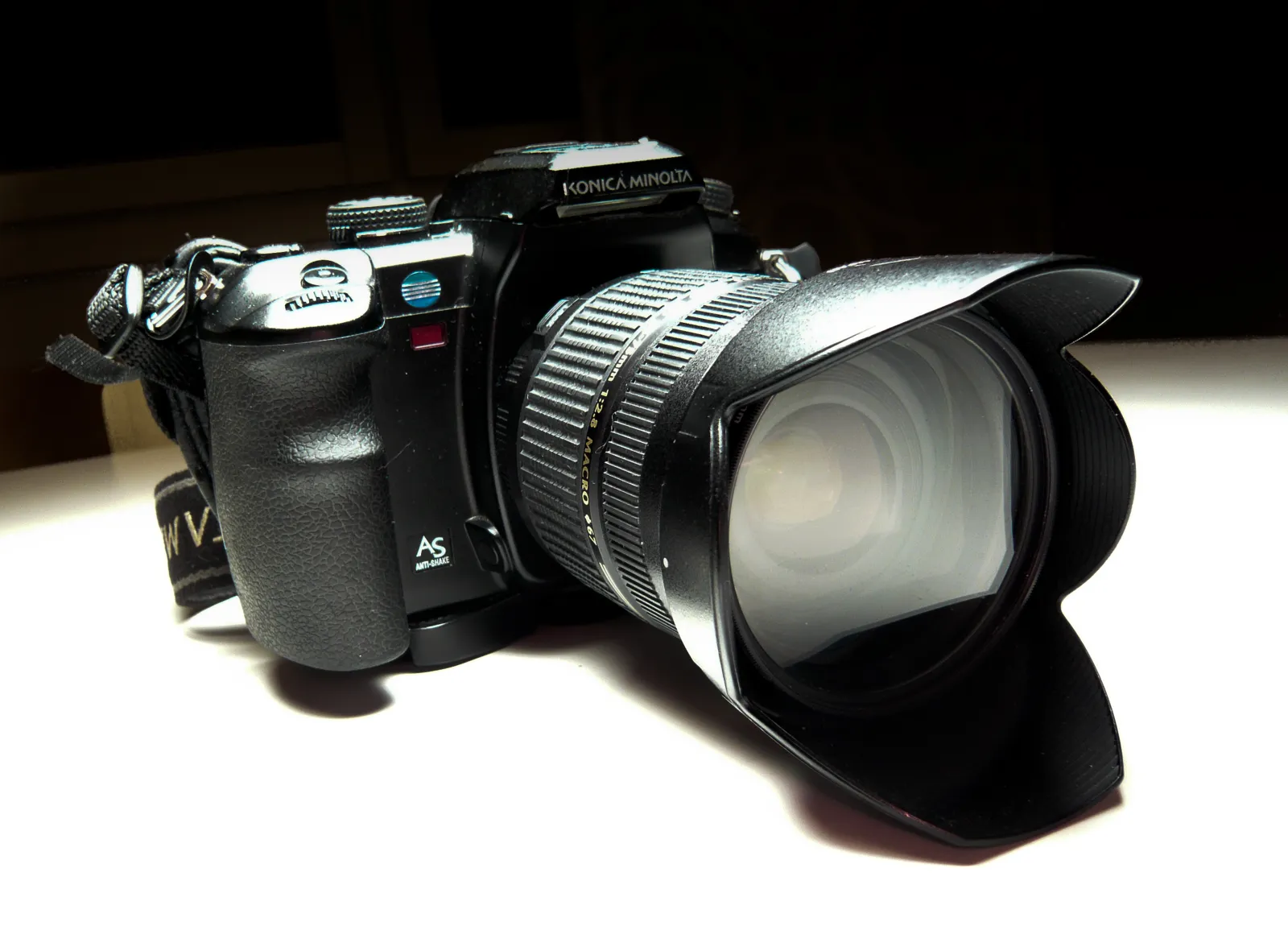
In 2003 Minolta merged with Konica to form Konica Minolta. The new company made digital reflex cameras such as the Dynax 7D, but in 2006 it left the camera business and transferred its reflex system to Sony.
Sony’s first digital reflex, the Alpha 100 of 2006, used the Minolta lens mount. Today Sony’s Alpha cameras are among the most popular in the world, and old Minolta lenses can still be used on them with an adapter.

Minolta at the 99 Cameras Museum
The Minolta 35 F, the rangefinder that helped Japanese cameras conquer the world, is in the showcases of the museum in Paris. You can see it, and the other cameras of this story, in our online collection.
See the Minolta cameras of the collection
Sources. Wikipedia articles on Minolta, Konica Minolta history, Encyclopedia.com and Funding Universe company histories, National Air and Space Museum, PetaPixel and Digital Camera World articles. Some anecdotes come from oral tradition and are told as such.
Plan your visit
Visit is free and open to all
- Opening hoursMonday – Saturday : 10 – 17:30
- AddressStudio Harcourt, 6 Rue de Lota, 75116 Paris
- Exceptional closuresThursday, 26 November 2026