The adventure of the brands
The Alpa story
- Founded in 1918Switzerland
- Still makes cameras
A maker of gears for Swiss watches in a village of the Jura, the inventor of the Bolex, a camera made by hand in small numbers, the best lenses of other makers, a bankruptcy and a rebirth in Zurich: the Alpa story, told through its inventions and its anecdotes.
1918–1938
Gears for watches
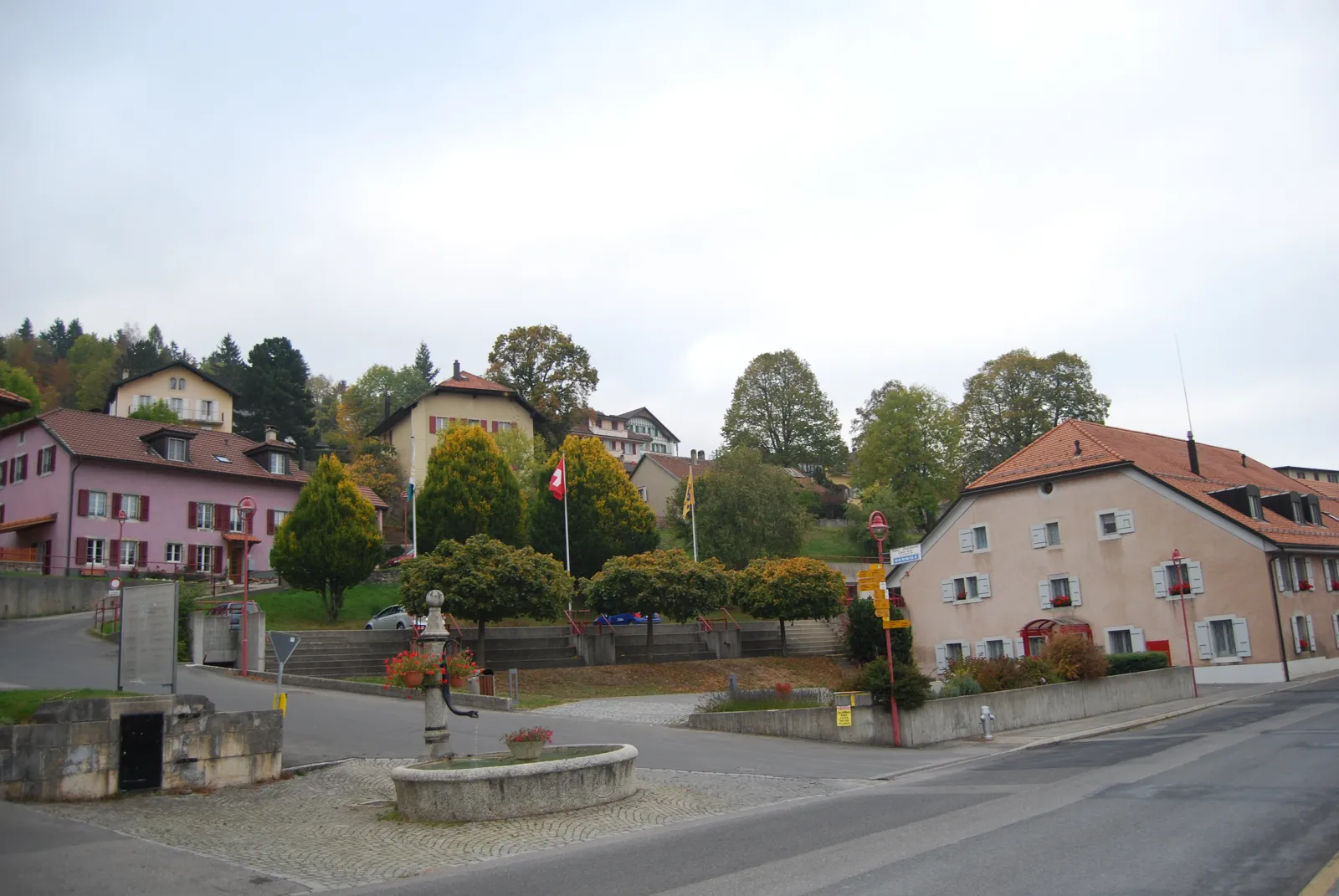
In 1918 a company was founded in Ballaigues, a village of the Swiss Jura near the French border: Pignons SA. As its name says, it made pinions, the tiny gears inside watches, for the great Swiss watchmaking industry.
In the 1930s the watch industry suffered from the world crisis, and Pignons looked for other products that could use its skill in precision mechanics. A camera, made of small, precise parts, was a natural idea.
1938–1944
The inventor of the Bolex
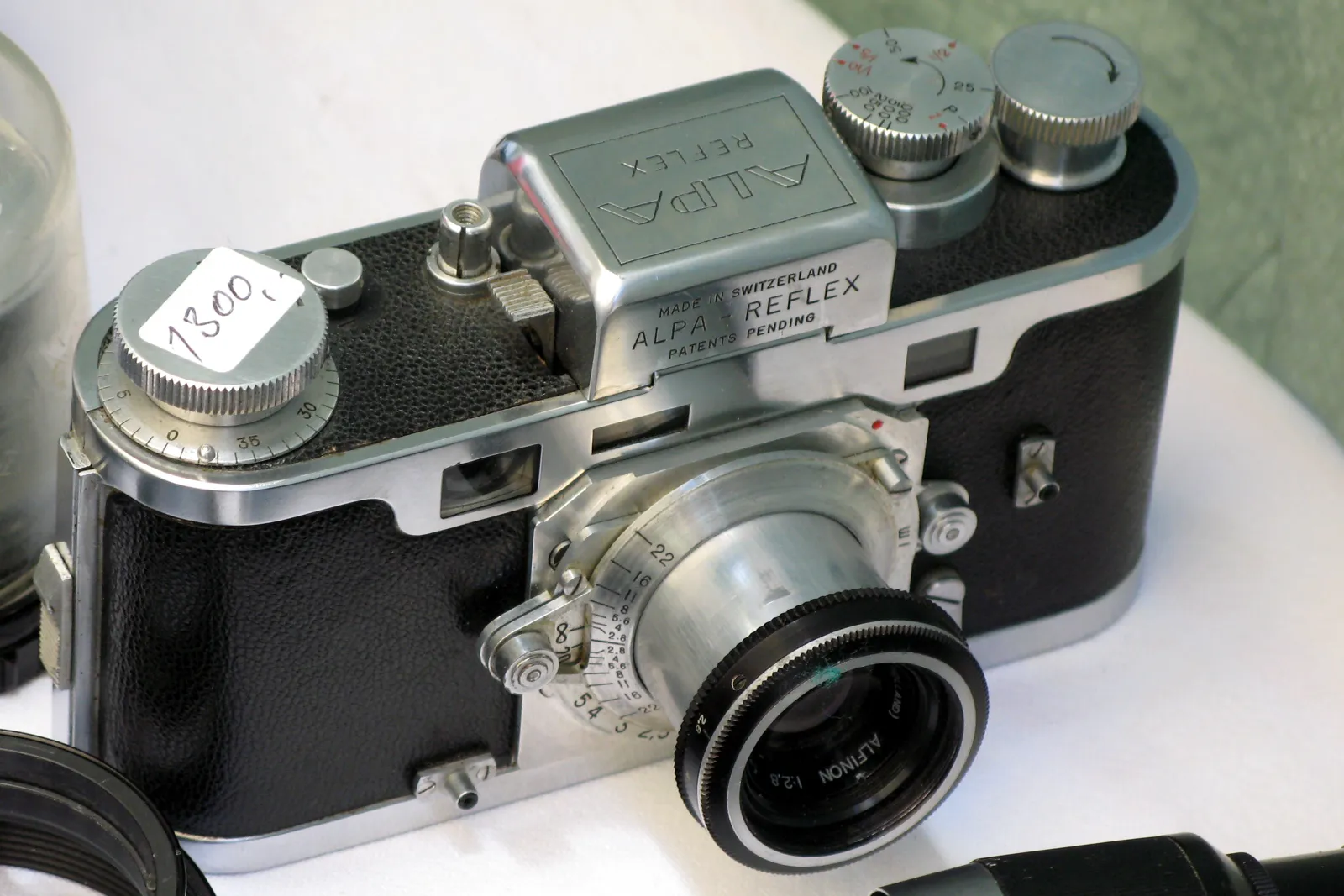
In the museum
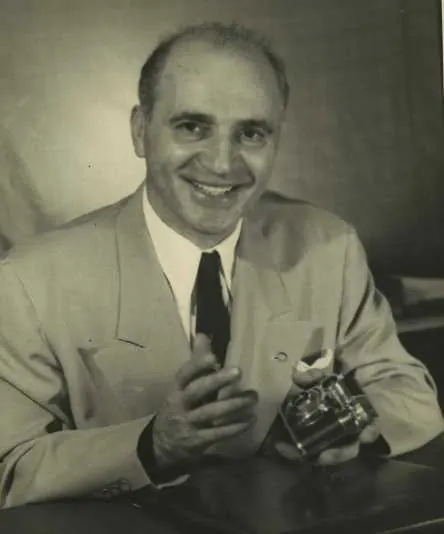
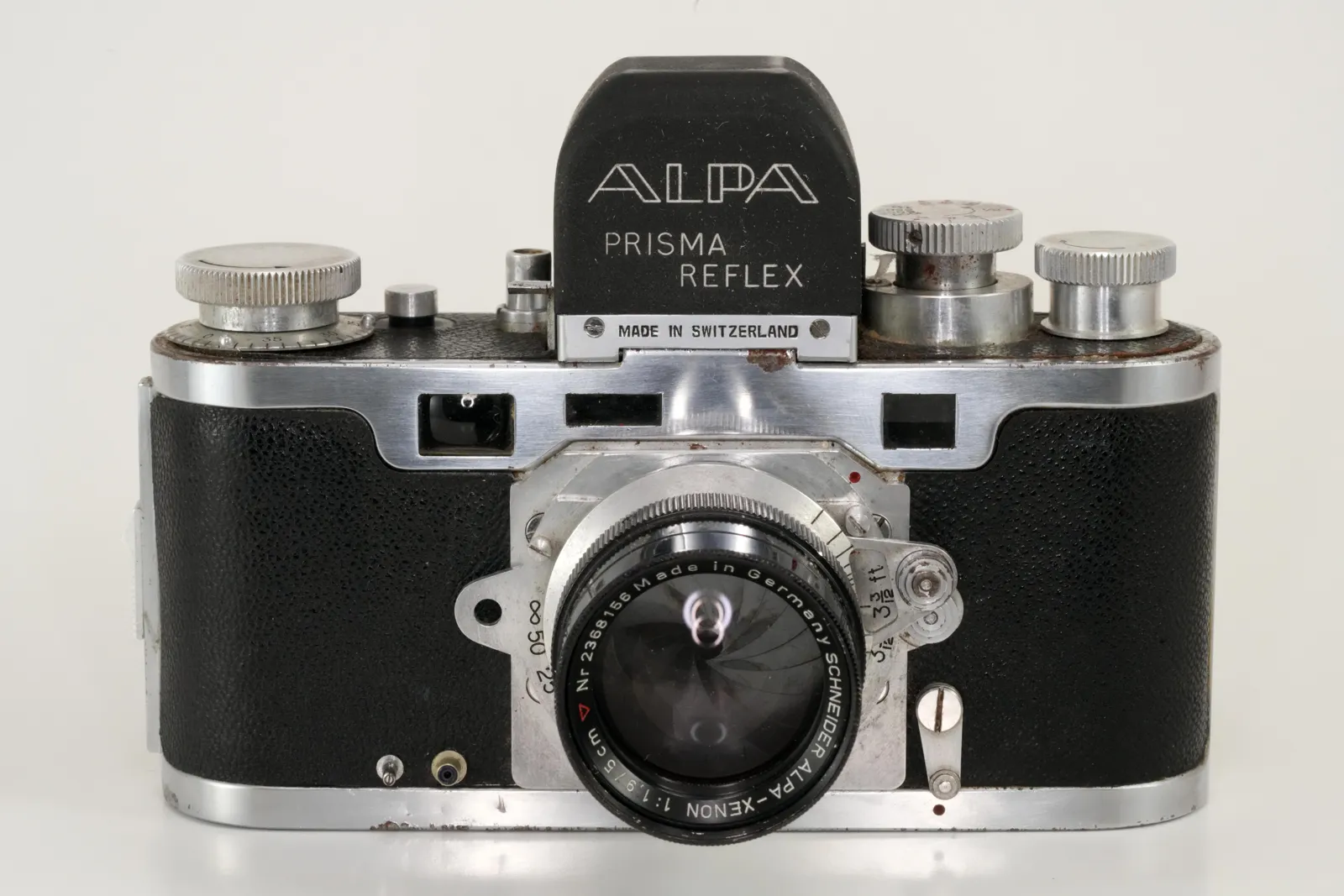
To design its camera, Pignons called on Jacques Bolsky, born Yakov Bogopolsky in Kyiv, who had invented the Bolex cine cameras in Geneva. He imagined a 35 mm camera that combined a reflex viewfinder with a rangefinder.
Prototypes were made from 1939, and small test series until 1942, while Bolsky left for the United States. The camera, presented in 1944 under the name Alpa Reflex, went into production in a neutral Switzerland surrounded by war.
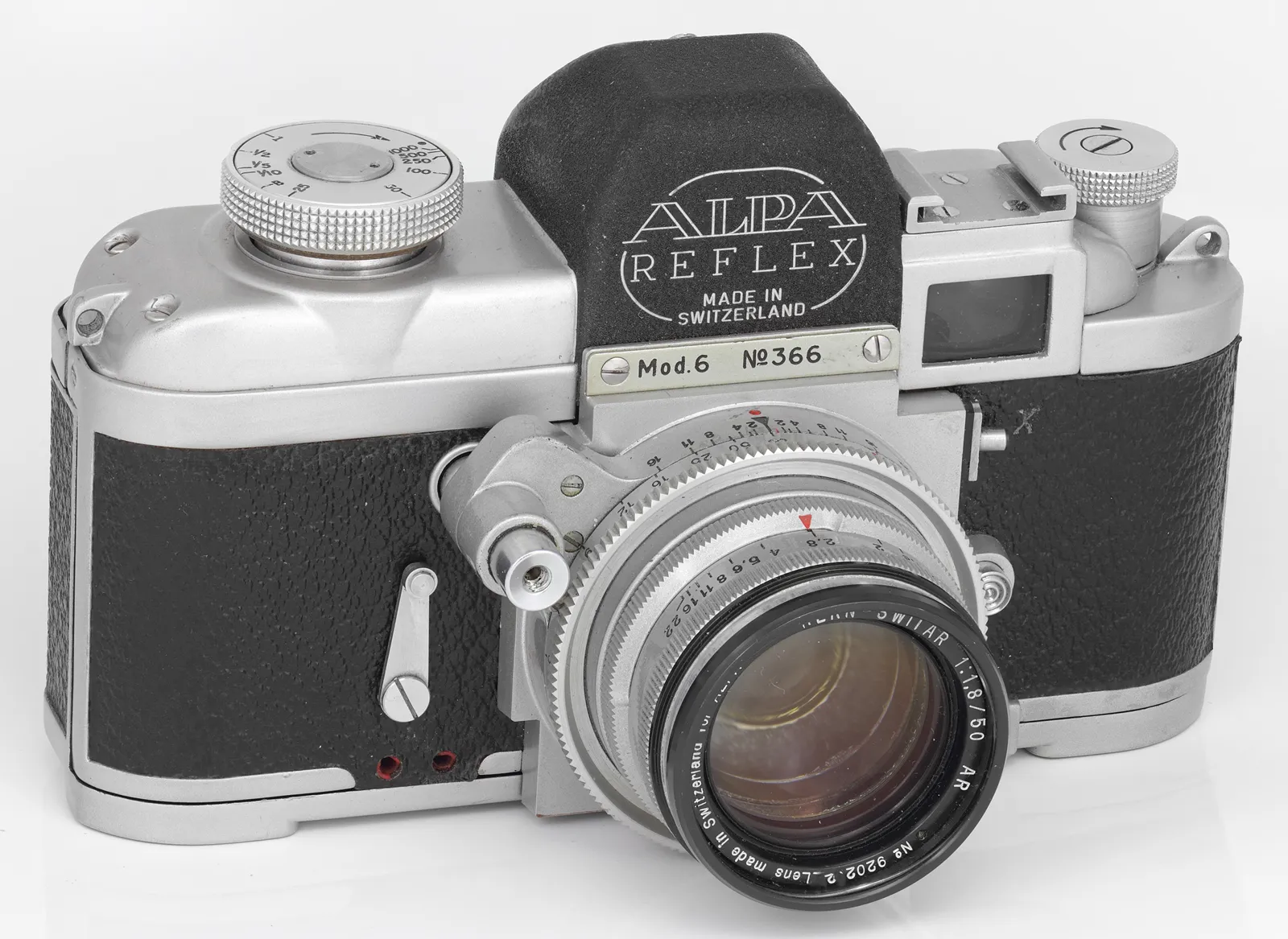
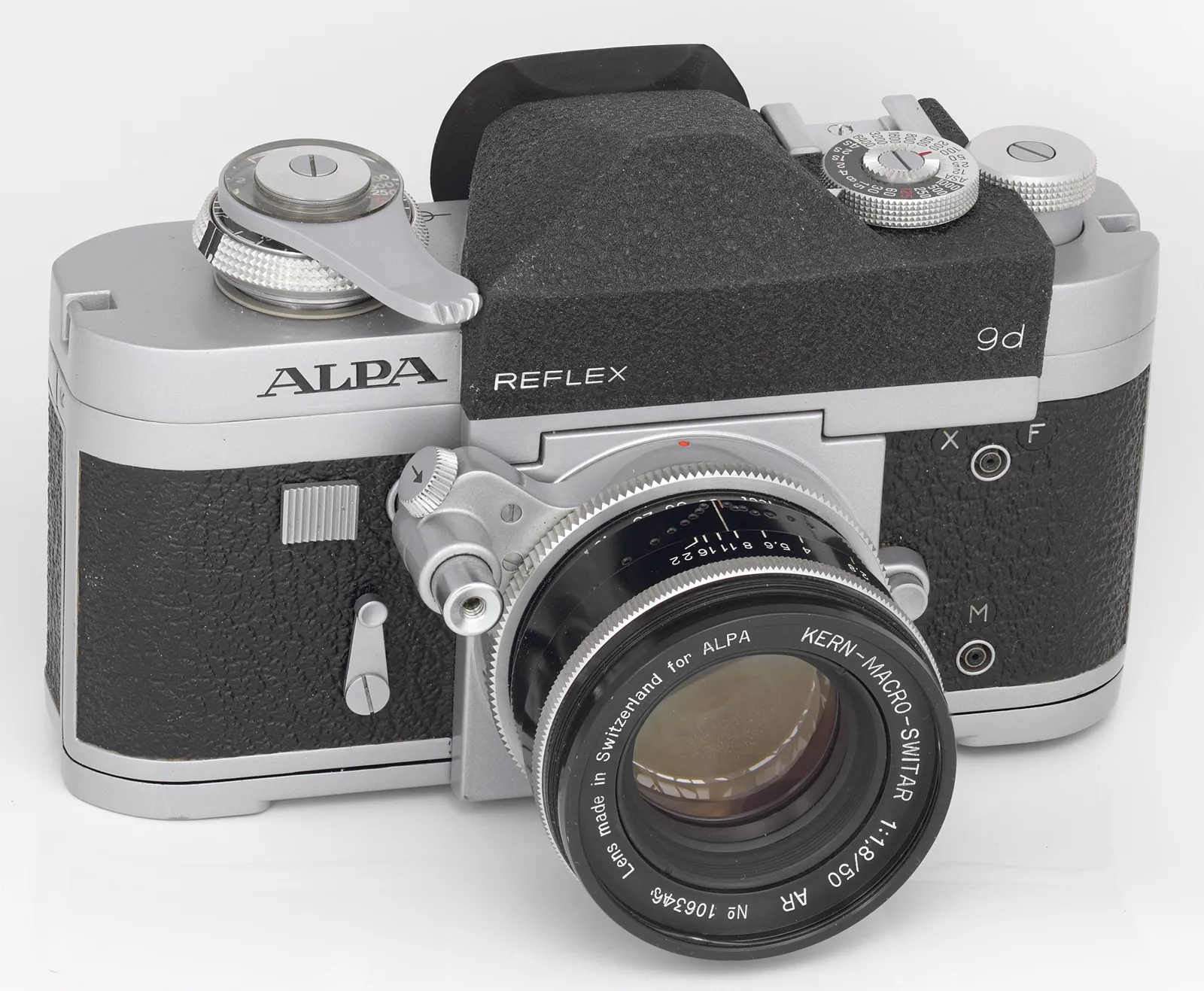
After the war Alpa developed a whole family of reflex cameras, numbered from the Alpa 4 to the Alpa 11. They were made almost by hand in Ballaigues, in very small numbers: in all, only about 40,000 to 45,000 Alpa cameras were made in nearly half a century.
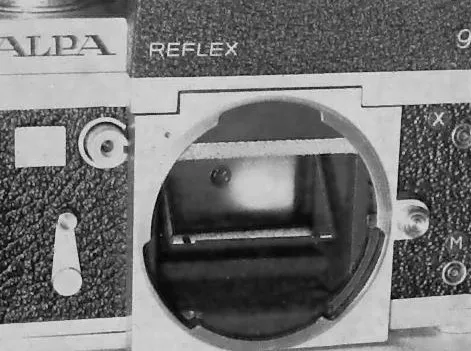
Alpa did not make its own lenses. It chose the best from other makers: Kern in Switzerland, with its famous Macro-Switar, Angénieux and Kinoptik in France, Schneider in Germany. The Alpa bayonet, adopted in 1942, never changed.
1970–1990
Too small to keep up
In the 1970s Japanese reflex cameras became electronic, automatic and much cheaper. A small Swiss workshop could not follow. Alpa sold a cheaper model made in Japan by Chinon, but it sold poorly and is not considered a true Alpa by collectors.
In 1990 Pignons SA went bankrupt. The last Alpa made in Ballaigues was the Alpa 11.
1996–today
Reborn in Zurich
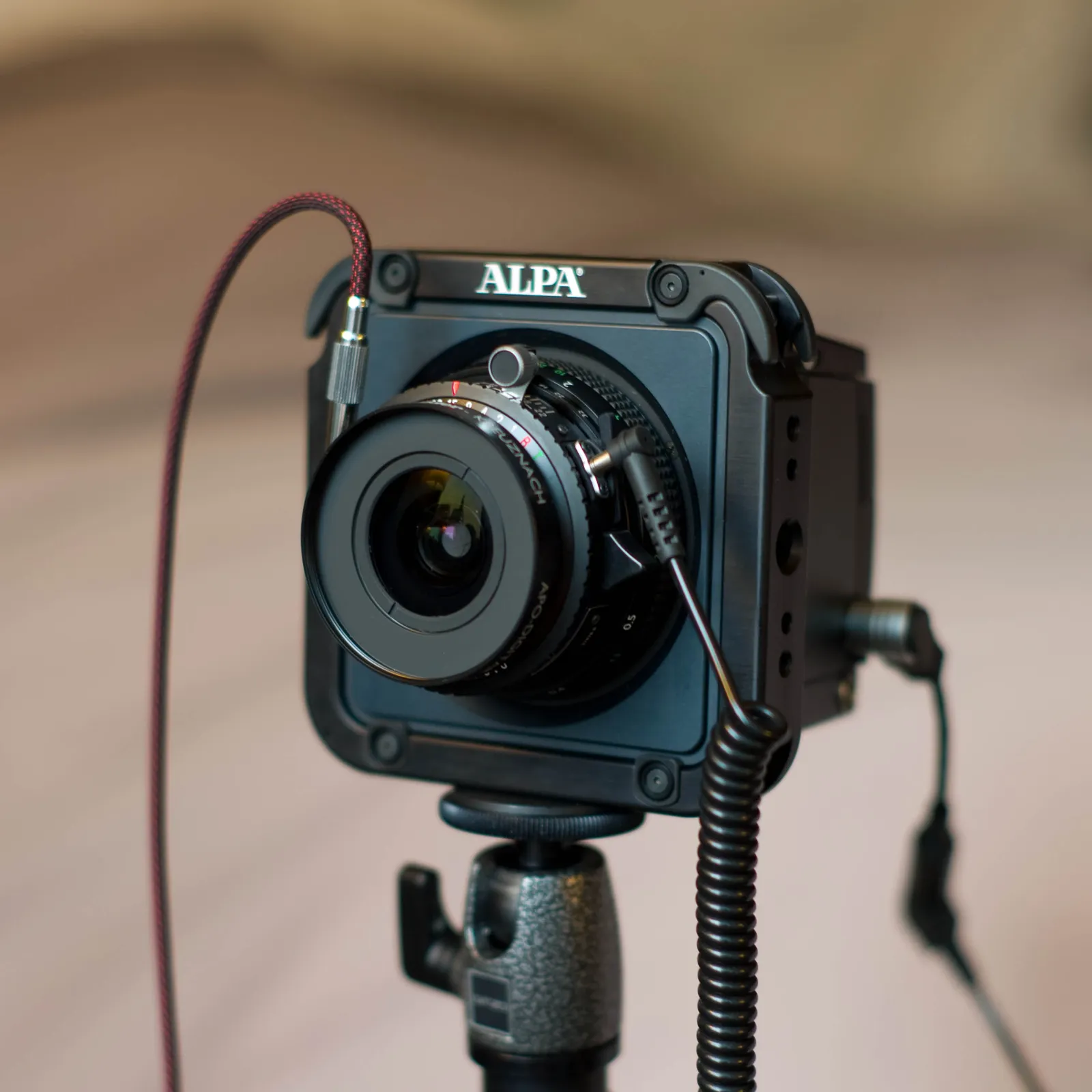
In 1996 a Zurich couple, Capaul & Weber, acquired the rights to the Alpa name. At Photokina in 1998 they presented the first Alpa 12, a completely new medium-format camera, minimalist and modular, used with digital backs or film.
The new Alpas, made in small numbers with Rodenstock, Schneider and Zeiss lenses, are used by architecture and landscape photographers. In 2022 the founders entrusted the brand to a new team led by Hans Keist.
Alpa at the 99 Cameras Museum
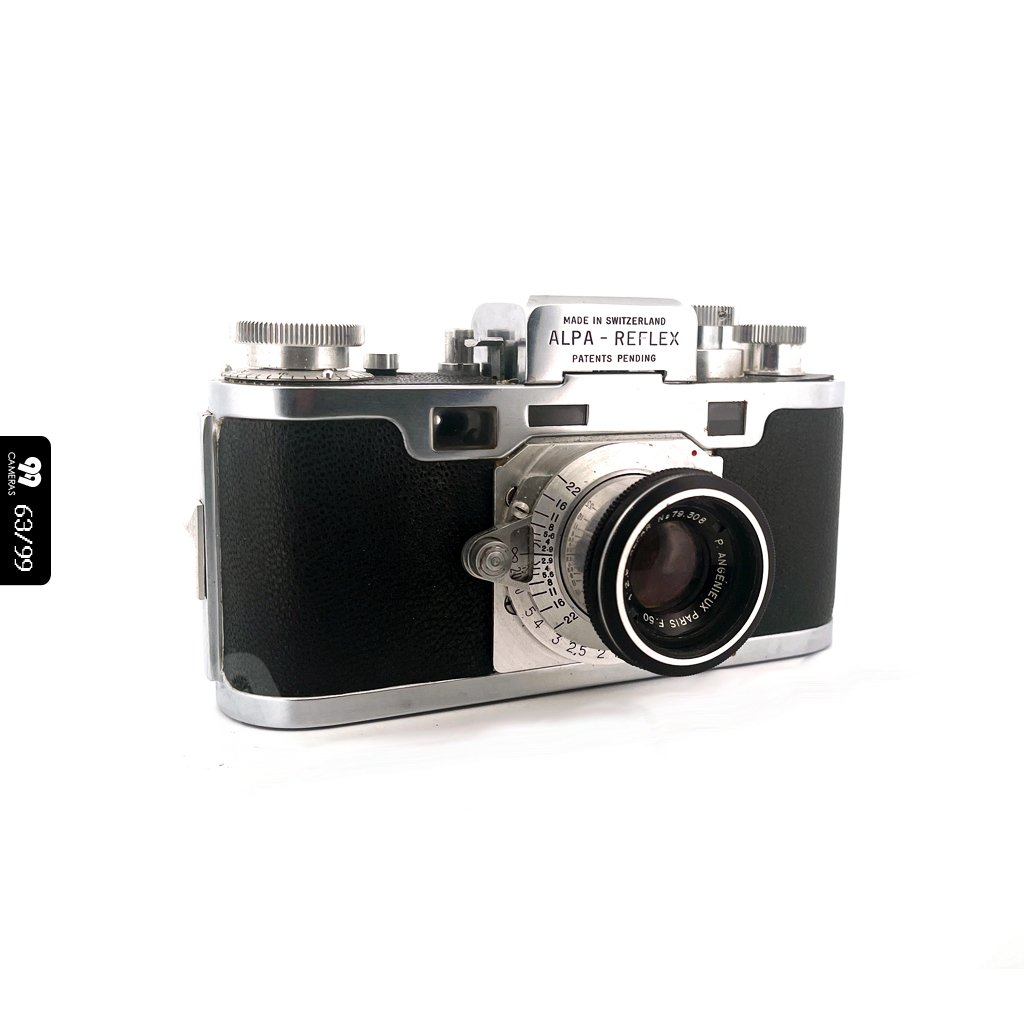
The Alpa Reflex, including an example from the rare “batch B” of 1942, is in the showcases of the museum in Paris. You can see it, and the other cameras of this story, in our online collection.
See the Alpa cameras of the collection
Sources. Alpa of Switzerland history, Wikipedia articles on Alpa and the Alpa-Reflex, Historical Dictionary of Switzerland, Science Museum Group, Swiss Camera Museum in Vevey. Some anecdotes come from oral tradition and are told as such.
Plan your visit
Visit is free and open to all
- Opening hoursMonday – Saturday : 10 – 17:30
- AddressStudio Harcourt, 6 Rue de Lota, 75116 Paris
- Exceptional closuresThursday, 26 November 2026