The adventure of the brands
The Lumière story
- Founded in 1882France
- No longer makes cameras
A painter who became a photographer, a son of 17 who invented a better plate, a factory in Lyon second only to Kodak, a first film of workers leaving that factory, the first paying screening in a Paris café and colour made with potato starch: the Lumière story, told through its inventions and its anecdotes.
1862–1881
A painter and his sons

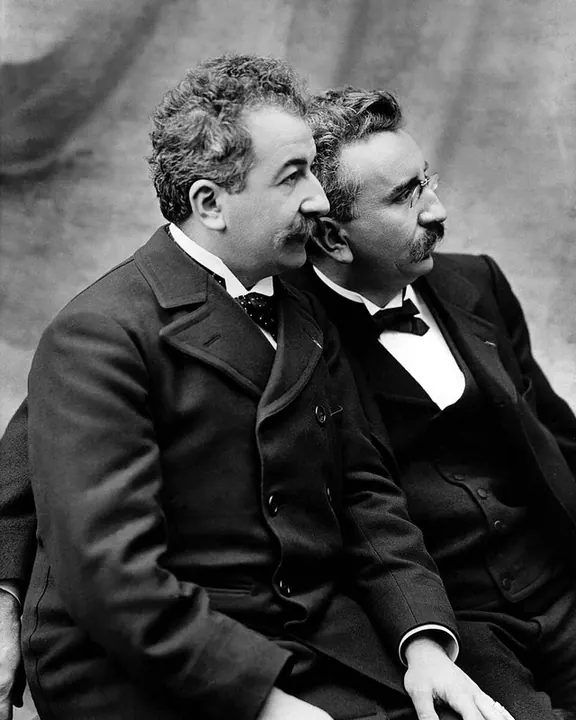
Antoine Lumière was a painter who became a portrait photographer in Besançon, in eastern France. His sons Auguste and Louis were born there, in 1862 and 1864. Around 1870 the family moved to Lyon, where Antoine opened a photography studio.
Photography then used glass plates that the photographer had to coat himself, just before taking the picture. New “dry” plates, ready to use, were appearing, but they were not very sensitive. Louis, a gifted pupil in chemistry, started looking for a better formula while still a teenager.
1882–1894
The blue label
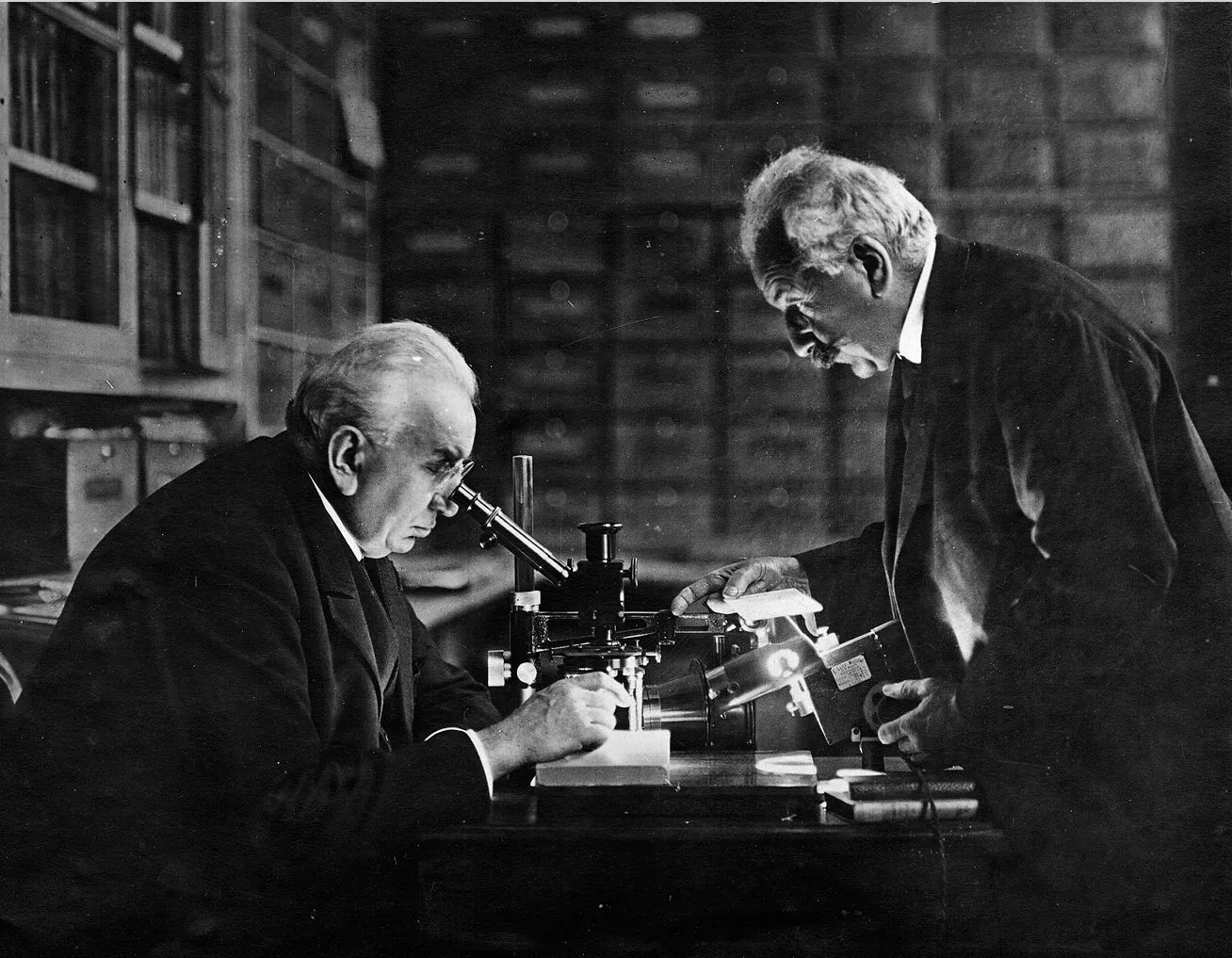
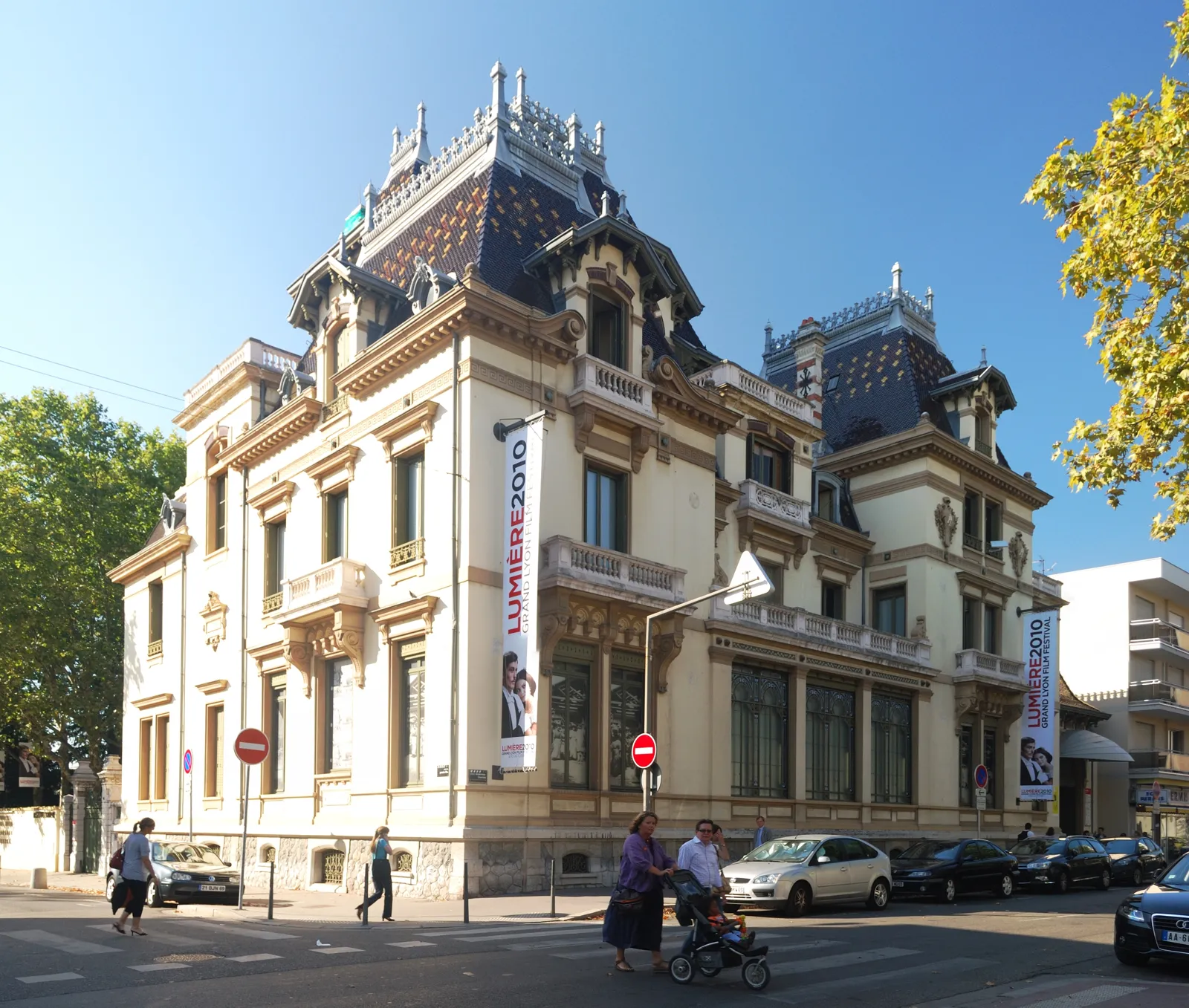
The Lumières built a factory in Monplaisir, then on the edge of Lyon, to make their plates. Success was huge. In 1892 the company became the Société anonyme des plaques et papiers photographiques Antoine Lumière et ses fils, and by the 1890s it was one of the largest photographic companies in the world, behind only Kodak.
Auguste and Louis ran the factory together. The two brothers were very close: they married two sisters, and the families lived side by side. They shared all their inventions and signed them with both their names.
1895
The first film
In February 1895 the brothers patented the Cinématographe, designed above all by Louis: a light wooden box that was at once a camera, a printer and a projector. A claw moved the film forward step by step, inspired by the mechanism of a sewing machine.
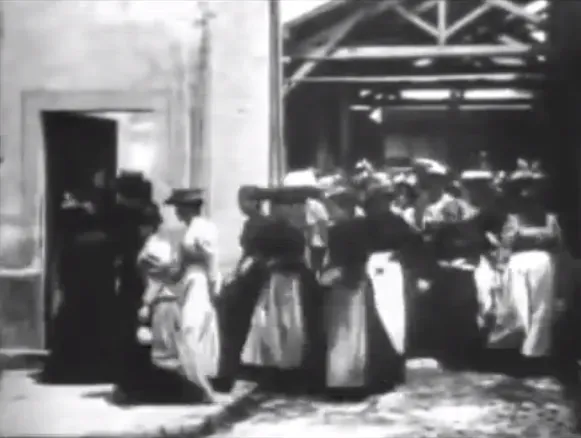
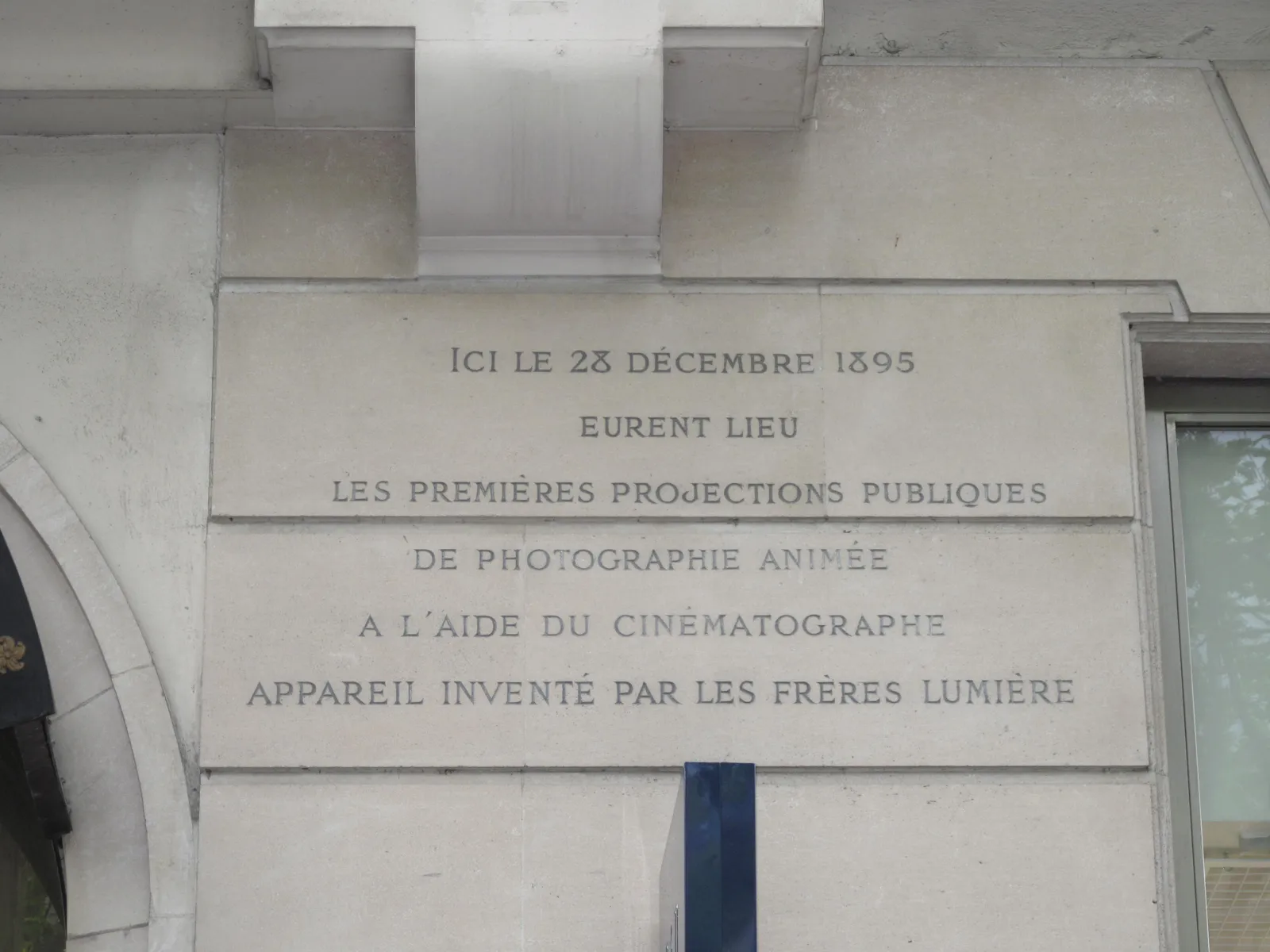
Their first film showed the workers leaving their factory in Lyon: La Sortie de l’usine Lumière. On 28 December 1895, in the Salon indien of the Grand Café, boulevard des Capucines in Paris, they held the first public screening for a paying audience. The cinema was born.

1896–1905
Around the world with a box
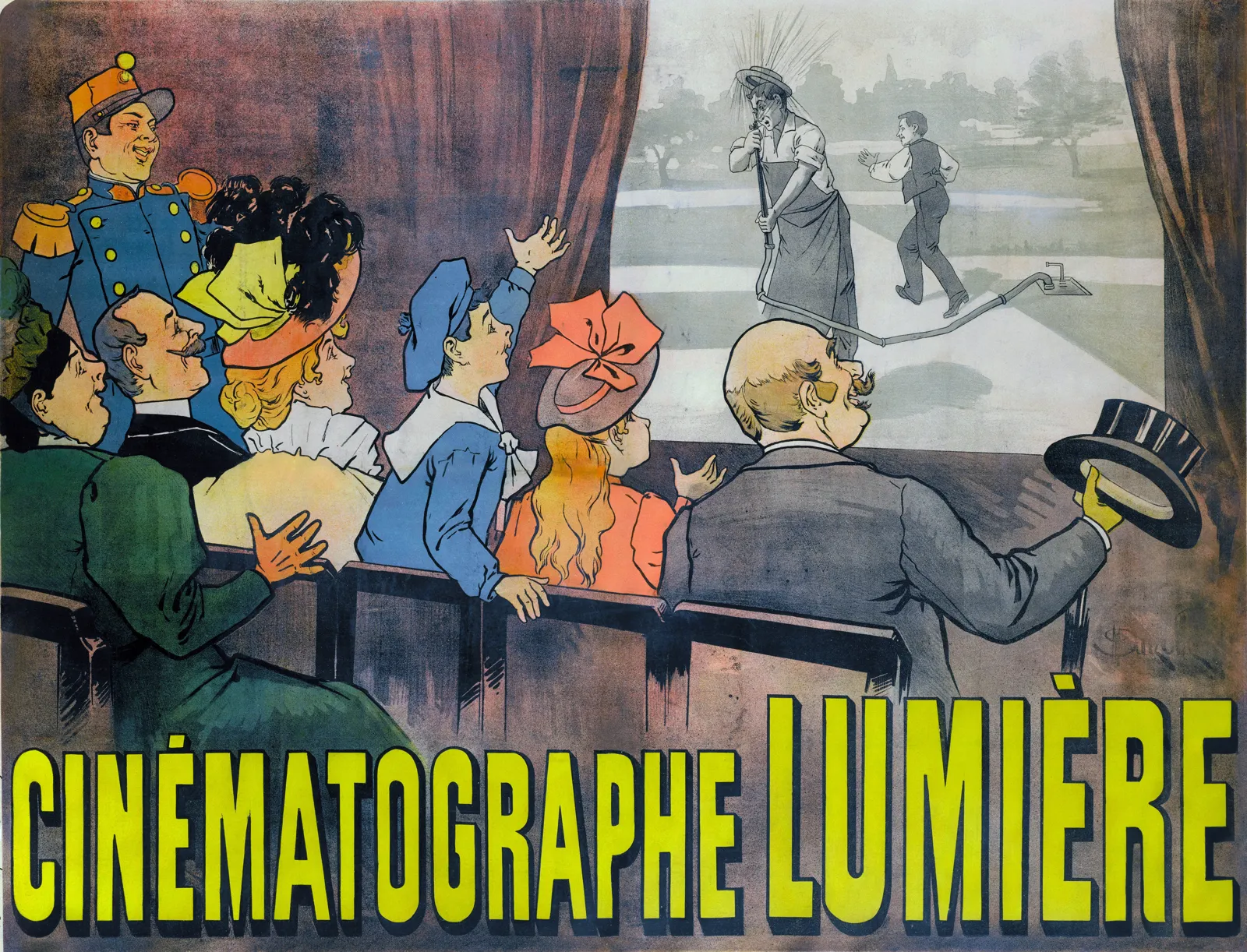
The Lumières trained operators and sent them all over the world with a Cinématographe. They showed films in the great cities and filmed everything they saw: streets, ceremonies, landscapes, ordinary people. Within a few years the Lumière catalogue held well over a thousand short films.
But the brothers soon left film production to others, such as Pathé, Gaumont and Méliès. For them, the cinema was one invention among many. They went back to photography and to new research.
1903–1935
Colour with potato starch

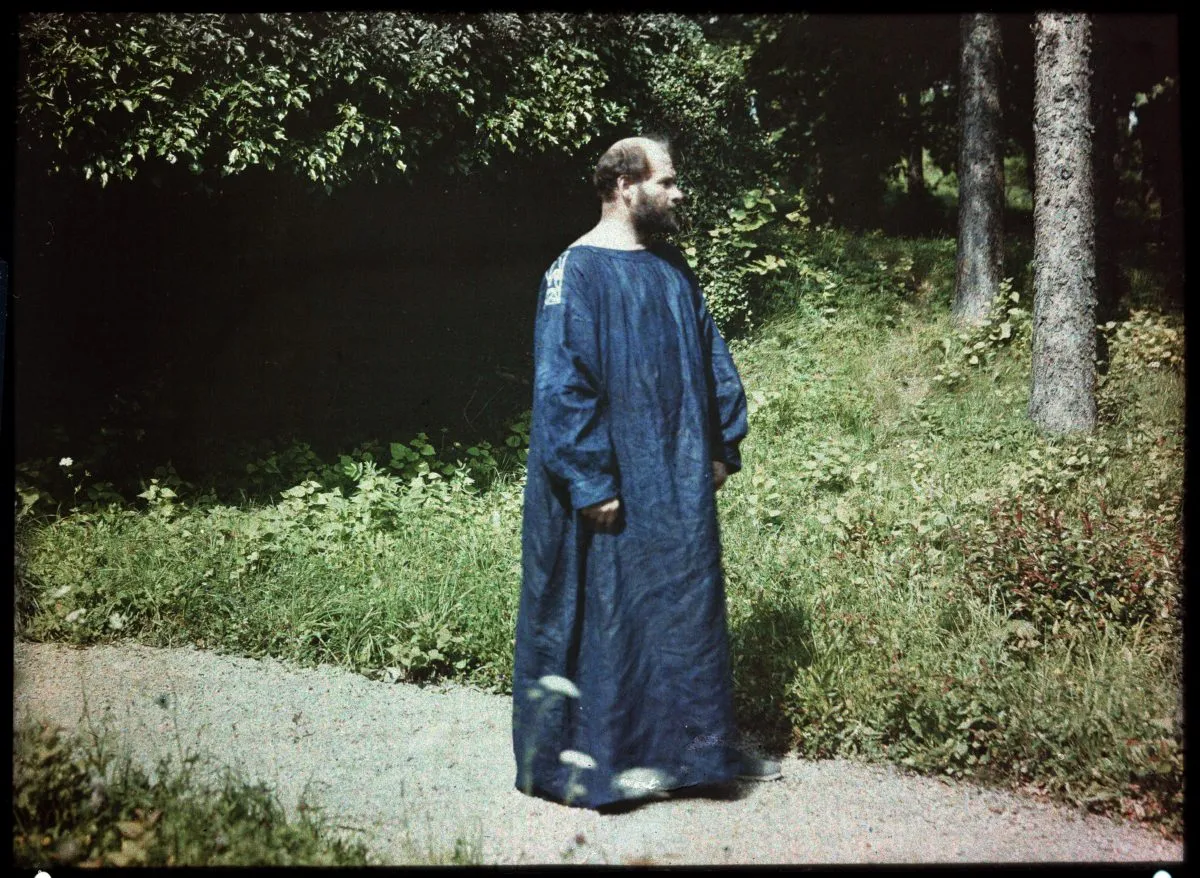
In 1903 the Lumières patented the Autochrome, the first practical colour photography process, which they put on sale in 1907. A glass plate was covered with millions of tiny grains of potato starch, dyed orange-red, green and violet, which acted as colour filters.
The Autochrome gave soft, luminous images that looked like pointillist paintings. It was used for about thirty years, until colour films such as Kodachrome and Agfacolor replaced it in the 1930s.
1920s–today
From Lyon to Ilford
In the museum
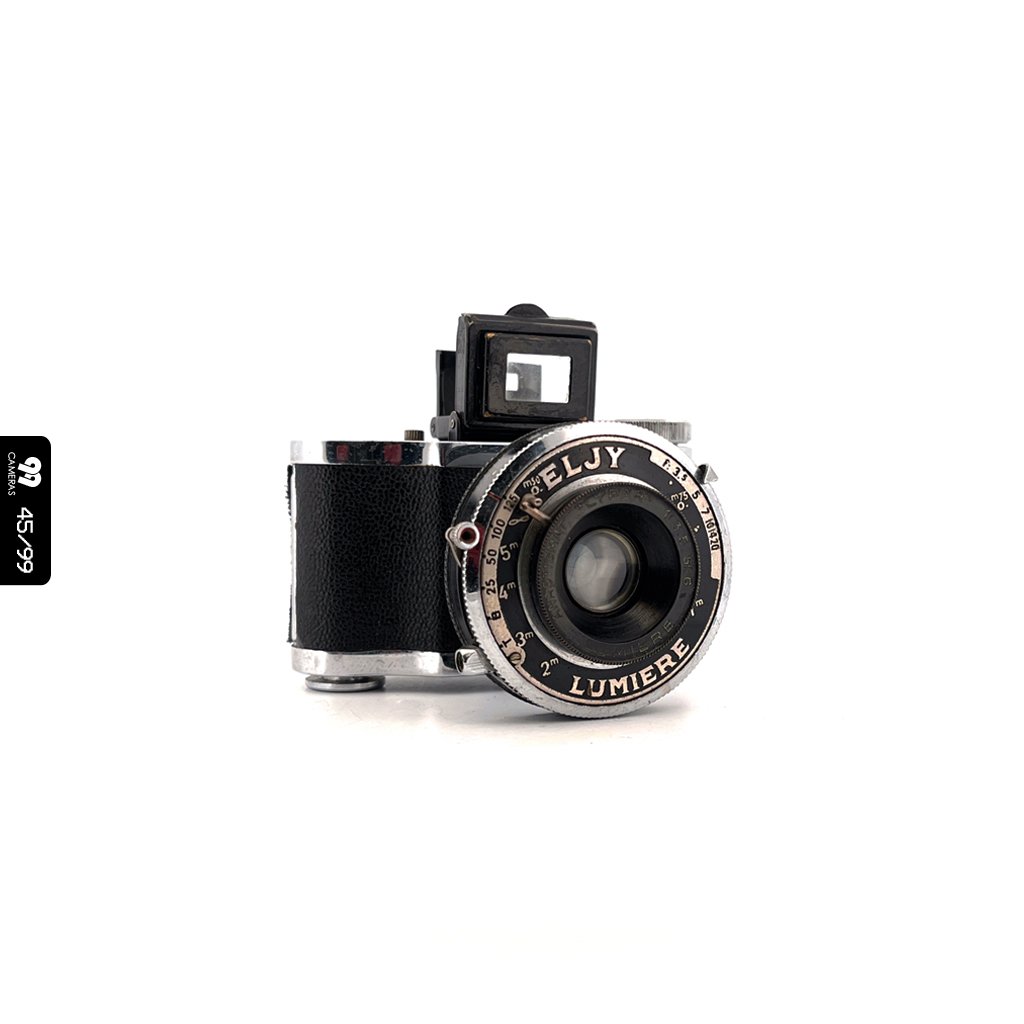
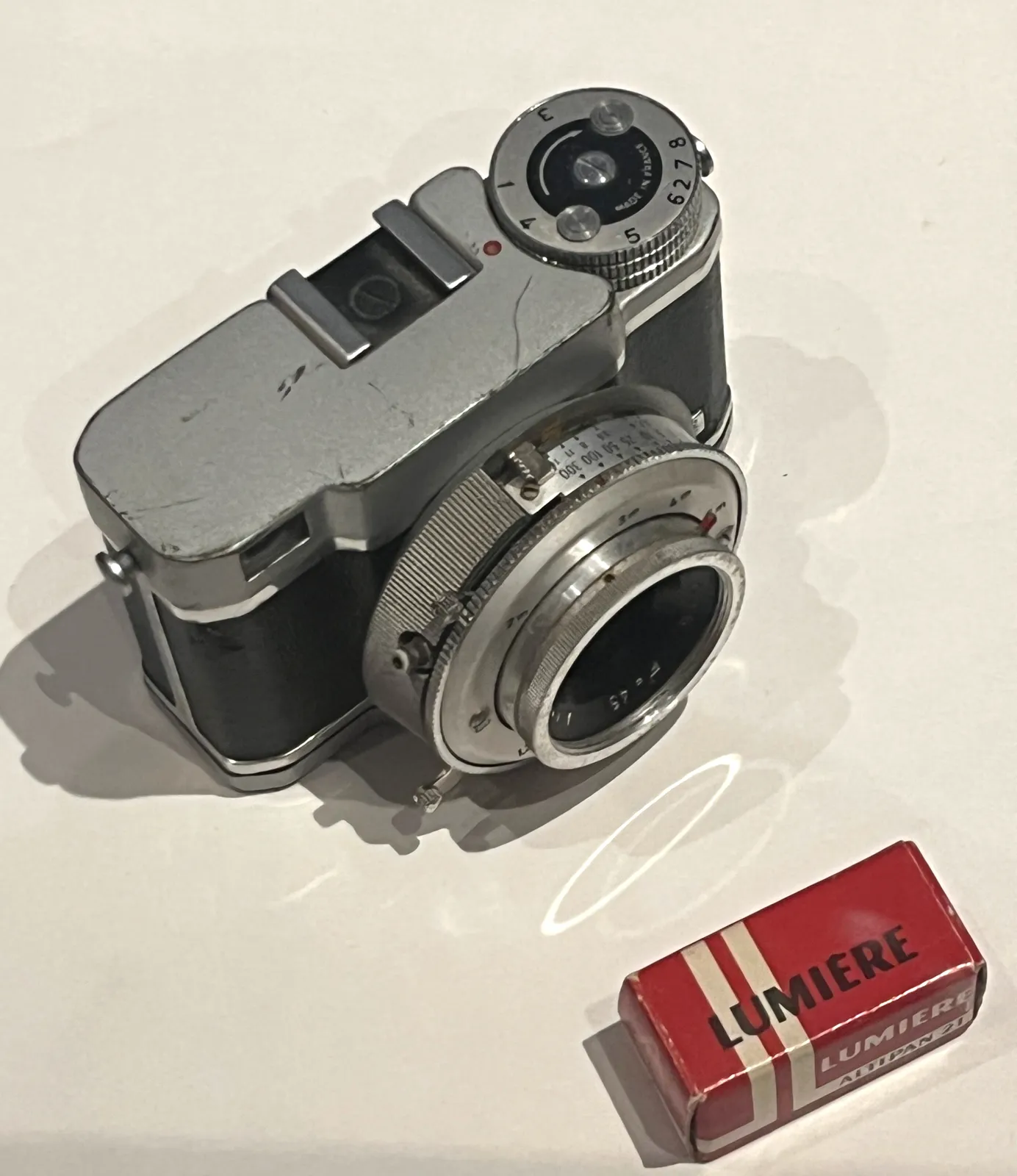
From the late 1920s the company also made cameras, often simple and inexpensive, such as the Eljy, a small camera of 1937, and its successor the Super Eljy, which is in the museum. Louis died in 1948, Auguste in 1954.
In the early 1960s the company was taken over by the Swiss chemical group Ciba, which later also owned the British firm Ilford. The Lumière name gradually disappeared from photographic products, and the company eventually became Ilford France.
Lumière at the 99 Cameras Museum
The Lumière Super Eljy is in the showcases of the museum in Paris. You can see it, and the other cameras of this story, in our online collection.
See the Lumière cameras of the collection
Sources. Institut Lumière, Wikipedia articles on the Lumière brothers, the Cinématographe and the Autochrome, Science Museum Group, National Geographic, Musée Albert Kahn. Some anecdotes come from oral tradition and are told as such.
Plan your visit
Visit is free and open to all
- Opening hoursMonday – Saturday : 10 – 17:30
- AddressStudio Harcourt, 6 Rue de Lota, 75116 Paris
- Exceptional closuresThursday, 26 November 2026