The adventure of the brands
The Rectaflex story
- Founded in 1947Italy
- No longer makes cameras
A Roman lawyer who loved photography, a prism that put the world the right way up, a race with Dresden, the fastest shutter of its time, an order from the American army and a prince who bought what was left: the Rectaflex story, told through its inventions and its anecdotes.
1940–1946
A lawyer in Rome
In the museum
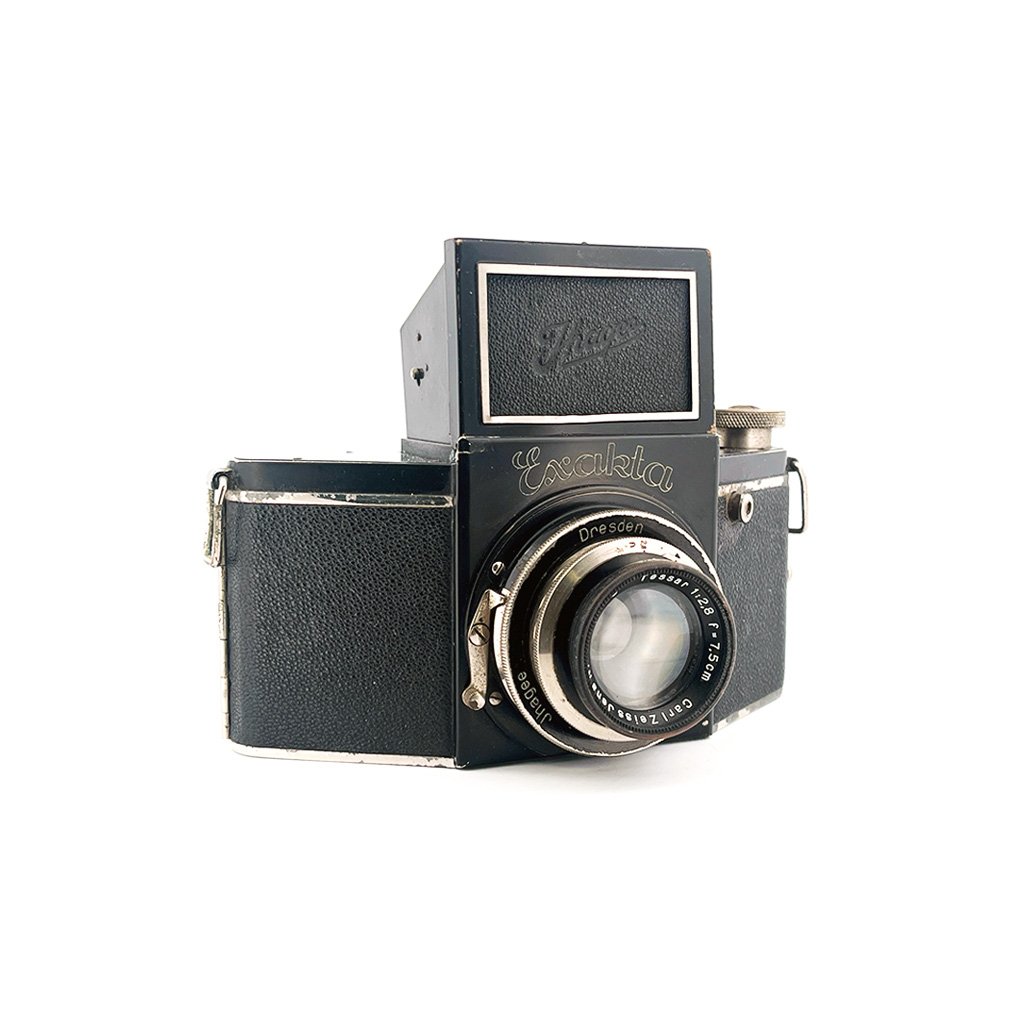
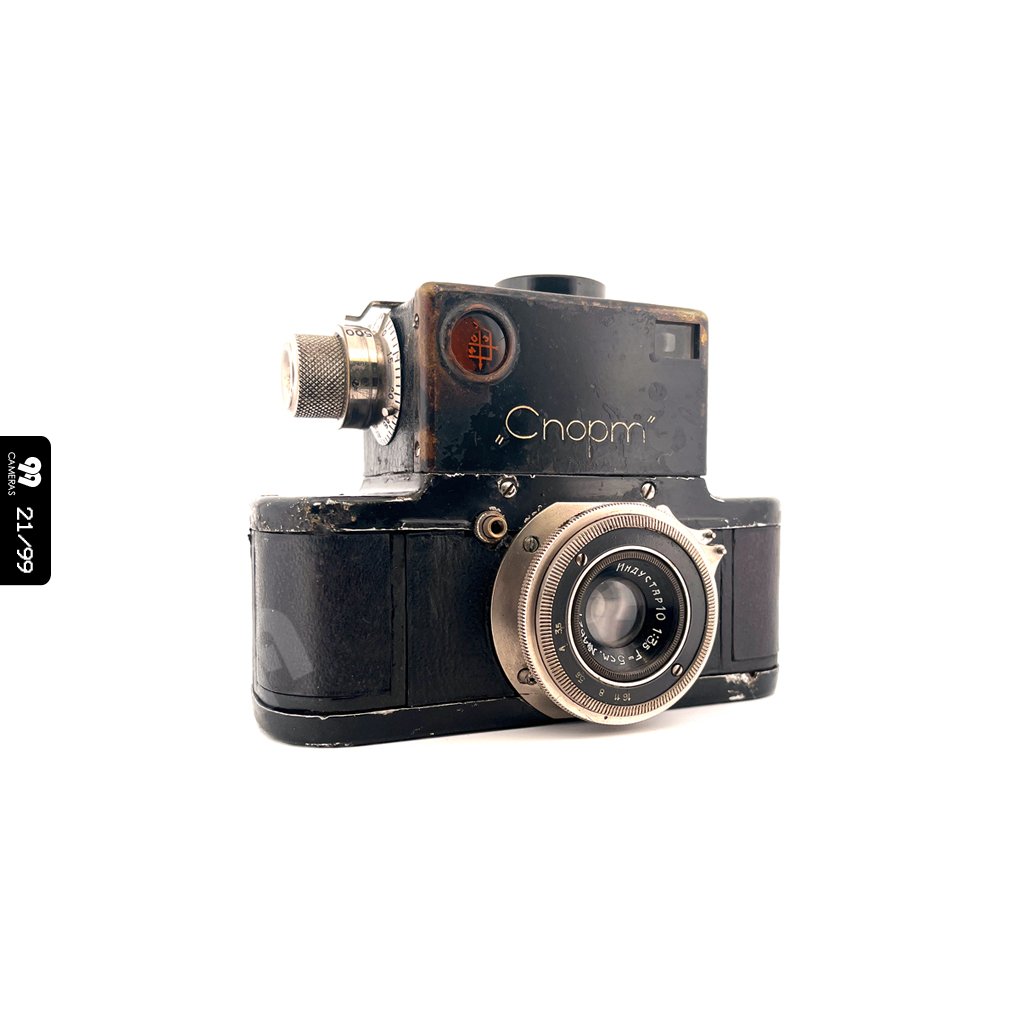
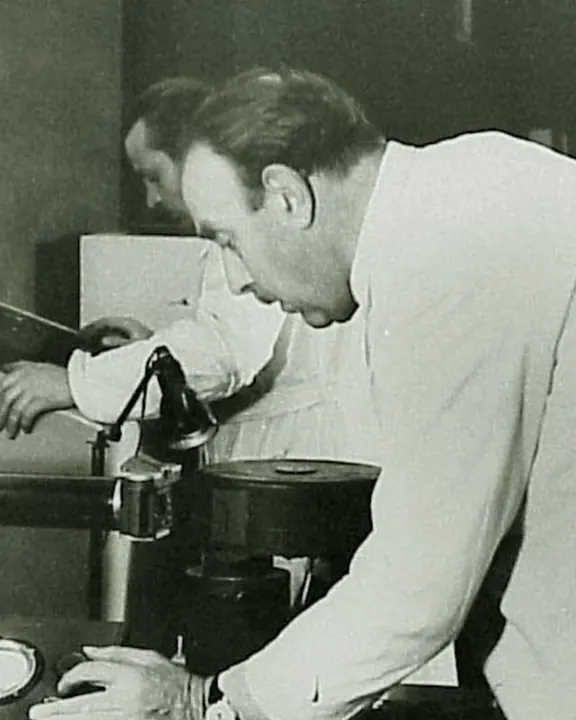
Telemaco Corsi was a lawyer and businessman in Rome, and a keen amateur photographer. During the war he directed SARA, a company that made optical instruments for the Italian armed forces. When the war ended, he wanted to use its know-how to build a camera of his own.
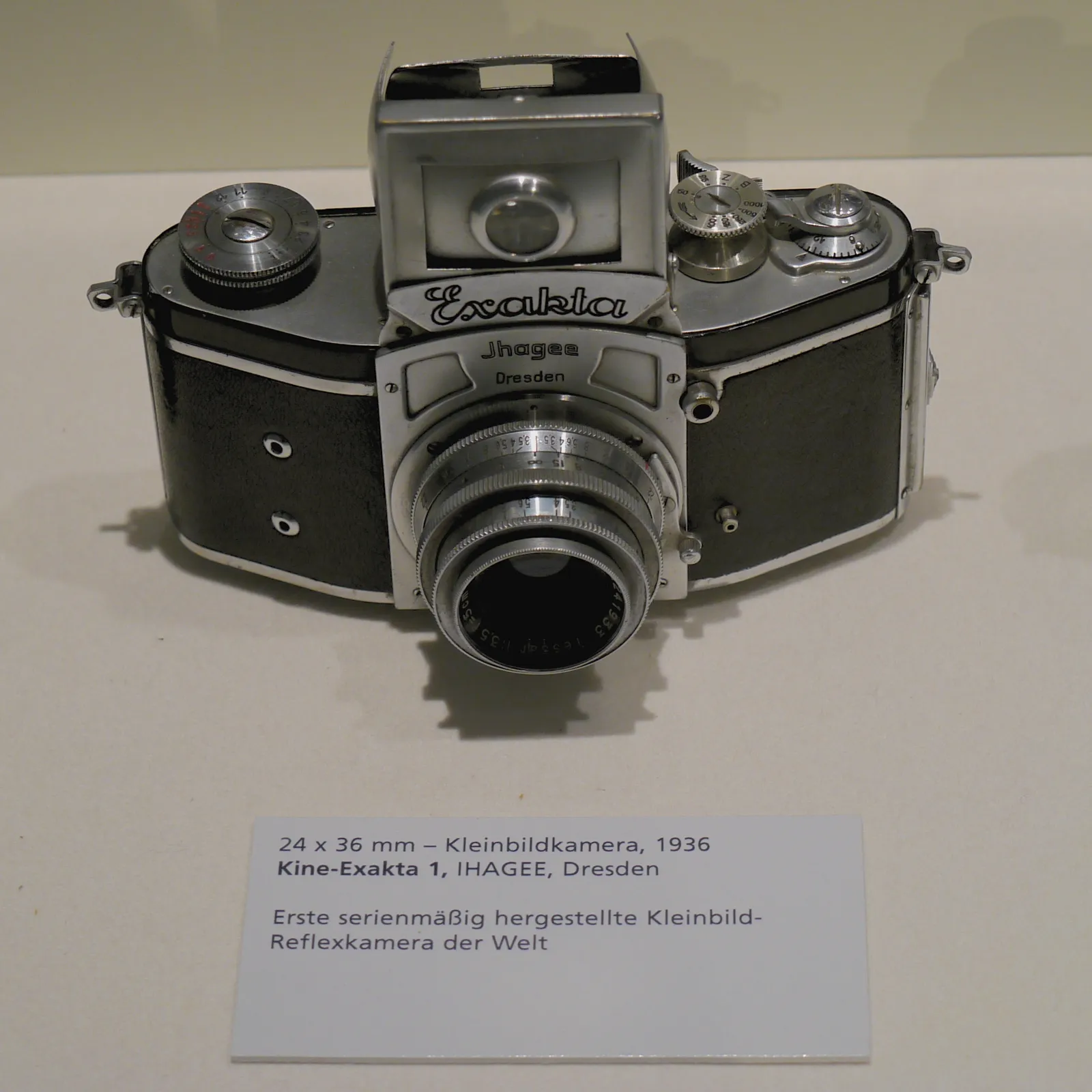
At the time, reflex cameras for 35 mm film, such as the German Exakta, had a problem: you looked down into them, at waist level, and the image on the screen was reversed from left to right. Following a moving subject was difficult, and holding the camera to the eye was impossible.
The people
1947–1948
A prism for the right way up
In the museum
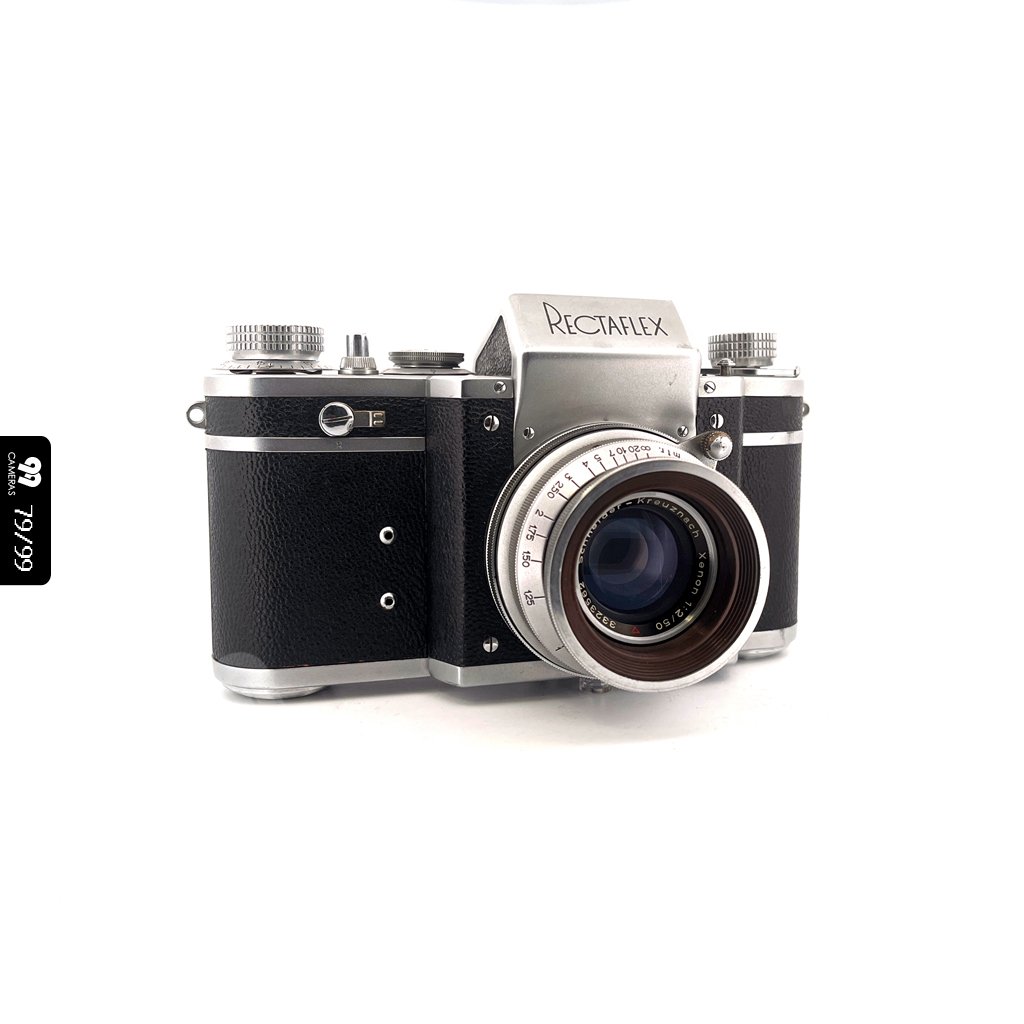
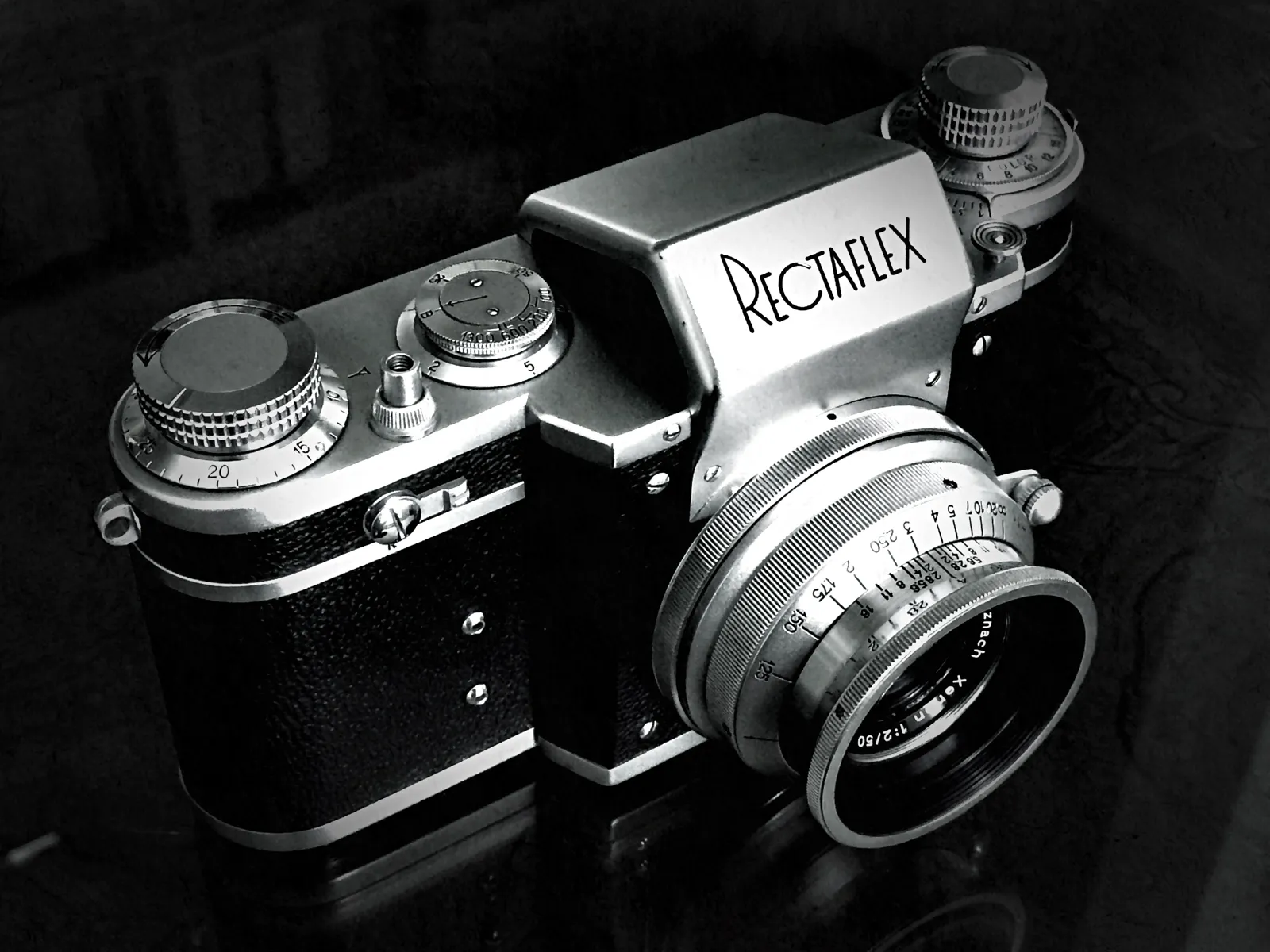
Corsi’s team worked on a glass prism with several faces that would correct the image in both directions. The first versions corrected it only from left to right. Finally they found the solution: a pentaprism, a block of glass with five faces placed above the mirror, which showed an upright image, the right way round, at eye level.
A prototype, the Rectaflex 947, was shown at the Milan Fair in June 1947 and was well received. Corsi found investors, among them the large textile company Snia Viscosa, and at the Milan Fair of April 1948 he presented a working camera. Production began in Rome that autumn. The name says it all: recta, straight, and flex, reflex.
The people
1948–1953
The fastest shutter in the world
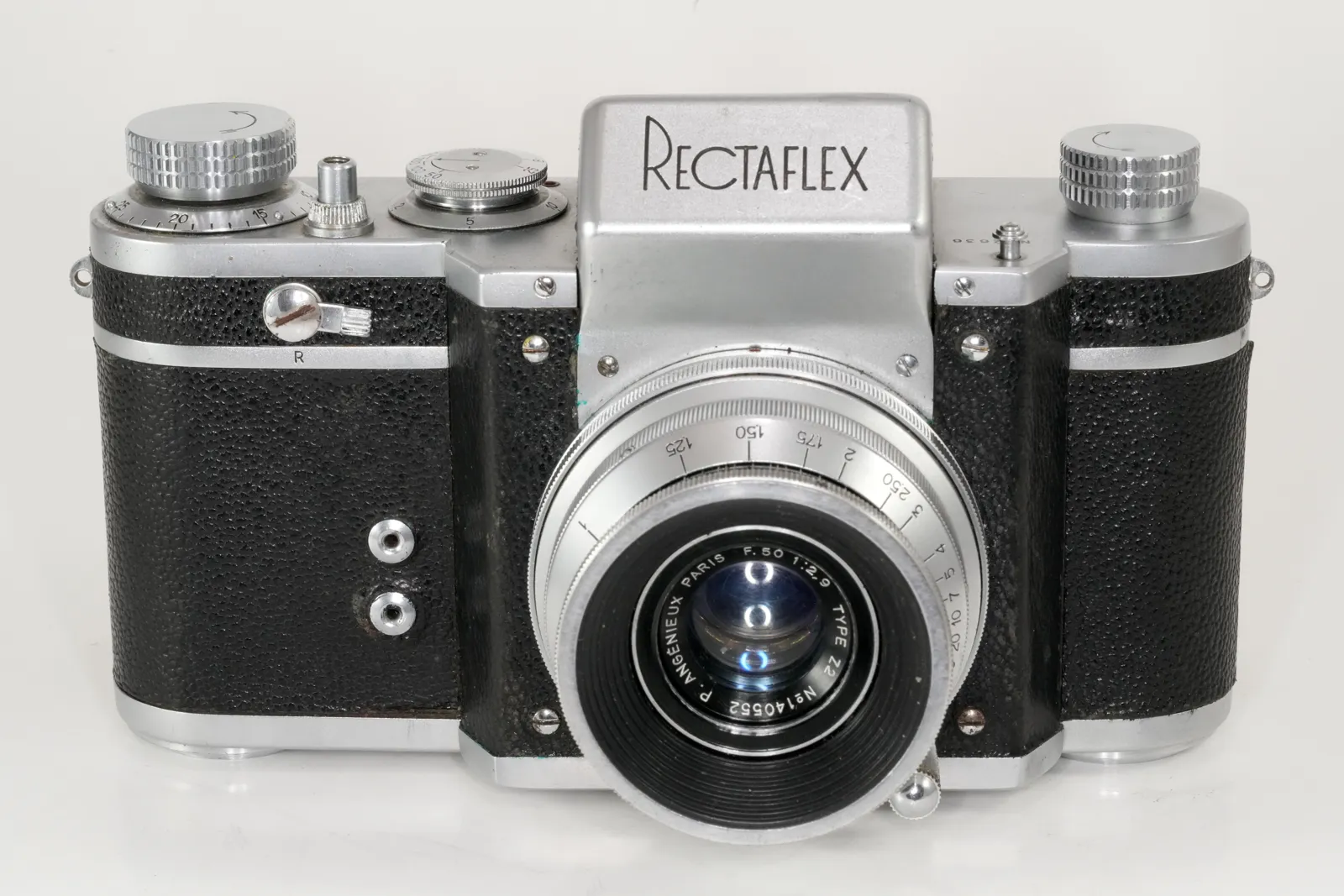
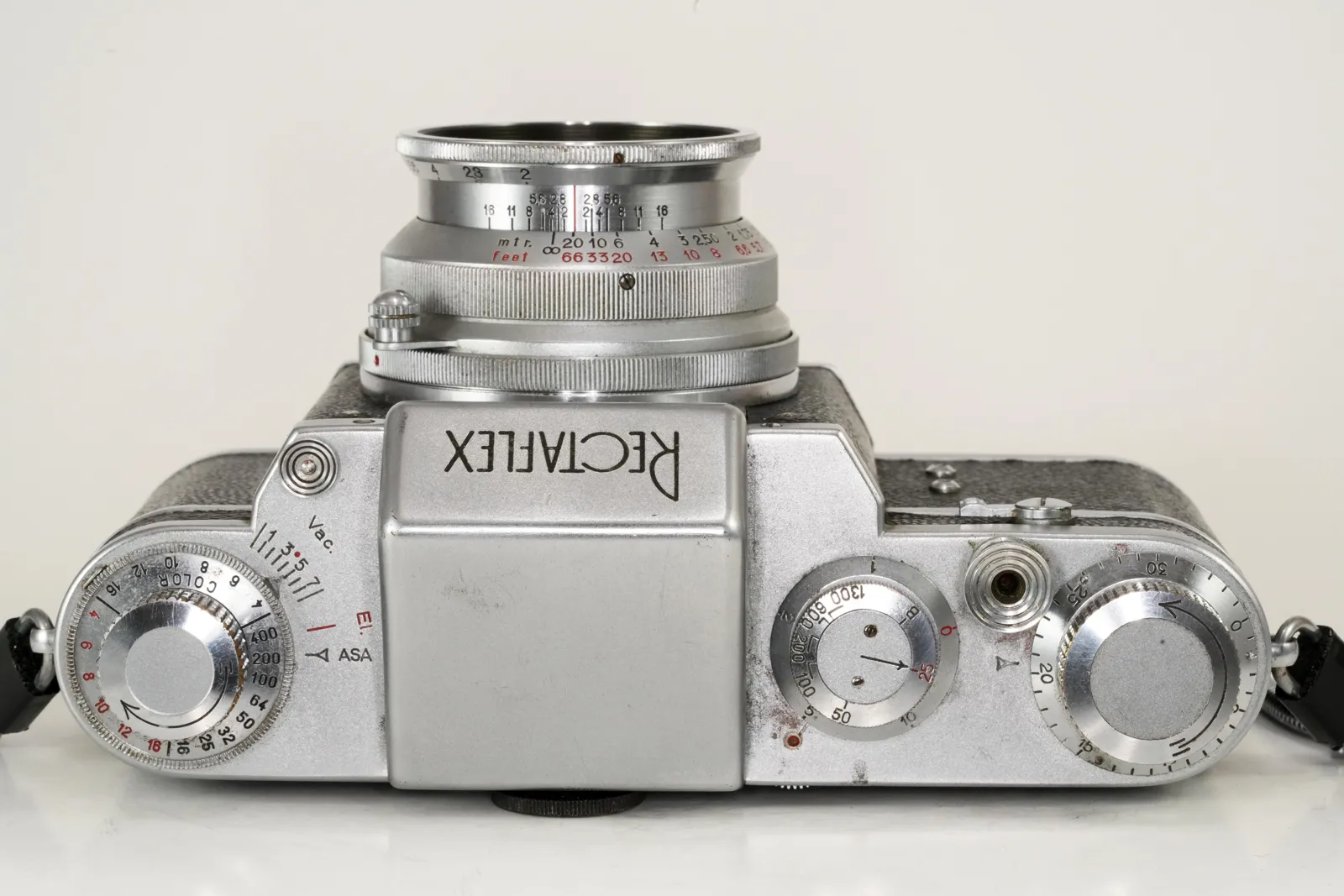
The Rectaflex was solid, elegant and pleasant to use, with a large bayonet mount for interchangeable lenses from Italian and German makers. Its elegant body is said to have been drawn with the help of the designer Giò Ponti. In December 1952 a new series offered a shutter speed of 1/1300 of a second, the fastest of its time.
Rectaflex chose its distributors well and advertised widely. The camera was sold across Europe, in the Americas, in Australia and in New Zealand. In 1952, in the United States, a Rectaflex with a 50 mm lens cost 295 dollars, a lot of money for the time.
1952–1955
Too much success
In the museum
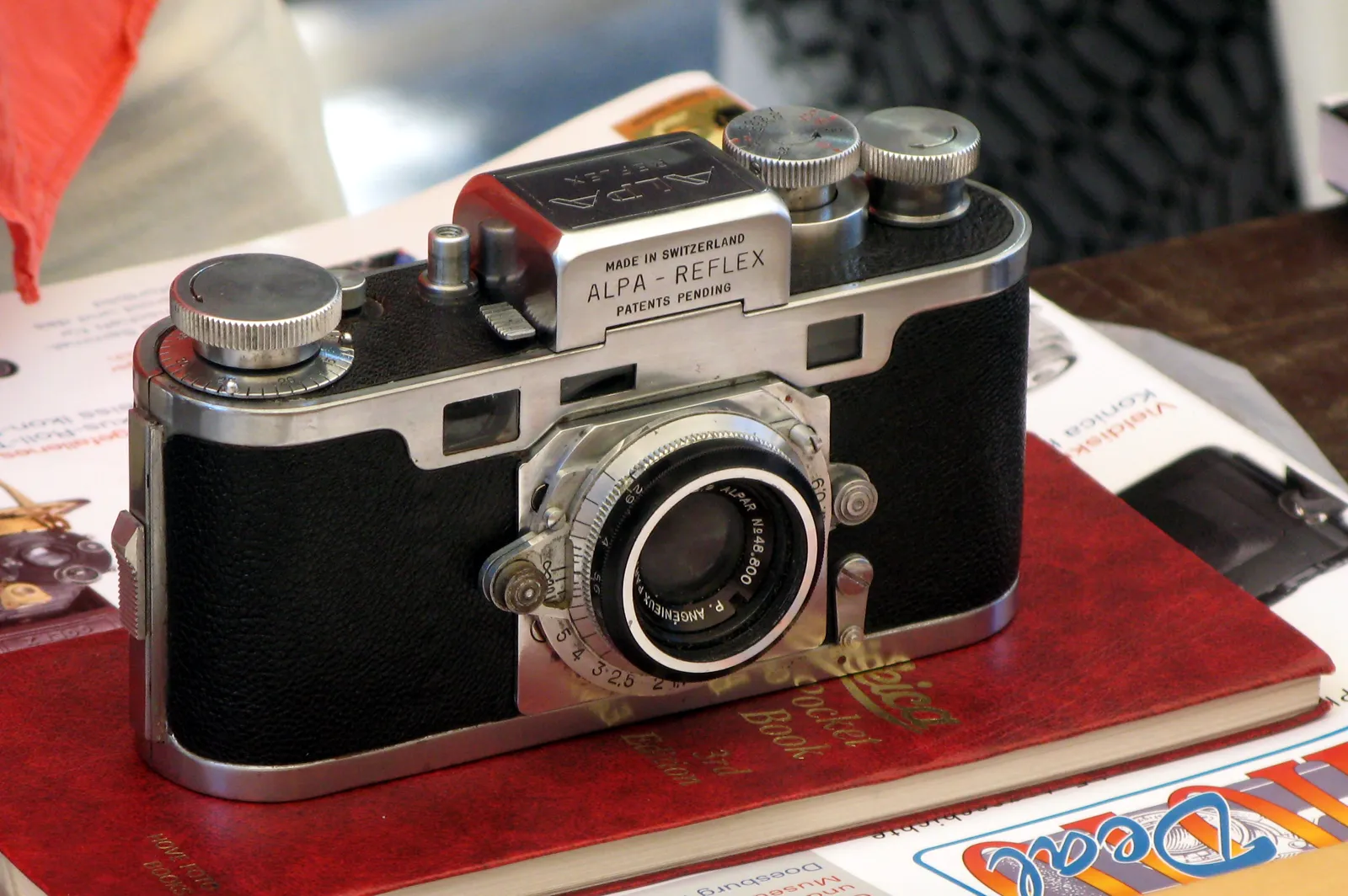
The Rectaflex sold, but the factory in Rome could not keep up. By 1952 fewer than 5,000 cameras had been made. Corsi was moved aside, and a new manager, Leon Baume, took over sales. He won a huge order from the American armed forces, for 30,000 cameras.
But production fell behind, and the army withdrew after about 1,500 cameras had been delivered. With slow deliveries and stronger competitors, the investors stopped financing the company, and the Rectaflex factory in Rome went bankrupt in 1955.
1956–today
A prince in Liechtenstein
In the museum
Corsi kept improving his design on his own. In 1956 Prince Francis Joseph II of Liechtenstein bought what remained of the company and moved production to Vaduz, the capital of the small principality. Only a few hundred cameras were made there before the project was given up.
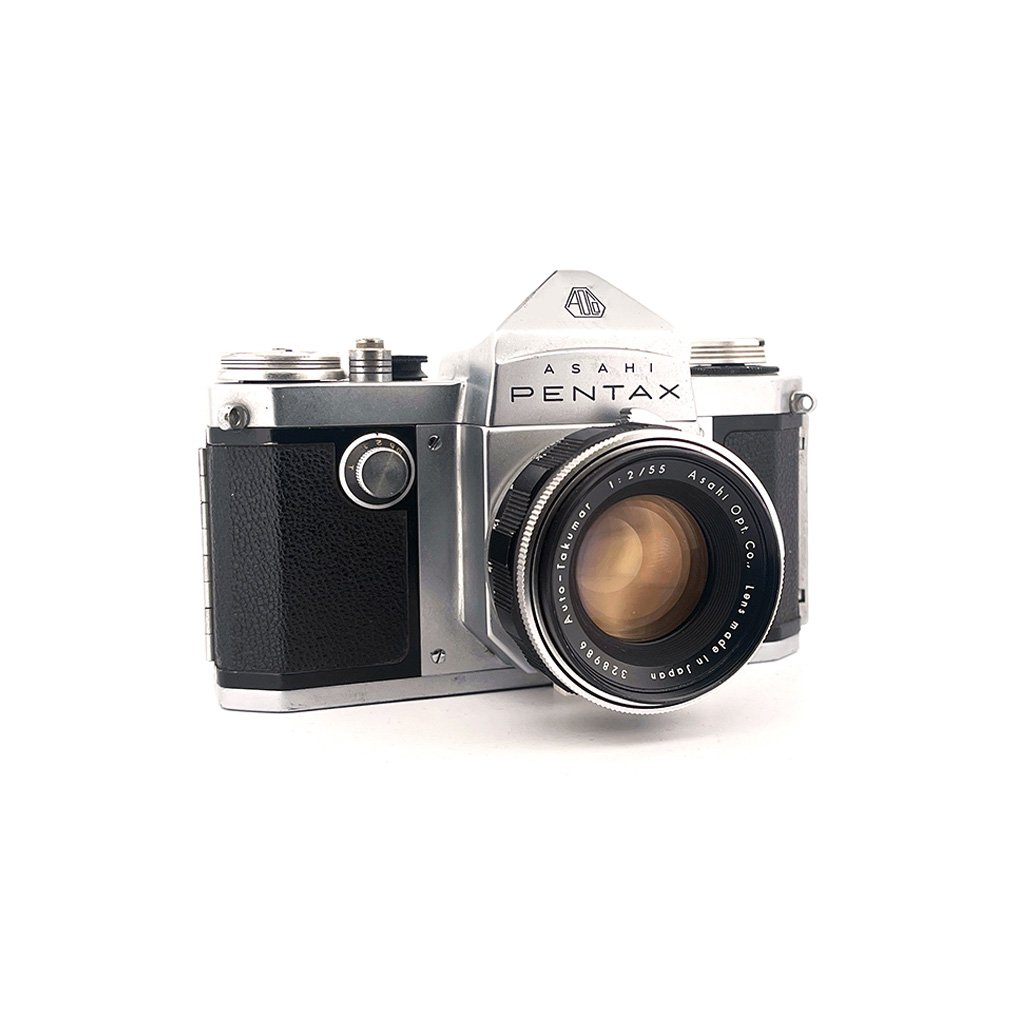
Telemaco Corsi died in 1978. His idea had won: from the Asahi Pentax of 1957 to the digital reflex cameras of today, almost every reflex camera has had a pentaprism or something like it above the mirror.
The people
Rectaflex at the 99 Cameras Museum
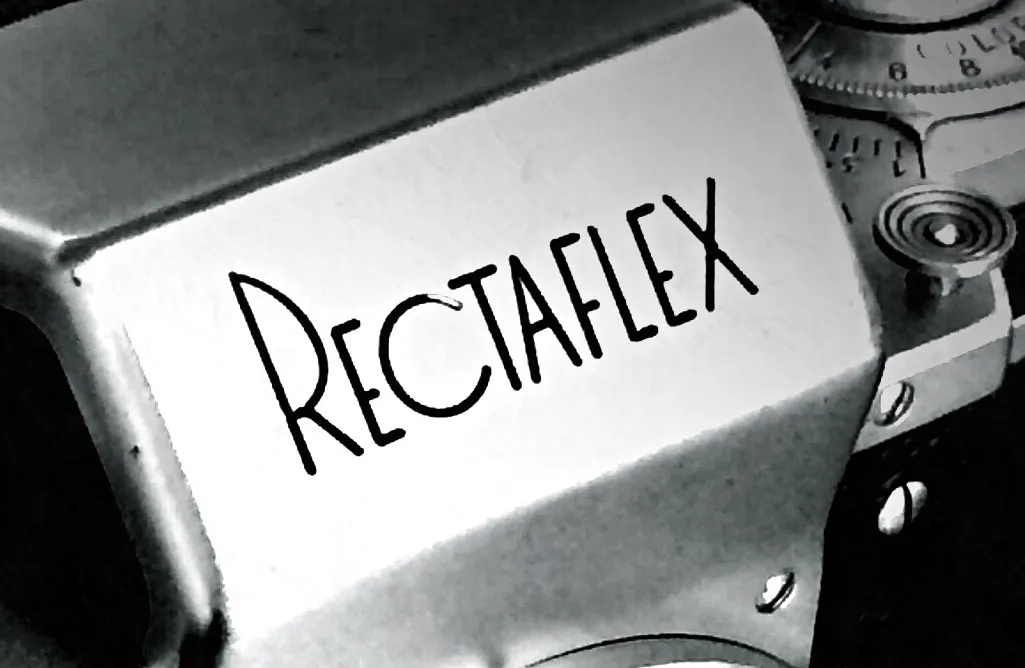
The Rectaflex of the 25000 series, with its shutter at 1/1300 of a second, is in the showcases of the museum in Paris. You can see it, and the other cameras of this story, in our online collection.
See the Rectaflex of the collection
Sources. Marco Antonetto, “Rectaflex, the Magic Reflex”; Wikipedia articles on the Rectaflex and the history of the single-lens reflex camera; Mike Eckman’s article on the Rectaflex. Some anecdotes come from oral tradition and are told as such.
Plan your visit
Visit is free and open to all
- Opening hoursMonday – Saturday : 10 – 17:30
- AddressStudio Harcourt, 6 Rue de Lota, 75116 Paris
- Exceptional closuresThursday, 26 November 2026