
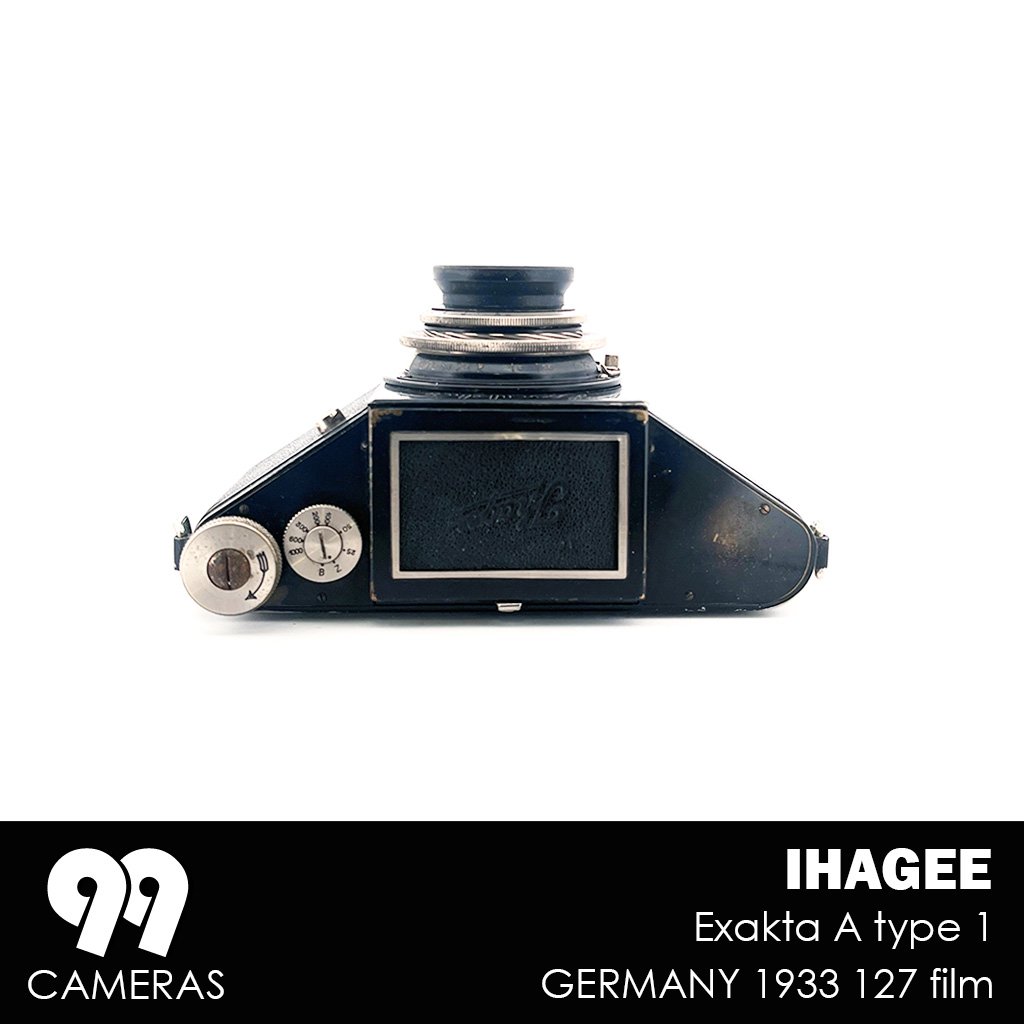
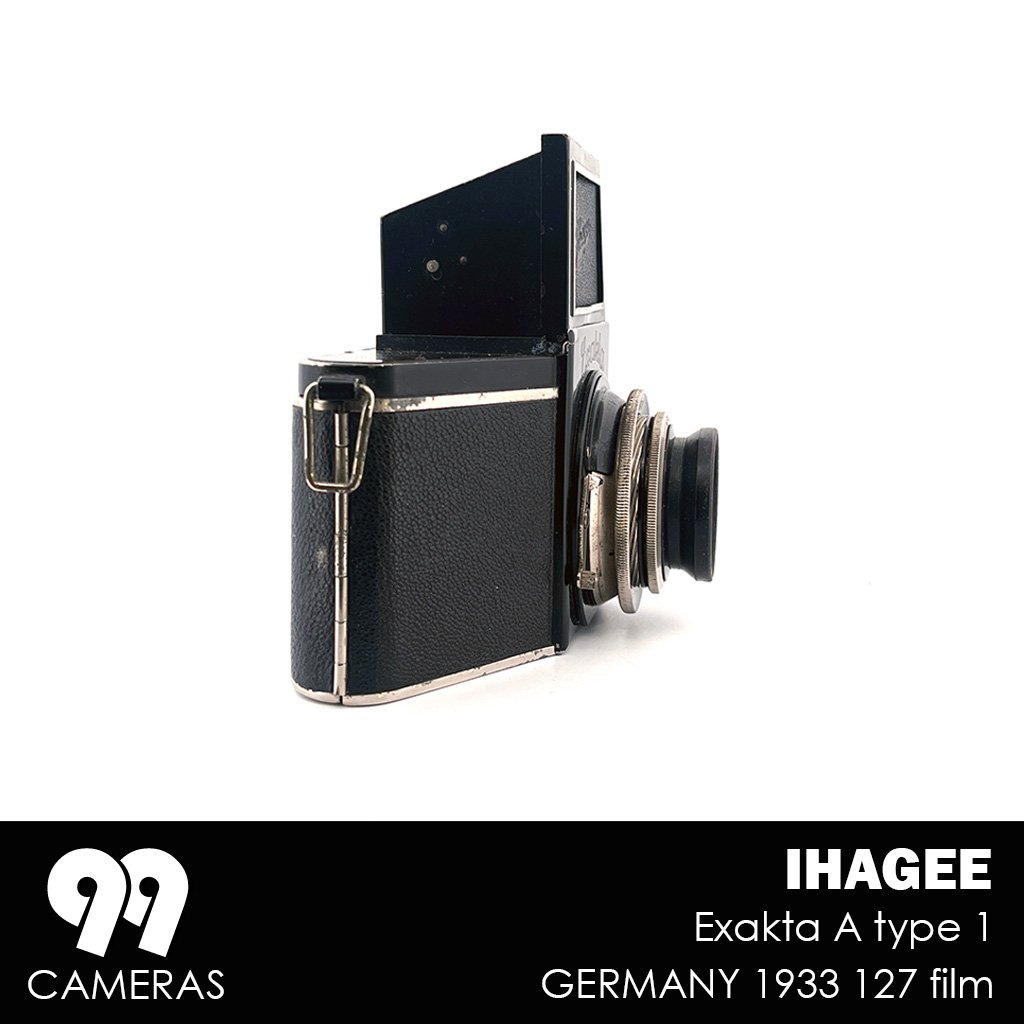
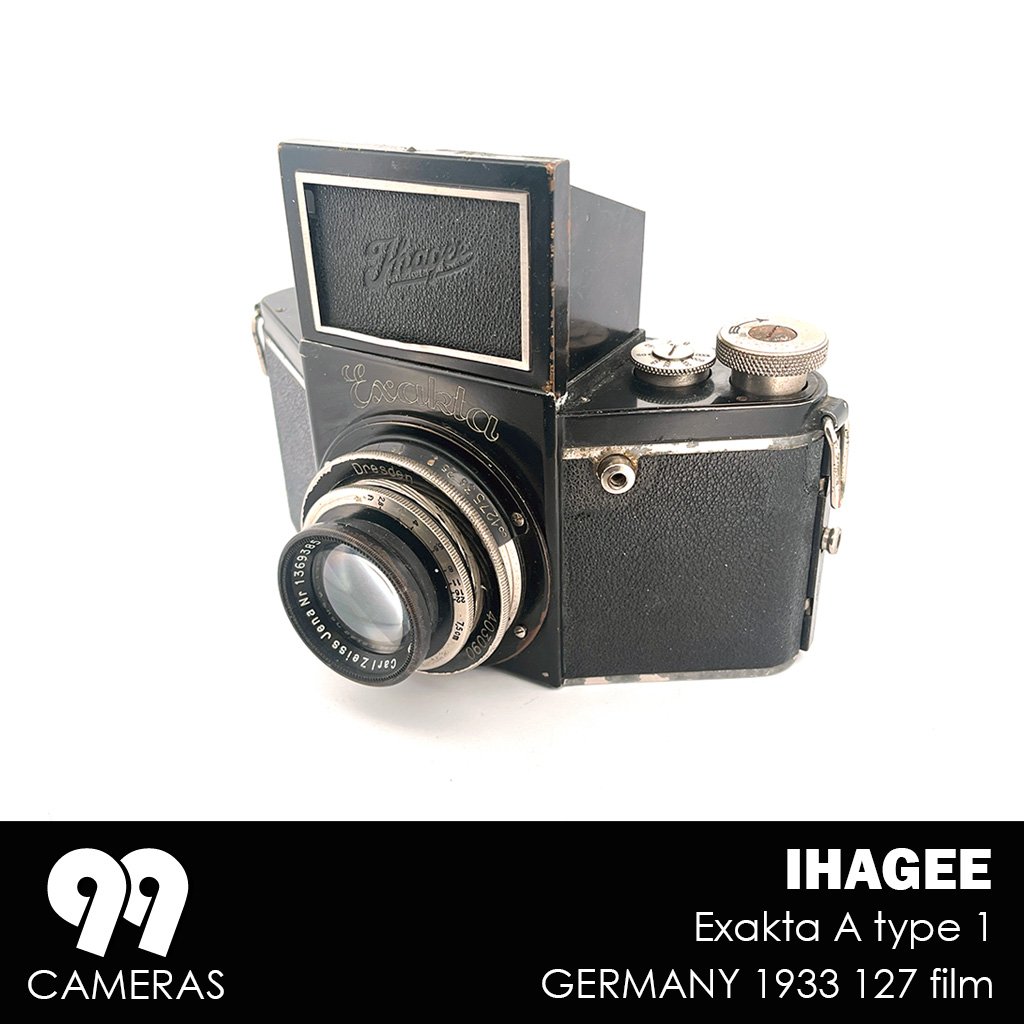
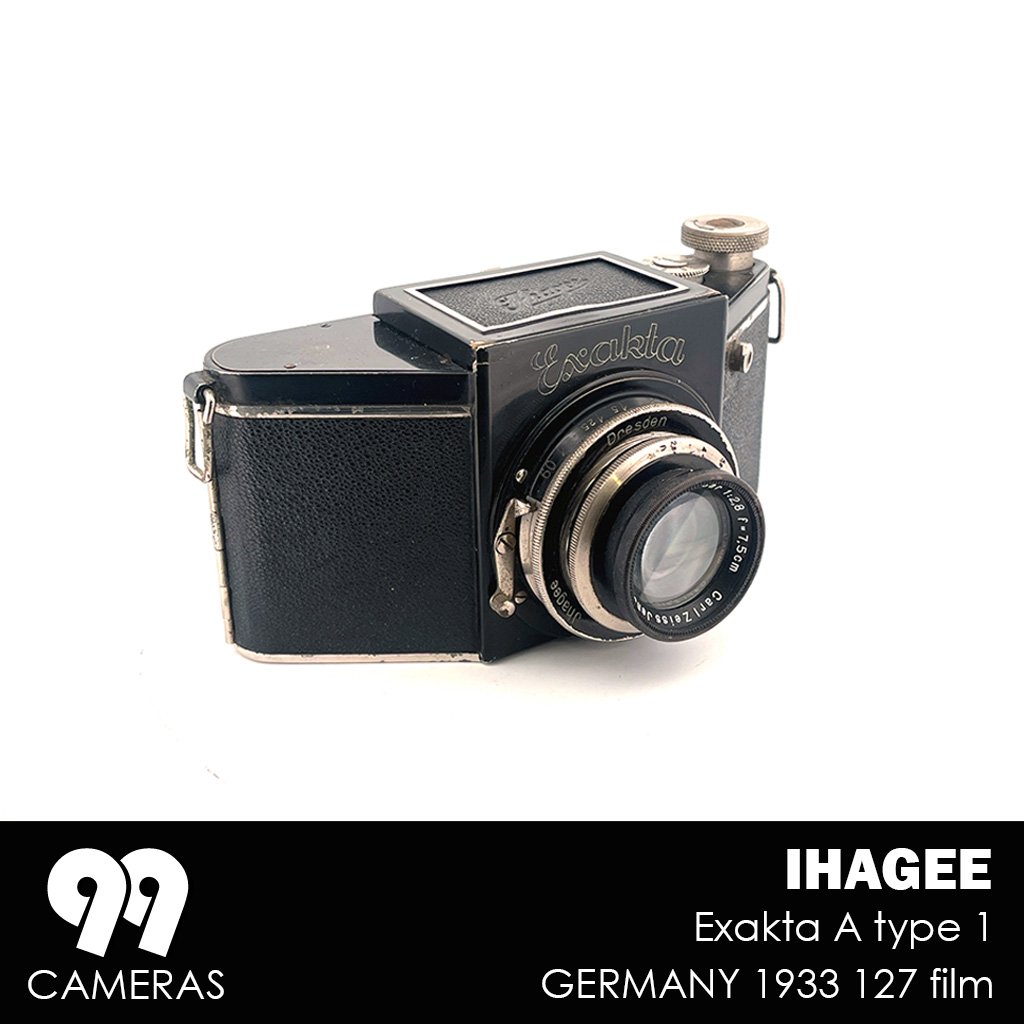
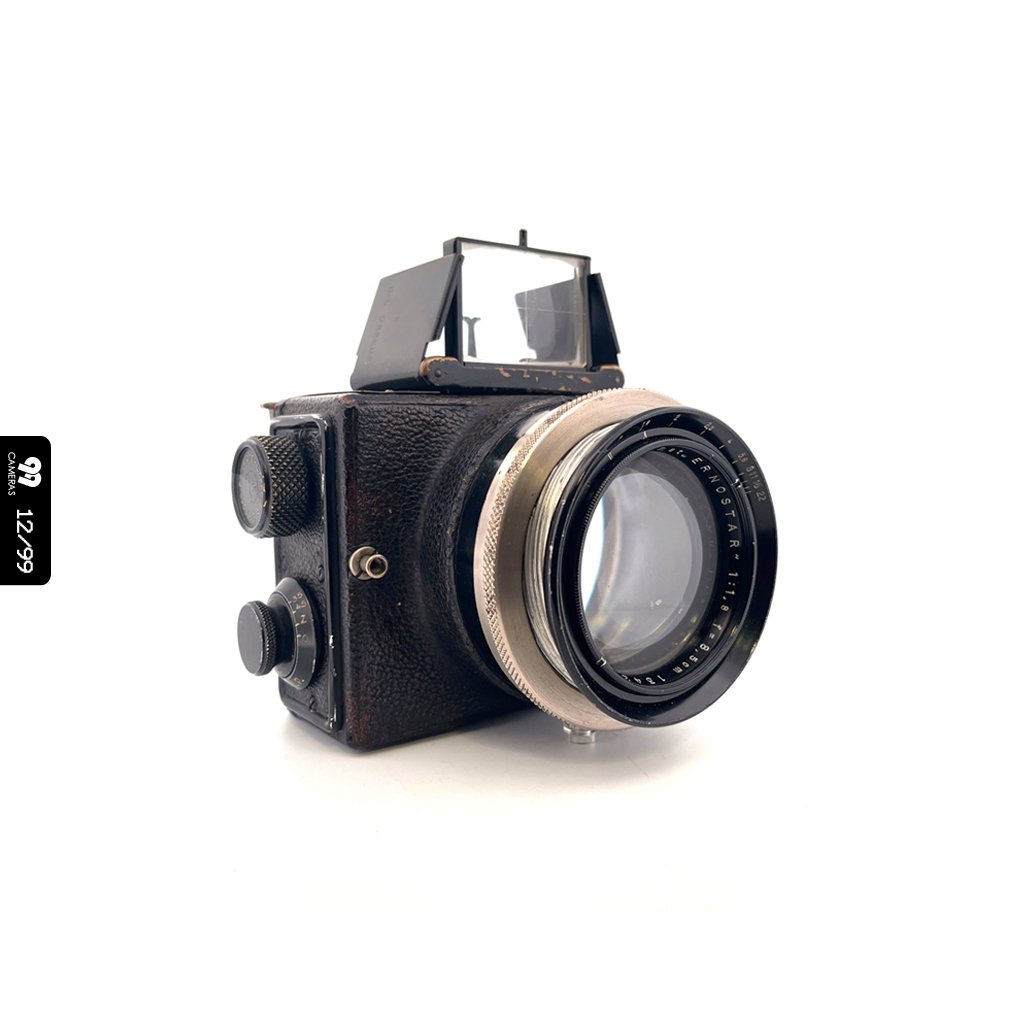
The Exakta A, produced from 1933 by Ihagee, a German camera manufacturer based in Dresden, is widely recognised as the first compact single-lens reflex (SLR) camera for roll film. It marked a massive shift in the way photographs were taken. In a camera this small, photographers could now frame their images exactly as they would appear on the film.
The Exakta is instantly recognisable thanks to its distinctive trapezoidal shape, which set it apart from many contemporaneous cameras. It was more compact, smaller, and more ergonomically designed than most of its peers. Despite this focus on ergonomics, the Exakta retained a substantial weight and a build quality comparable to that of a robust German tank.
What truly sets the Exakta line apart, however, is its remarkable history of innovation. It holds the distinction of being the first SLR camera designed for 127 roll film in 1933, followed in 1936 by the Kine Exakta, the first SLR for 35 mm film, itself closely followed by the Soviet GOMZ “Sport” of 1937. Another significant innovation was the introduction of a lever film winder, replacing the traditional winding knob. The Exakta was also the first camera to feature a built-in flash socket synchronised with the shutter release. Even its name, Exakta, was intended to signal the camera’s supposed absence of design flaws.
A famous appearance of the Exakta is in Alfred Hitchcock’s film Rear Window, where James Stewart’s character, a professional photographer, utilizes the camera to surreptitiously observe his potentially murderous neighbor.
The displayed model is an Exakta A type 1, making it one of the very first ever produced in 1933.
This camera was upgraded
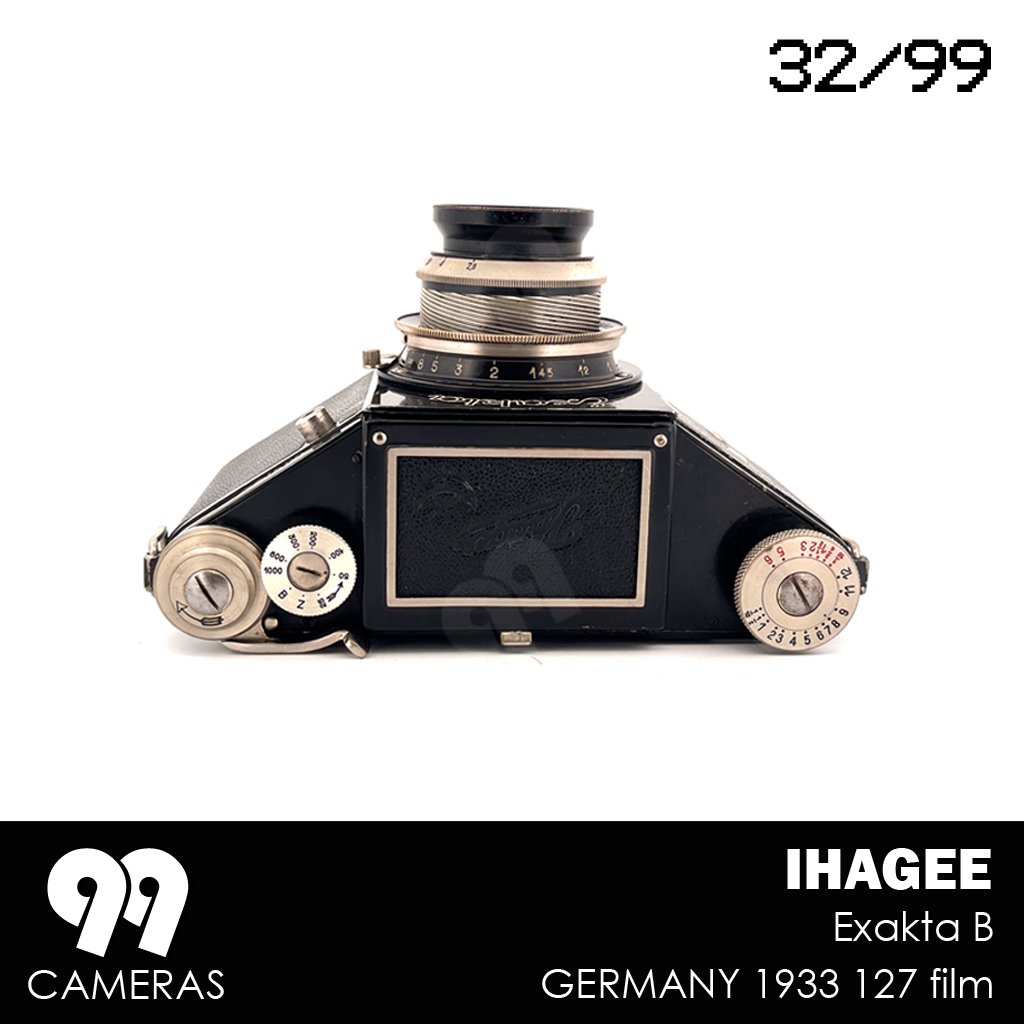
Before displaying the Exakta A, the museum was exposing a slightly later version, the Exakta B which offered innovations such as a flash port and a charging lever.
Gallery
11






More from The Pioneers
Discover the collection
Plan your visit
Visit is free and open to all
- Opening hoursMonday – Saturday : 10 – 17:30
- AddressStudio Harcourt, 6 Rue de Lota, 75116 Paris
- Exceptional closuresThursday, 15 October 2026Wednesday, 21 October 2026Wednesday, 28 October 2026Thursday, 29 October 2026Friday, 30 October 2026Saturday, 31 October 2026