
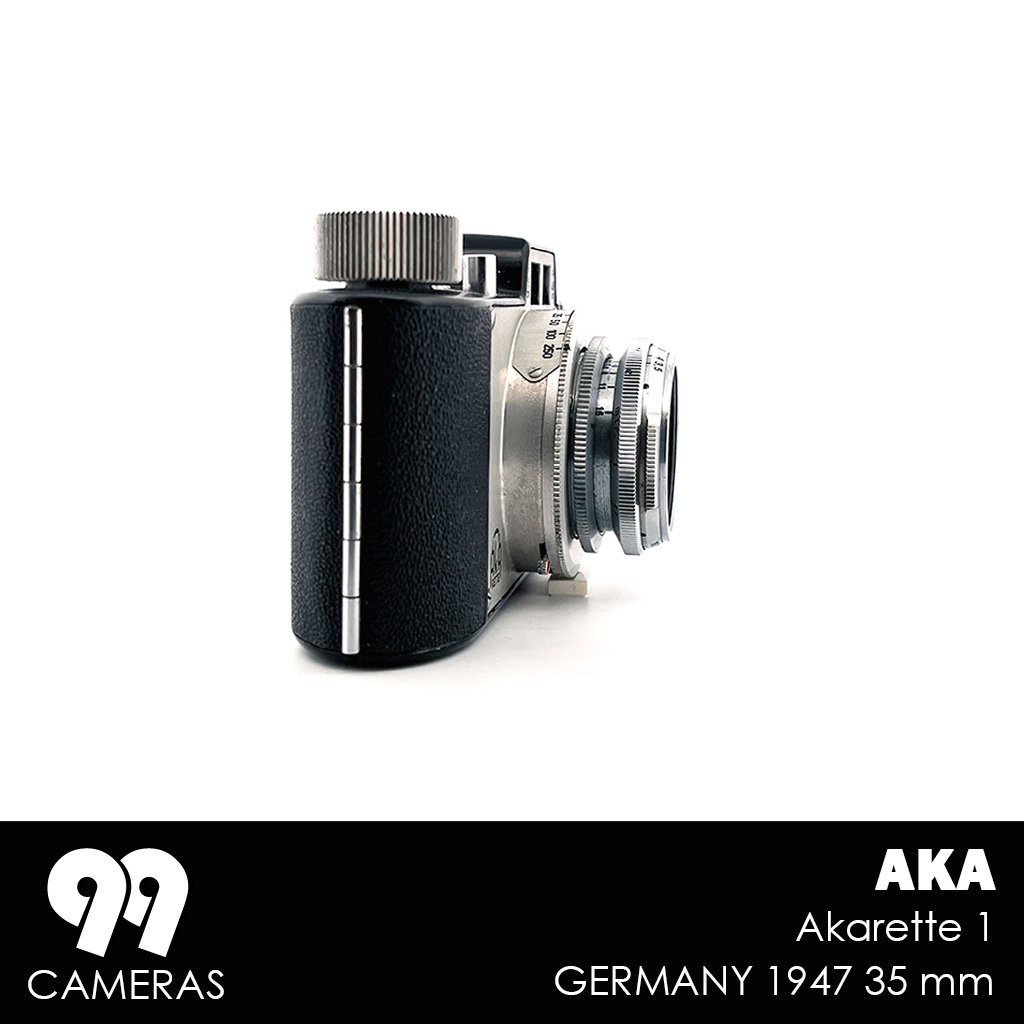
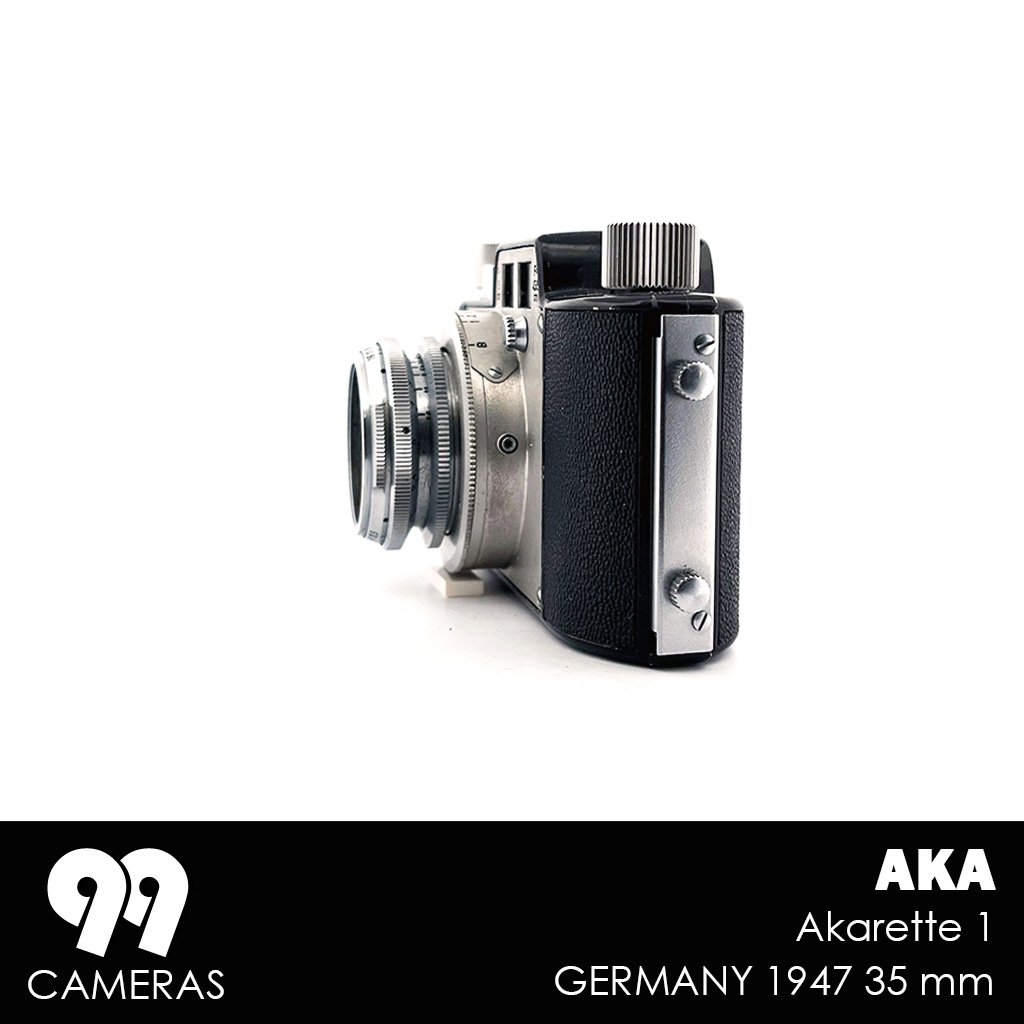
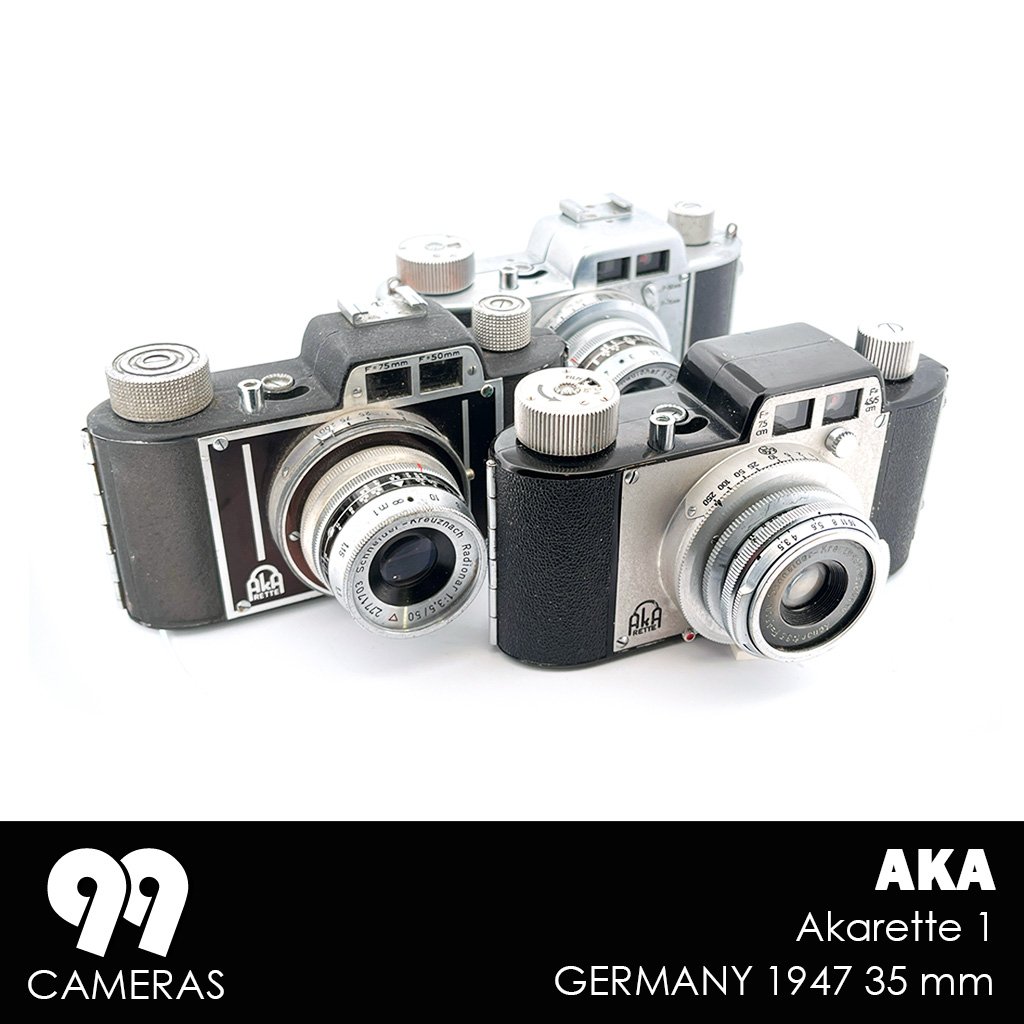
Akarette 1
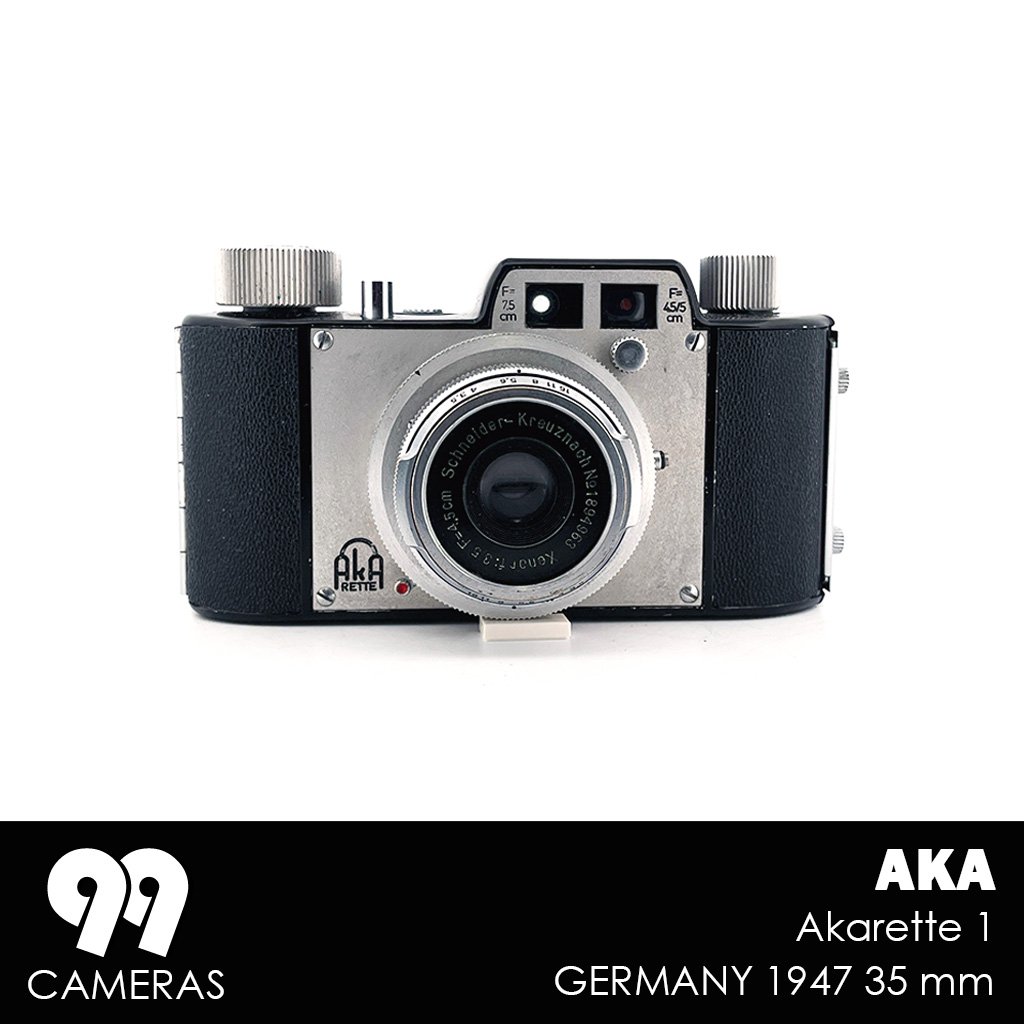
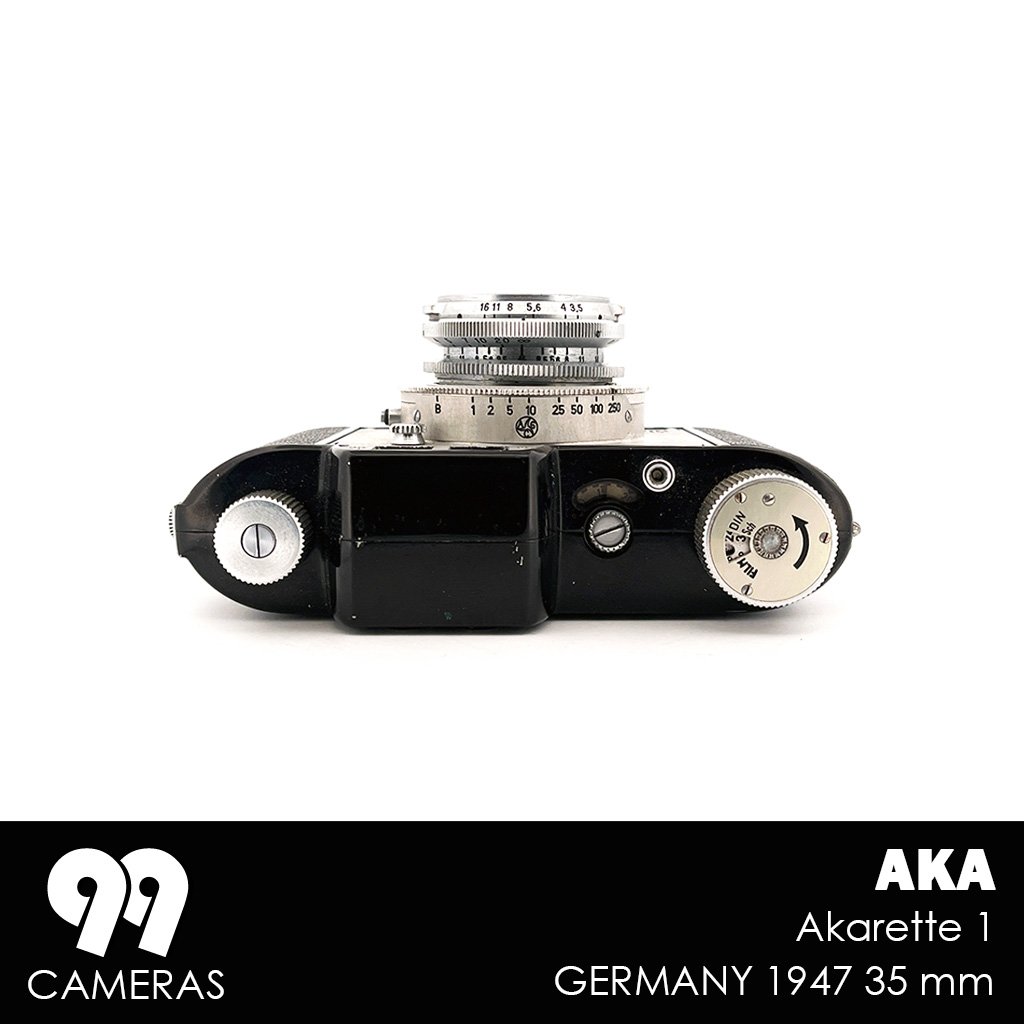
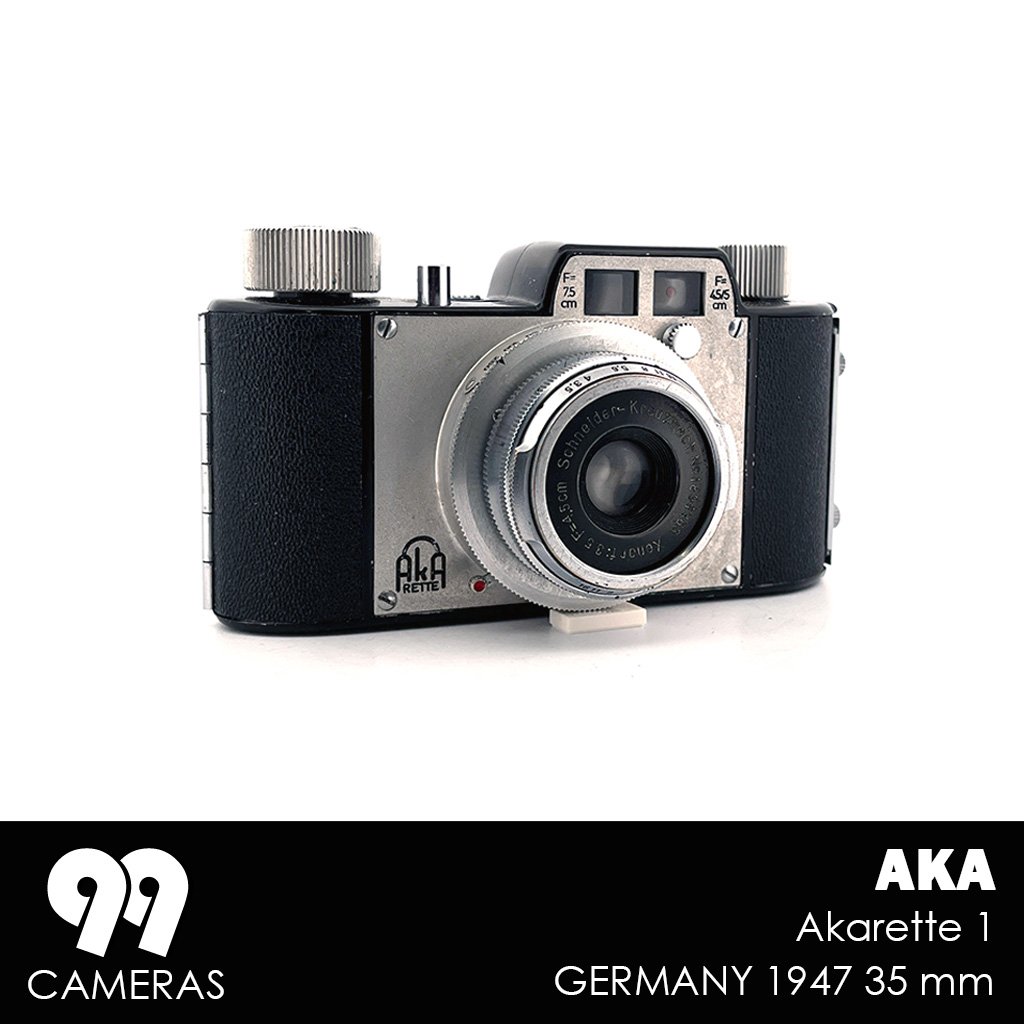
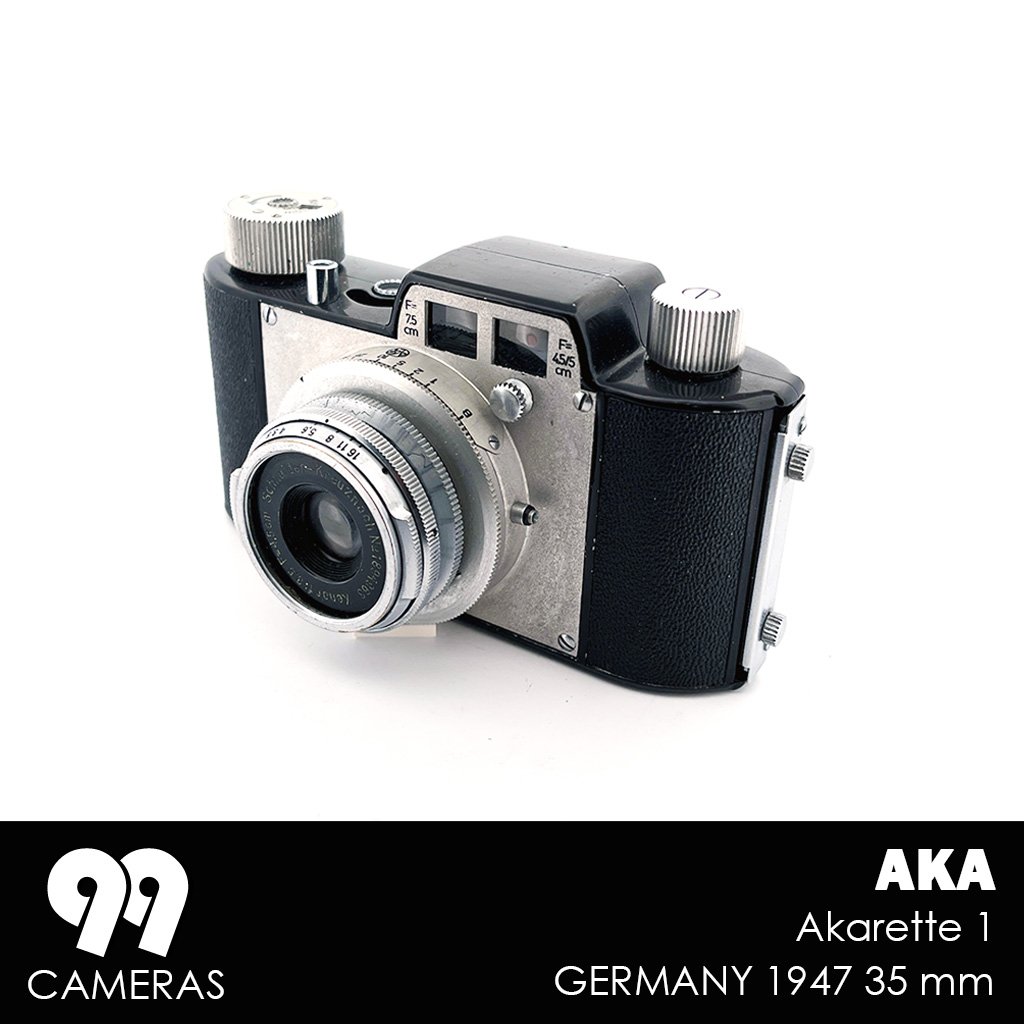
The Akarette I, introduced in 1947 by Apparate & Kamerabau (AkA), was the original and earliest model of the Akarette line, preceding the more widely encountered Akarette II. Designed just after WWII by the Armbruster brothers, it featured advanced elements for its time, including interchangeable lenses, dedicated viewfinders and automatic shutter cocking, capabilities usually associated with prestigious cameras such as the Leica III and Contax II.
However, this technical sophistication came at a price. In the fragile postwar German economy, the Akarette I was considered highly expensive, and its lenses were particularly costly and difficult to access. To broaden its market appeal, Aka introduced a simplified and more affordable model in 1950, the Akarette 0, specifically aimed at reducing production costs while maintaining the core concept.
Only after this cost-reduction effort did the Akarette II appear as a refined continuation of the line. Because the Akarette I was produced earlier, in smaller numbers, and during a challenging economic period, it remains both rarer and historically more significant than the later Akarette II.
In the end, however, the brand lost its edge and stopped making cameras around 1960.
This camera was upgraded
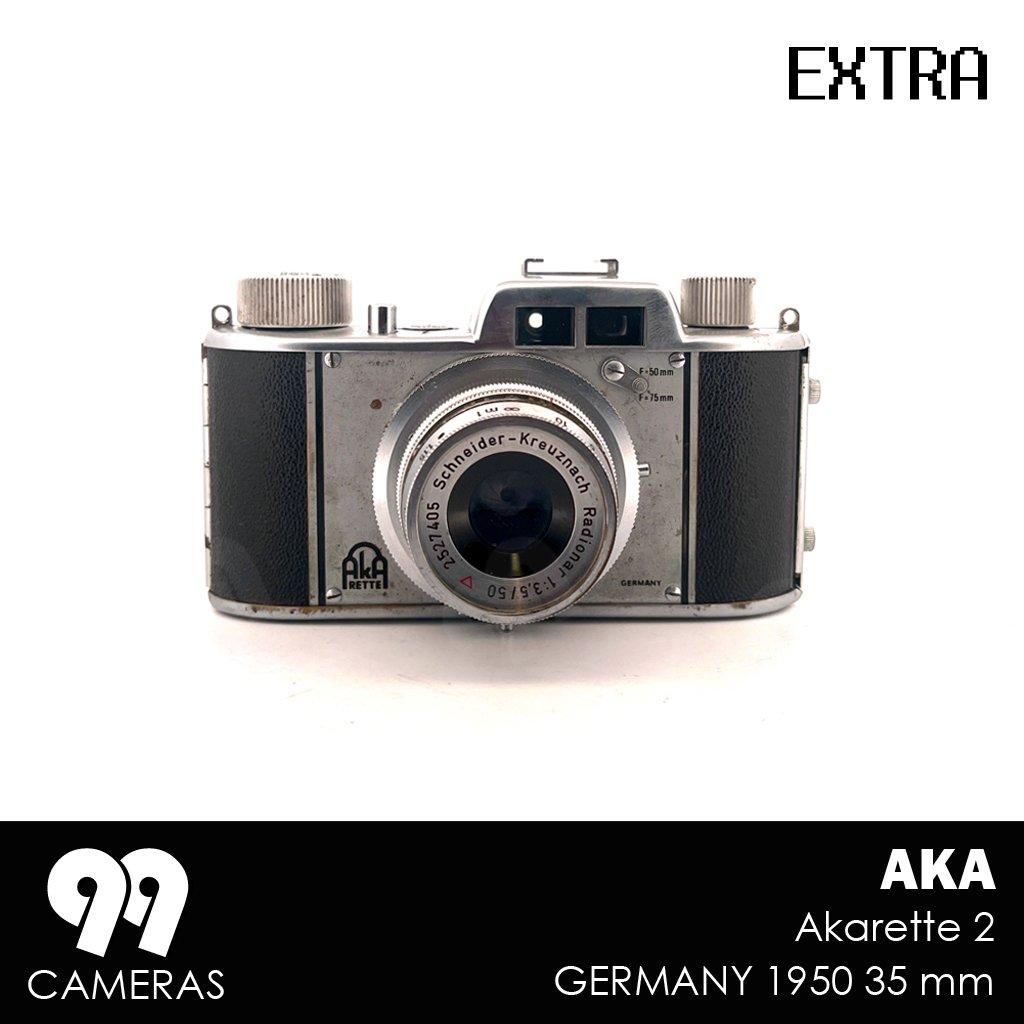
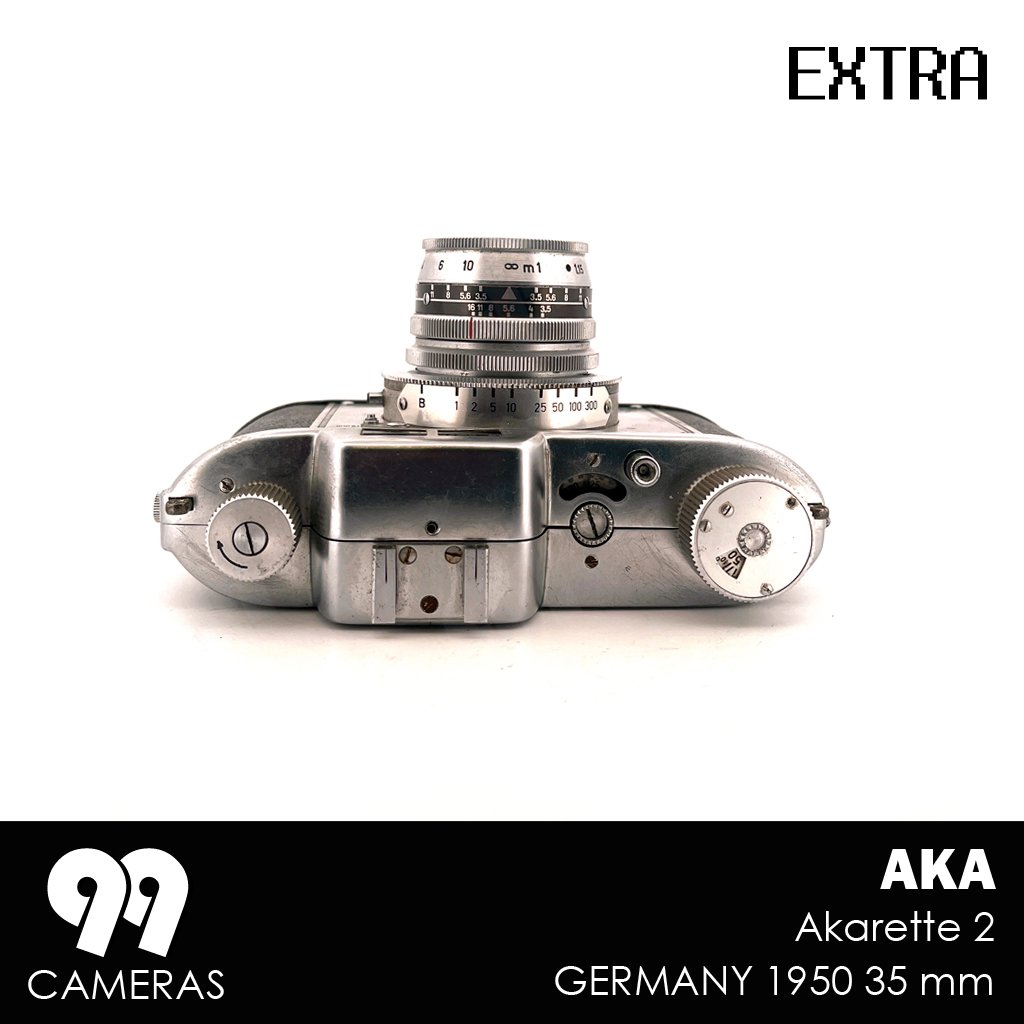
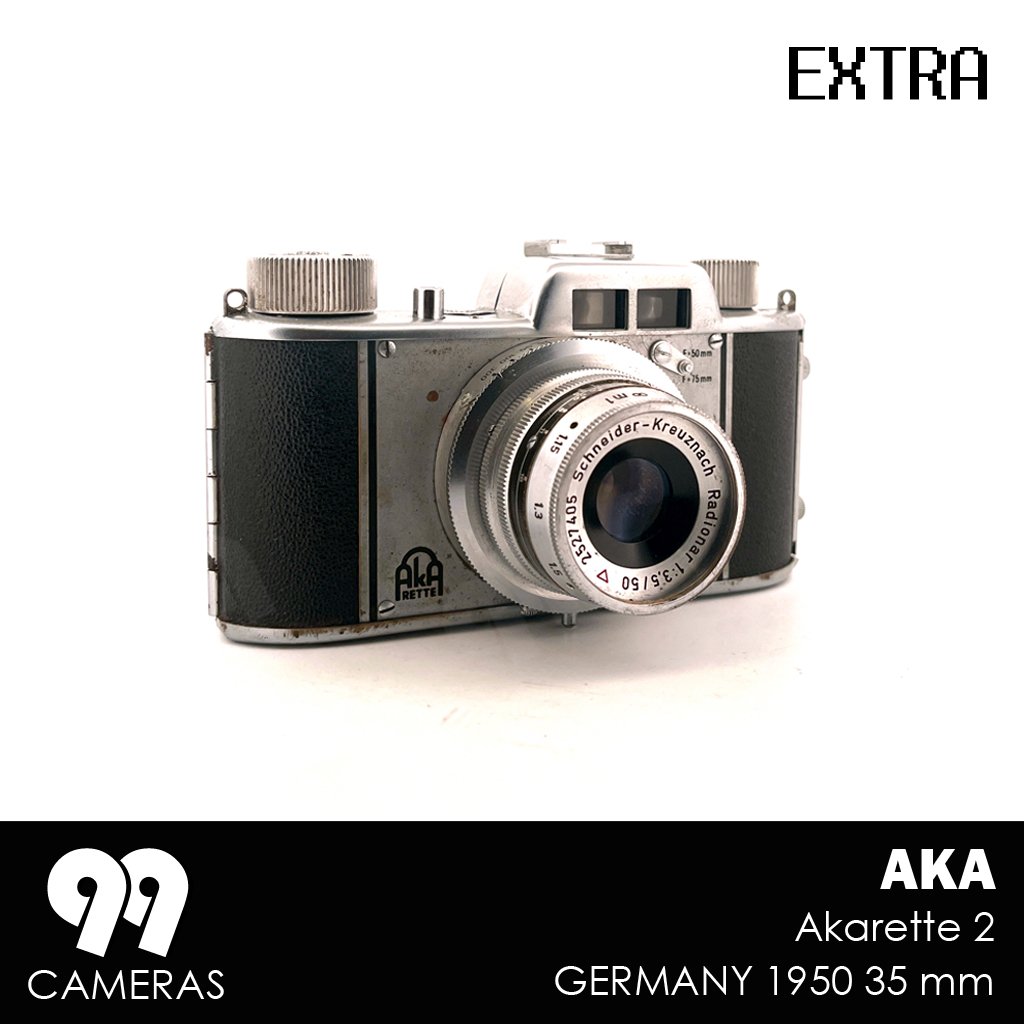
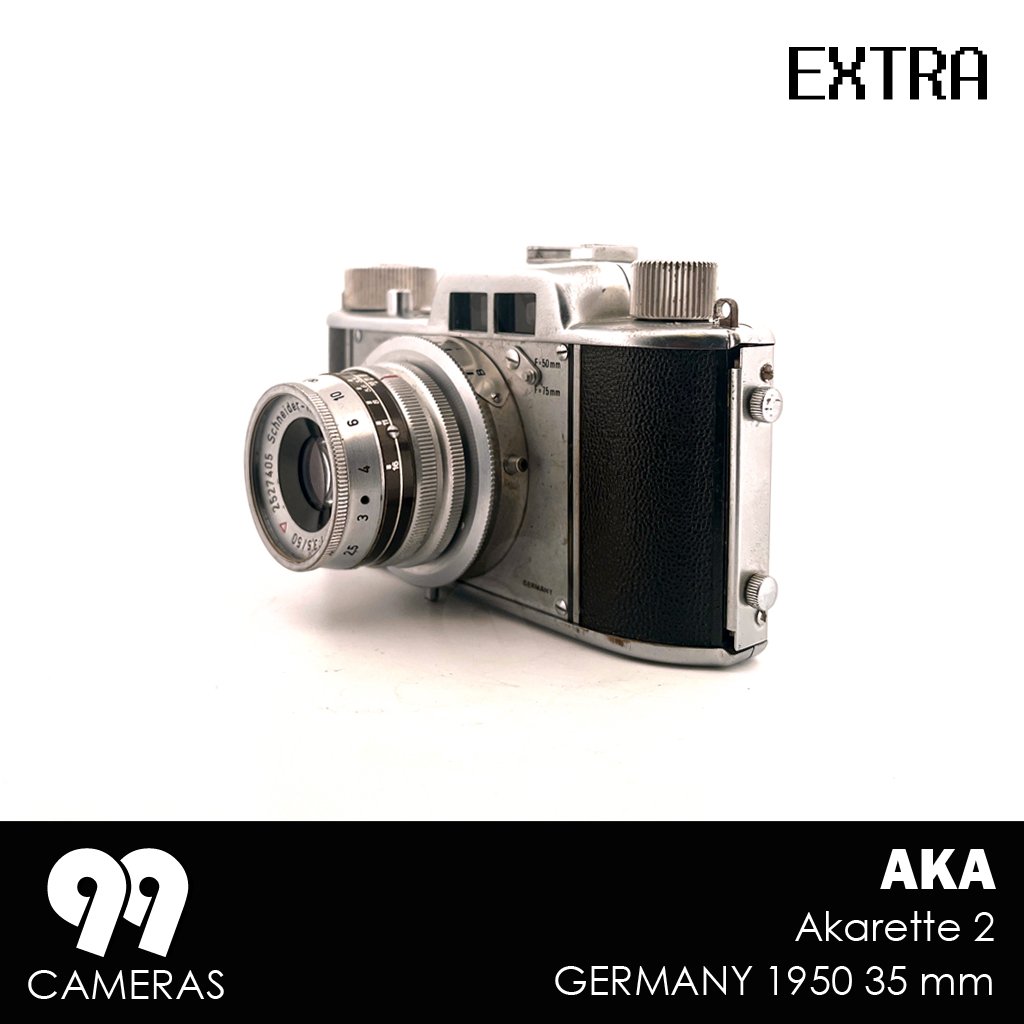
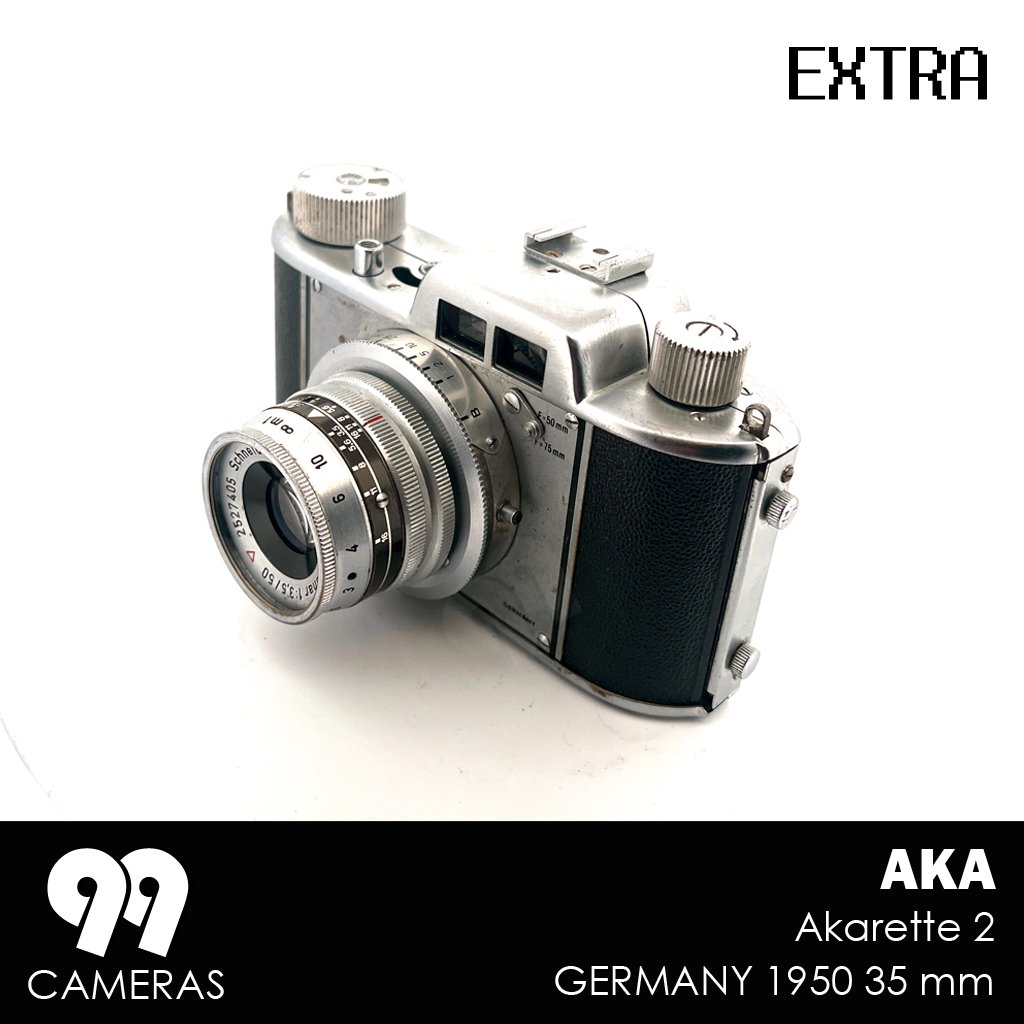
Before displaying the Akarette 1, the museum was exposing a slightly later version, the Akarette 2 which was a simplified model
Gallery
12
More from The Classics
Discover the collection
Plan your visit
Visit is free and open to all
- Opening hoursMonday – Saturday : 10 – 17:30
- AddressStudio Harcourt, 6 Rue de Lota, 75116 Paris
- Exceptional closuresFriday, 9 October 2026Saturday, 10 October 2026Sunday, 11 October 2026