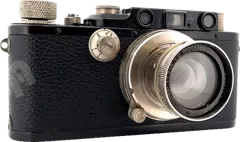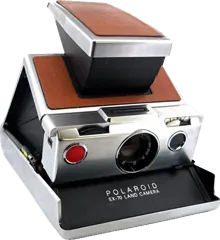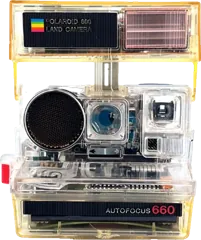
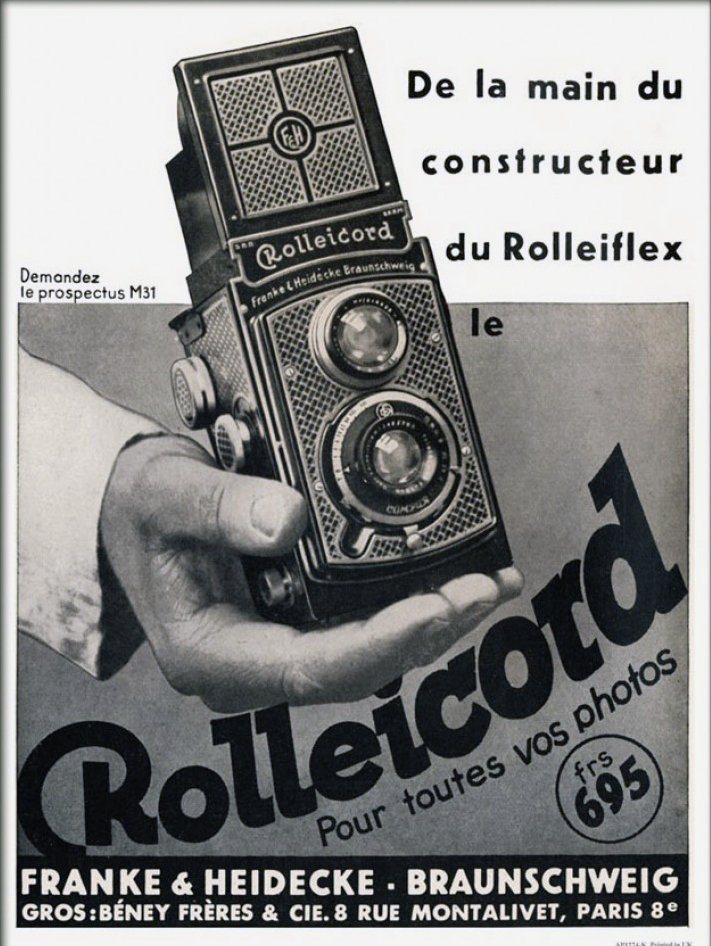
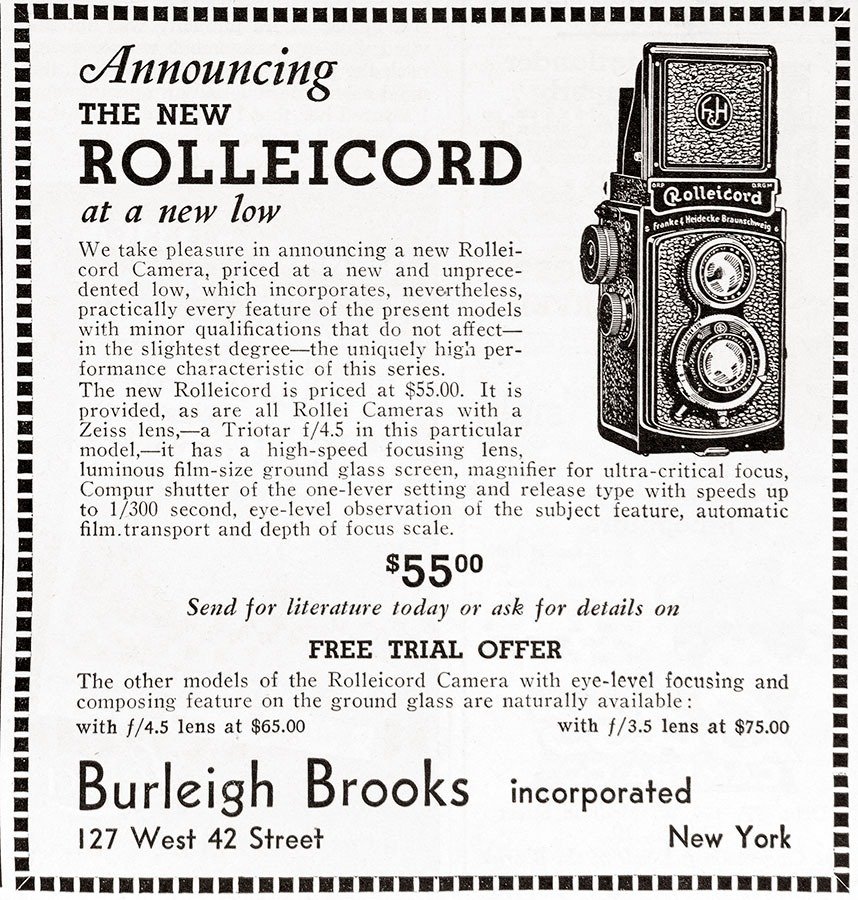
The Rolleicord I was introduced in November 1933 by Rollei (Franke & Heidecke)
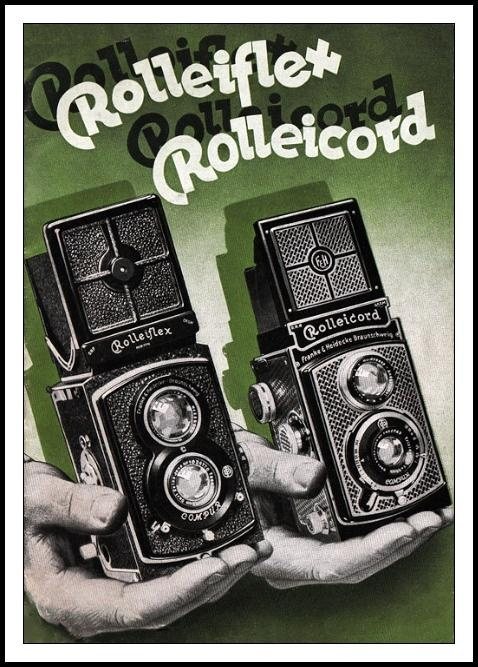
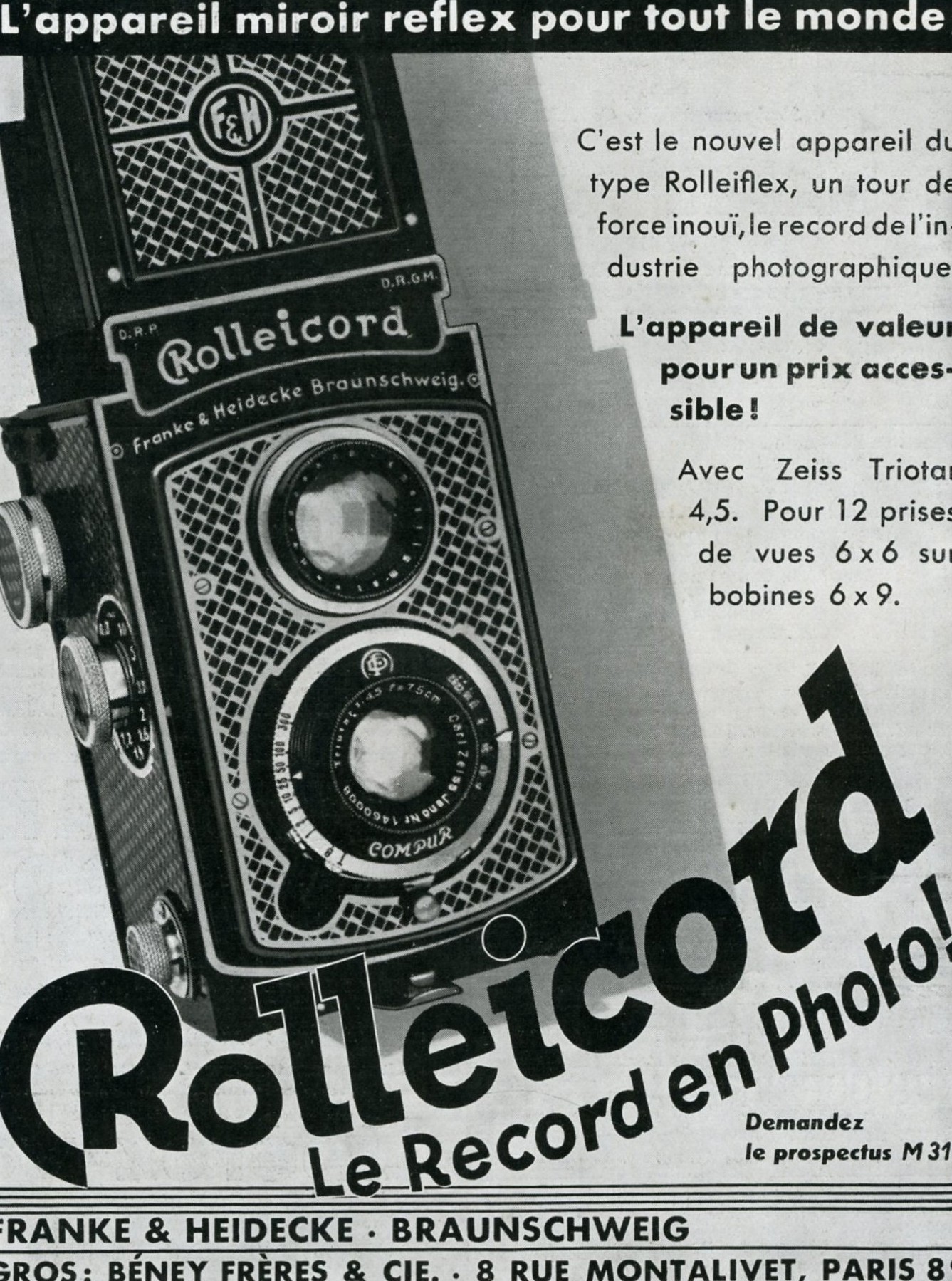
It was a simplified version of the Standard Rolleiflex, with a cheaper 75mm Zeiss Triotar lens and a knob instead of the crank for advancing the film. It aimed at bringing a larger crowd of amateur photographers to the brand, otherwise perceived as too expensive.
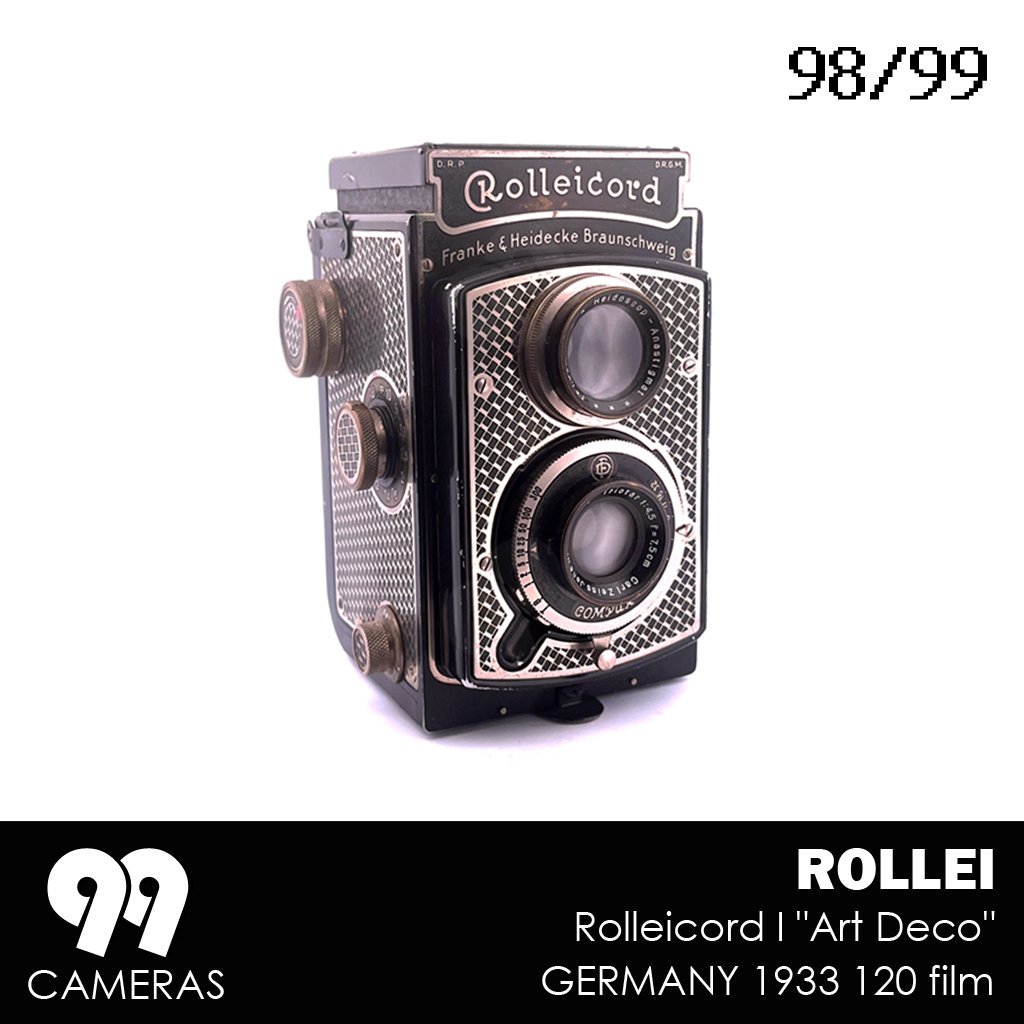
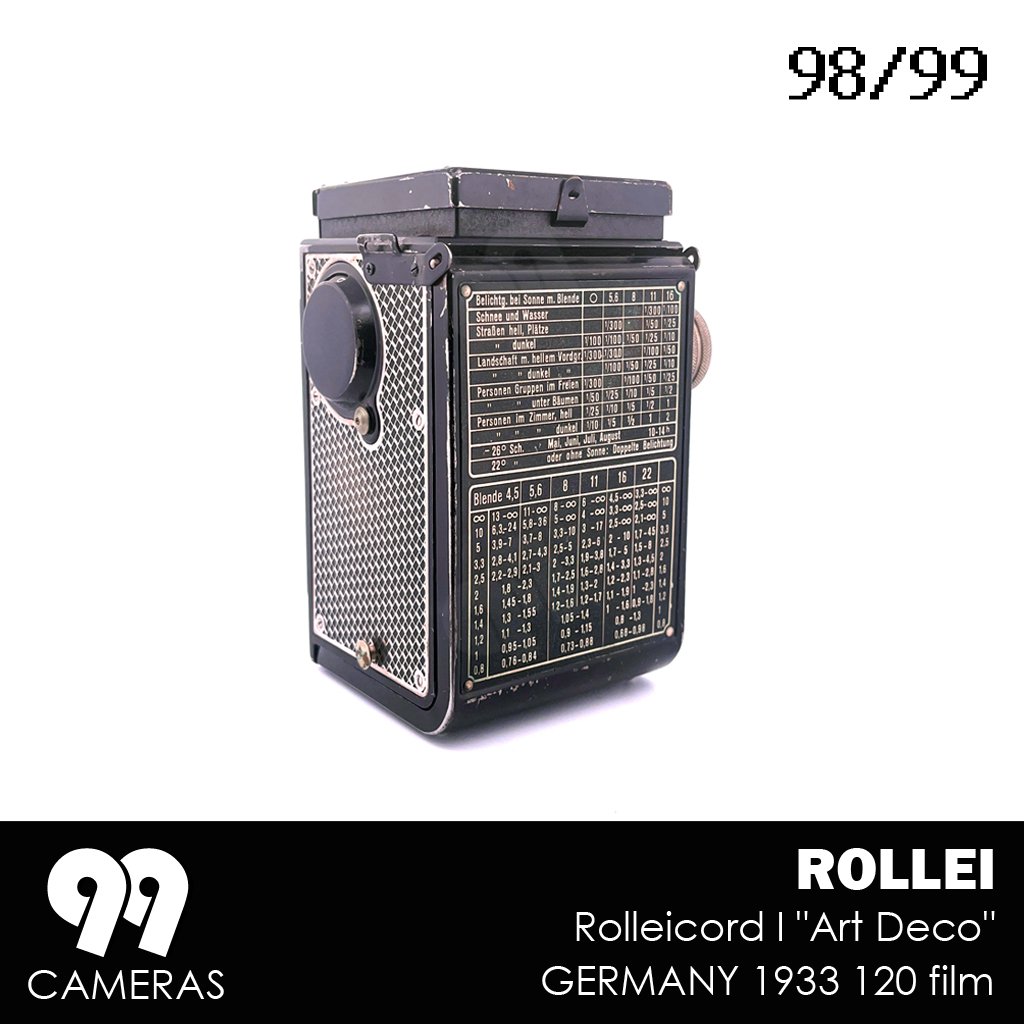
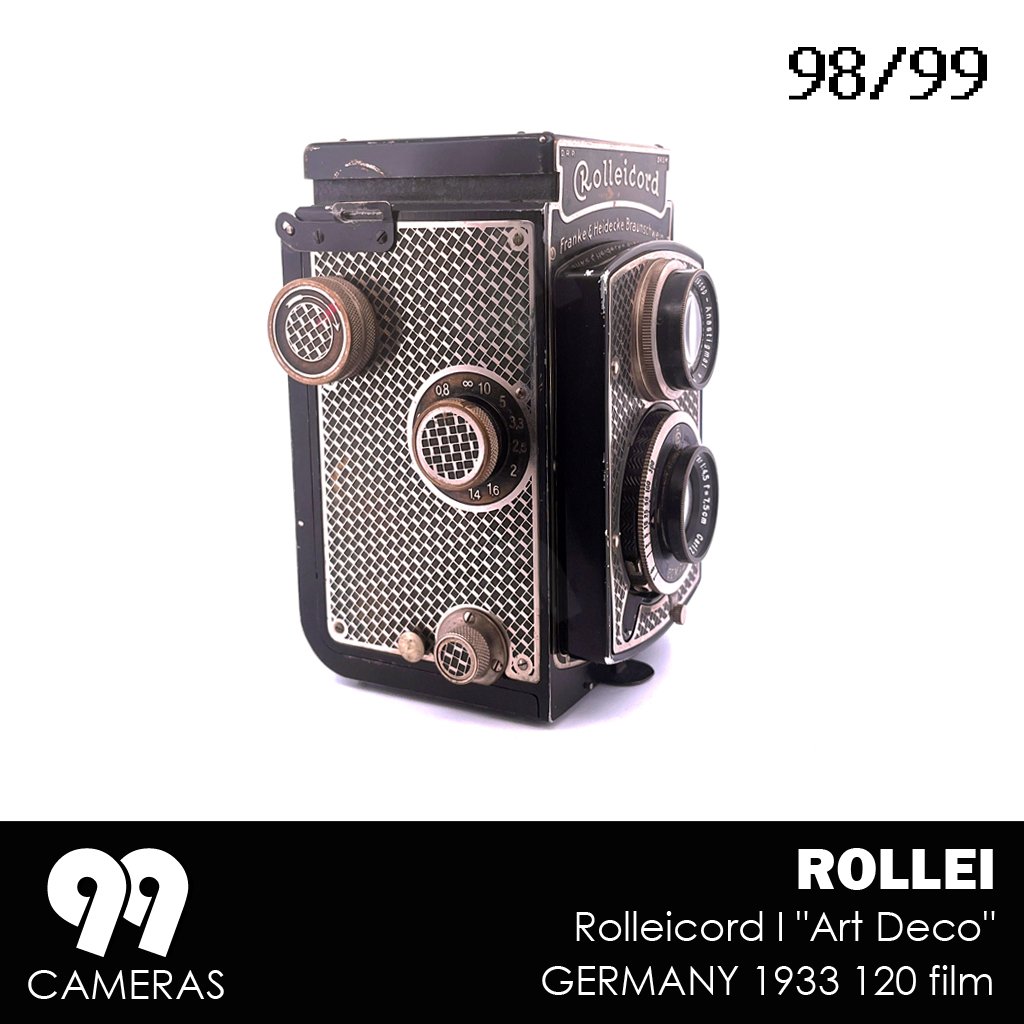
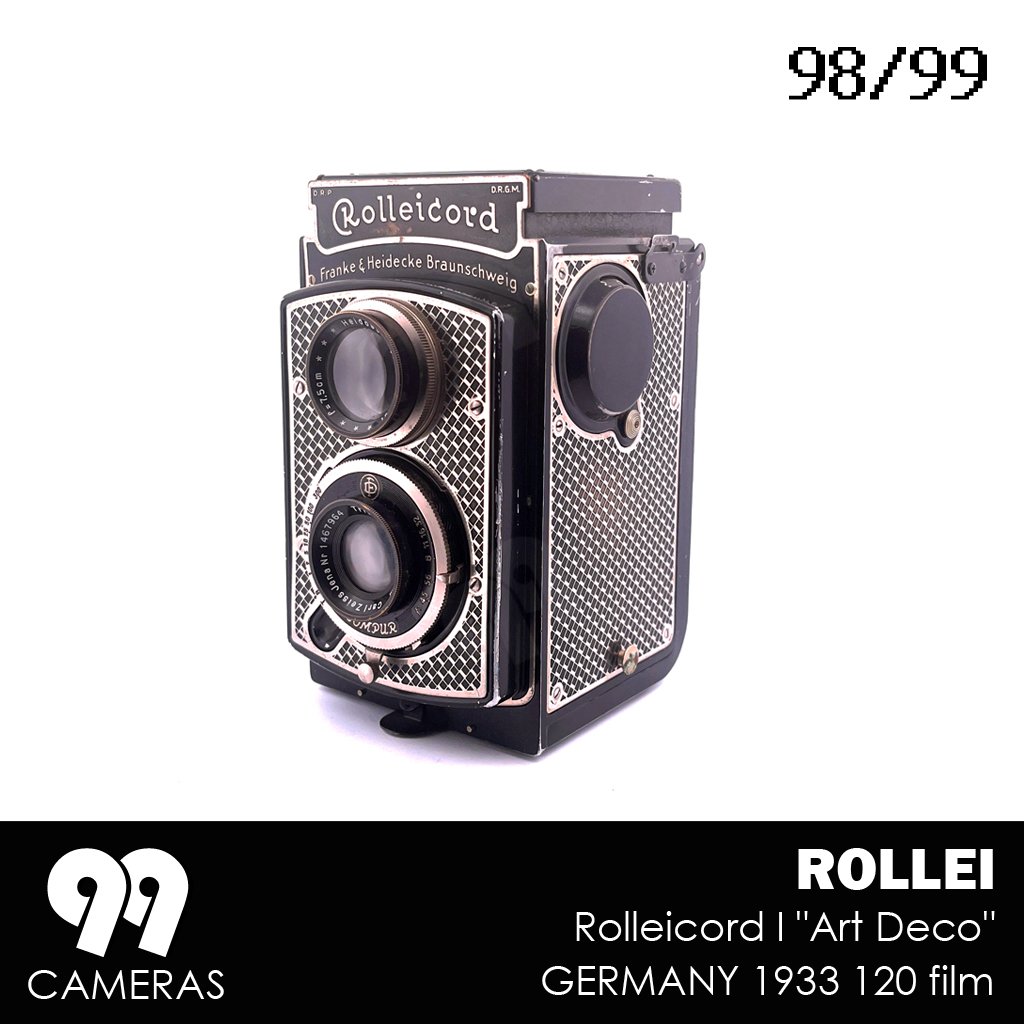
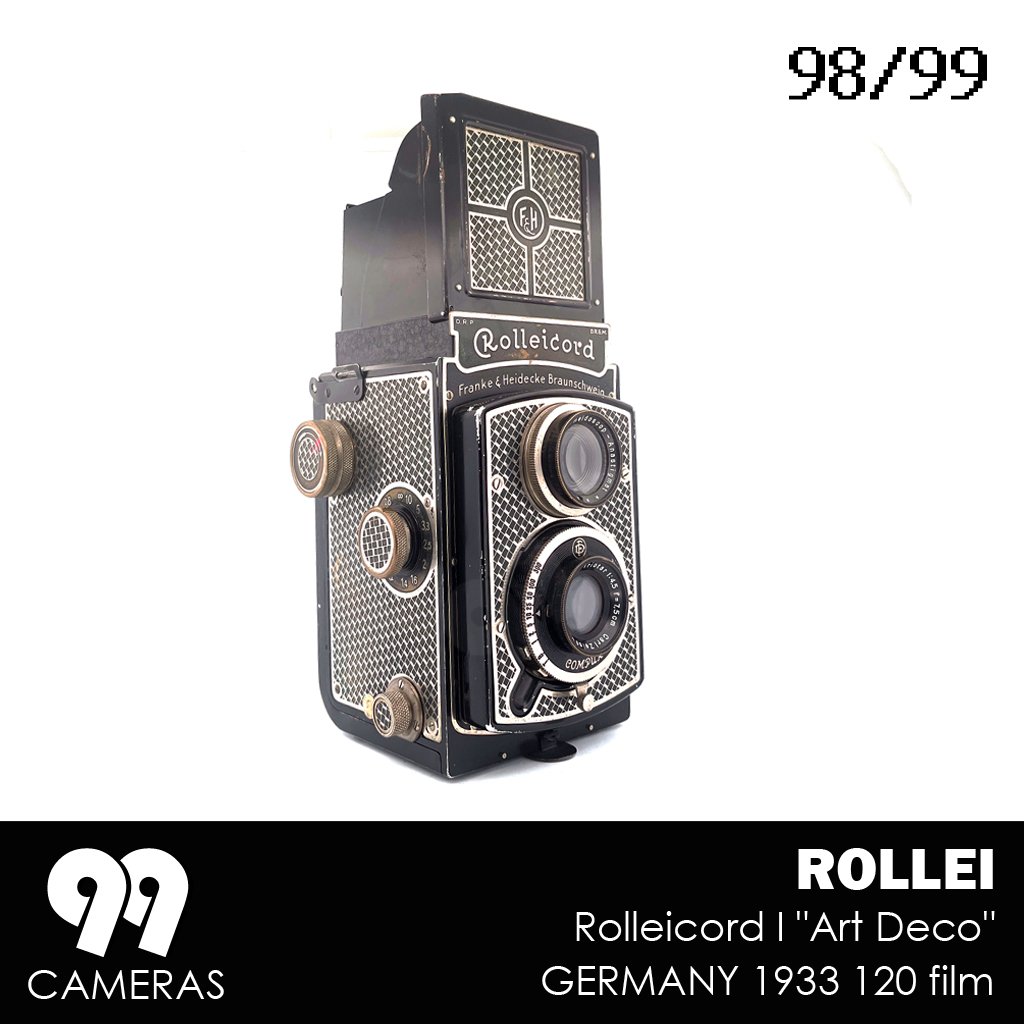
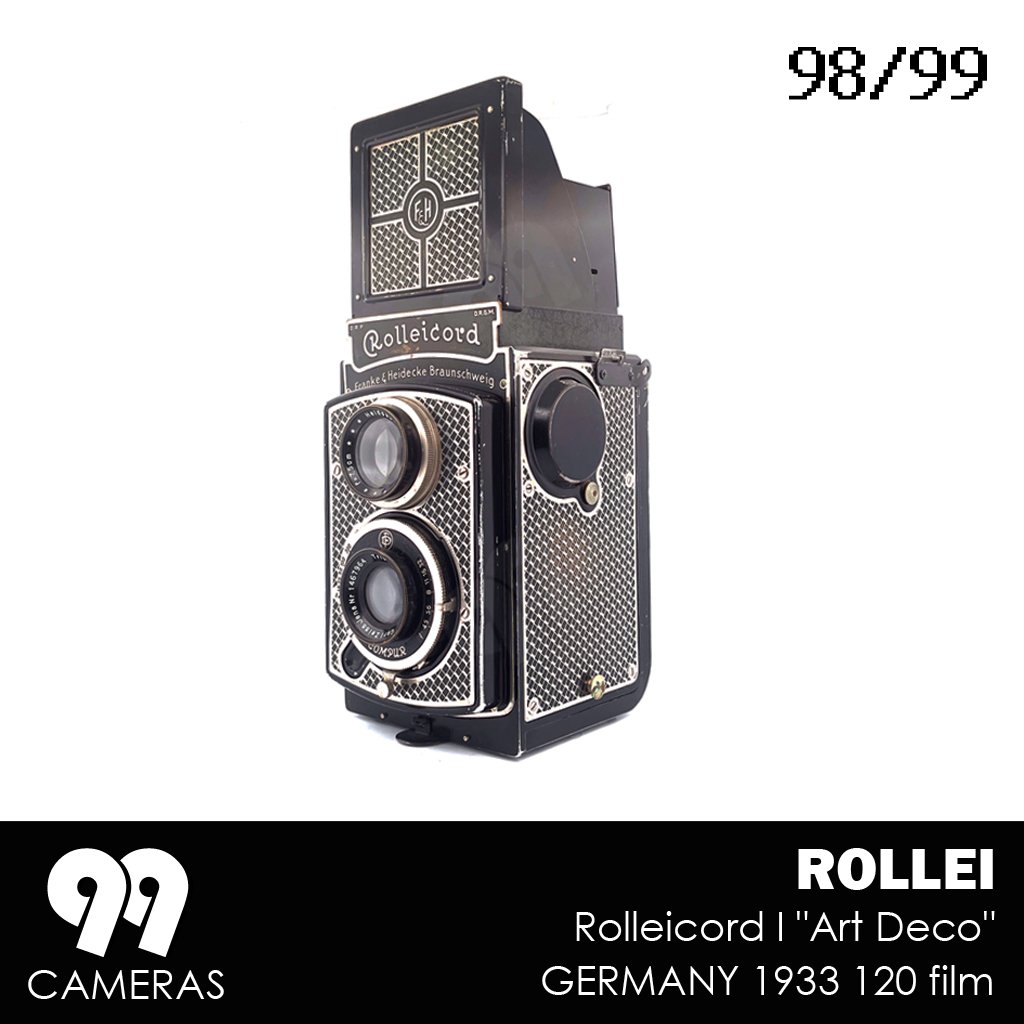
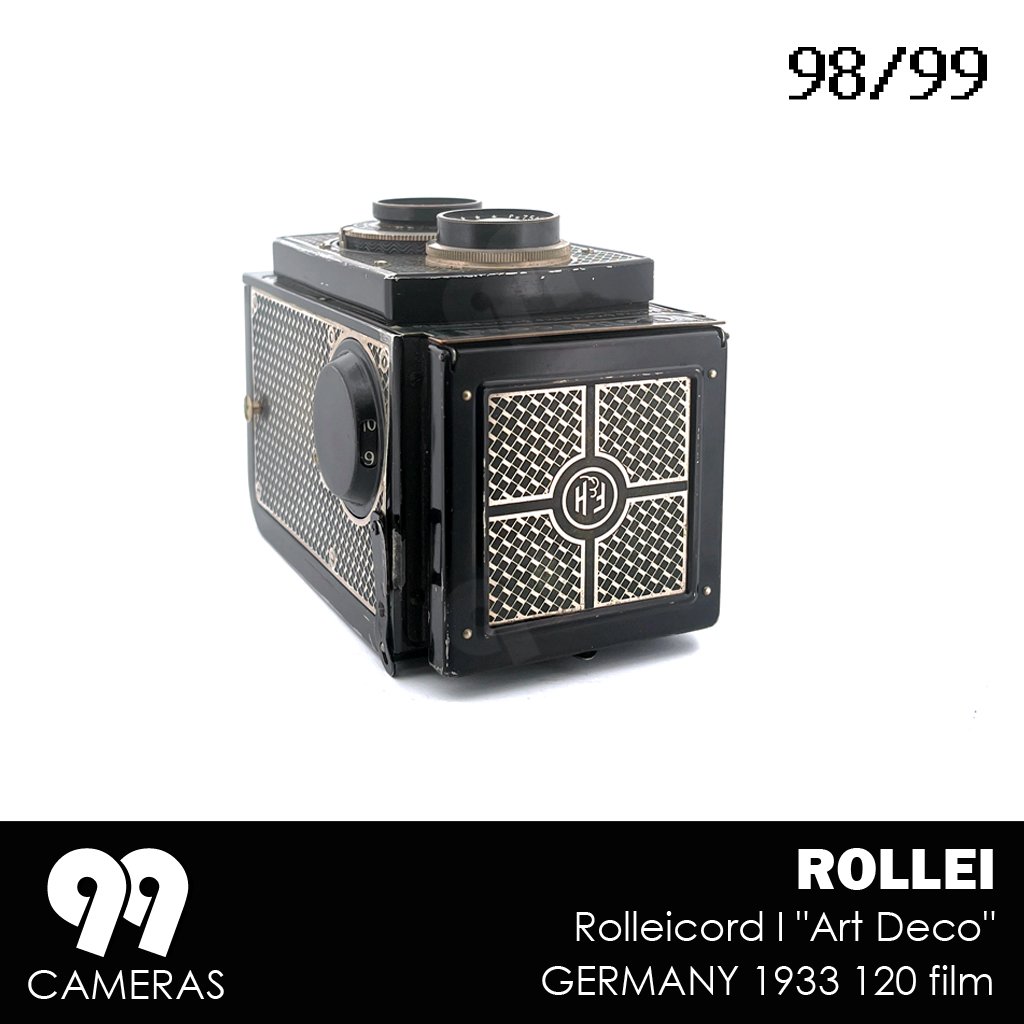
The Rolleicord “Art Deco”, also known as the “wallpaper Rolleicord” (Tapeten-Rolleicord) or even the “Louis XV Rolleicord” is definitely one of the most baroque cameras ever built. The camera body is covered on all sides by a beautiful and intricate art deco pattern making it a unique sight on any collection shelf. Even the knobs are covered in the same style.
The insets are nickel plated giving a very warm and glamorous feel to the device. Rollei wanted to turn an otherwise simple to use camera into a trendy device that amateur photographers would love to use and show off as a design accessory.
The Rolleicord “Art deco” is a stunning and fascinating device, few cameras are more representative of the 30s art deco design.
About its creators
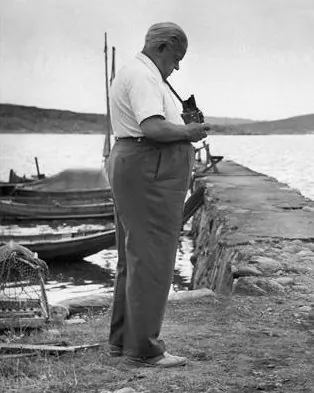
Reinhold Heidecke
1881–1960 · German
Inventor of the Rolleiflex
A precision engineer, Heidecke founded Franke & Heidecke in Braunschweig in 1920 with Paul Franke. He designed the Rolleiflex of 1929, the twin-lens reflex that let photographers look down into a bright finder while the second lens took the picture, a layout copied all over the world.
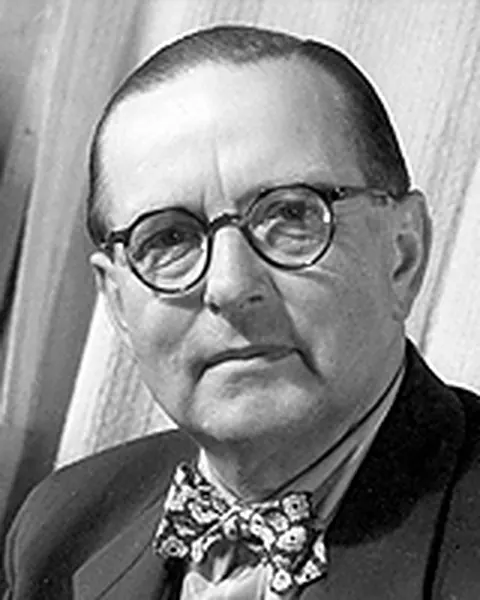
Paul Franke
1888–1950 · German
Co-founder of Rollei
Paul Franke was the business partner of Reinhold Heidecke. Together they founded Franke & Heidecke in 1920 and built it into Rollei, the maker of the Rolleiflex and Rolleicord. Franke ran the commercial side while Heidecke led the design.
Gallery
7
Media
5
More from The Glamorous
Discover the collection
Plan your visit
Visit is free and open to all
- Opening hoursMonday – Saturday : 10 – 17:30
- AddressStudio Harcourt, 6 Rue de Lota, 75116 Paris
- Exceptional closuresThursday, 19 November 2026Thursday, 26 November 2026