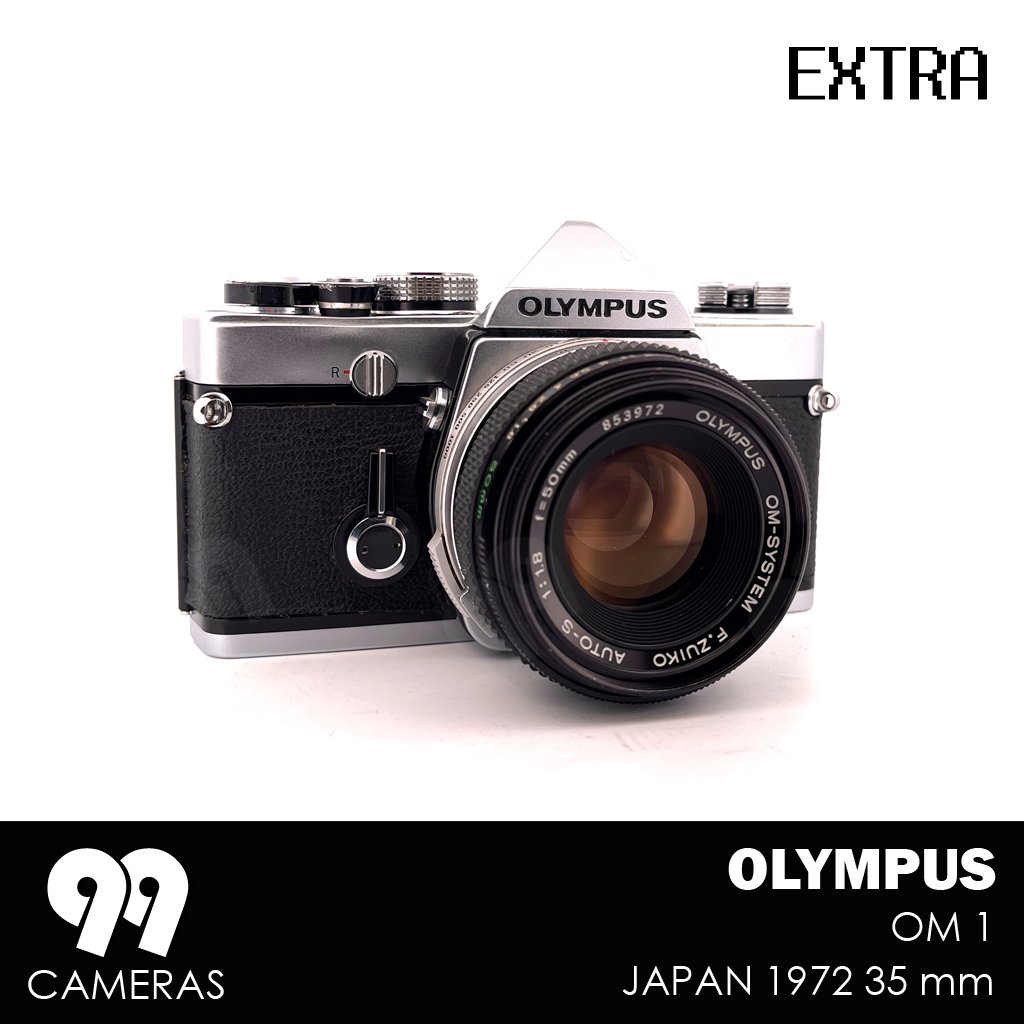
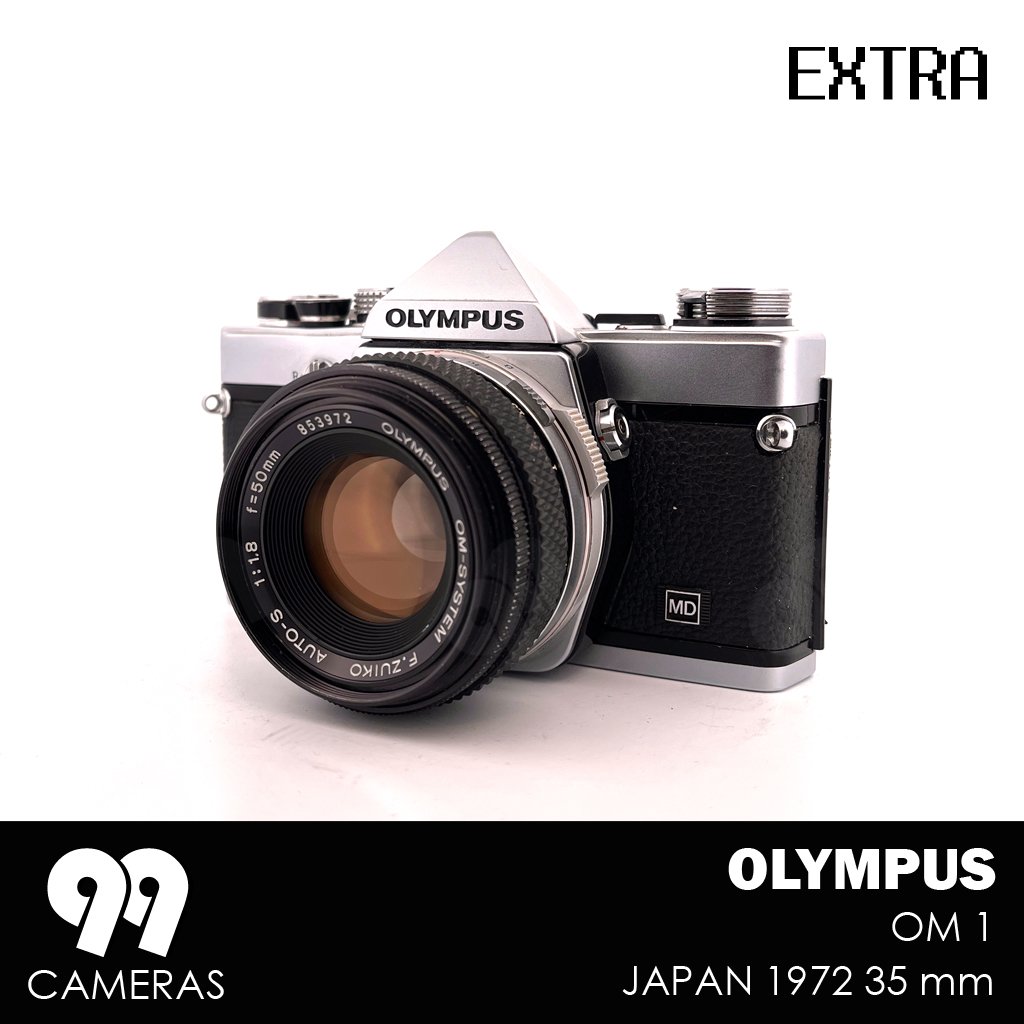
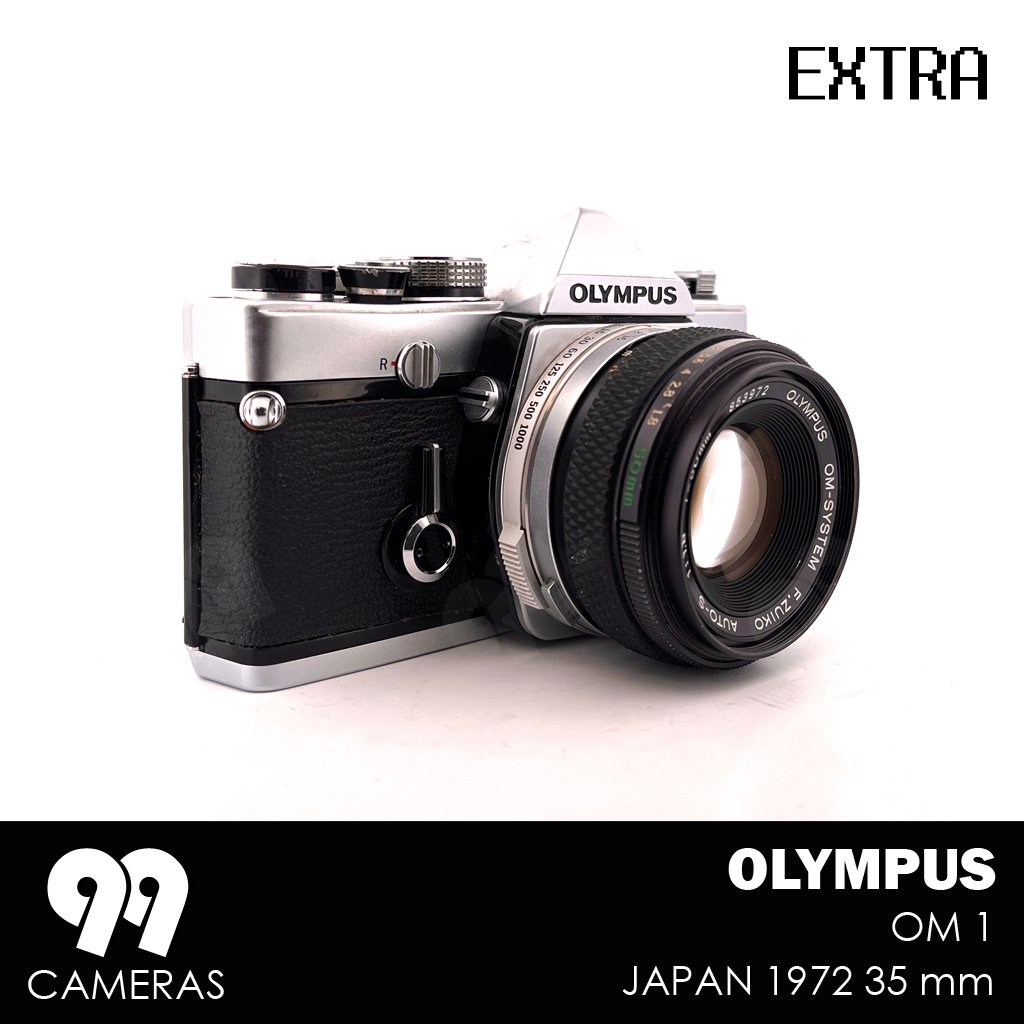
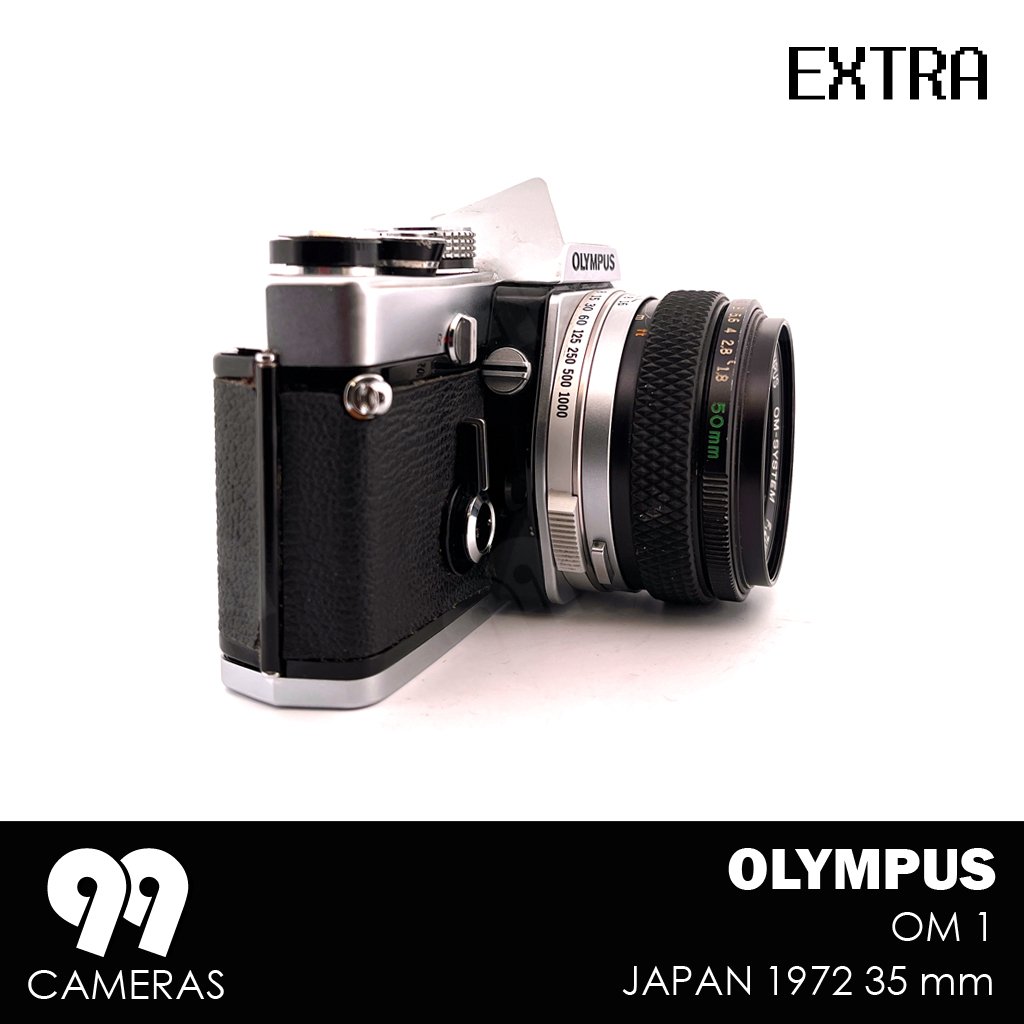
Olympus OM 1
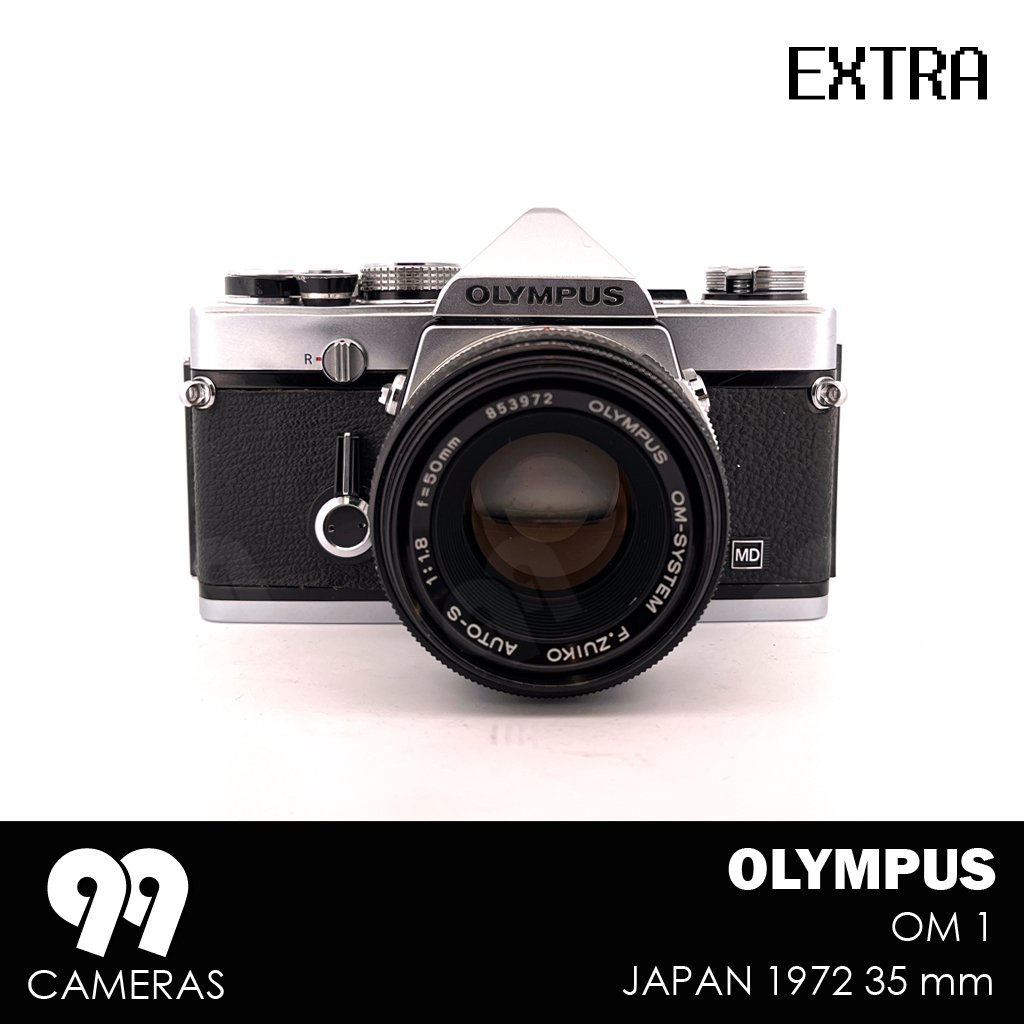
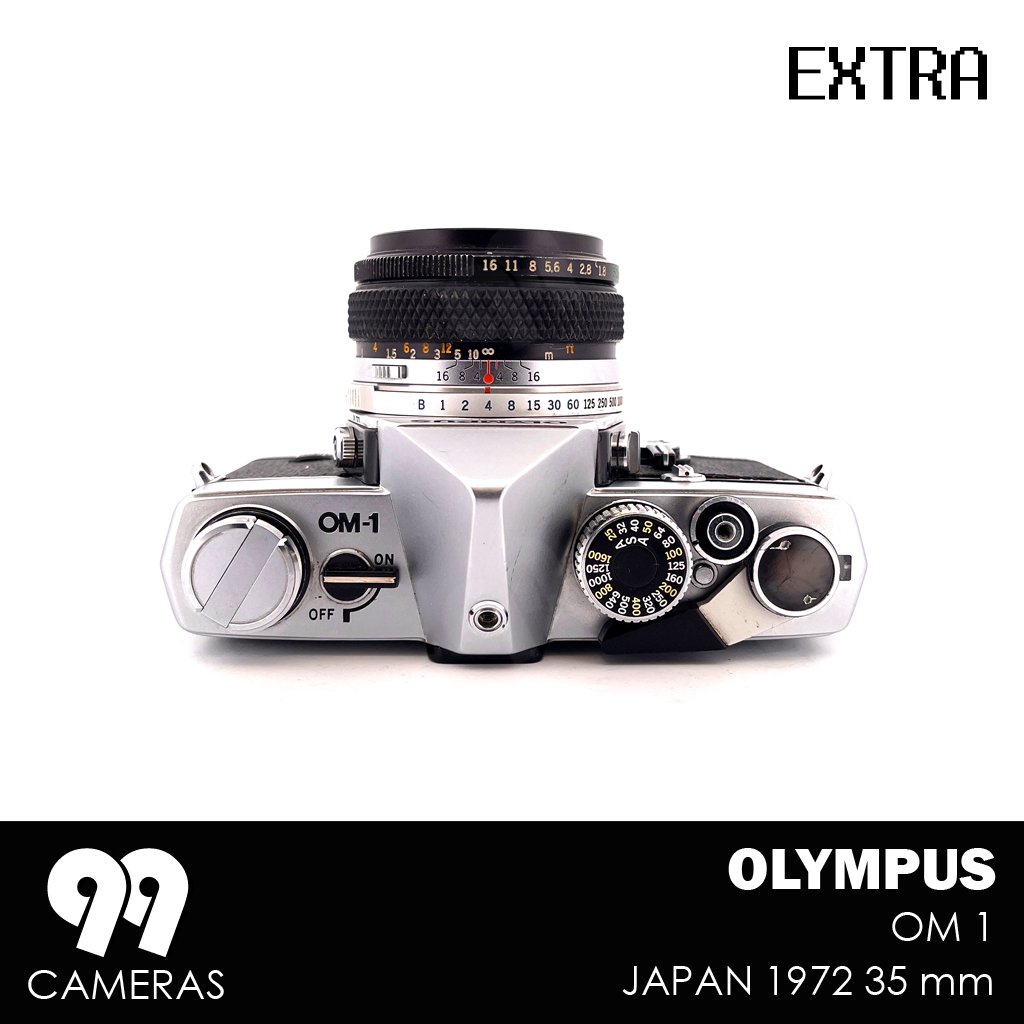
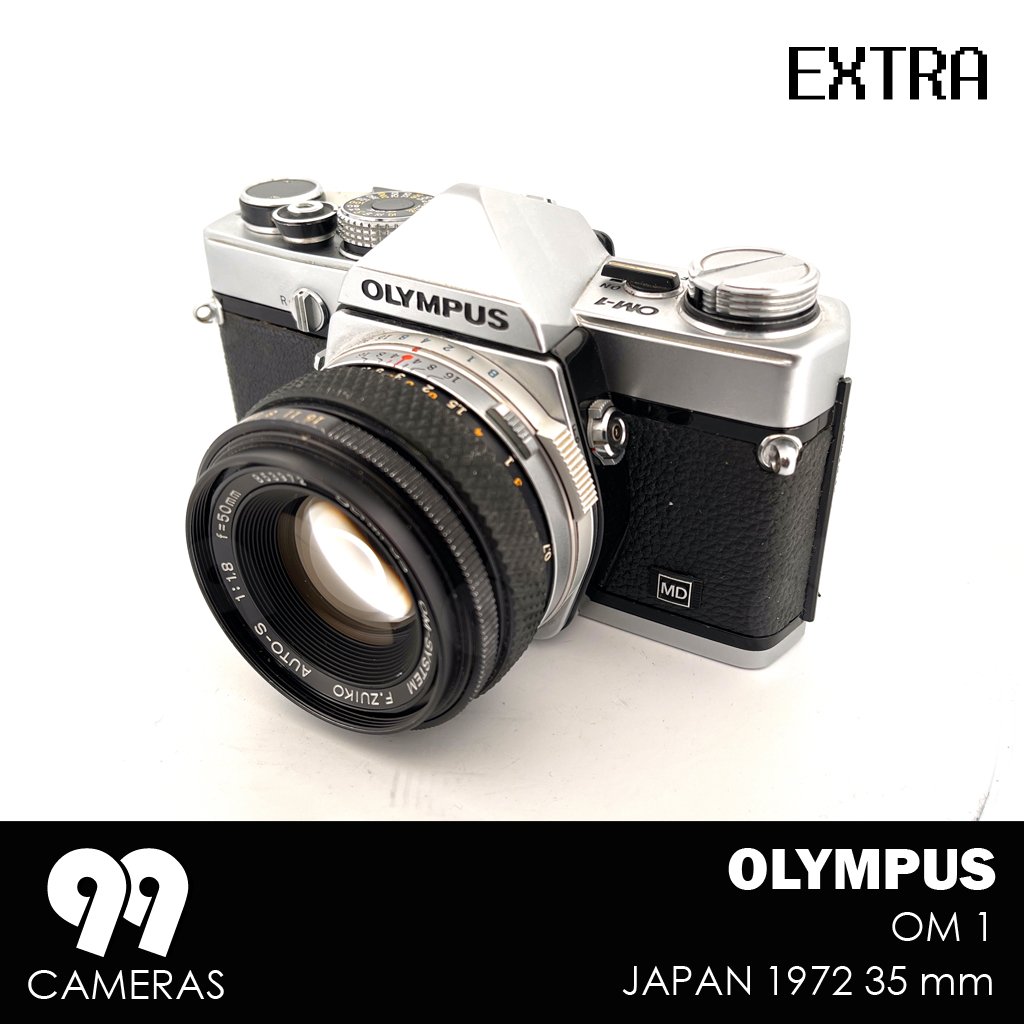
The Olympus OM-1 was presented in 1972 and was then called the Olympus M-1.
Since Leica’s flagship rangefinder cameras are known as the M Series, Leica complained about the name of the M-1, forcing Olympus to rename it OM.
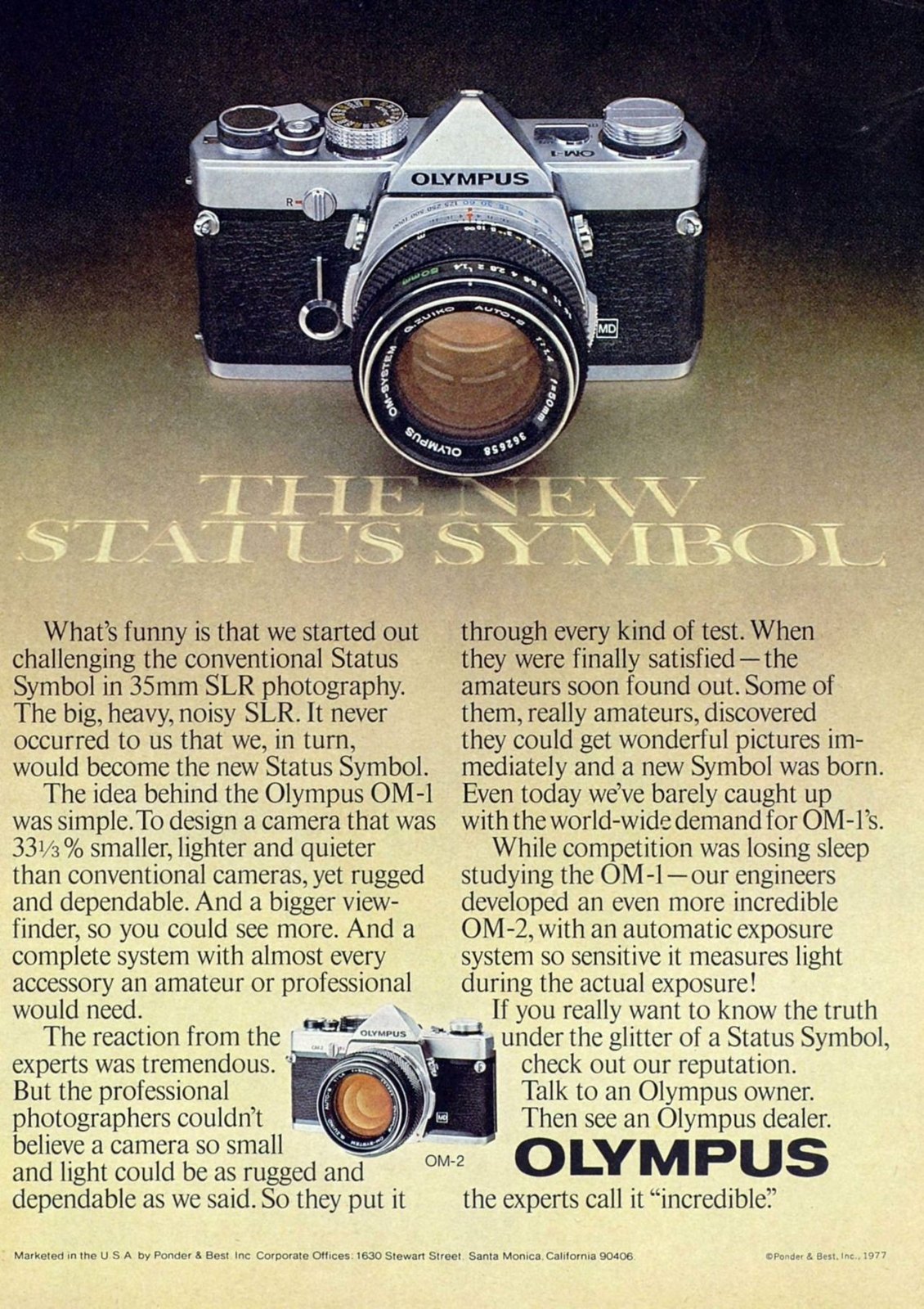
Nikon had made the 35 mm SLR the standard choice for professionals accustomed to Leica and other rangefinders, but it had driven the market towards heavy and bulky cameras. The Olympus OM-1 changed this and with it began a reduction of size, weight and noise of the 35 mm SLRs.
The Olympus OM-1 introduced a compact, lightweight design that prioritized portability and ease of use without sacrificing performance. Its impact can still be felt in the many small and versatile SLR cameras that have followed in its footsteps.
The Olympus OM series is among the most successful SLR cameras ever built and is extremely popular nowadays among the new generation of analog enthusiasts. It is not a rare camera but definitely deserves a special spot as it was the camera of choice of many professional and amateur photographers.
About its creator

Yoshihisa Maitani
1933–2009 · Japanese
Designer of the Pen and the OM
Joining Olympus as a young engineer, Maitani was asked to design a camera that would sell for under 6,000 yen. The result, the half-frame Pen of 1959, was a huge success, followed by the Pen F single-lens reflex in 1963 and the compact OM-1 in 1972, which made SLRs small and light.
Gallery
7
Media
5



More from The Classics
Discover the collection
Plan your visit
Visit is free and open to all
- Opening hoursMonday – Saturday : 10 – 17:30
- AddressStudio Harcourt, 6 Rue de Lota, 75116 Paris
- Exceptional closuresThursday, 26 November 2026