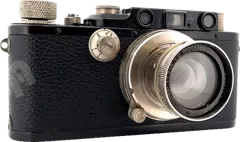
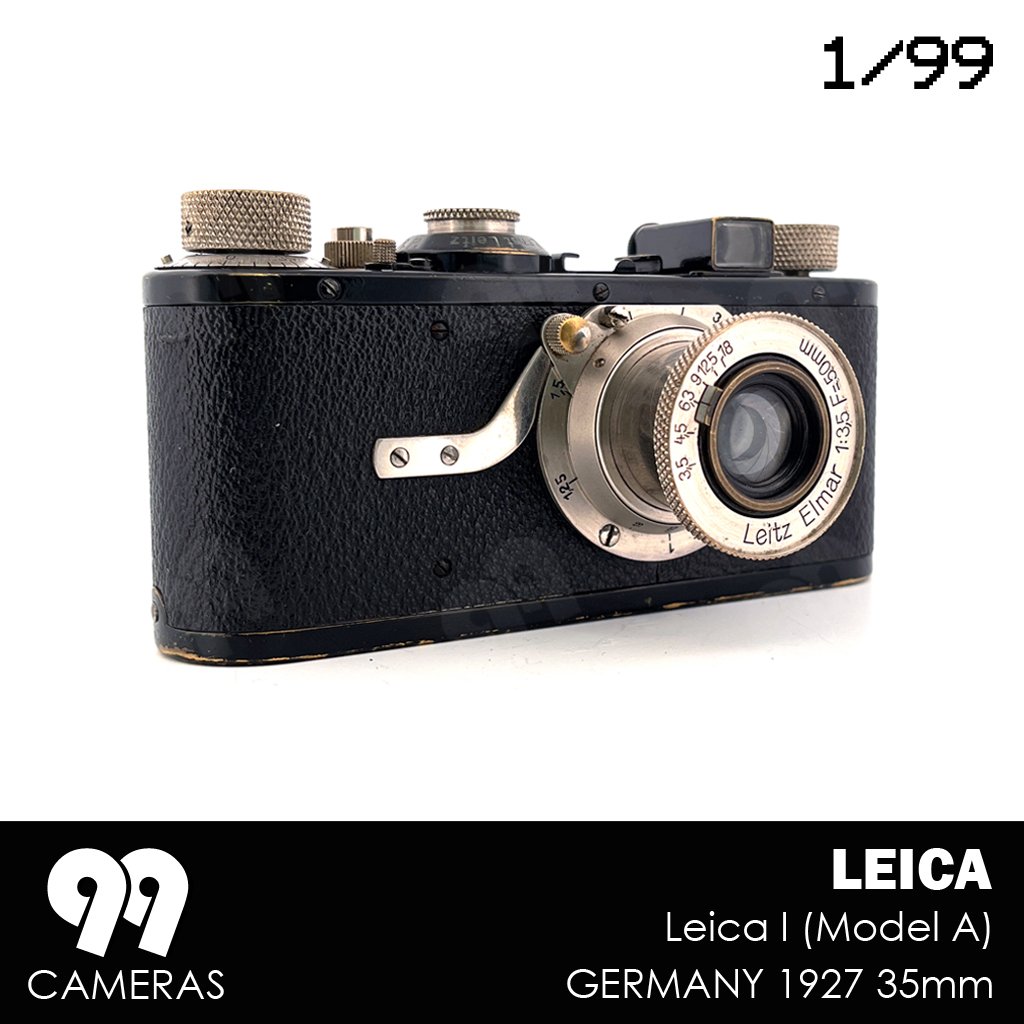
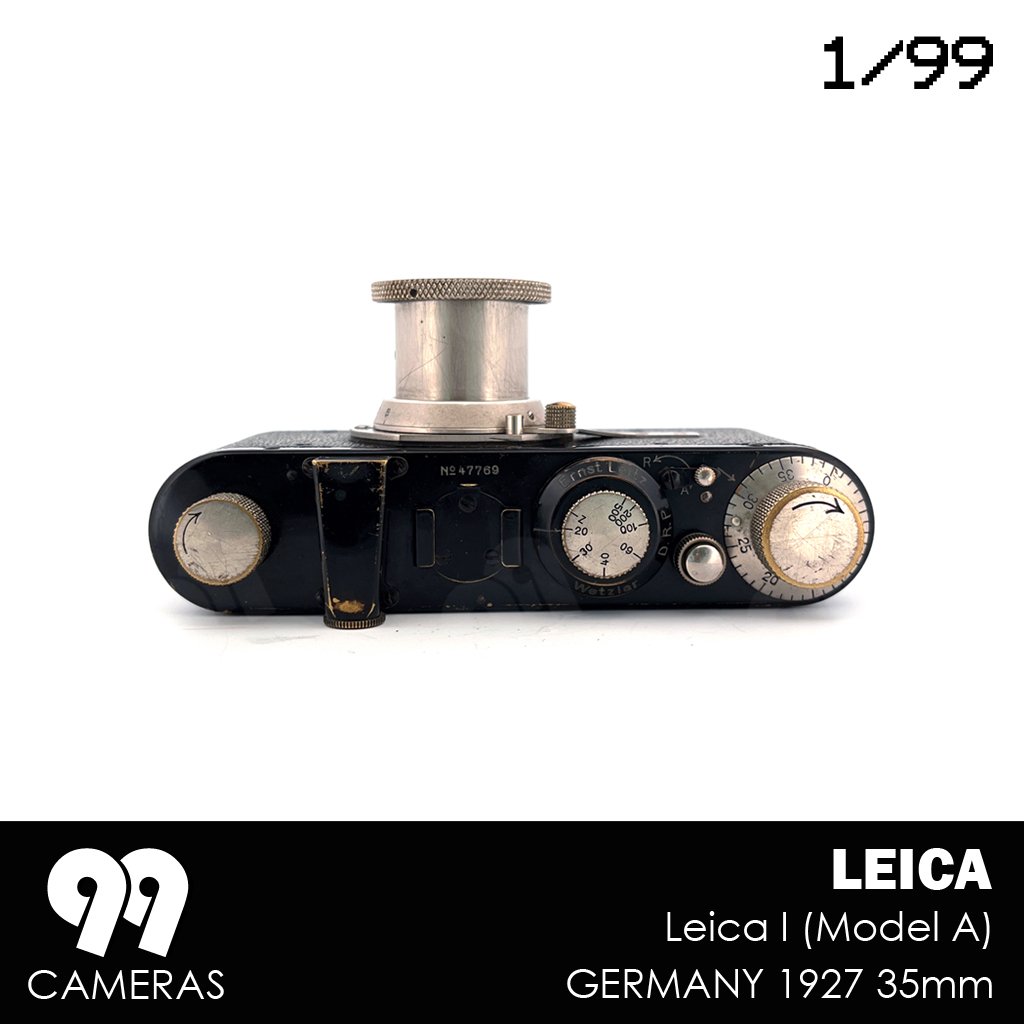
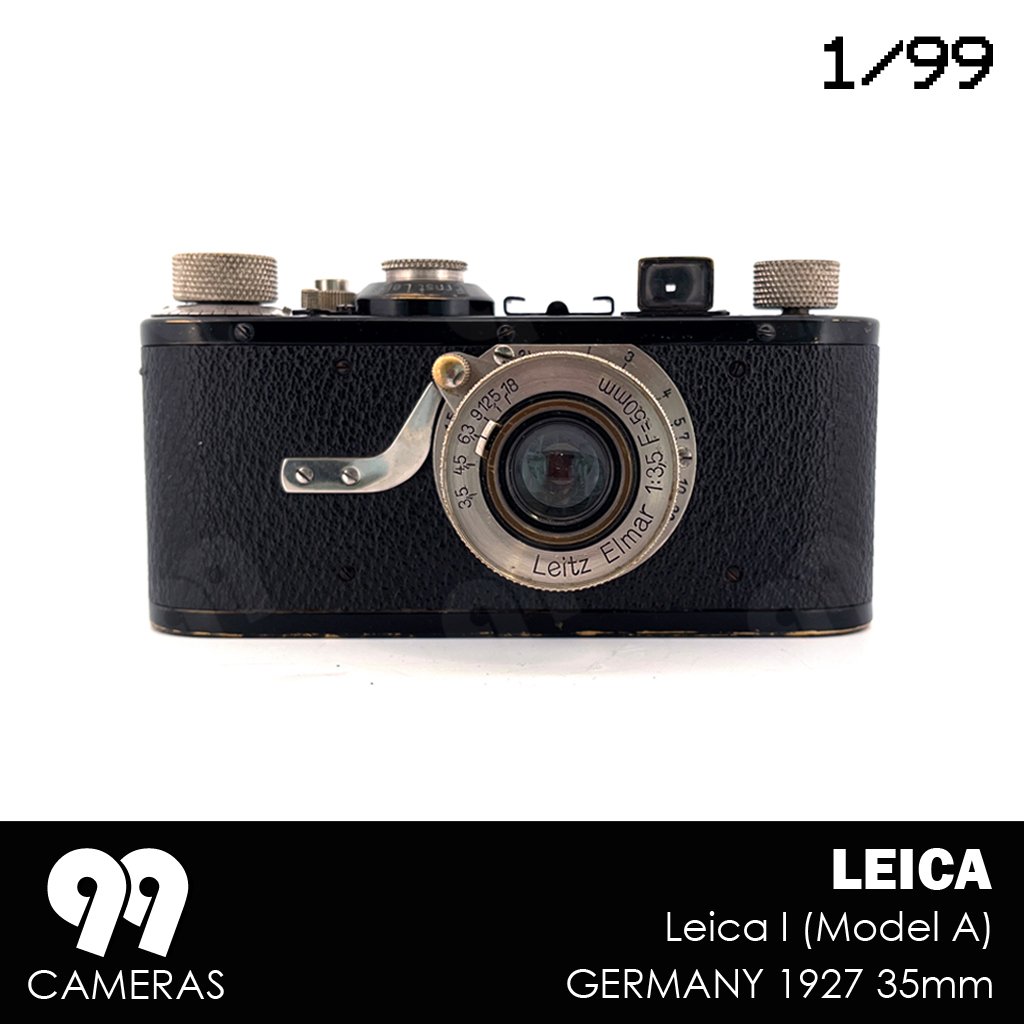
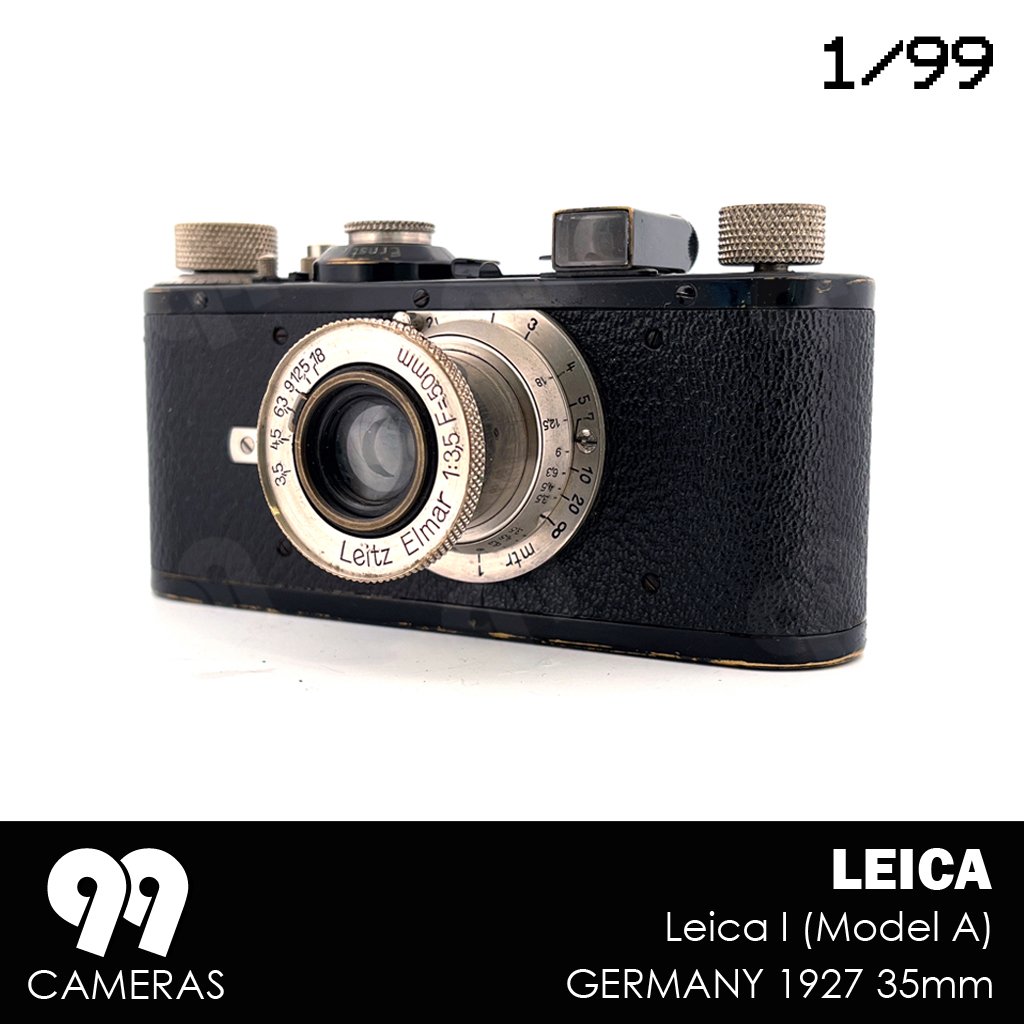
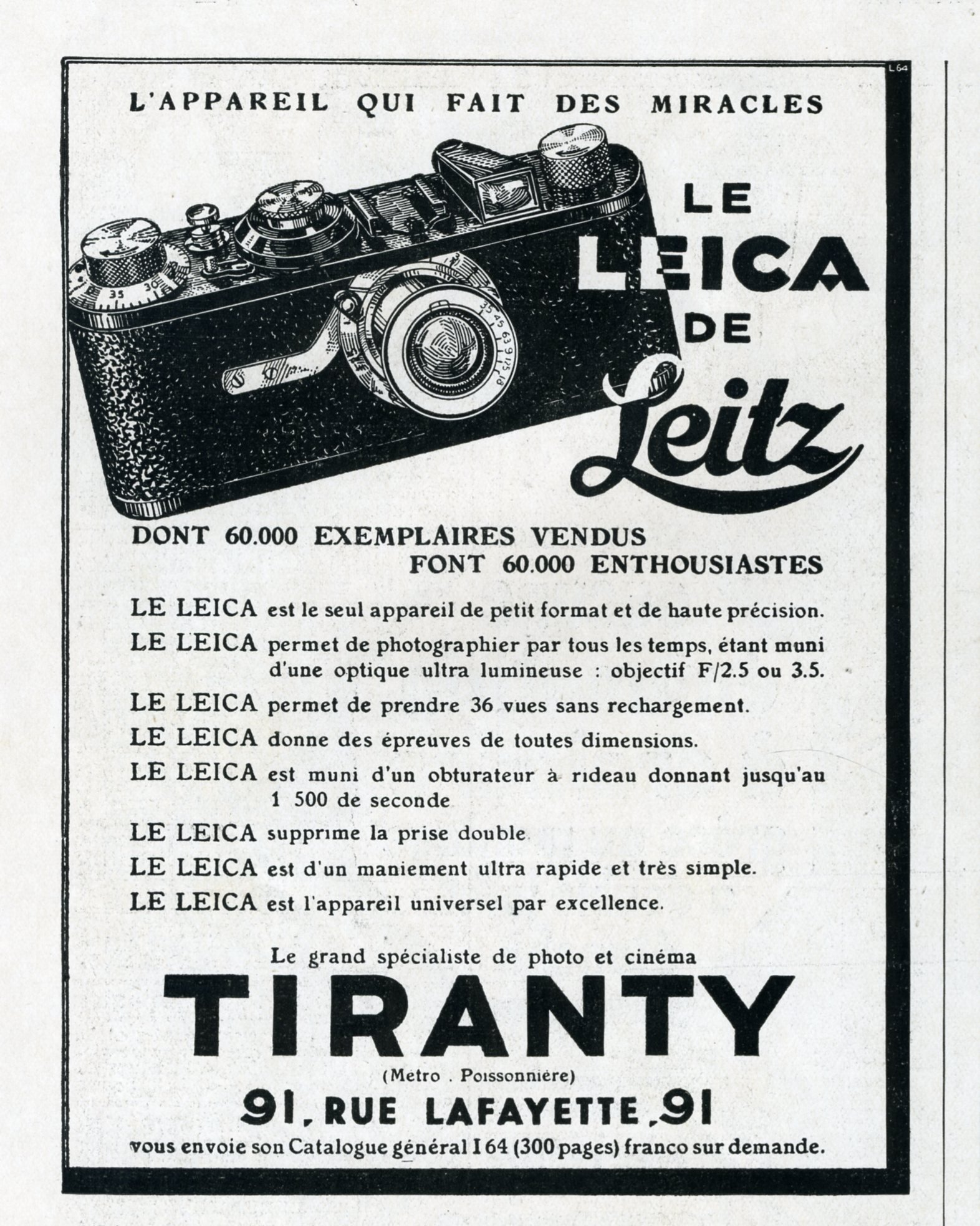
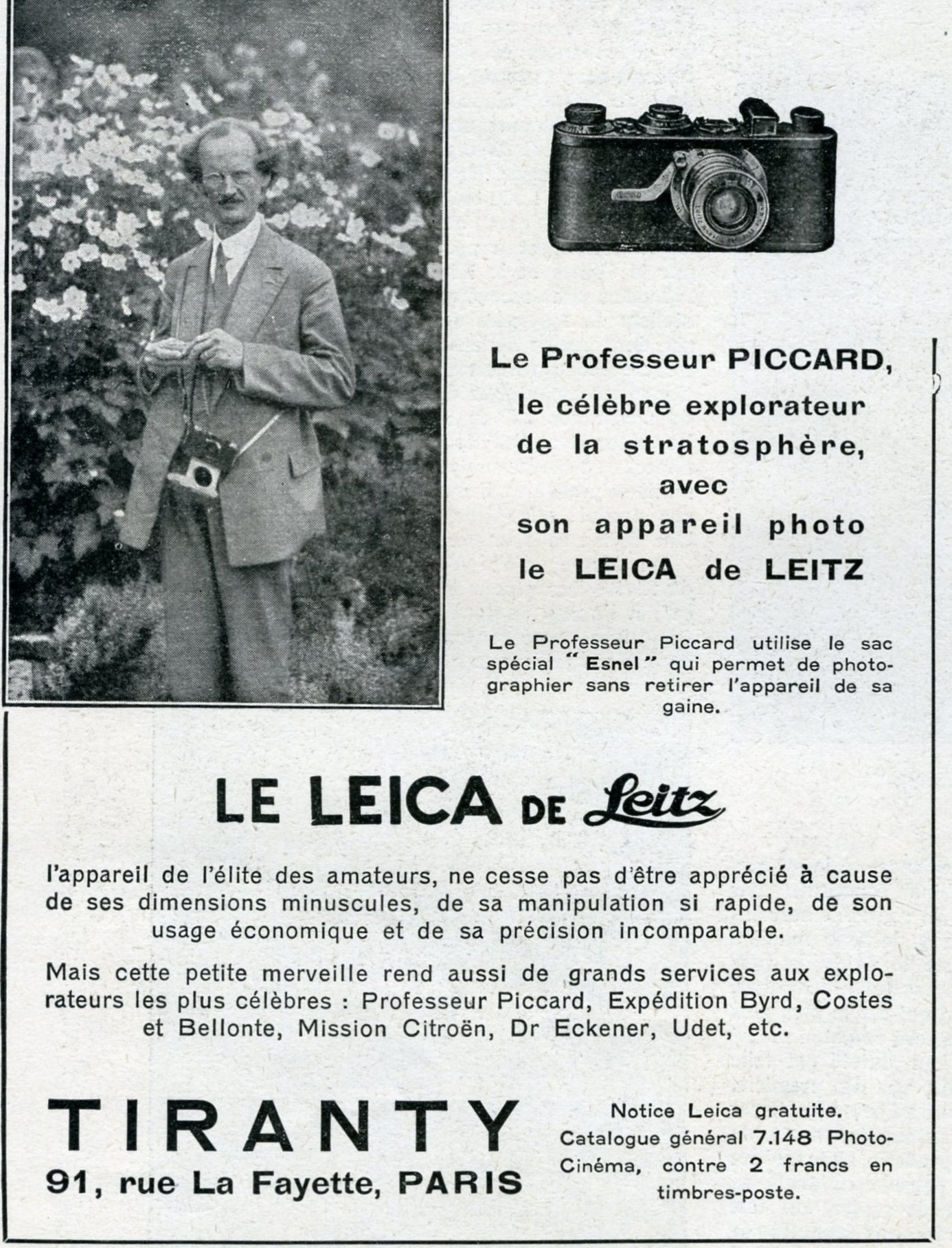
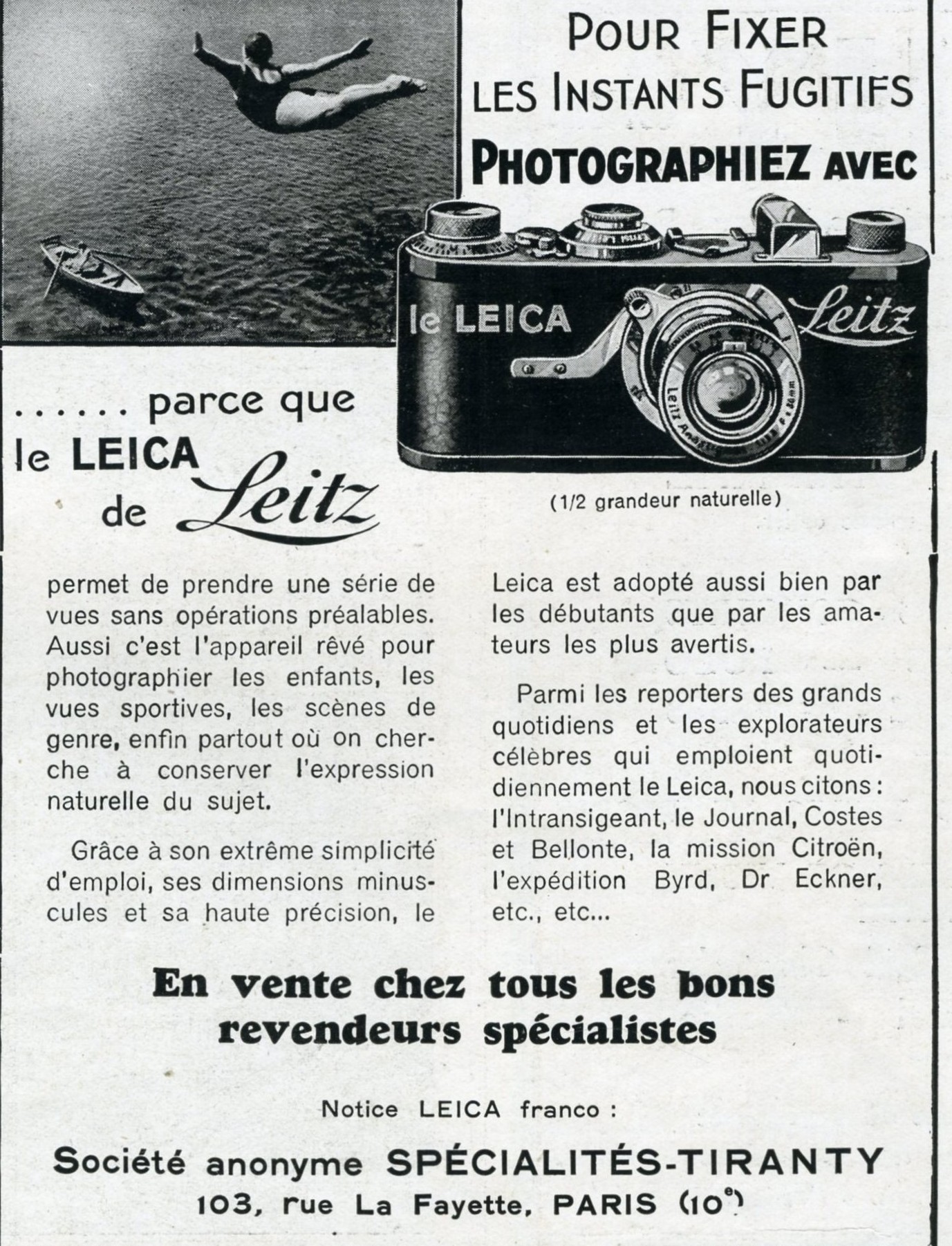
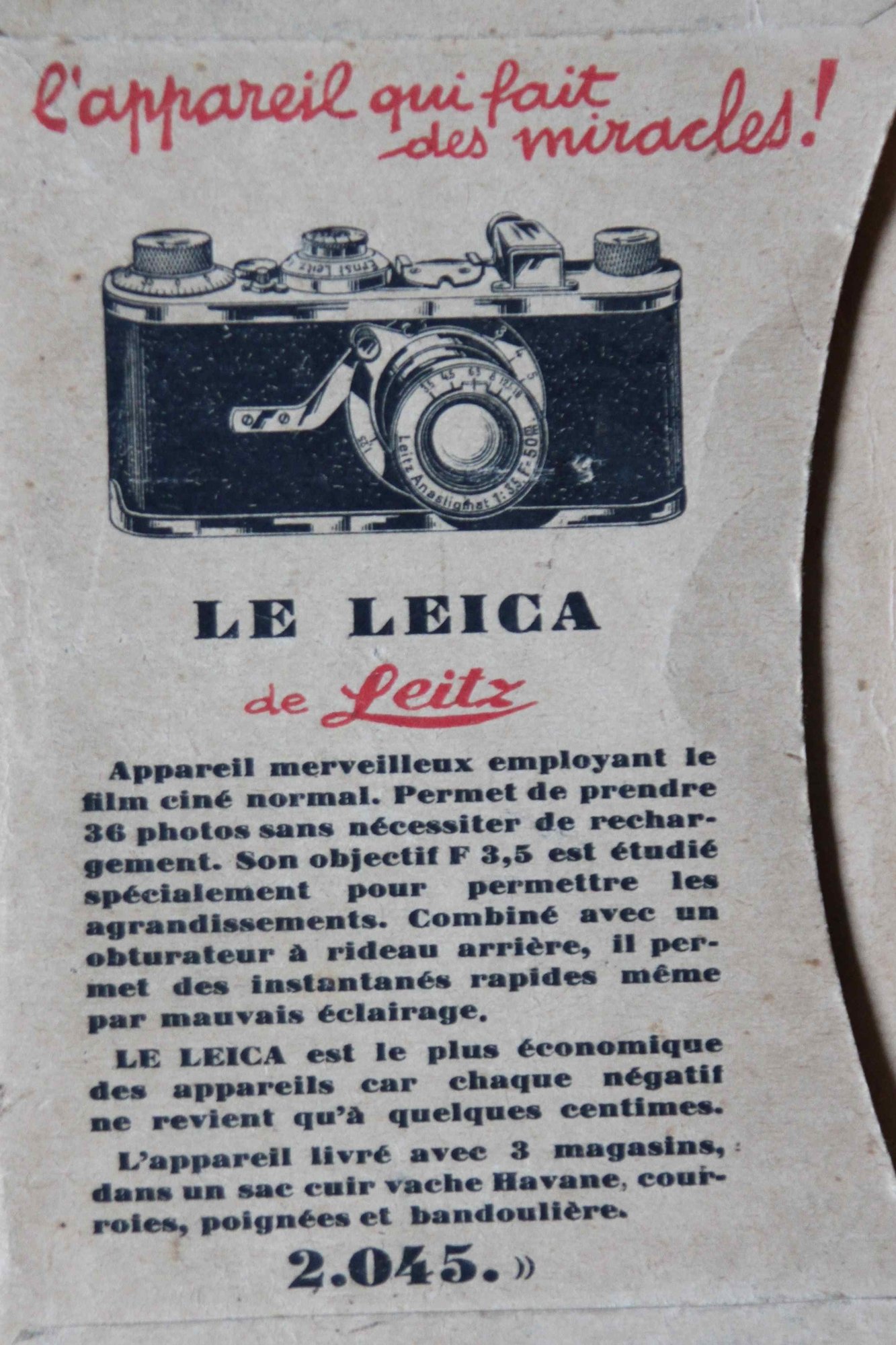
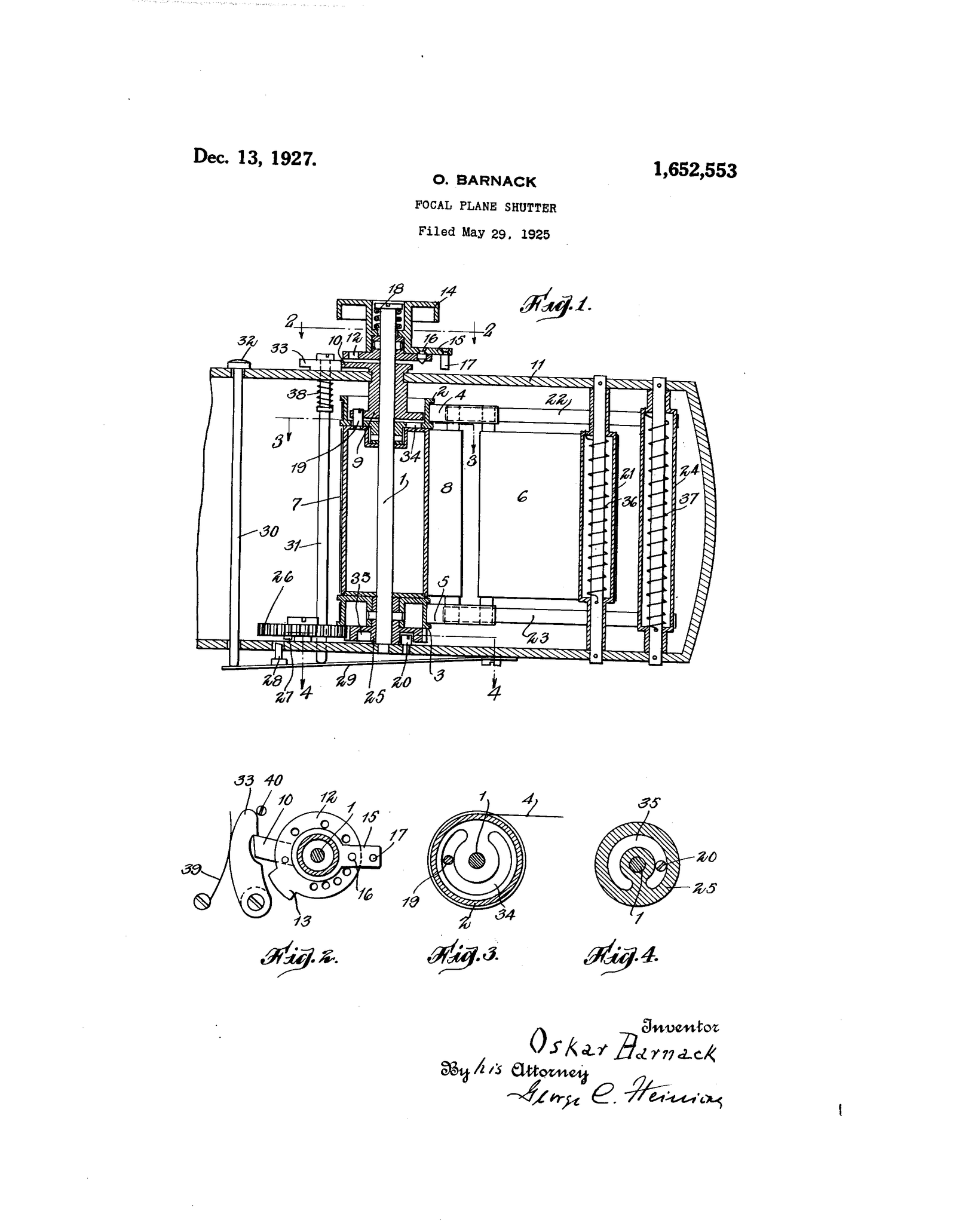
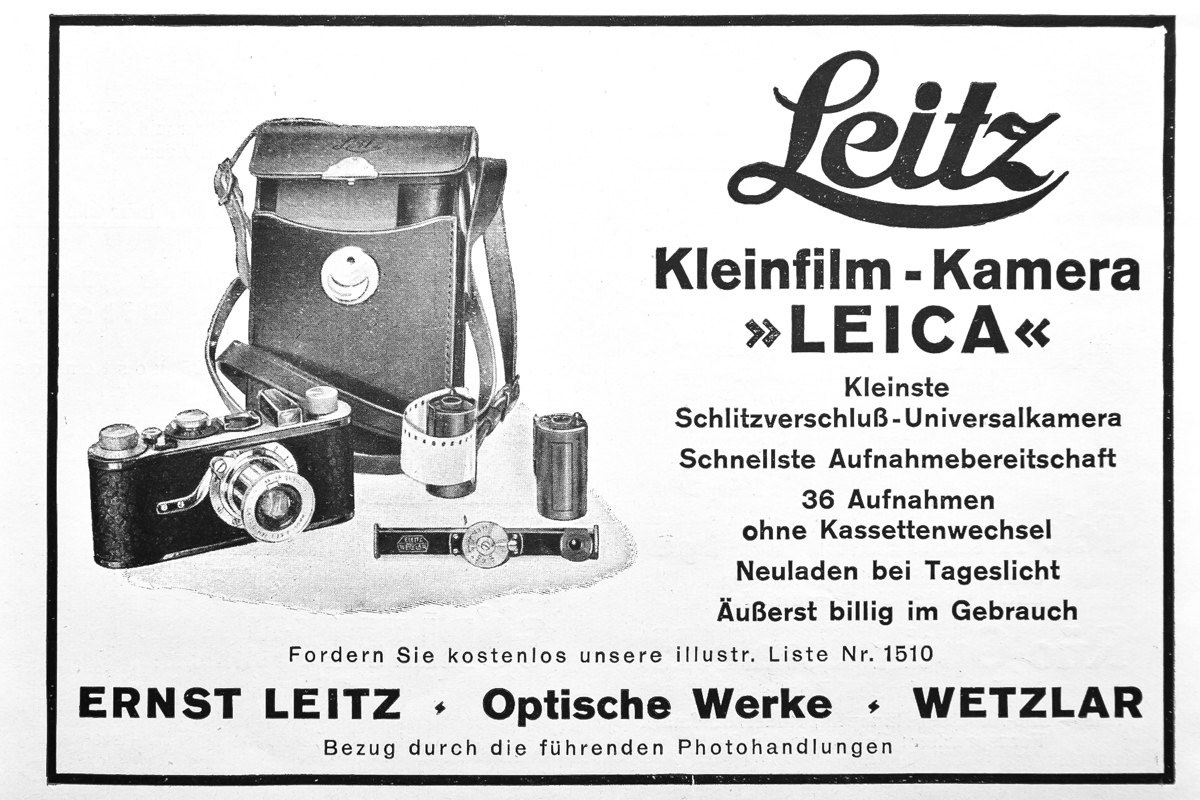
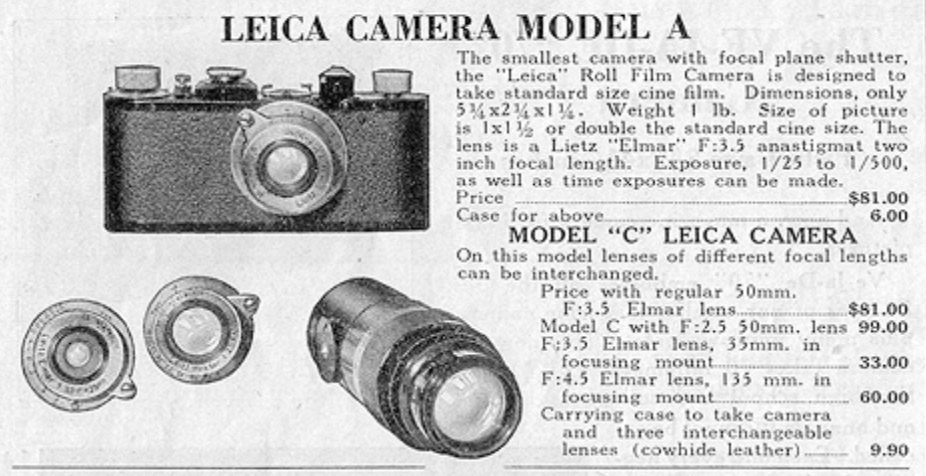
The Leica I, also known as Model A, was introduced at the Leipzig trade show in 1925. It is believed that Oskar Barnack coined the name “Leica” (a fusion of “Leitz Camera”) during his work on this camera.
The Leica I marked a revolutionary milestone, emerging in an era when most cameras were bulky and cumbersome. This compact 35mm marvel challenged the norm by being one of the earliest mass-produced cameras, allowing for candid and spontaneous photography that was previously hindered by larger equipment.
This fresh approach captured the imagination of photographers, propelling the Leica I to immense popularity. It garnered the favor of renowned photographers like Henri Cartier-Bresson, contributing to its iconic status.
In modern times, the Leica I remains a prized possession for collectors, embodying the essence of nostalgia and respect. Its enduring appeal lies not only in its historical significance but also in its profound impact on the evolution of photography.
The Leica I stands as a testament to visionary design and technological advancement. Its legacy endures as a symbol of the intersection between artistry and engineering, cementing its place as an authentic classic in the ongoing narrative of photographic progress.
About its creators
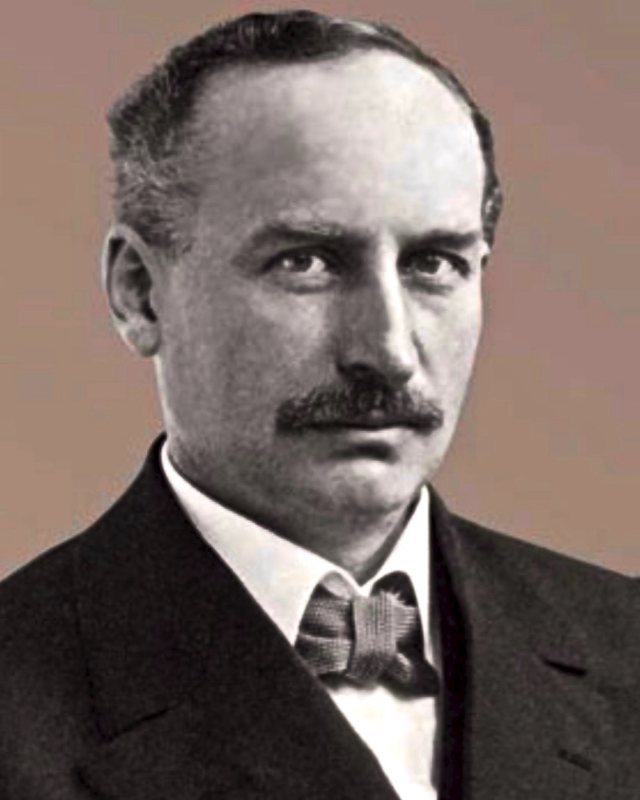
Ernst Leitz II
1871–1956 · German
The man who launched the Leica
Head of the Leitz optical works in Wetzlar, Ernst Leitz II took the risky decision in 1924 to produce Oskar Barnack’s small 35 mm camera. Launched in 1925 as the Leica, it changed photography. In the 1930s he also helped many Jewish employees and their families leave Nazi Germany.
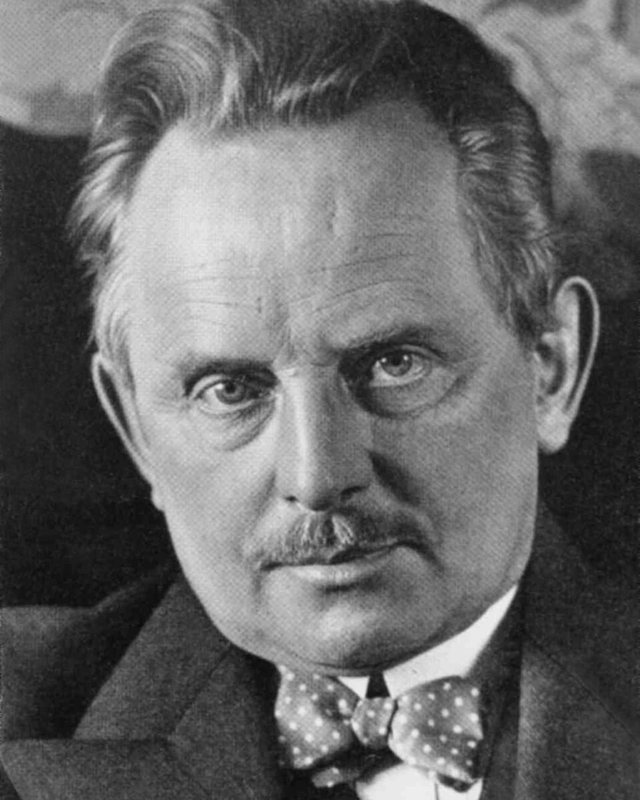
Oskar Barnack
1879–1936 · German
Inventor of the Leica
An engineer at Leitz and a keen hiker in poor health, Barnack wanted a camera small enough to carry everywhere. Around 1913 he built the “Ur-Leica” around 35 mm cinema film, doubling the frame to 24 × 36 mm. It became the Leica I of 1925 and the standard format of 20th-century photography.
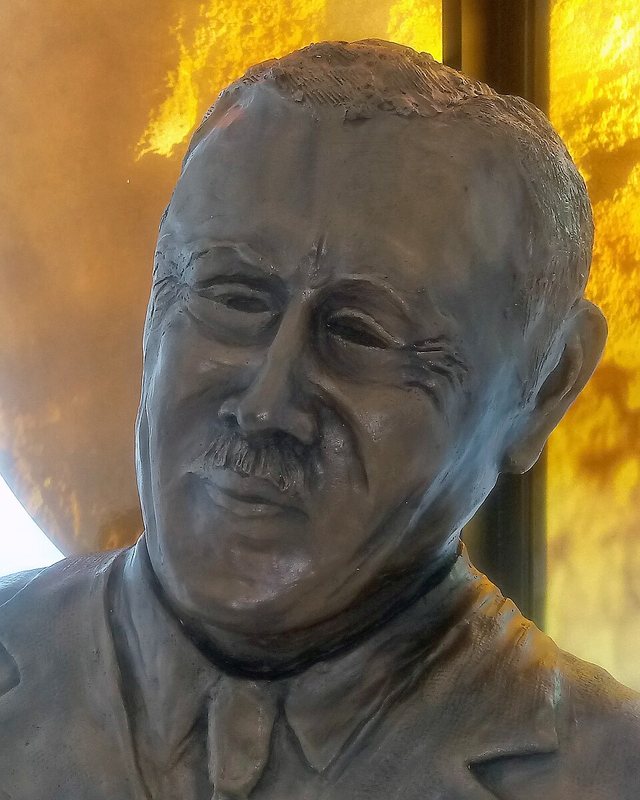
Max Berek
1886–1949 · German
Designer of the first Leica lenses
A mineralogist and optical scientist at Leitz, Berek computed the lenses that made the Leica a serious tool, starting with the Elmax and Elmar of the Leica I, then the Hektor. He also wrote a classic textbook on lens design.
Gallery
4
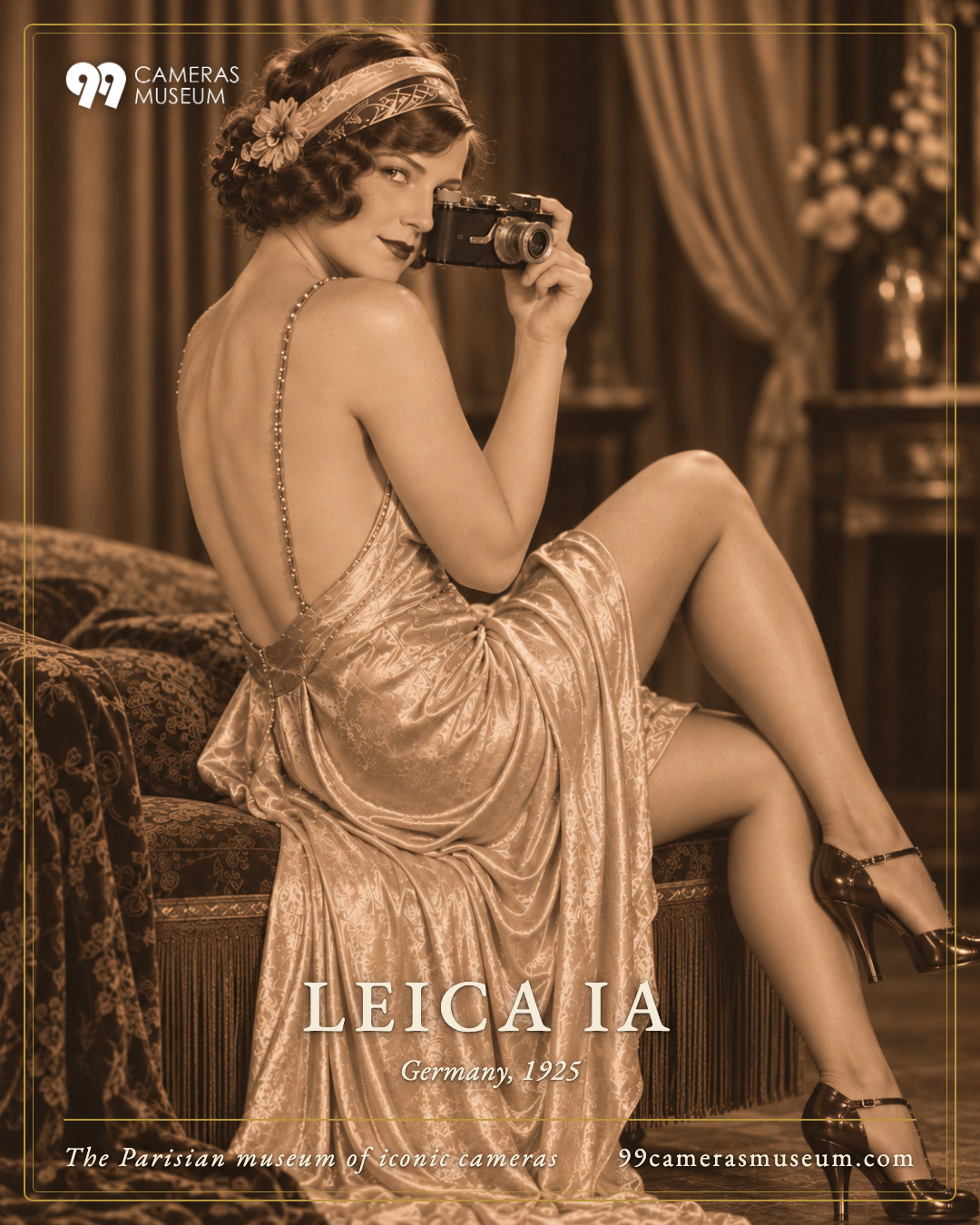
Media Pin-ups are AI-generated.
16




More from The Pioneers
Discover the collection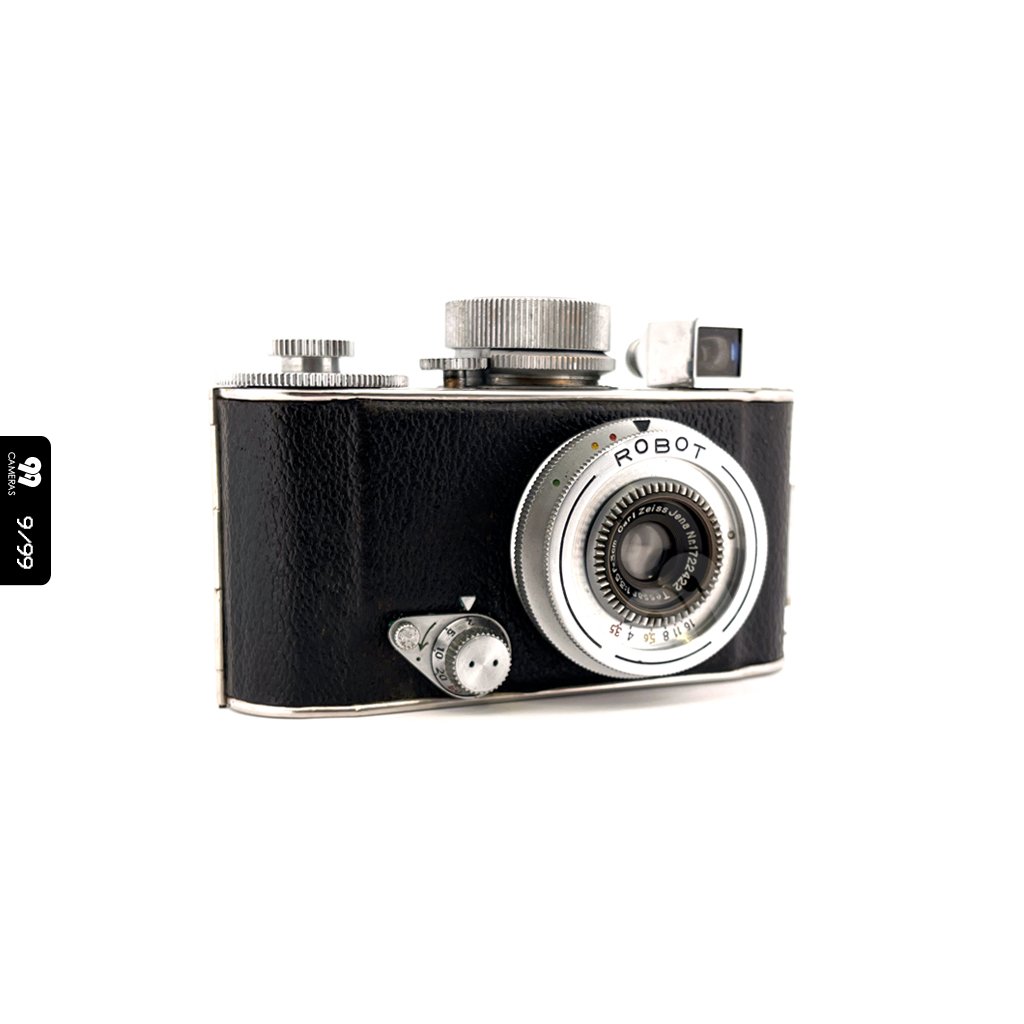
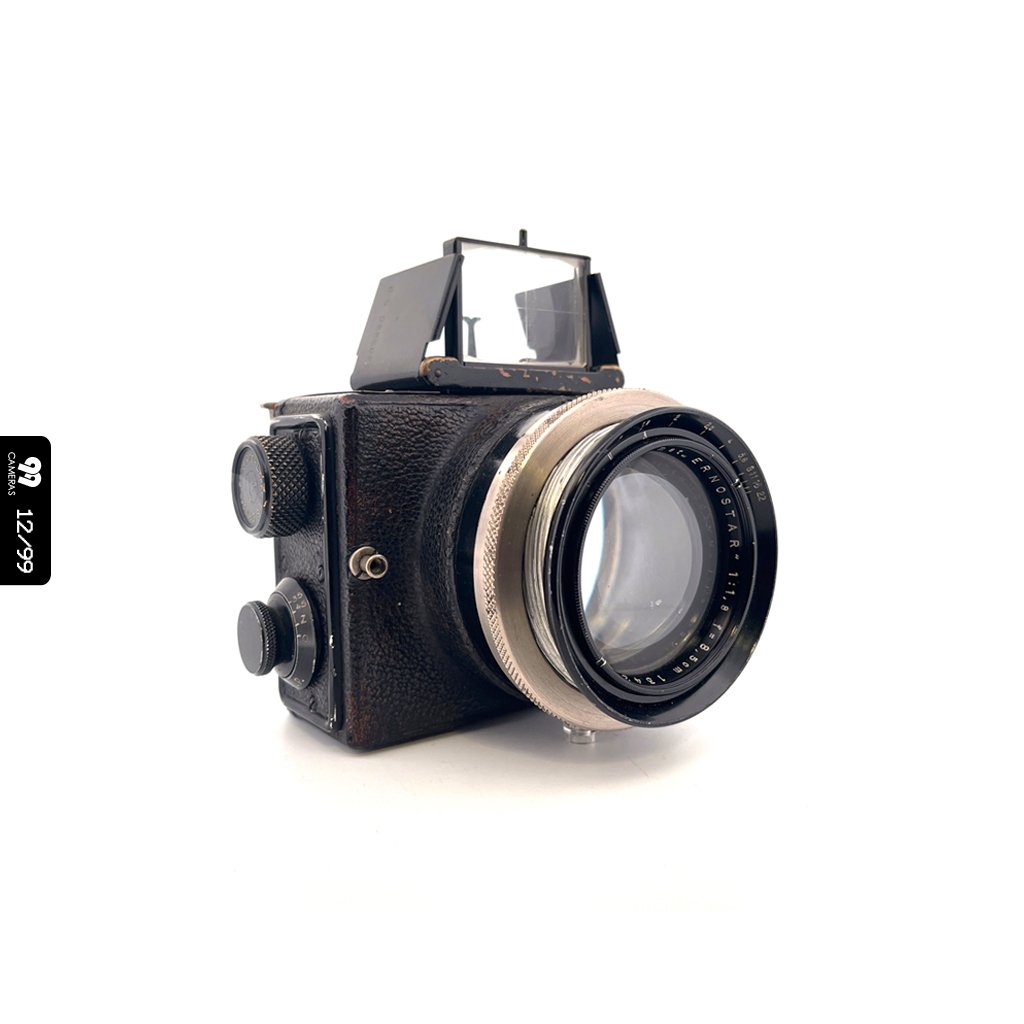
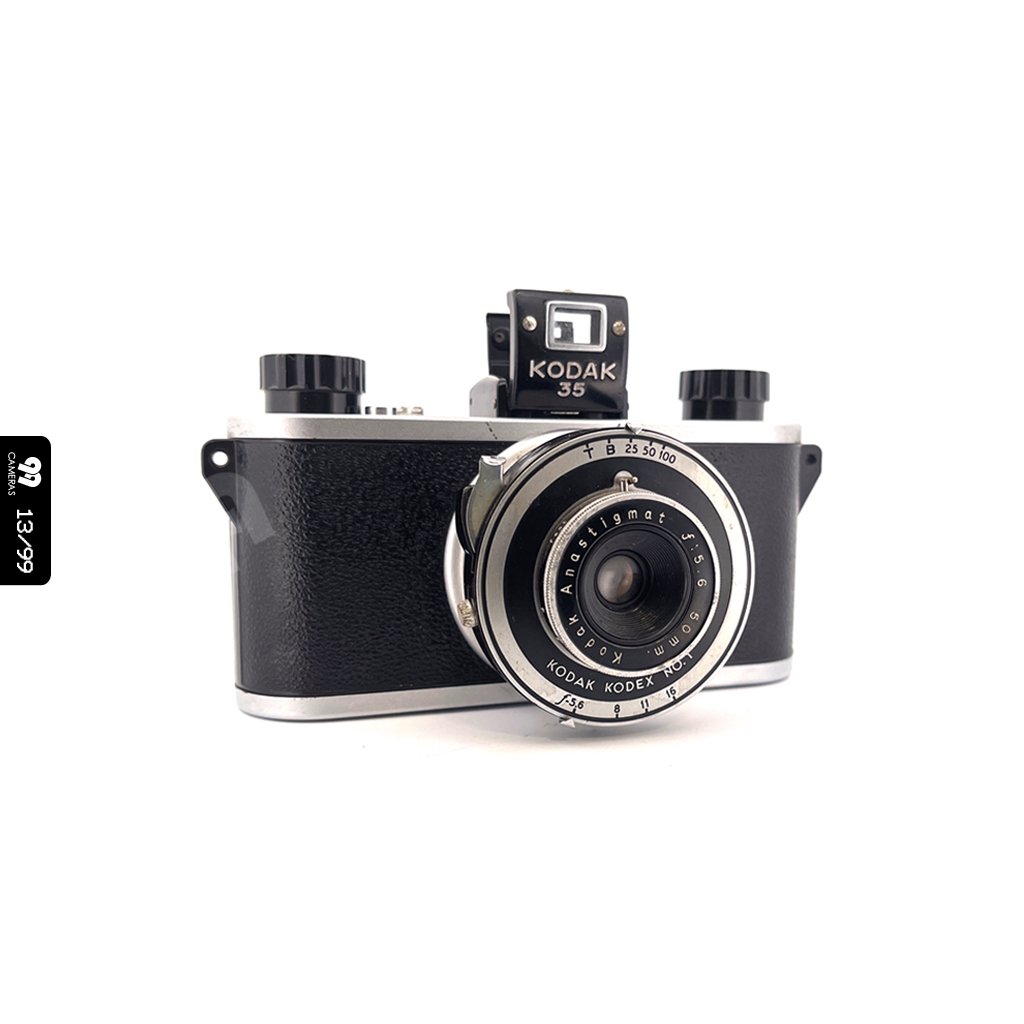
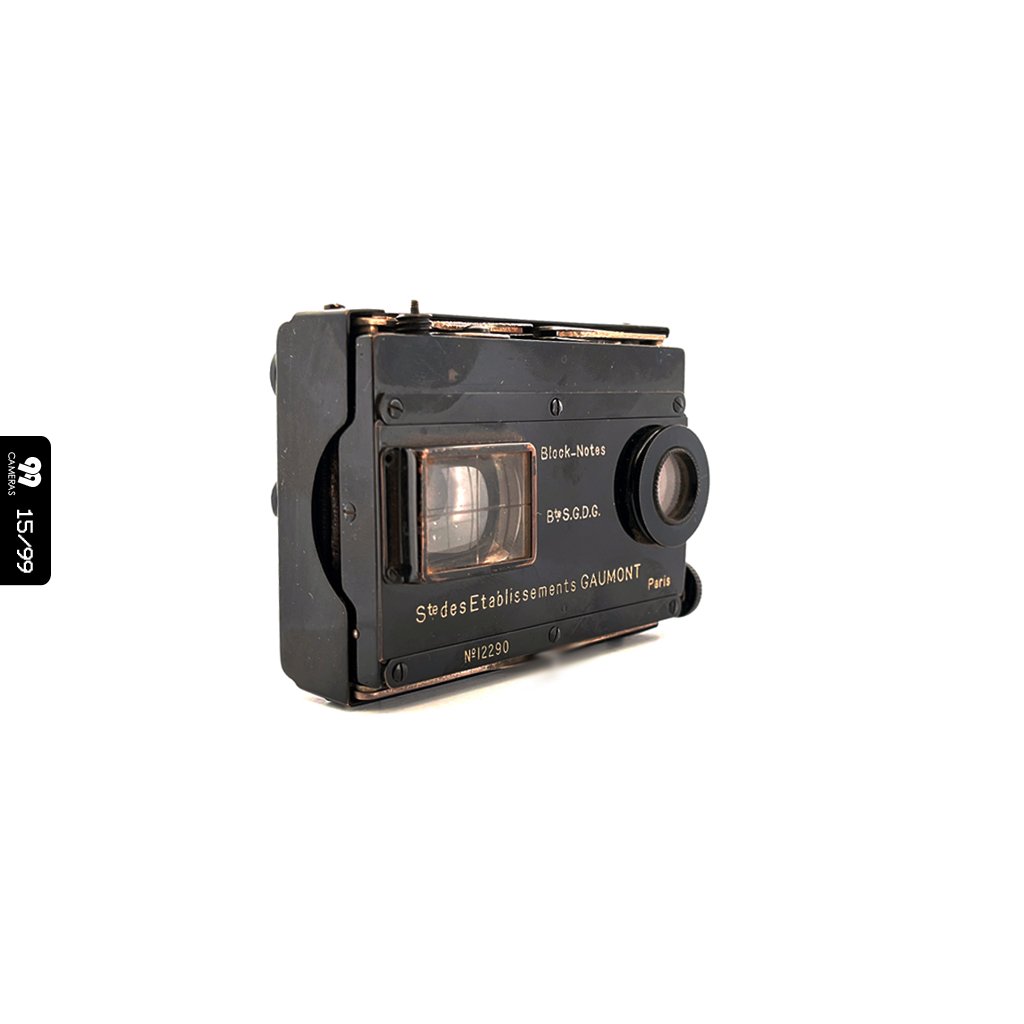
Plan your visit
Visit is free and open to all
- Opening hoursMonday – Saturday : 10 – 17:30
- AddressStudio Harcourt, 6 Rue de Lota, 75116 Paris
- Exceptional closuresMonday, 16 November 2026Tuesday, 17 November 2026Thursday, 19 November 2026Thursday, 26 November 2026