The adventure of the brands
The Wirgin story
- Founded in 1920Germany
- No longer makes cameras
Three brothers in Wiesbaden, a little camera named after the family, exile and return, a self-taught mechanic who designed the Edixa and a tiny camera that Wirgin turned down: the Wirgin story, told through its inventions and its anecdotes.
1920–1938
The brothers of Wiesbaden
In the museum
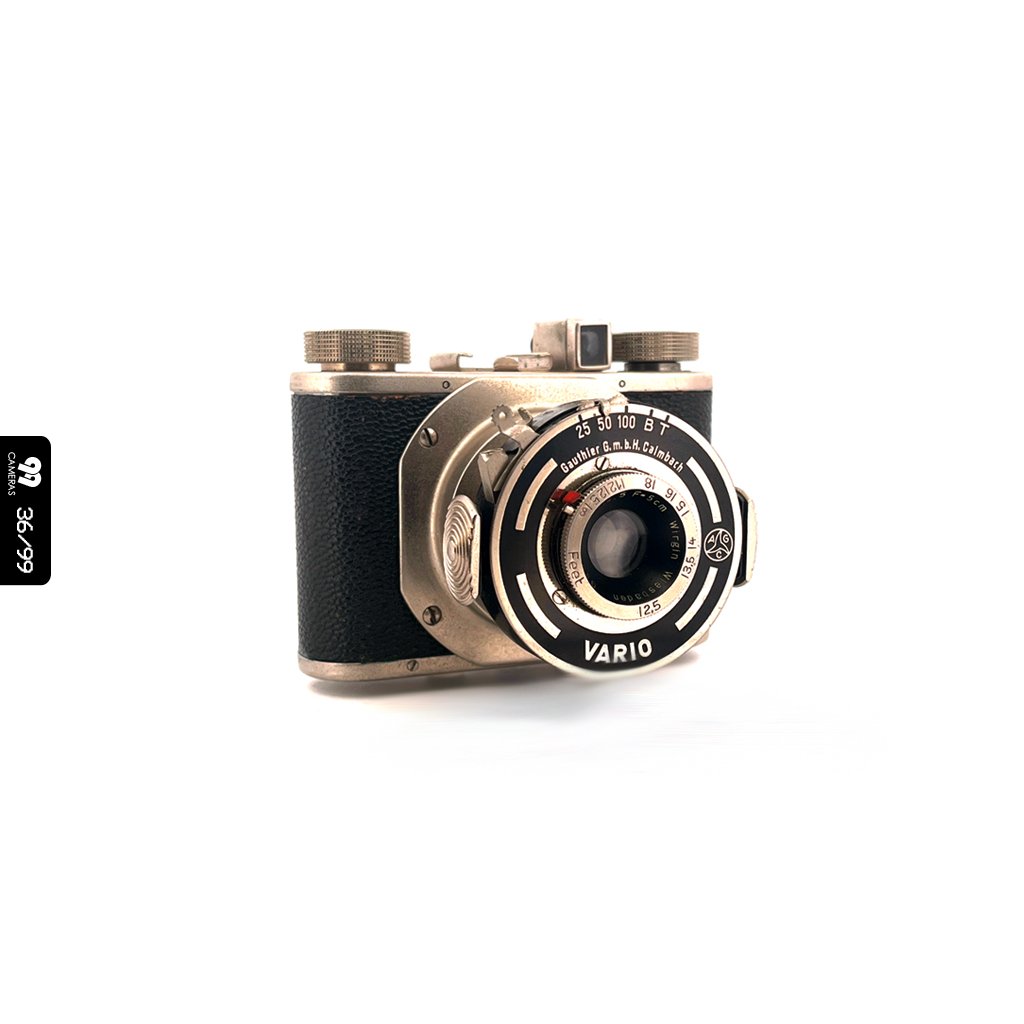
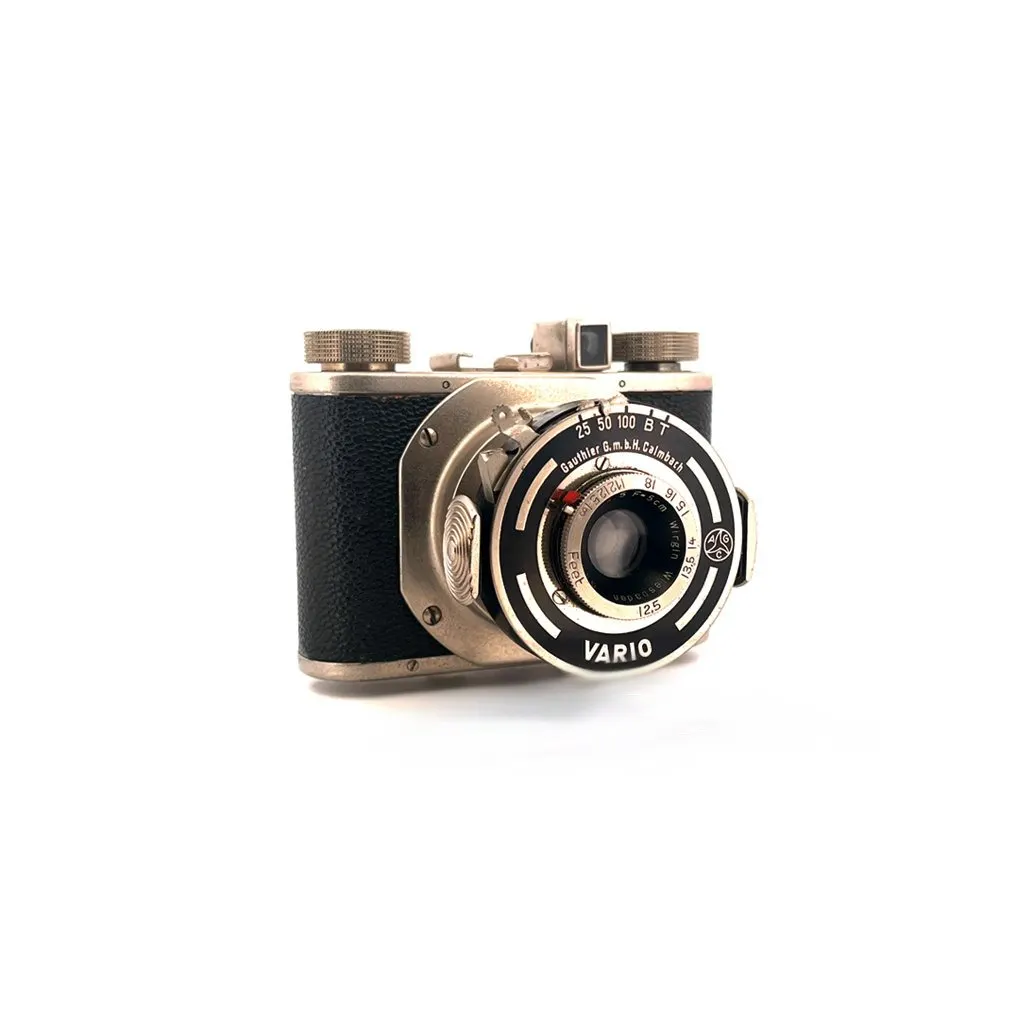
In 1920 the brothers Heinrich, Max and Josef Wirgin founded a camera company in Wiesbaden. In the 1930s it made the Gewirette, a small camera for 127 film whose lens collapsed into the body. To load it, you pulled off the whole top.
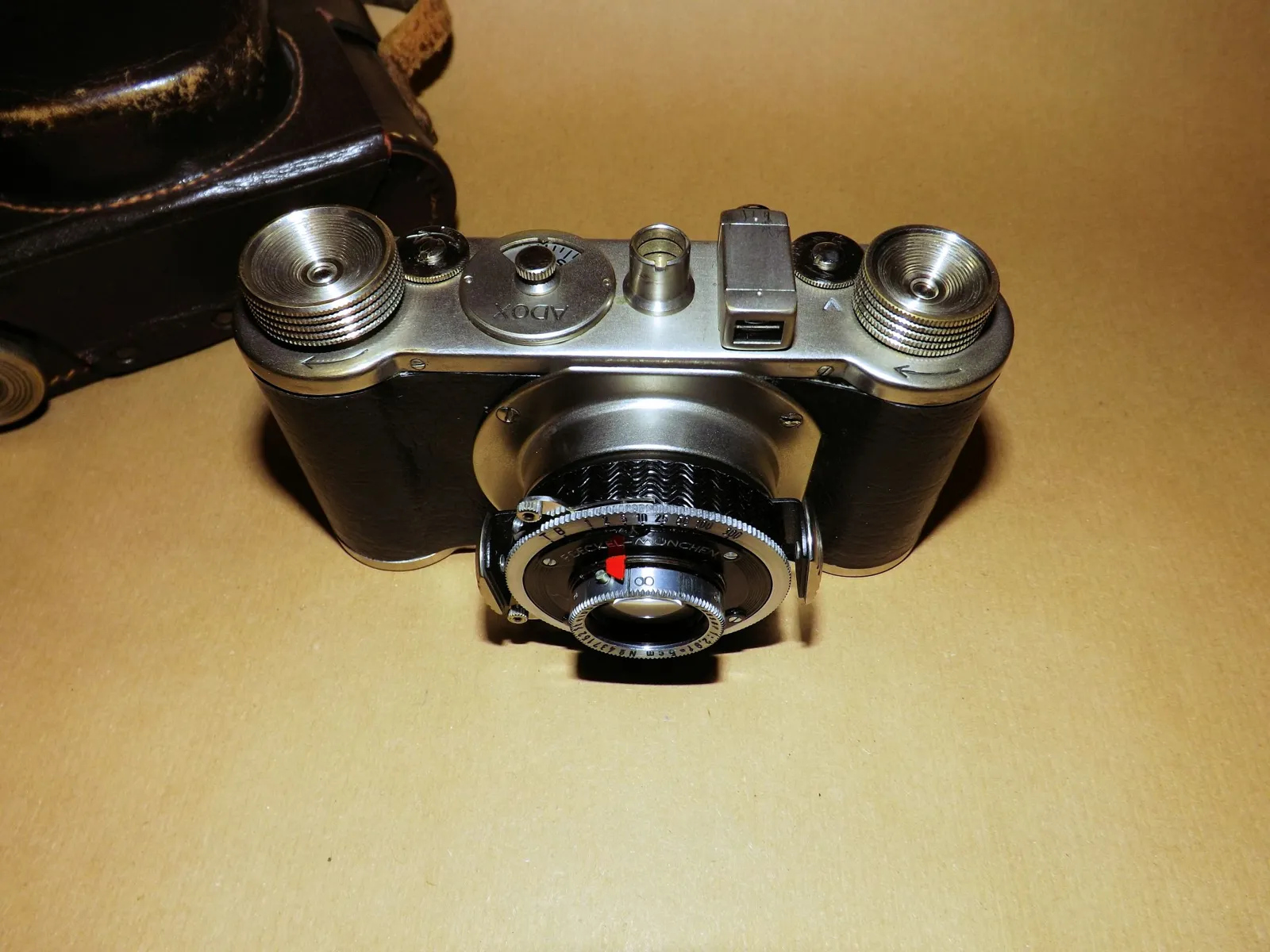
In the late 1930s Heinrich and Josef had to flee Germany to escape the persecution of the Jews. Their factory was taken into the Adox company of Dr. Carl Schleussner, which went on selling the Gewirette as the Adrette.
1945–1959
The Edixa Reflex
In the museum
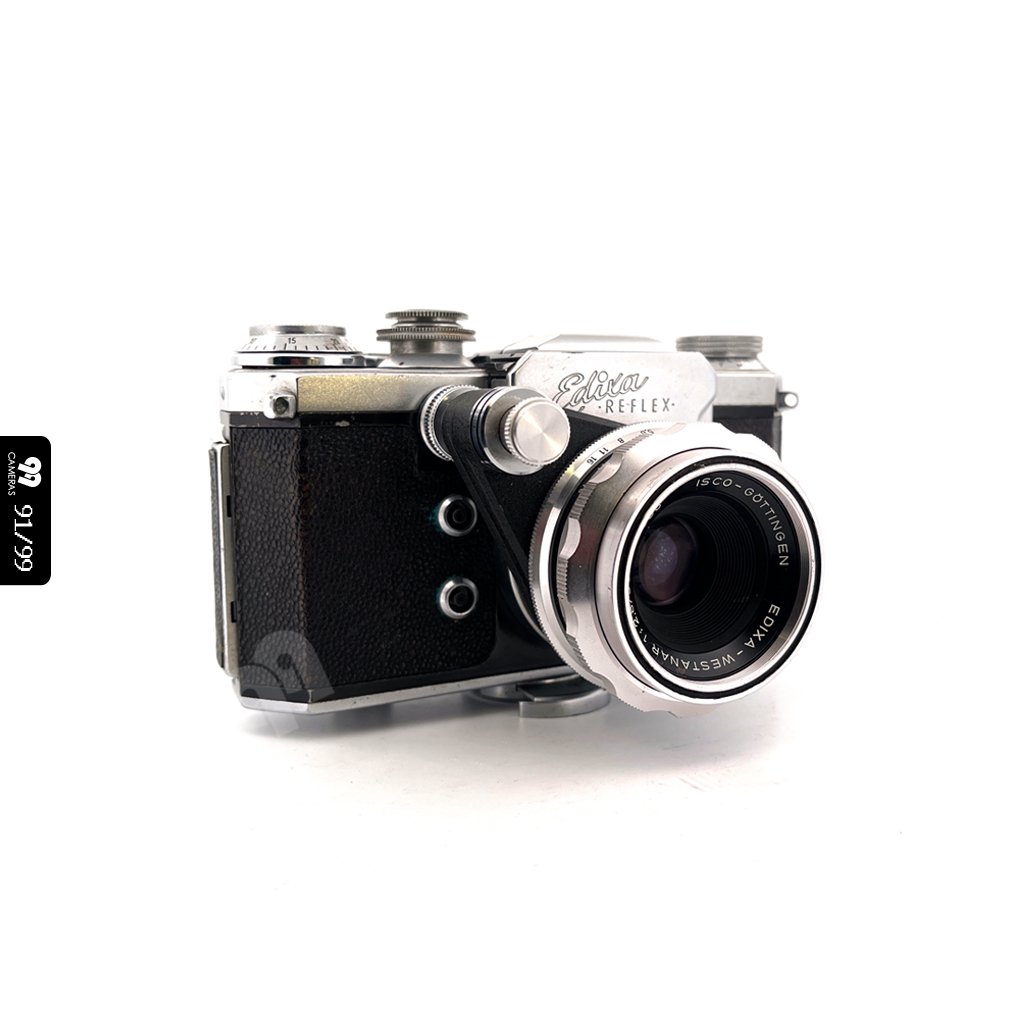
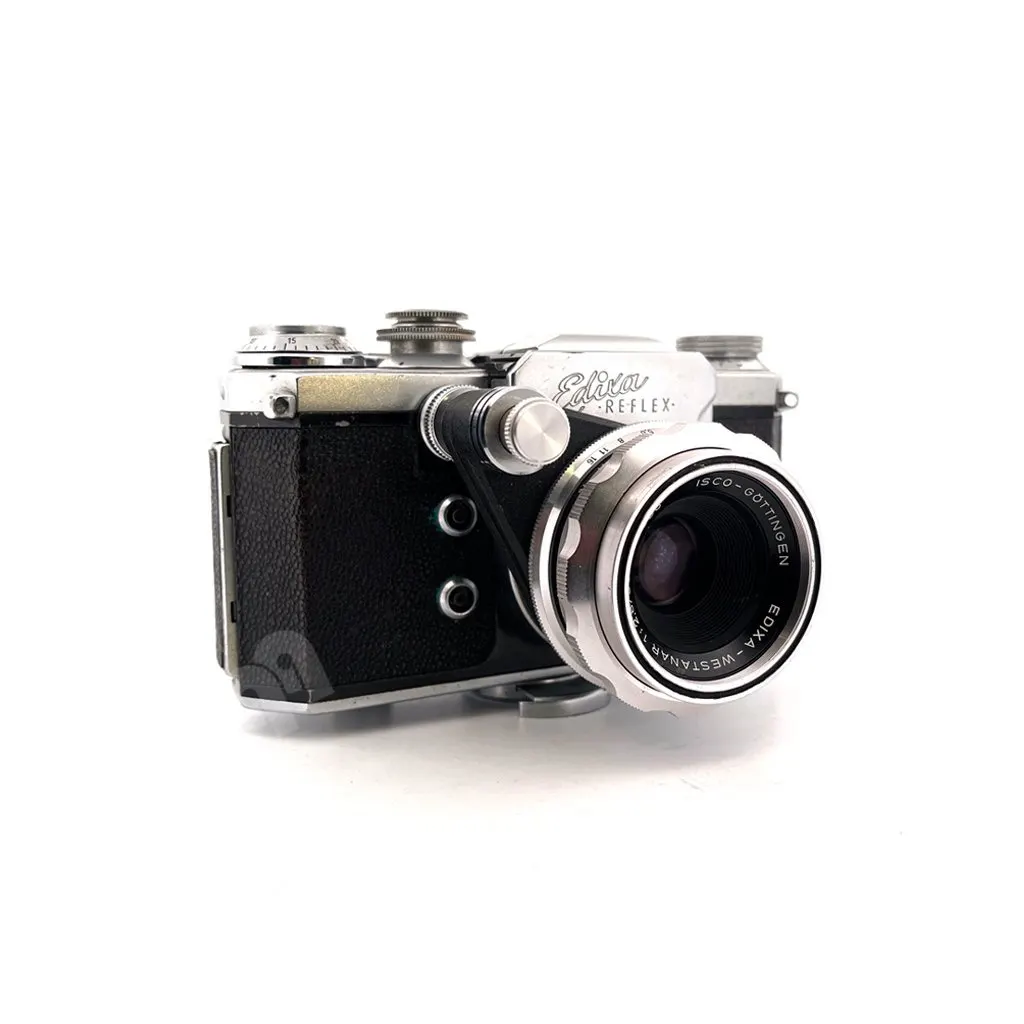
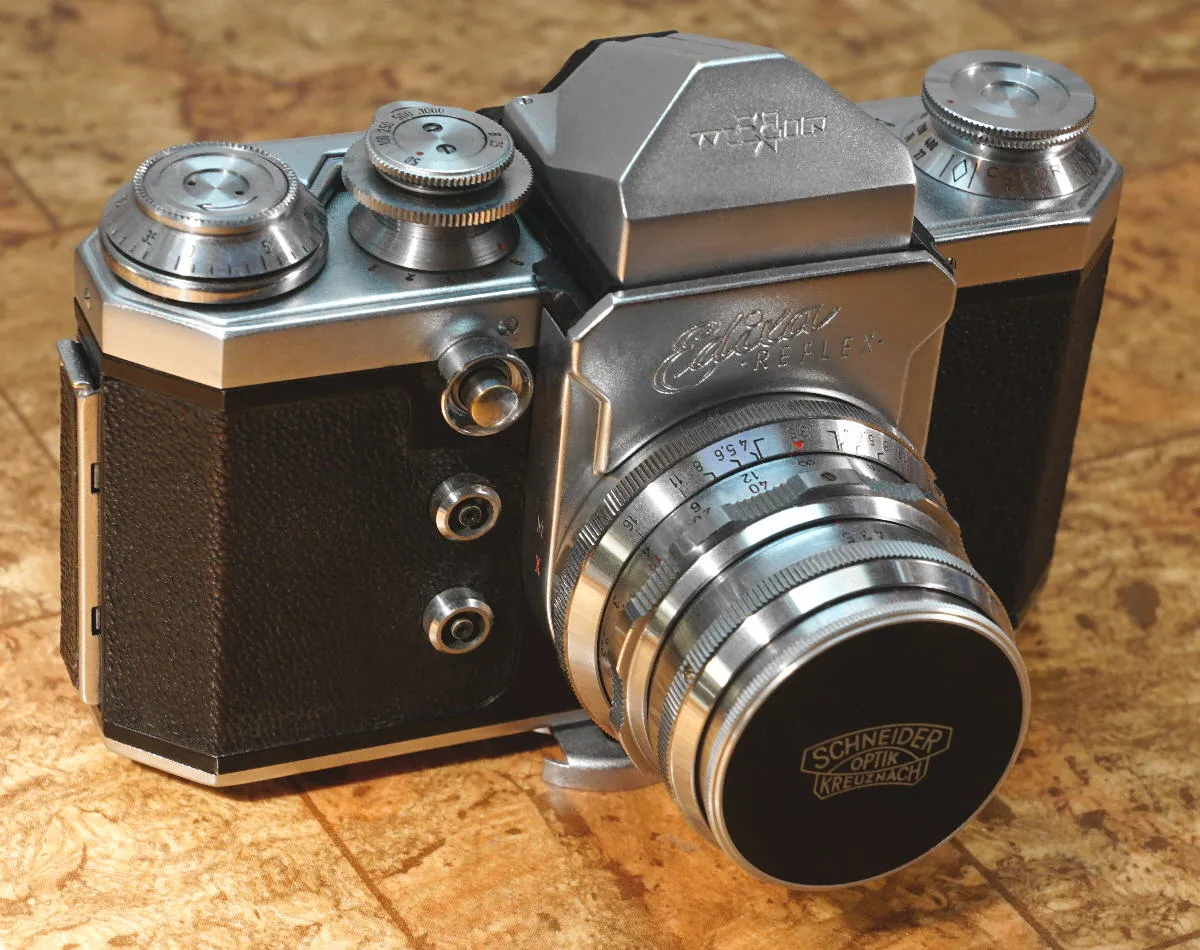
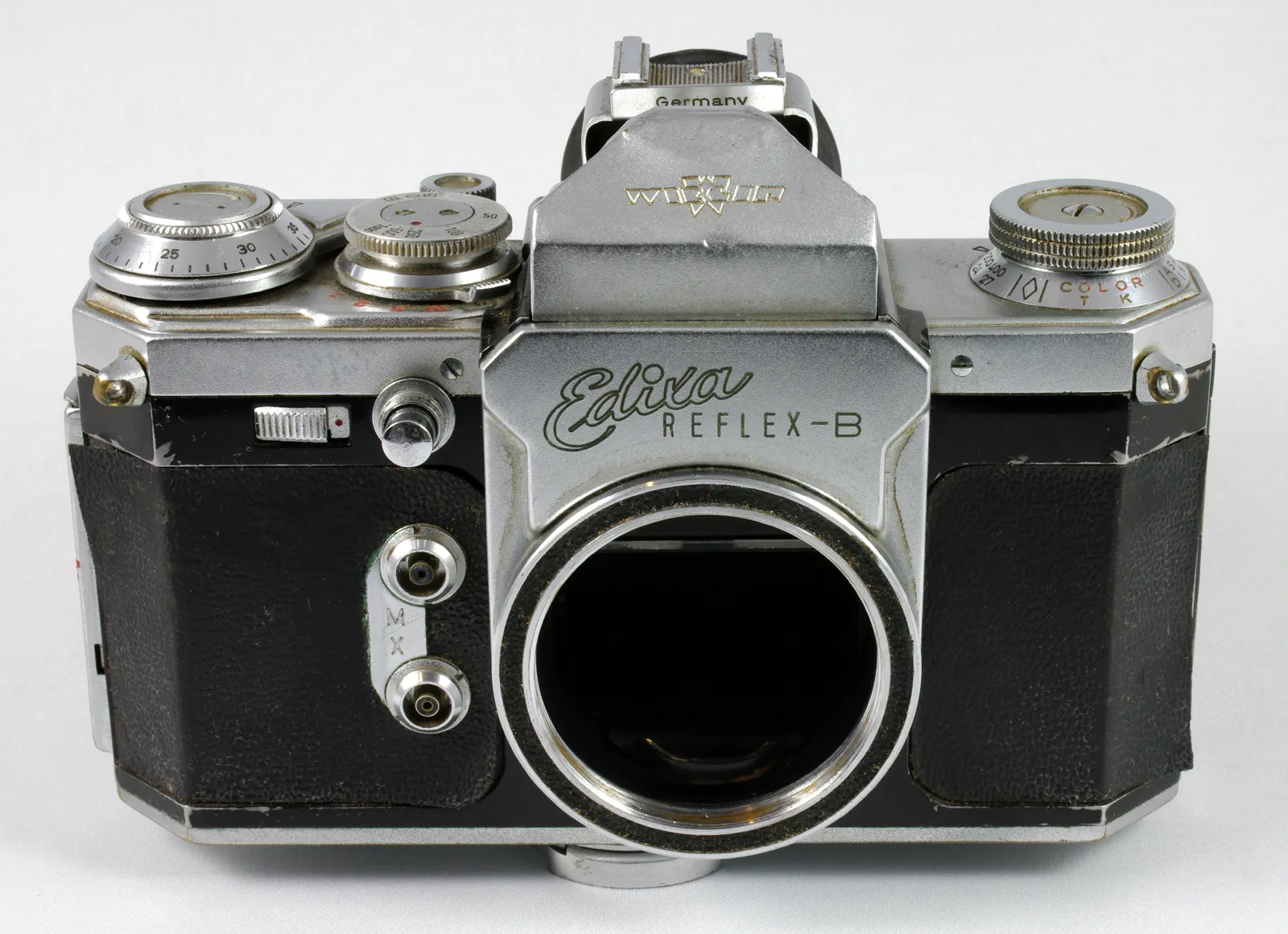
After the war Heinrich, now called Henry, came back and refounded the company in Wiesbaden. In 1951 a young self-taught mechanic, Heinz Waaske, designed its first reflex with a focal-plane shutter. First called Komet, it had to be renamed Edixa after complaints from other companies.
The Edixa Reflex became West Germany’s most popular series of 35 mm reflexes, made in many versions, with the universal M42 screw mount and interchangeable finders and screens.
The people

1960–1971
The camera Wirgin said no to
In the museum
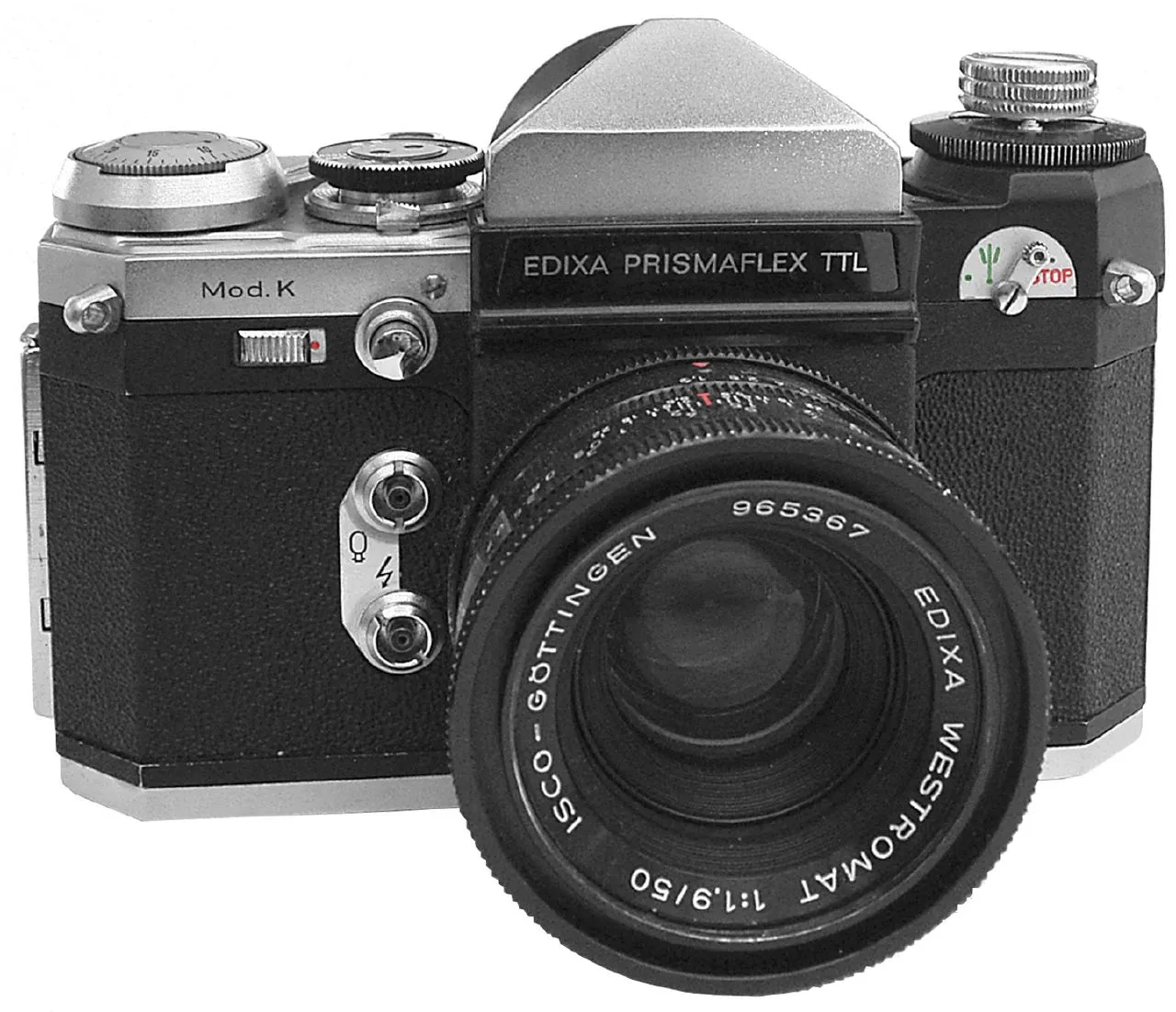
In the 1960s Wirgin made more Edixas, such as the Prismaflex, and in 1962 Henry Wirgin bought the camera maker Franka. Franka closed in 1967, and Wirgin closed its original company in 1968, going on in a smaller plant until a last reflex in 1971. Henry Wirgin died in Wiesbaden in 1989, aged 90.
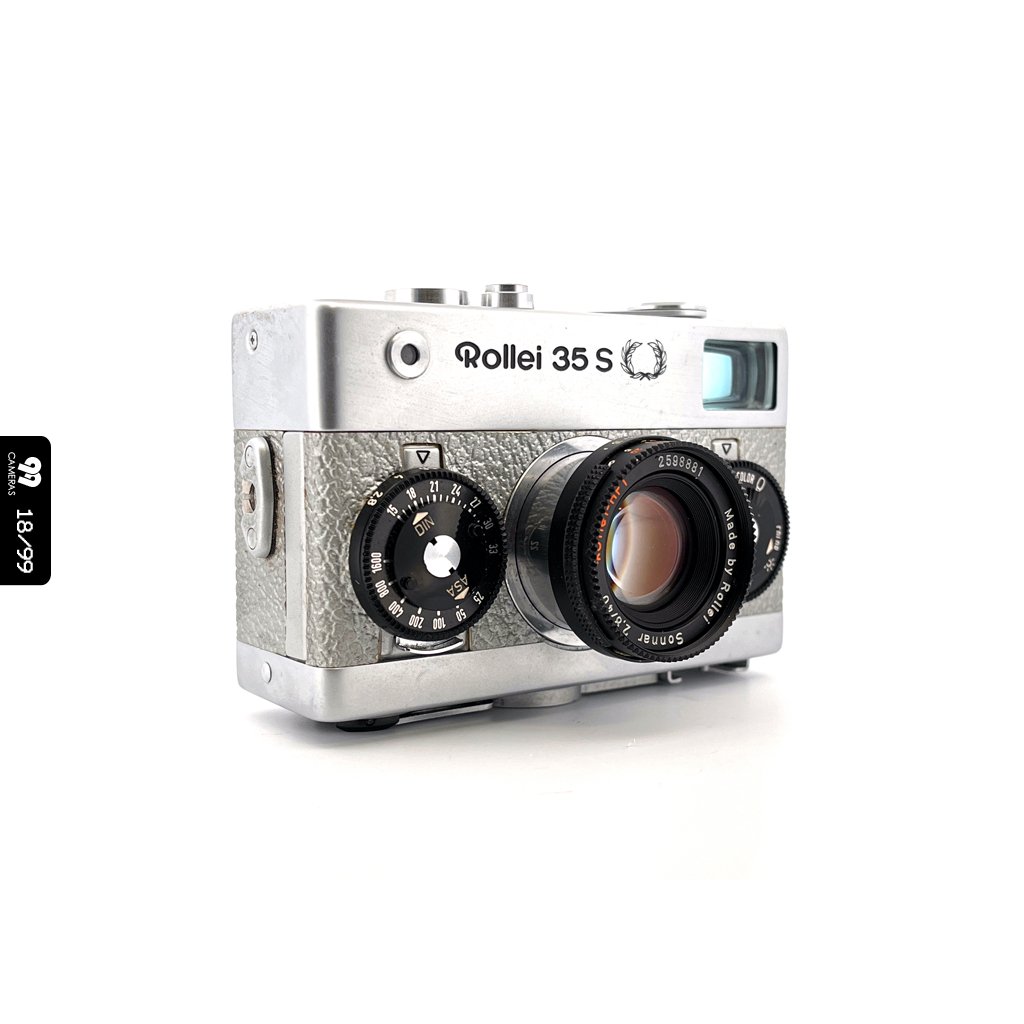
Meanwhile Heinz Waaske had designed, in his spare time, a tiny camera for full-size 35 mm pictures.


Wirgin at the 99 Cameras Museum
The Edixa Reflex designed by Heinz Waaske is in the showcases of the museum in Paris. You can see it, and the other cameras of this story, in our online collection.
See the Wirgin cameras of the collection
Sources. Camera-wiki article on Wirgin, the museum’s own records. Some anecdotes come from oral tradition and are told as such.
Plan your visit
Visit is free and open to all
- Opening hoursMonday – Saturday : 10 – 17:30
- AddressStudio Harcourt, 6 Rue de Lota, 75116 Paris
- Exceptional closuresThursday, 26 November 2026