The adventure of the brands
The Showa Kogaku story
- Founded in 1938Japan
- No longer makes cameras
A Tokyo workshop in 1938, Leica-style cameras built around the patents, a twin-lens reflex seven centimetres tall, cameras sold to the soldiers of the occupation and the end of the rangefinders: the Showa Kogaku story, told through its cameras and its anecdotes.
1938–1945
A Leica from Tokyo
In the museum
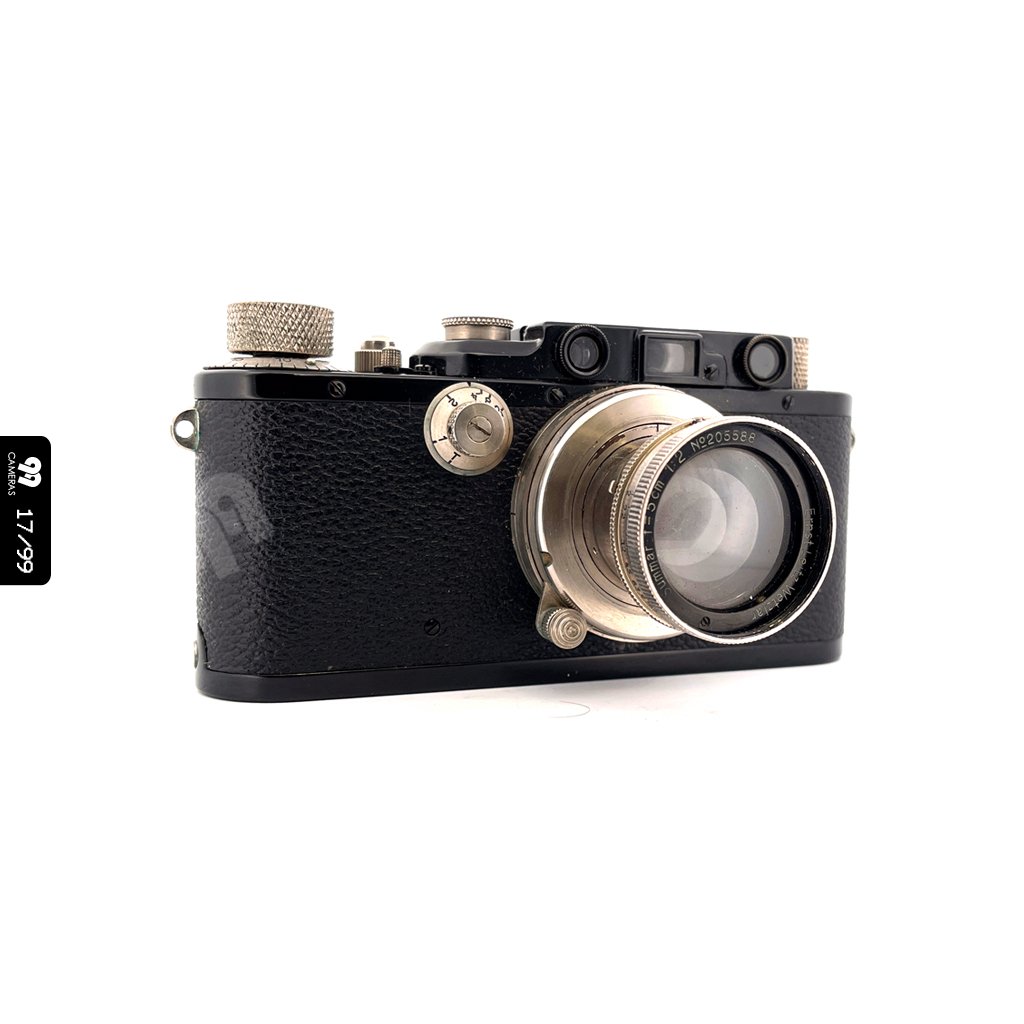
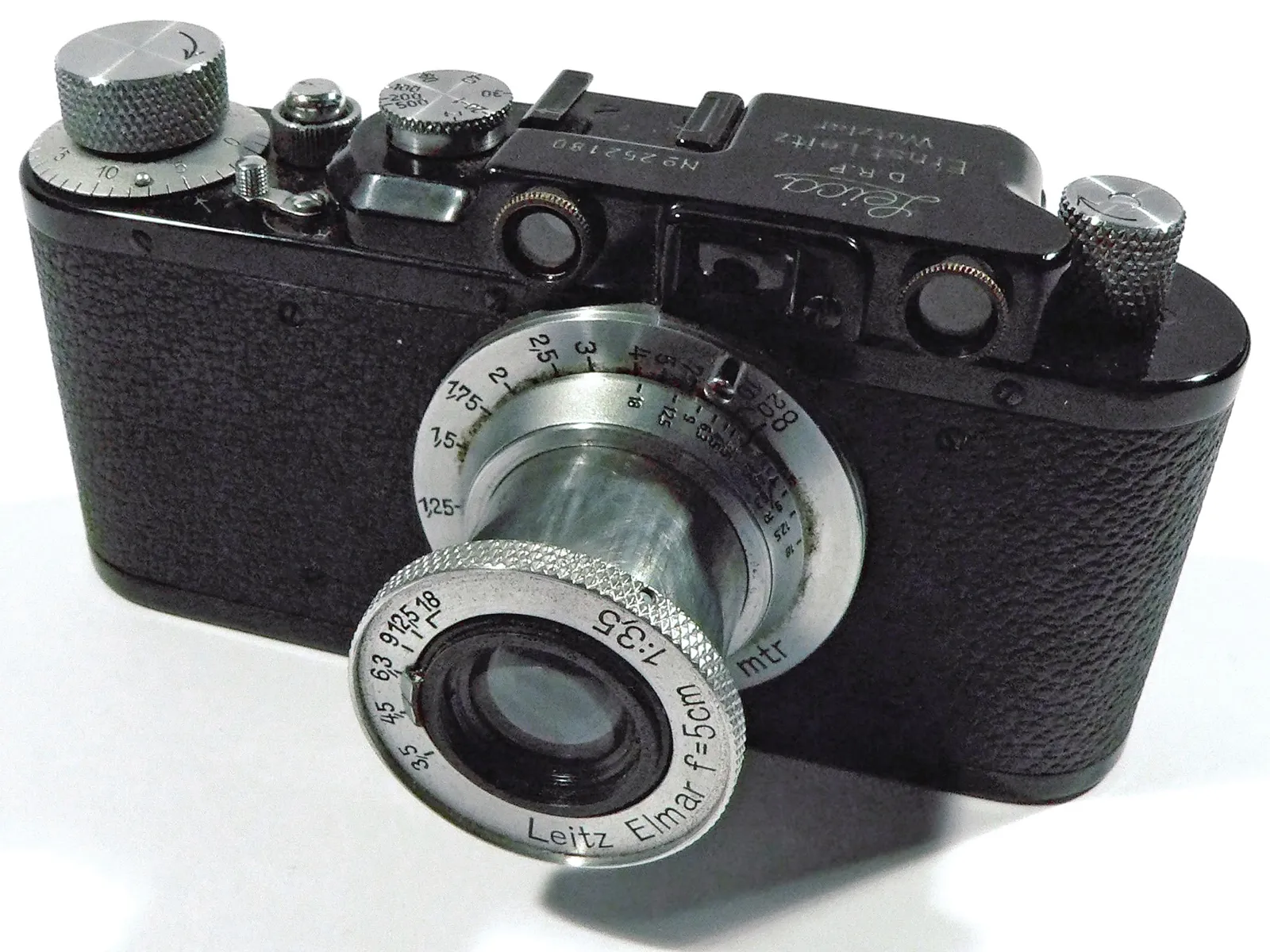
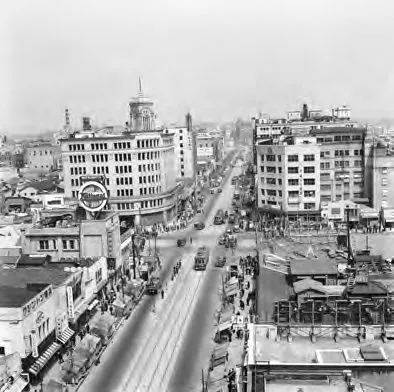
In January 1938 Kenzō Nakagawa, a former engineer of Konishiroku, the future Konica, founded Kyōei-sha in Tokyo with the support of the dealer Minagawa Shōten. At the end of the year it was renamed Shōwa Kōgaku: Shōwa is also the name of the era of Emperor Hirohito.
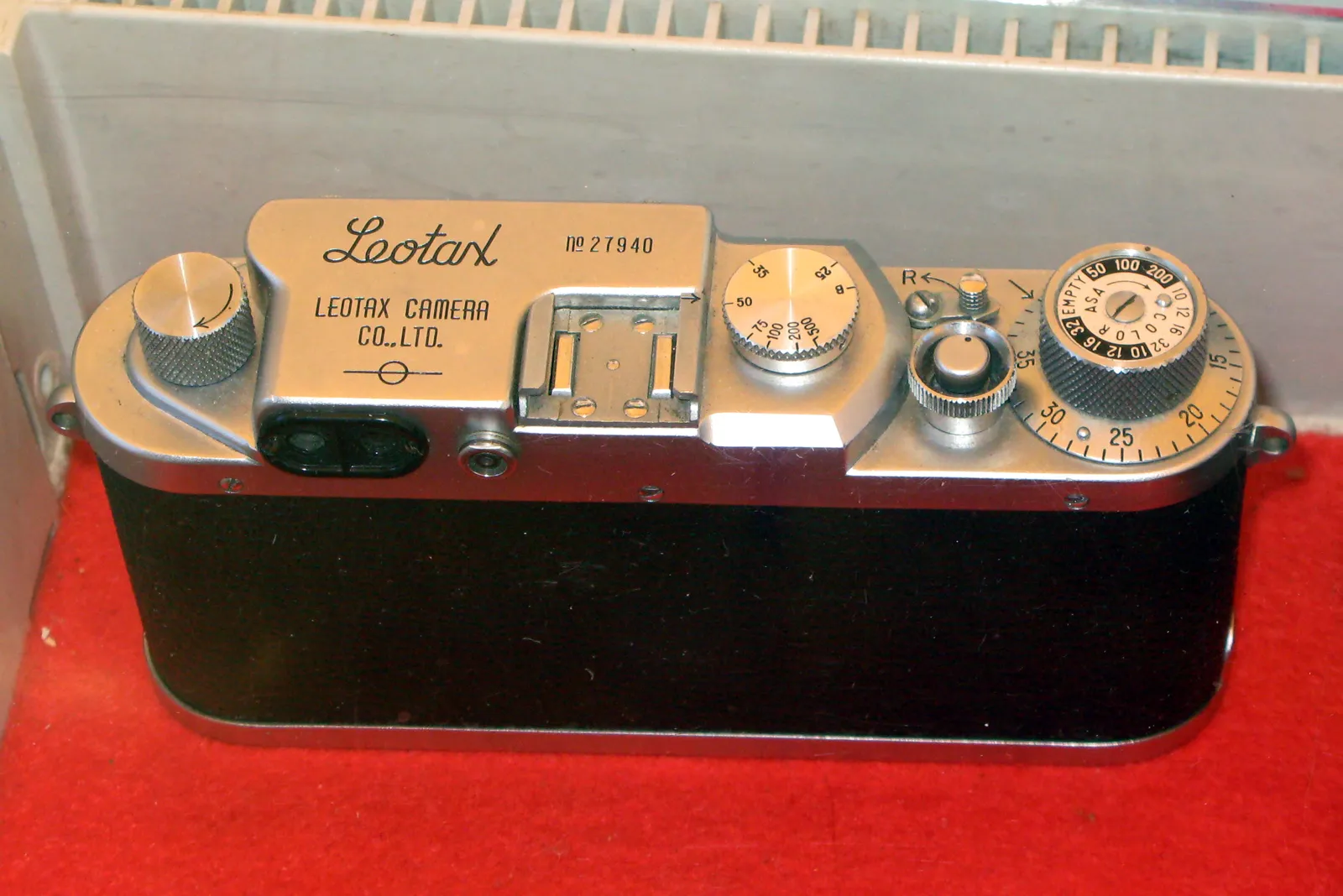
After Canon, it was one of the first Japanese makers of 35 mm cameras. Its Leotax cameras were inspired by the Leica, and in 1942 the Leotax Special models received a coupled rangefinder.
1946–1952
Made in Occupied Japan

In the museum
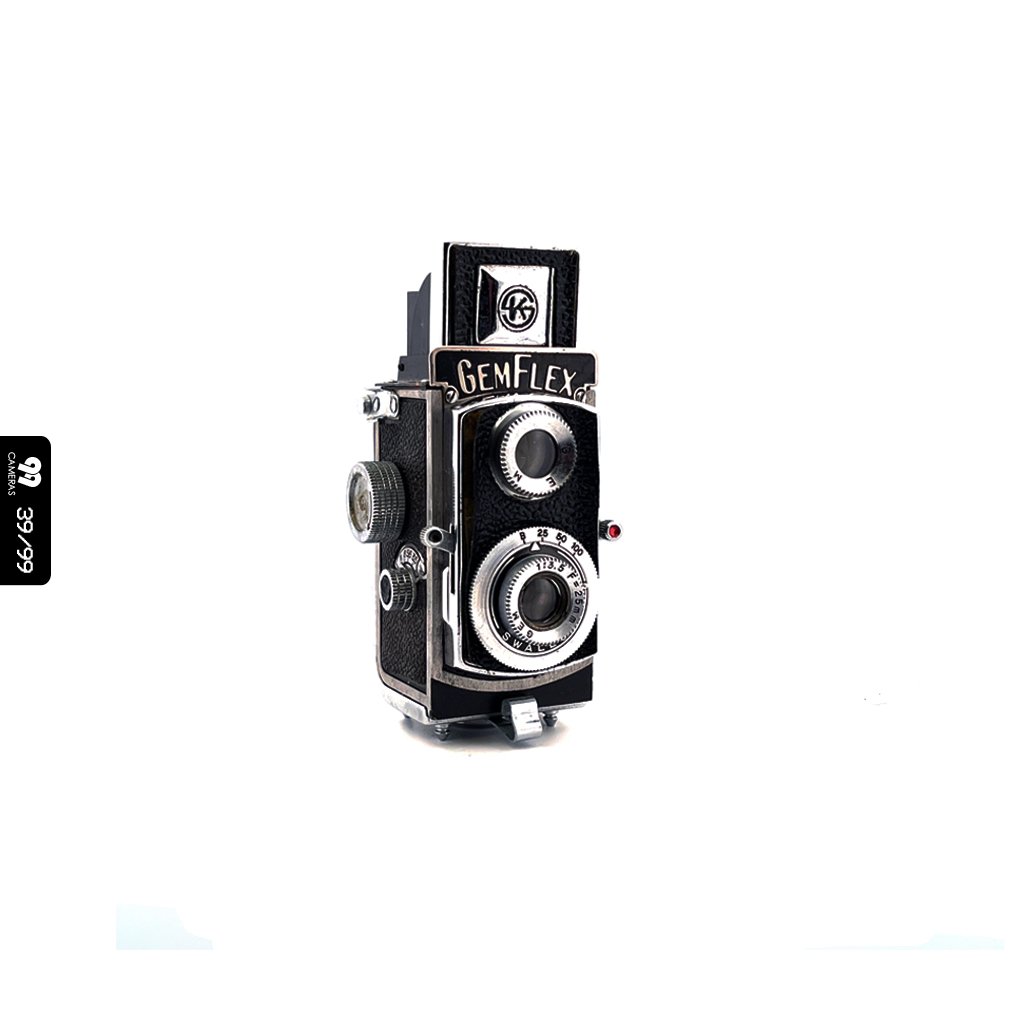
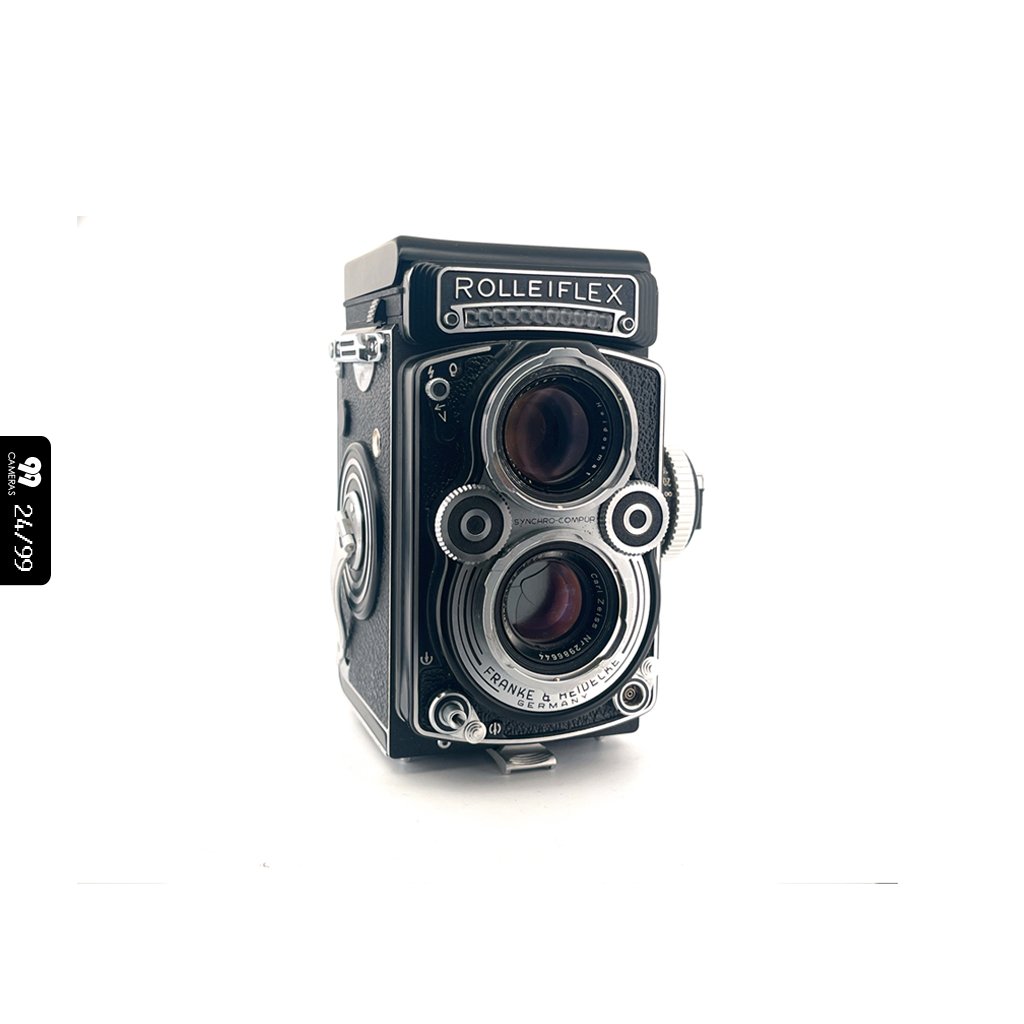
After the war, Showa sold most of its cameras to the American soldiers occupying Japan. The Leotax was a popular buy among the Allied soldiers.
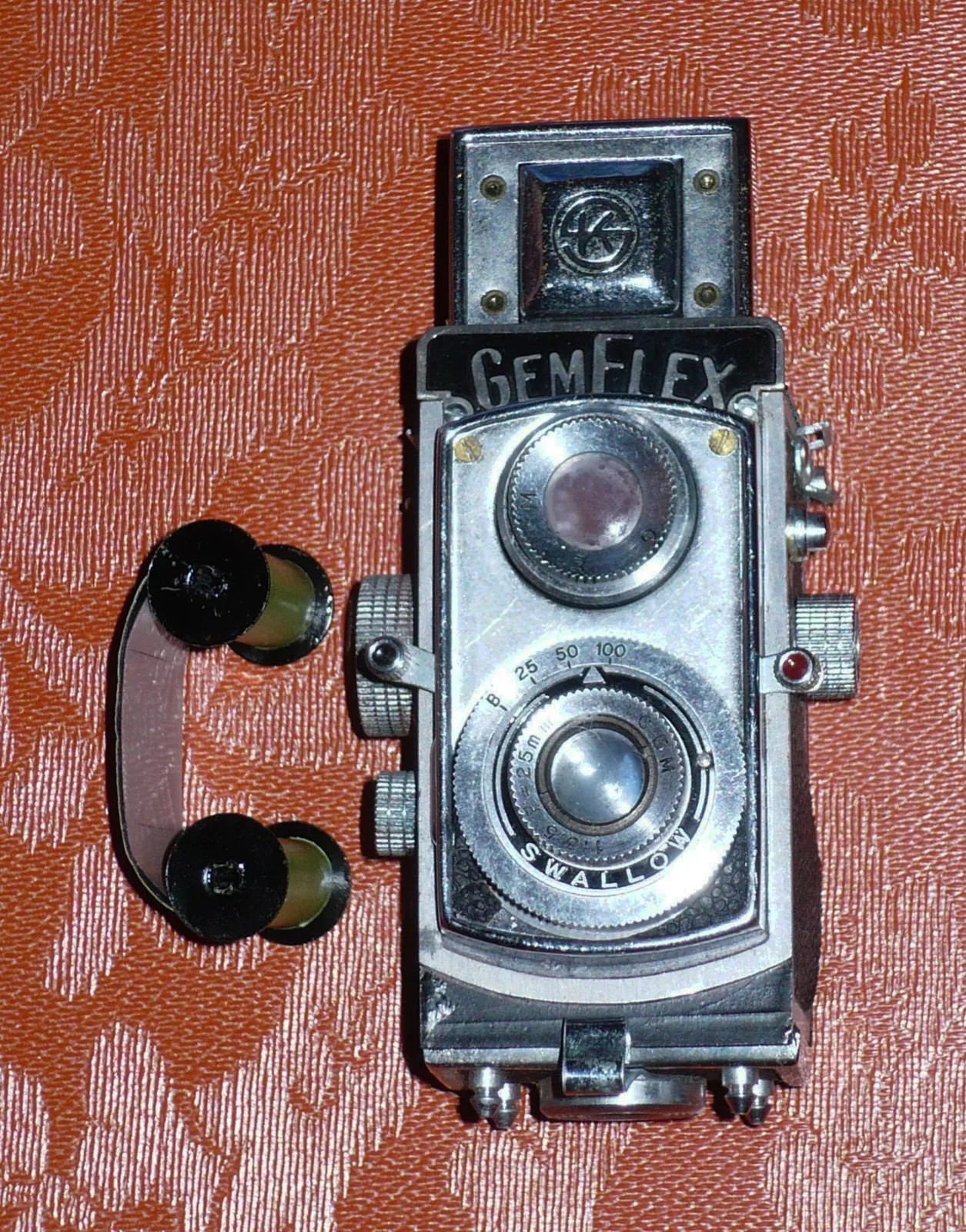
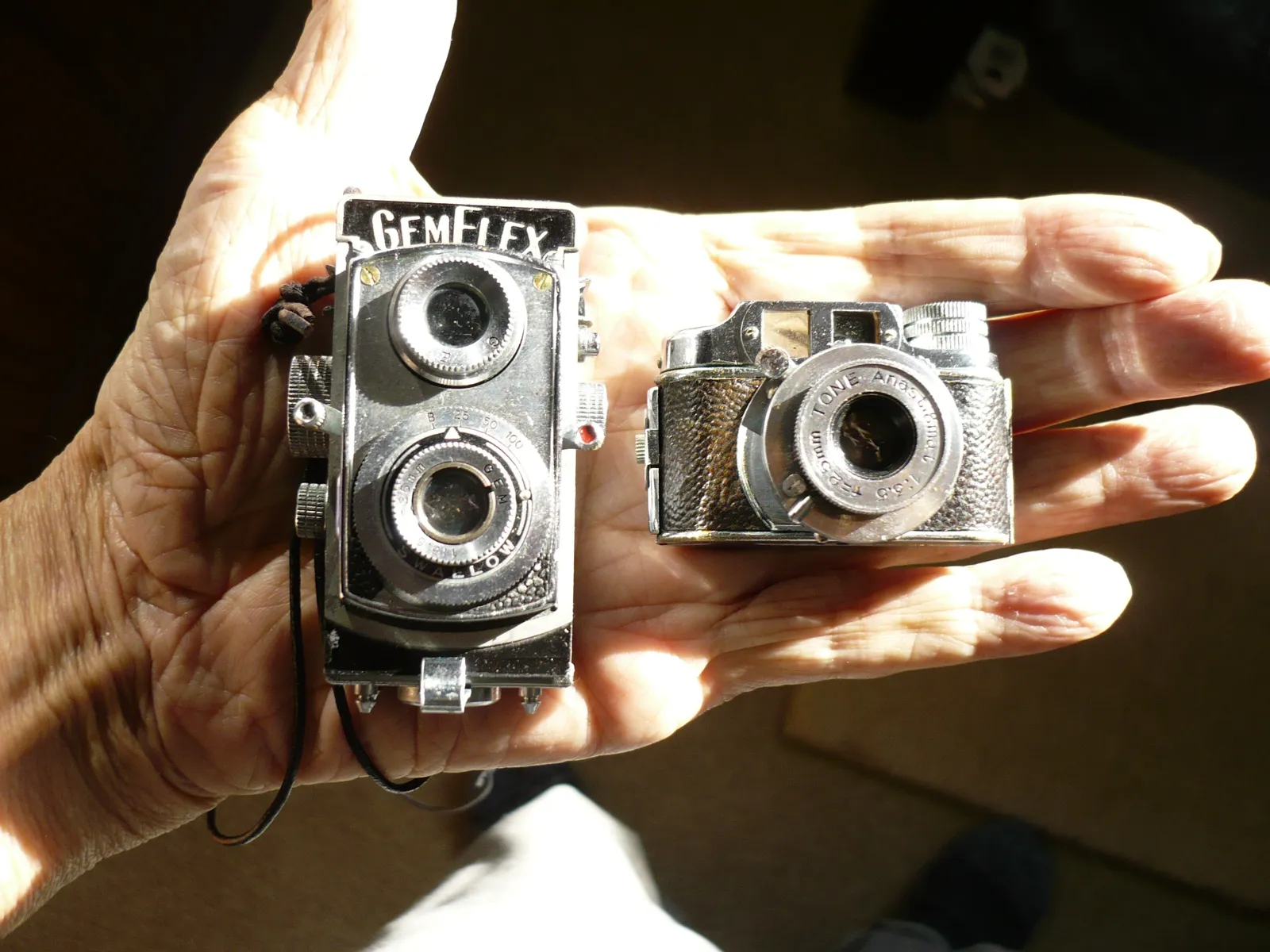
In November 1949 Showa made the Gemflex, a twin-lens reflex only seven centimetres tall, for 14 × 14 mm pictures on paper-backed 17.5 mm film. It looks like a tiny Rolleiflex and is used like one. Some are marked “Made in Occupied Japan”.
1950–1961
The last Leotax
In the museum
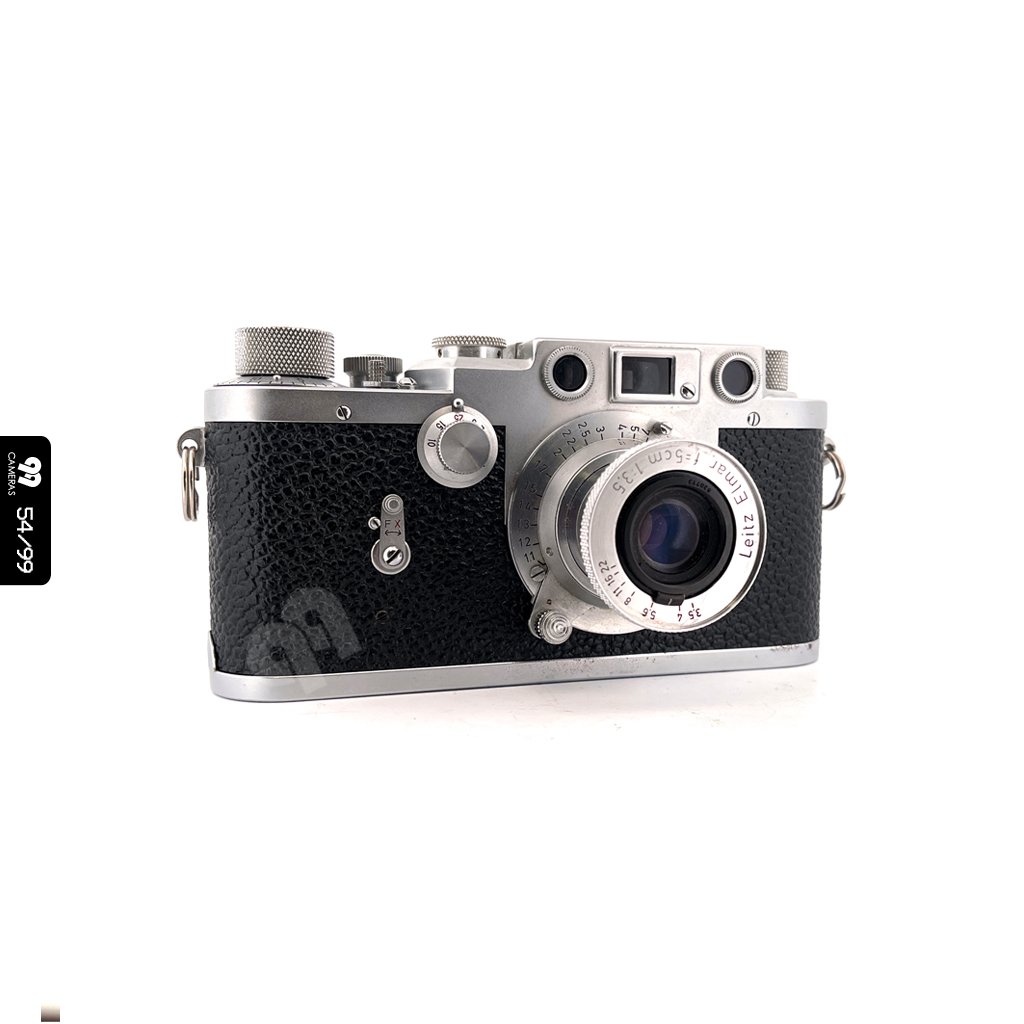
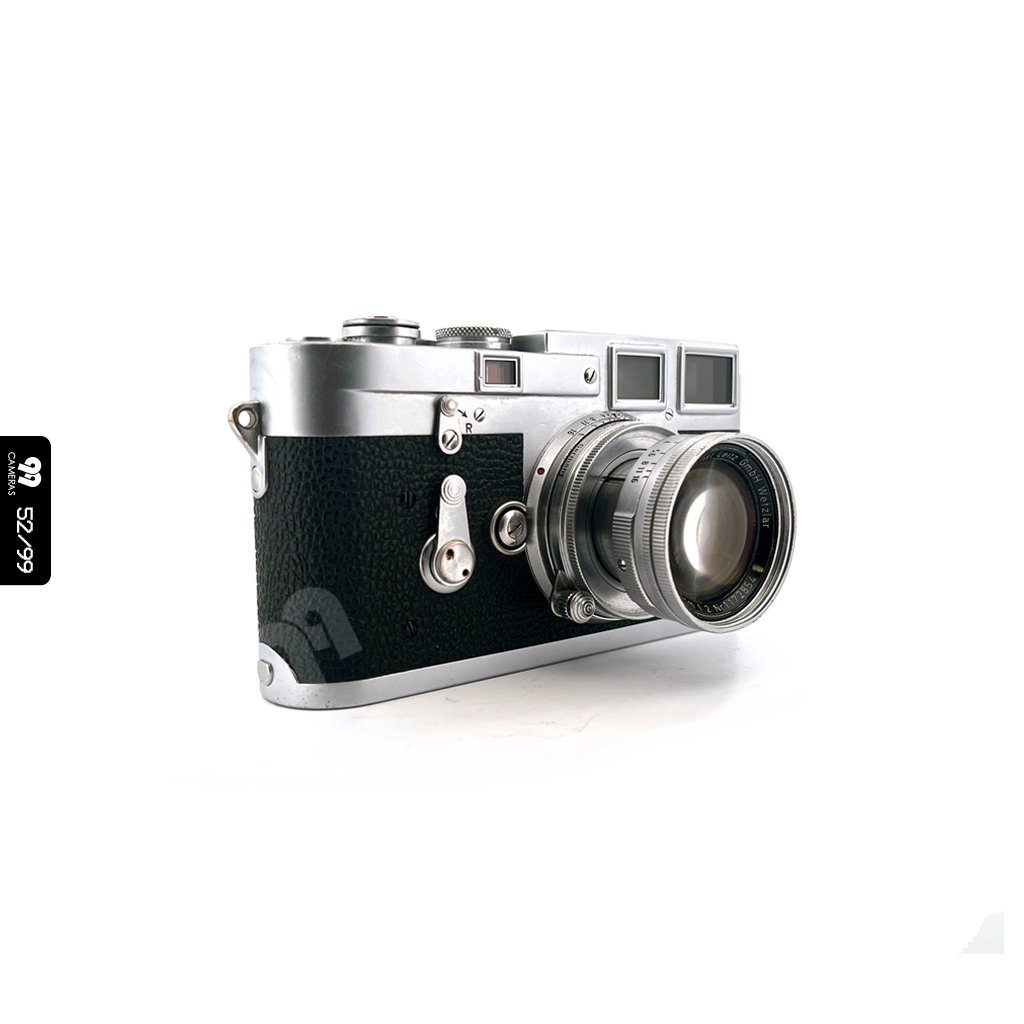
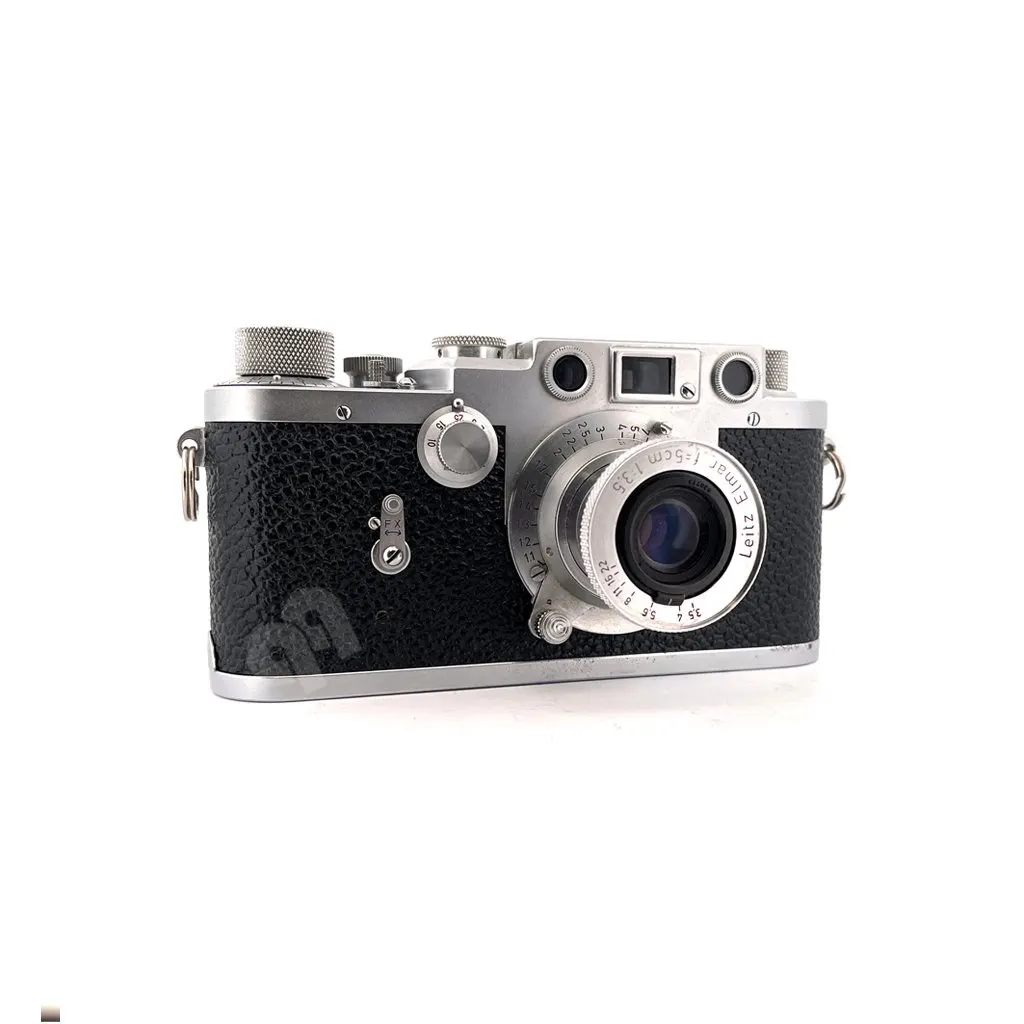
Showa went on improving its Leotax, with the D IV in 1950 and the Leotax F in 1954, which is in the museum. Around 1957 the company took the name of its best-known camera and became Leotax Camera.
It made rangefinder cameras until 1961. The last one was the Leotax G.
Showa Kogaku at the 99 Cameras Museum
The tiny Gemflex and the Leotax F are in the showcases of the museum in Paris. You can see them, and the other cameras of this story, in our online collection.
See the Showa Kogaku cameras of the collection
Sources. Camera-wiki articles on Shōwa Kōgaku and the Gemflex. Some anecdotes come from oral tradition and are told as such.
Plan your visit
Visit is free and open to all
- Opening hoursMonday – Saturday : 10 – 17:30
- AddressStudio Harcourt, 6 Rue de Lota, 75116 Paris
- Exceptional closuresThursday, 26 November 2026