
The Pioneers
13 cameras
Before electronics, taking a sharp, well-exposed photograph was a challenge that combined optics, mechanics and chemistry. From the bulky cameras of the early 1900s to the compacts of the 1990s, manufacturers tried everything: viewfinders, rangefinders, films and exposure systems.
This journey was led by visionaries such as Oskar Barnack, Victor Hasselblad and Heinz Waaske, amid fierce competition between Zeiss Ikon, Leica, Voigtländer, Hasselblad, Nikon and Kodak.
Audio guide · The Pioneers
Top shelf 4 cameras
-
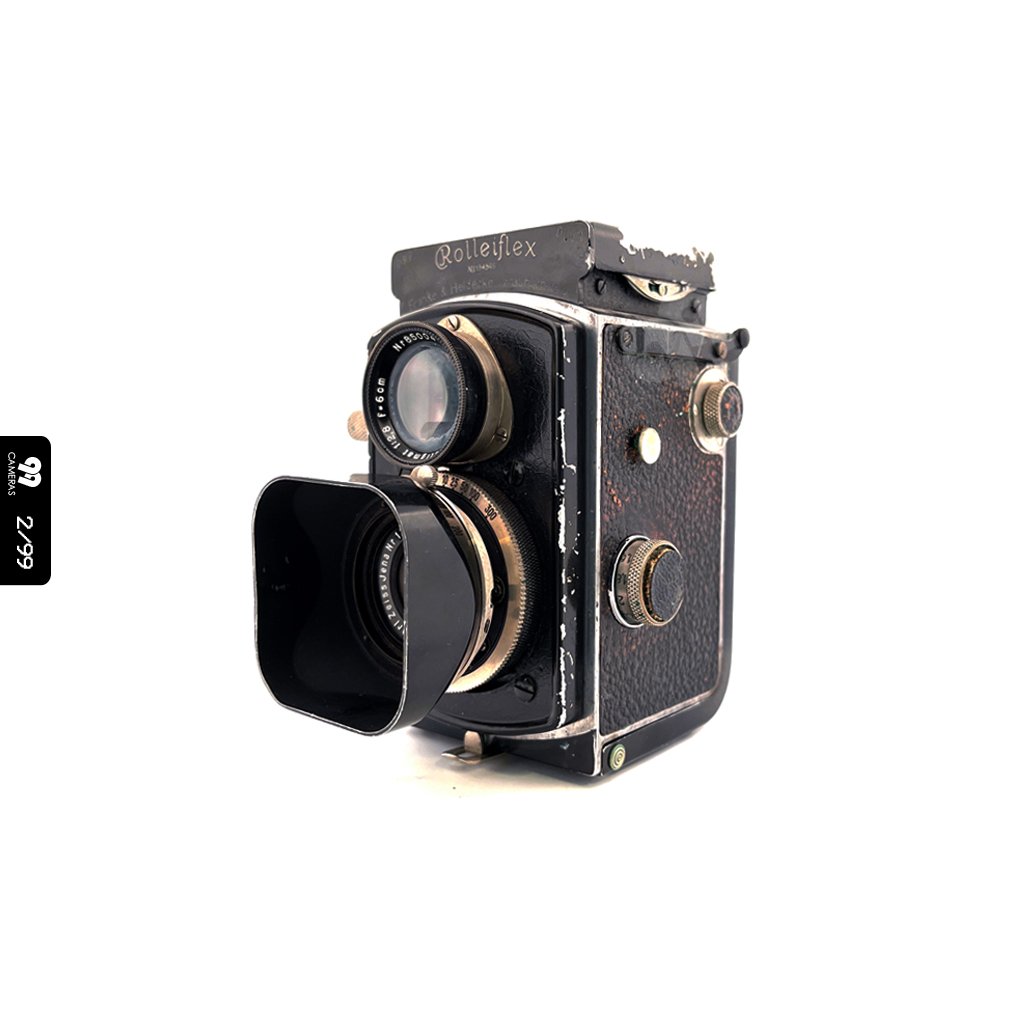
RolleiRolleiFlex Baby
- 1931
- GermanyGermany
- 4×4 cm
The Rolleiflex 4x4 (nicknamed "Baby" Rolleiflex) was the first 4x4cm model introduced by Franke & Heidecke, following the larger original 6x6cm version. The Baby Rolleiflex was challenging to sell during the 1930s as it remained relatively expensive in the economic downturn of the time. This is why these models are highly sought-after collectibles today.
See the camera page -
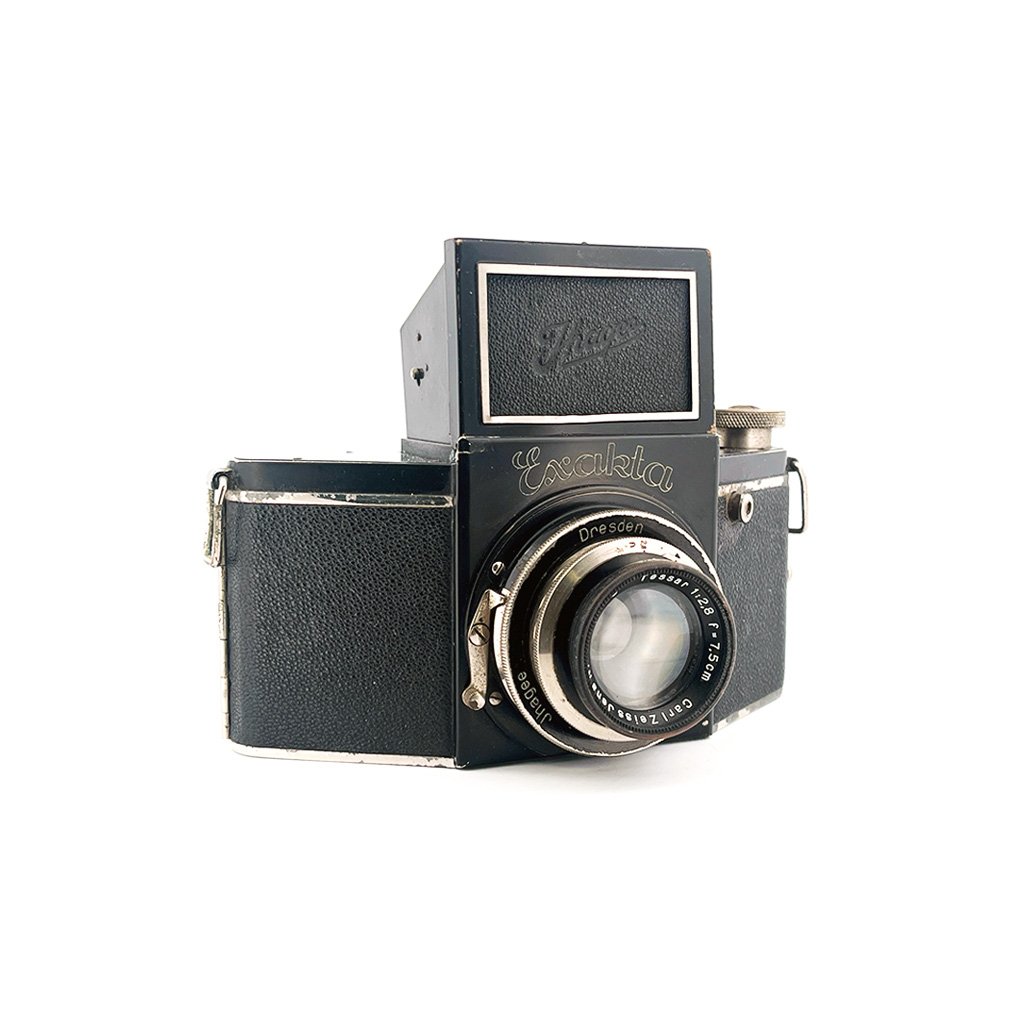
IhageeIhagee Exakta A
- 1933
- GermanyGermany
- 127 film
The Exakta, recognizable by its trapezoidal shape, boasts an impressive record: the first single-lens reflex (SLR) camera for 127 film in 1933, for 35mm film in 1936, the first camera with a film advance lever (rather than a knob), and the first integrated flash socket. An Exakta was used by James Stewart to spy on his neighbor in Alfred Hitchcock's "Rear Window."
See the camera page -
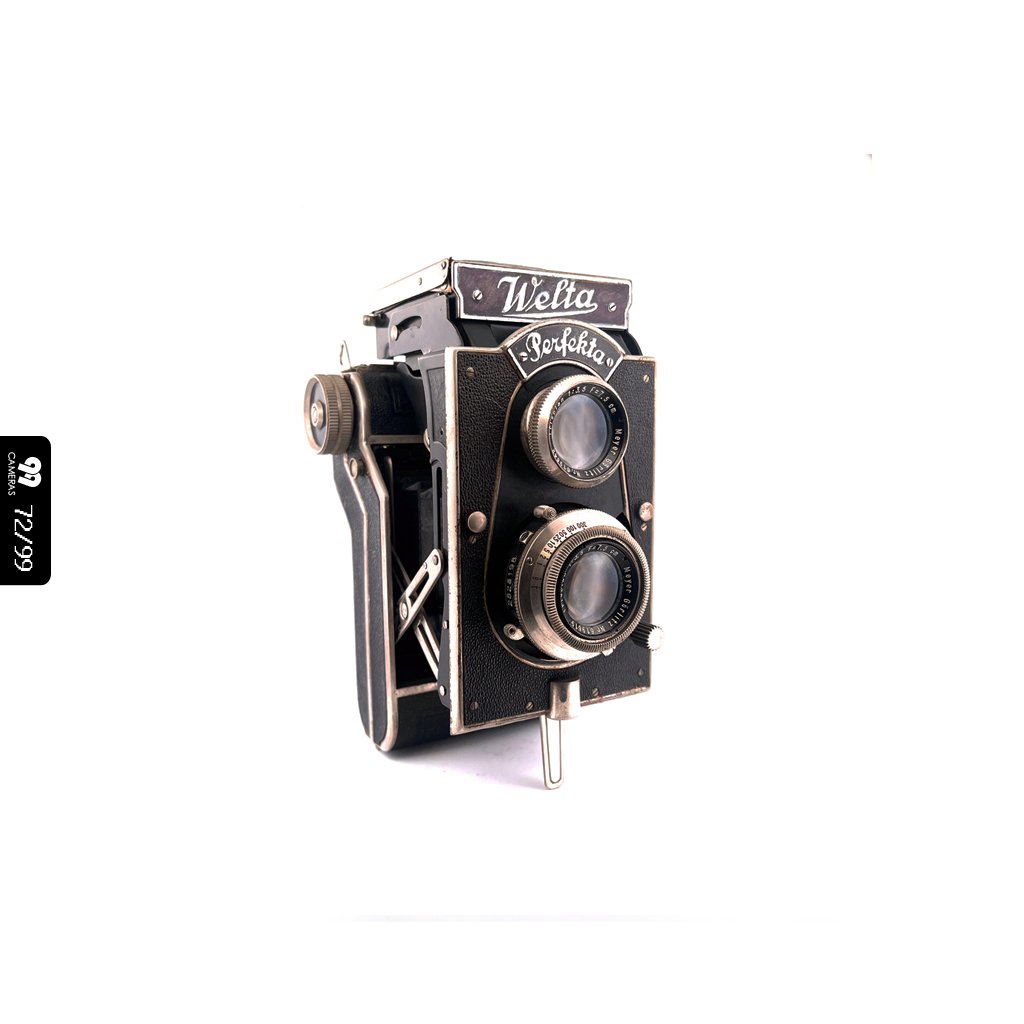
WeltaWelta Perfekta
- 1934
- GermanyGermany
- 120 film
The Perfekta is an engineering marvel. Welta aimed to create a 6x6 twin-lens reflex (TLR) camera that could fold to fit into a vest pocket. Using a button, the camera body splits vertically and extends to reveal a bellows chamber while the viewfinder remains suspended above the bellows. Pressing the front reverses the movement smoothly.
See the camera page -
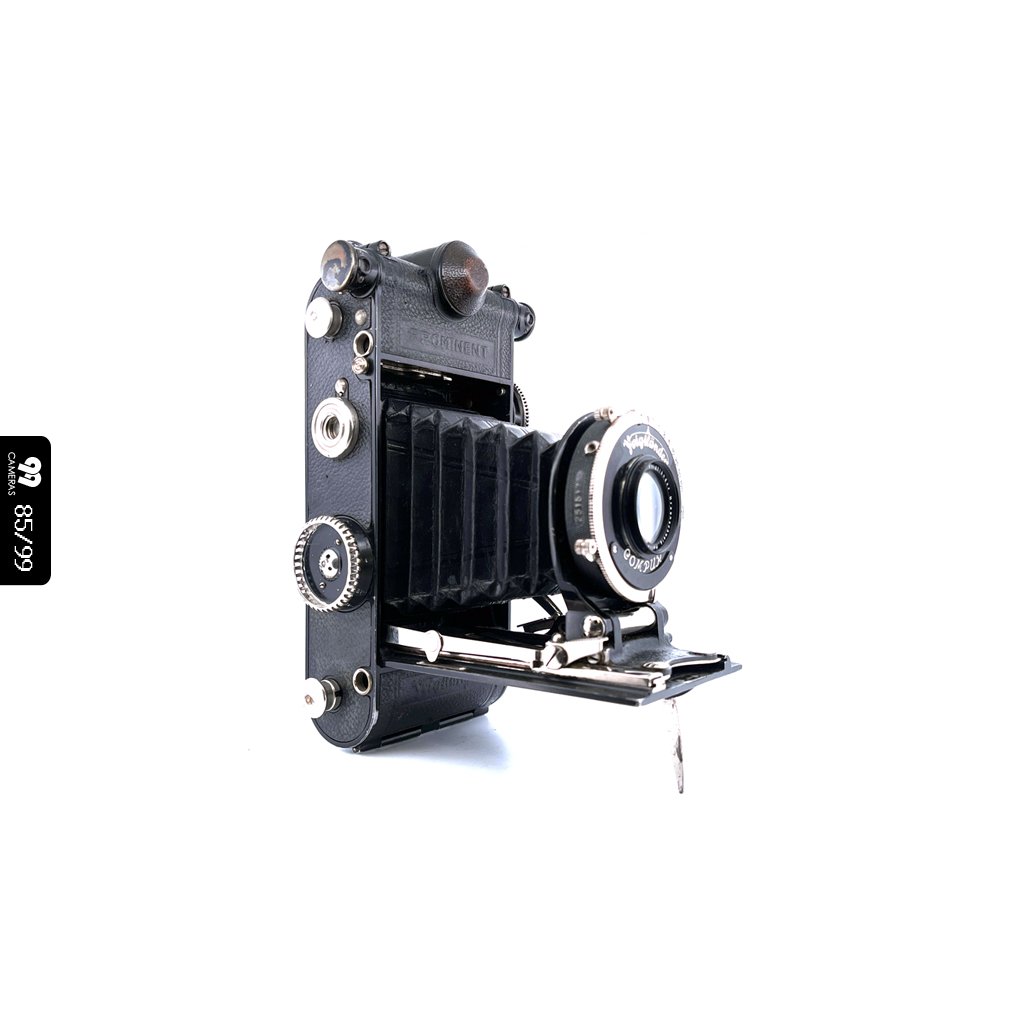
VoigtlanderVoigtlander Prominent
- 1932
- GermanyGermany
- 120 film
The Prominent introduced several intriguing innovations. A rangefinder located on top of the camera using a double prism solution for very clear and easy focusing. A disc-shaped light meter on the side containing 3 rotating elements to combine brightness, film sensitivity, and aperture to calculate the ideal shutter speed.
See the camera page
Middle shelf 5 cameras
-
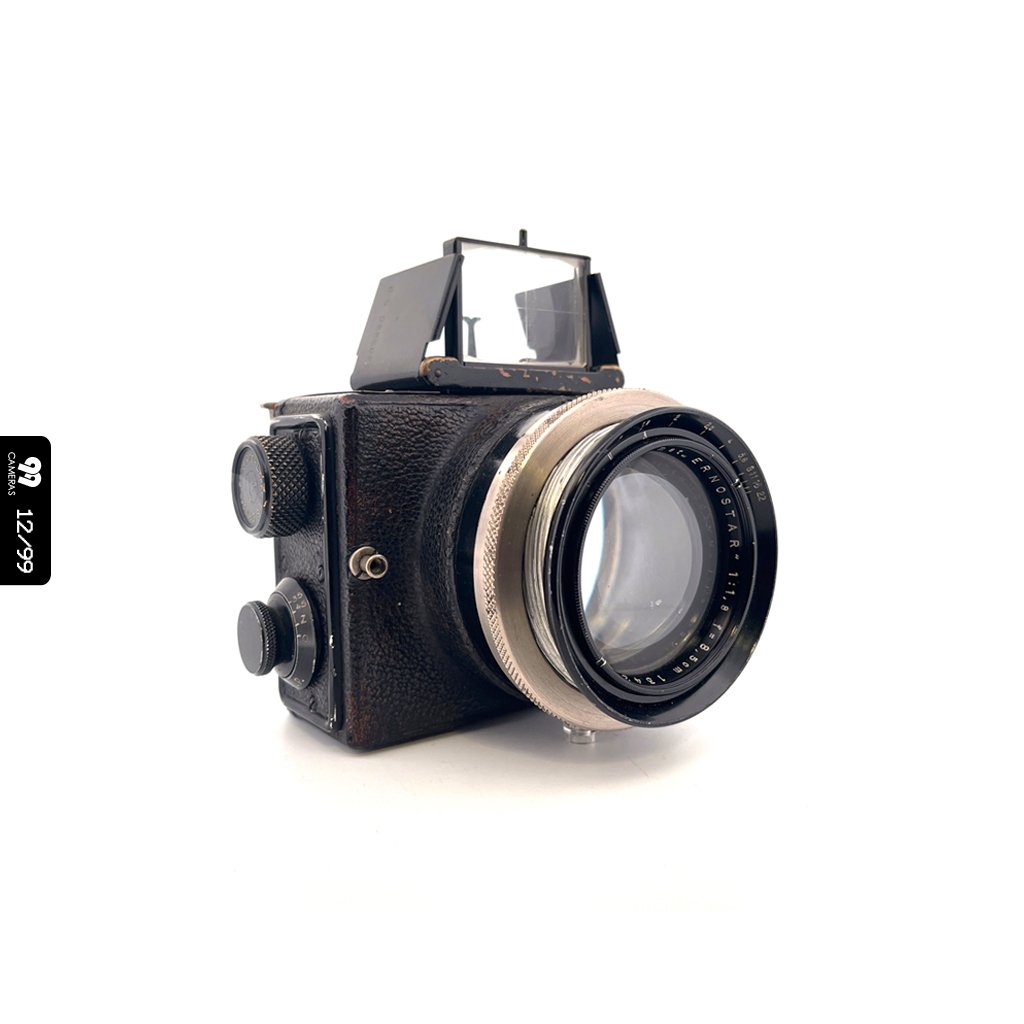
ErnemannErnemann Ermanox
- 1924
- GermanyGermany
- 6×4.5 Plates
The Ermanox are legendary cameras. They allowed capturing indoor shots with exceptionally bright lenses. The German photographer Erich Salomon liked to use it discreetly to produce intimate images of politicians and celebrities. These "stolen" photographs were quite unusual for that time.
See the camera page -
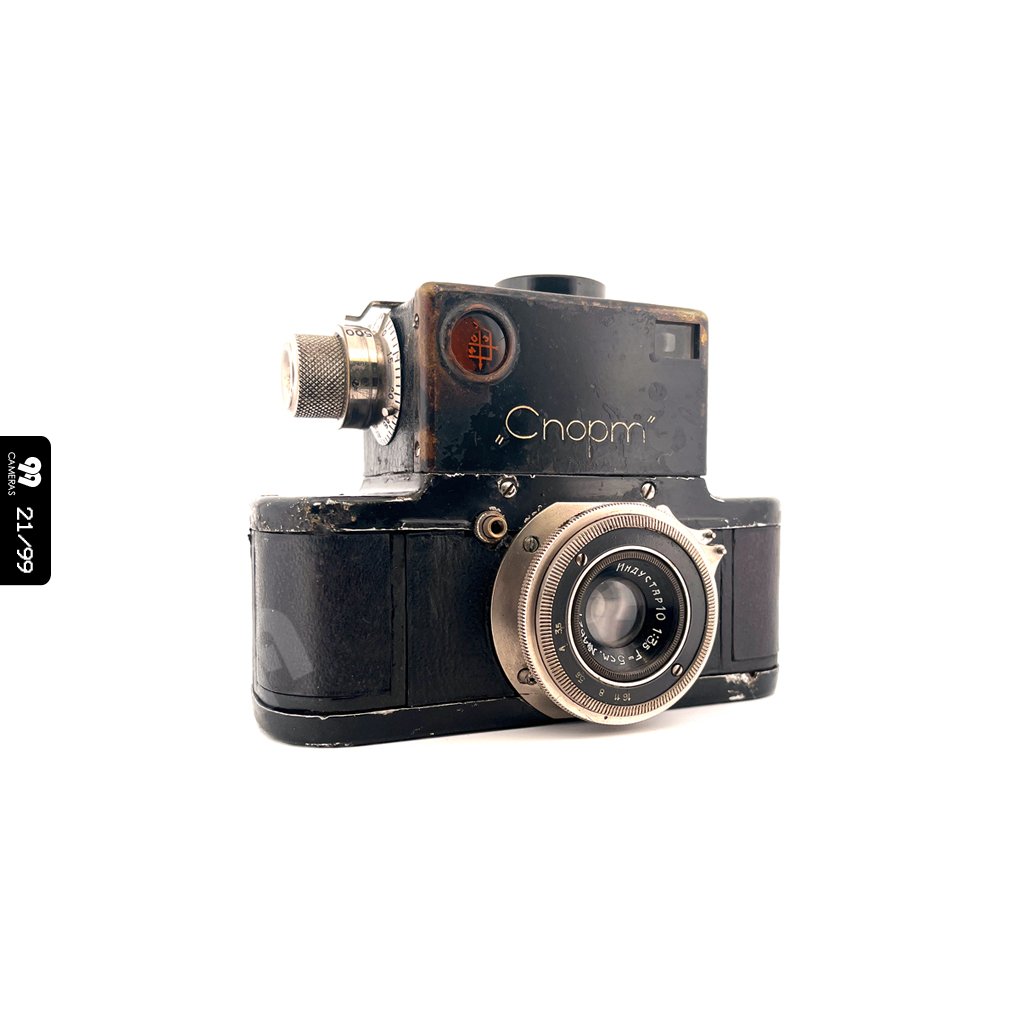
GomzGomz Sport “Спорт”
- 1937
- USSRUSSR
- 35 mm
The Sport was one of the earliest 35mm single-lens reflex (SLR) cameras in history. It was launched on November 7, 1937, to commemorate the 20th anniversary of the Russian Revolution of 1917. The Sport was a completely new design, featuring a vertical metal guillotine shutter mechanism, also designed to withstand freezing temperatures.
See the camera page -
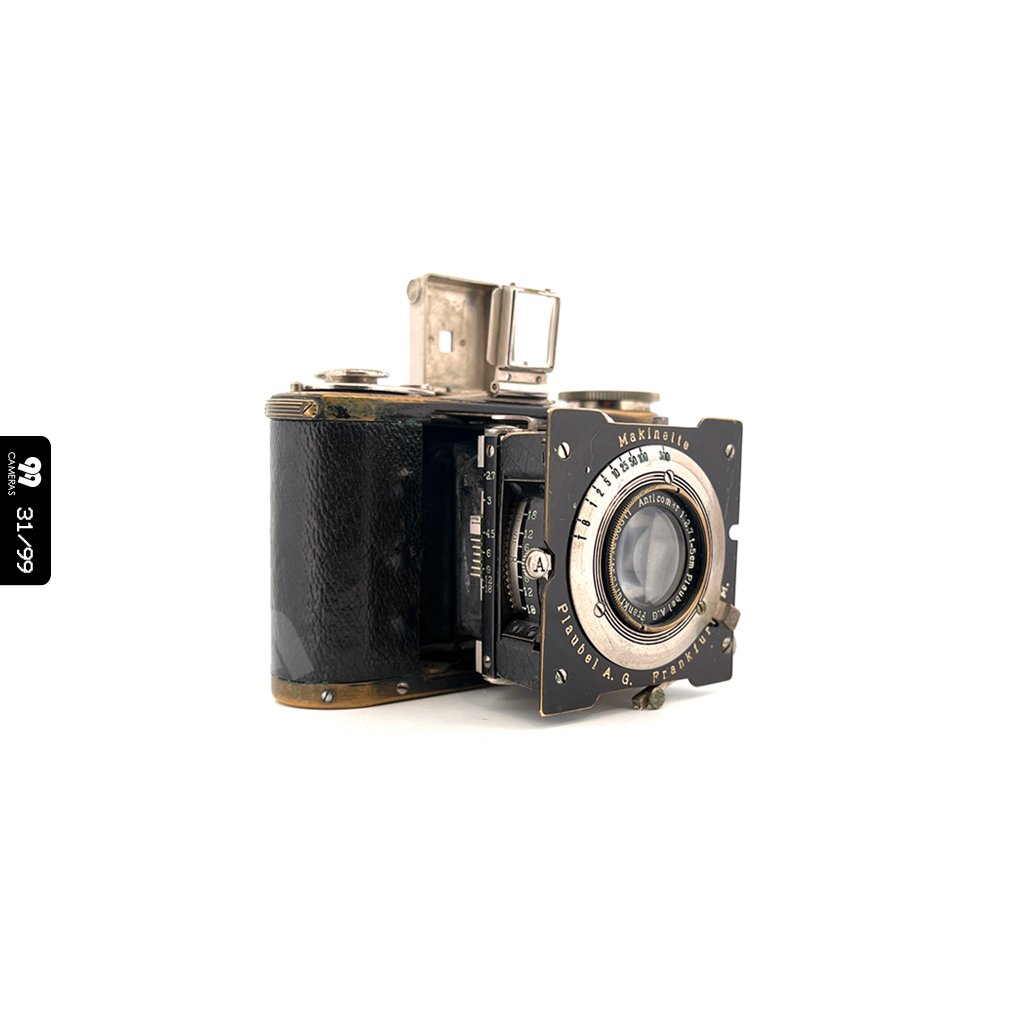
PlaubelPlaubel Makinette
- 1932
- GermanyGermany
- 127 film
The Makinette was produced for only one year in 1932, making it a very rare collector's item. It was an incredibly precise camera and, for some enthusiasts, the ultimate gem for 127 film. Its unique design allowed all controls (focus, aperture, and speed) to be visible at a glance on a single side of the lens, making it very practical to use.
See the camera page -
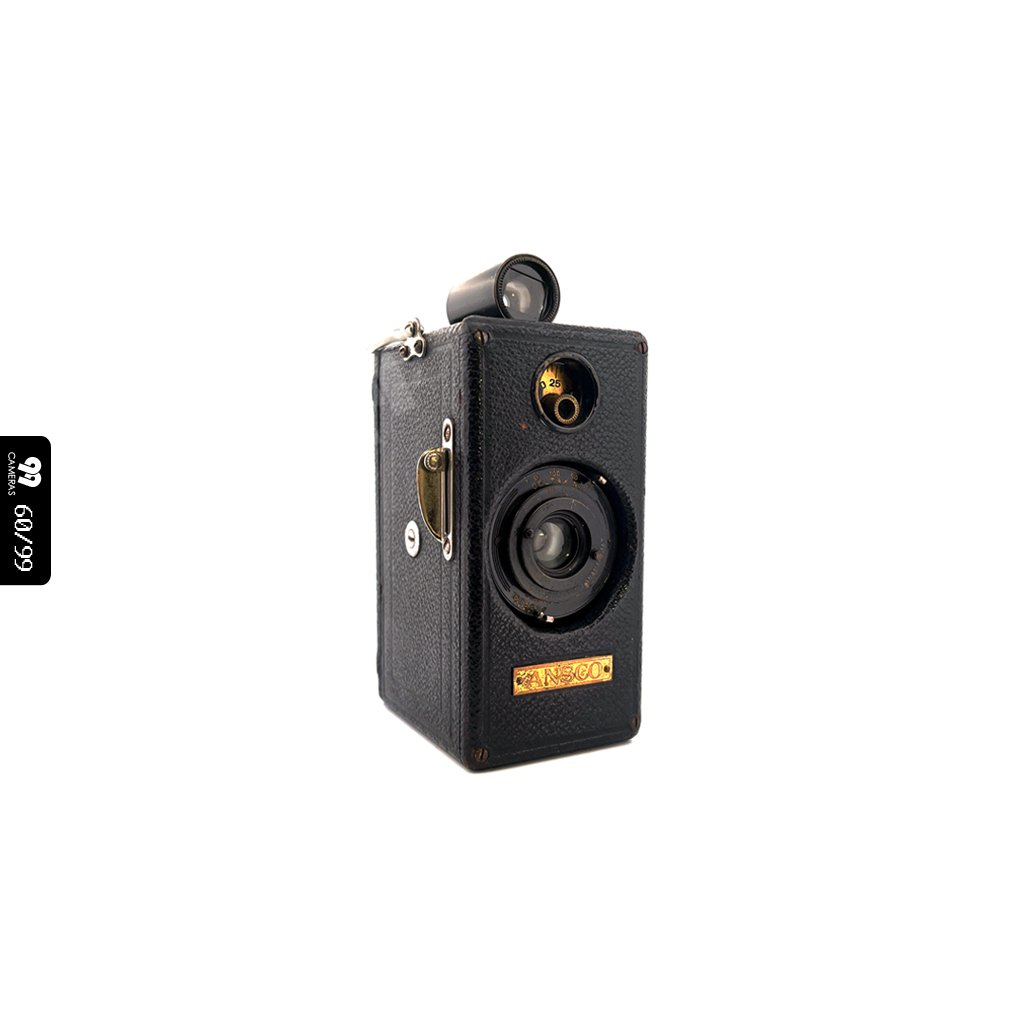
AnscoAnsco Memo
- 1927
- United StatesUnited States
- 35 mm
The Memo introduced a very modern cartridge system that allowed the film to be advanced simply by lowering the lever at the back of the camera. This ease of use made it very popular at the time. It is one of the few "box" cameras that can be triggered and reloaded with one hand.
See the camera page -
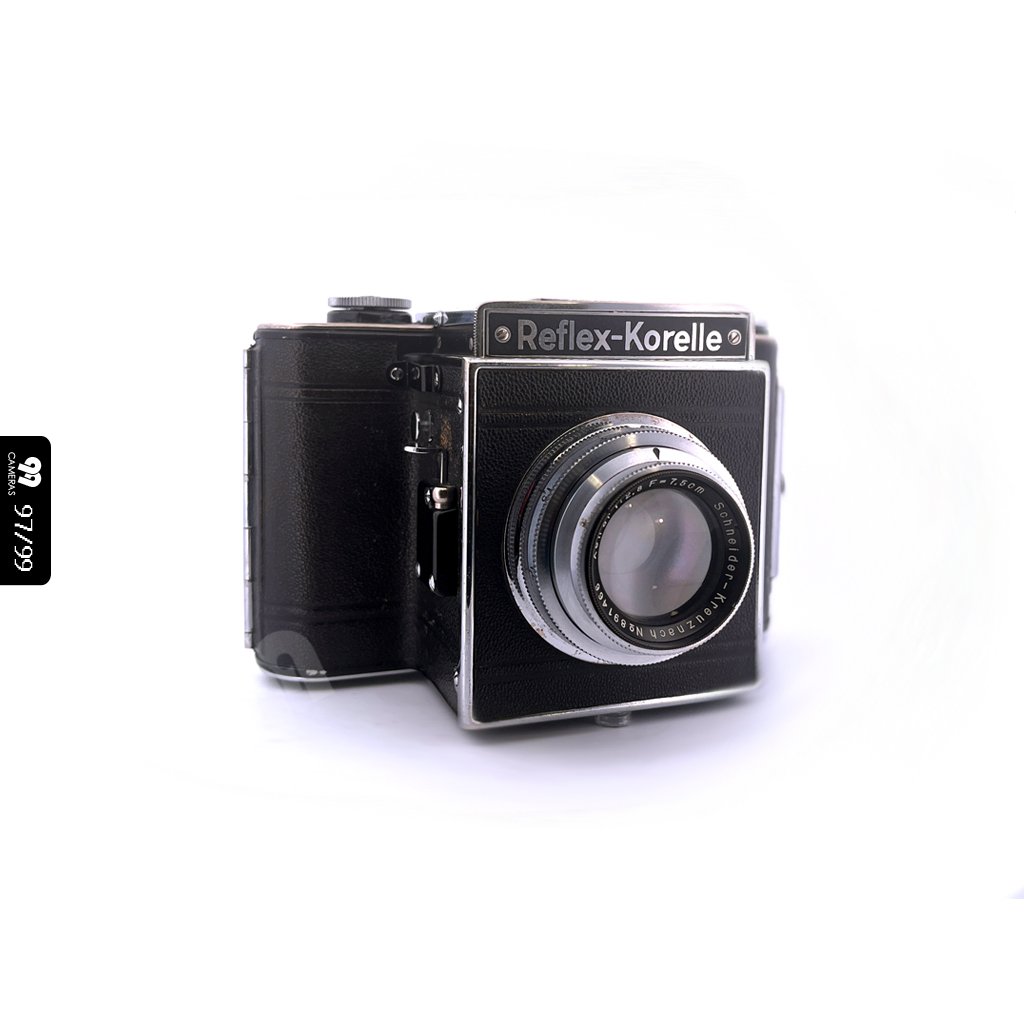
KochmannKochmann Reflex Korelle
- 1935
- GermanyGermany
- 120 film
The Reflex Korelle is one of the most significant cameras from the 1930s. It features experimental innovations, such as using a piano wire to move the mirror. It also carries a darker part of Europe's history, as its founder, Kochmann, was forced to flee Germany just before the war. The Fabrik Kochmann was later seized and renamed Korellewerke KG in 1939.
See the camera page
Bottom shelf 4 cameras
-
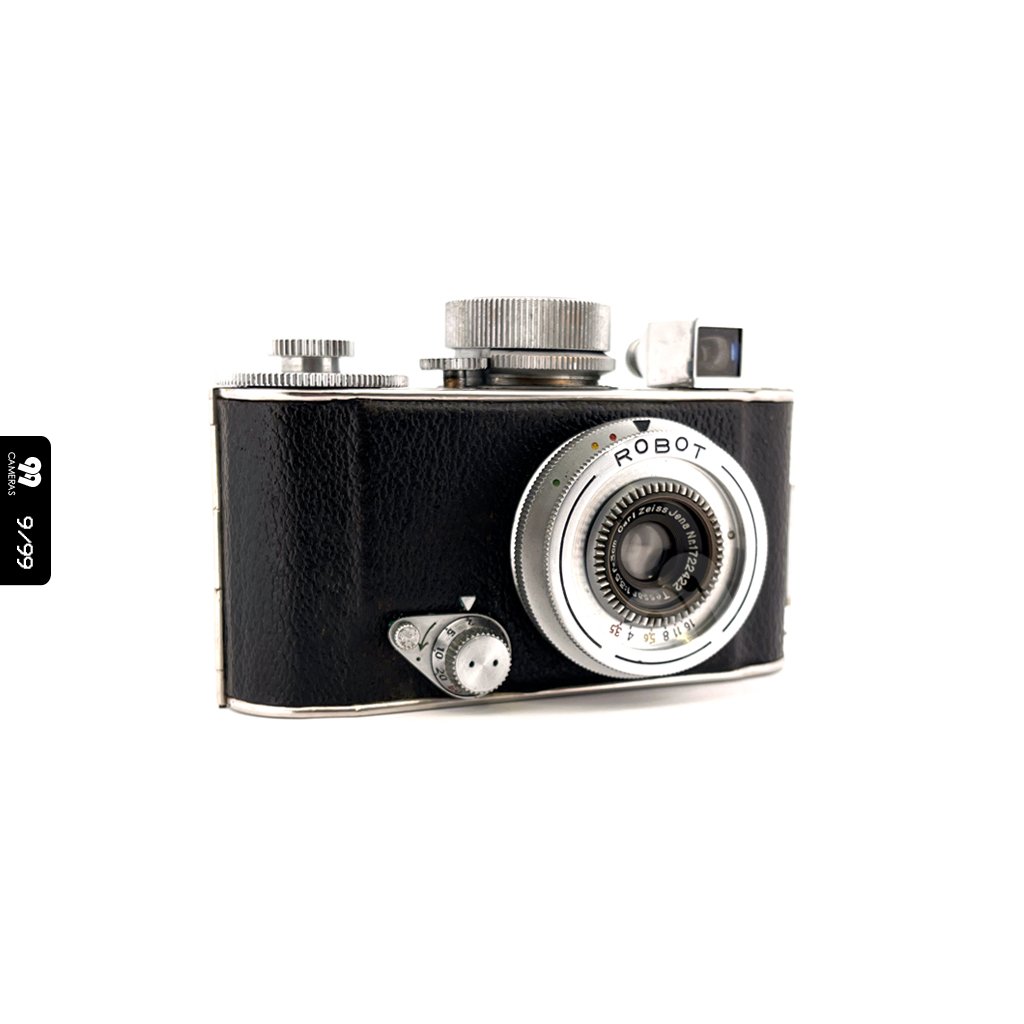
RobotRobot I
- 1934
- GermanyGermany
- 35 mm
With a spring mechanism for automated film advancement, the Robot I is considered the pioneer of motorized 35mm cameras. It used standard 35mm film with a shorter stroke to create square 24x24mm frames and allowed for rapid succession of shots without requiring a finger lift.
See the camera page -
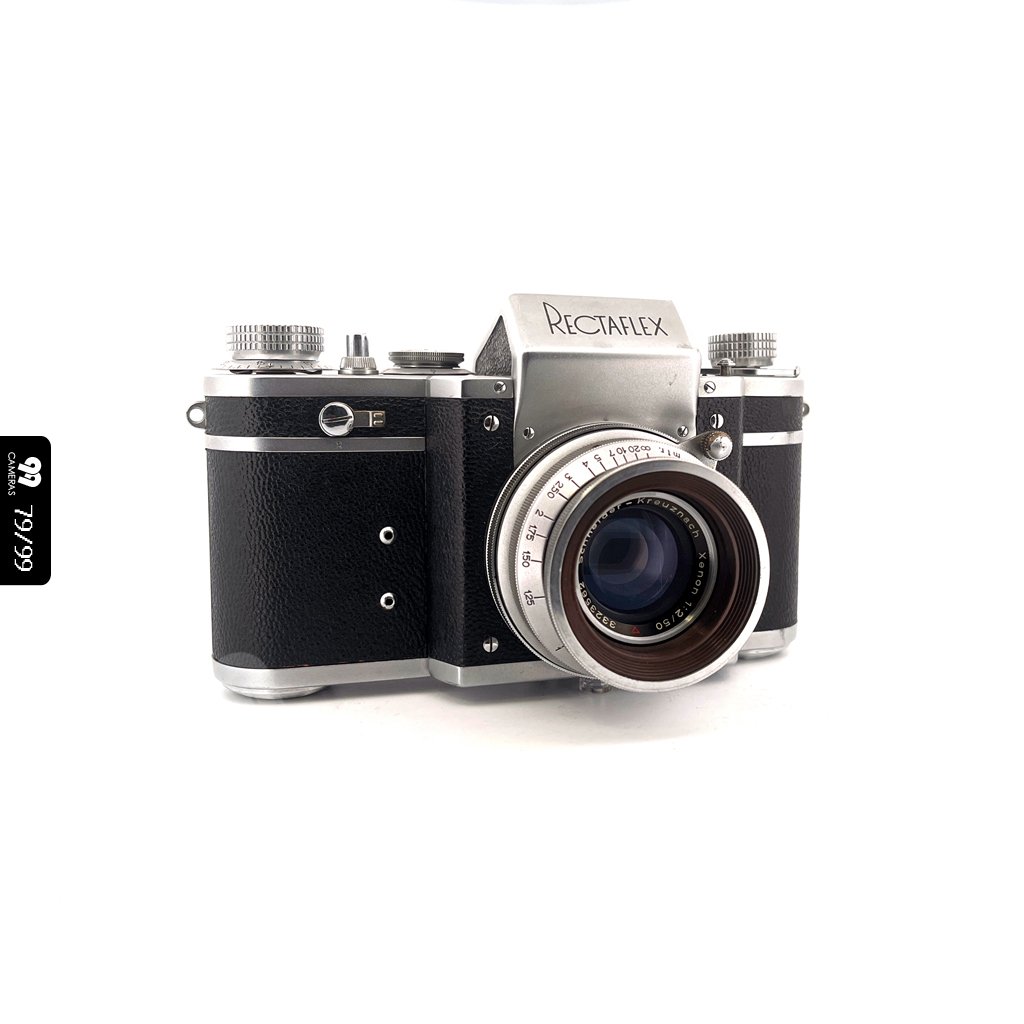
RectaflexRectaflex
- 1948
- ItalyItaly
- 35 mm
The Rectaflex was the first single-lens reflex (SLR) camera equipped with a pentaprism that allowed for vertically corrected viewing. The innovative marketing efforts of the company made it available not only in Europe and America, but also in Australia and New Zealand. Ironically, this success led to the company's bankruptcy in 1955 due to its inability to meet the high demand.
See the camera page -
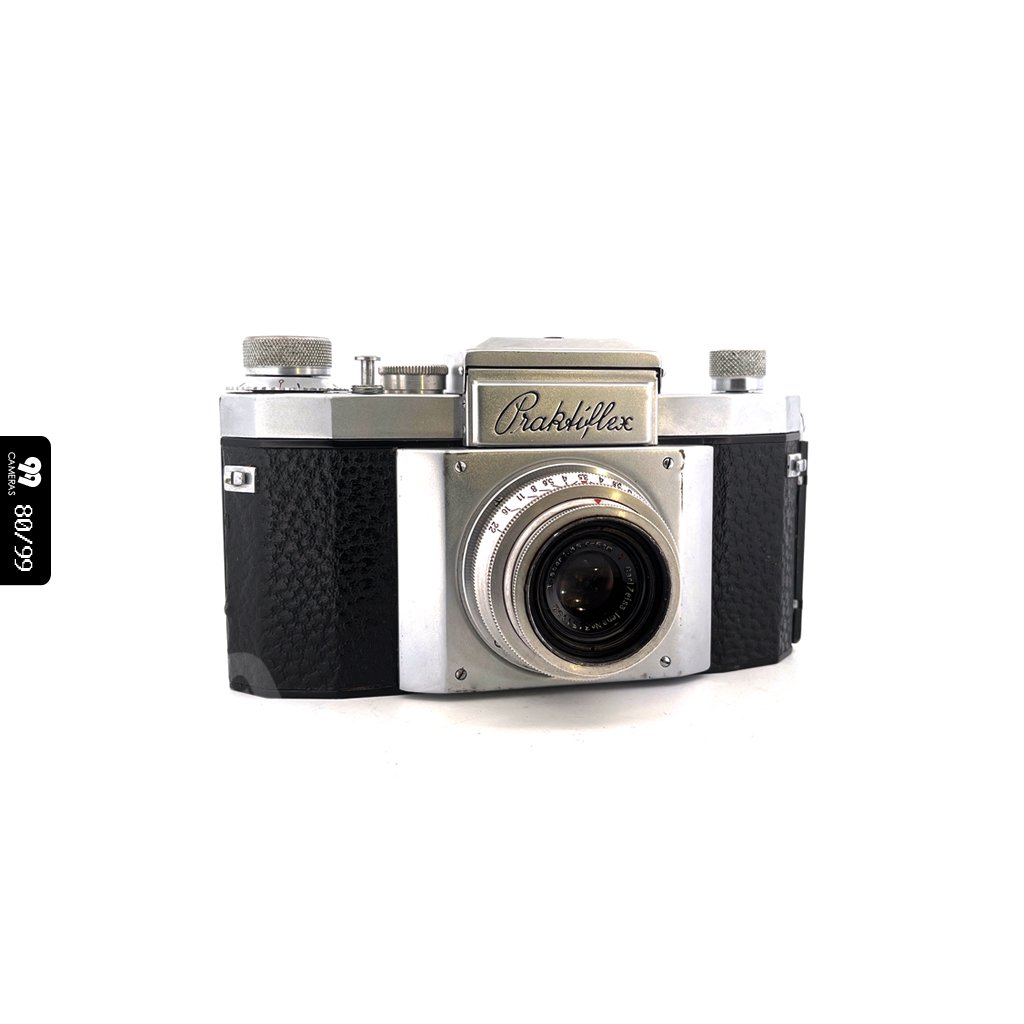
Kamera WerkstattenKamera Werkstatten Praktiflex
- 1939
- GermanyGermany
- 35 mm
The Praktiflex was an immediate commercial success. The demand was so high that the company had to relocate to a former candy factory in Niedersedlitz, a suburb of Dresden. This move allowed the factories to escape intense Allied bombings and continue manufacturing cameras throughout the duration of World War II.
See the camera page -
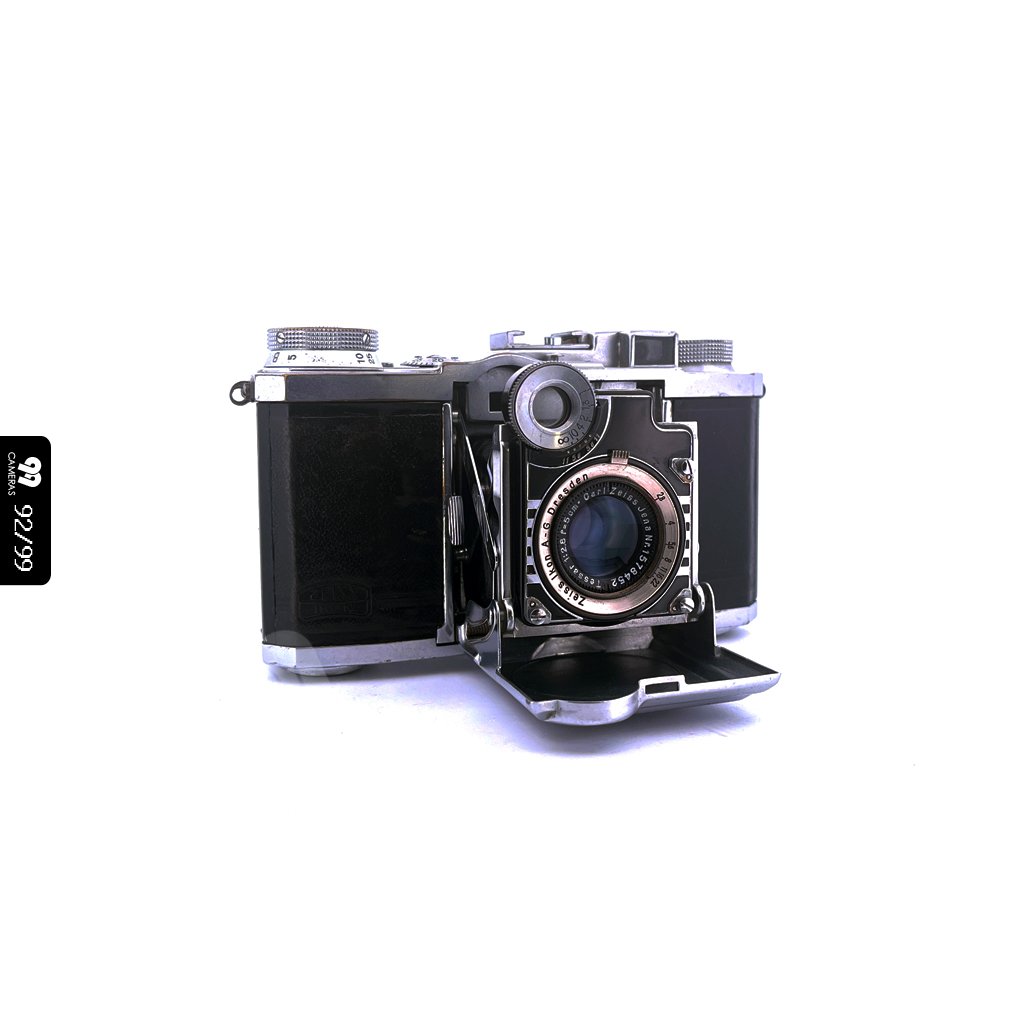
Zeiss IkonZeiss Ikon Super Nettel II
- 1936
- GermanyGermany
- 35 mm
The Super Nettel is one of the finest examples of the transition from folding cameras to compacts. It utilizes a bellows within a rigid structure, creating a highly reliable and convenient camera. It incorporates technical innovations such as a notched focus wheel that allows focusing with the middle finger while keeping the index finger on the shutter release.
See the camera page
Plan your visit
Visit is free and open to all
- Opening hoursMonday – Saturday : 10 – 17:30
- AddressStudio Harcourt, 6 Rue de Lota, 75116 Paris
- Exceptional closuresMonday, 16 November 2026Tuesday, 17 November 2026Thursday, 19 November 2026Thursday, 26 November 2026