
The Spies
9 cameras
Whether for photographing secret documents or catching unfaithful partners, spy cameras date back to the beginnings of photography. The conflicts of the 20th century turned them into a highly sophisticated industry.
Hidden in everyday objects, often driven by clockwork mechanisms, they served intelligence services, then police and private detectives, for whom a Minox or a Stylophot was a real selling point.
Audio guide · The Spies
-
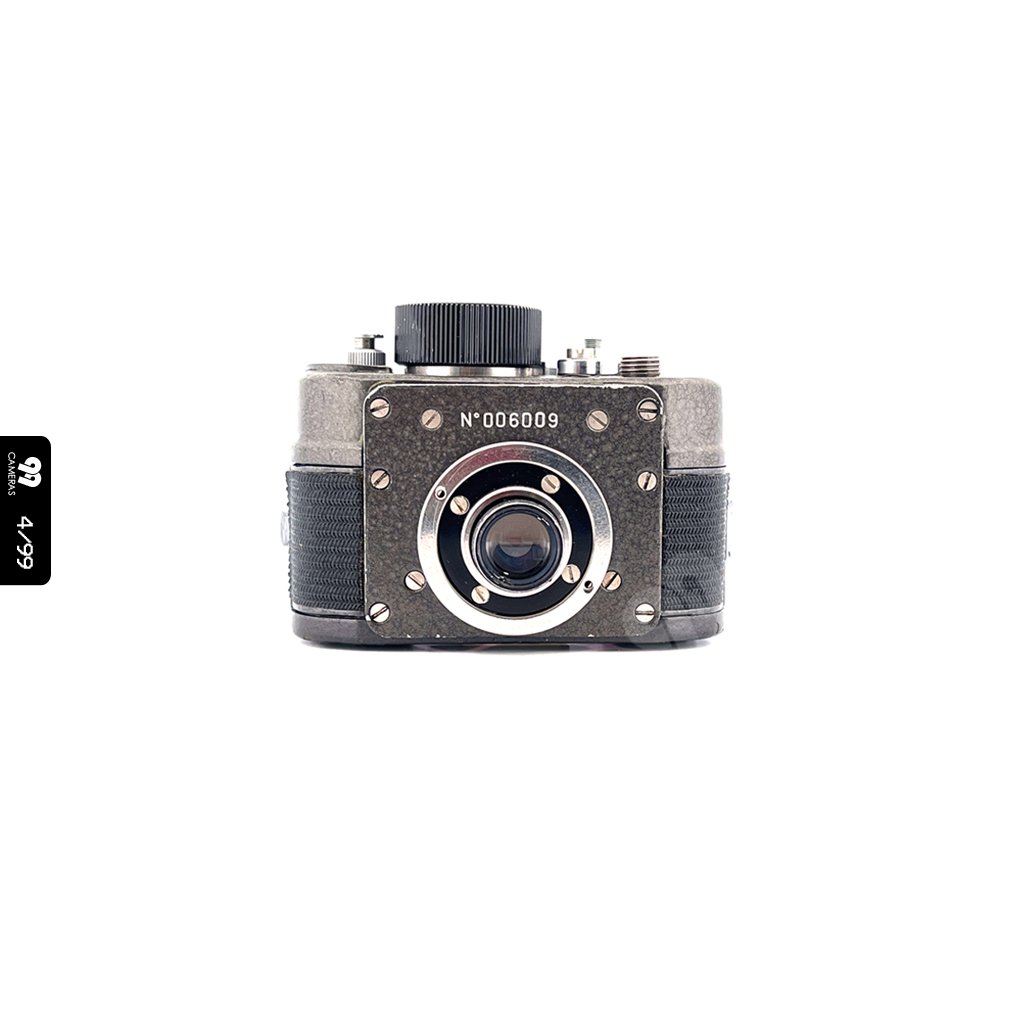
KMZKMZ AJAX-12 “KGB”
- 1952
- USSRUSSR
- 21 mm
The KMZ was a spy camera designed for the intelligence services of the USSR (KGB). It used a spring mechanism that allowed agents to take series of photos without needing to manually rewind the film. The body was designed to withstand harsh treatment and protect the film.
See the camera page -
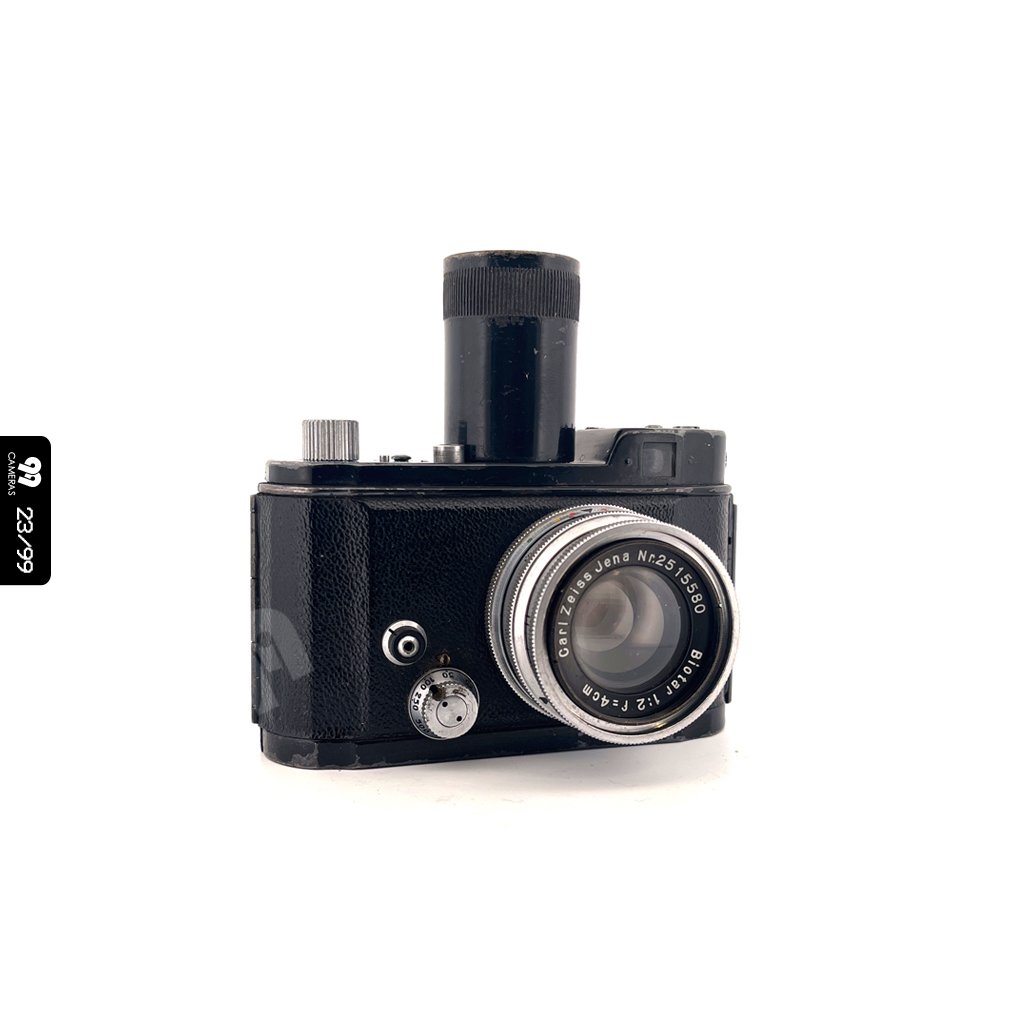
RobotRobot II “Luftwaffe”
- 1940
- GermanyGermany
- 35 mm
The Robot 2 was developed for the German intelligence services. With its two viewfinders, it could be used concealed inside a suitcase, for example, and take 30 photos without needing to reload. The Luftwaffe used it at the back of Stuka aircraft to assess the damage caused by dive-bombing.
See the camera page -
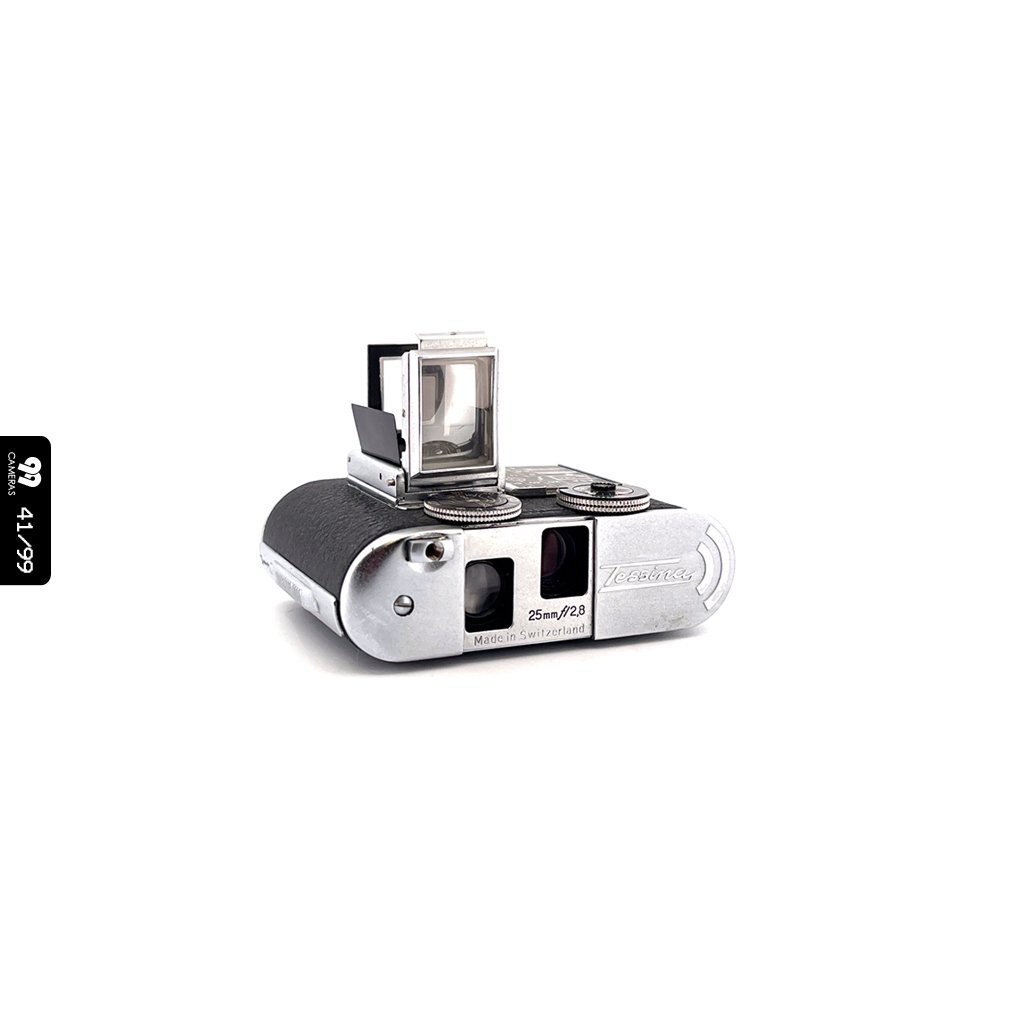
TessinaTessina Automatic
- 1957
- SwitzerlandSwitzerland
- 35 mm
The Tessina is the smallest ever built 35mm half-frame camera, and perhaps one of the most unusual. It's a twin-lens reflex (TLR) camera with a pop-up viewfinder and a spring-driven winding mechanism designed for discreet photography. Its more than 400 components were manufactured to the standards of luxury Swiss watches.
See the camera page -
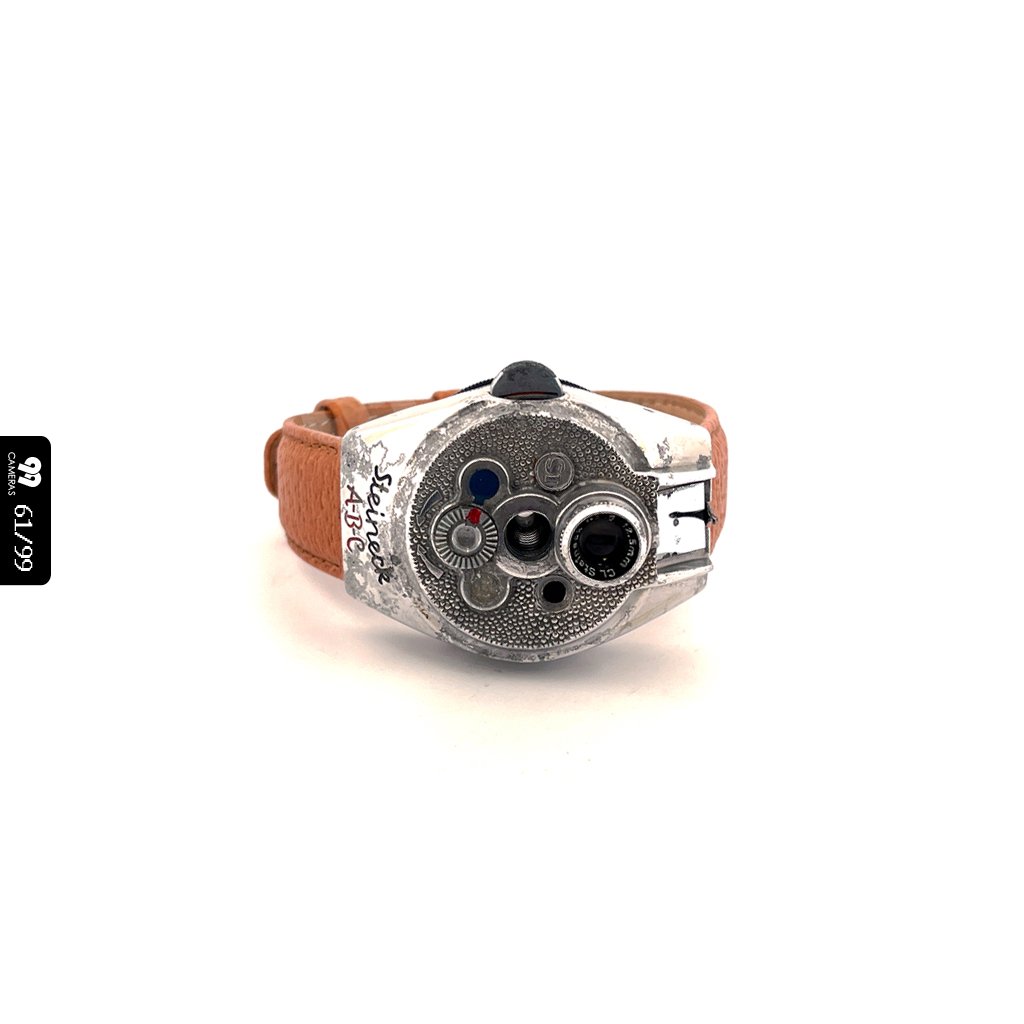
SteineckSteineck ABC Wristwatch
- 1948
- GermanyGermany
- Custom film
This watch conceals a miniature camera that can discreetly take eight shots on a 25mm diameter film disk. A small square mirror with a central pin serves as a rudimentary viewfinder. It's a typical product of post-war Germany, deeply rooted in the culture of Cold War espionage.
See the camera page -
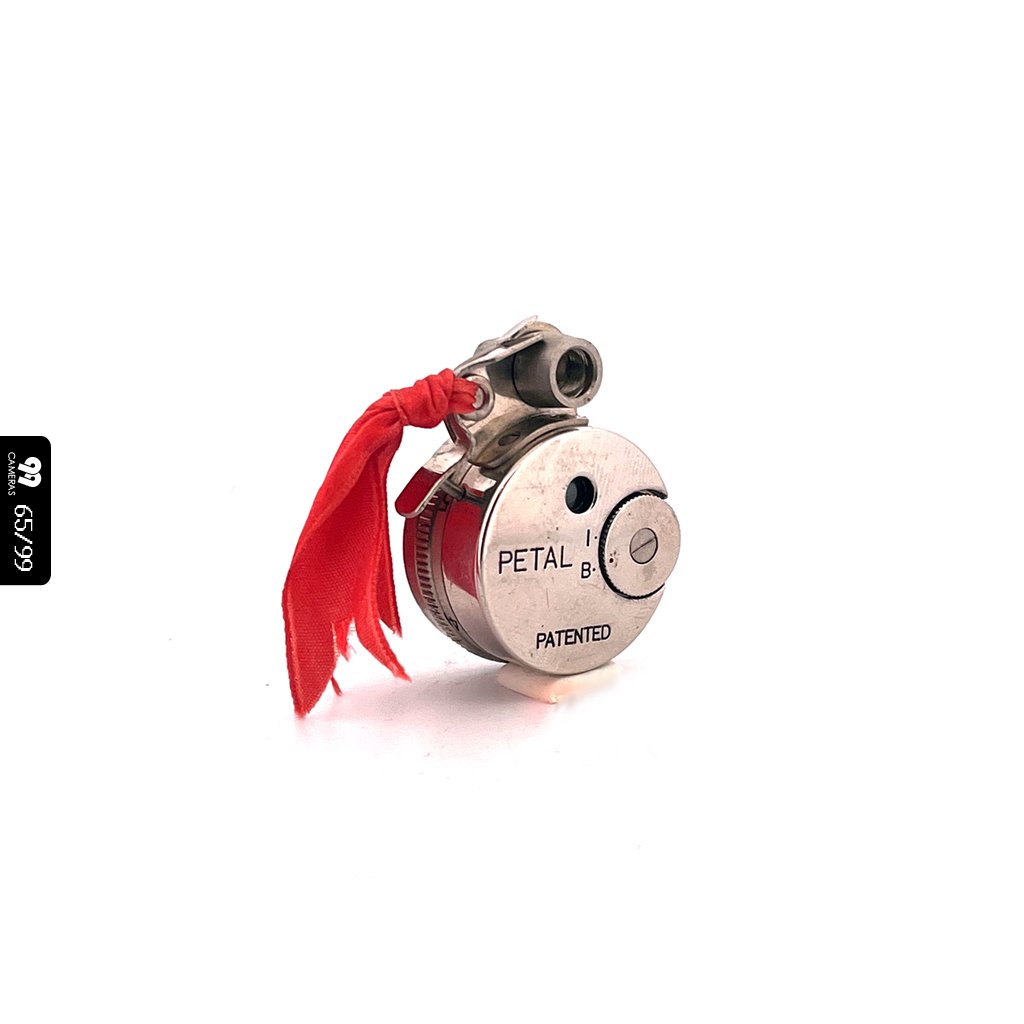
Sakura SeikiSakura Seiki Petal
- 1948
- JapanJapan
- Custom film
The Petal was the world's smallest camera, designed for discreet photography. It was highly popular among private detectives in the United States in the 1940s and 1950s. Owning a Petal elevated your profile as an investigator. It was a relatively expensive camera, representing about a week's salary for a detective.
See the camera page -
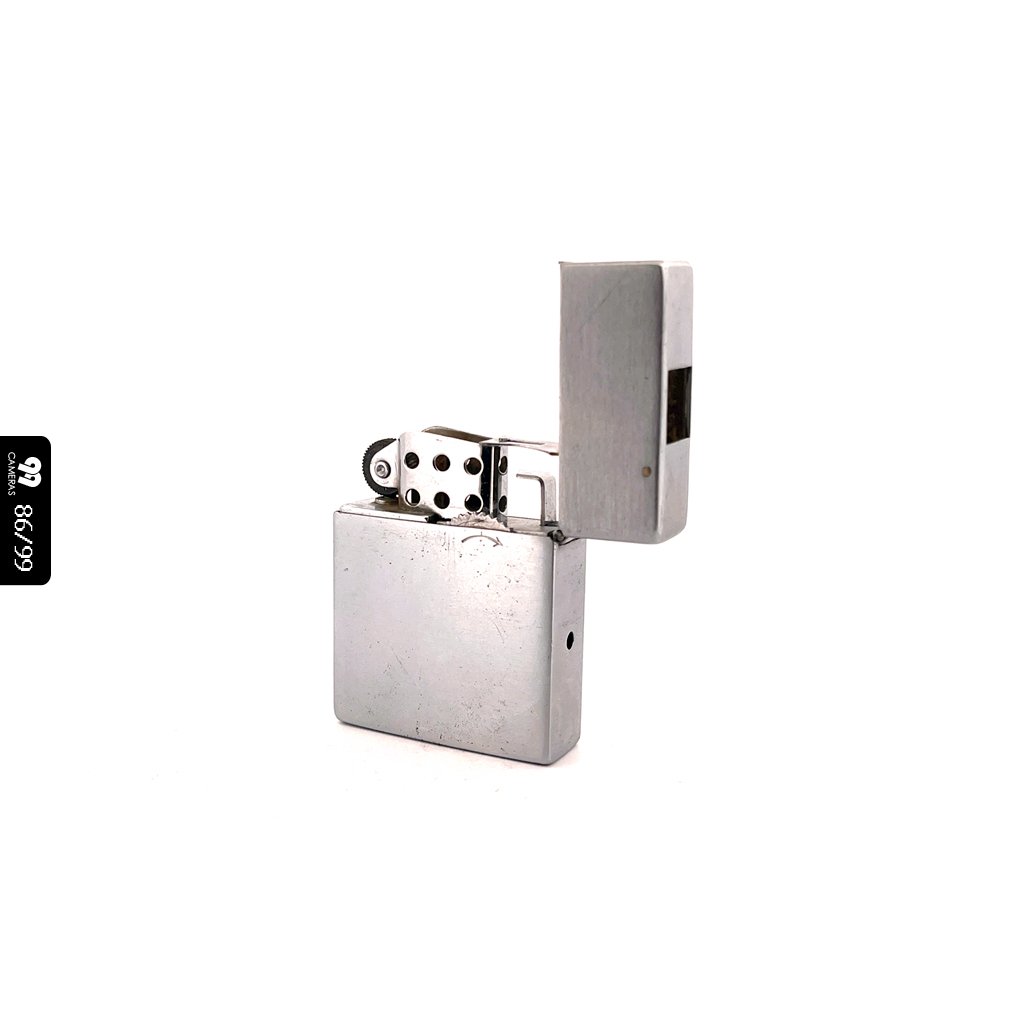
Suzuki OpticalSuzuki Optical Camera Lite
- 1955
- JapanJapan
- 8 mm
The Camera Lite is a spy camera concealed within a lighter. It was a simplified version of the camera used in "Roman Holiday," where Gregory Peck hires a photographer to spy on Audrey Hepburn. Suzuki was caught off guard by the massive demand and decided to produce a more accessible version.
See the camera page -
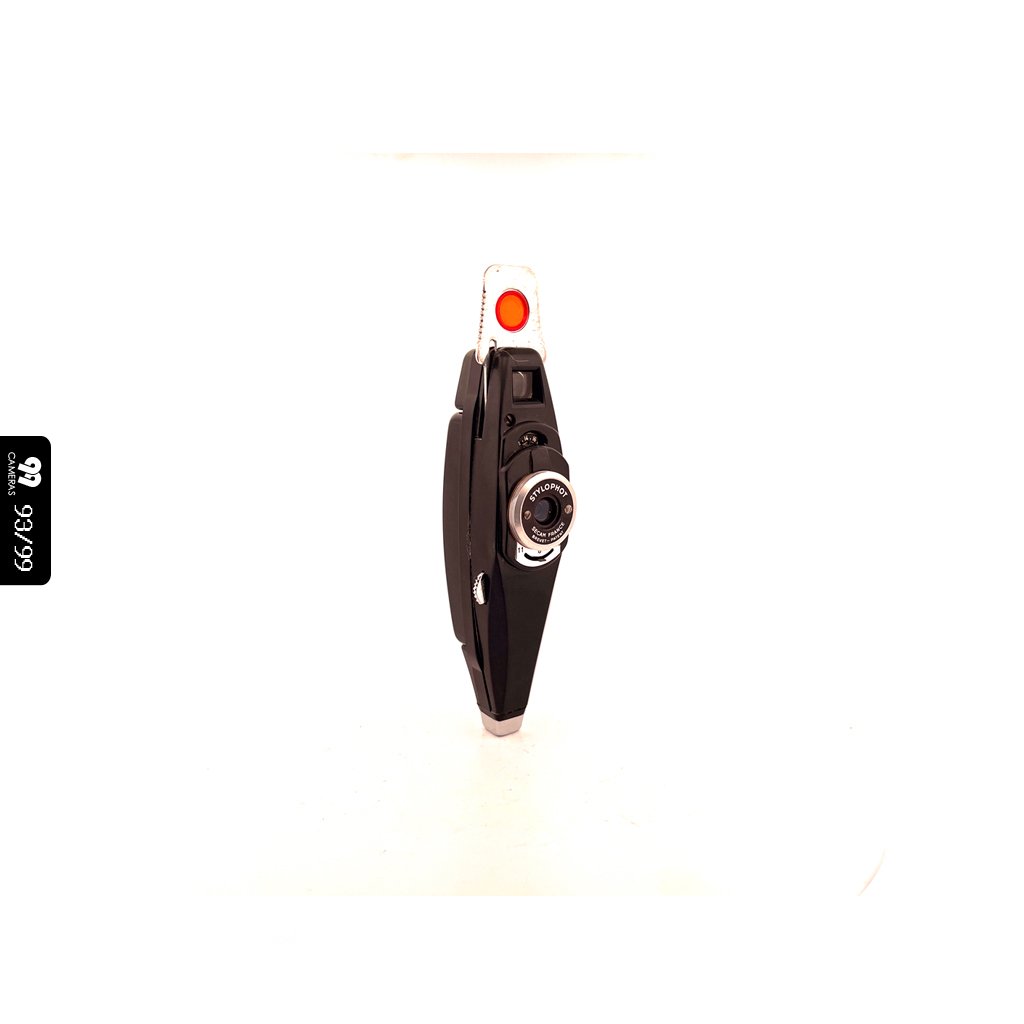
SecamSecam Stylophot
- 1955
- FranceFrance
- 16 mm
The Stylophot is a miniature camera disguised as a "pen" camera, due to its resemblance to a fountain pen. The pin on the side allows the camera to be held in an inner vest pocket, enabling discreet photography by opening the jacket. The Stylophot was frequently used by private detectives in the 1950s.
See the camera page -
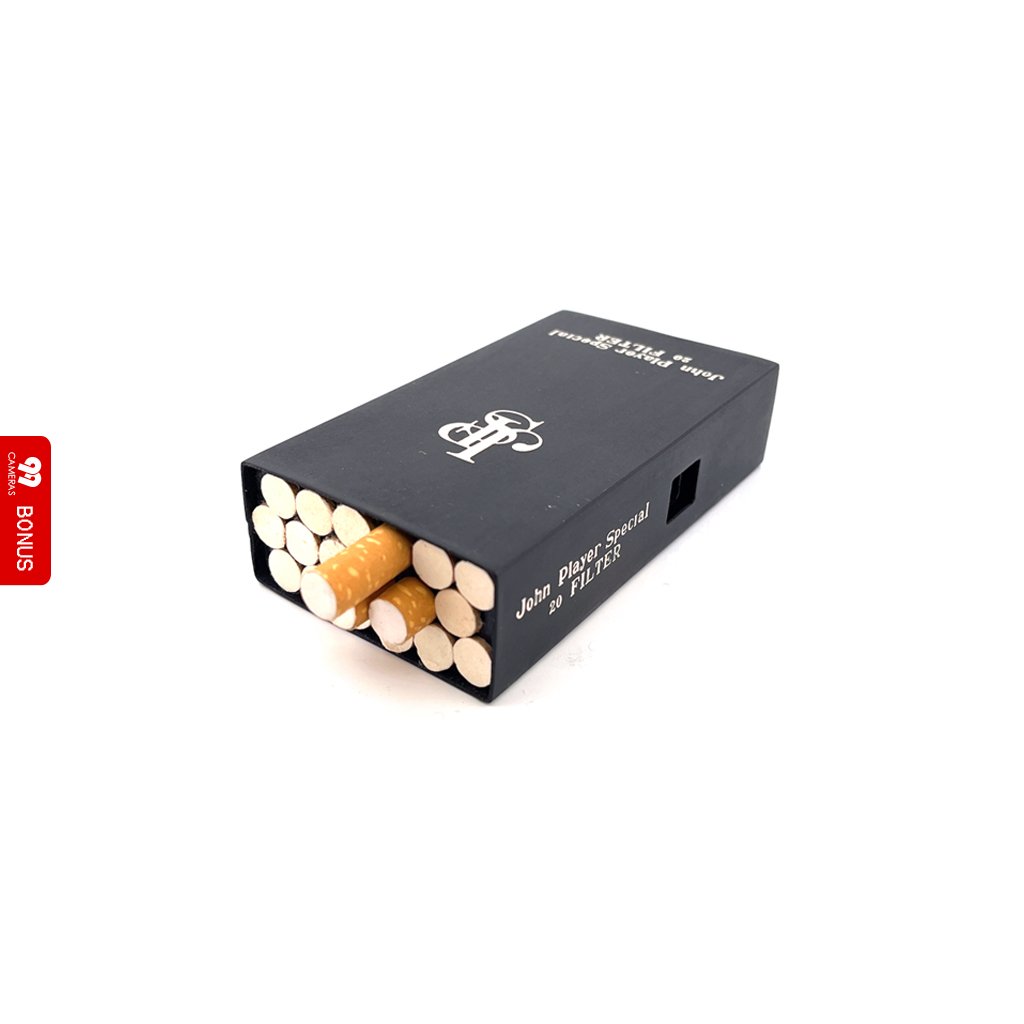
KievKiev 30 “John player special”
- 1978
- USSRUSSR
- 16 mm
Kiev produced a special version of the Kiev 30 concealed inside a "John Player Special" cigarette pack. It was presented as a KGB spy camera intended for use in the UK, but was more likely an expensive novelty sold to Western tourists visiting Ukraine during the Cold War.
See the camera page -
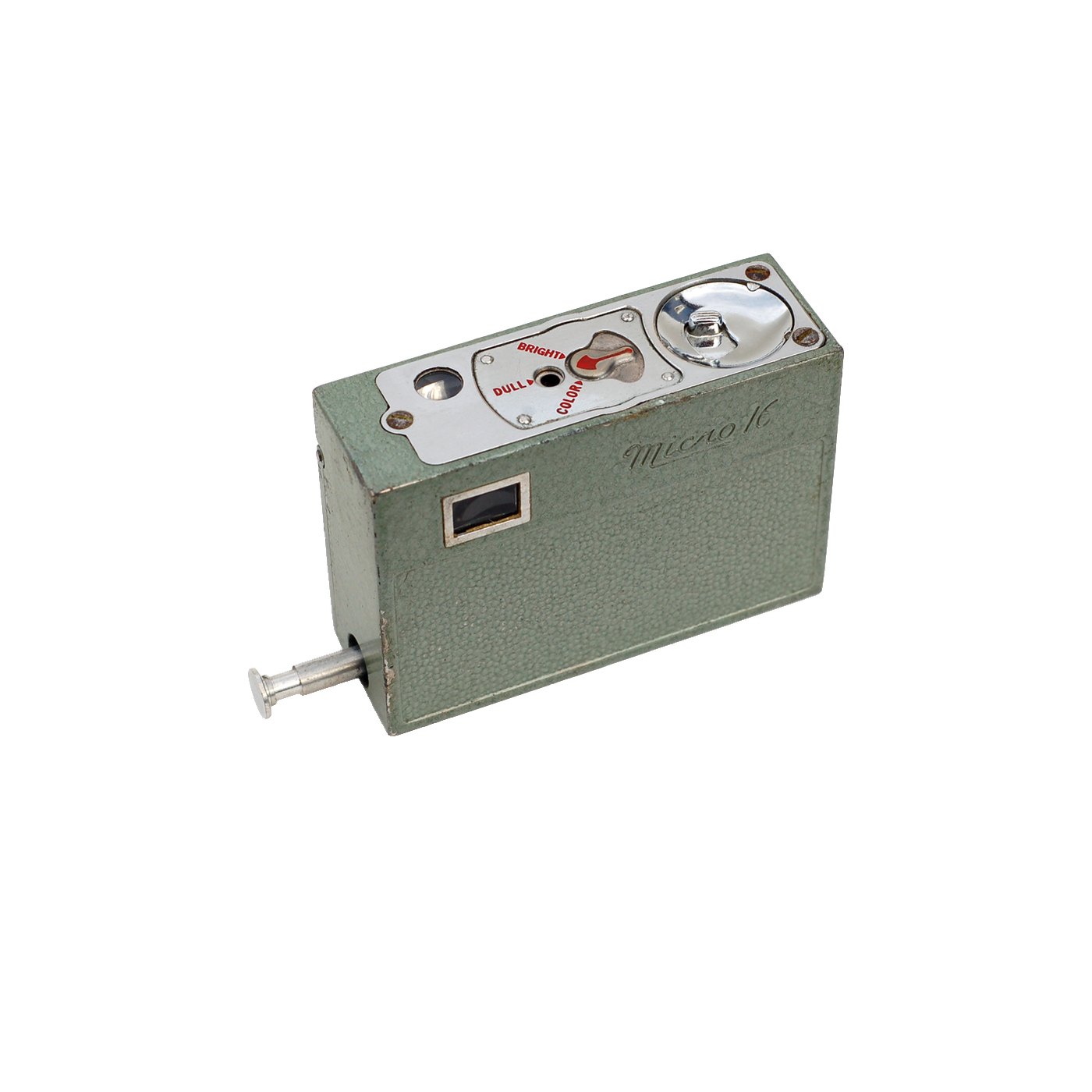
WhittakerWhittaker Micro 16
- 1946
The Micro 16 was designed to be hidden in an empty cigarette wrapper and became one of the most popular cameras among investigators, and the company sold hundreds to police stations and private detectives.
Plan your visit
Visit is free and open to all
- Opening hoursMonday – Saturday : 10 – 17:30
- AddressStudio Harcourt, 6 Rue de Lota, 75116 Paris
- Exceptional closuresMonday, 16 November 2026Tuesday, 17 November 2026Thursday, 19 November 2026Thursday, 26 November 2026