The adventure of the brands
The Officine Galileo story
- Founded in 1864Italy
- No longer makes cameras
A workshop named after Galileo, periscopes for the Italian navy, Marconi on the board, the Condor cameras of Florence and the tiny Gami 16 of Milan, before the road to Mars: the Officine Galileo story, told through its inventions and its anecdotes.
1862–1895
A workshop in Galileo’s city
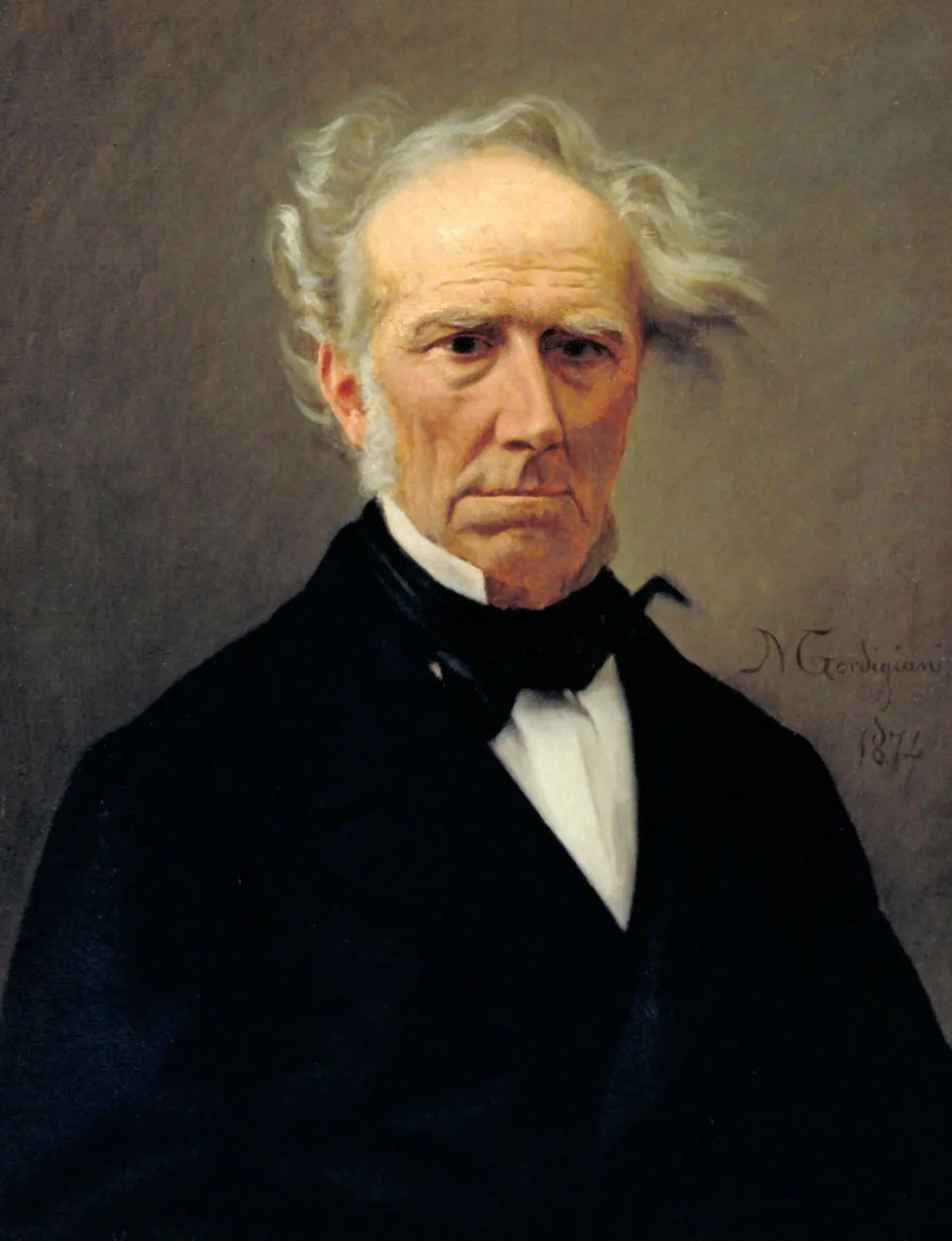
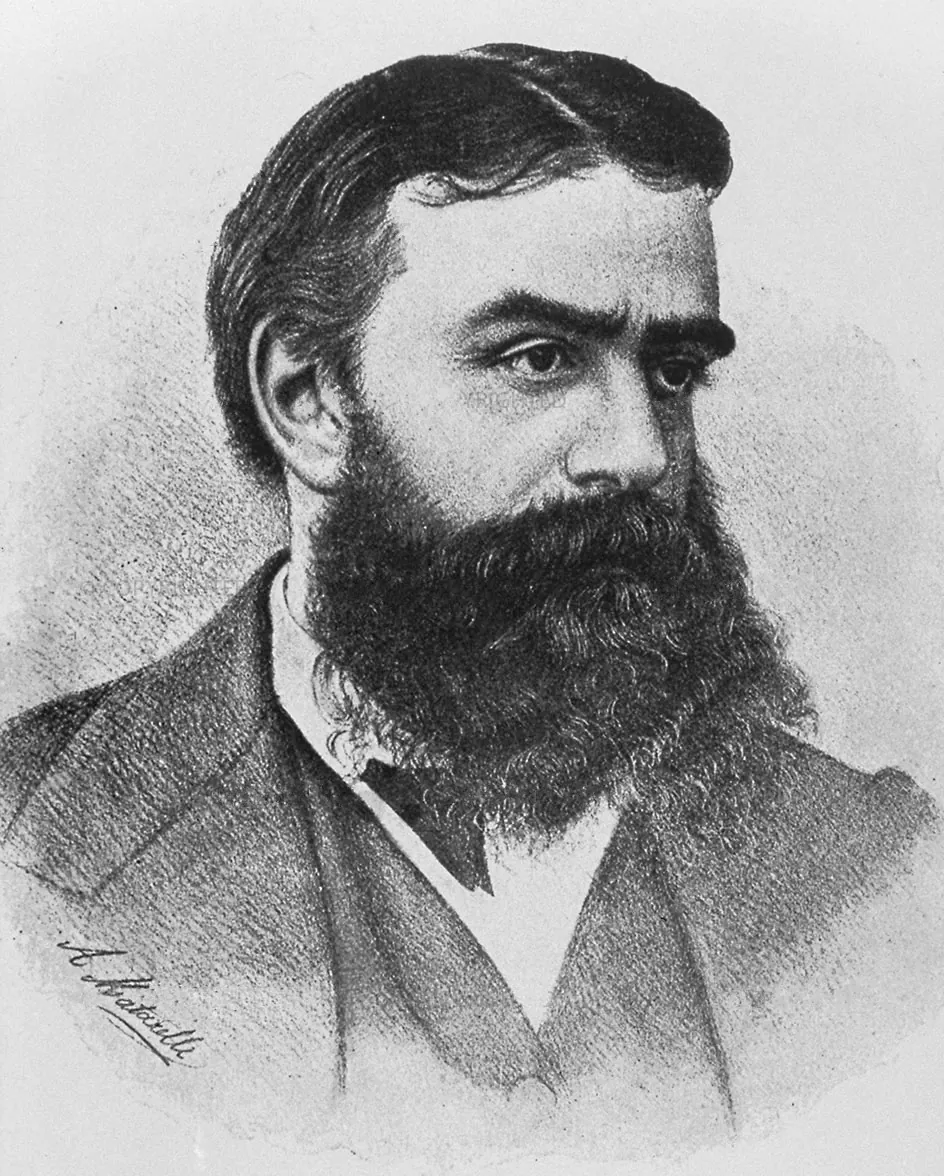
In 1862 the astronomer Giovanni Battista Amici, a gifted maker of microscopes and telescopes who directed the scientific museum of Florence, proposed a workshop to build precision instruments in the city. Amici died in 1863, and the young venture was saved by his successor, the astronomer Giovanni Battista Donati, with the help of the engineer Angelo Vegni. In 1864 it took the name Officina Galileo, after the scientist who had pointed his telescope at the sky from Florence two and a half centuries earlier.
The workshop made instruments for the observatories of Arcetri, Asiago and Merate, then electrical and lighting equipment. After Donati’s death in 1873 Vegni became the sole owner, but when he died in 1883 he left it to an agricultural institute that had little interest in optics, and the company fell into a long crisis.
1896–1918
Periscopes for the navy
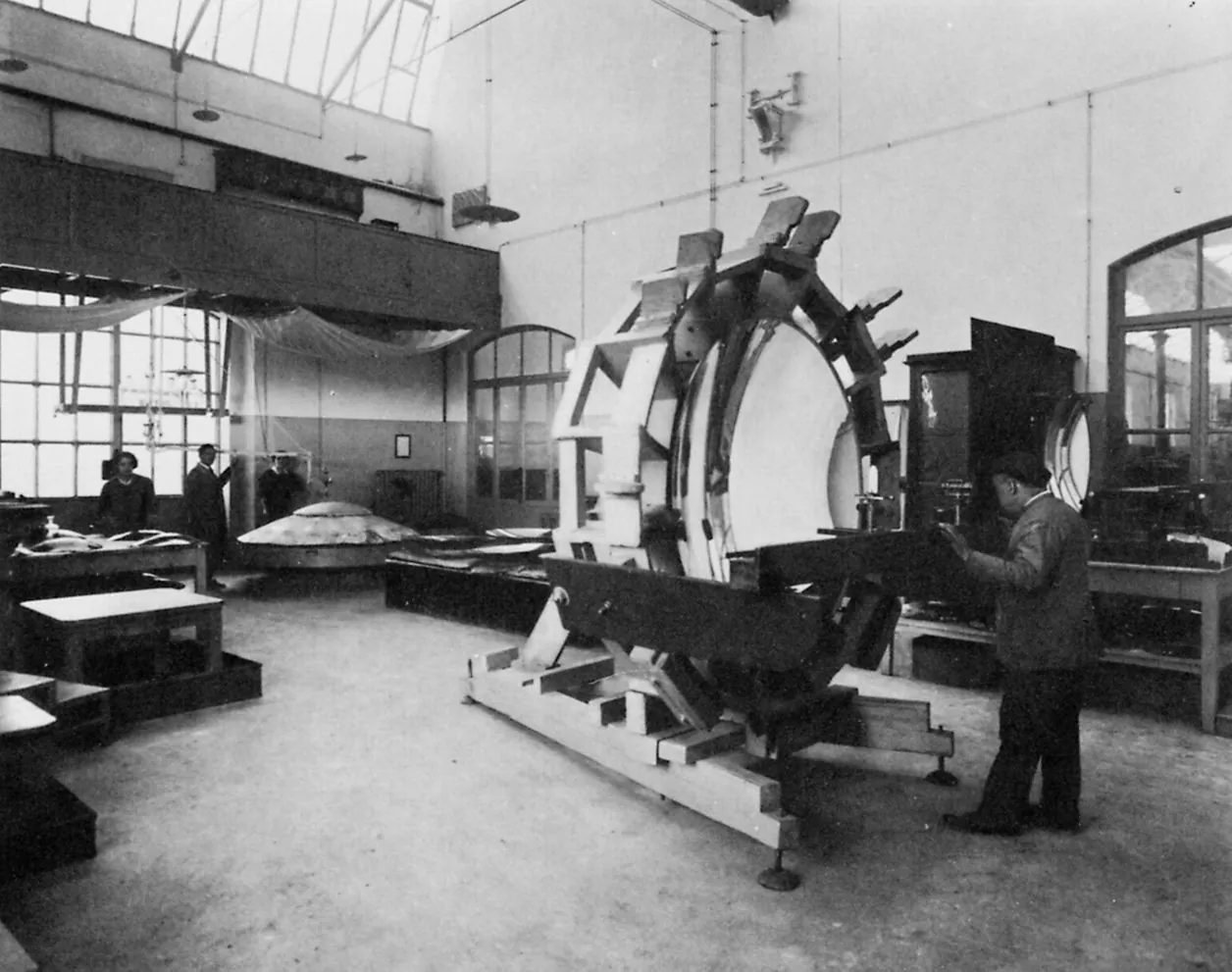
In 1896 the engineer Giulio Martinez took over the company and steered it towards a new customer: the Italian Royal Navy. Officine Galileo began to make periscopes and rangefinders, the instruments that tell a gunner how far away a ship is. Military optics would remain its main business for the next fifty years.
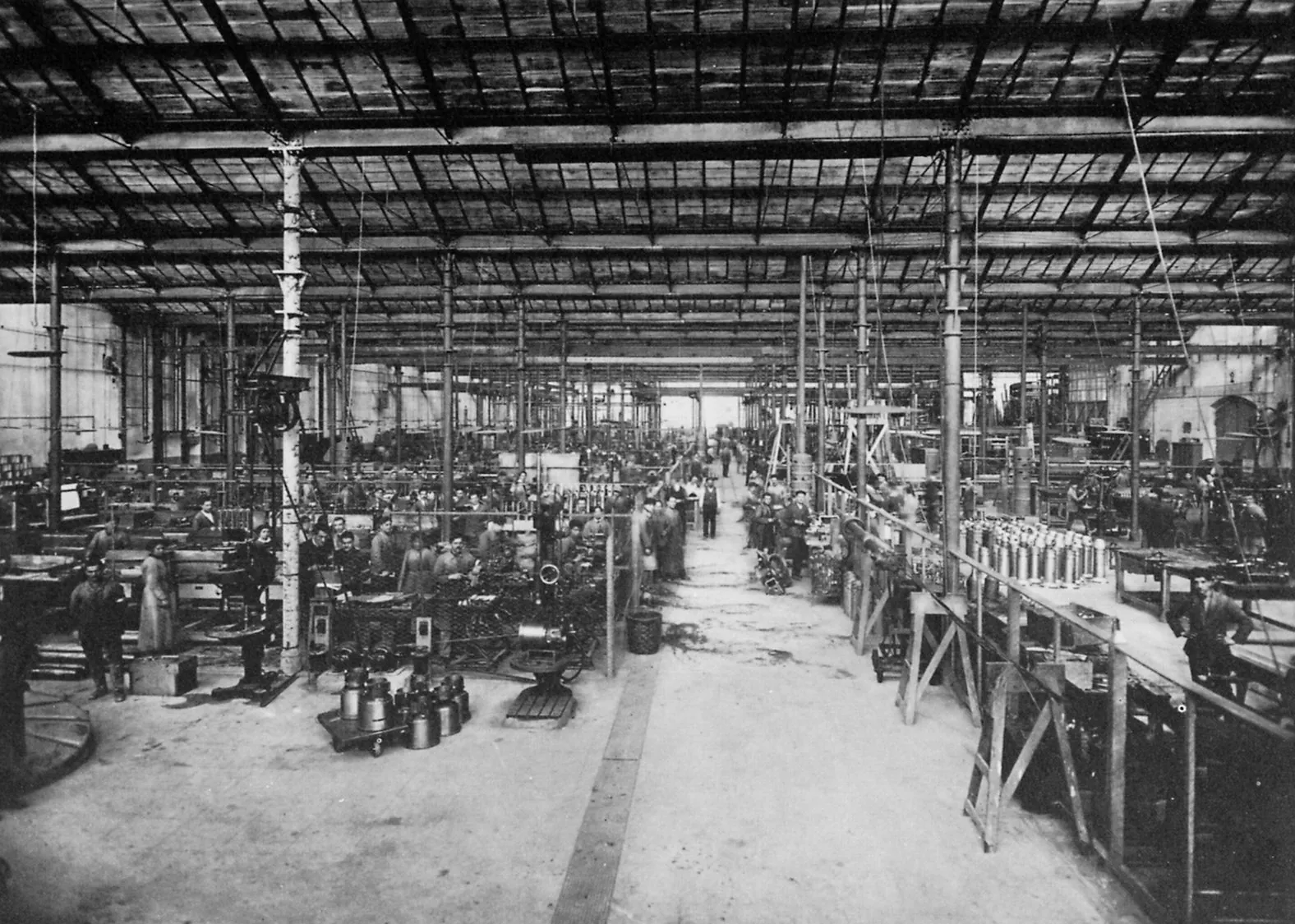
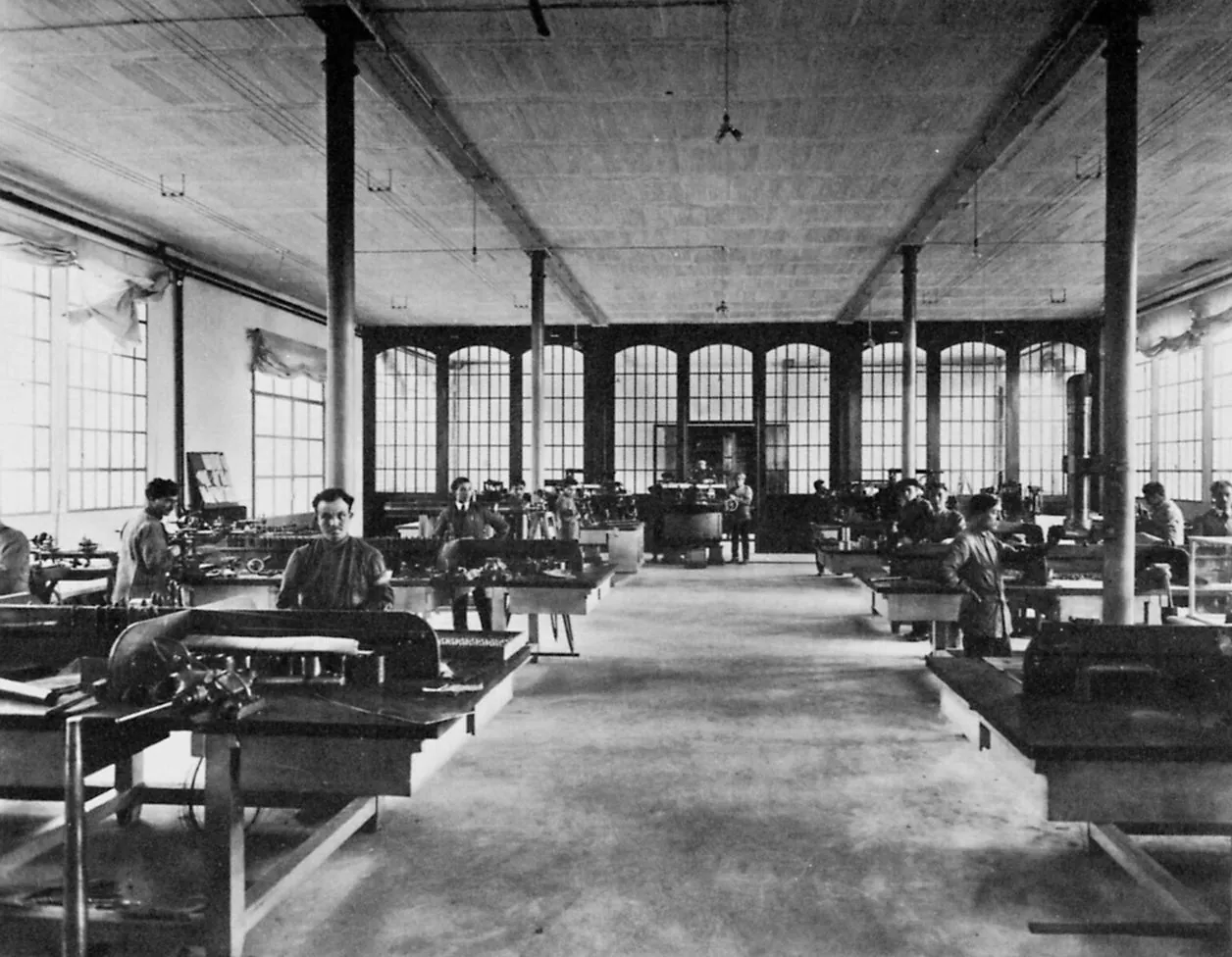
In 1907 the company became a joint-stock company, Officine Galileo, with Guglielmo Marconi, the pioneer of radio, as one of its vice-presidents. Two years later it moved into a large new factory in Rifredi, on the northern edge of Florence, with iron-and-glass halls where hundreds of workers ground lenses and assembled instruments.
1919–1945
Eight thousand workers at war
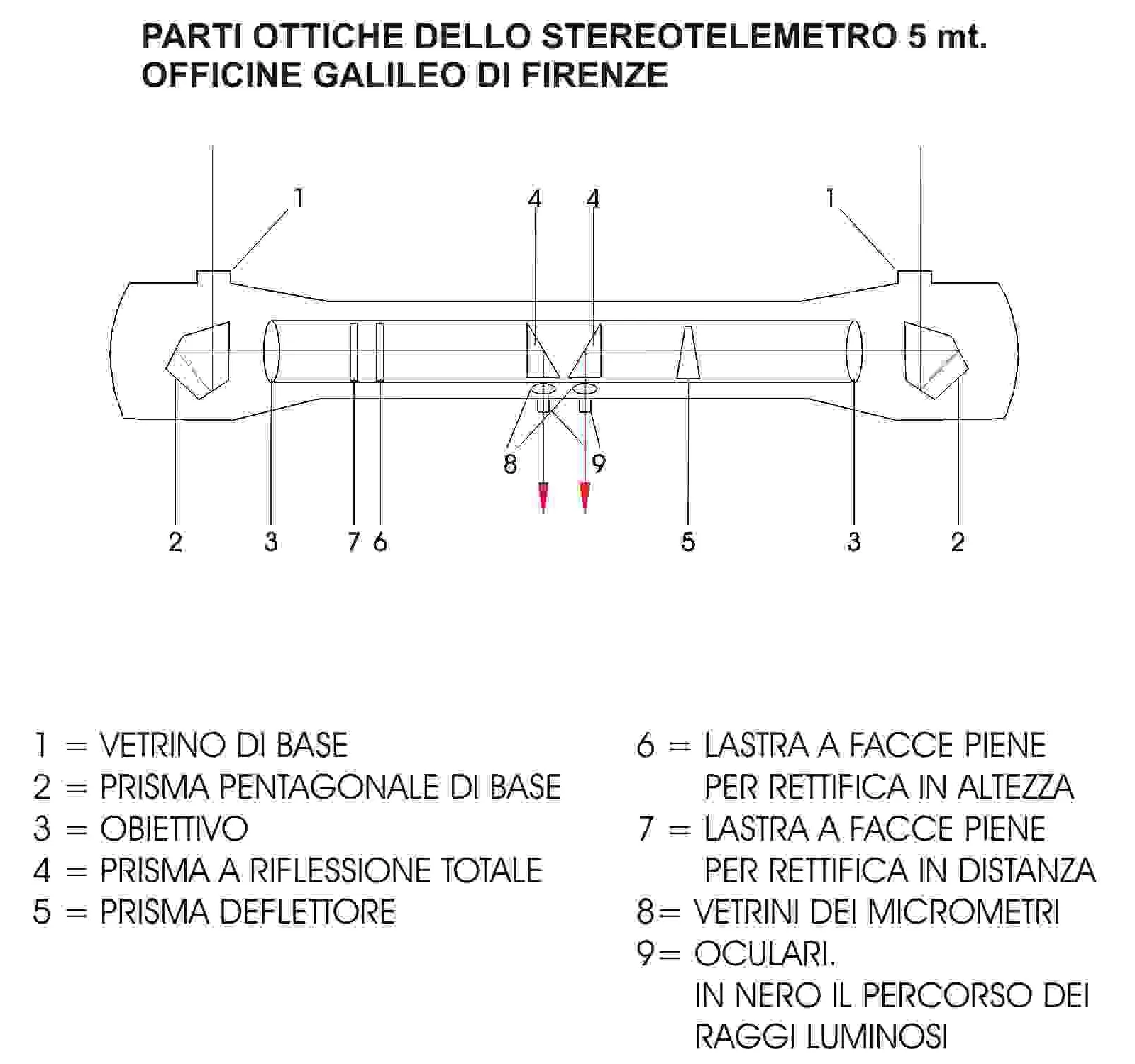
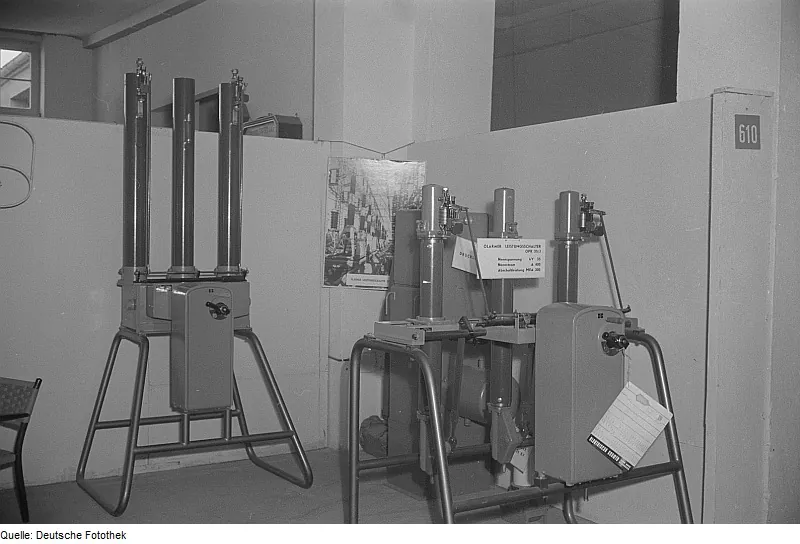
Between the wars, large orders from the navy made Officine Galileo prosper. Its stereoscopic rangefinders, several metres long, were fitted to Italian battleships, and its fire-control systems told the guns where to aim. During the Second World War the Rifredi factory employed more than 8,000 people and made, among other things, the antennas of the first radars installed on Italian ships.
At the end of 1943 much of the machinery was moved to a workshop in Battaglia Terme, in the north of Italy, where most of it was destroyed in the fighting of the last months of the war. In Florence it is told that, in the summer of 1944, a group of partisans, students and workers protected the Rifredi factory from the retreating German troops.
1945–1959
From battleships to cameras
In the museum
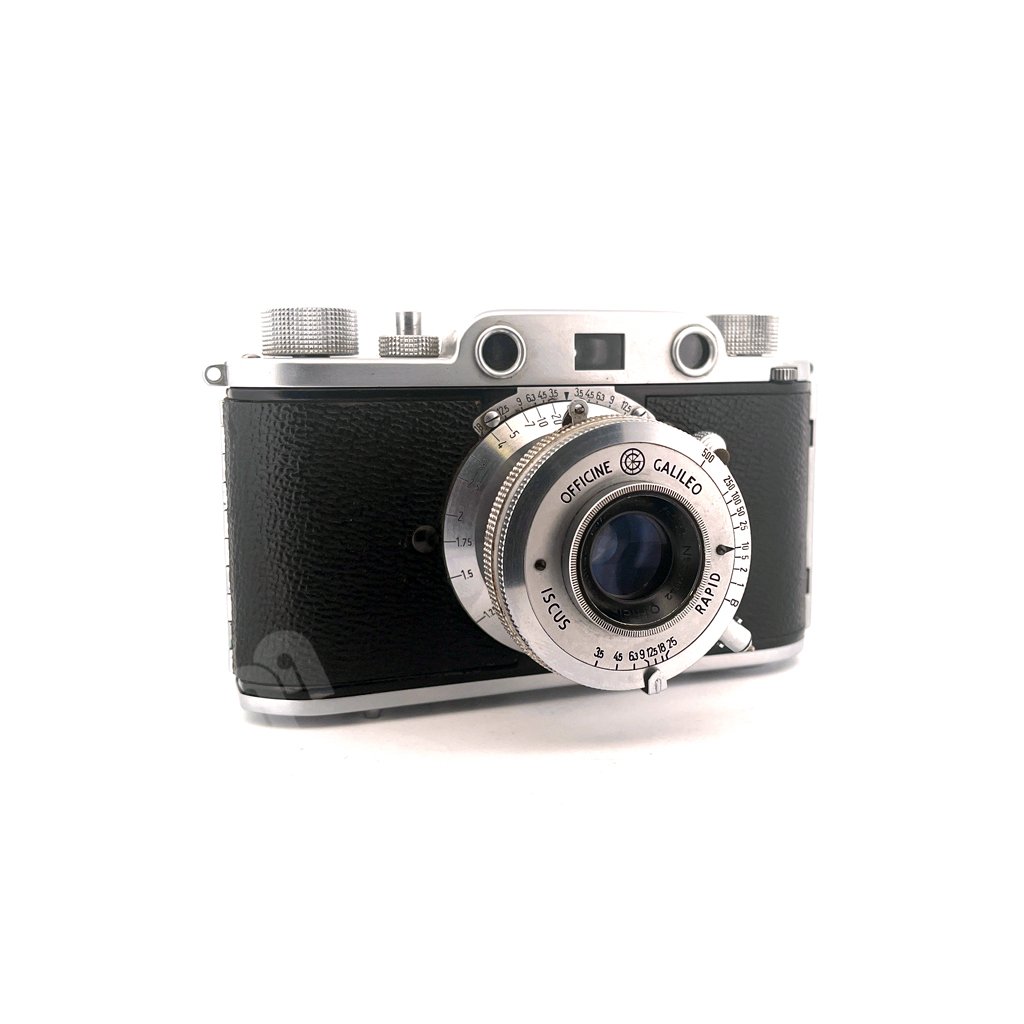
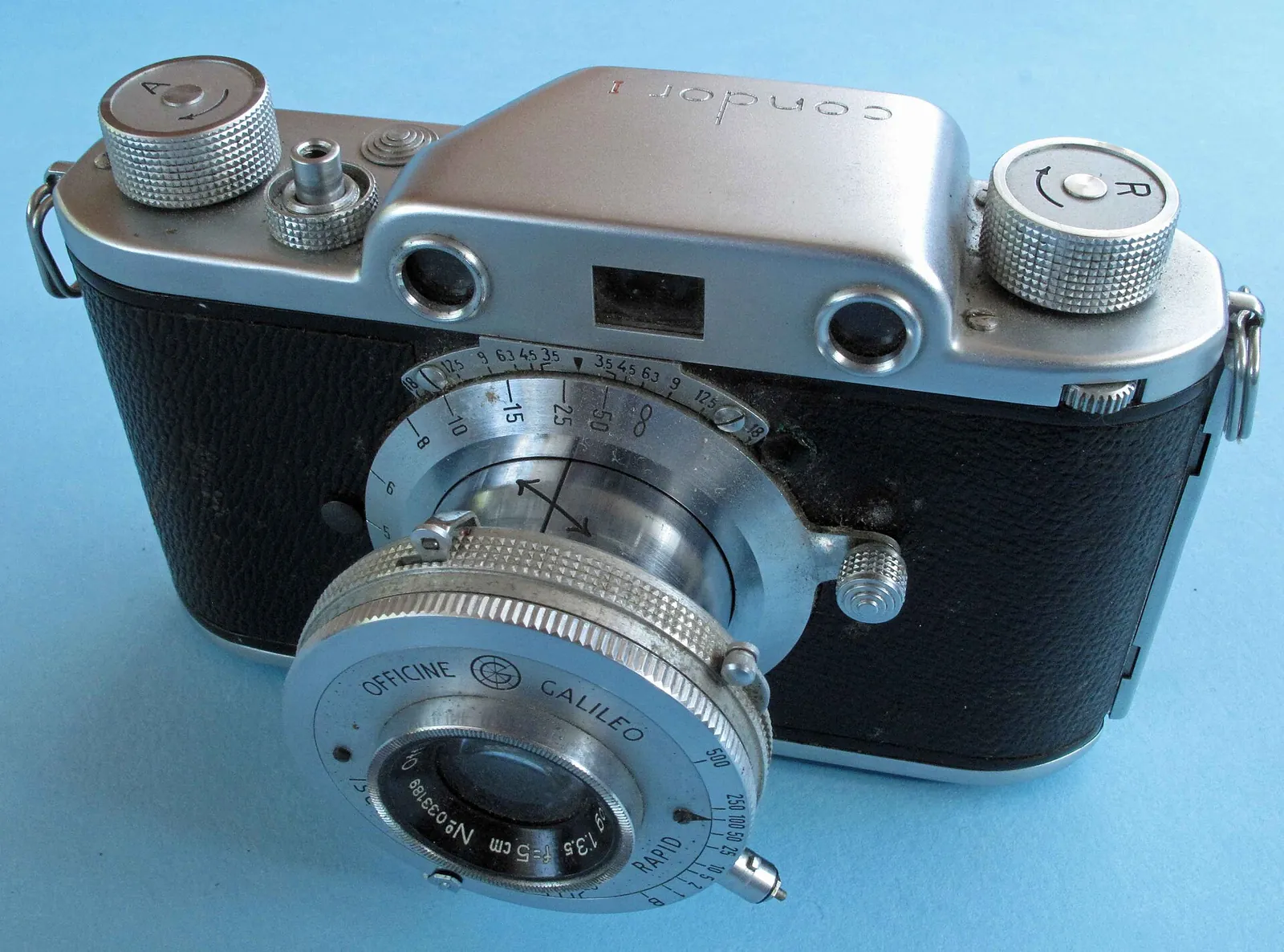
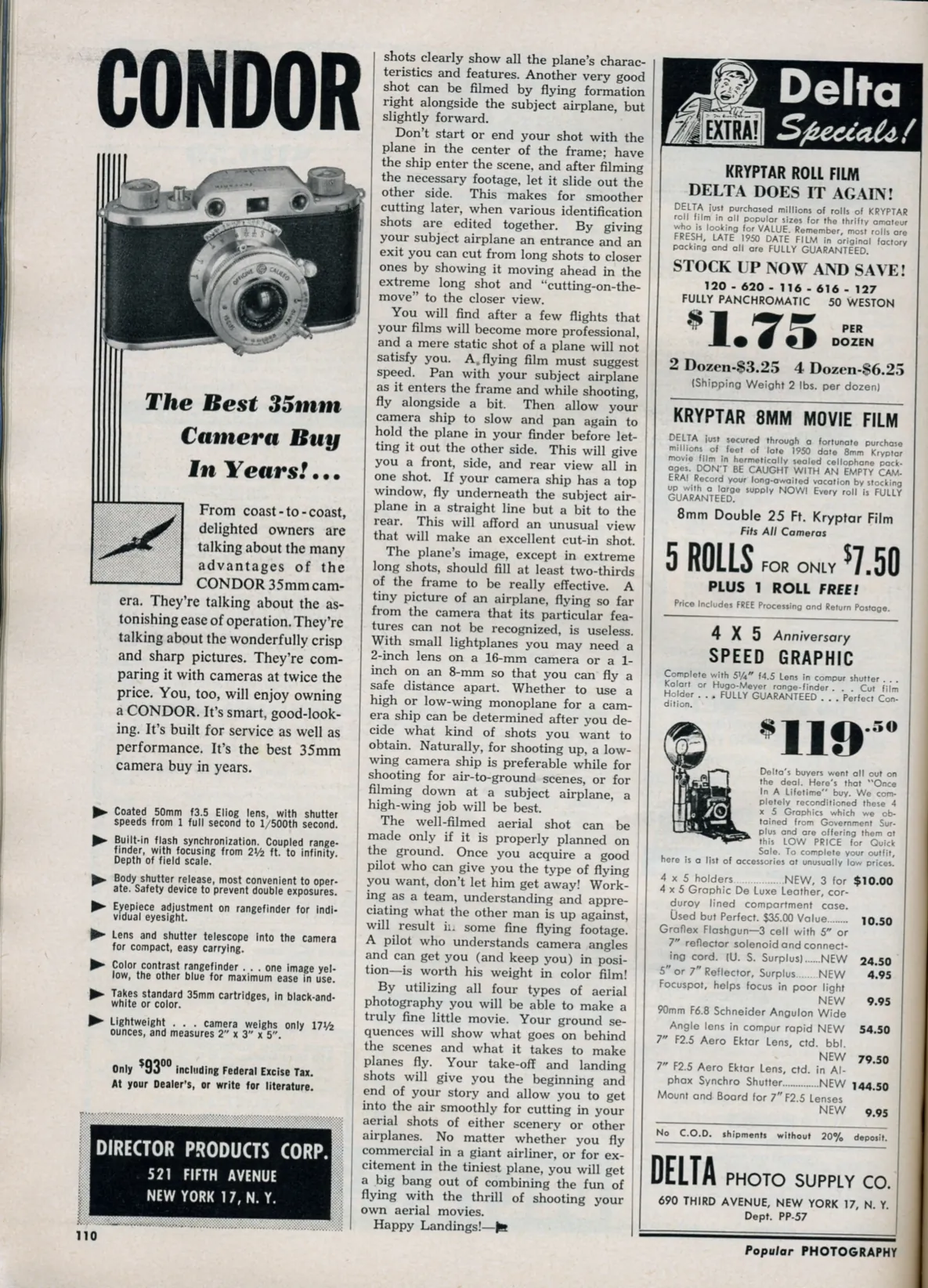
After the war the Allies allowed only civilian production. Officine Galileo turned to electrical instruments, vacuum equipment, textile machines for the mills of nearby Prato, and cameras. In 1947 it launched the Condor I, a 35 mm rangefinder camera in the spirit of the Leica, sold by the film maker Ferrania under the joint name Ferrania-Galileo.
Cheaper versions followed, the Condor Junior and the Condoretta, and in 1952 the Condor II, with a six-element Esaog 50 mm f/2 lens, then the fastest lens made entirely in Italy. The cameras were shown at fairs as far away as Leipzig. But in 1958 the company planned nearly a thousand layoffs; the workers occupied the factory in January 1959, and the Florentine camera line came to an end.
1947–1965
The jewel of Milan
In the museum
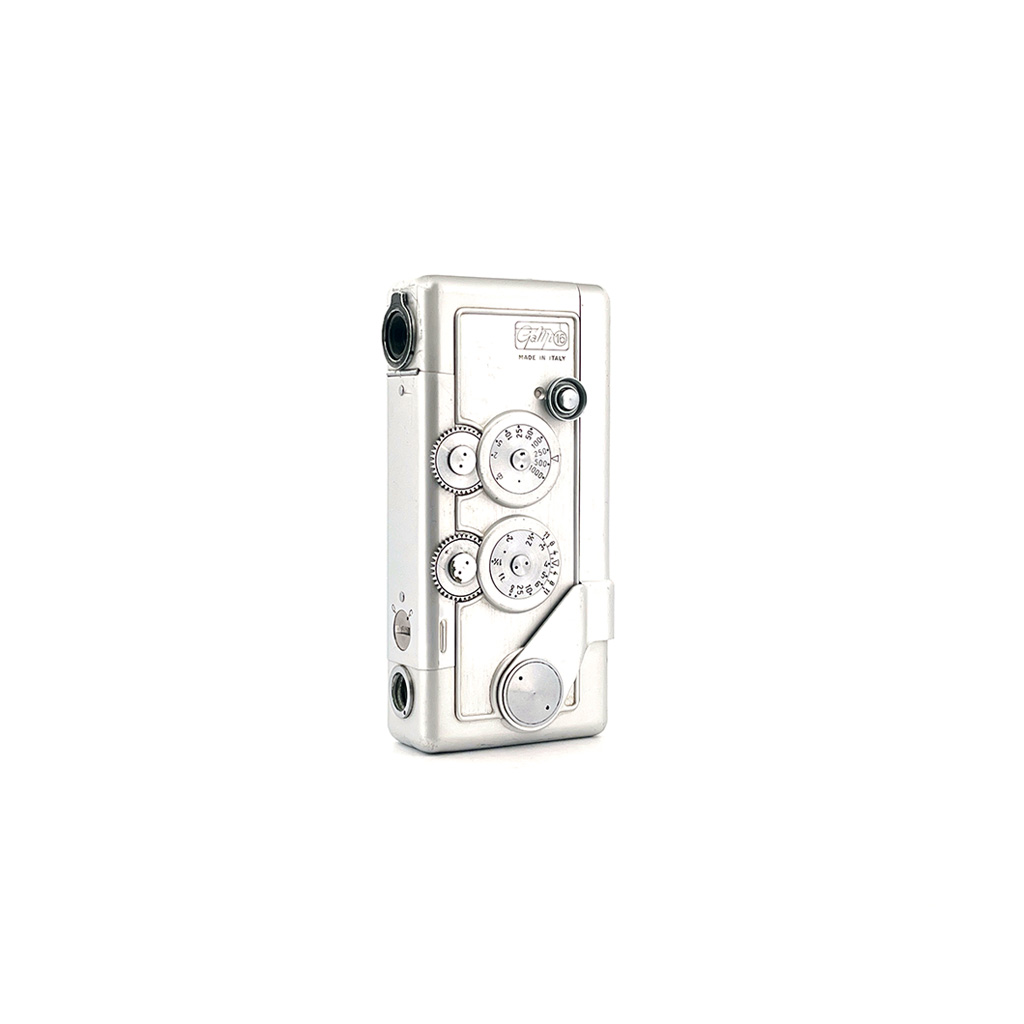
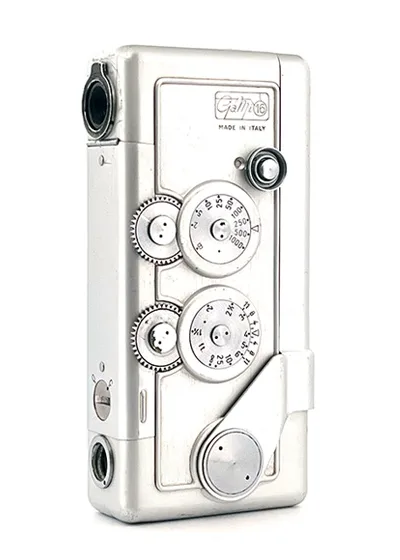
Meanwhile, at the company’s branch in Milan, the engineer Ambrogio Carini had been working on a subminiature camera since the end of the war. Its design was finished at the end of 1947, and it was presented at the Milan Fair in April 1953: the Gami 16, for Galileo Milano. It went on sale in 1955.
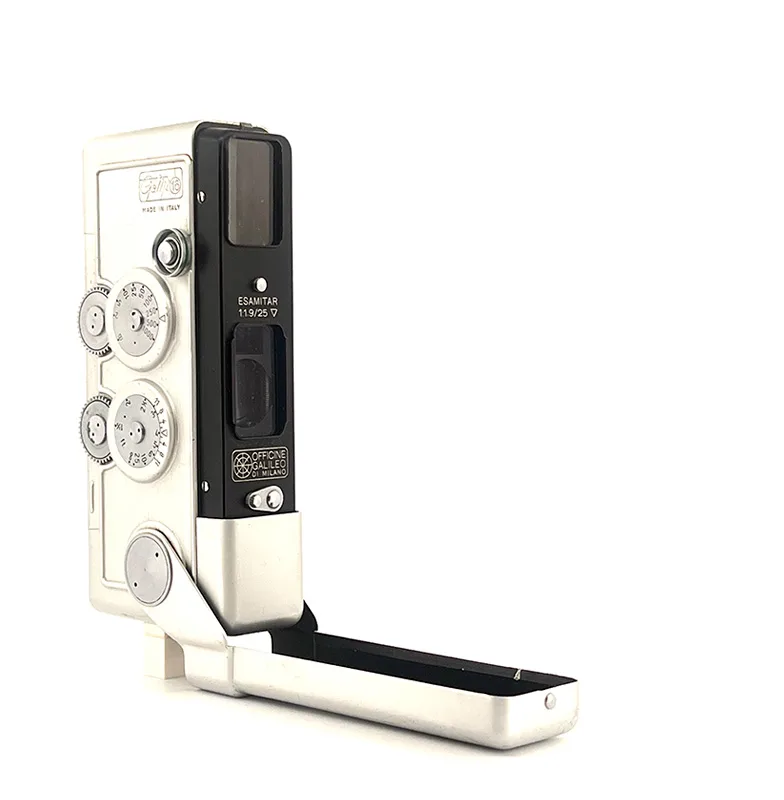
Into an aluminium body barely 11.5 cm long, the Gami packed a 25 mm f/1.9 Esamitar lens, a coupled rangefinder, an exposure meter and a spring motor wound by closing its cover. It was one of the most expensive subminiatures of its day, and about 80% of the fewer than 5,000 made were exported to the United States. Its production in Milan continued until about 1965, the last chapter of Galileo’s cameras.
The people
1959–today
From Florence to Mars
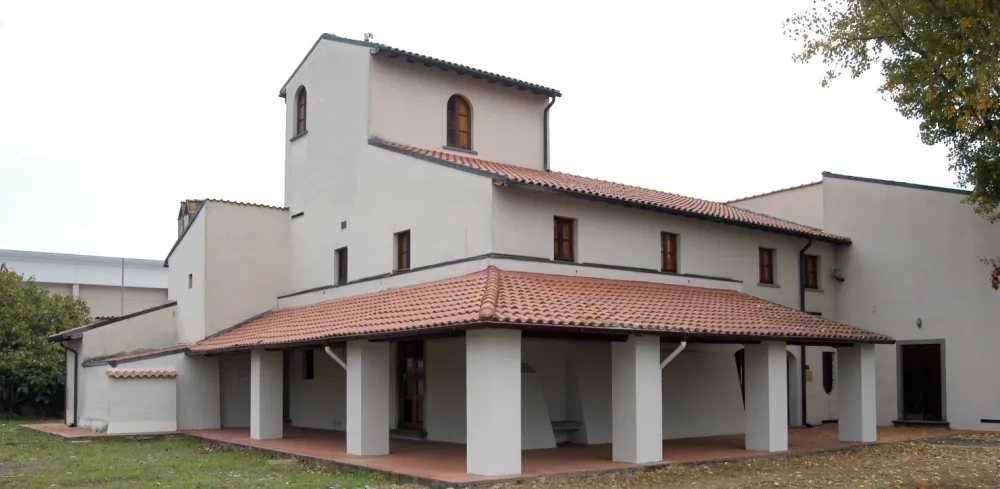
Without cameras, Officine Galileo returned to what it had always done best: optics for the military, for science and later for space. In 1980 it left Rifredi for a new site in Campi Bisenzio, near Florence. Through a series of mergers it became Galileo Avionica in 2001, then Selex Galileo, and since 2016 it has been part of the Italian aerospace group Leonardo.
Its optical detectors have flown to Mars aboard the European Mars Express probe. In Florence, the workers’ foundation created in September 1945 still runs a cultural centre, and a museum keeps the memory of the instruments made at Rifredi.

Officine Galileo at the 99 Cameras Museum
The Gami 16, the jewel of Galileo’s Milan branch, is in the collection of the museum in Paris, together with the Ferrania Condor born in its Florence factory. You can see them in our online collection.
See the Officine Galileo cameras of the collection
Sources. Wikipedia (Italian) article on Officine Galileo, GaMi16.it (Gianni Giovannini), Submin.com Gami collection, Harrisson Photographica, Collection Appareils. The story of the factory saved in 1944 comes from local tradition and is told as such.
Plan your visit
Visit is free and open to all
- Opening hoursMonday – Saturday : 10 – 17:30
- AddressStudio Harcourt, 6 Rue de Lota, 75116 Paris
- Exceptional closuresThursday, 26 November 2026Thursday, 3 December 2026Monday, 7 December 2026Tuesday, 8 December 2026Wednesday, 9 December 2026Thursday, 10 December 2026Thursday, 17 December 2026Friday, 18 December 2026