The adventure of the brands
The Goerz story
- Founded in 1886Germany
- No longer makes cameras
Drawing instruments for schools, a shutter that froze storks in flight, the Dagor lens, factories in Berlin, Vienna and New York, the merger into Zeiss Ikon and a golden camera the size of a pack of cigarettes: the Goerz story, told through its inventions and its anecdotes.
1886–1891
From drawing instruments to cameras
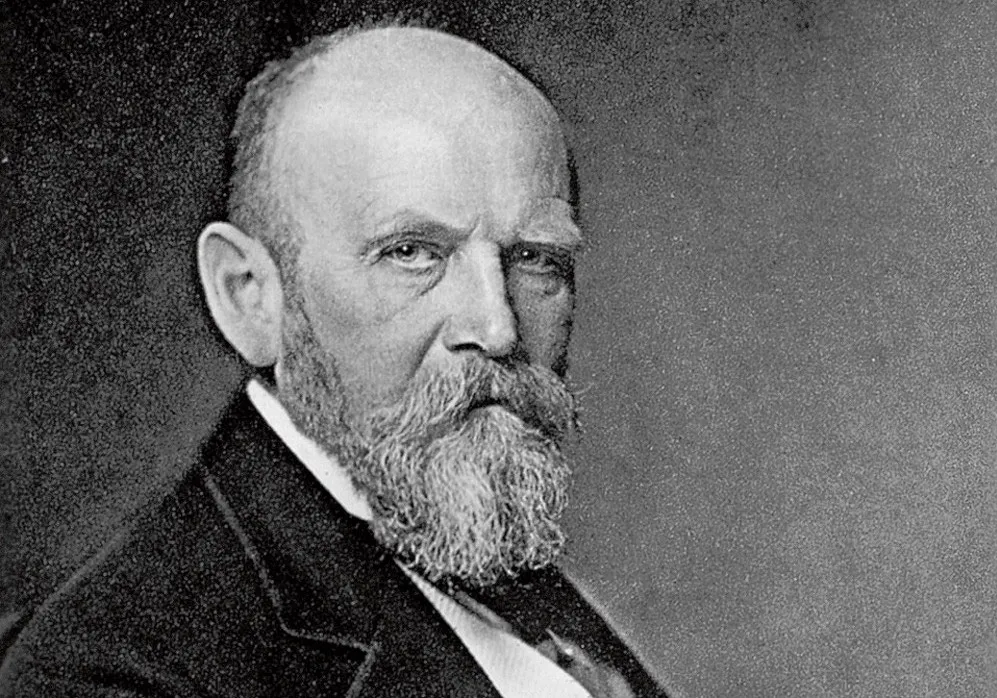
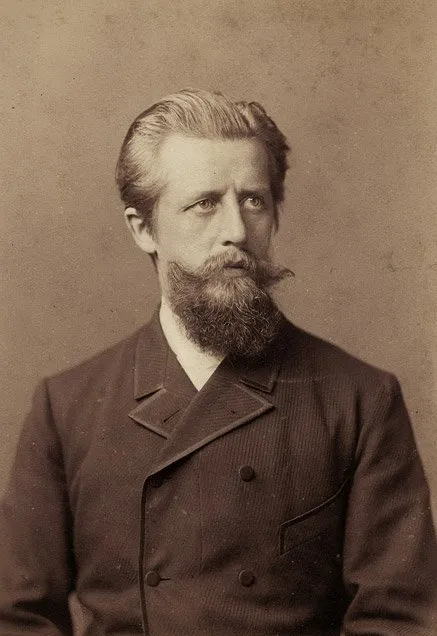
In 1886 Carl Paul Goerz started a small business in Berlin selling geometrical drawing instruments for schools. In 1888 he began to make cameras and lenses, and from 1890 his company was called Optische Anstalt C. P. Goerz.
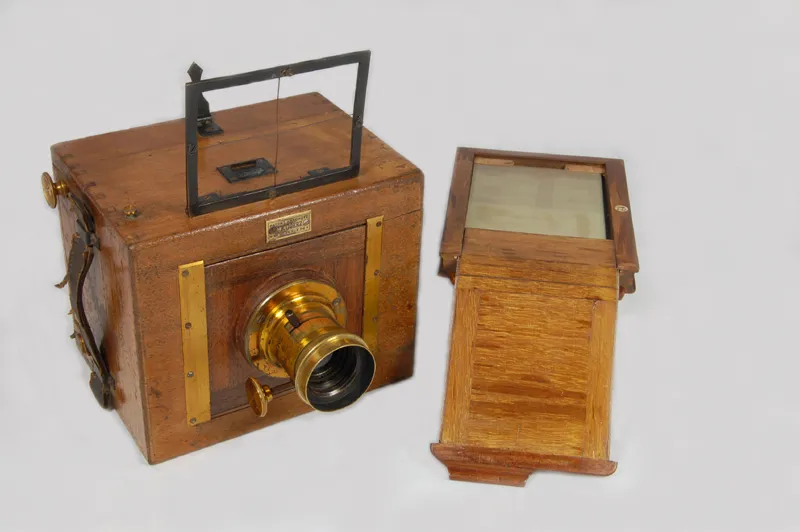
Goerz obtained the exclusive right to make the focal-plane shutter invented by the photographer Ottomar Anschütz. In 1890 came the Anschütz camera, made for fast pictures of moving subjects.
1892–1918
The Dagor

In 1892 Goerz launched the Dagor, a lens designed by Emil von Höegh: a double anastigmat with six elements, sharp over the whole picture. It was soon made under licence abroad, by Ross in London from 1893, and became one of the most famous lenses of its time.
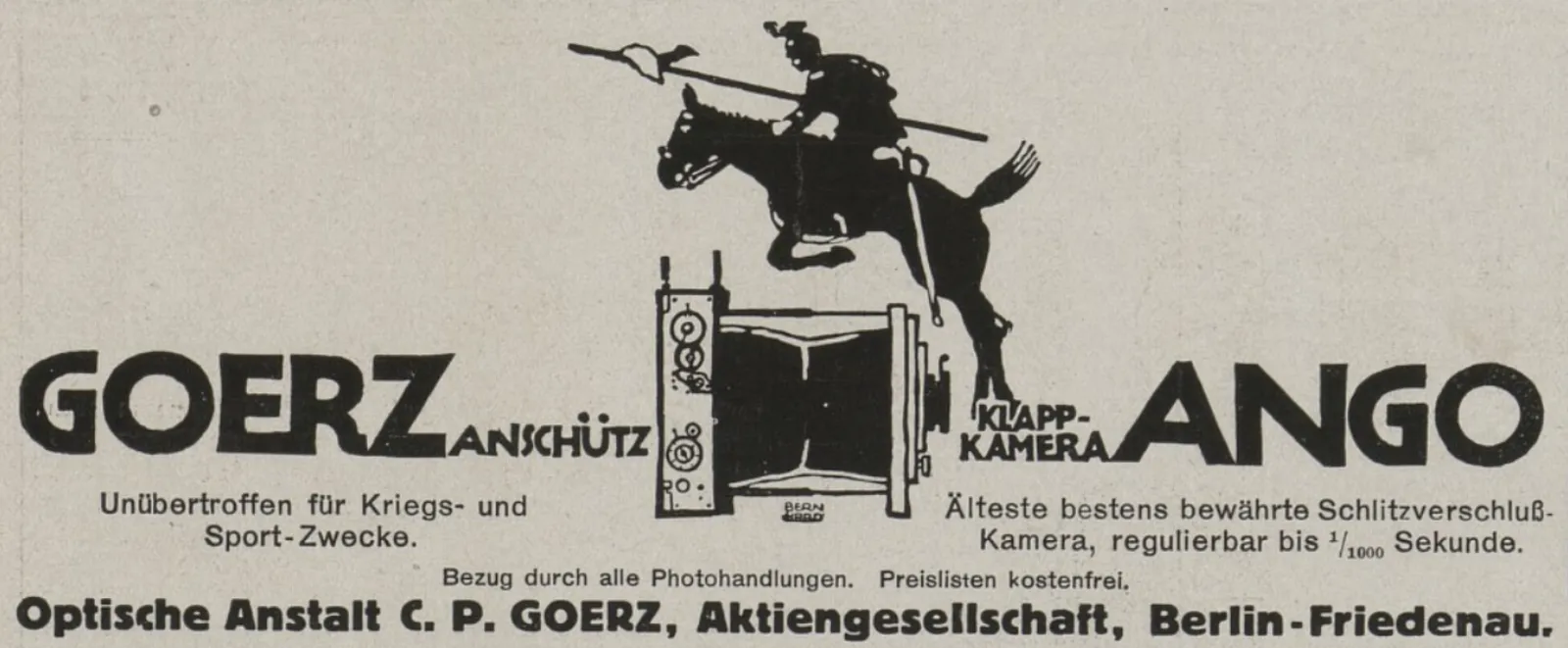
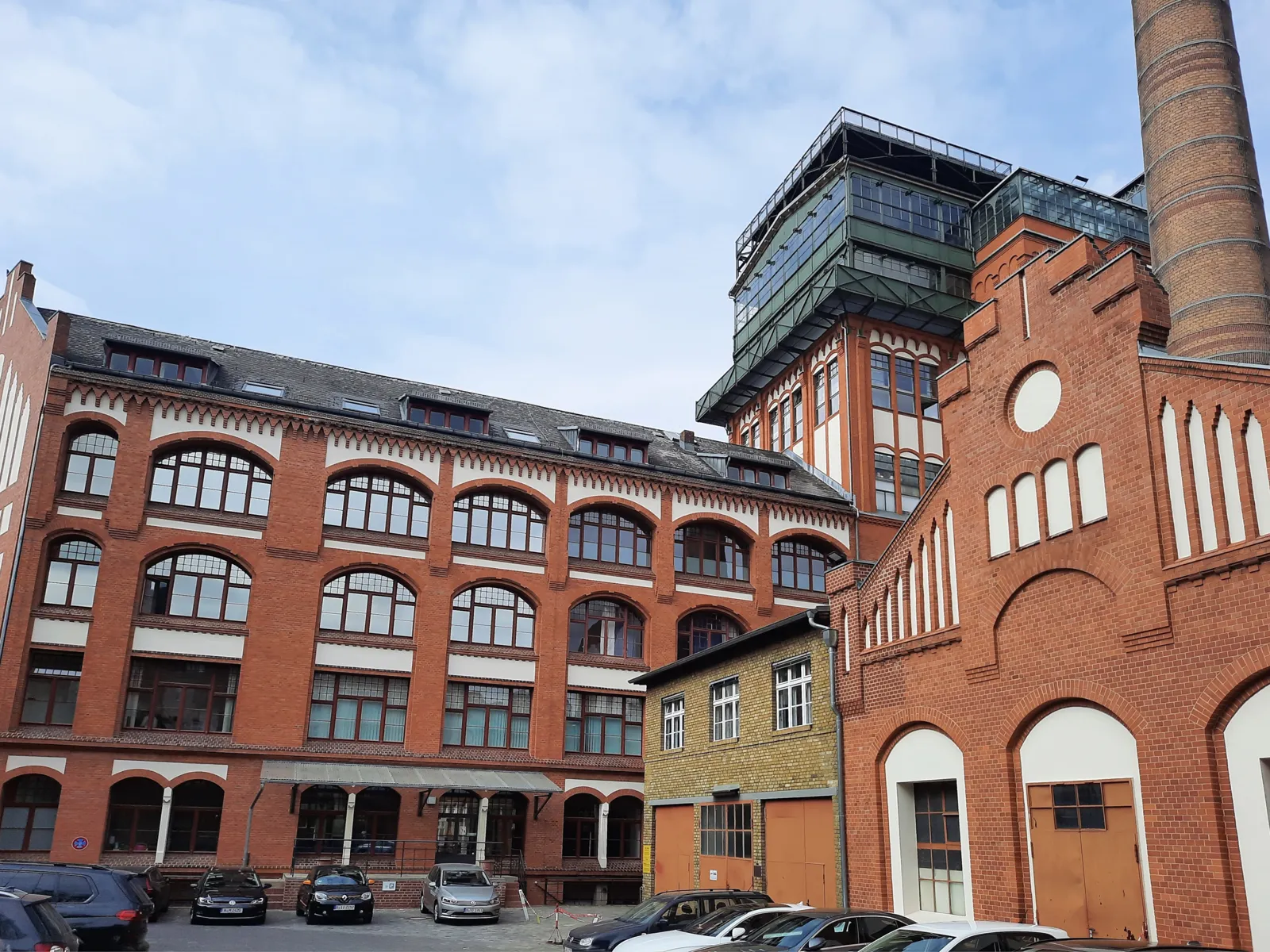
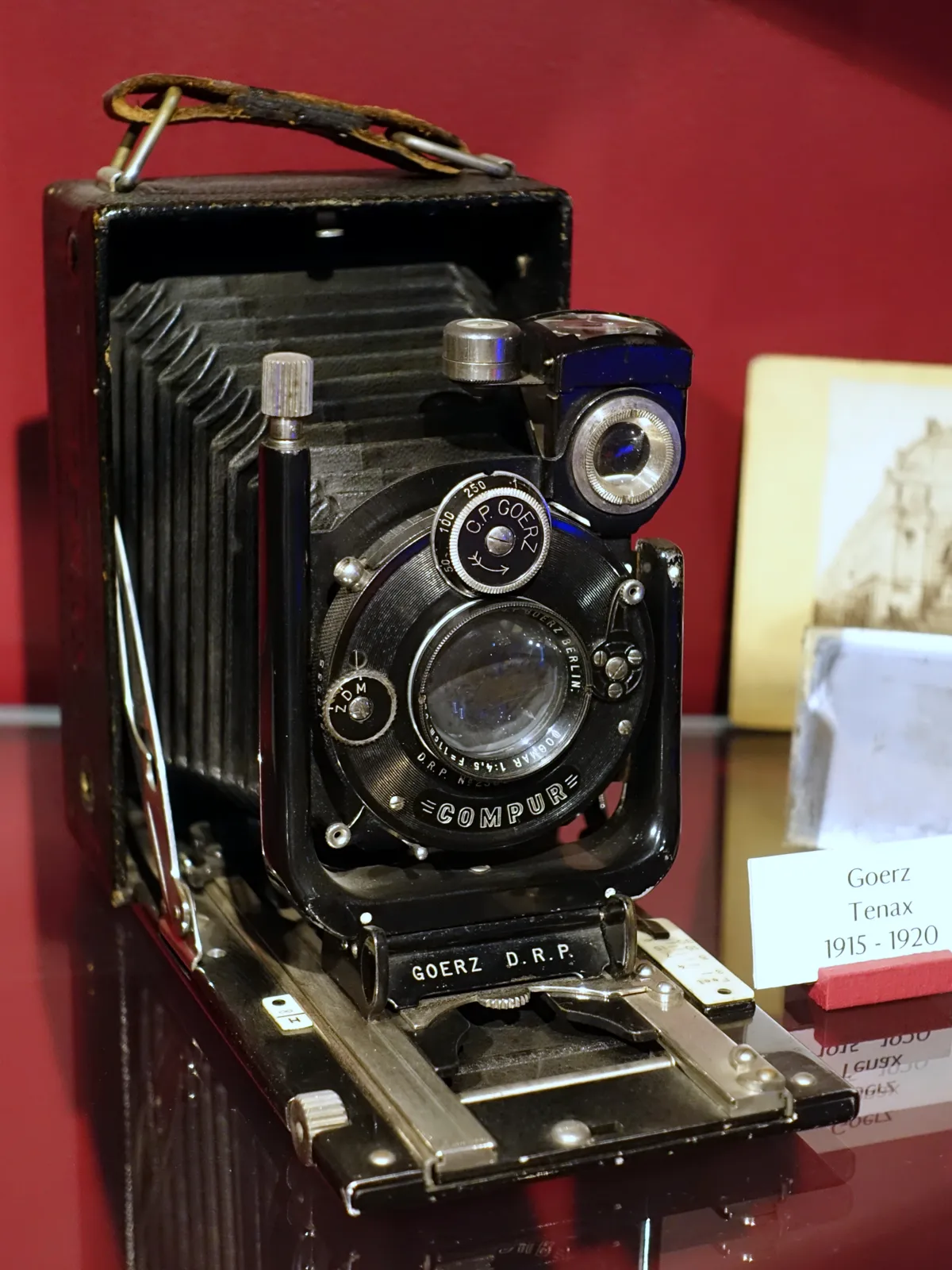
Goerz grew fast: a branch in New York in 1895, which became the C. P. Goerz American Optical Company in 1905, factories in Berlin-Friedenau and Vienna, Tenax folding cameras, binoculars and, during the First World War, optics for the German and Austrian armies.
1919–1945
Into Zeiss Ikon
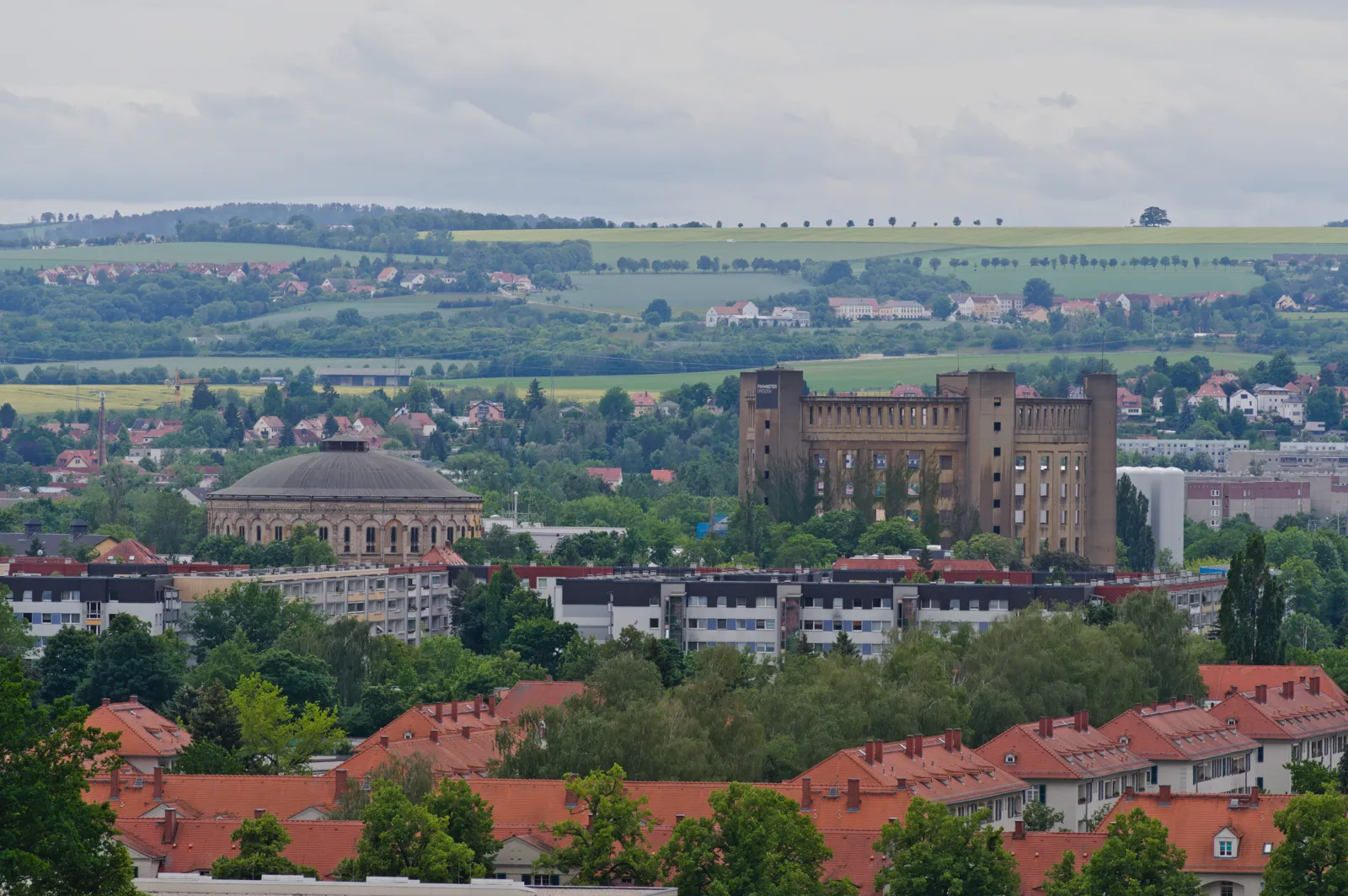
After the war, Germany could no longer make most military equipment, and the optical companies lost their best customer. Carl Paul Goerz died in 1923.
In 1926 the German Goerz merged with ICA, Contessa-Nettel and Ernemann to form Zeiss Ikon. Carl Zeiss held the majority, and Goerz had to stop making lenses. Its Tenax cameras lived on under the Zeiss Ikon name.
1951–1958
The Minicord

In the museum
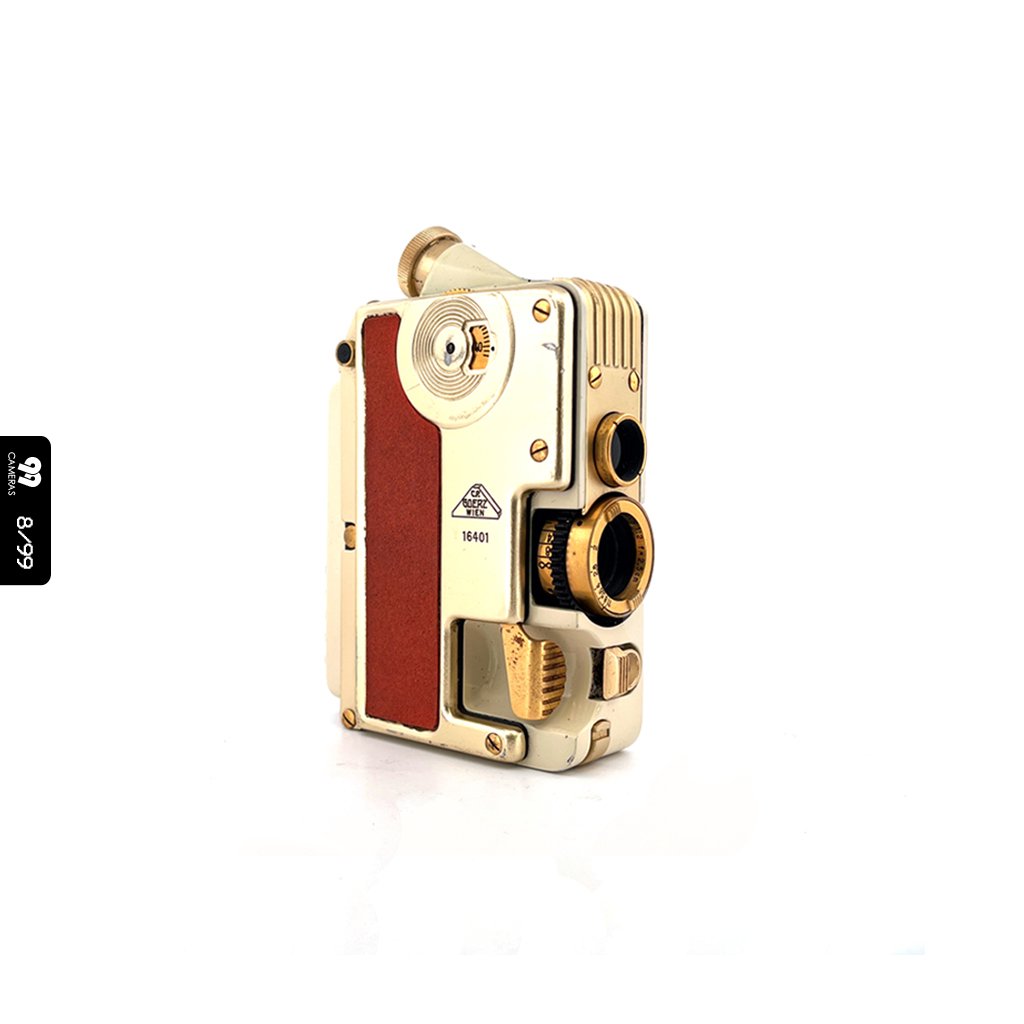
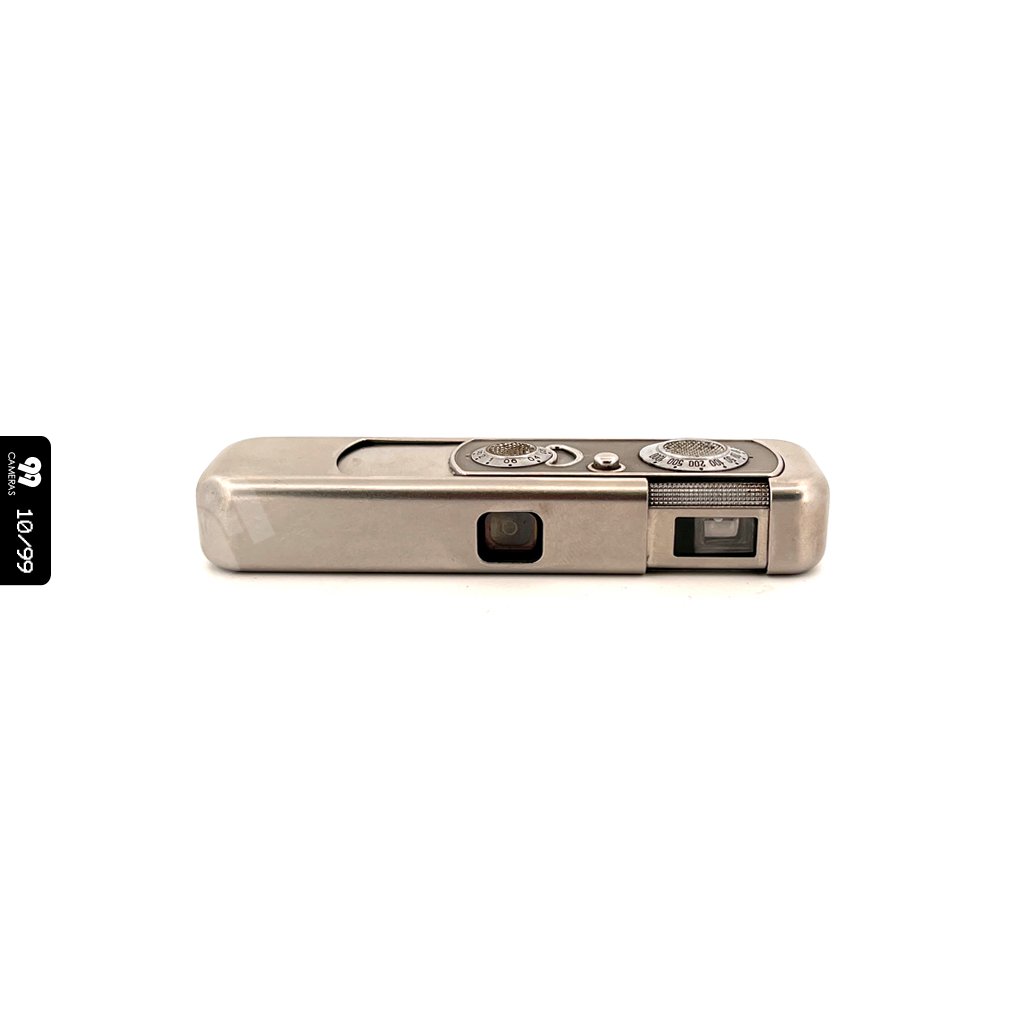
In 1951 the Austrian Goerz in Vienna launched the Minicord, a twin-lens reflex for 16 mm film the size of a pack of cigarettes. Thanks to its Helgor lens and its precise mechanics, it was considered one of the best subminiature cameras, with the Minox. The Minicord III followed in 1958.
A handful of Minicords were made in gold metal, with green or red leather. They are among the rarest subminiature cameras, and one of them is in the museum.
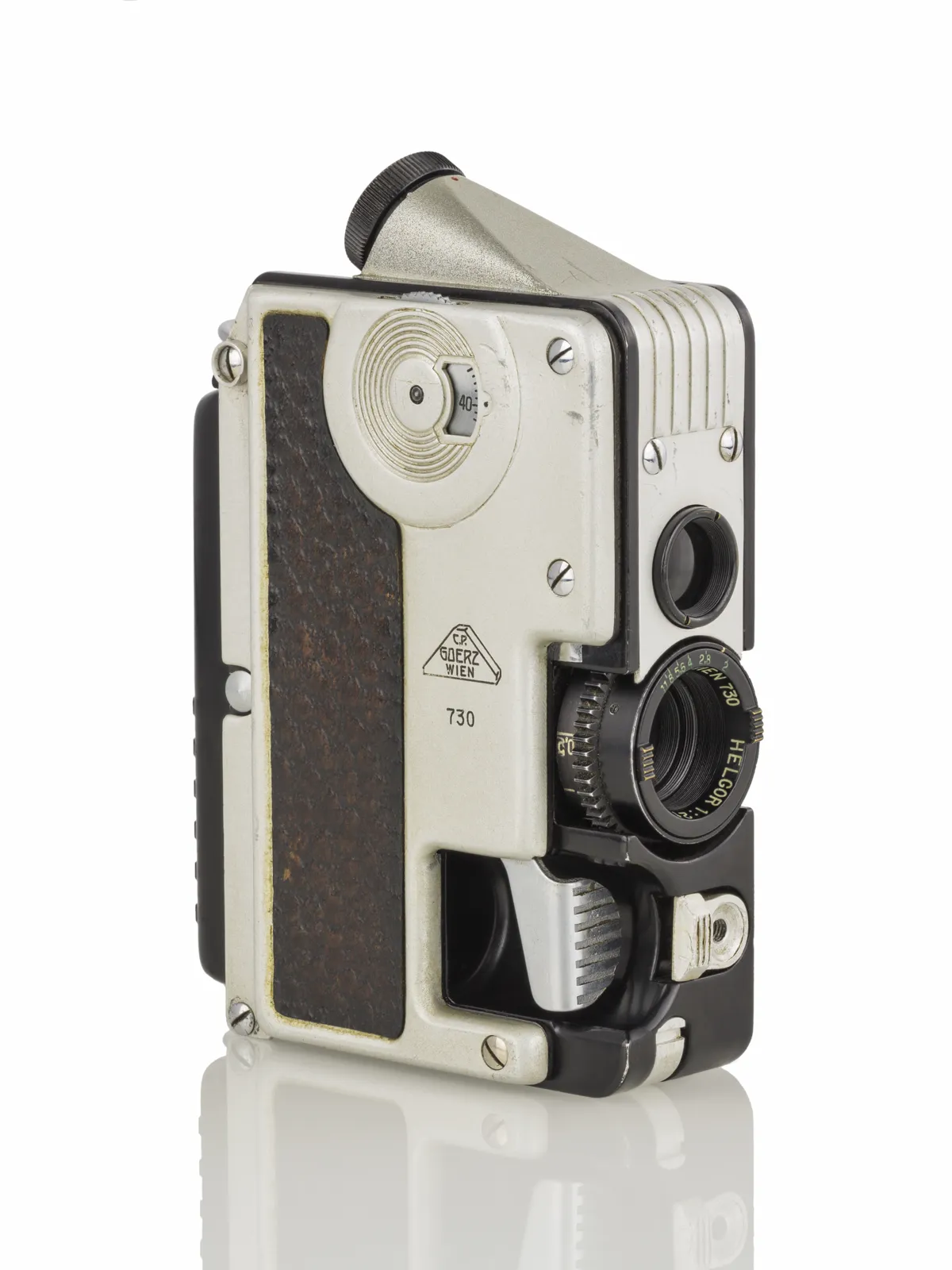

Goerz at the 99 Cameras Museum
The golden Minicord, one of the rarest subminiature cameras, is in the showcases of the museum in Paris. You can see it, and the other cameras of this story, in our online collection.
See the Goerz cameras of the collection
Sources. Wikipedia article on C. P. Goerz, Camera-wiki. Some anecdotes come from oral tradition and are told as such.
Plan your visit
Visit is free and open to all
- Opening hoursMonday – Saturday : 10 – 17:30
- AddressStudio Harcourt, 6 Rue de Lota, 75116 Paris
- Exceptional closuresThursday, 26 November 2026