
The Magnificent
18 cameras
The jewels of the collection: cameras exceptional for their rarity as much as for their history.
Audio guide · Welcome
Left wall showcase 10 cameras
-
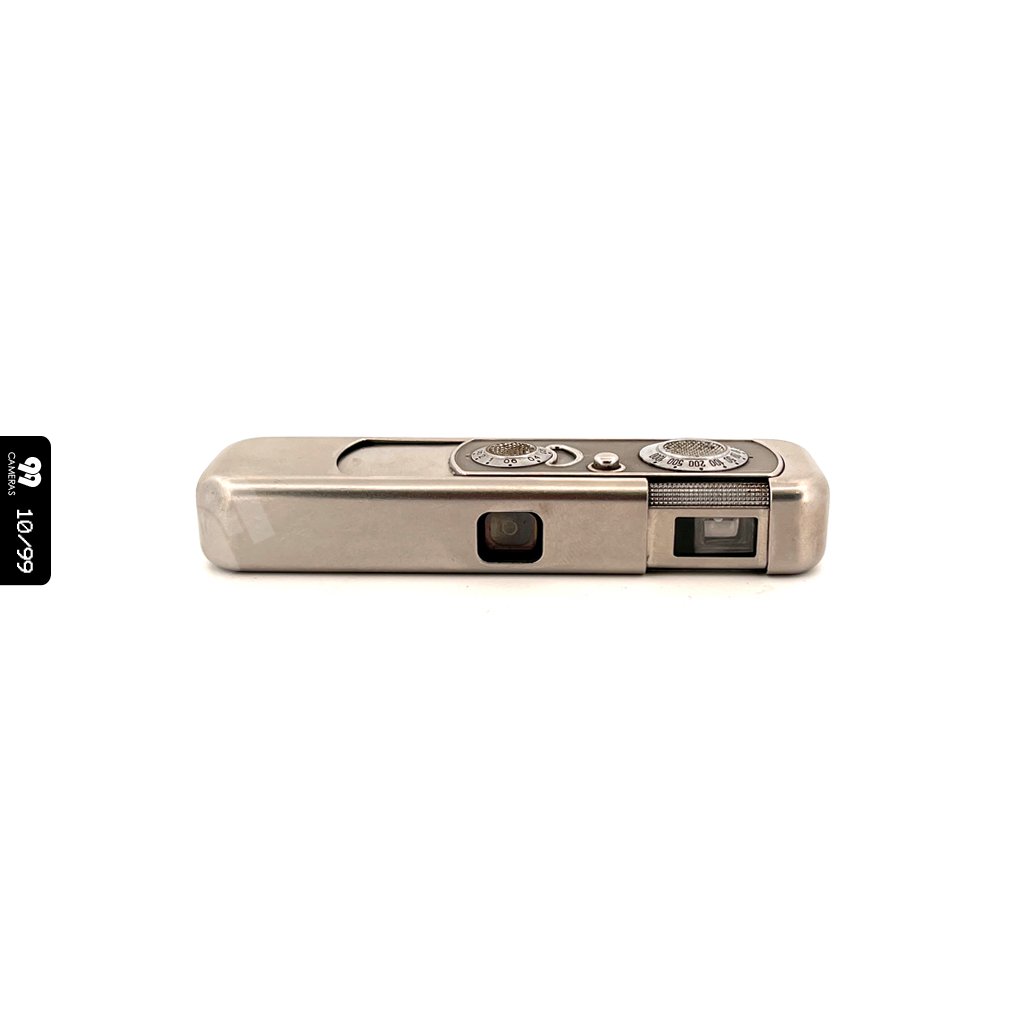
MinoxMinox Riga
- 1938
- LatviaLatvia
- Minox film
Designed by Walter Zapp, the Minox was the preferred camera of intelligence agencies and spies until the 1960s. It gained immense popularity when James Bond used it in "On Her Majesty's Secret Service." It was so expensive that it was regarded as a luxury item and remained cutting-edge technology until the 1980s.
See the camera page -
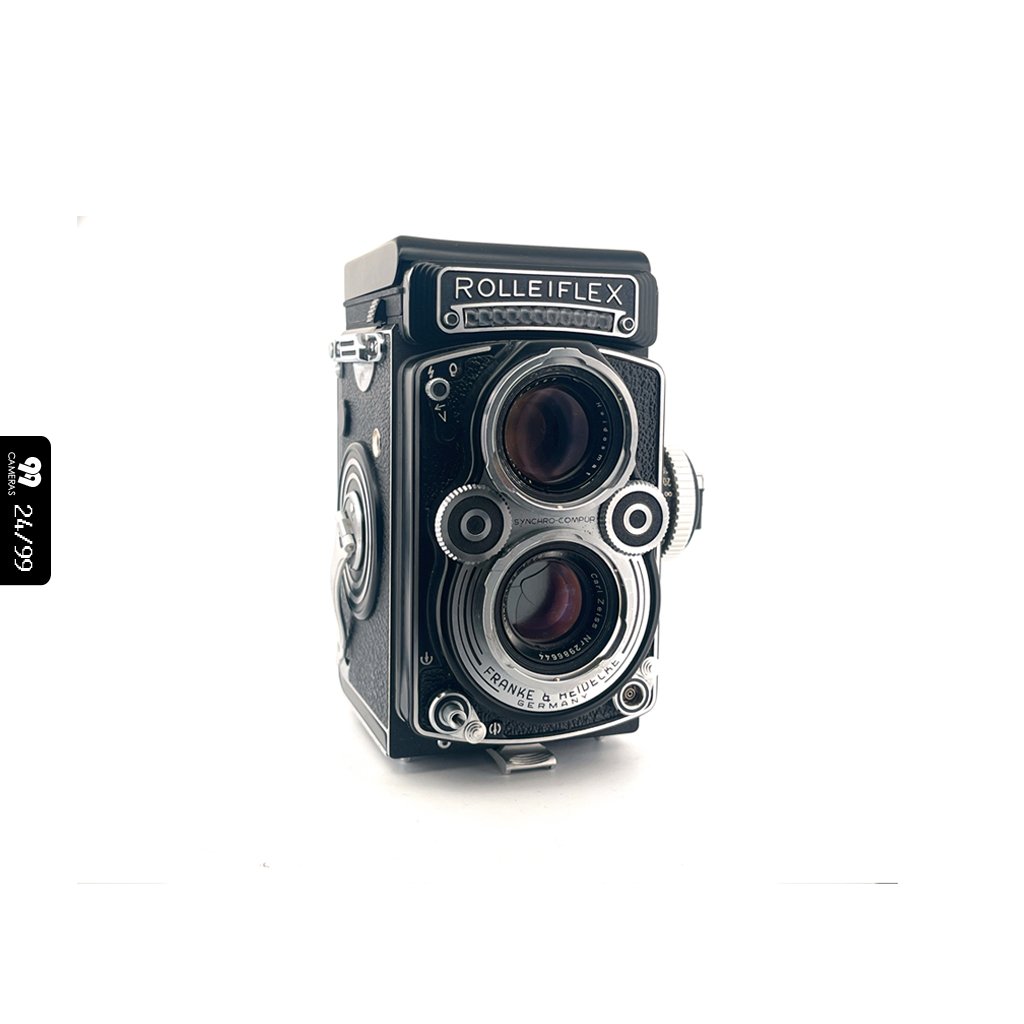
RolleiRolleiflex
- 1960
- GermanyGermany
- 120 film
Few cameras hold the legendary status of the Rolleiflex. First introduced in 1929, it quickly became the epitome of professional photography equipment, shaping the industry and inspiring generations of photographers. For decades, mastering the Rolleiflex was…
See the camera page -
SeroaSeroa Mecaflex
- 1958
- MonacoMonaco
- 35 mm
The Mecaflex was originally produced in 1953 by Metz in Germany and was the brainchild of Heinz Kilfitt, who had earlier designed the Robot cameras. German production was interrupted after just 1800 cameras were produced, only to be restarted in 1958 in…
See the camera page -
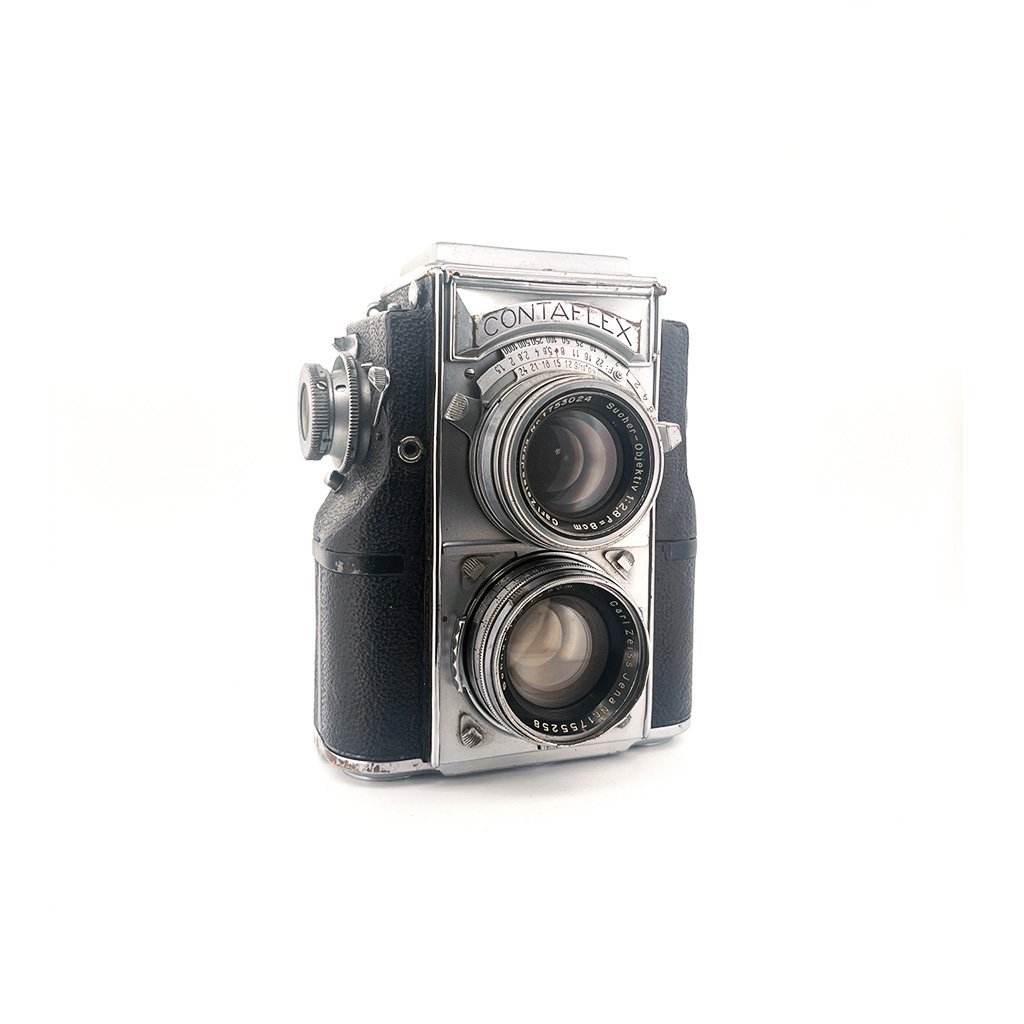
Zeiss IkonZeiss Ikon Contaflex
- 1936
- GermanyGermany
- 35 mm
The Contaflex was designed to offer the portability of small-format cameras while maintaining the precision of a twin-lens reflex. Its cost was exorbitant, representing about seven times the average salary in France in 1936. Only 6,000 to 7,000 units were sold, making it a rare collector’s item today.
See the camera page -
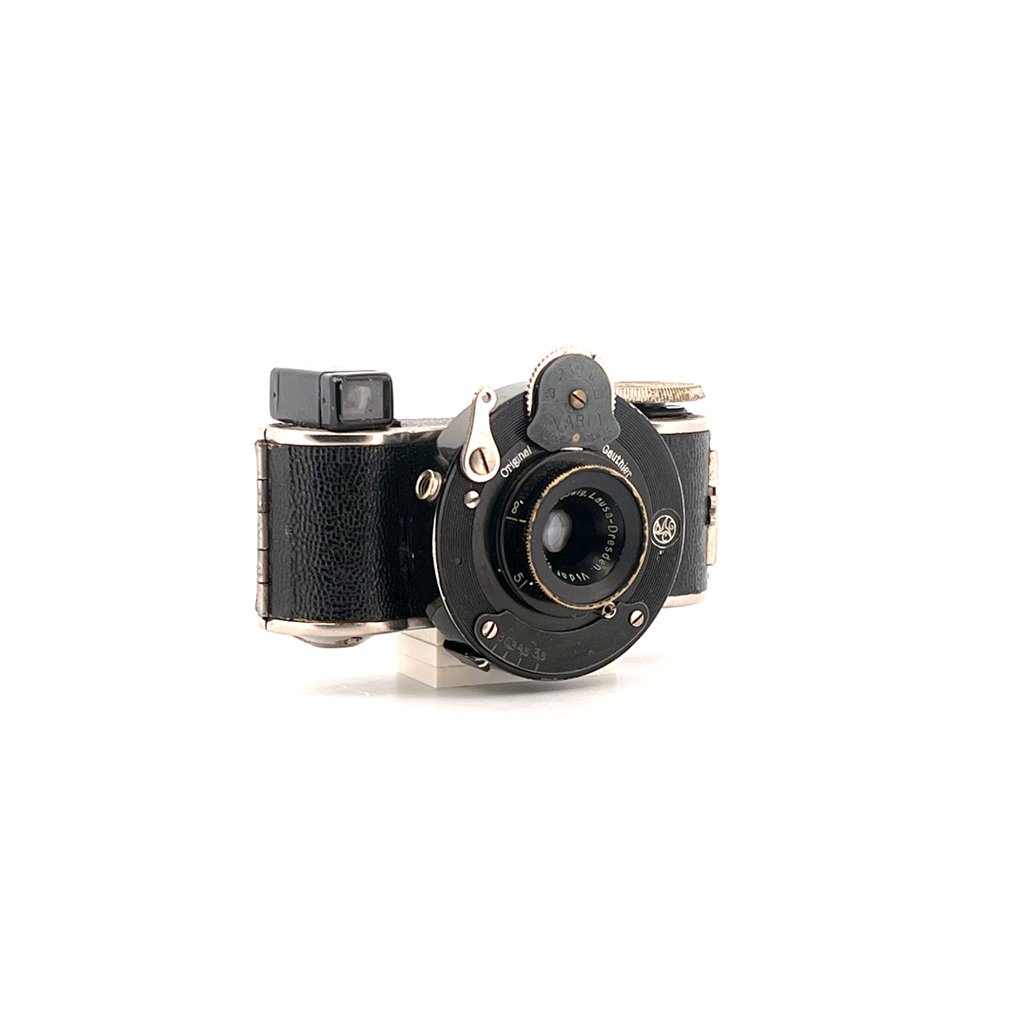
FotofexFotofex Mini-fex
- 1932
- GermanyGermany
- 16 mm
Sold at the time as the smallest camera in the world, it weighed barely 185g. It was manufactured with great precision and used various types of shutters offering different speeds. Some models were modified for use by police and the military in Central Europe.
See the camera page -
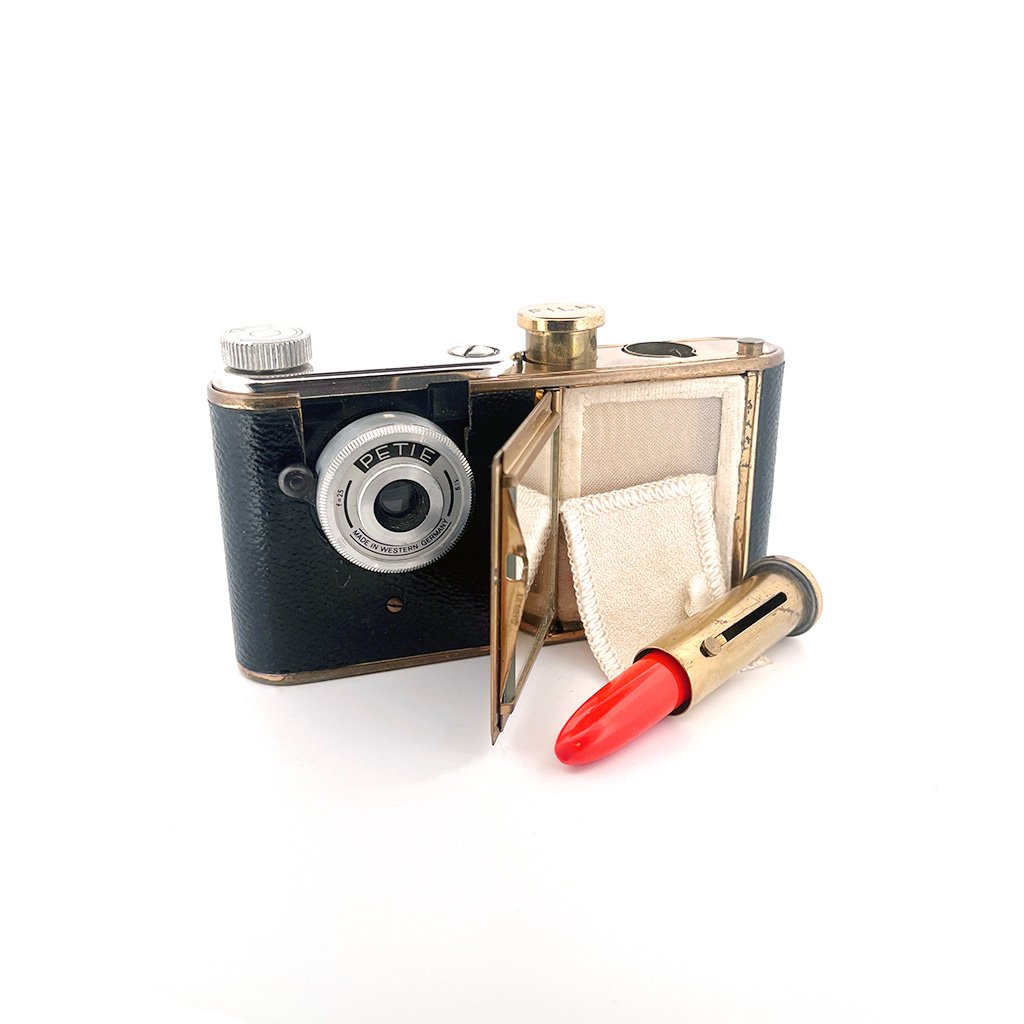
Walter KunikWalter Kunik Petie Vanity
- 1956
- GermanyGermany
- 16 mm
The Petie Vanity is one of the most unusual cameras in the history of subminiature photography. It conceals a fully functional camera inside an elegant ladies' compact. Opening it reveals a mirror, a powder compartment, and a holder designed to accommodate a lipstick tube.
See the camera page -
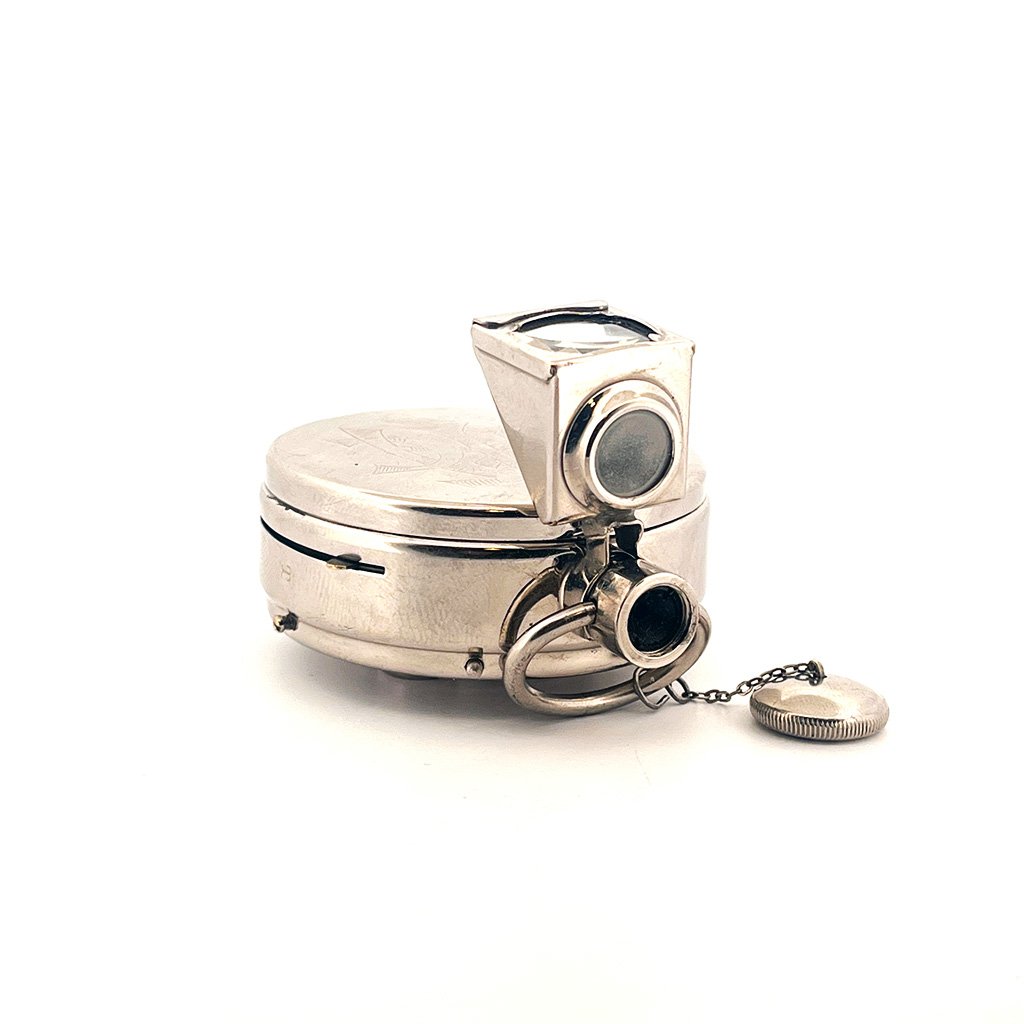
HoughtonHoughton Ticka
- 1905
- EnglandEngland
- Custom film
The Ticka is one of the earliest European spy cameras. It achieved immediate success by enabling discreet and spontaneous photography. Favored in particular by Queen Alexandra of Denmark, its European production ceased in 1914, while its concept endured and spread internationally, notably to the United States and Japan.
See the camera page -
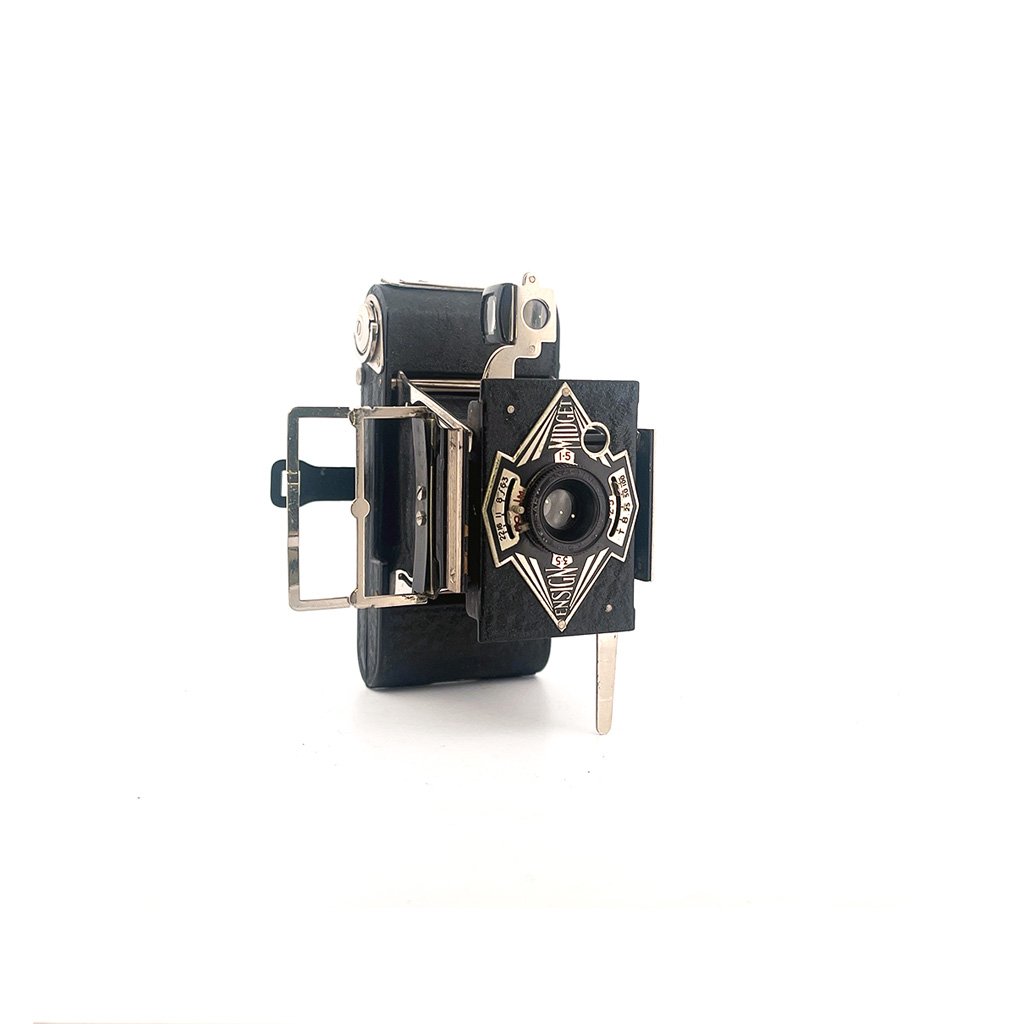
HoughtonHoughton Ensign Midget 55
- 1934
- EnglandEngland
- E10 film
Introduced in 1934 as the “Camera Miracle,” the Houghton Ensign Midget is a masterpiece of creativity and miniature engineering. Made in England, it combines ingenious design, exceptional craftsmanship, and rare elegance, pushing the boundaries of portable photography in the 1930s.
See the camera page -
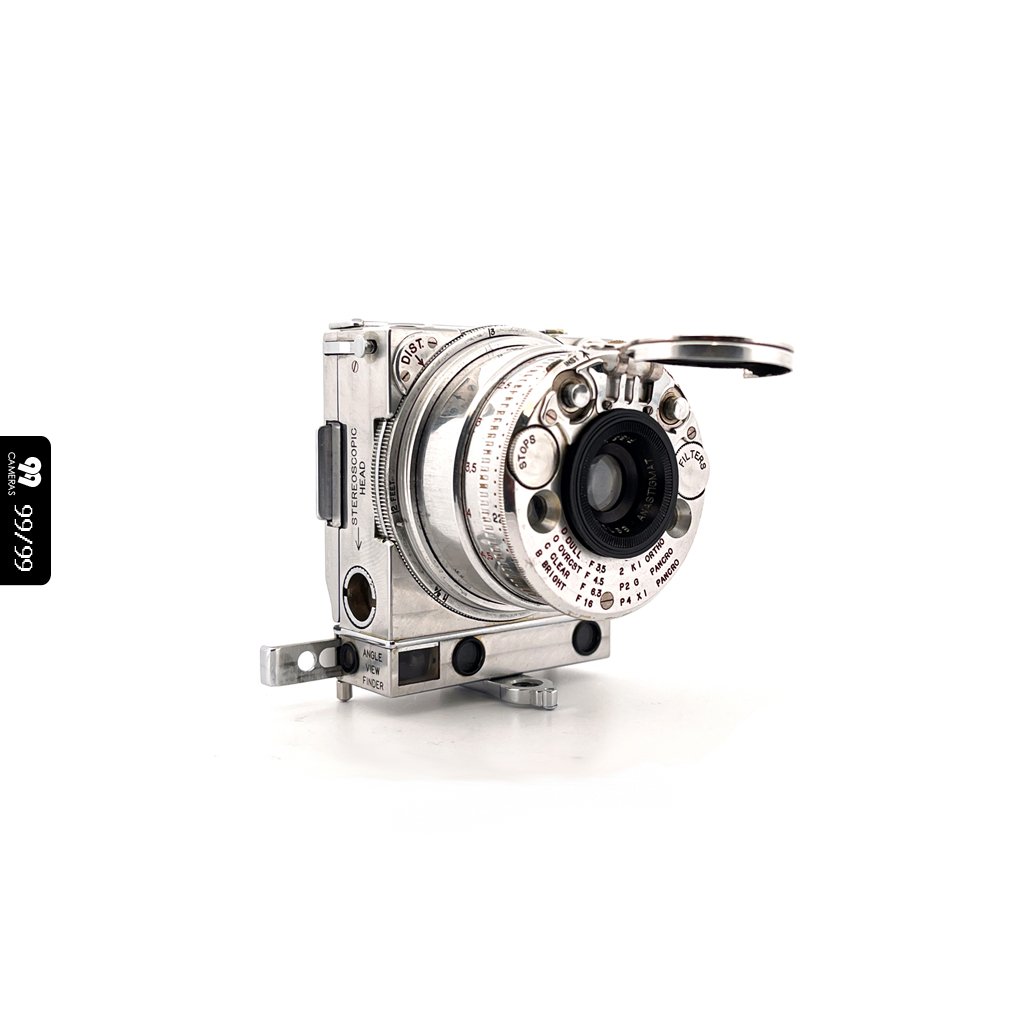
Le Coultre & CieLe Coultre & Cie Compass
- 1937
- SwitzerlandSwitzerland
- 35 mm
The Compass was manufactured in Switzerland by the Swiss watch-makers Le Coultre et Cie for the Compass Cameras Ltd in 1937. It was conceived and designed by Noel Pemberton Billing, an airman and Member of Parliament and is probably one of the most…
See the camera page -
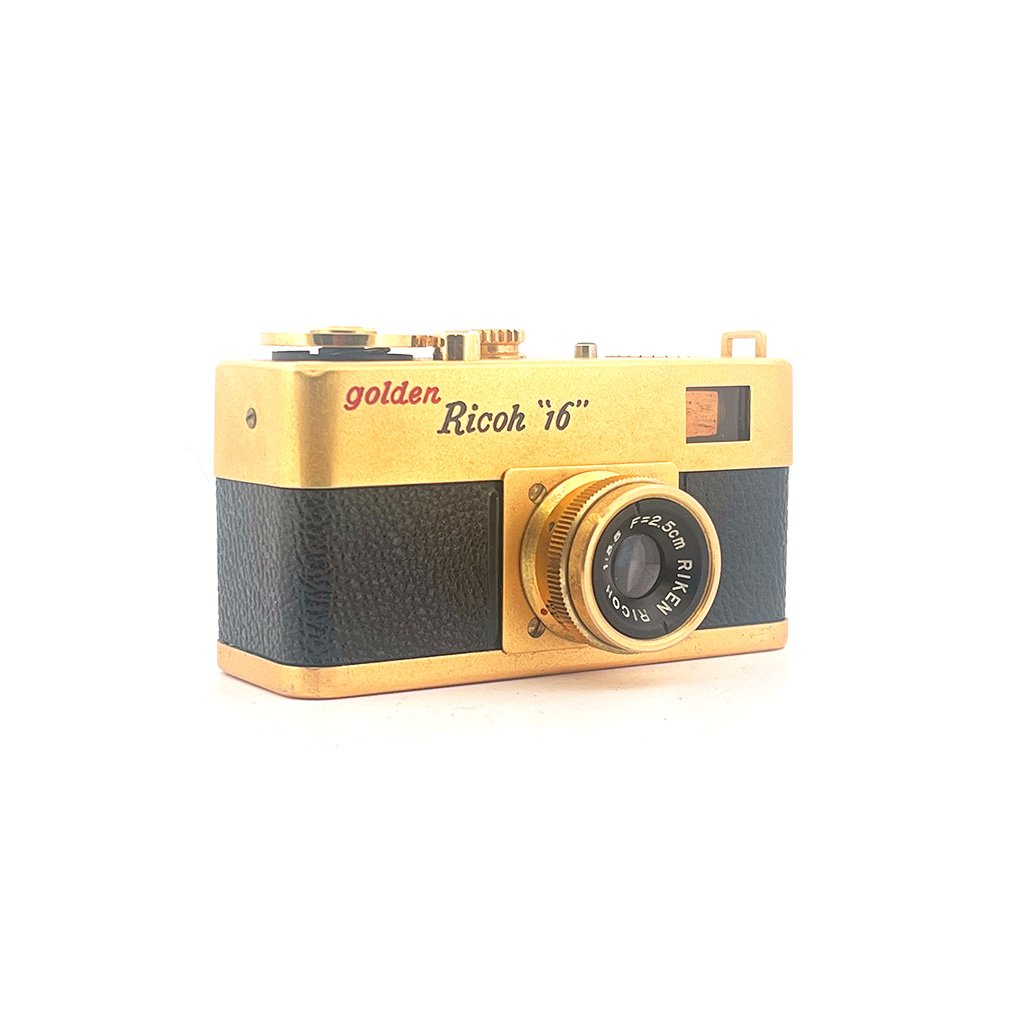
RicohRicoh Golden 16
- 1957
- JapanJapan
- 16 mm
The Golden 16 is an 18-carat gold-plated version of the Ricoh 16. Produced in very limited numbers for an elite clientele, it embodies the golden age of miniature cameras by combining discreet photography, miniaturization, and luxury craftsmanship, and remains today a rare and highly sought-after collector’s item.
See the camera page

Right wall showcase 8 cameras
-
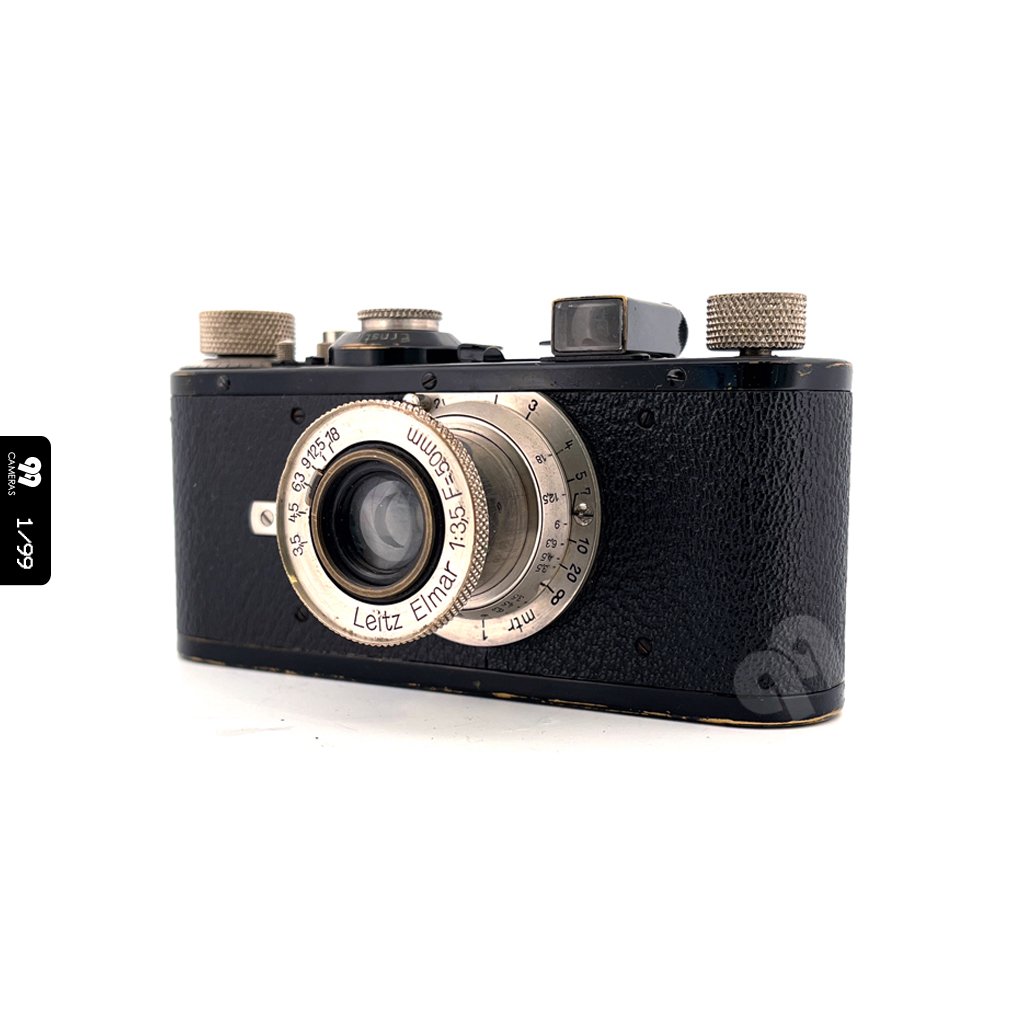
LeicaLeica I a
- 1925
- GermanyGermany
- 35 mm
The Leica 1 was one of the first mass-produced compact 35mm cameras. Its revolutionary compact design would inspire hundreds of other cameras, setting the industry standard for decades to come. Oskar Barnack coined the name Leica (short for Leitz Camera) during the design of this camera.
See the camera page -
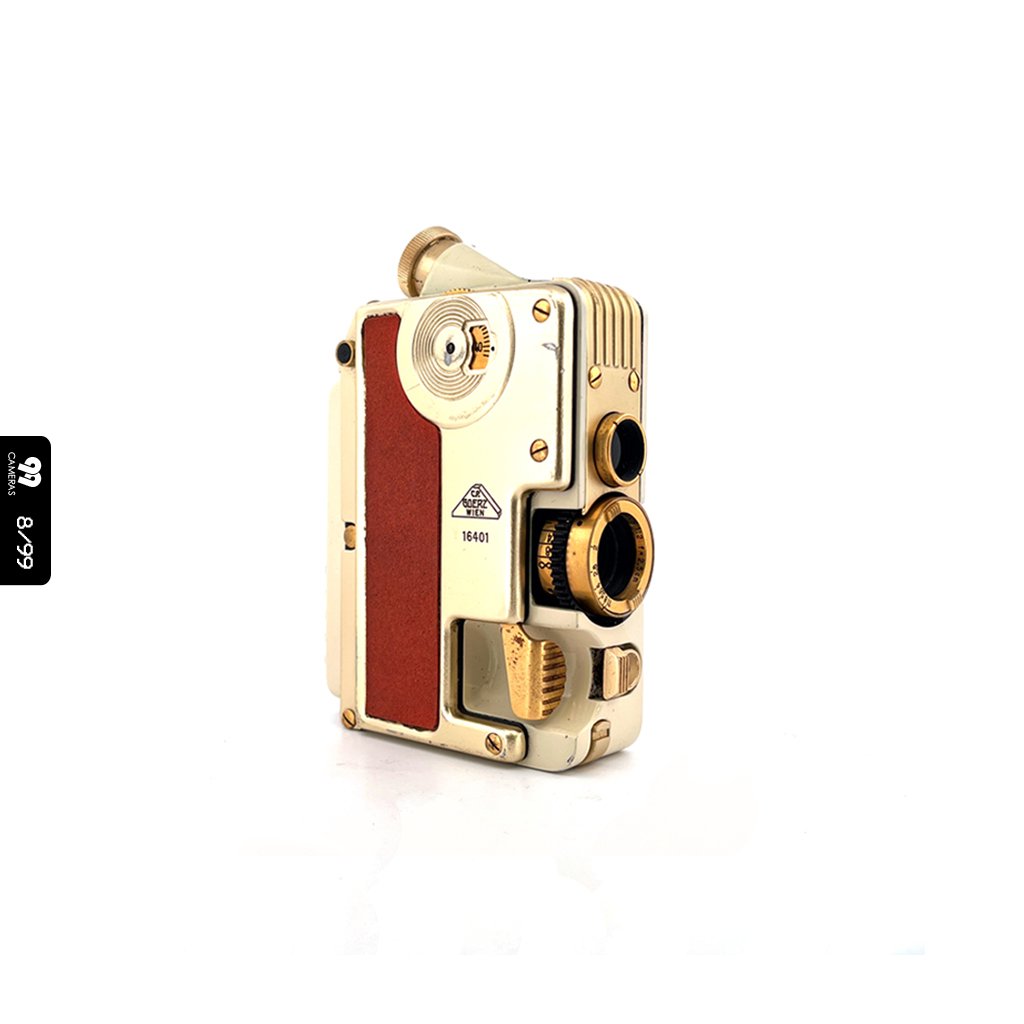
C.P. GoerzC.P. Goerz Minicord “gold”
- 1951
- AustriaAustria
- 16 mm
The Goerz Minicord is considered one of the best subminiature cameras ever built. Its well-crafted design and precision construction allow for high-quality enlargements from 16mm film. A few highly sought-after models were manufactured in gold metal and green or red leather.
See the camera page -
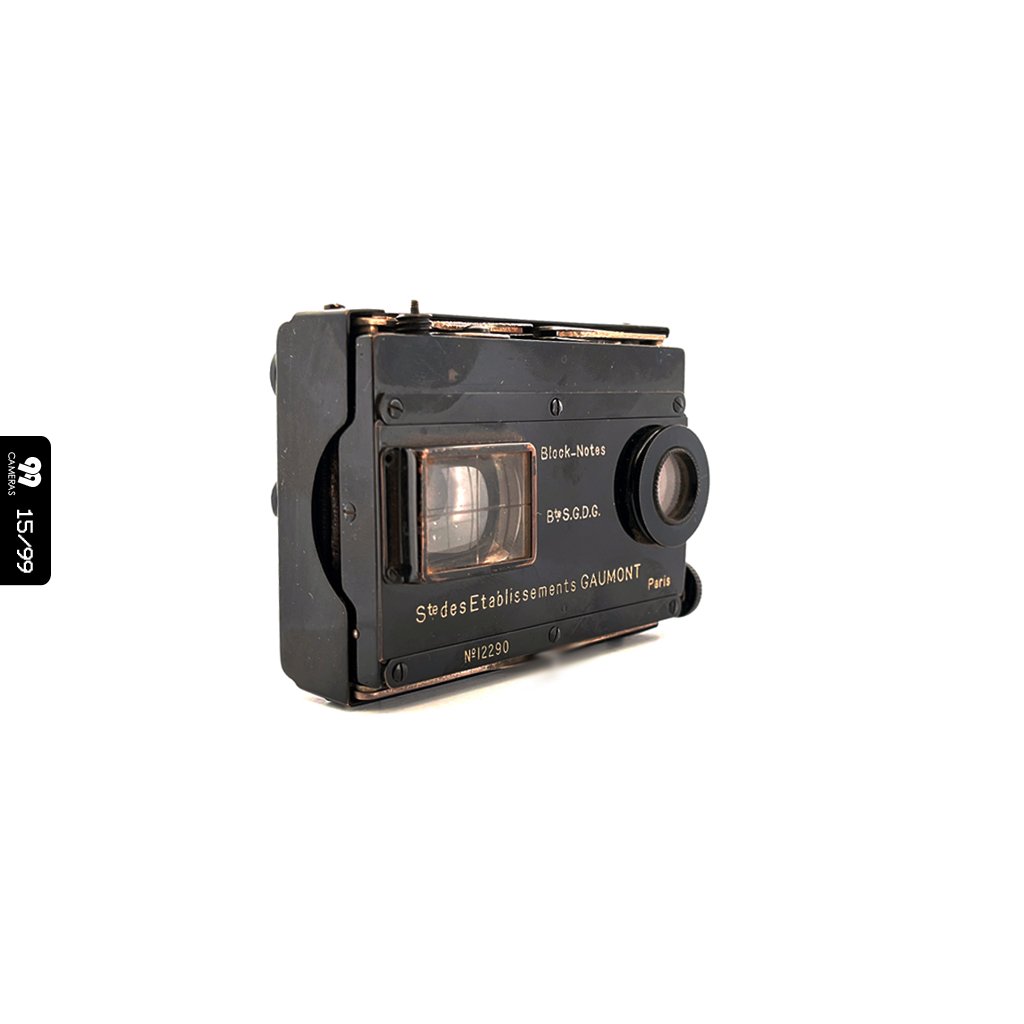
GaumontGaumont Block-Notes
- 1904
- FranceFrance
- Plates
The Gaumont Block-Notes is a very simple yet beautifully designed folding camera. Covered entirely in lacquer paint and very user-friendly, it was considered a "camera for women" at the time. The lens is located inside the camera to be fully protected when the camera is closed.
See the camera page -
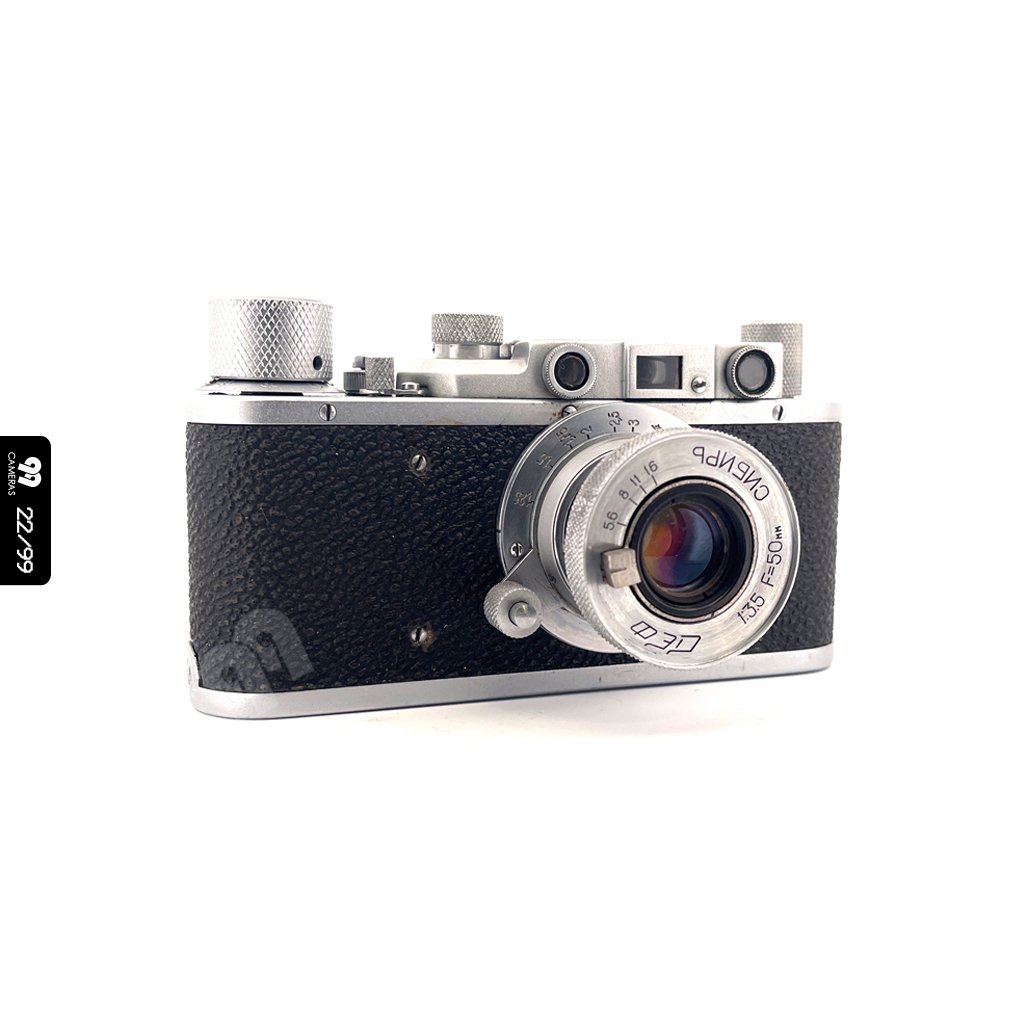
FedFed I
- 1934
- USSRUSSR
- 35 mm
The Fed 1 is probably the most significant Soviet camera. It was the USSR's first attempt to produce a high-level camera by replicating the most advanced camera of the time: the Leica 2. With 700,000 units produced, it embodies the Soviet desire to produce for the masses rather than a small elite.
See the camera page -
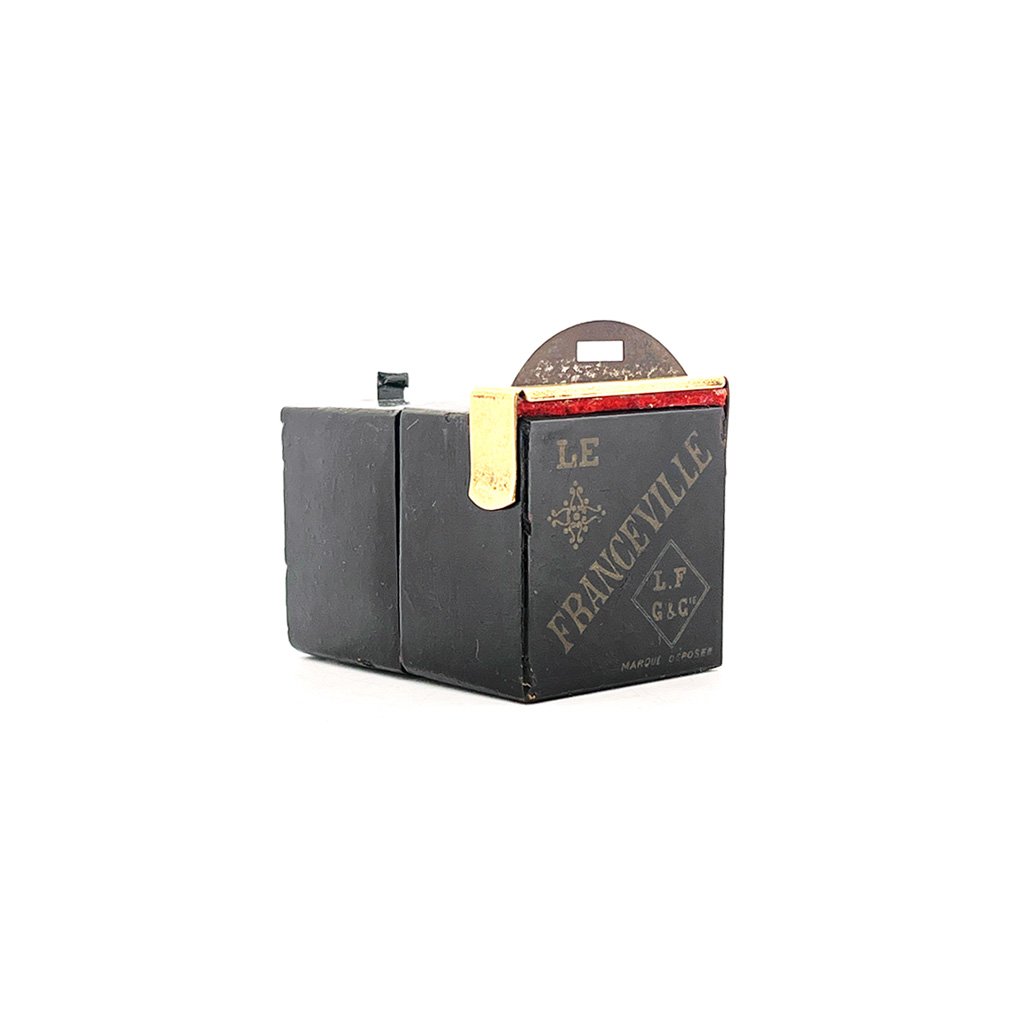
Natali, Collo & cieNatali, Collo & cie Le Franceville
- 1908
- FranceFrance
- 4×4 Plates
Introduced and sold in 1908 as the “one Franc camera” the Franceville No.1 was made of two shells in “black lacquer”, actually hardened papier-mâché obtained by molding and compression, is remarkably rigid and resistant to deformation. The camera is loaded…
See the camera page -
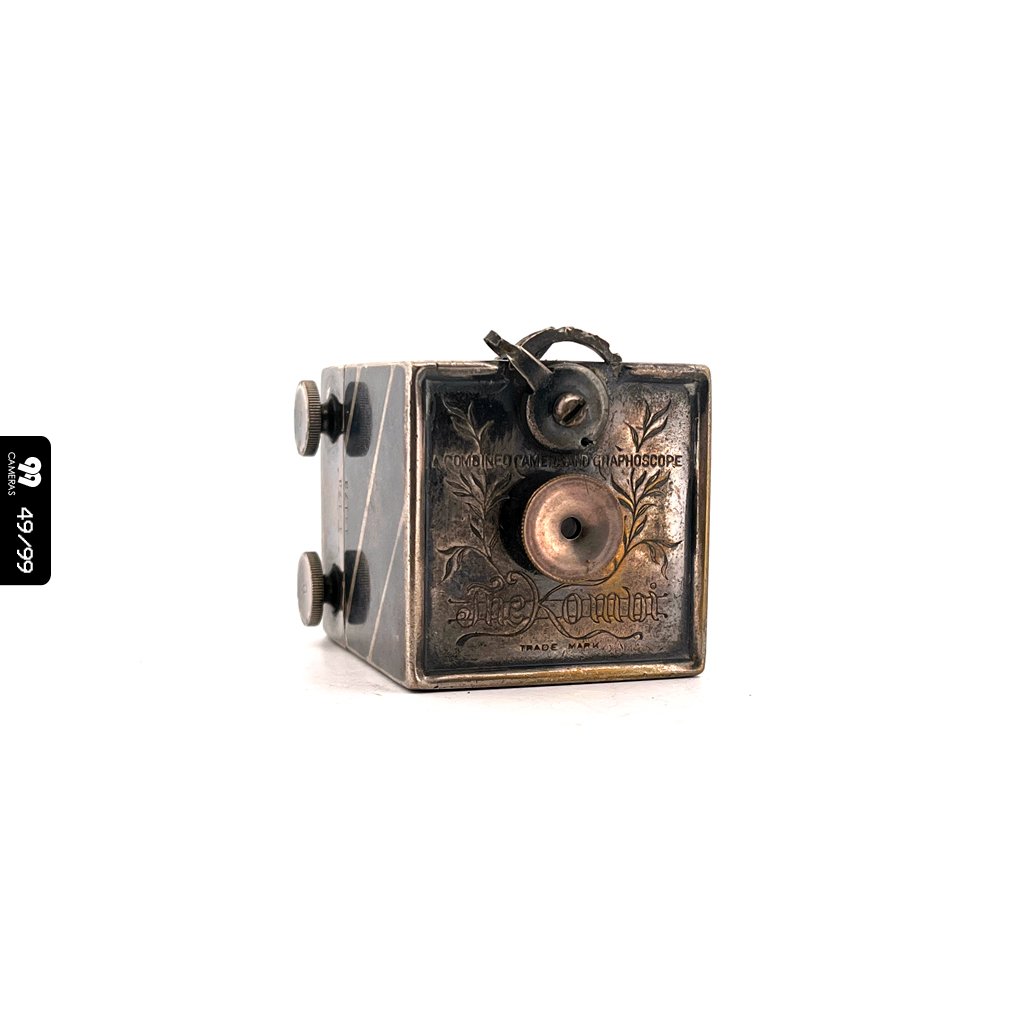
KemperKemper The Kombi
- 1893
- United StatesUnited States
- Custom film
The Kombi was the very first miniature camera ever built. It was designed for mass production, with over 50,000 units produced annually. To develop the film, the entire camera had to be sent back to the company in Chicago along with payment and eight hundred cents for shipping costs, then wait for its return.
See the camera page -
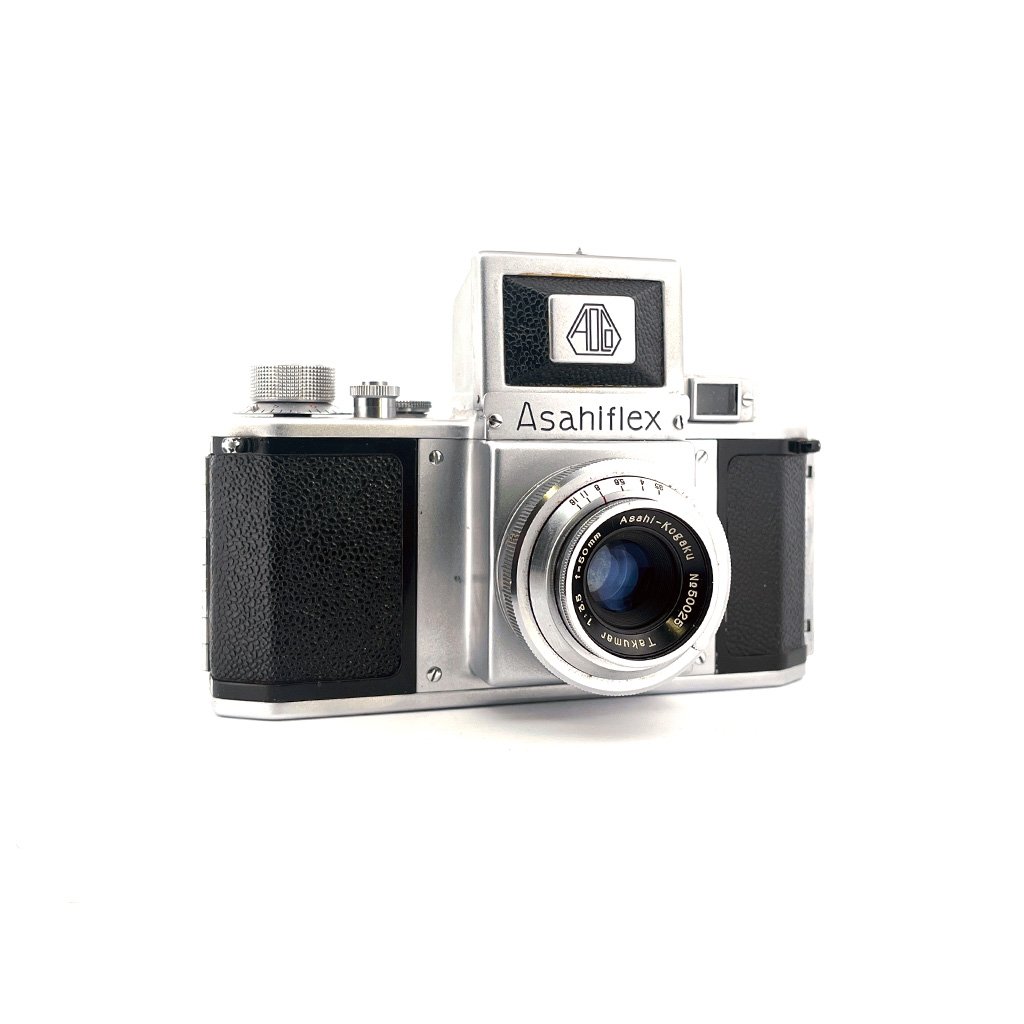
AsahiAsahiflex Ia
- 1953
- JapanJapan
- 35 mm
The Asahiflex is the first Japanese 35mm SLR and a key milestone in photographic history. Inspired by the German Praktiflex rather than Leica cameras, it demonstrated the superiority of the SLR system. In 1954, the Asahiflex II introduced the first truly functional quick-return mirror.
See the camera page -
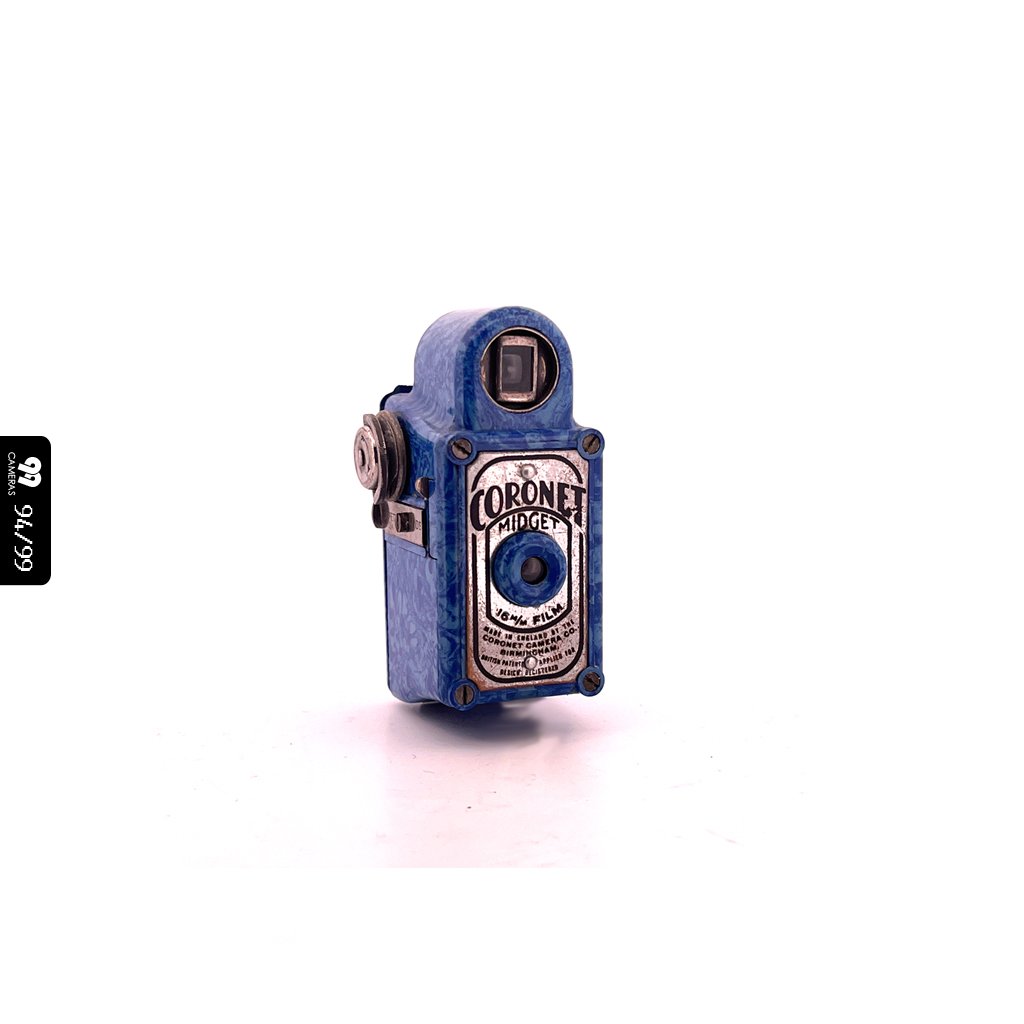
CoronetCoronet Midget
- 1934
- EnglandEngland
- 16 mm
The Midget is a subminiature camera made by Coronet in England starting 1934. The Midget was as small as a match box and designed to be used as a gift in cereal packets. The designers took advantage of the way Bakelite could easily be moulded into complex…
See the camera page
Plan your visit
Visit is free and open to all
- Opening hoursMonday – Saturday : 10 – 17:30
- AddressStudio Harcourt, 6 Rue de Lota, 75116 Paris
- Exceptional closuresMonday, 16 November 2026Tuesday, 17 November 2026Thursday, 19 November 2026Thursday, 26 November 2026