The adventure of the brands
The Kamera-Werkstätten story
- Founded in 1919Germany
- No longer makes cameras
A slim folding camera from Dresden, a factory swapped for a photo lab in Detroit, one of the first 35 mm reflexes, an American prisoner of the Soviets and millions of Prakticas: the Kamera-Werkstätten story, told through its inventions and its anecdotes.
1919–1936
Slim cameras from Dresden
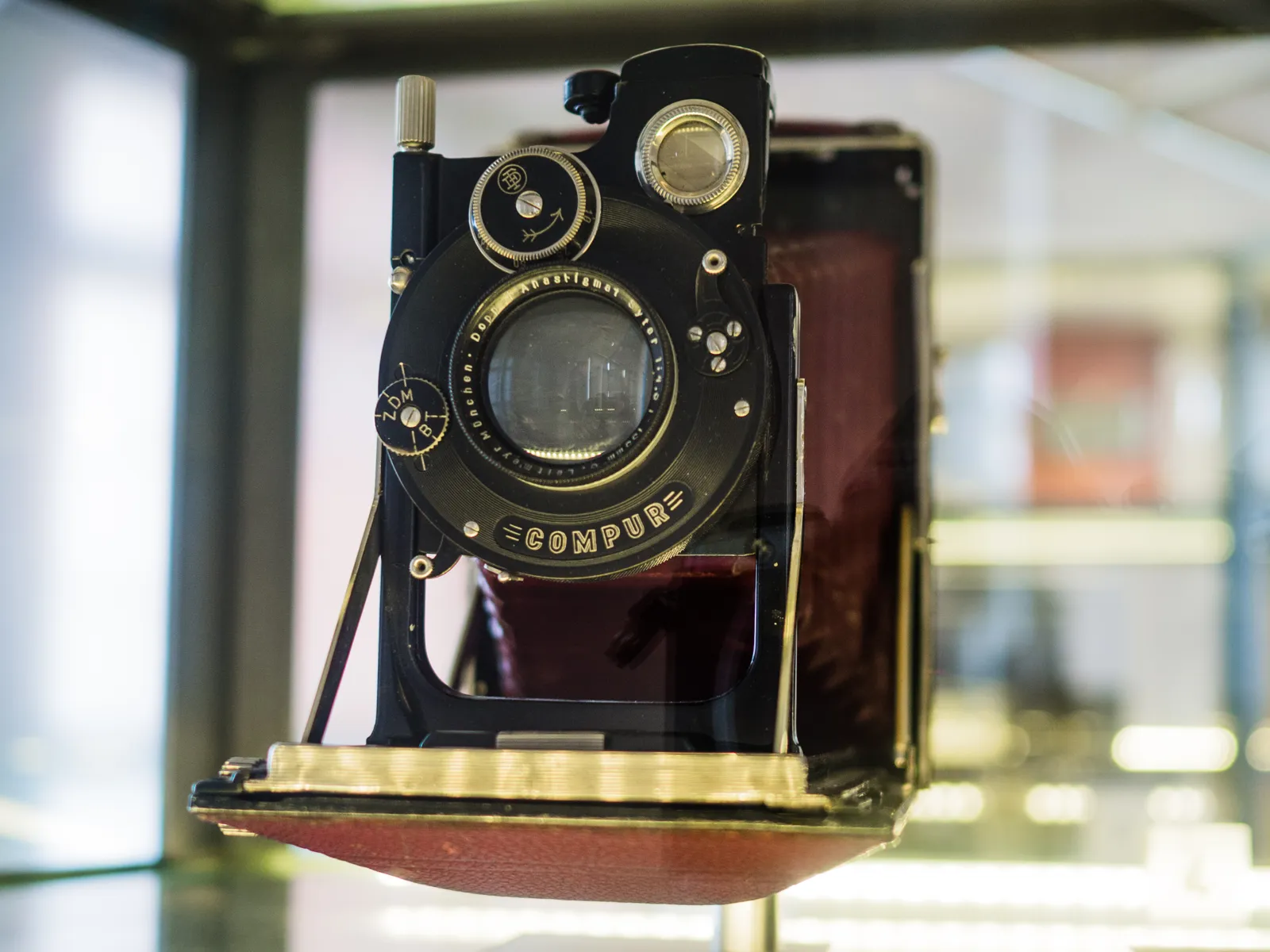
In 1919 Paul Guthe and Benno Thorsch founded Kamera-Werkstätten Guthe & Thorsch, KW for short, in Dresden, the capital of the German camera industry. From 1920 they sold the Patent Etui, a folding plate camera so flat that it slipped into a pocket. It was made until 1938.
In 1931 came the Pilot, a small twin-lens reflex for 3 × 4 cm pictures on 127 film, then single-lens reflexes for roll film, such as the Pilot 6 of 1936.
1937–1939
A factory for a photo lab
In the museum
Persecuted as Jews by the Nazi regime, the two founders left Germany: Paul Guthe for Switzerland in 1937, Benno Thorsch for the United States in 1938. Thorsch did not simply sell his company. He swapped it with an American, Charles A. Noble, for Noble’s photo-finishing business in Detroit.
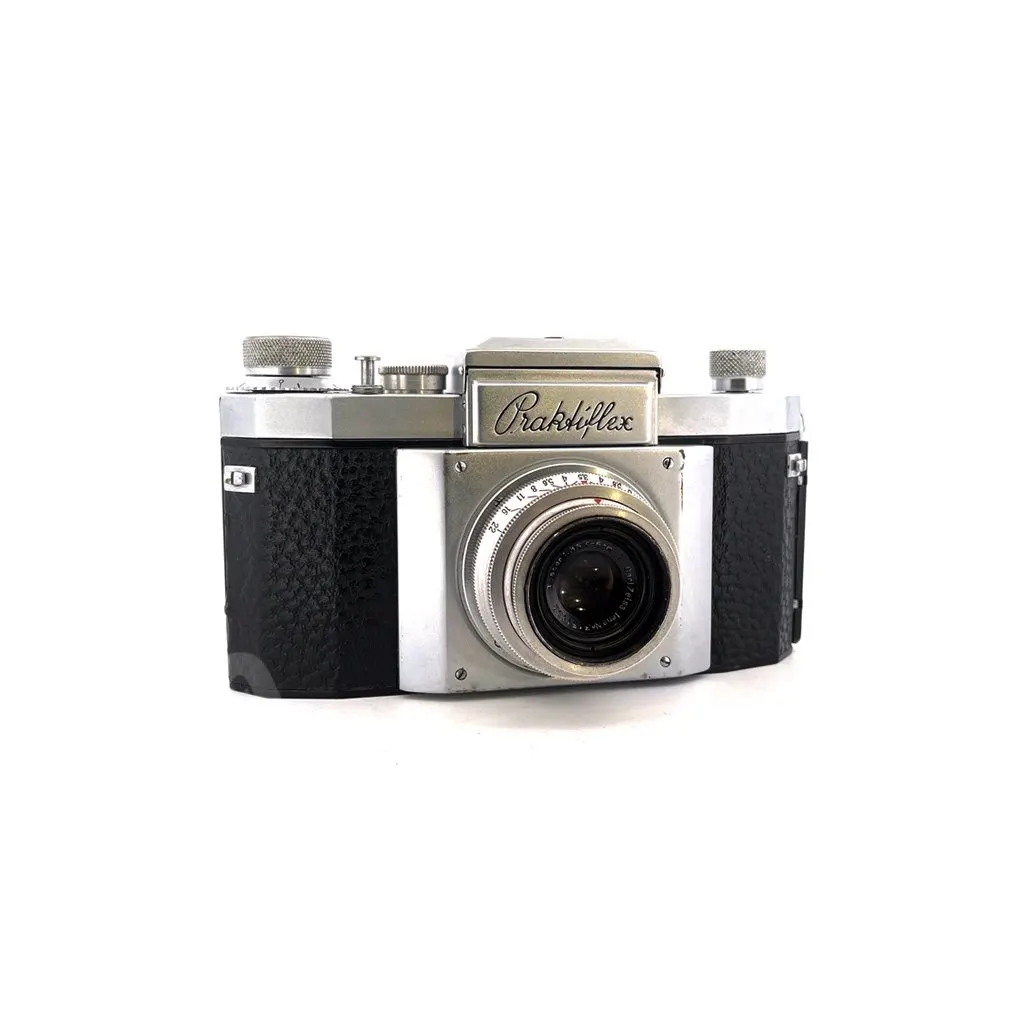
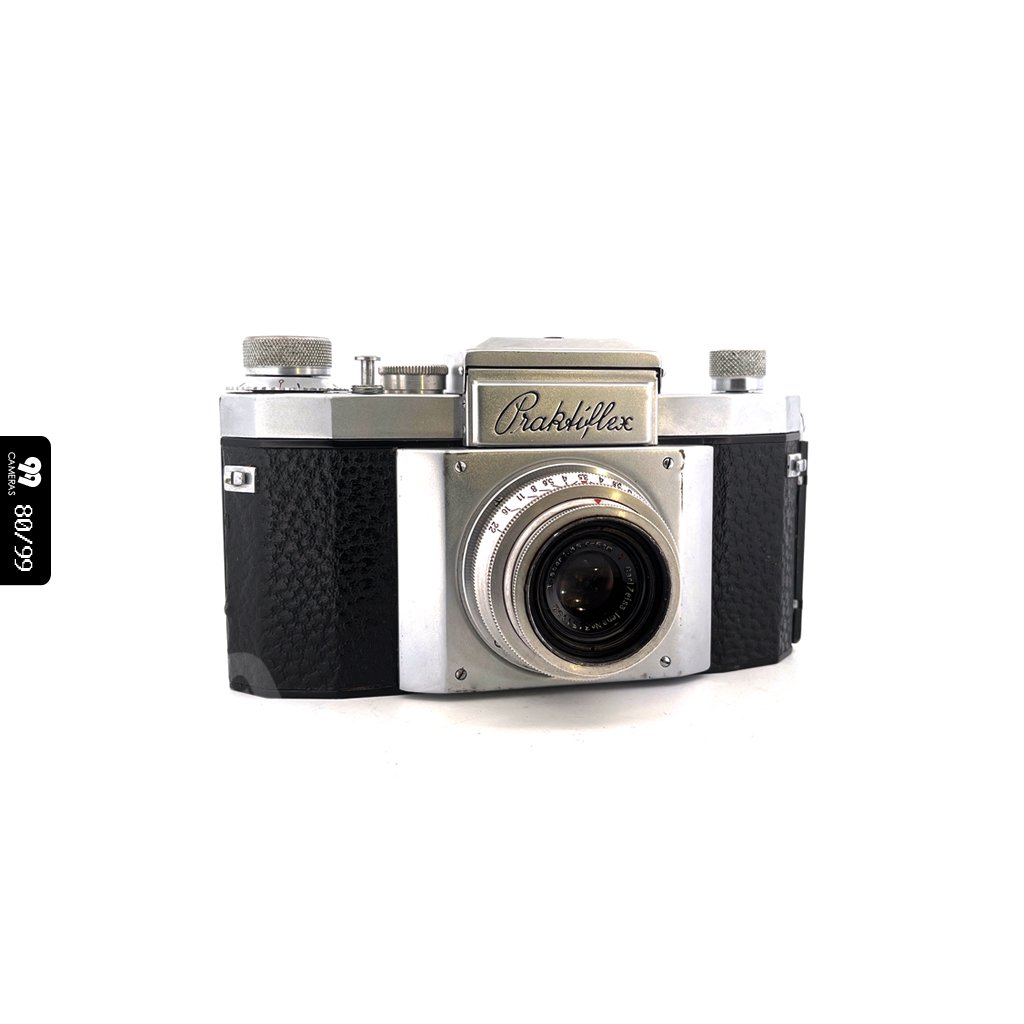
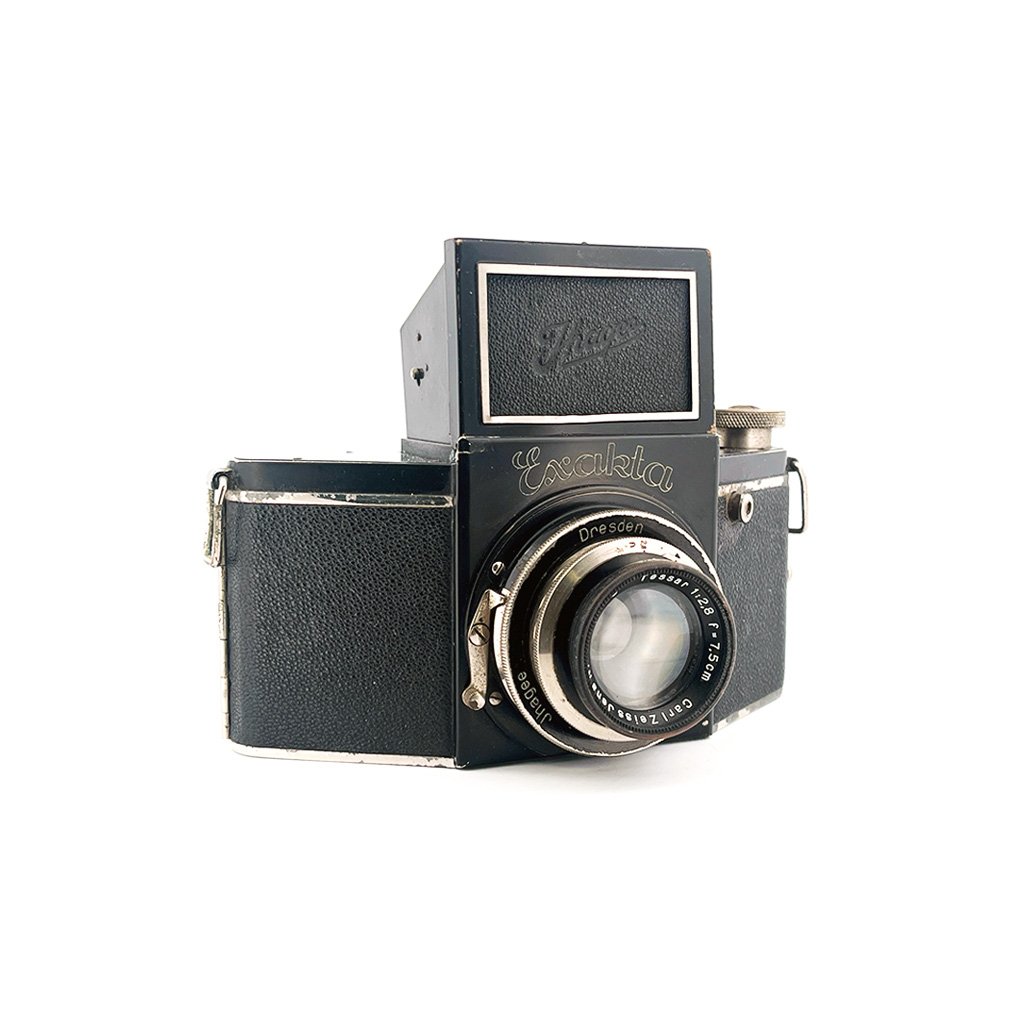
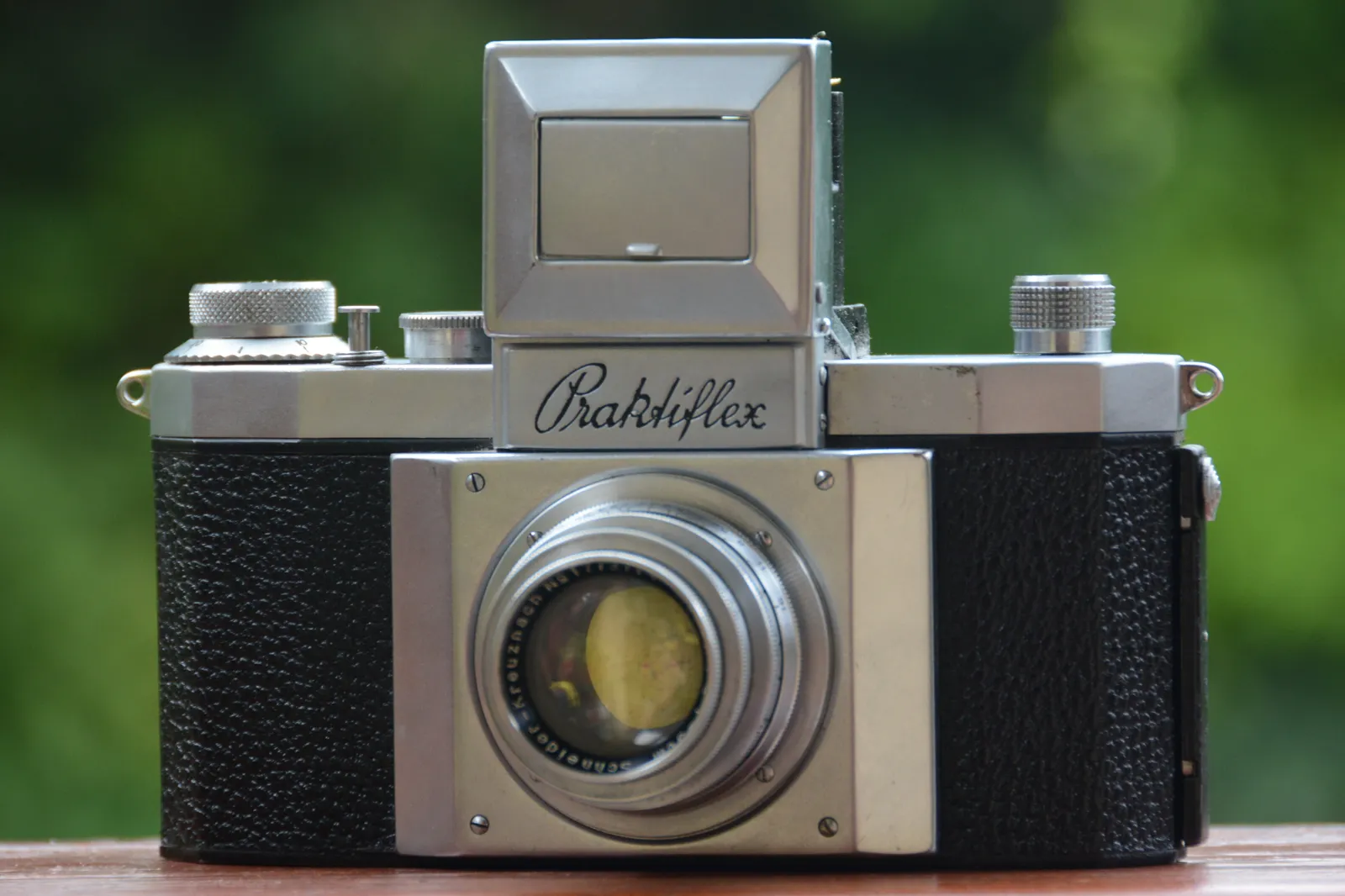
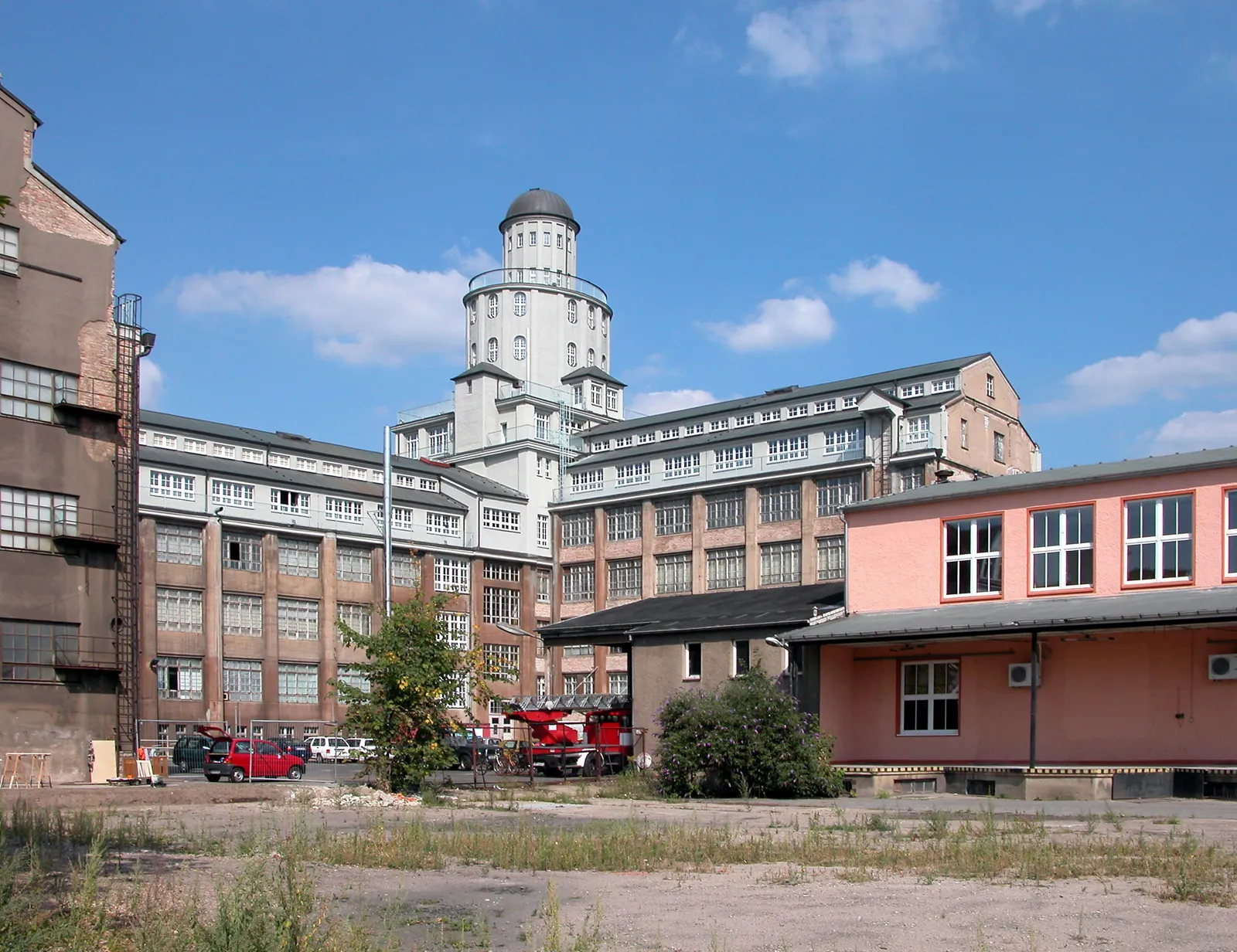
In 1939 the new Kamera-Werkstätten Charles A. Noble presented the Praktiflex at the Leipzig Fair. Developed by Thorsch and the engineer Alois Hoheisel, it was one of the first 35 mm single-lens reflexes, three years after the Kine Exakta. Demand was so high that the company moved into a former sweets factory in Niedersedlitz, in the suburbs of Dresden.
1945–1958
Praktica, and a prisoner
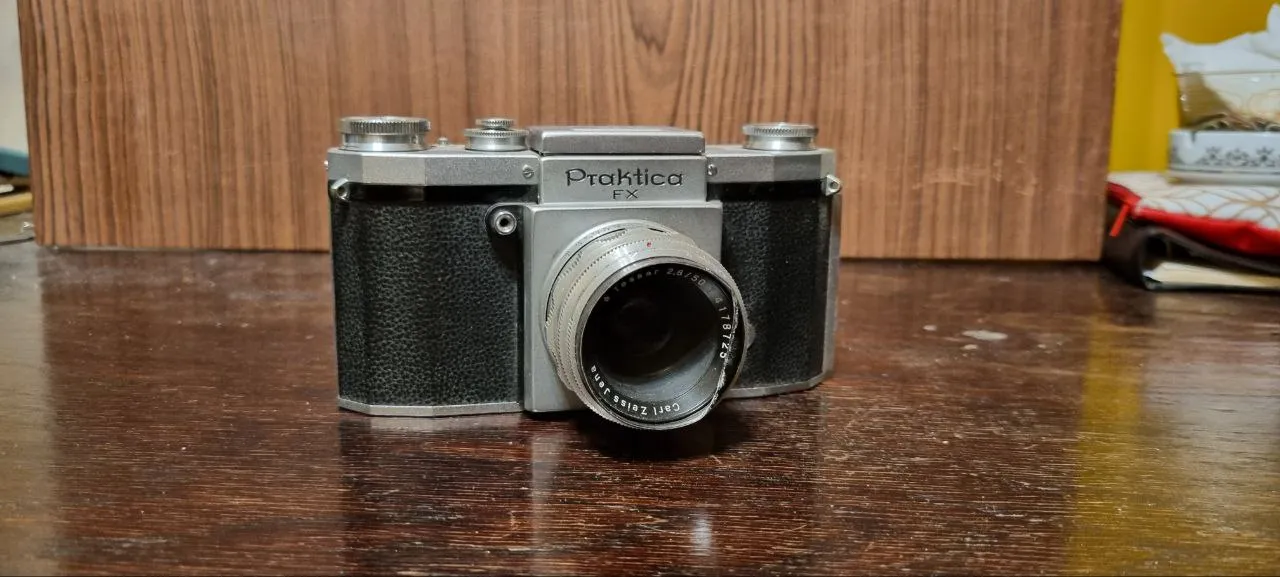
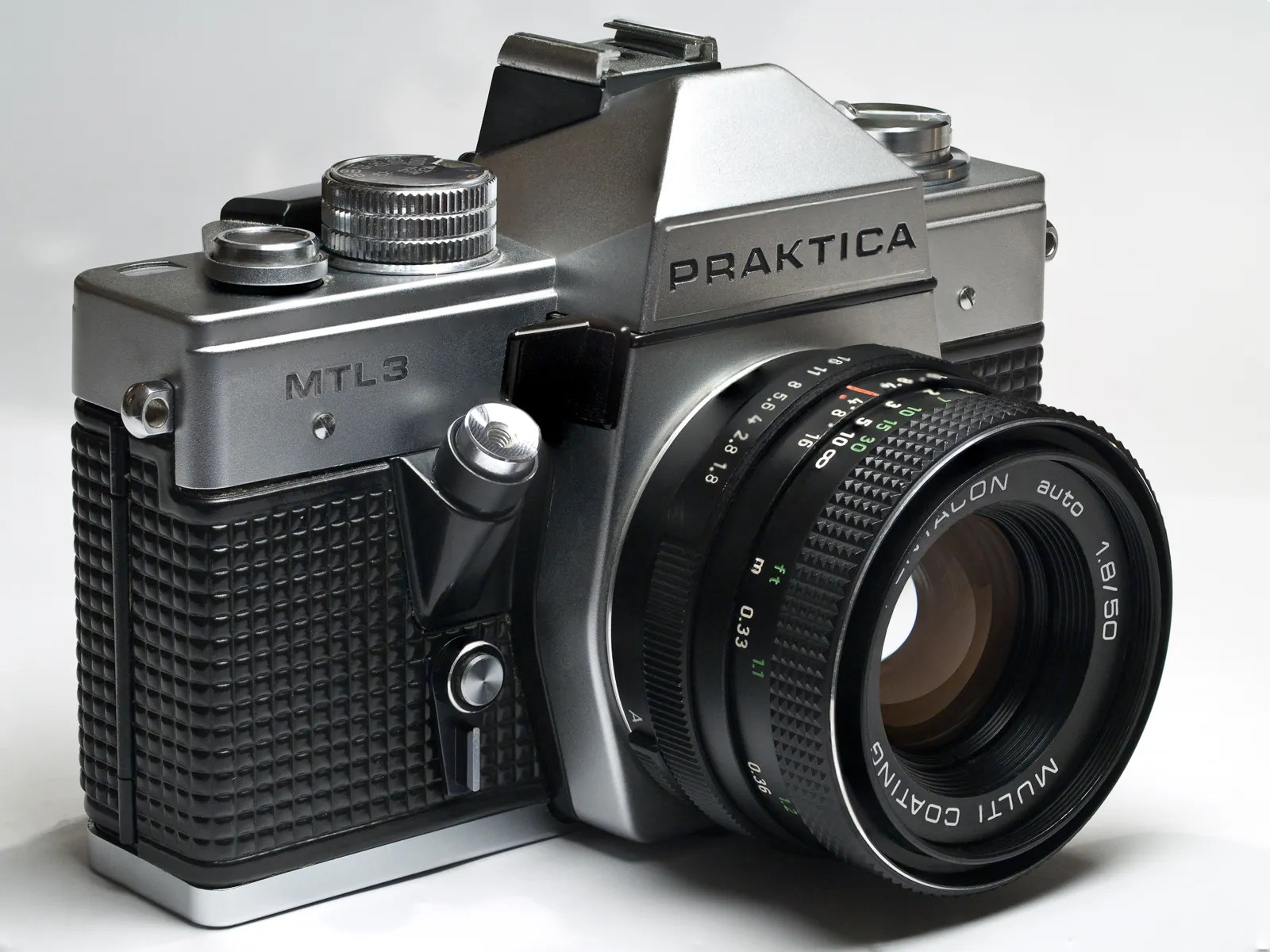
After the war Dresden was in the Soviet zone, and the company was nationalised. In 1949 the Praktiflex became the Praktica, the start of one of the most popular lines of 35 mm reflexes in the world.
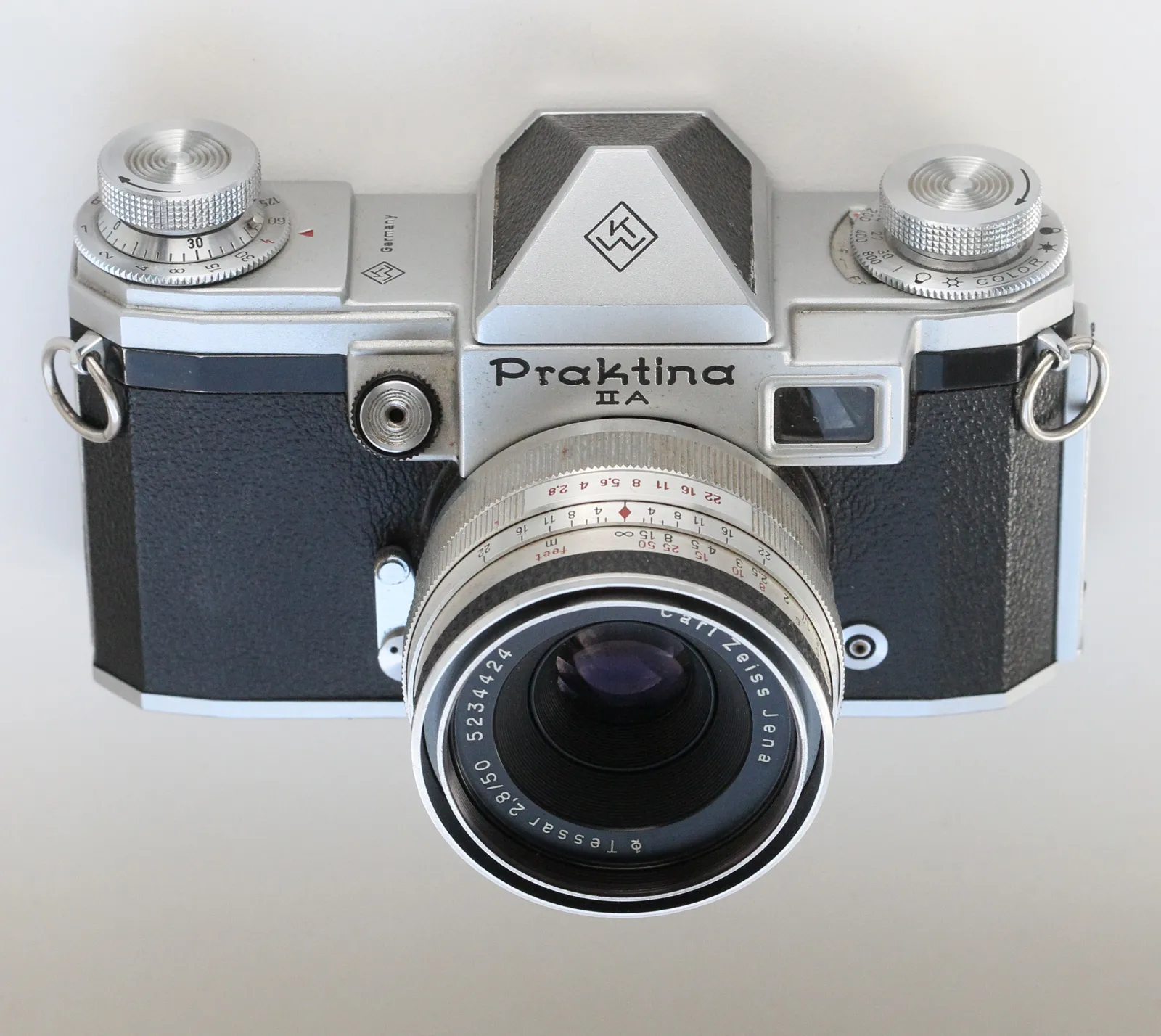
In 1952 the factory, renamed Kamera-Werk Niedersedlitz, launched the Praktina, a professional reflex with interchangeable finders and an optional spring motor. The Praktisix, a 6 × 6 cm reflex, followed in 1956.
1959–today
Pentacon, and a return
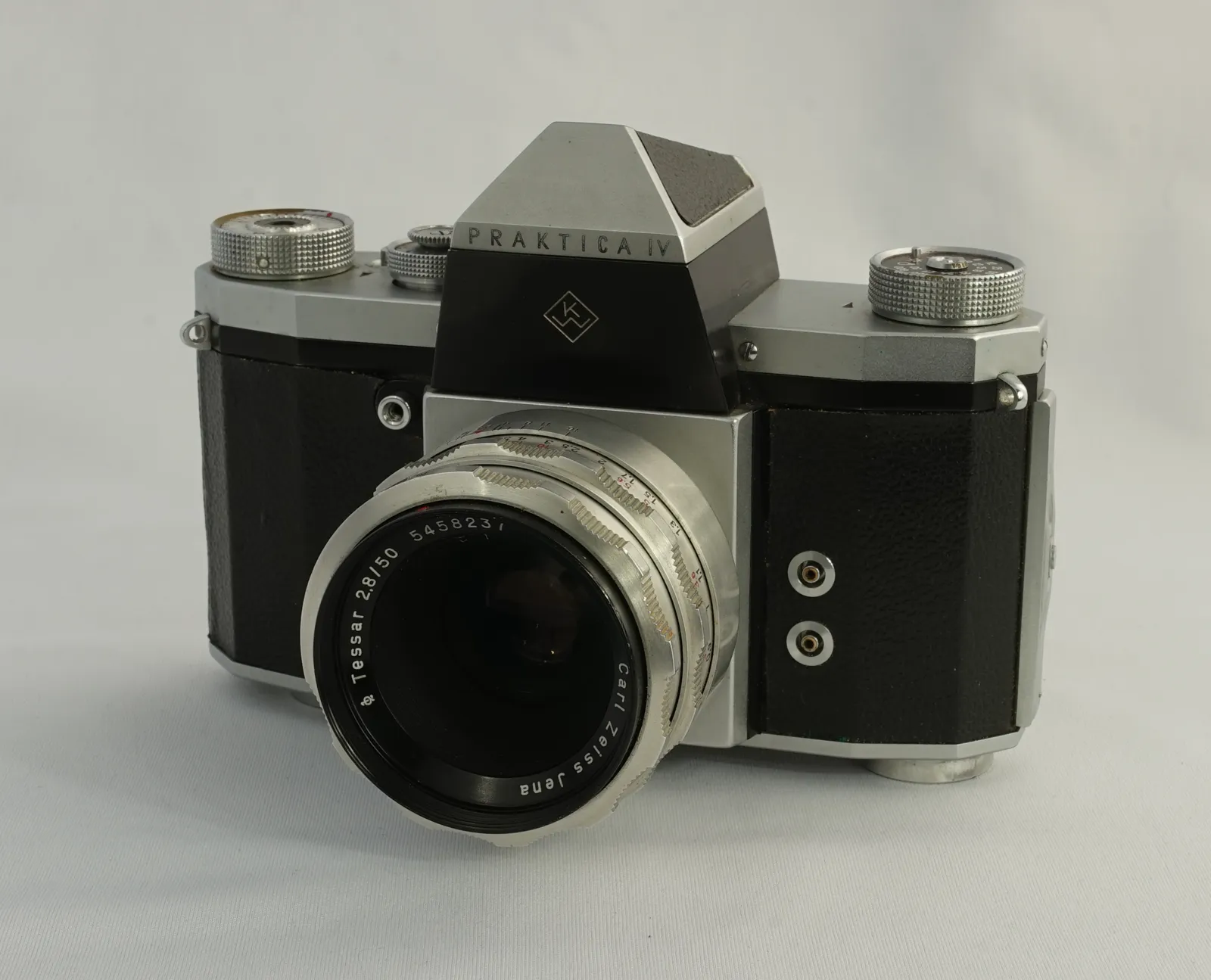
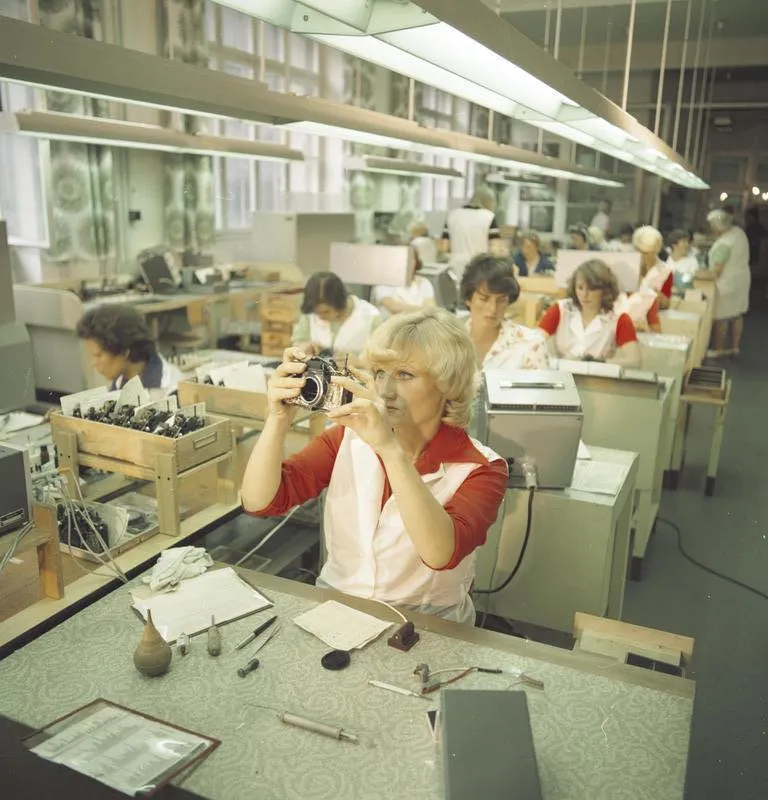
In 1959 the factory merged with the East German part of Zeiss Ikon and other Dresden makers into VEB Kamera- und Kinowerke Dresden, renamed VEB Pentacon in 1964. The Praktica IV of 1959 had a pentaprism, and Pentacon went on to make Prakticas by the million, such as the MTL series of the 1970s, sold in East and West alike.
After German reunification in 1990, John Noble took the old factory back and named it Kamera Werk Dresden, where Noblex panoramic cameras were made. The last Praktica reflexes were made in 2001.
Kamera-Werkstätten at the 99 Cameras Museum
The Praktiflex of 1939, the ancestor of all the Prakticas, is in the showcases of the museum in Paris. You can see it, and the other cameras of this story, in our online collection.
See the Kamera-Werkstätten cameras of the collection
Sources. Camera-wiki article on KW, Wikipedia articles on Praktica and Pentacon. Some anecdotes come from oral tradition and are told as such.
Plan your visit
Visit is free and open to all
- Opening hoursMonday – Saturday : 10 – 17:30
- AddressStudio Harcourt, 6 Rue de Lota, 75116 Paris
- Exceptional closuresThursday, 26 November 2026