The adventure of the brands
The Steinheil story
- Founded in 1855Germany
- No longer makes cameras
A physicist who took some of the first photographs in Germany, lenses copied all over the world, telescopes for great observatories, a remarkable camera made for a single year and a name brought back by a descendant: the Steinheil story, told through its inventions and its anecdotes.
1839–1861
A physicist in Munich

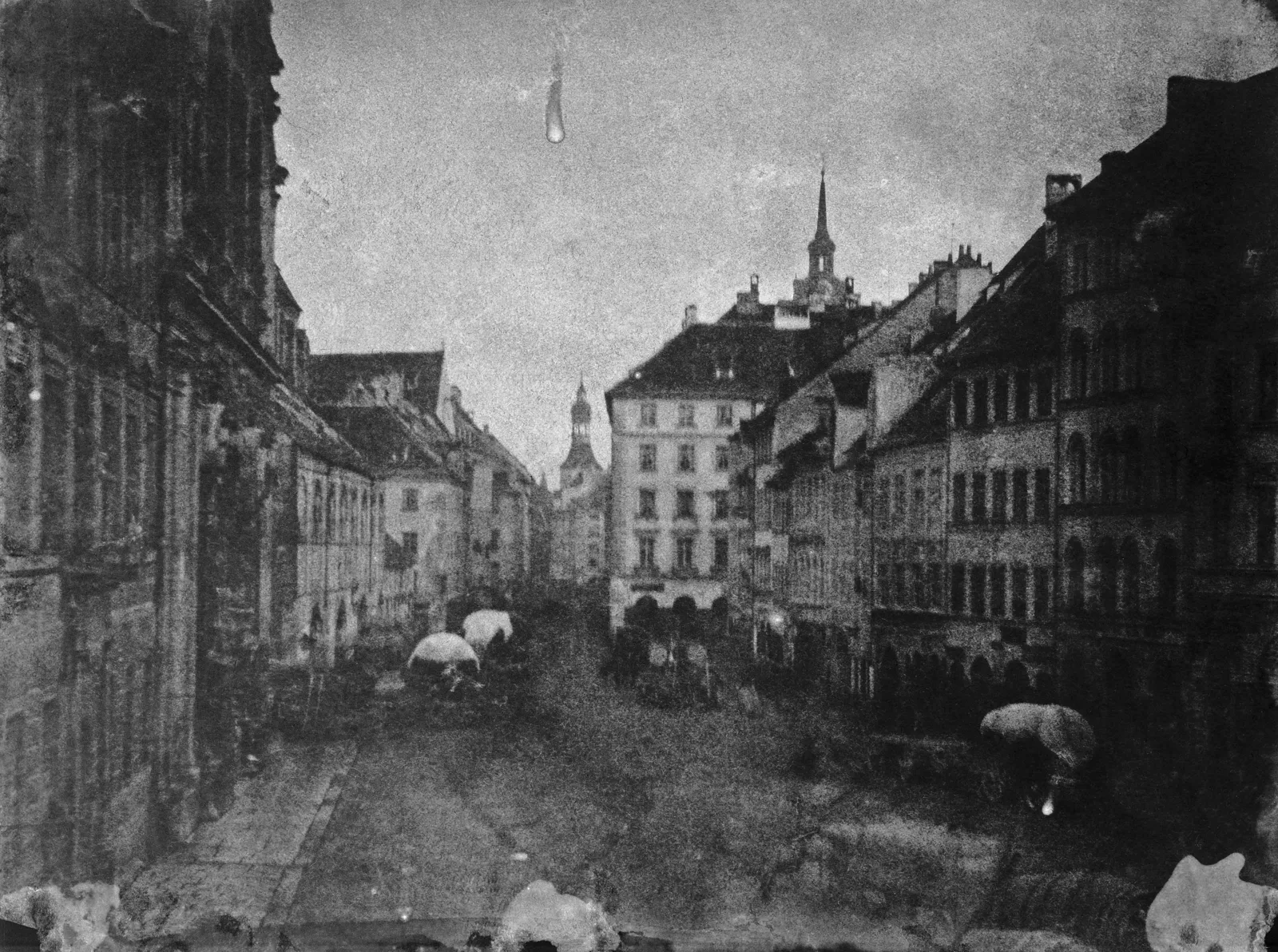
Carl August von Steinheil (1801–1870) was a physicist and astronomer. In 1839, the year photography was announced, he took some of the first photographs in Germany in Munich with the mineralogist Franz von Kobell.
In 1855 he founded an optical workshop in Munich. In 1859 it built a large telescope for the Mannheim observatory.
1862–1930
The Aplanat and the stars
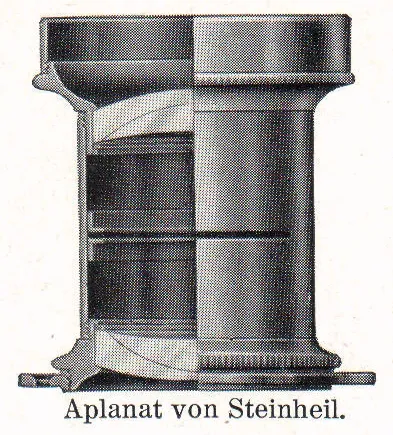
From 1862 his son Hugo Adolph ran the company. The same year it launched the Periskop, and around 1866 the Aplanat, a symmetrical lens that was copied and used everywhere. Rudolf Steinheil took over around 1890, and the Orthostigmat followed in 1893.
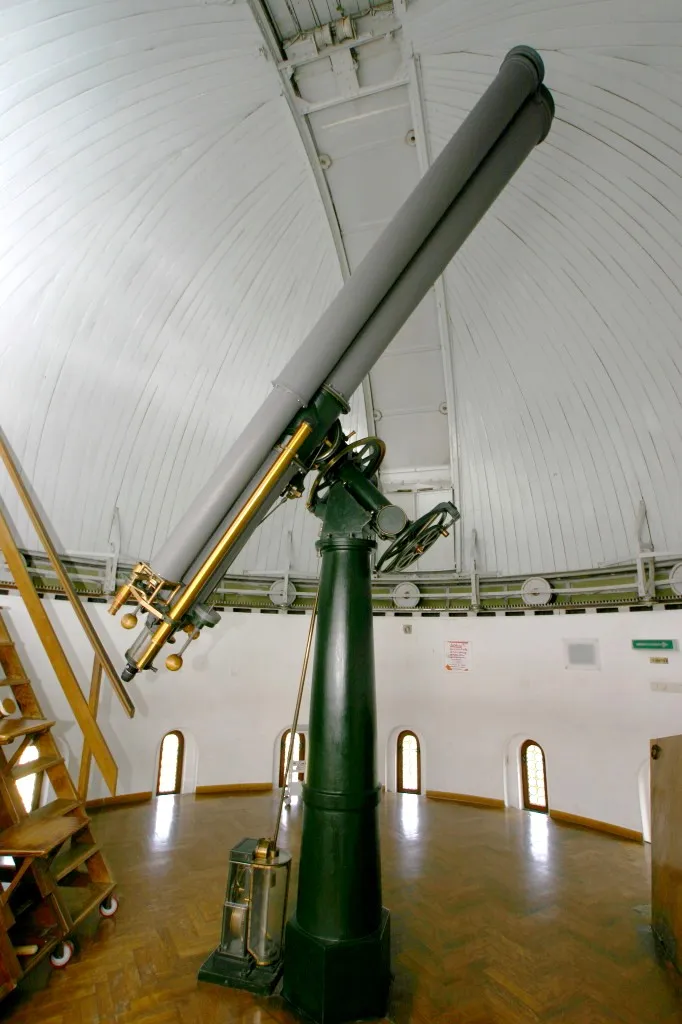
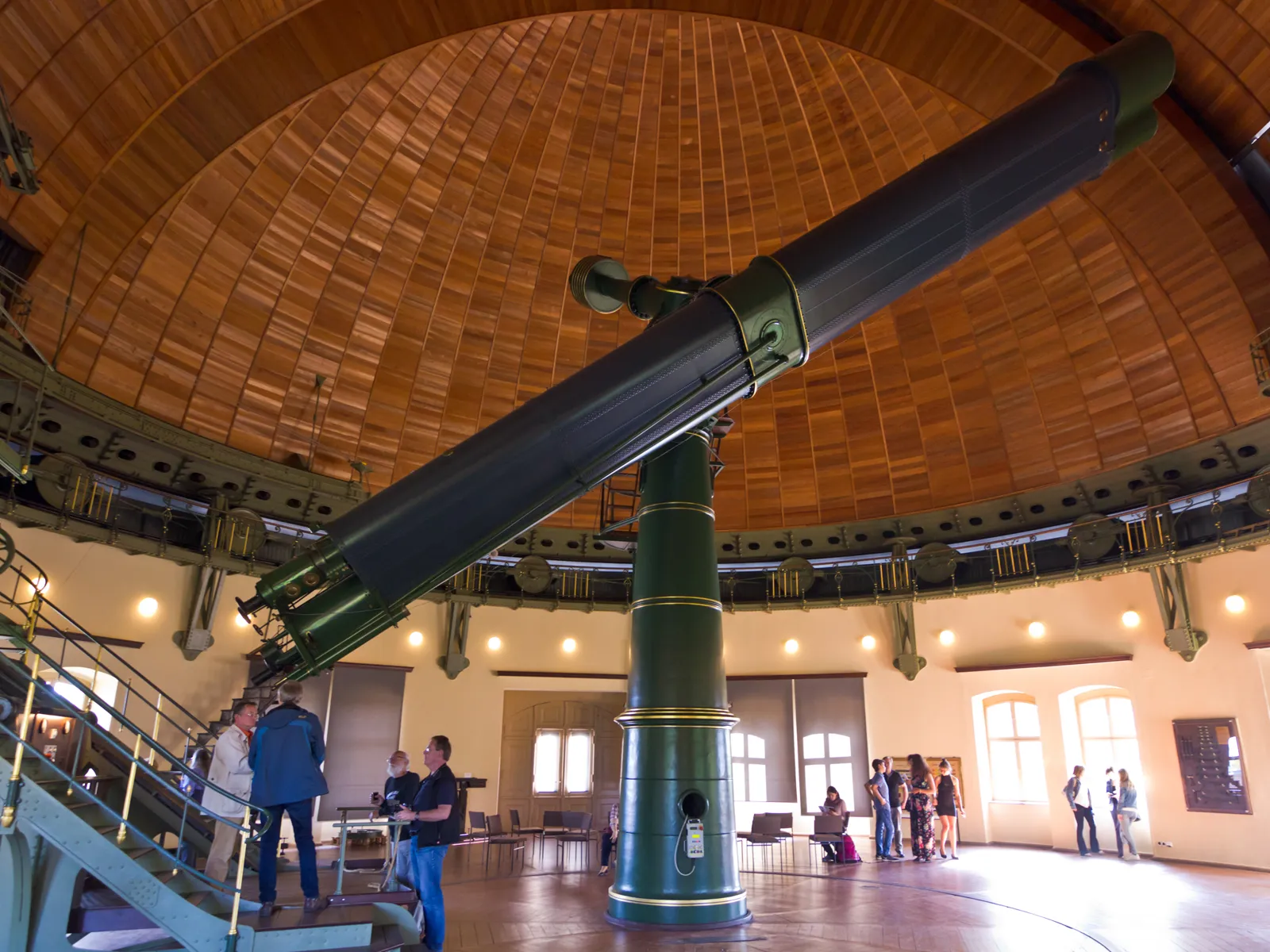
Steinheil also made objectives for great telescopes: the large refractor of the Kuffner Observatory in Vienna in the 1880s, and the lenses of the great double refractor of Potsdam in 1899.
1939–1949
The Casca
In the museum
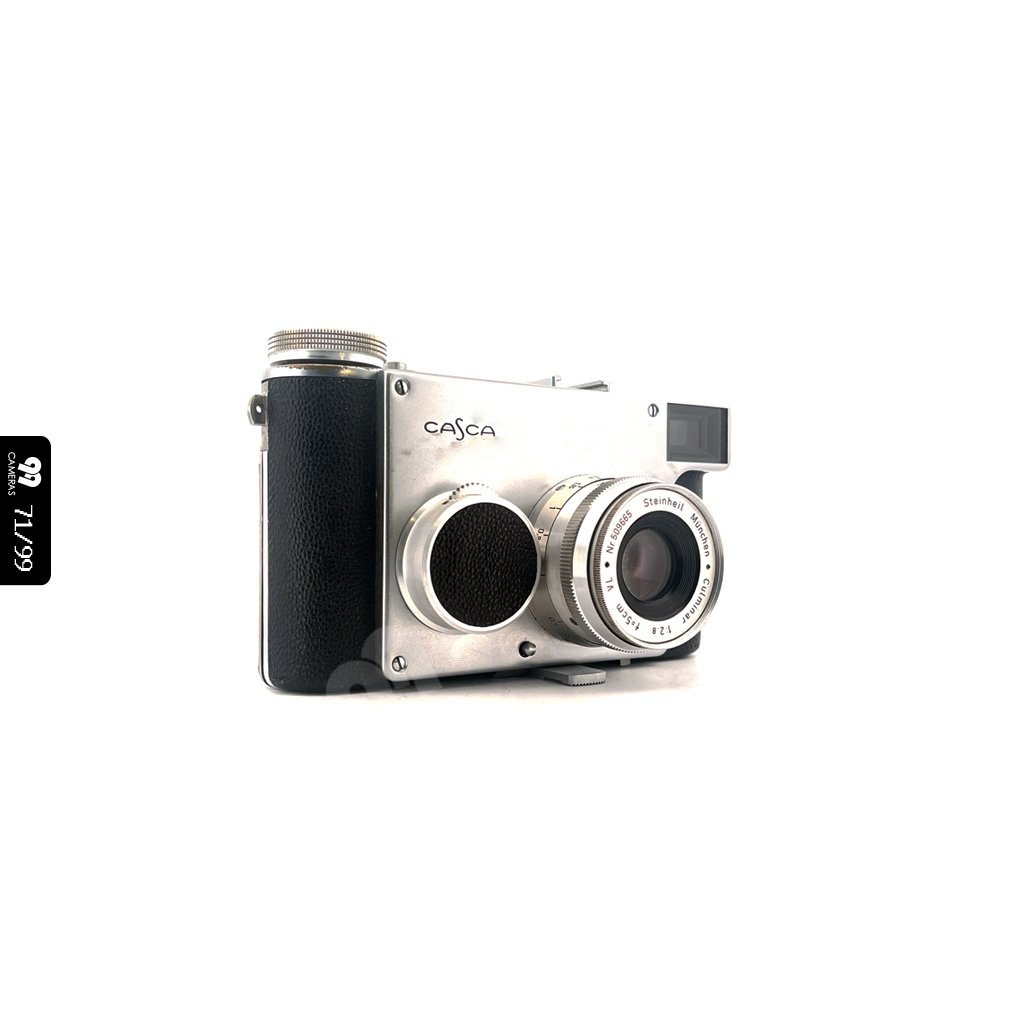
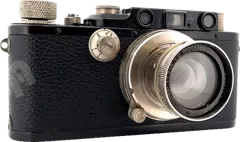
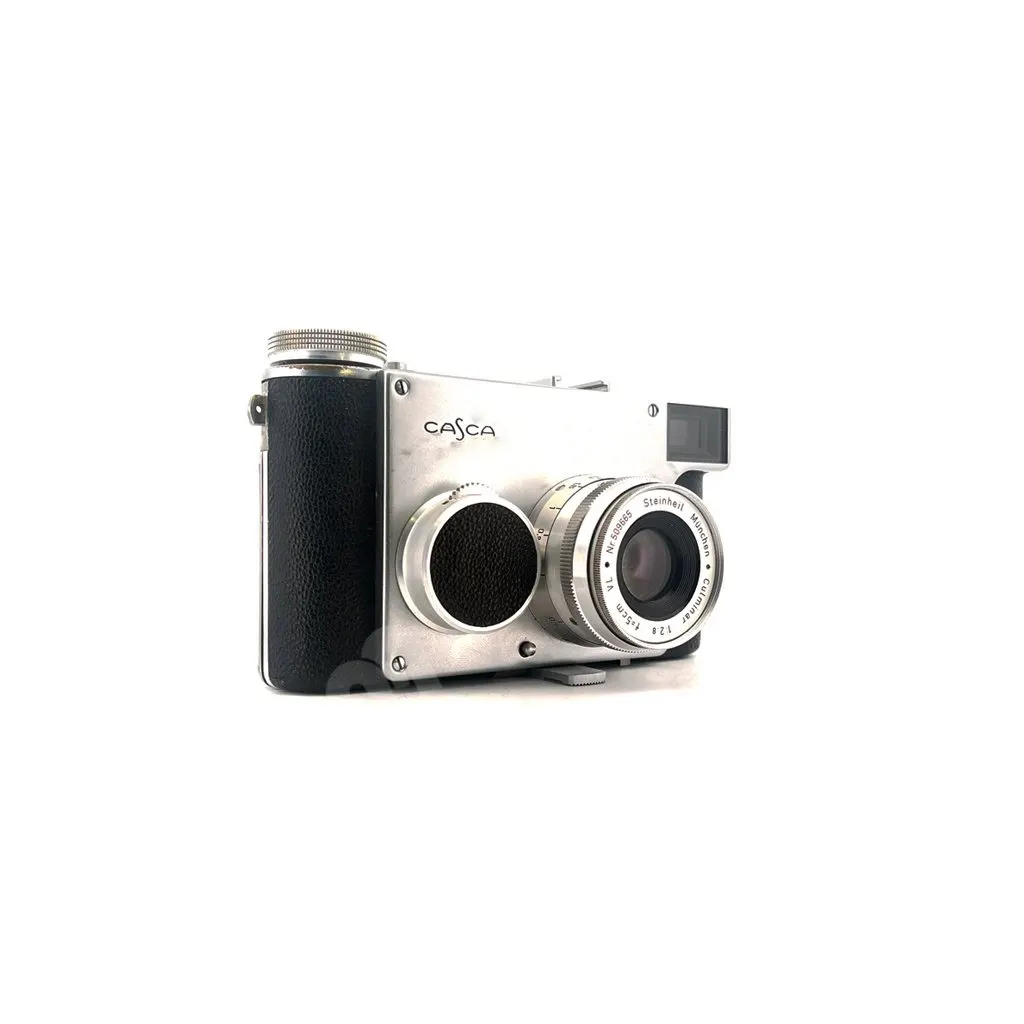
From 1939 Steinheil made aiming devices for combat aircraft, and from 1942 to 1945 it used forced labourers. After the war, in 1948, it launched the Casca, a name made from C. A. Steinheil and “camera”. The Casca II, with a rangefinder, followed in 1949.
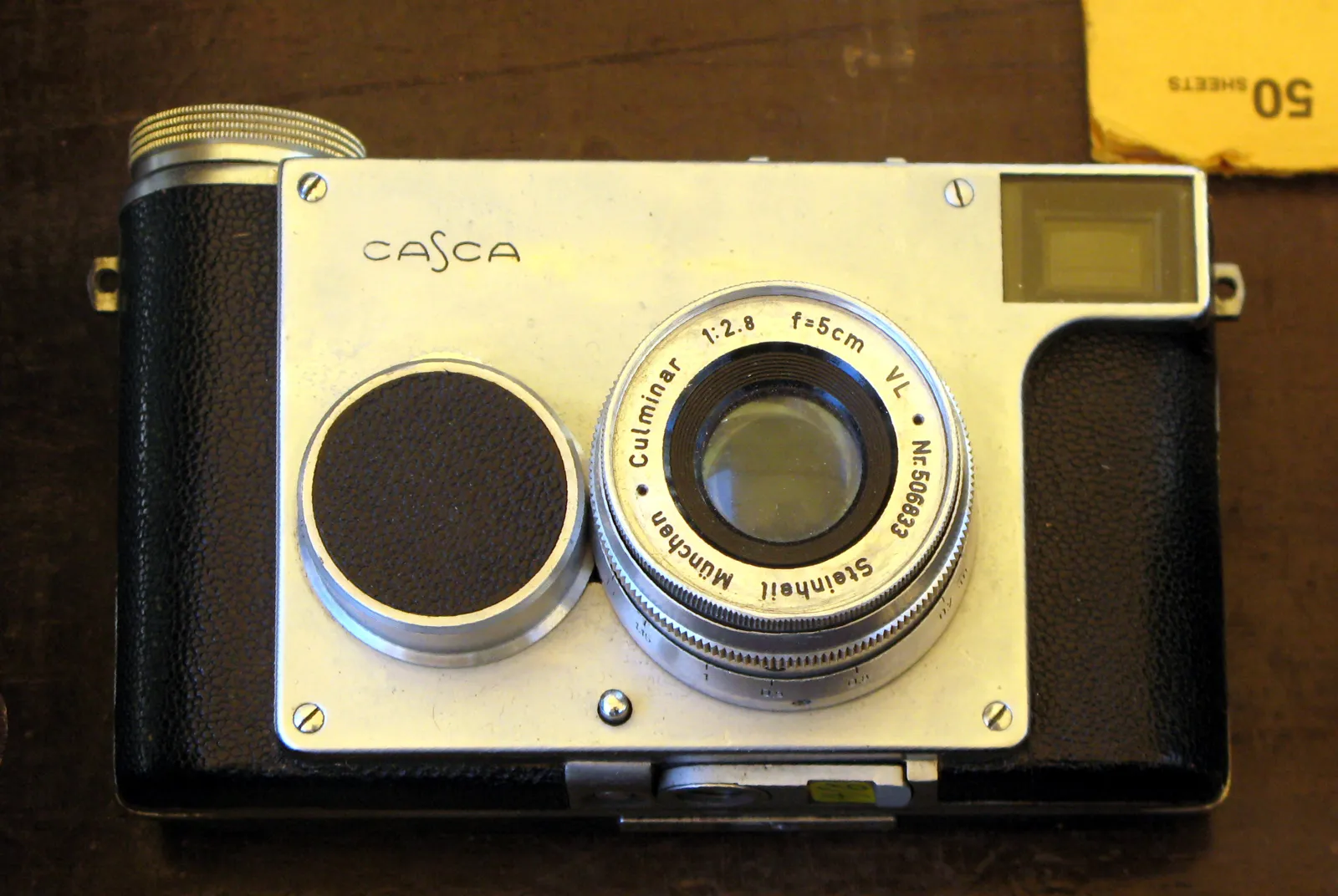
The Casca had a large finder with bright lines for several focal lengths, a slider on the back to set the speed with the thumb, and a back that flipped up for easy loading. Fewer than 2,000 were made. It is in the museum.
1950–today
Sold, and found again
In the 1950s Steinheil made lenses, such as the Culminar. It was sold in 1962 to the American firm Elgeet, in 1964 to Lear Siegler and in 1987 to British Aerospace, and became Steinheil Optronik, which was largely broken up in 1995.
In 2019 Fabian Knorr, a direct descendant of the founder, won back the rights to the name and founded Steinheil Optics in Munich.
Steinheil at the 99 Cameras Museum
The Casca, made for a single year, is in the showcases of the museum in Paris. You can see it in our online collection.
See the Steinheil camera of the collection
Sources. German Wikipedia article on C. A. Steinheil & Söhne, Camera-wiki article on the Casca, the museum’s own records. Some anecdotes come from oral tradition and are told as such.
Plan your visit
Visit is free and open to all
- Opening hoursMonday – Saturday : 10 – 17:30
- AddressStudio Harcourt, 6 Rue de Lota, 75116 Paris
- Exceptional closuresThursday, 26 November 2026