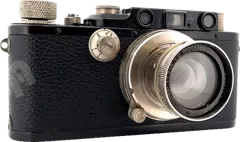
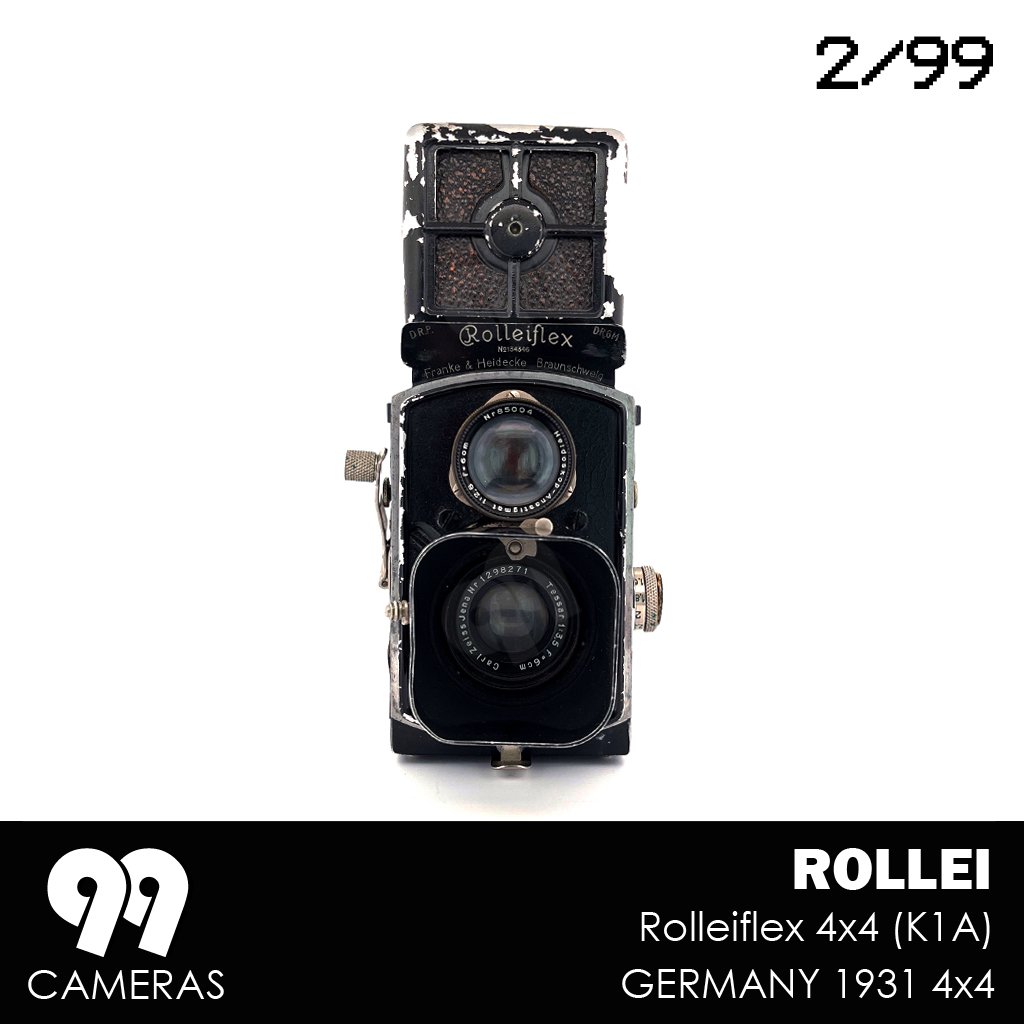
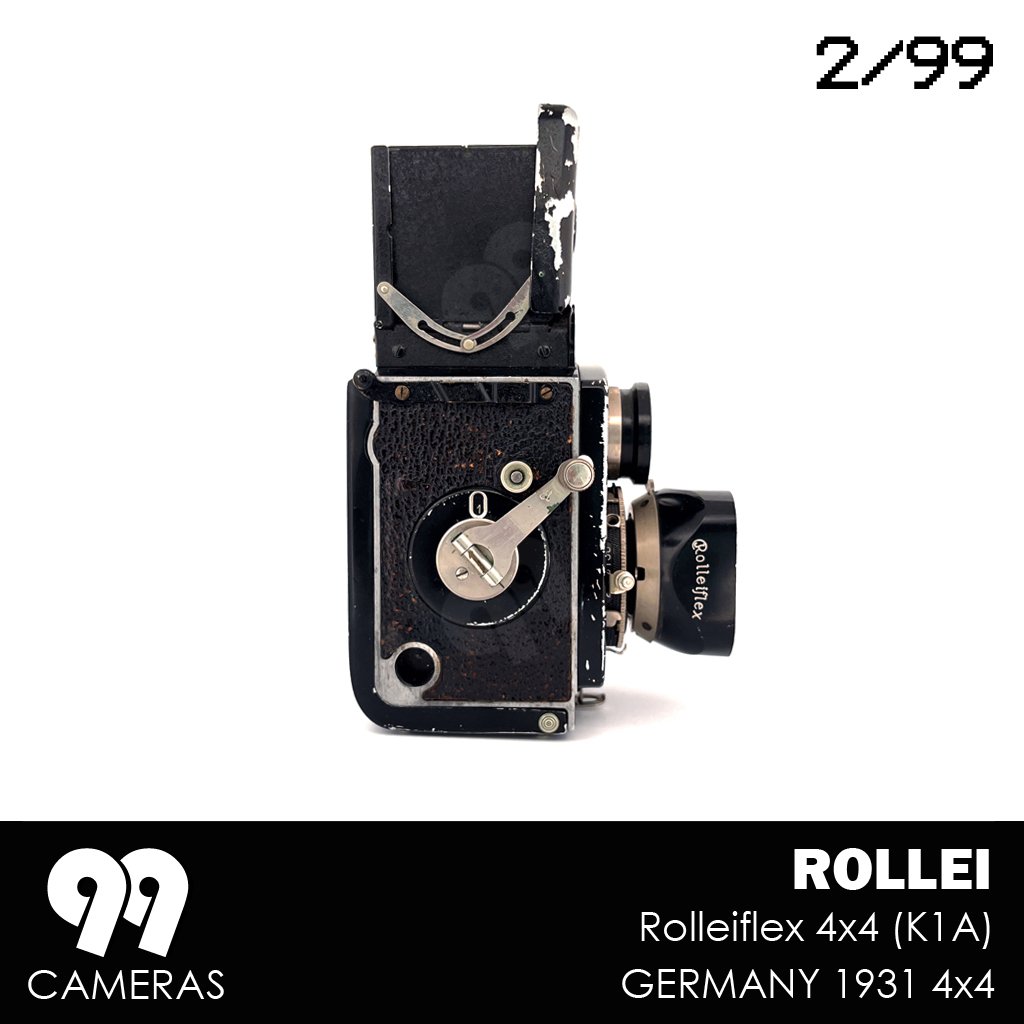
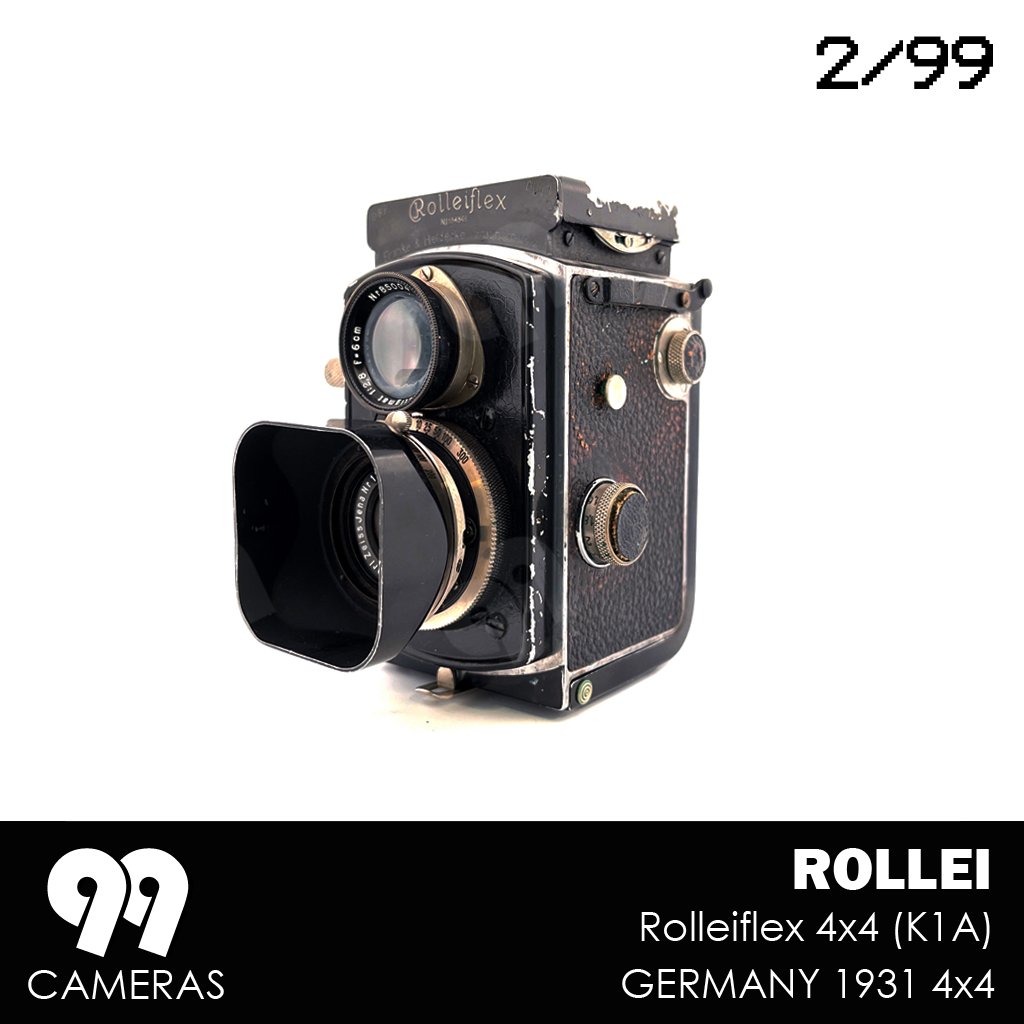
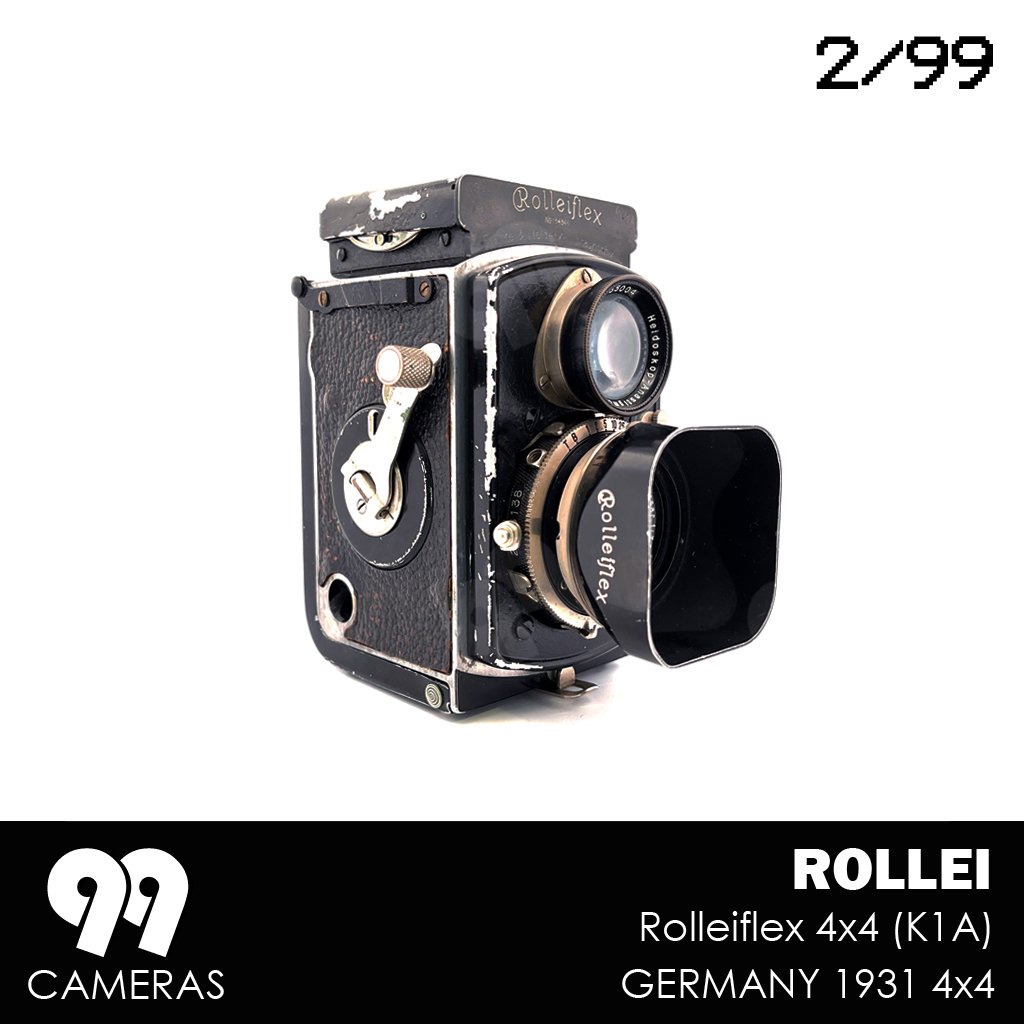
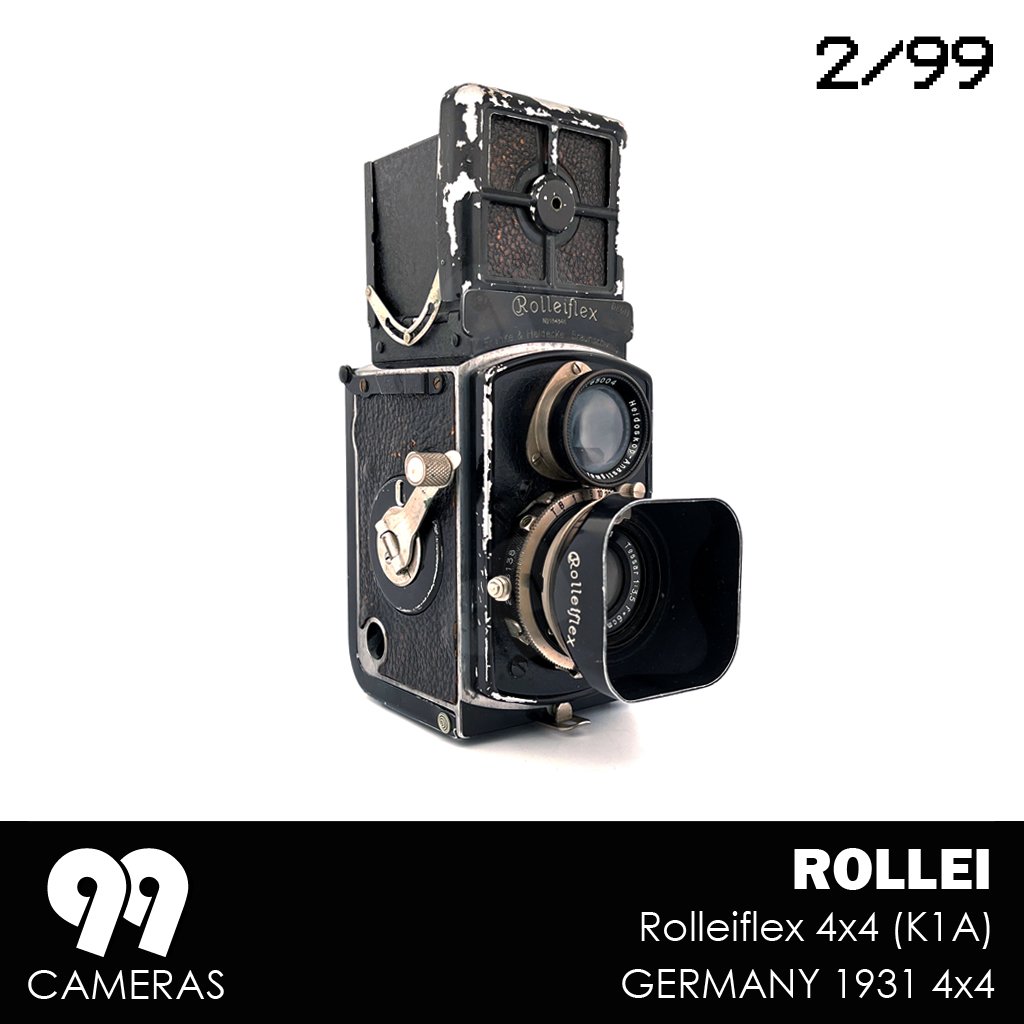
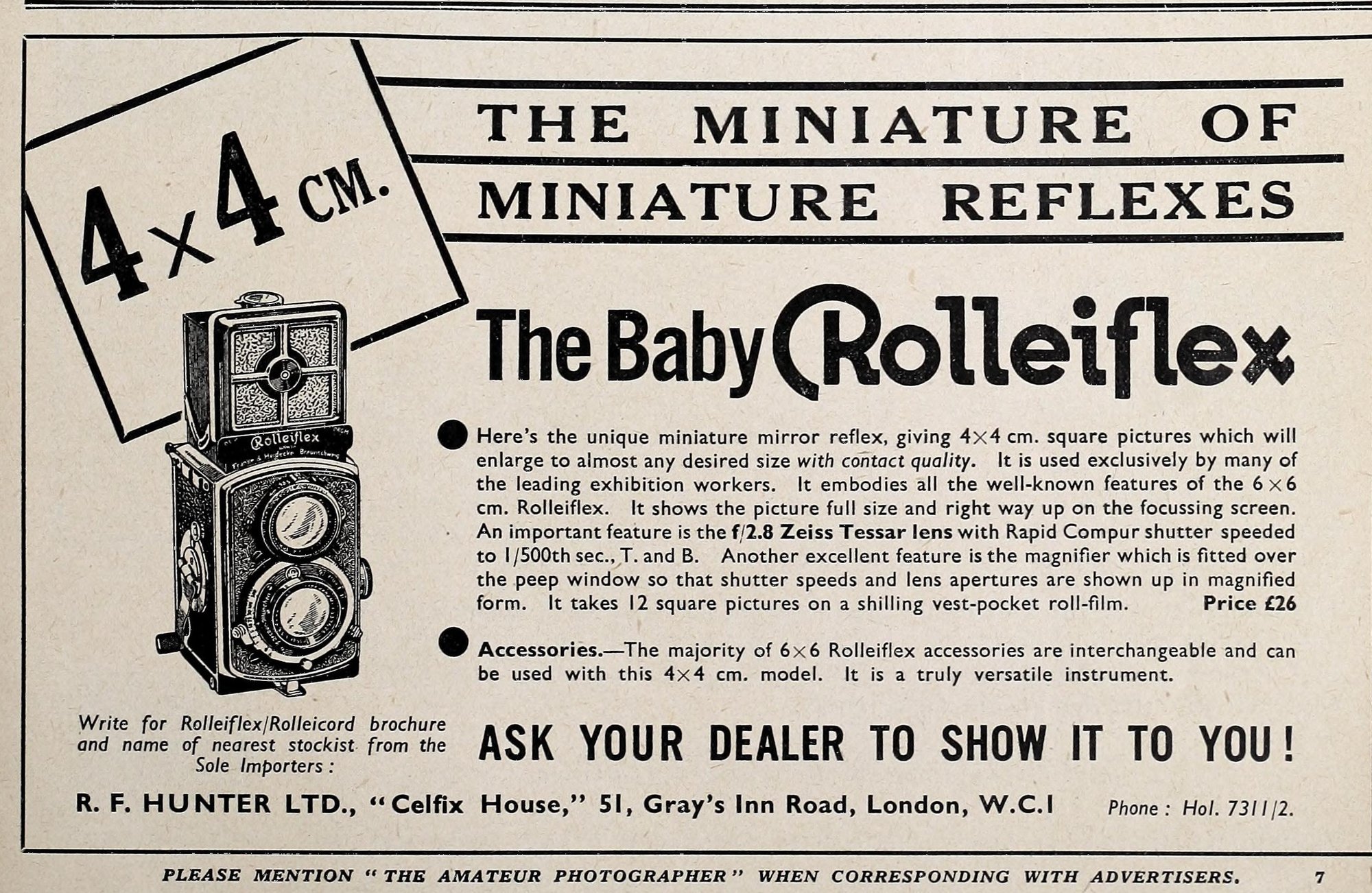
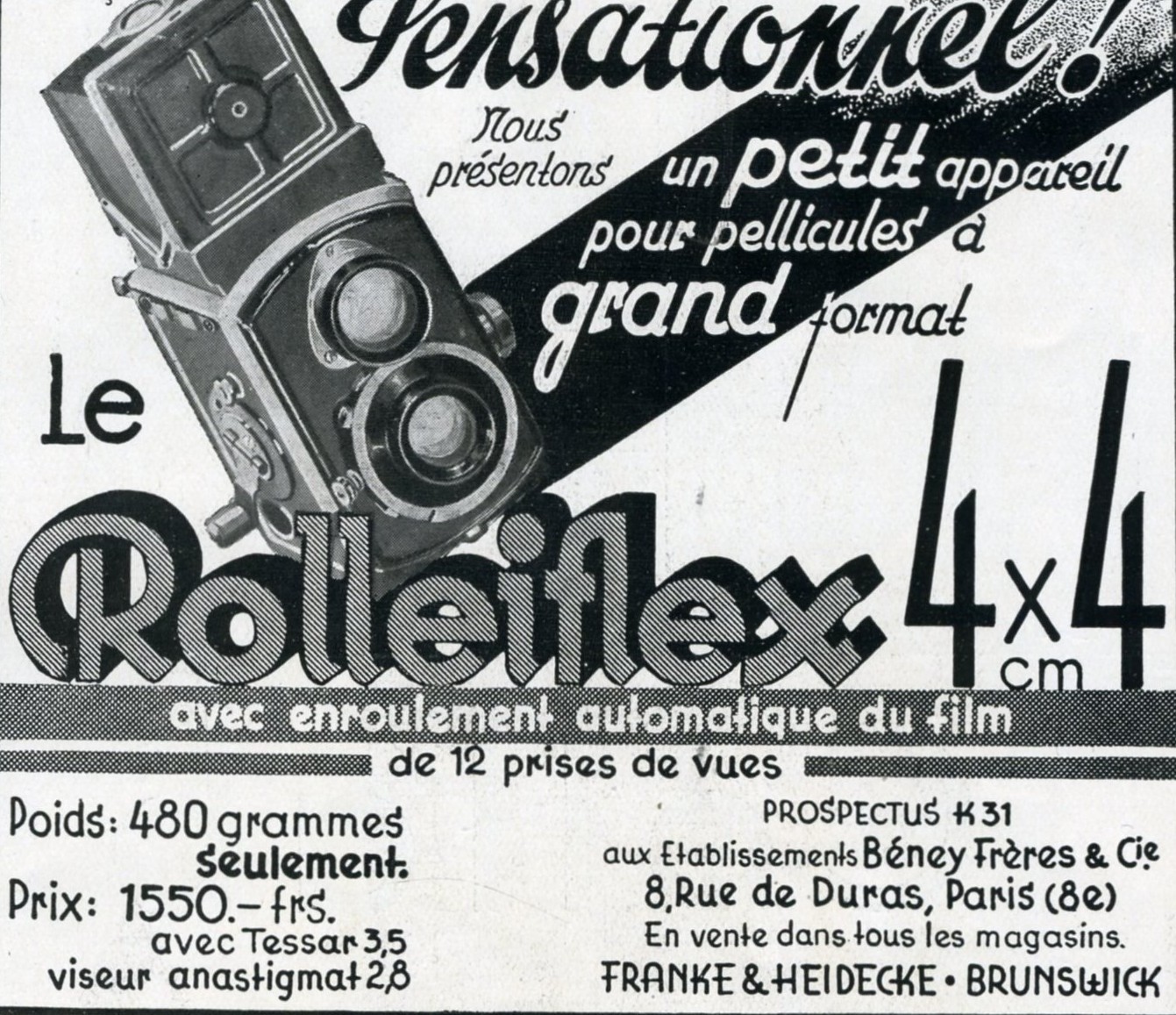
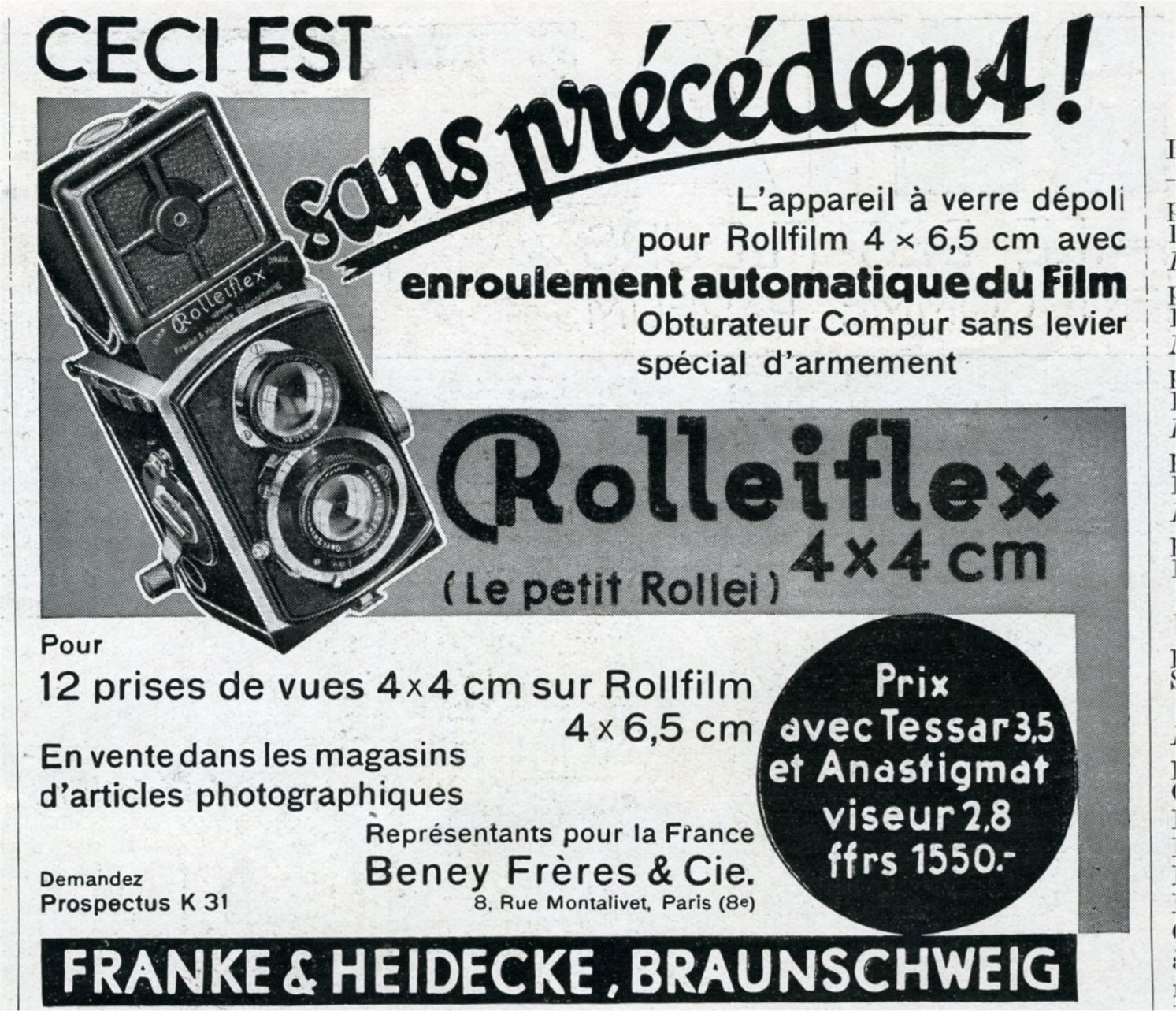
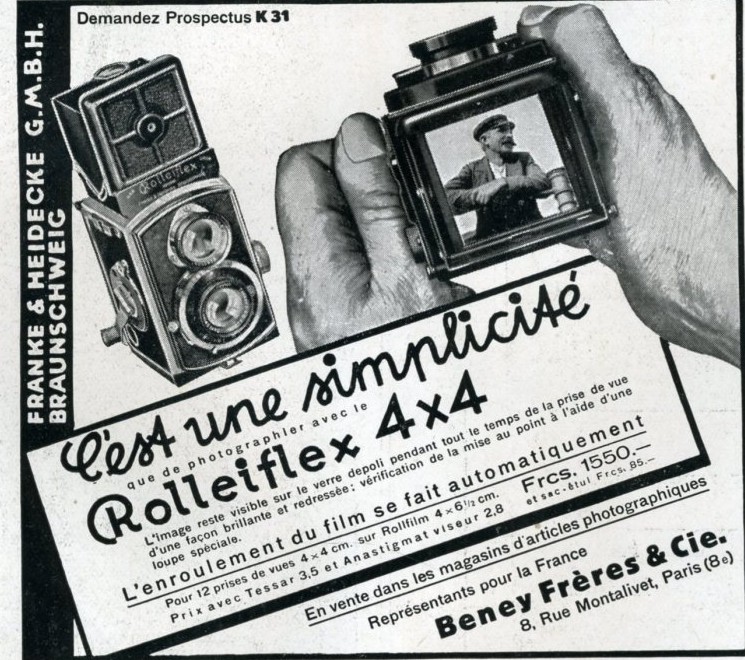
The Rolleiflex 4×4, affectionately nicknamed the “Baby” Rolleiflex, entered production from March 1931 and continued until the midst of WWII in 1943.
The K.1A model marked a significant step for Franke & Heidecke, as it was their inaugural 4×4 cm offering following the introduction of the original 6×6 Rolleiflex. However, the Rolleiflex 4×4 encountered challenges in finding its market during the 1930s, largely due to its relatively high price tag amidst the backdrop of an economically challenging period.
This historical context sheds light on the scarcity of these models today, rendering them prized collectibles with a high demand among enthusiasts and collectors alike. The rarity of these cameras amplifies their allure, making them desirable pieces that hold a special place in the world of vintage photography.
About its creators
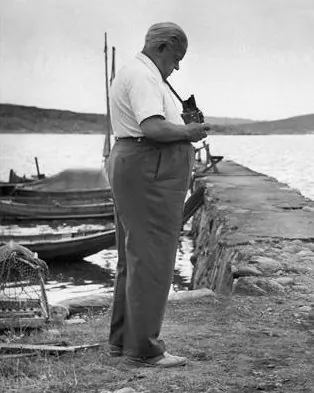
Reinhold Heidecke
1881–1960 · German
Inventor of the Rolleiflex
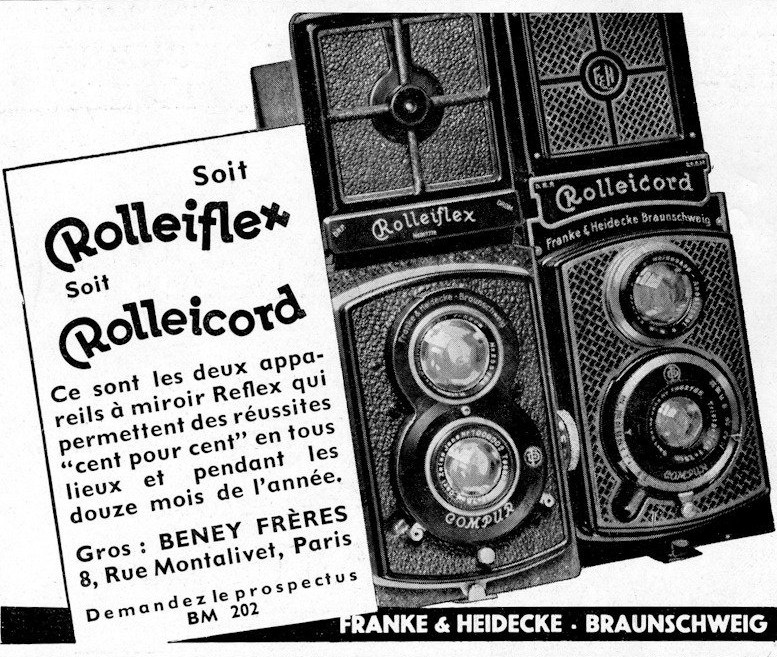
A precision engineer, Heidecke founded Franke & Heidecke in Braunschweig in 1920 with Paul Franke. He designed the Rolleiflex of 1929, the twin-lens reflex that let photographers look down into a bright finder while the second lens took the picture, a layout copied all over the world.

Paul Franke
1888–1950 · German
Co-founder of Rollei
Paul Franke was the business partner of Reinhold Heidecke. Together they founded Franke & Heidecke in 1920 and built it into Rollei, the maker of the Rolleiflex and Rolleicord. Franke ran the commercial side while Heidecke led the design.
Gallery
5
Media
5
More from The Pioneers
Discover the collection
Plan your visit
Visit is free and open to all
- Opening hoursMonday – Saturday : 10 – 17:30
- AddressStudio Harcourt, 6 Rue de Lota, 75116 Paris
- Exceptional closuresThursday, 26 November 2026