The adventure of the brands
The Lachaize story
- France
- No longer makes cameras
An artisan near Lyon who improved the cameras of press photographers, a back for 150 pictures, a camera on which you choose the weather, a flash that folds into the body and a fire that ended it all: the Lachaize story, told through its inventions and its anecdotes.
1945–1955
An artisan near Lyon
In the museum
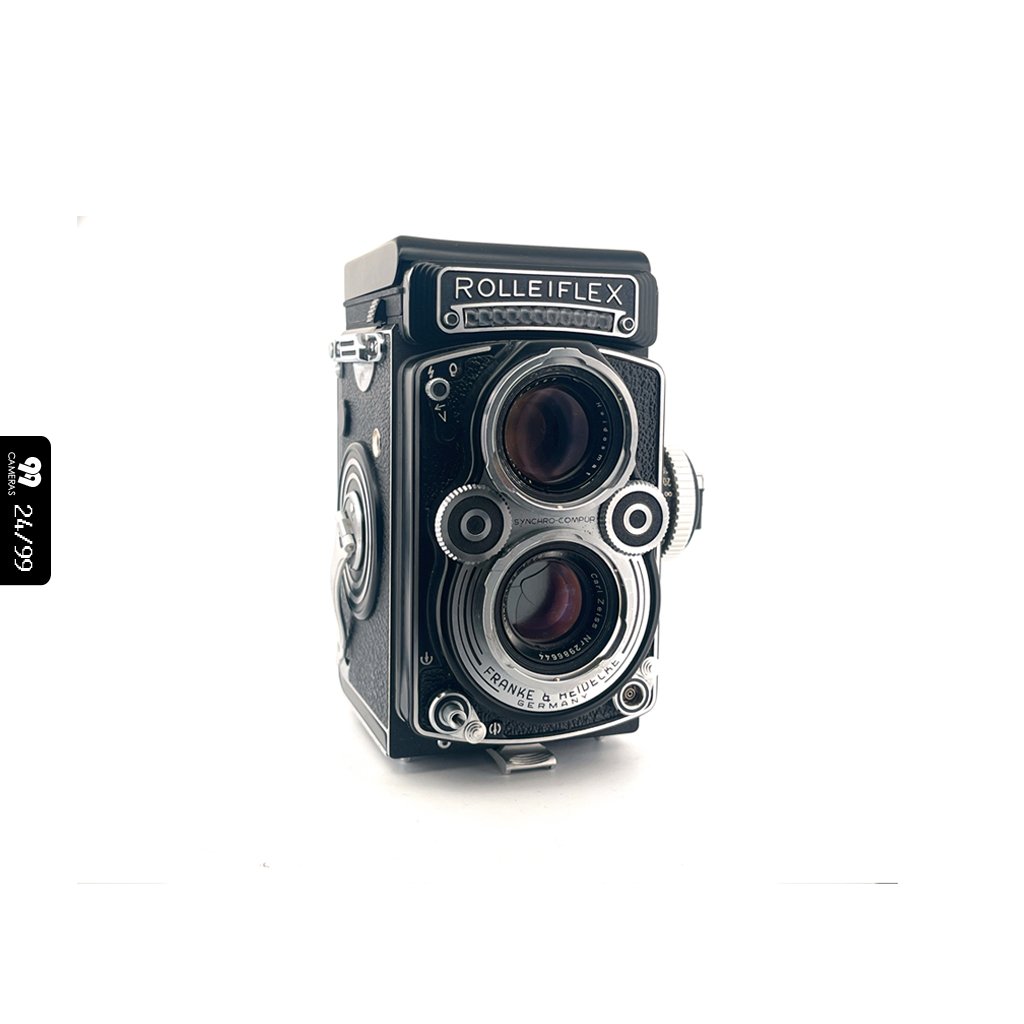
Paul Lachaize (1914–1987) was an artisan in Tassin-la-Demi-Lune, near Lyon. After the war he made a speciality of improving the cameras of press photographers, and of synchronising them with the flash.
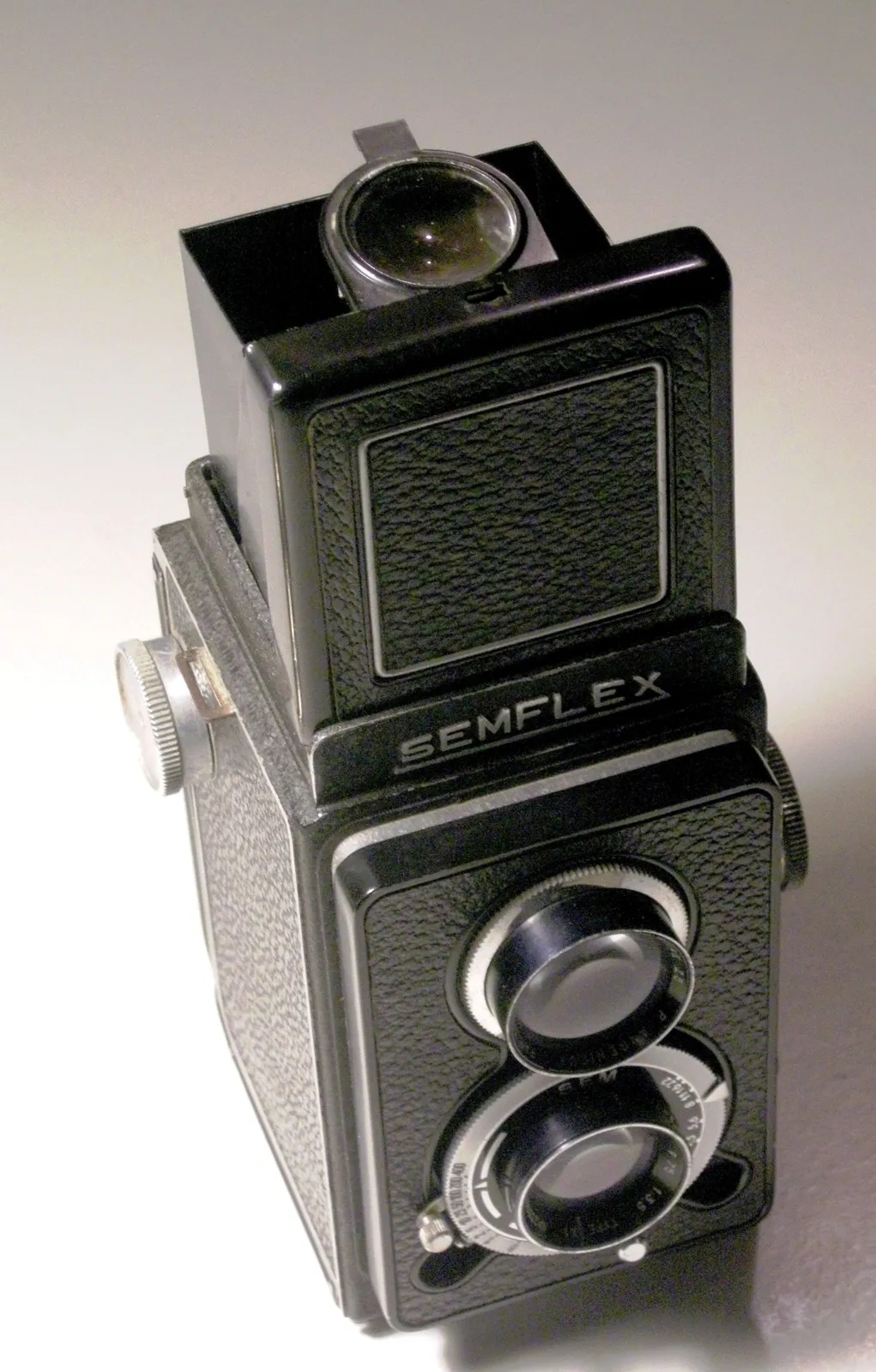
He developed the Mag 150, a back for Rolleiflex and Semflex cameras that took 150 pictures without reloading, then the Perfo 608, a rangefinder camera with interchangeable lenses, and the MS-35, a camera for copying documents on a stand.
1955–1957
The camera that asks about the weather
In the museum
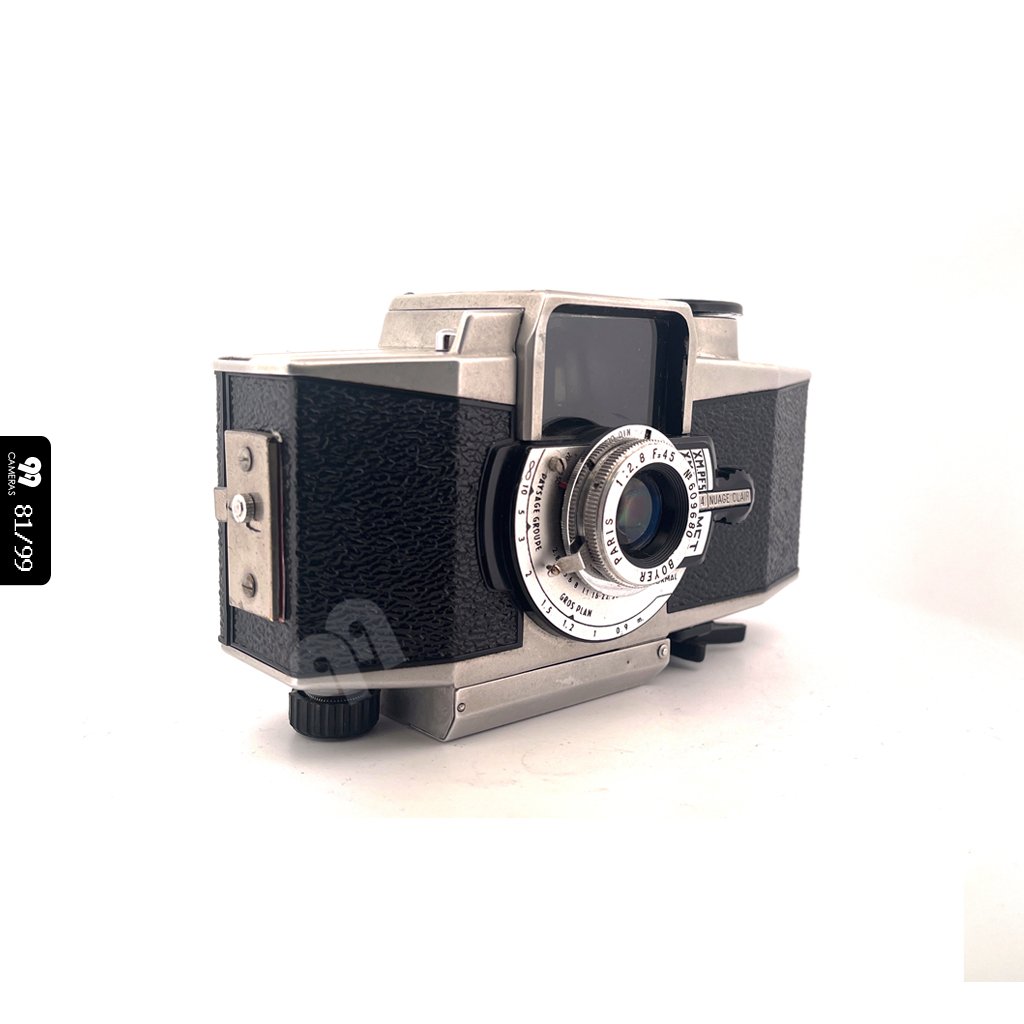
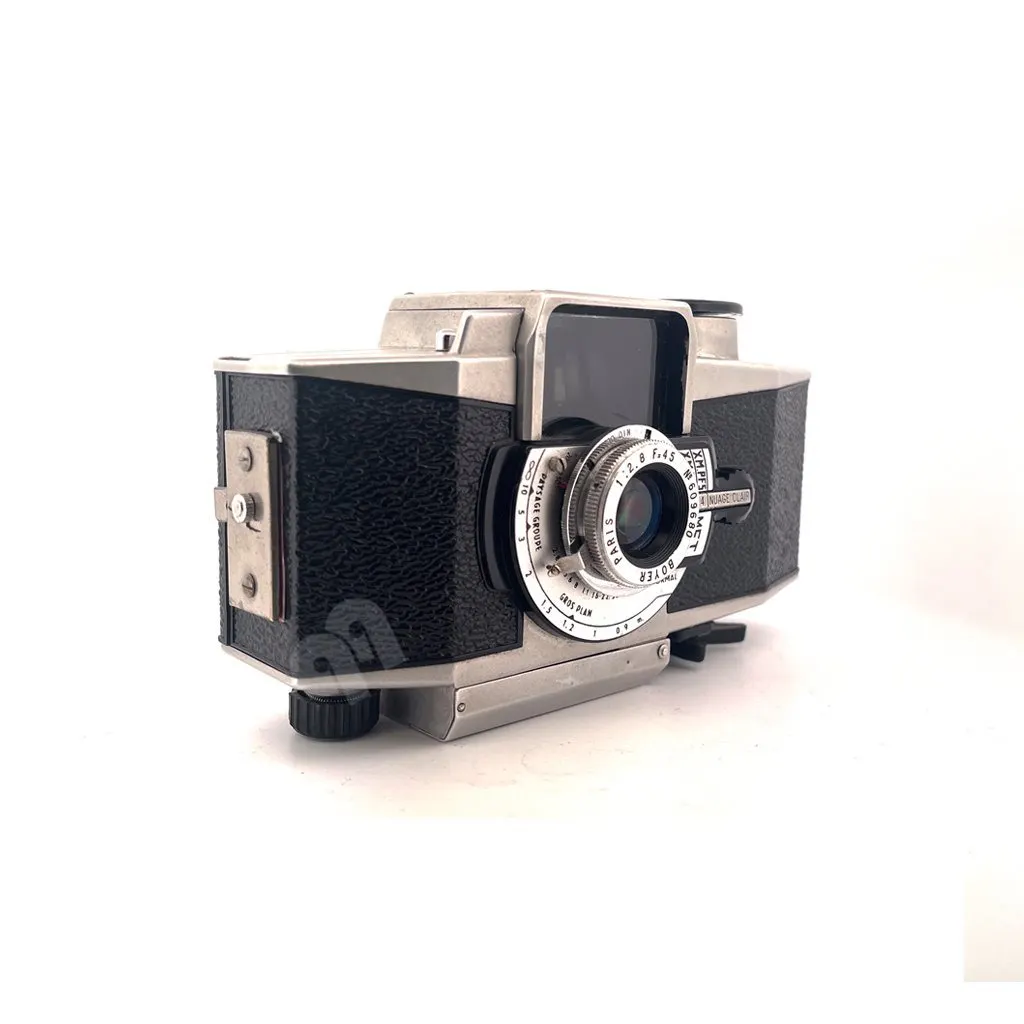
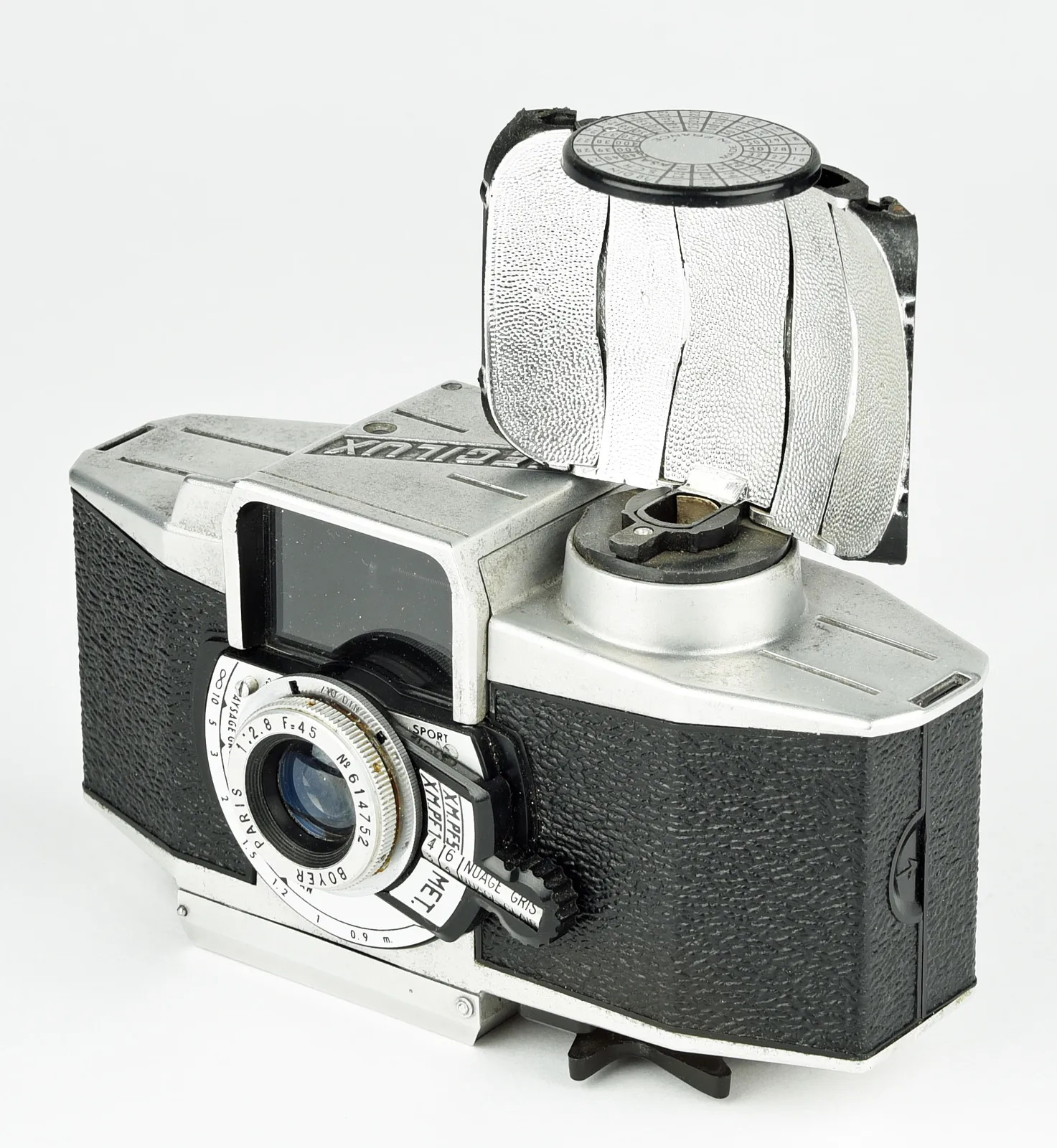
In the mid-1950s Lachaize designed a camera of his own, the Mecilux, to be made in series with the new techniques of precision plastic moulding. He filed patents for it in France in 1956 and in the United States in 1957, on behalf of the company MÉCIMAP.
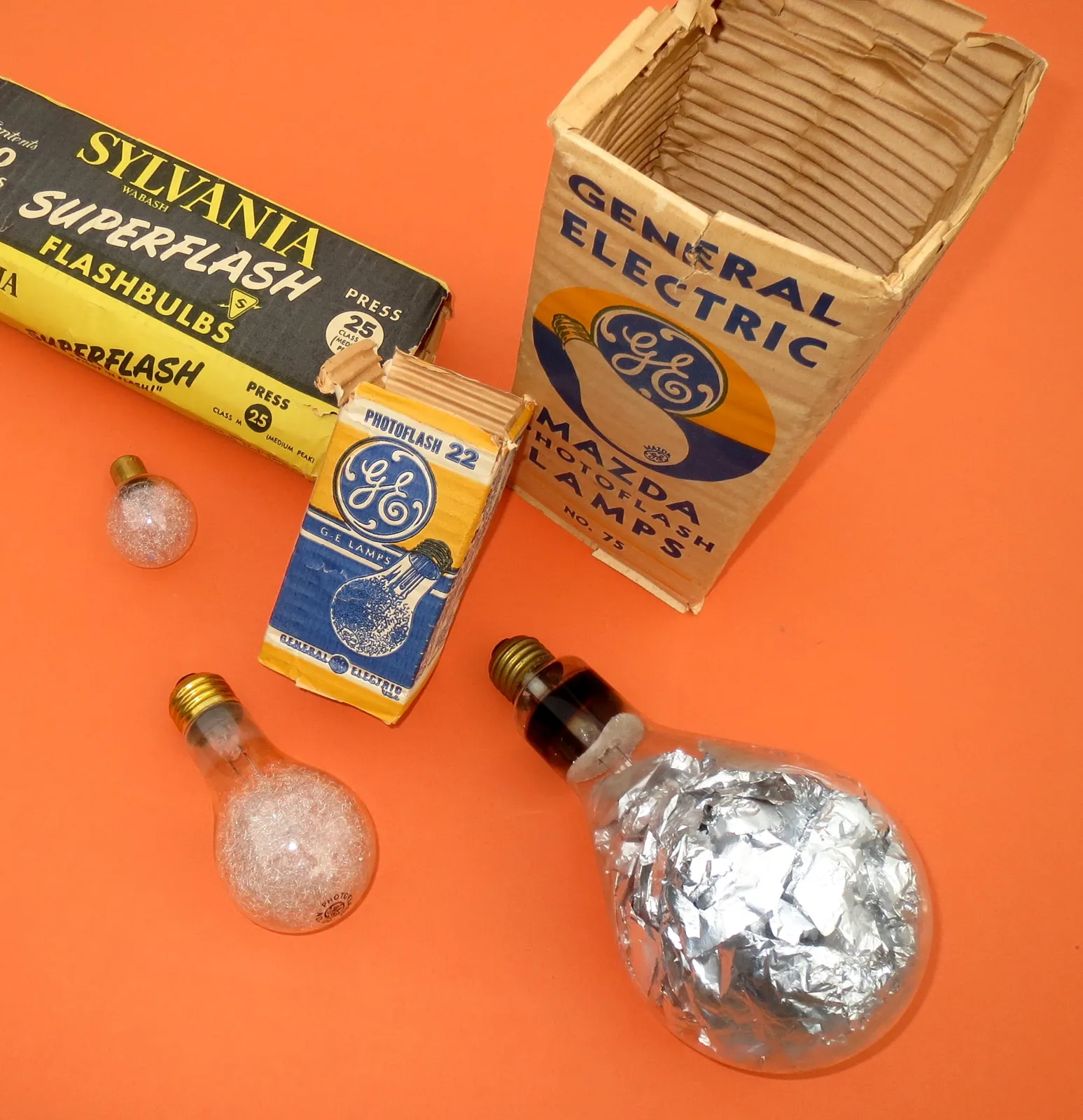
Everything was made to be simple. Around the Boyer lens, a dial set film speed, distance and the light: you just chose the weather, and the camera set the exposure. A lever switched to a “sport” setting, and a flash folded down into the body, with a compartment for spare bulbs.
The people
1957–1987
The fire
The Mecilux was made in a factory in Villeurbanne, next to Lyon. A fire destroyed it, and with it the whole venture, after only 1,000 to 2,000 cameras had been made.
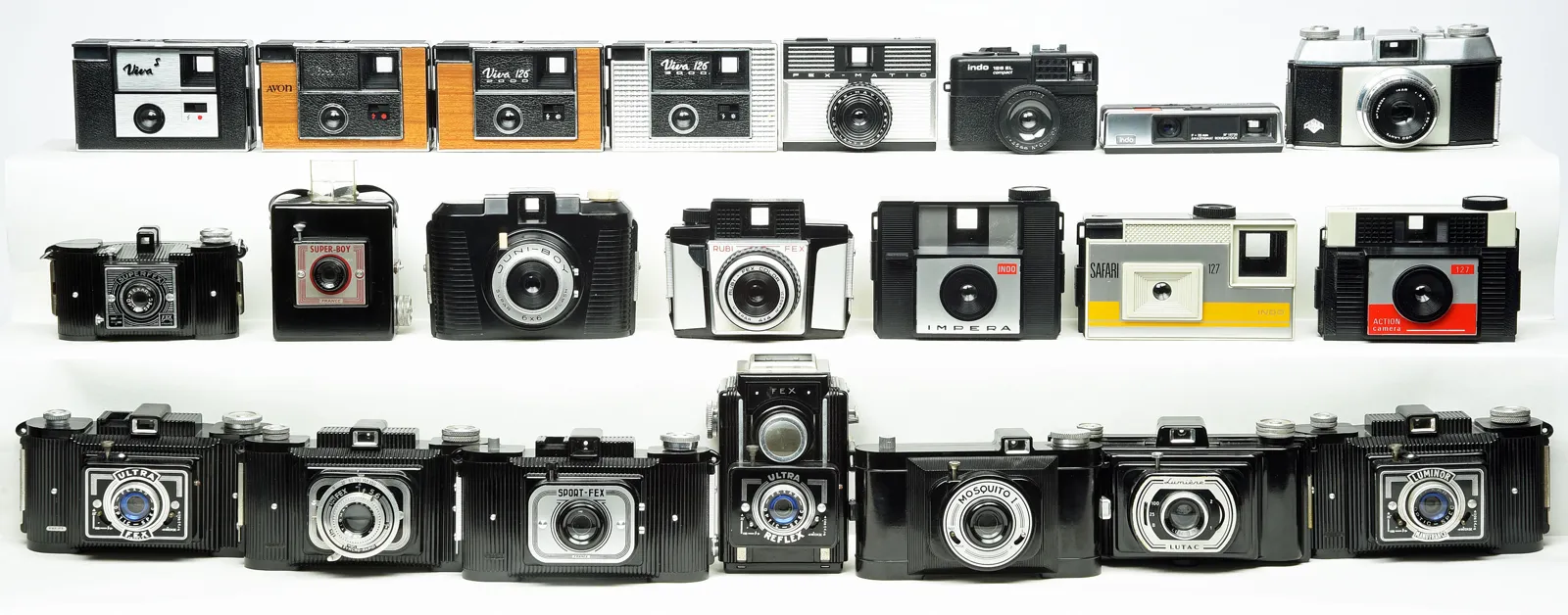
Lachaize did not stop inventing: the French camera maker Fex later benefited from his ideas. Today the Mecilux is a rare and sought-after camera.
Lachaize at the 99 Cameras Museum
The Mecilux, one of the rare survivors of the fire, is in the showcases of the museum in Paris. You can see it in our online collection.
See the Lachaize camera of the collection
Sources. Camera-wiki article on the Mecilux, Collection-appareils.fr, the museum’s own records. Some anecdotes come from oral tradition and are told as such.
Plan your visit
Visit is free and open to all
- Opening hoursMonday – Saturday : 10 – 17:30
- AddressStudio Harcourt, 6 Rue de Lota, 75116 Paris
- Exceptional closuresThursday, 26 November 2026