
The Glamorous
11 cameras
Our companions for a century, cameras have become familiar objects. So manufacturers designed cameras as beautiful as they are useful, often aimed at women, turning the camera into a luxury item to display.
Notable among them is the Kodak Bantam Special, often called the most beautiful camera ever made, designed by Walter Dorwin Teague, creator of the Texaco and TWA logos.
Audio guide · The Glamorous
Top shelf 2 cameras
-
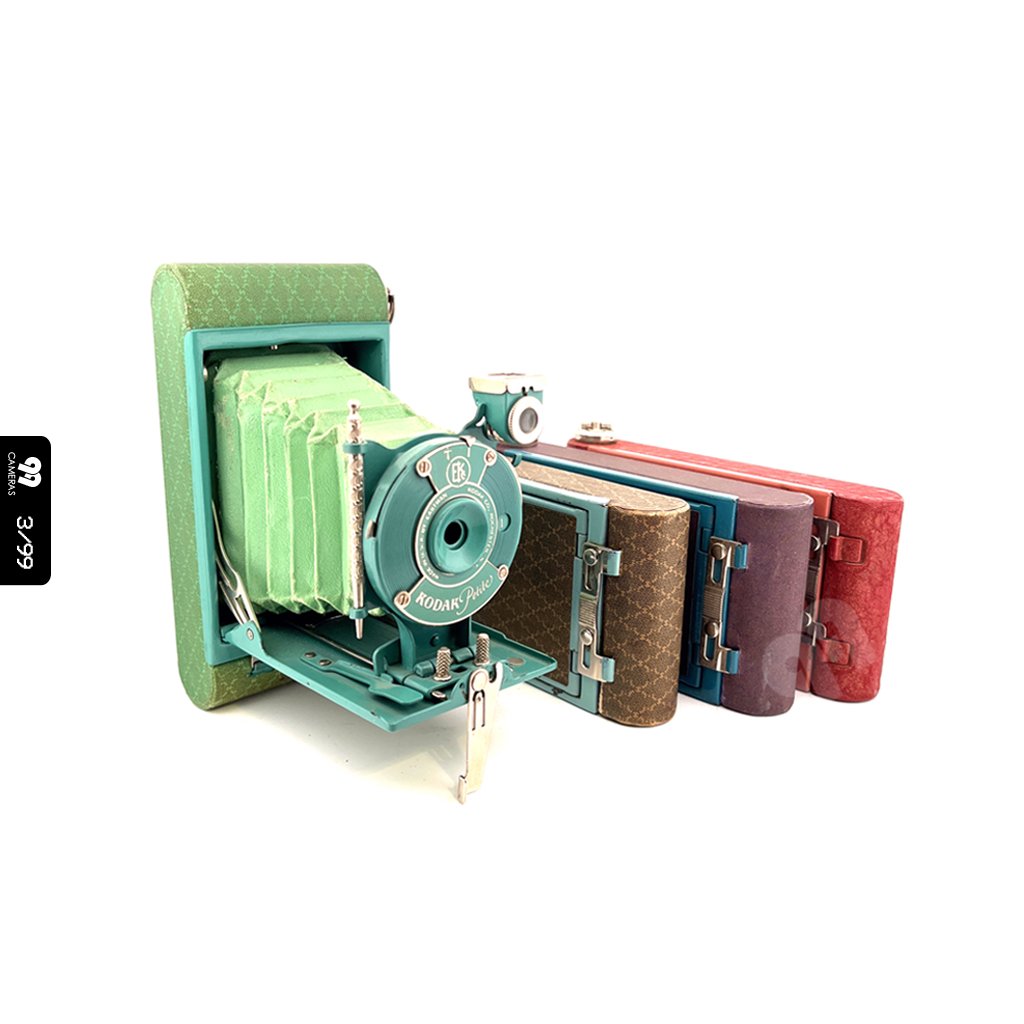
KodakKodak Petite
- 1929
- United StatesUnited States
- 127 film
The Petite was a "feminine" and stylish camera, available in different colors (blue, green, lavender, and pink). One key to its success was its "autographic" feature, which allowed the user to write a few words directly on the film through a small opening at the back. The text would appear when the film was developed.
See the camera page -
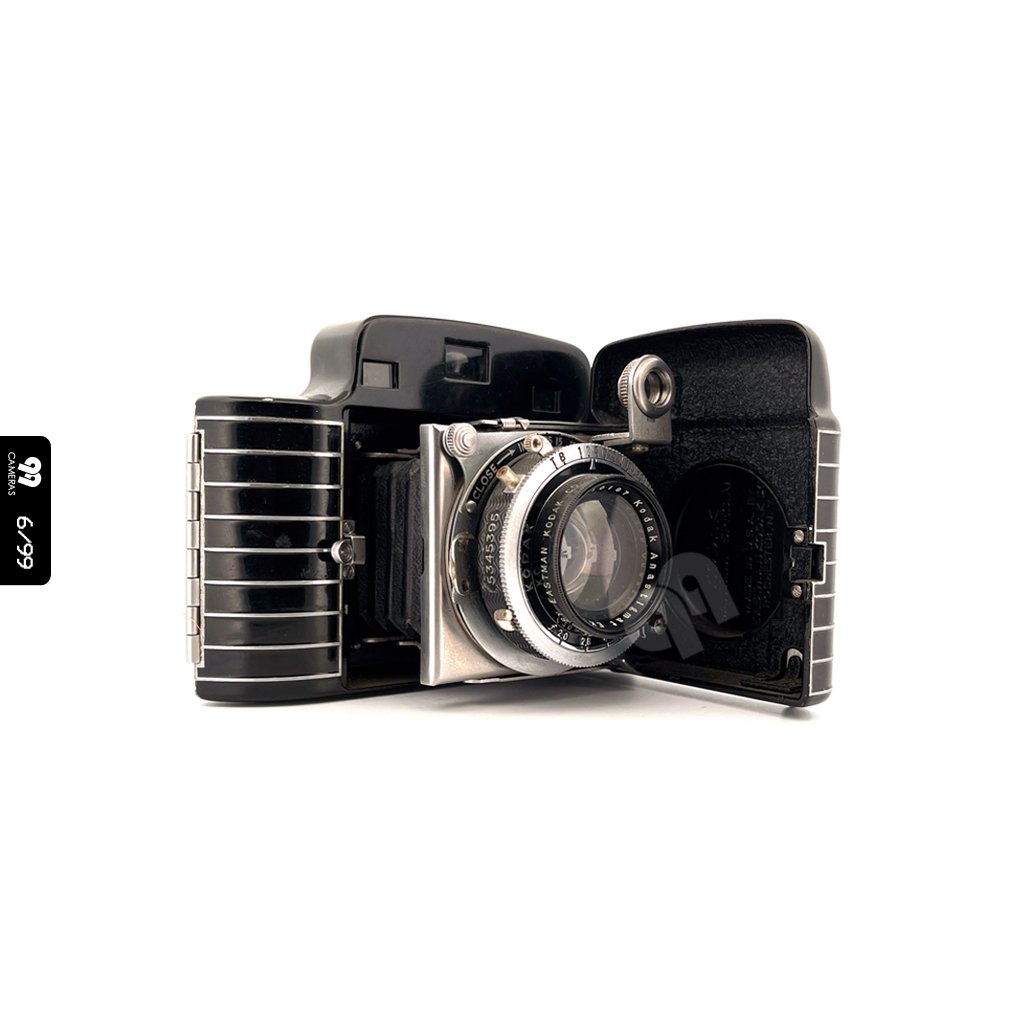
KodakKodak Bantam Special
- 1936
- United StatesUnited States
- 828 Bantam
The Bantam Special is arguably one of the most beautiful cameras of all time. Its unique Streamline Moderne Art Deco design was created by Walter Dorwin Teague (also known for Texaco gas stations and TWA's identity). It was sold as a luxury camera mainly in the United States, making it a rare piece nowadays.
See the camera page
Middle shelf 5 cameras
-
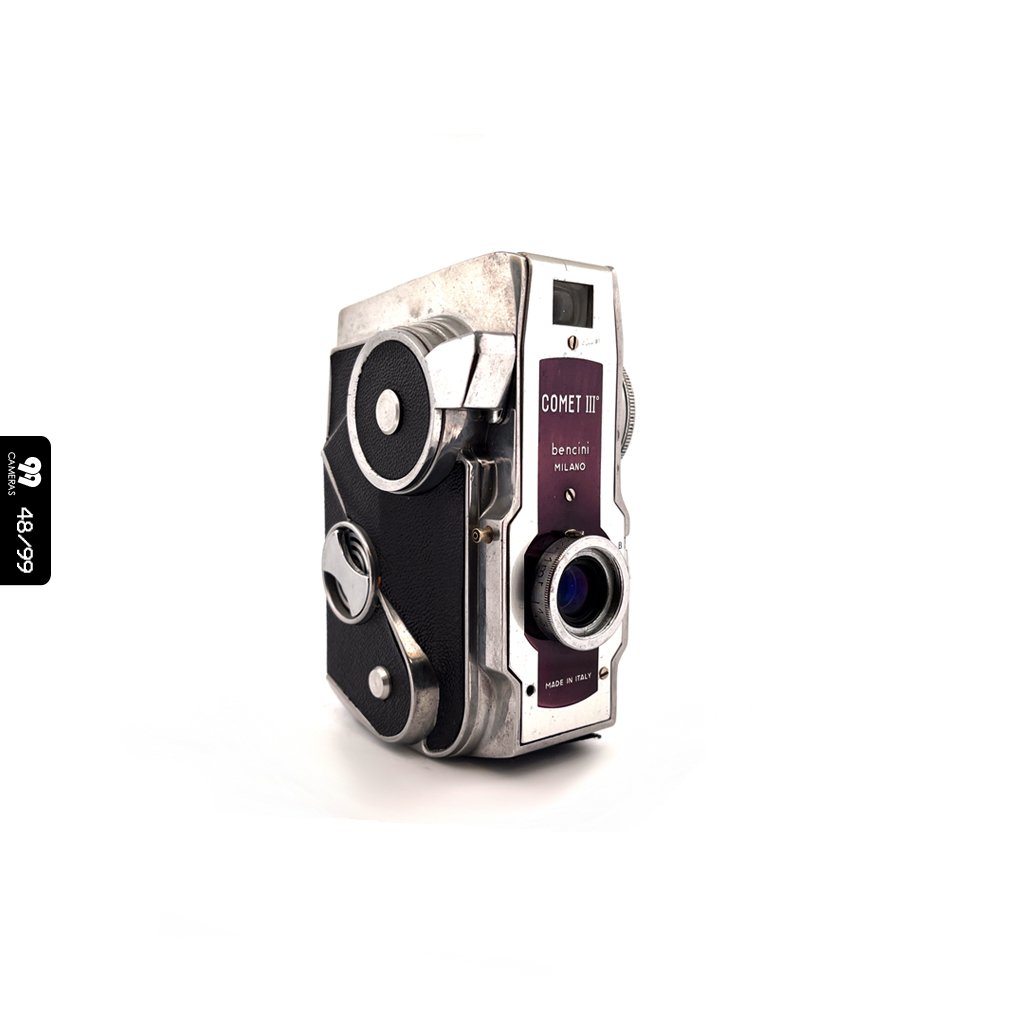
BenciniBencini Comet III
- 1952
- ItalyItaly
- 127 film
Some designs are simply Italian. And sometimes, the design is everything. The Comet 3 is a sleek vertical camera with a futuristic look, featuring an oversized rewind button and a stunning Art Deco design. The Comet 3 is immediately recognizable and is often hailed as an excellent example of Italian design from the 1950s.
See the camera page -
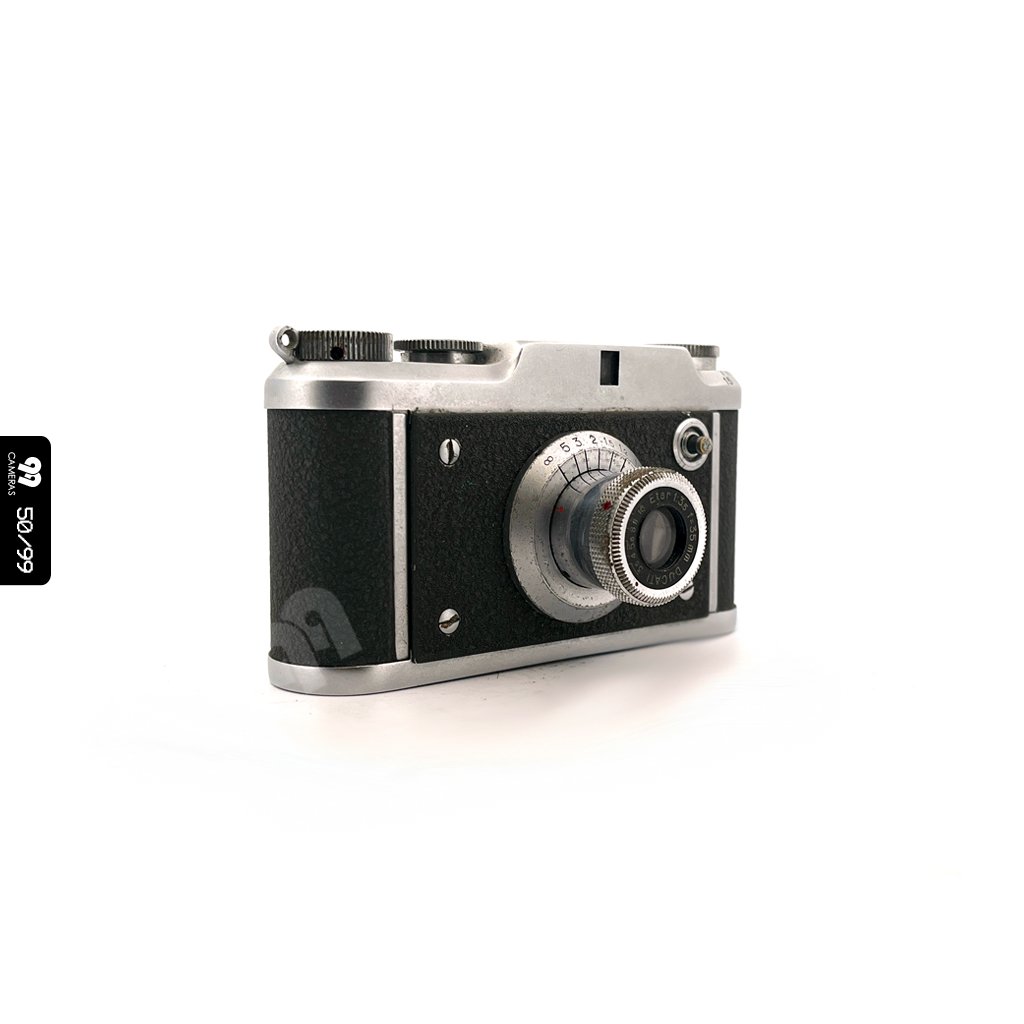
DucatiDucati Simplex
- 1950
- ItalyItaly
- 35 mm
While Ducati is primarily renowned for its exceptional motorcycles, the company also delved into precision engineering and produced a handful of camera models like the Simplex. This exquisite high-end camera features a unique design and is slightly smaller than conventional cameras. It operates with 35mm film, albeit in a cartridge that holds only 15 half-frames.
See the camera page -
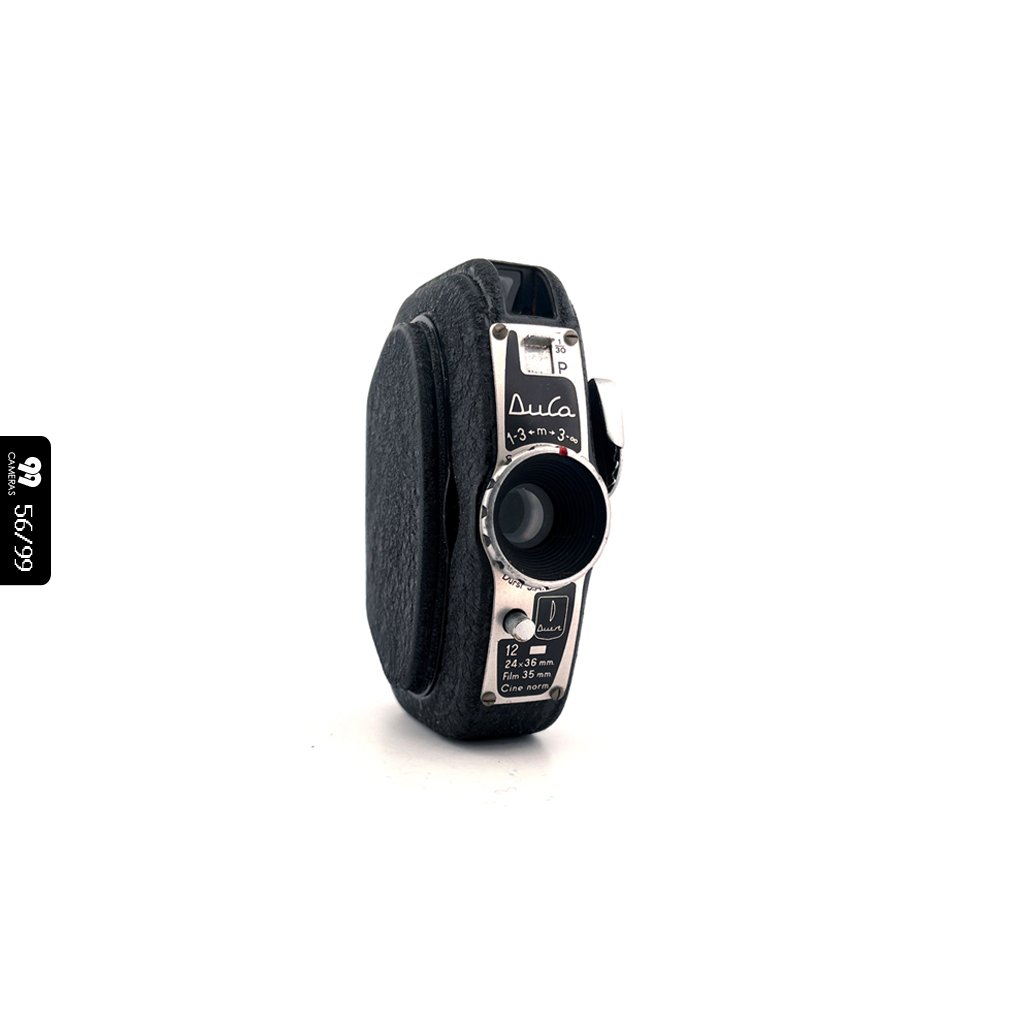
DurstDurst Duca
- 1947
- ItalyItaly
- 35 mm
The central positioning of the film allowed for an attractive ovoid shape that fits perfectly in the hand or pocket and leaves space for a built-in viewfinder at the top. The Duca has no protruding edges, making it a "user-friendly" camera that's enjoyable to hold and handle.
See the camera page -
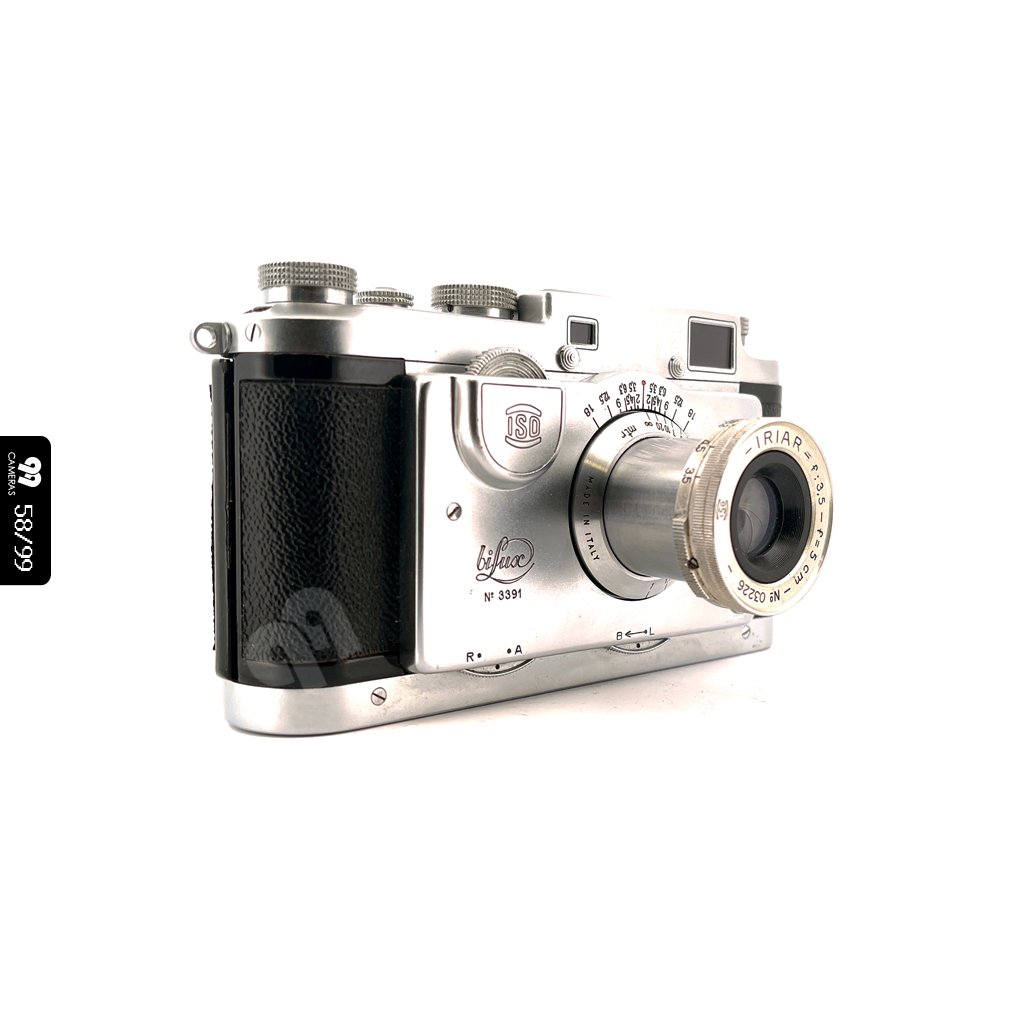
ISOISO Bilux
- 1949
- ItalyItaly
- 35 mm
Produced in a few hundred units, the Bilux is both an incredibly well-built camera and an astonishing engineering piece. It successfully synthesizes the qualities of a Contax and a Leica within a beautifully designed Italian body. Often referred to as the Italian Leica, the Bilux goes above and beyond, offering a wide array of meticulously designed and beautifully executed features.
See the camera page -
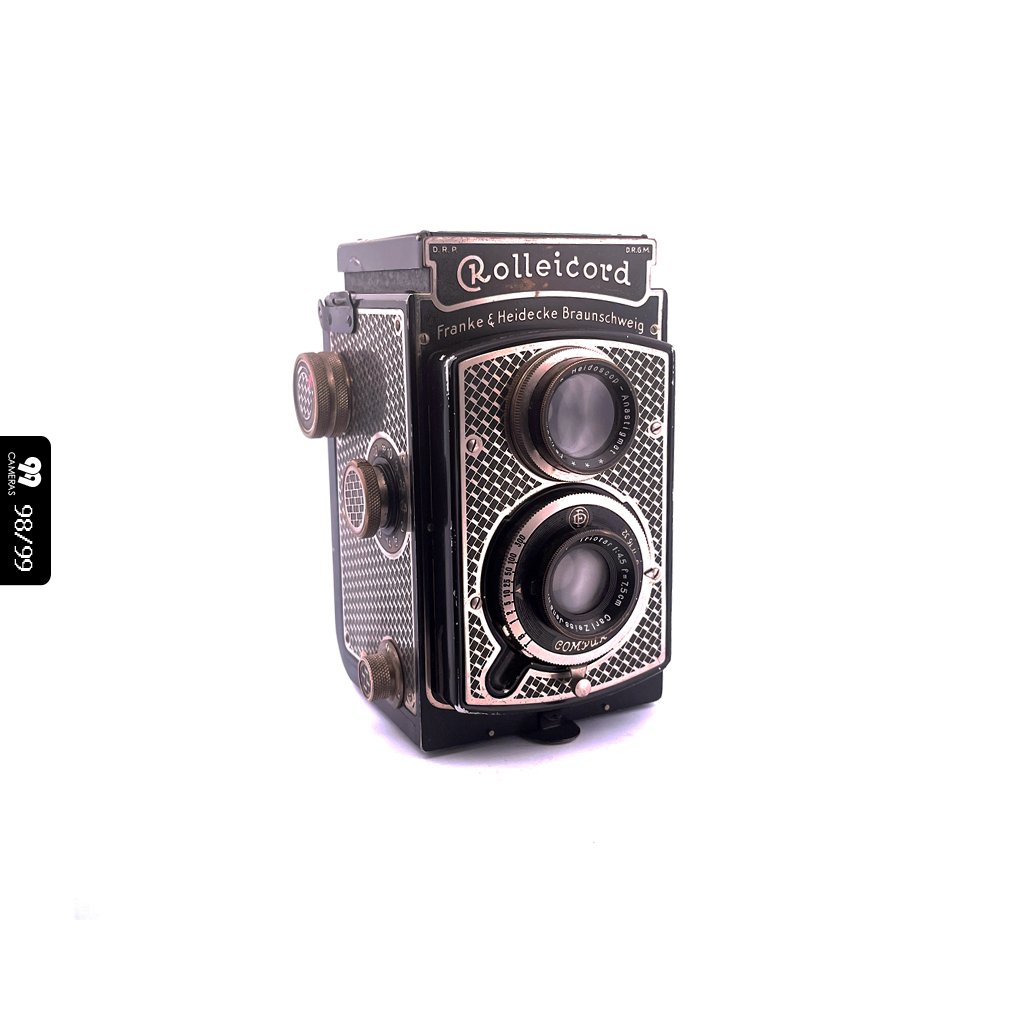
RolleiRolleicord “Art Deco”
- 1933
- GermanyGermany
- 120 film
The "Art Deco" Rolleicord, also known as the "Wallpaper Rolleicord" (Tapeten-Rolleicord) or even the "Louis XV Rolleicord," is arguably one of the most elaborate cameras ever constructed. The body (and even the buttons) is adorned with a complex Art Deco pattern, aiming to appeal to aesthetically inclined individuals who wanted to showcase their cameras as design objects.
See the camera page
Bottom shelf 4 cameras
-
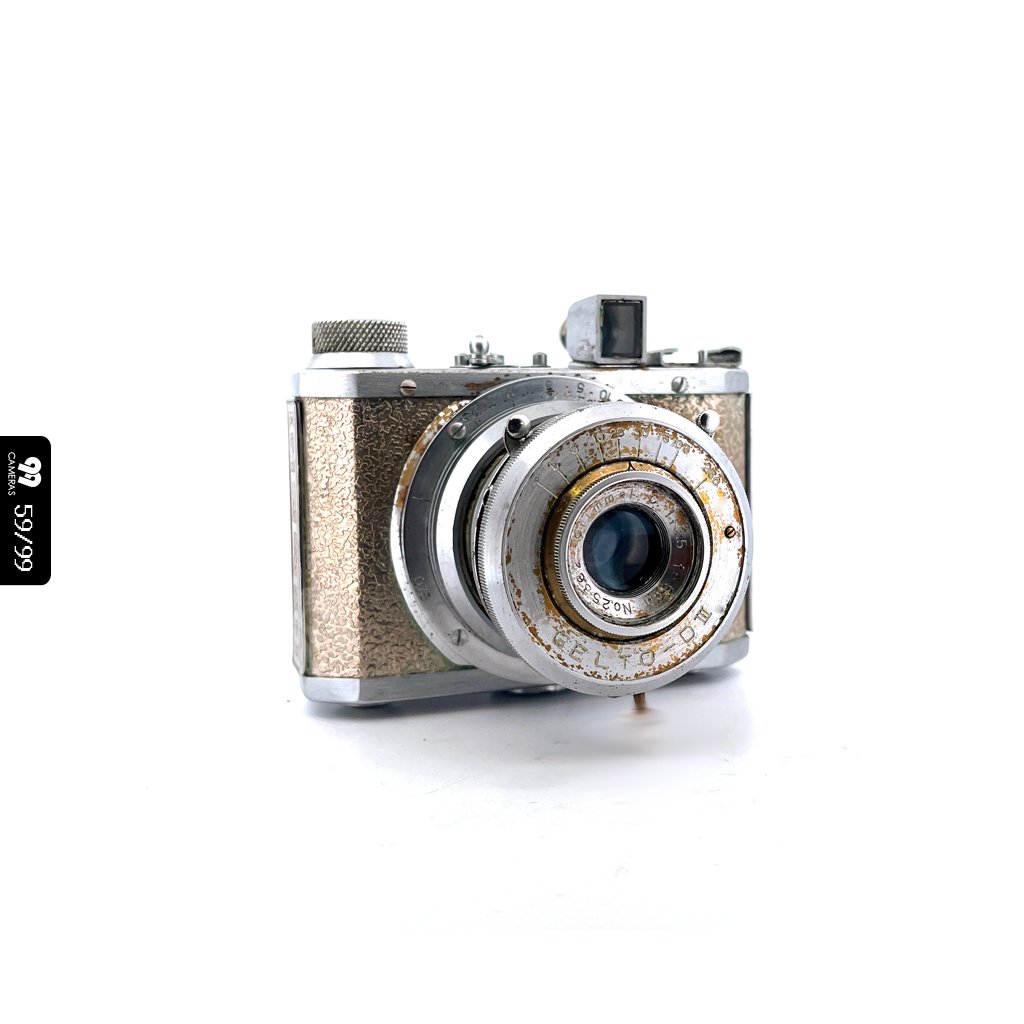
ToakokiToakoki Gelto DIII
- 1947
- JapanJapan
- 127 film
The Gelto was a remarkable camera with an entirely elegant gold metal body, beveled edges, and the logo beautifully inlaid on both sides. It aimed to be a "jewel camera" with a highly intriguing gold finish and an elegant Art Deco design, especially in the models produced after the war.
See the camera page -
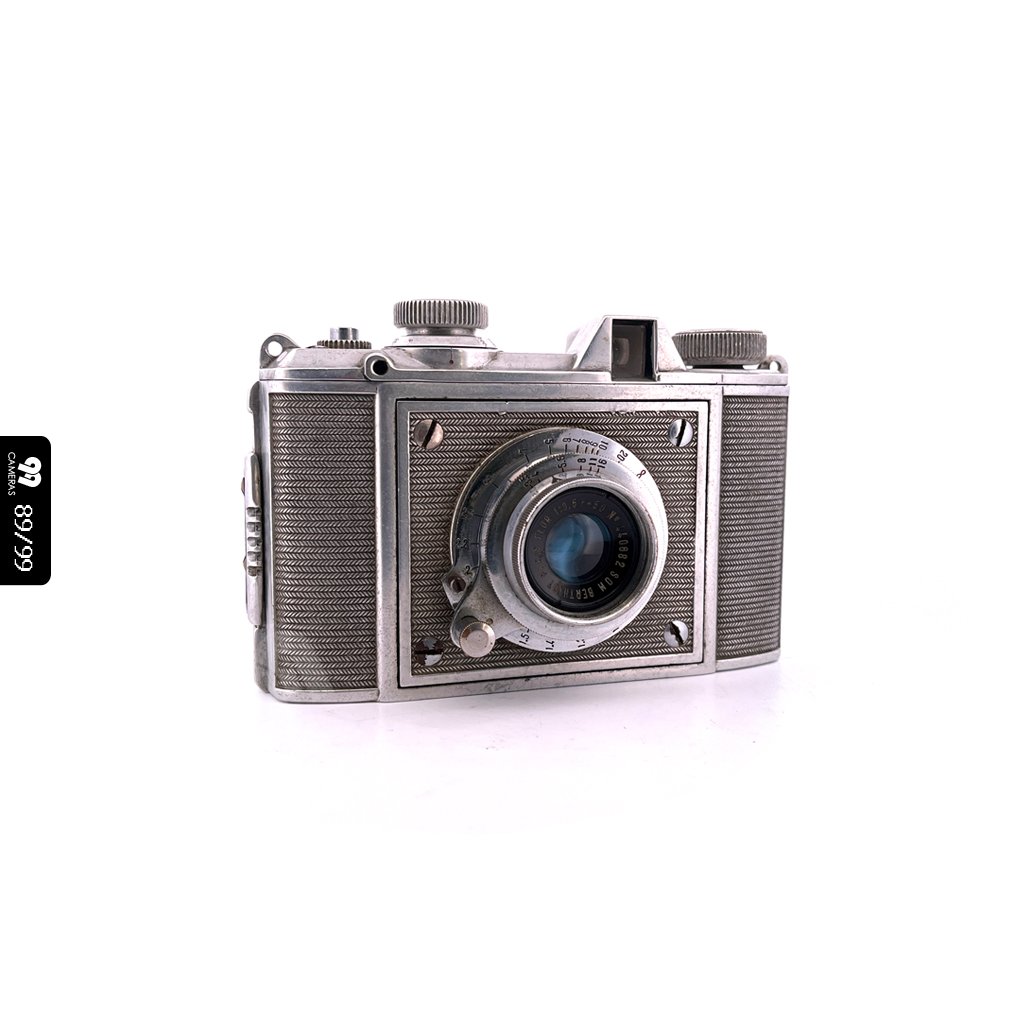
PontiacPontiac Lynx II
- 1945
- FranceFrance
- 127 film
The Lynx 2 is a stunning camera, with its aluminum body featuring intricate machining reminiscent of rows of woven fiber. Some models were painted in black to give the illusion of a leather covering. While very aesthetic, this choice was motivated by necessity as leather was quite difficult, if not impossible, to procure just after the war.
See the camera page -
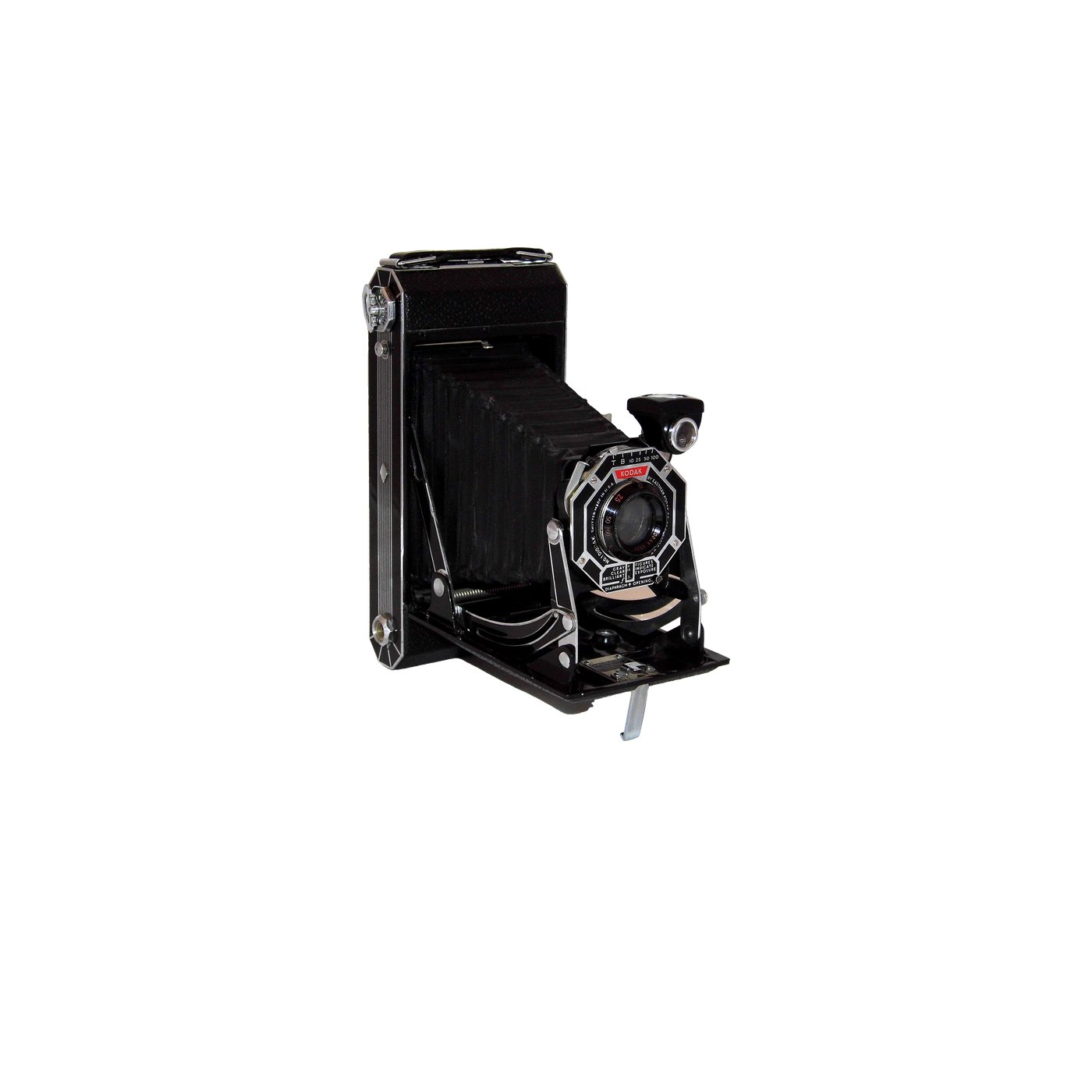
KodakKodak SiX-16
- 1935
Even if not particularly rare, these two cameras are incredible examples of Art Deco design. They were spectacular items, especially when most other folding cameras offered plain roundish features.
-
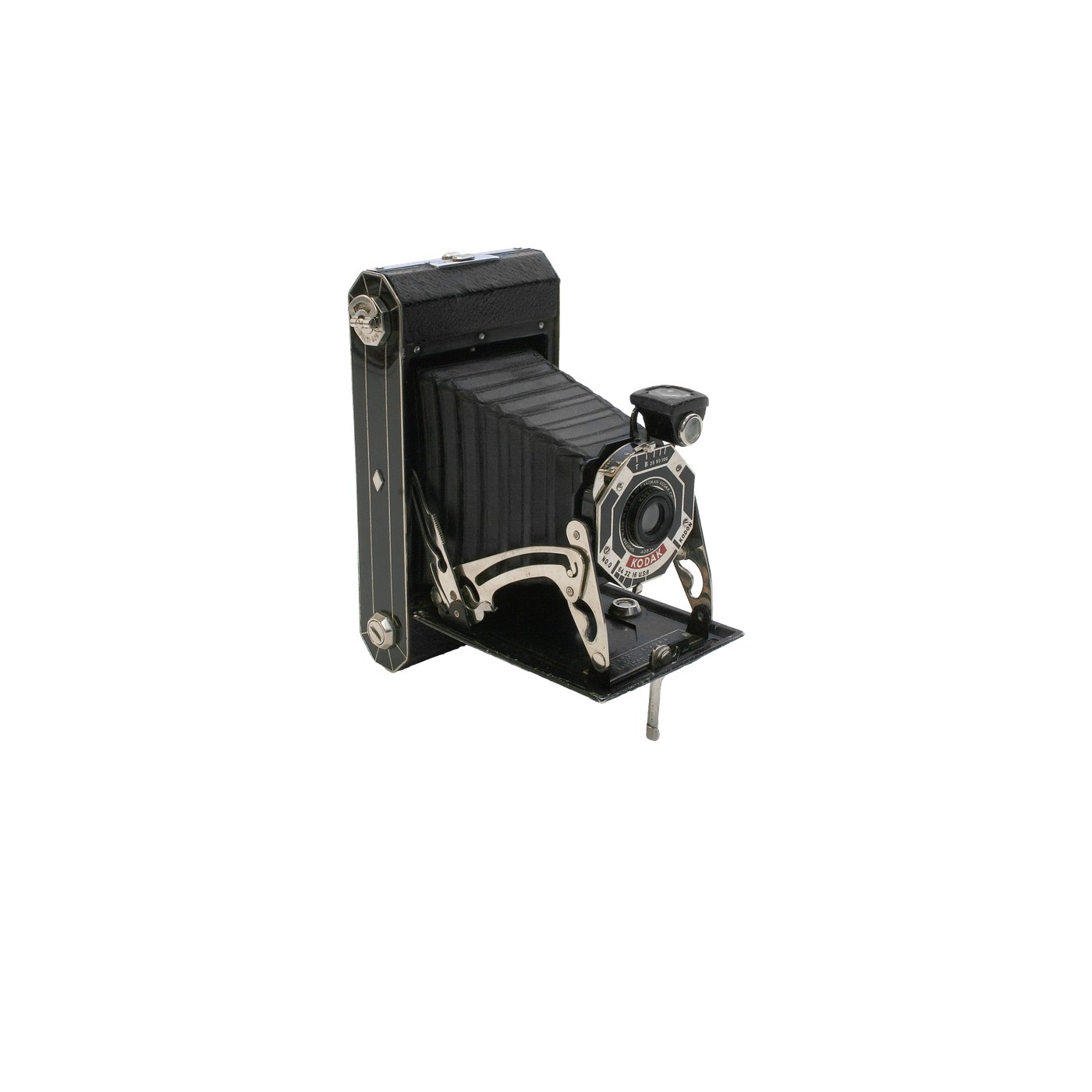
KodakKodak Six-20
- 1935
Even if not particularly rare, these two cameras are incredible examples of Art Deco design. They were spectacular items, especially when most other folding cameras offered plain roundish features.
Plan your visit
Visit is free and open to all
- Opening hoursMonday – Saturday : 10 – 17:30
- AddressStudio Harcourt, 6 Rue de Lota, 75116 Paris
- Exceptional closuresMonday, 16 November 2026Tuesday, 17 November 2026Thursday, 19 November 2026Thursday, 26 November 2026