The adventure of the brands
The Spirotechnique story
- Founded in 1946France
- No longer makes cameras
A diving regulator invented in occupied France, a company founded to sell it, an explorer who wanted a camera that could dive, an engineer of racing planes and the first true underwater camera: the Spirotechnique story, told through its inventions and its anecdotes.
1943–1946
The Aqua-Lung
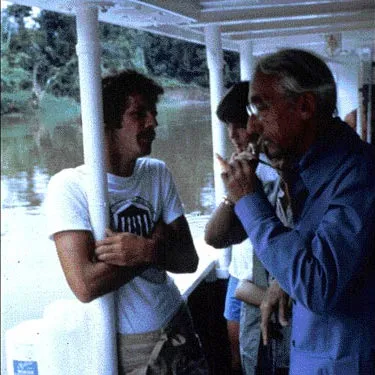
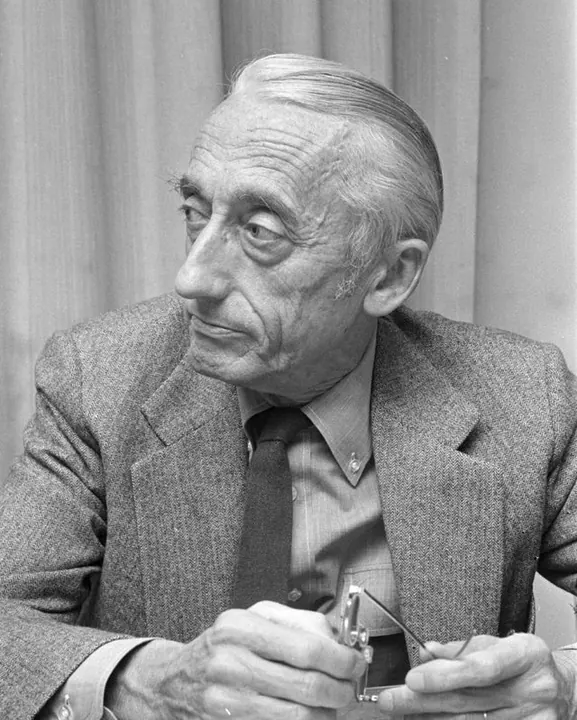
In 1943 a French naval officer, Jacques-Yves Cousteau, and an engineer of the gas company Air Liquide, Émile Gagnan, patented a diving regulator. It gave the diver air from a tank at the right pressure, and freed him from the pipes that tied him to the surface.
An improved model, the CG45, for Cousteau-Gagnan 1945, followed after the war. In 1946 Air Liquide created La Spirotechnique to sell it. Abroad it was called the Aqua-Lung.
1950–1962
A camera that can dive
In the museum
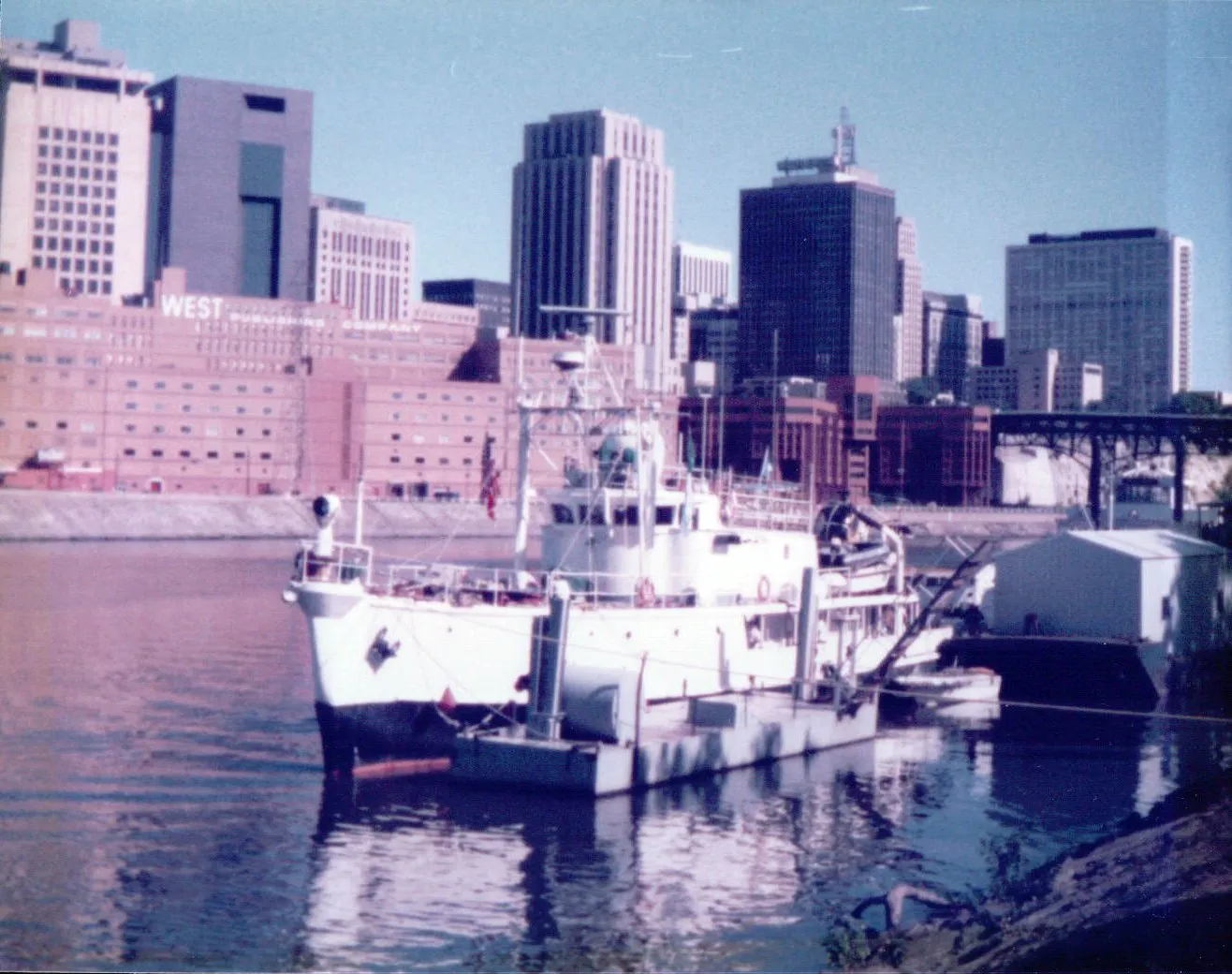
From 1950 Cousteau explored the seas on his ship, the Calypso, a former minesweeper. His film The Silent World, made with Louis Malle, won the Palme d’Or in Cannes in 1956. But to take pictures underwater, cameras had to be locked into big, heavy housings.
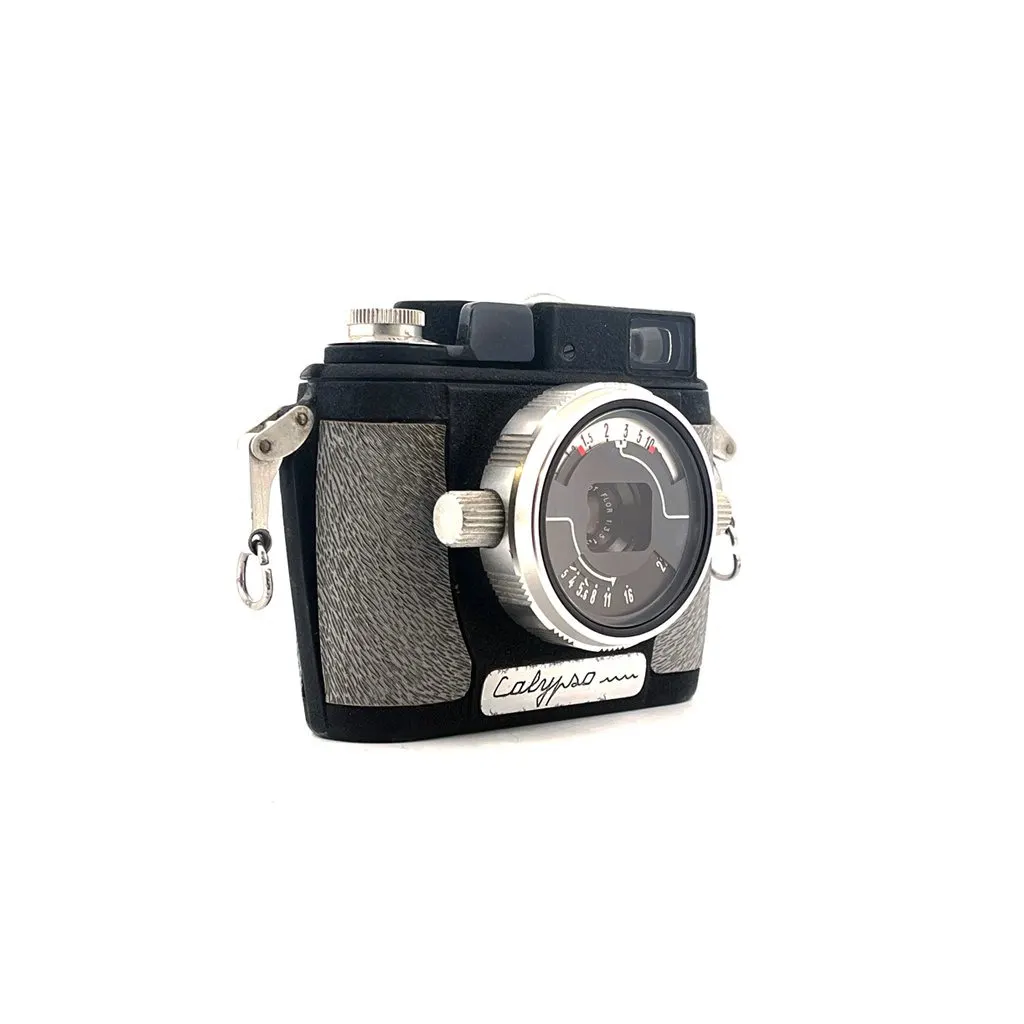
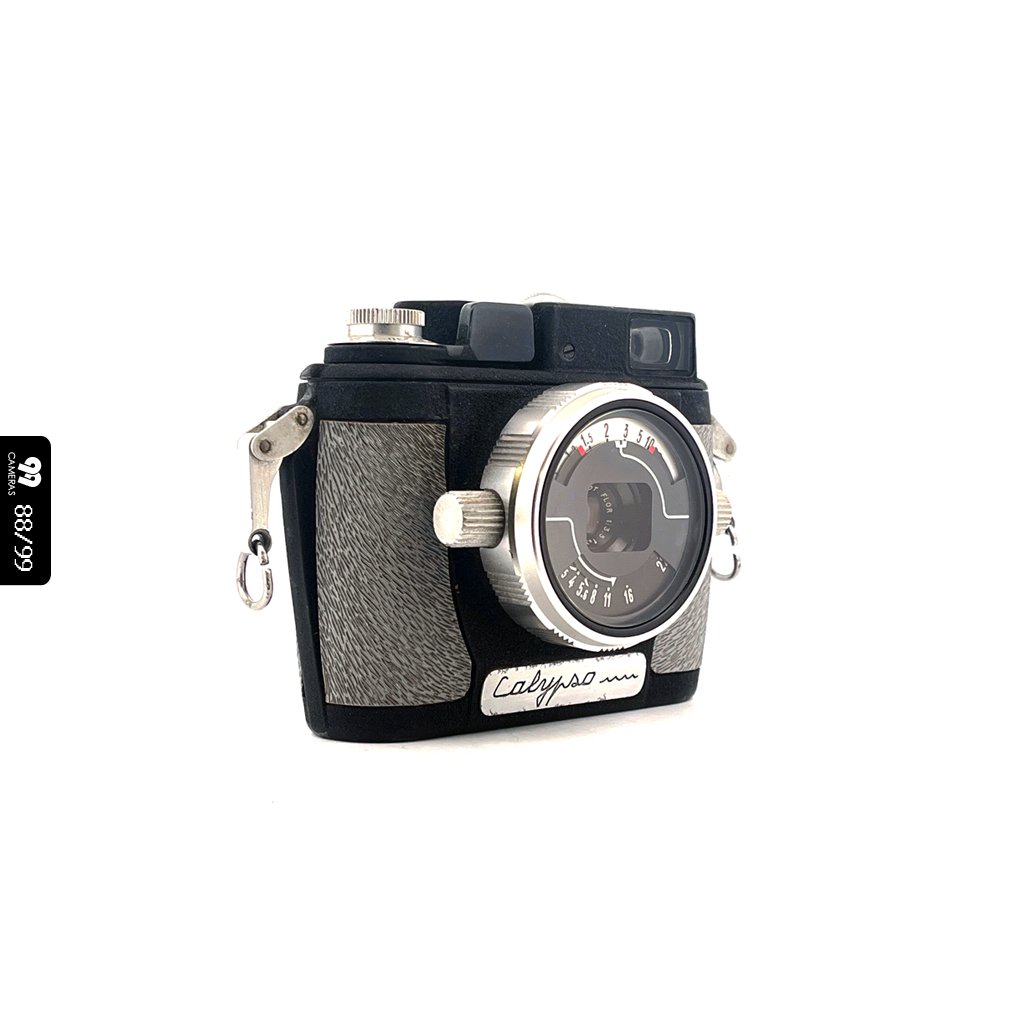
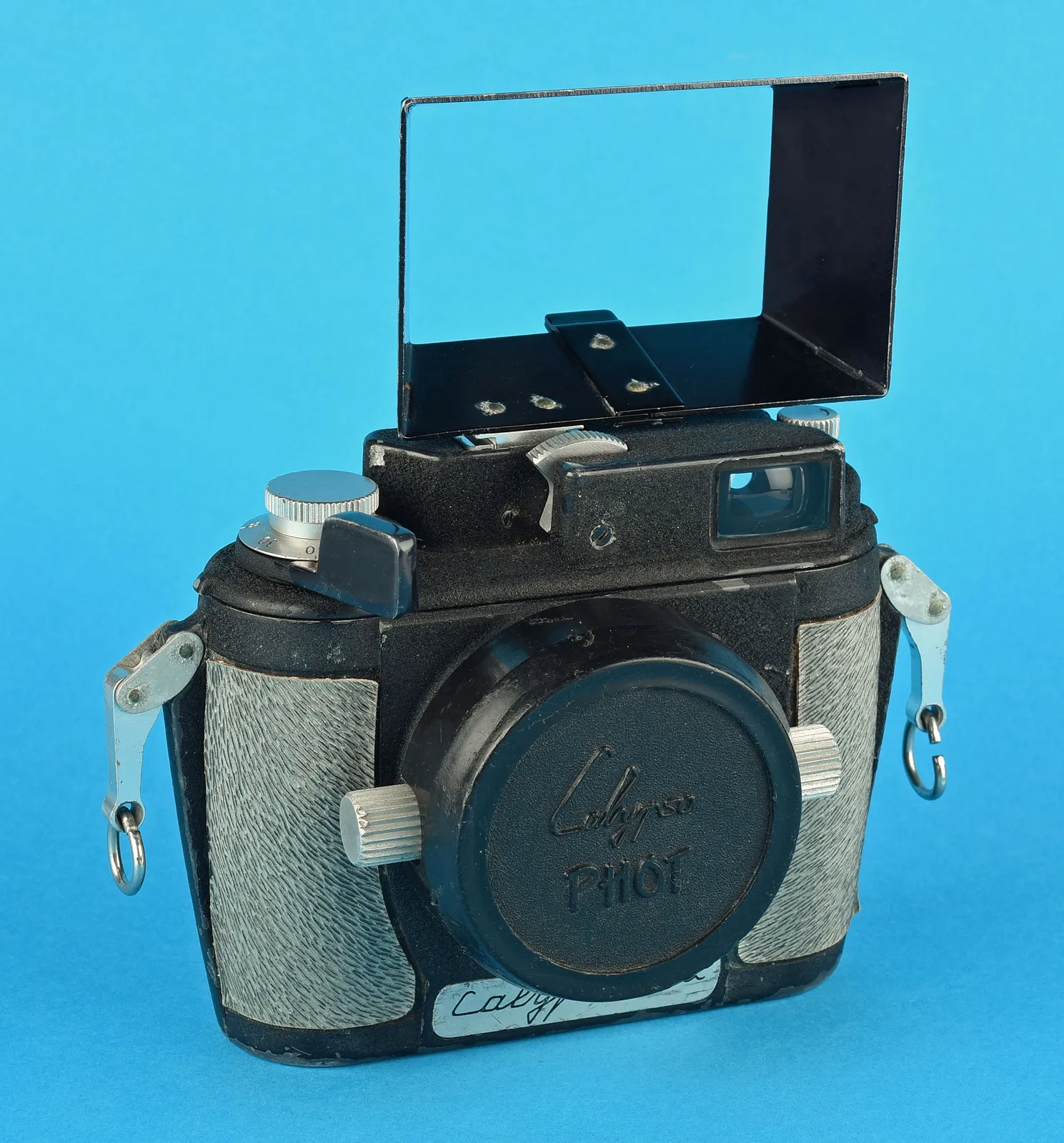
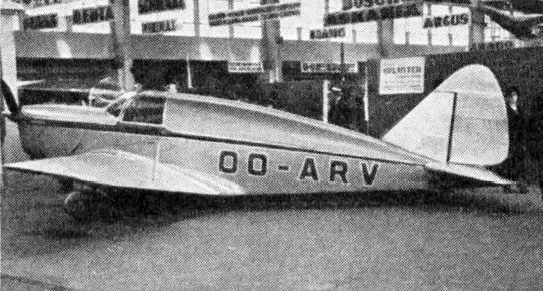
Cousteau asked the Belgian engineer Jean de Wouters to design a camera that could dive by itself. His prototype was ready in 1957. Made by Atoms and sold by La Spirotechnique from 1960, the Calypso, named after the ship, was sealed by rubber rings and could go down to 60 metres.
1963–today
The Calypso becomes the Nikonos
In the museum
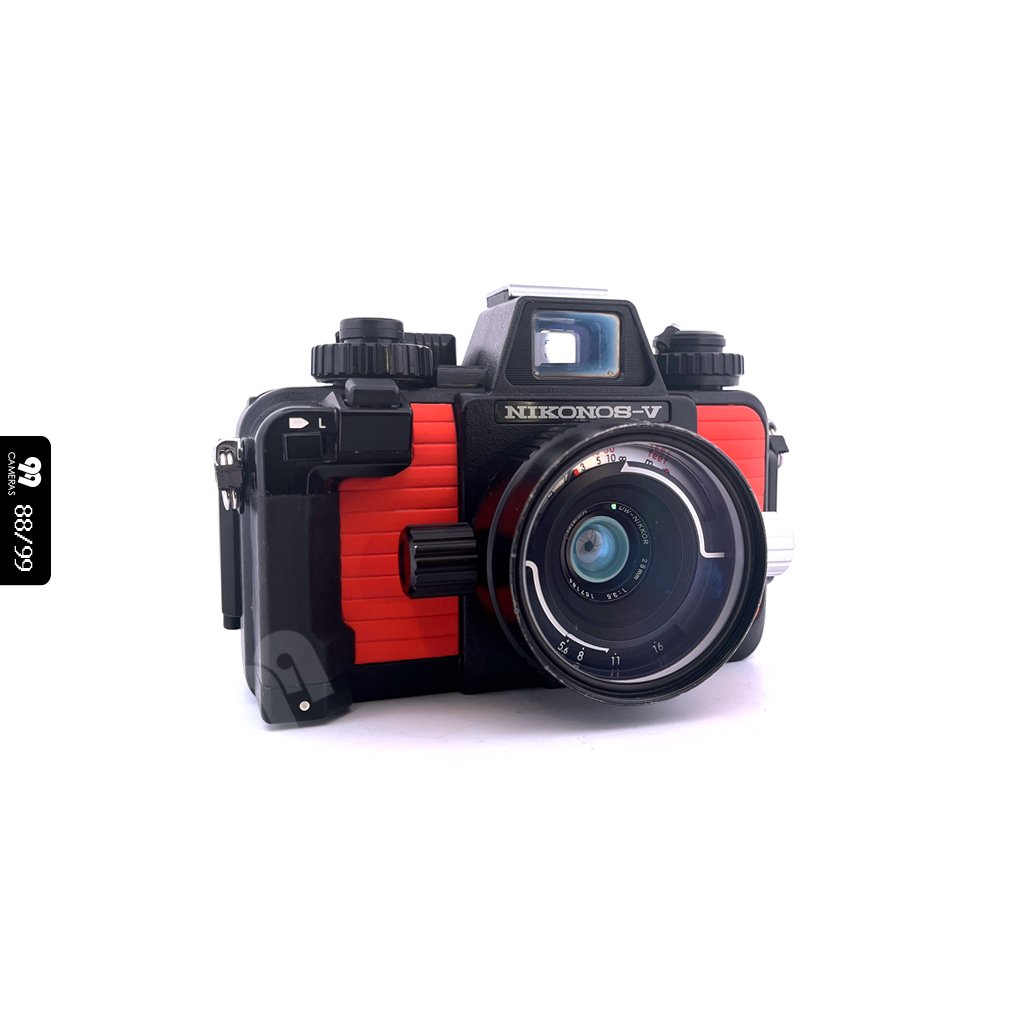
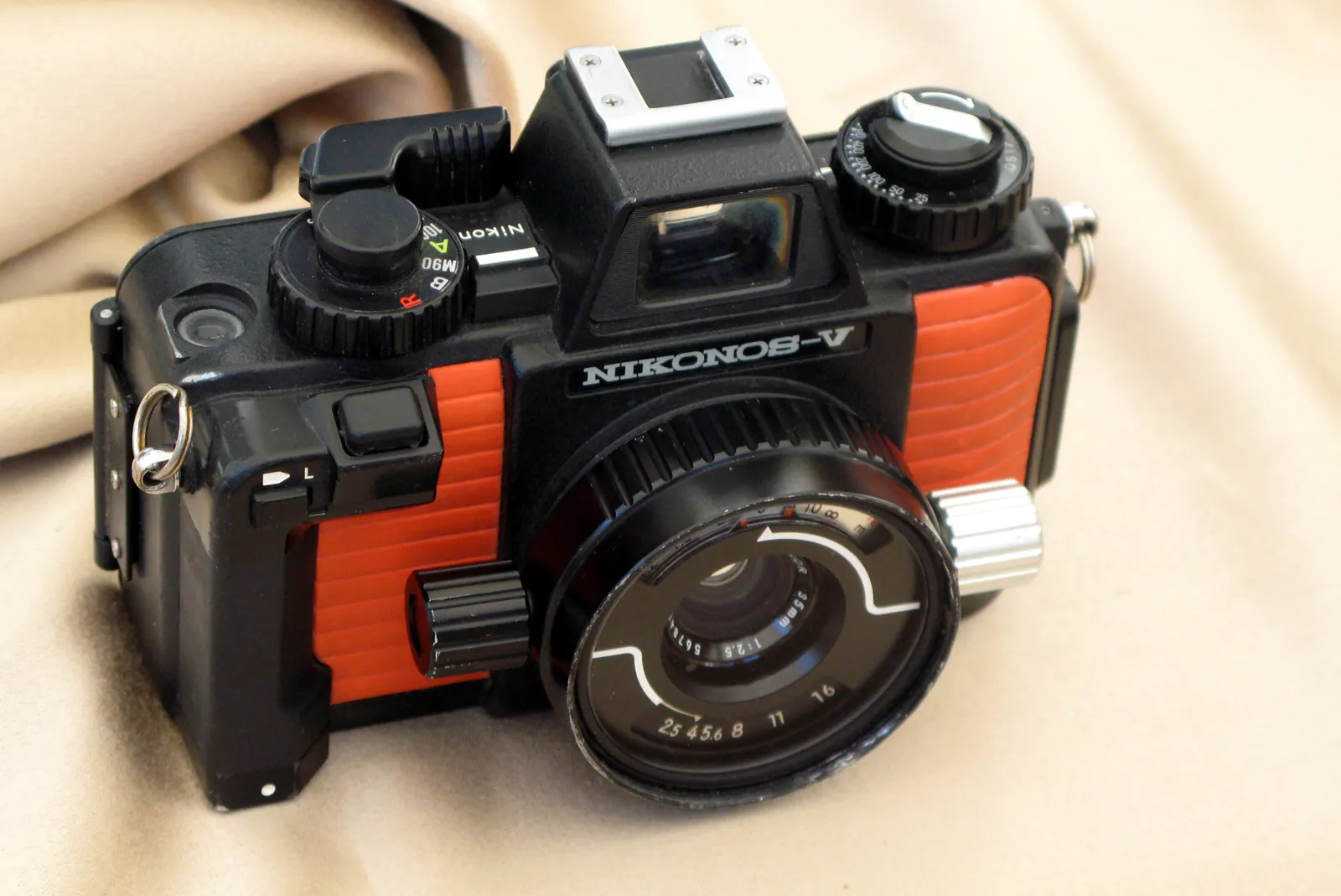
Nikon, a partner in the venture, bought the design and sold the camera from 1963 as the Nikonos. The first Nikonos was almost the same camera as the Calypso. The line went on for thirty years, until the Nikonos RS of 1992.
La Spirotechnique went on making diving equipment, and became Aqua Lung, the name of its first invention. Air Liquide sold it in 2016.
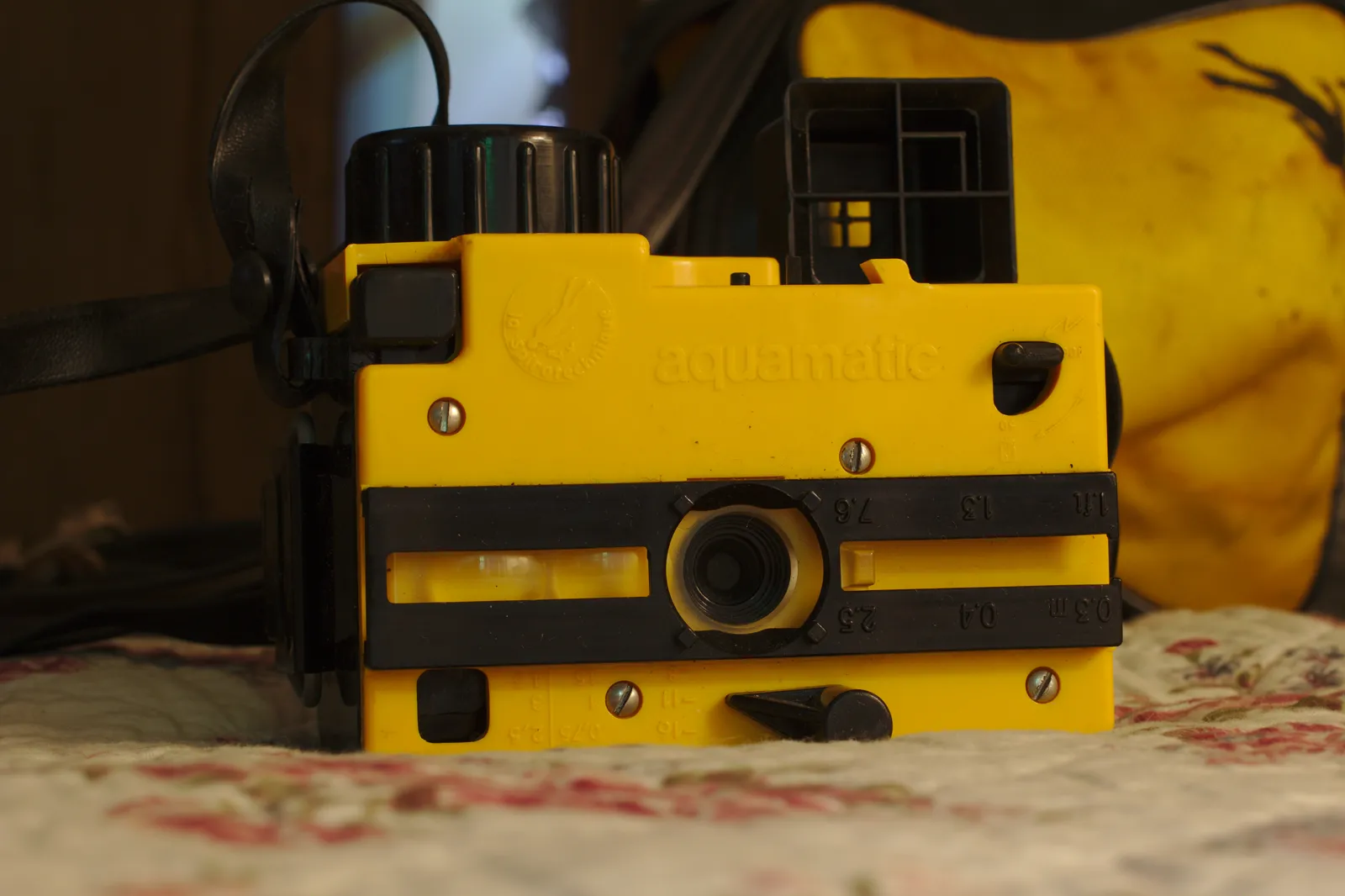
Spirotechnique at the 99 Cameras Museum
The Calypso, the first true underwater camera, is in the showcases of the museum in Paris. You can see it, and the other cameras of this story, in our online collection.
See the Spirotechnique cameras of the collection
Sources. Wikipedia articles on the Calypso camera, La Spirotechnique and Jacques-Yves Cousteau. Some anecdotes come from oral tradition and are told as such.
Plan your visit
Visit is free and open to all
- Opening hoursMonday – Saturday : 10 – 17:30
- AddressStudio Harcourt, 6 Rue de Lota, 75116 Paris
- Exceptional closuresThursday, 26 November 2026