
The Analog Chronicles
5 cameras
These cameras were part of our founding project, The Analog Chronicles, created with renowned photographers. They bear witness to the birth of the festival dedicated to neo-analog photography.
Top shelf 1 camera
-
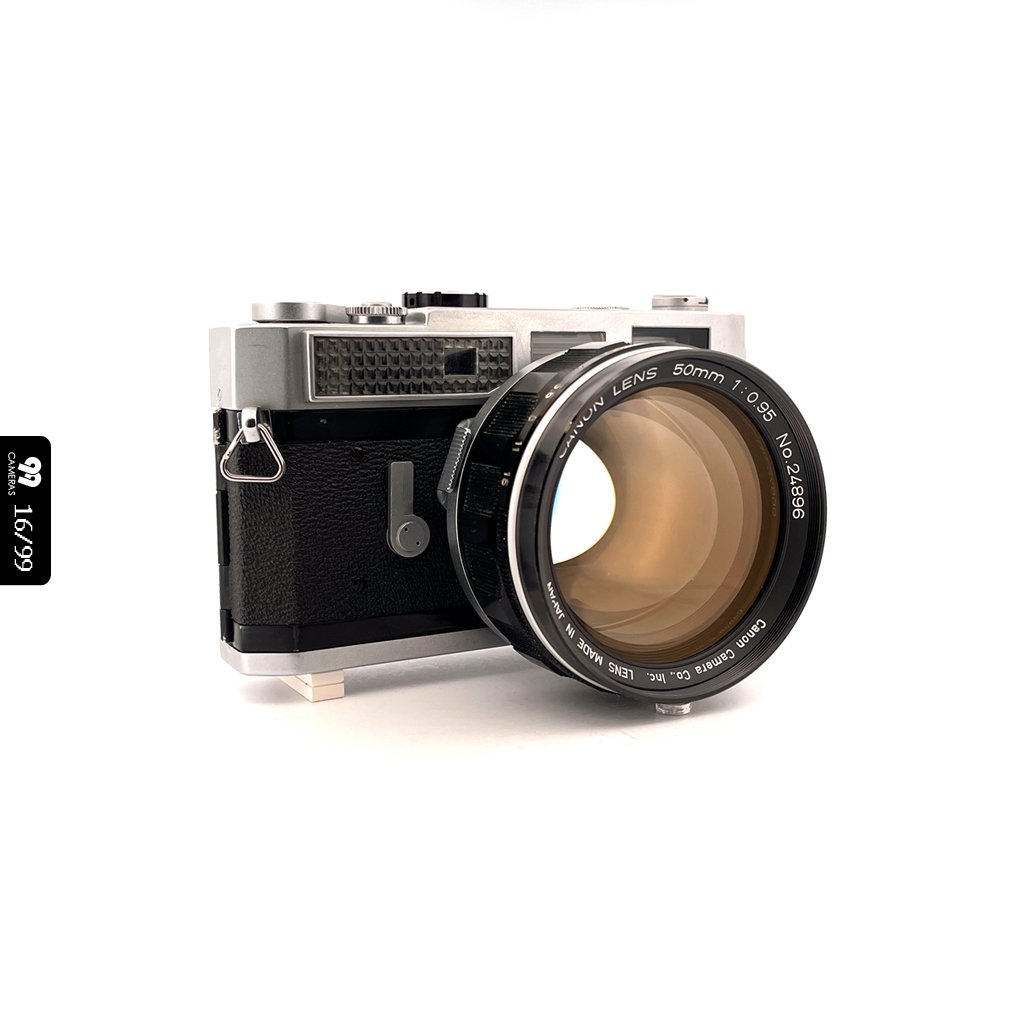
CanonCanon 7
- 1961
- JapanJapan
- 35 mm
The Canon 7 became a legend due to its 50mm f/0.95 lens, which earned the title of the "Dream lens." This lens offered the widest aperture available at the time, being four times brighter than the human eye. Generations of photographers have regarded the "Dream lens" as their weapon of choice for portraits and achieving incredible bokeh effects.
See the camera page
Middle shelf 2 cameras
-
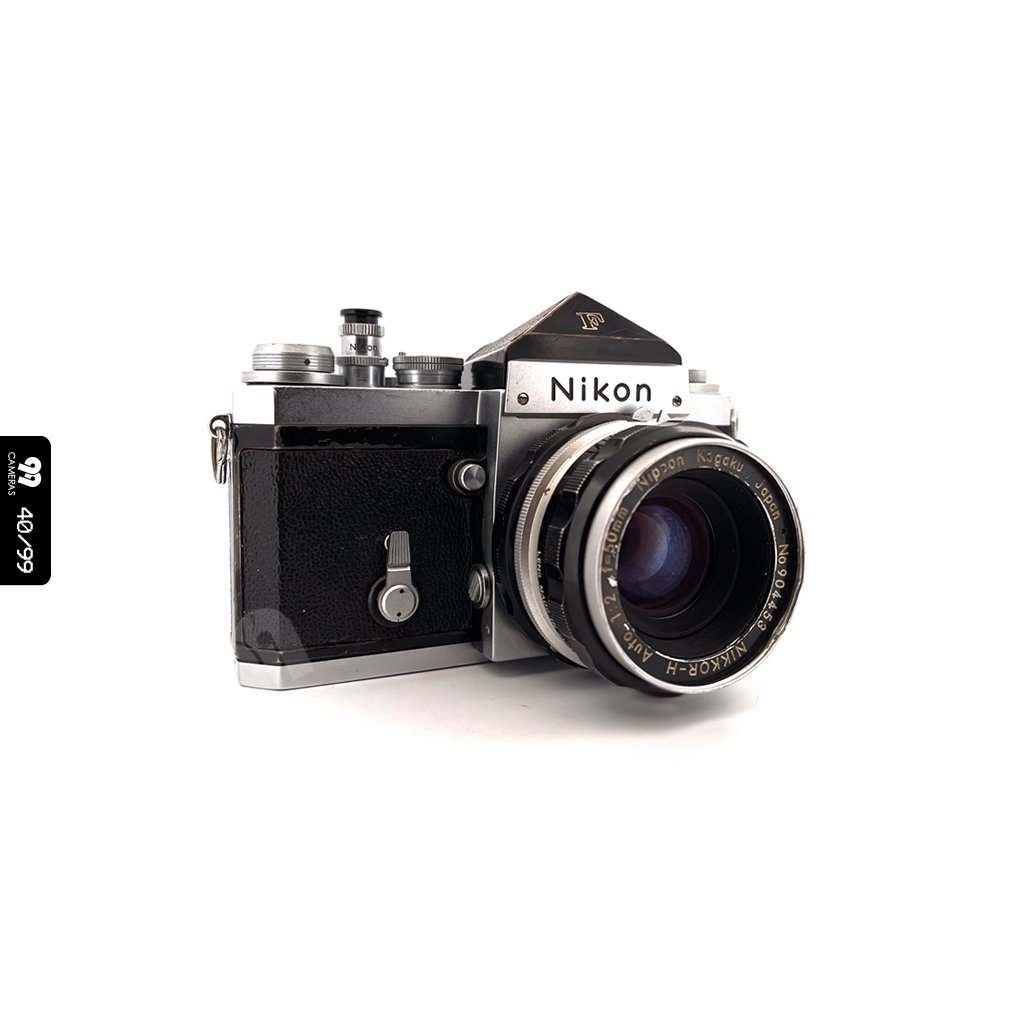
NikonNikon F
- 1959
- JapanJapan
- 35 mm
The Nikon F was the camera of choice for most photojournalists around the world. Very few cameras evoke as much adventure and travel. From the Vietnam War to NASA astronauts, the Nikon F was literally on all fronts. Its reputation for ruggedness and reliability was immense, and well-deserved.
See the camera page -
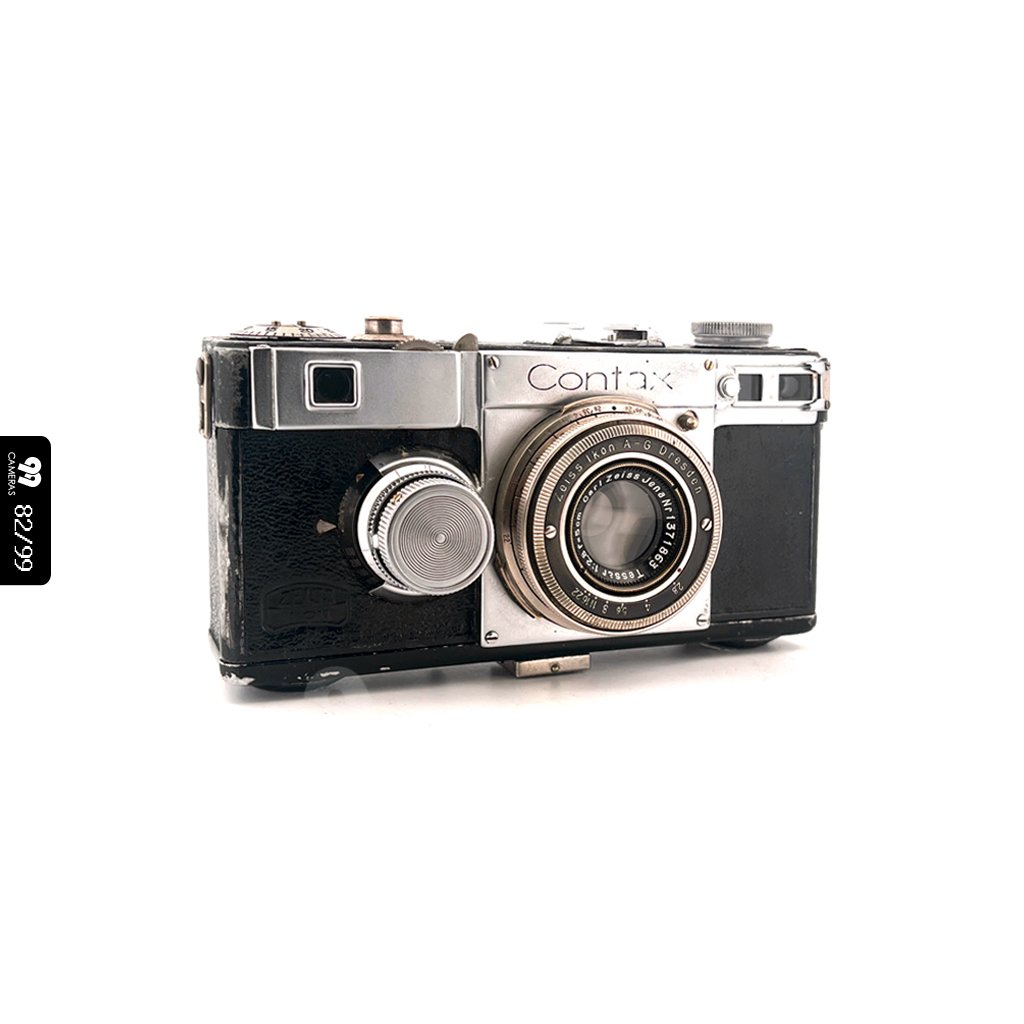
Zeiss IkonZeiss Ikon Contax “Chrome Face”
- 1935
- GermanyGermany
- 35 mm
Produced from 1932, Zeiss Ikon’s Contax was designed to be the brand’s challenger to Leitz Leica. Aware of the Leica’s growing success, Zeiss Ikon decided to produce a competitor designed to be superior in every way using the same perforated 35 mm film. The…
See the camera page
Bottom shelf 2 cameras
-
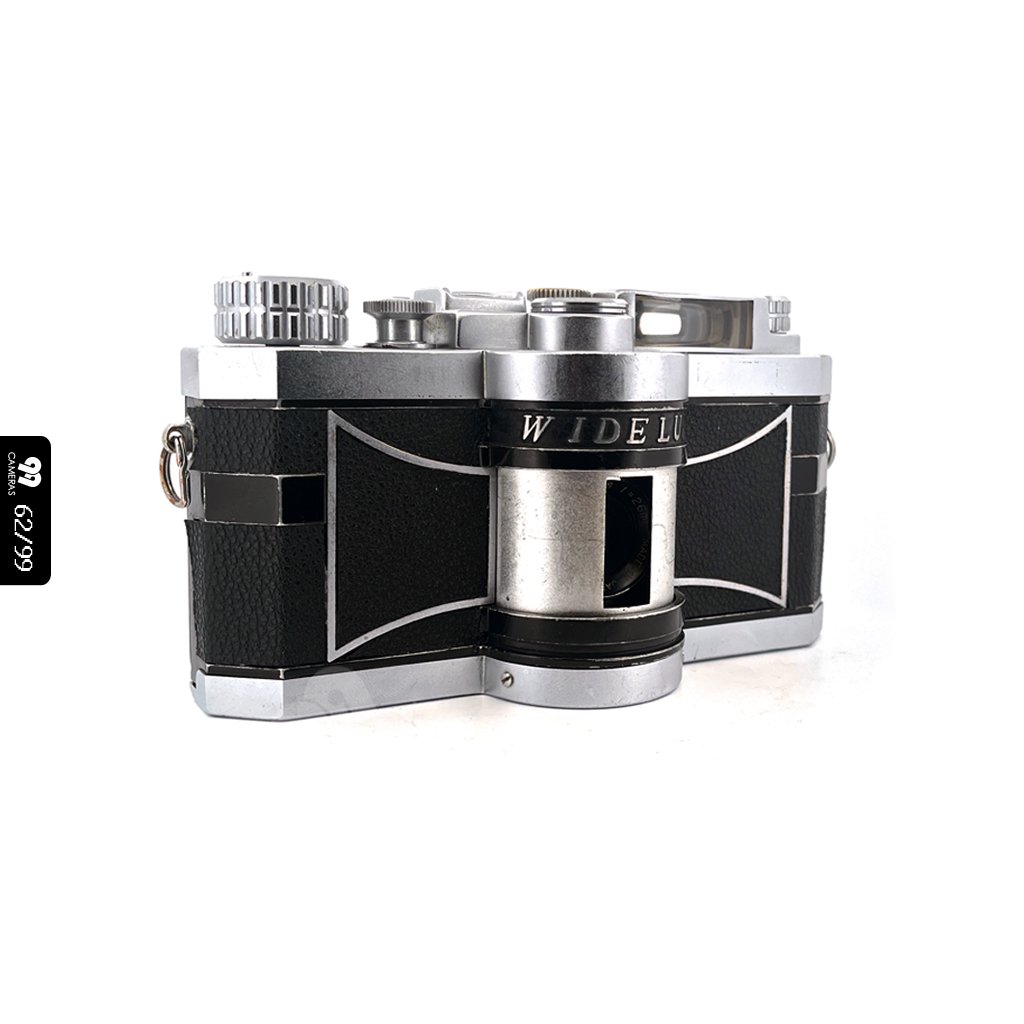
PanonPanon Widelux F6
- 1964
- JapanJapan
- 35 mm
The Widelux captures panoramic photos spanning nearly 130 degrees on 35mm film. A slot exposes the film as the lens rotates along a horizontal arc. This rotation leads to intriguing distortion effects. Actor/photographer Jeff Bridges and Stanley Kubrick are notable users of this camera.
See the camera page -
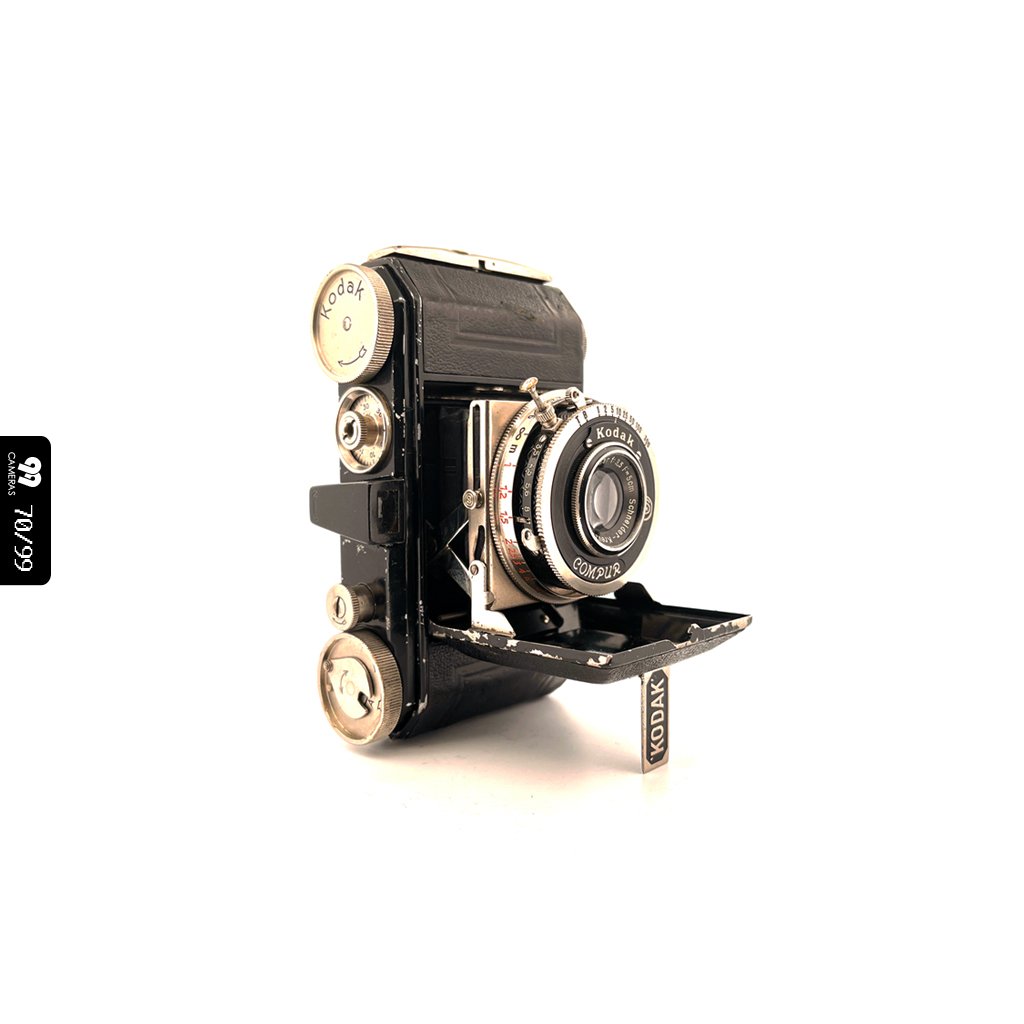
KodakKodak Retina 117
- 1934
- GermanyGermany
- 35 mm
The Retina 117 was the first 35mm camera produced under the Kodak brand. It was manufactured in Germany and used Kodak's new "daylight-loading cartridge," which was the first 35mm film cartridge that we still use today. The German origins of the original Retinas likely explain their high-quality design and durability.
See the camera page
Plan your visit
Visit is free and open to all
- Opening hoursMonday – Saturday : 10 – 17:30
- AddressStudio Harcourt, 6 Rue de Lota, 75116 Paris
- Exceptional closuresMonday, 16 November 2026Tuesday, 17 November 2026Thursday, 19 November 2026Thursday, 26 November 2026